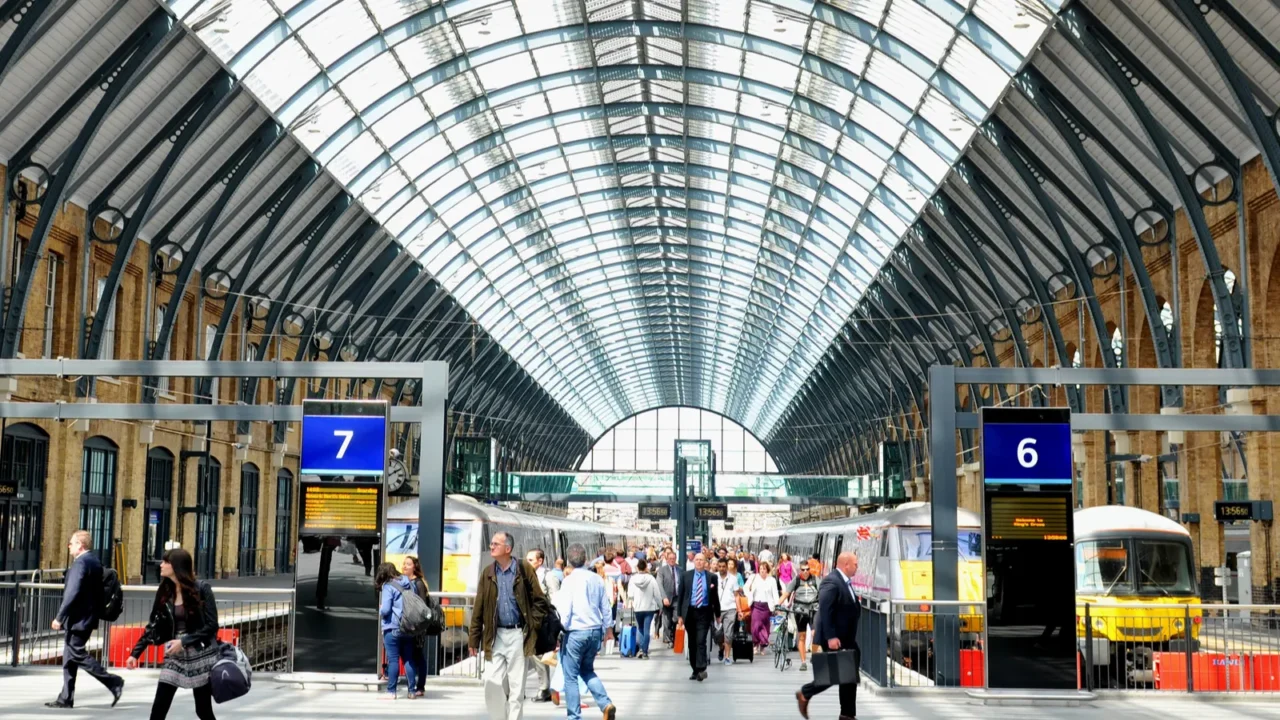
The rails are rewriting the map
Train travel is having its biggest moment in a century. New 2026 routes are connecting continents, cutting travel times, and pulling travelers away from airports entirely. Governments are investing at a scale unseen since steam engines first crossed mountains.
These launches reshape which destinations become accessible and which cultures get discovered. The kind of traveler who pays attention right now will arrive somewhere extraordinary before the rest of the world catches up.
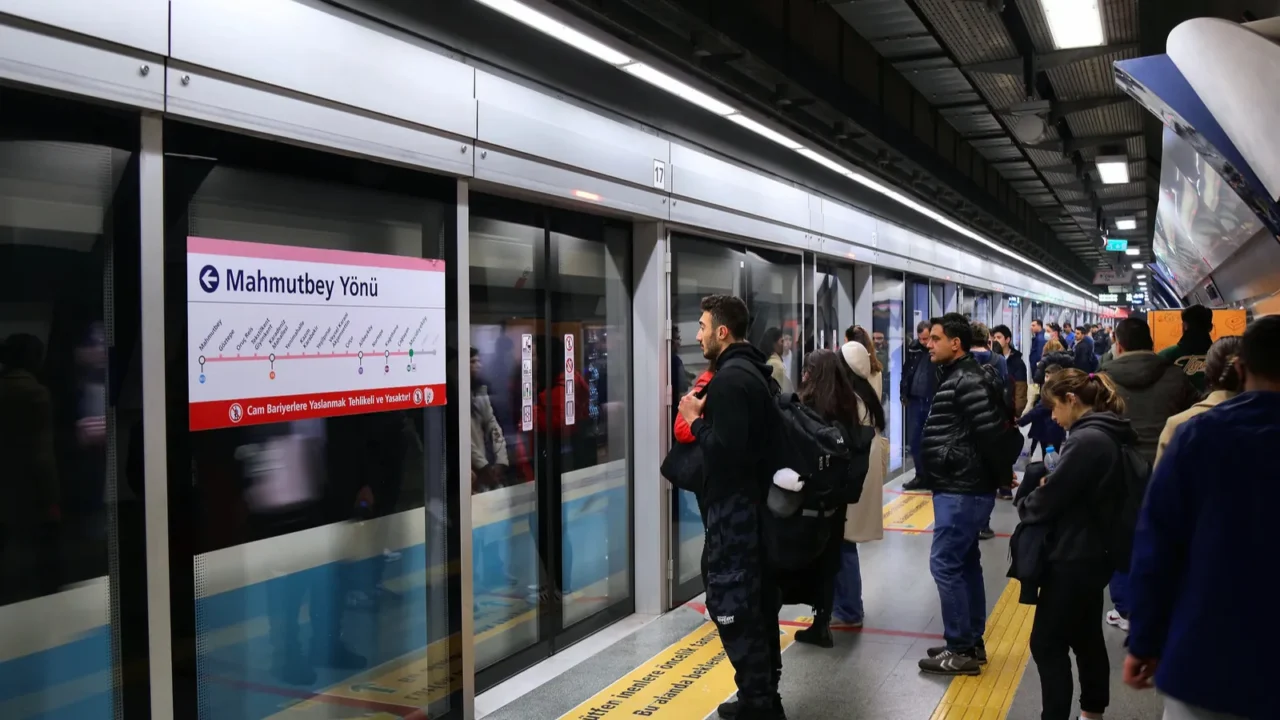
Istanbul to Baghdad rides again
The restored rail corridor between Istanbul, Turkey, and Baghdad, Iraq, reactivates one of history’s oldest trade routes. Passengers now cross Anatolia into northern Iraq, watching landscapes shift from Mediterranean scrubland to Mesopotamian plains through a carriage window.
Modern rolling stock and upgraded track have cut travel times considerably. For travelers willing to go where few think to look, this Middle Eastern corridor is quietly one of 2026’s most extraordinary openings.
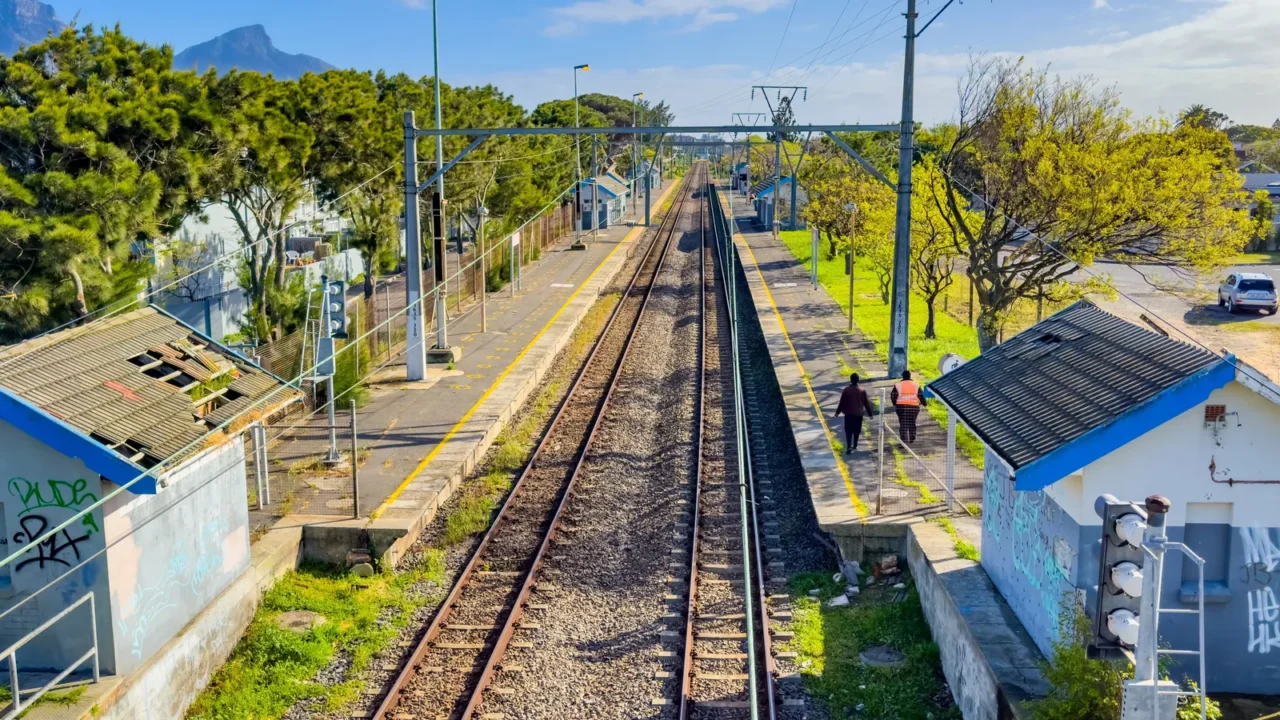
Africa’s untouched Swahili coast
Tanzania’s Standard Gauge Railway expansion reached the southern coast in 2026, connecting Dar es Salaam to Mtwara. Baobab forests, fishing villages, and coastal wetlands now pass outside carriage windows on a route that did not exist for tourists before this year.
The line connects to ferry services reaching Zanzibar and Pemba Island. Tanzania is offering travelers something increasingly rare in mass tourism, a destination that still feels entirely and completely its own.
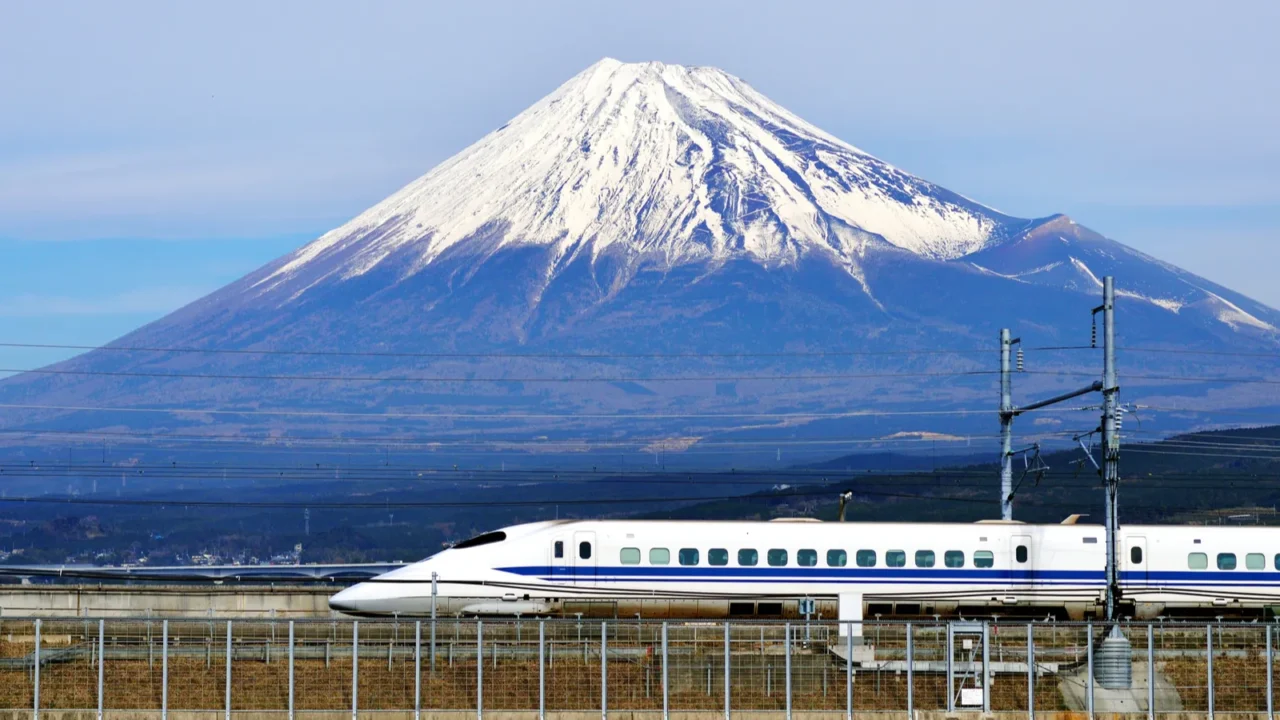
Nagasaki finally gets the bullet
Improved rail services and timetable changes are making Nagasaki easier to reach from western Japan; while regional Shinkansen projects have boosted access to parts of Nagasaki Prefecture, a fully continuous Shinkansen link from Osaka to Nagasaki remains a phased project rather than a new-in-2026 single extension. Nagasaki’s harbor views, Dutch-influenced Dejima district, and its profound wartime history now connect naturally to Japan’s established travel circuit.
Faster rail access transforms Nagasaki from an overlooked day trip into a genuine destination. Travelers exploring western Japan finally have a strong reason to stay longer here.
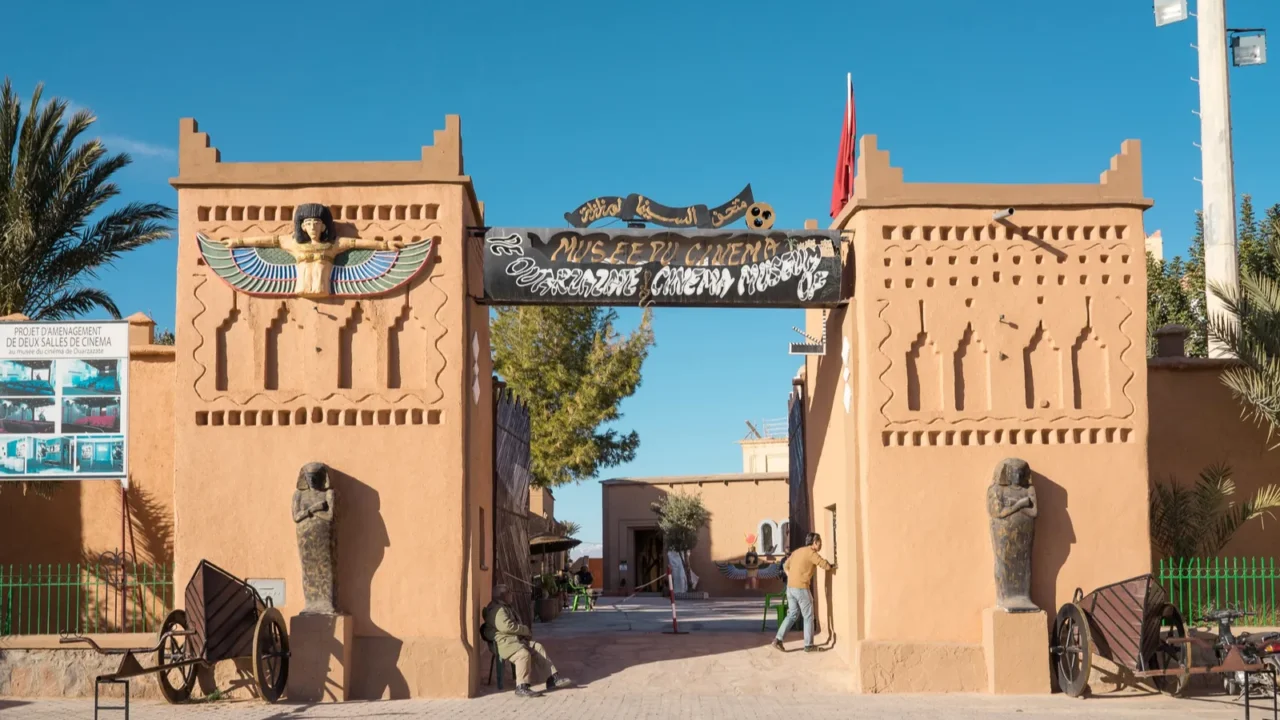
Morocco edges toward the Sahara
Morocco’s expanded service pushes south from Marrakech toward Ouarzazate, integrating with the existing Al Boraq high-speed line. For the first time, a traveler can ride from Casablanca toward the edge of the Sahara in one connected rail journey without switching to a bus.
Ouarzazate sits near the UNESCO-listed Ait Benhaddou ksar. Rail access here does not just benefit tourists. It signals that North Africa’s rail ambitions are finally moving as fast as its tourism potential demands.
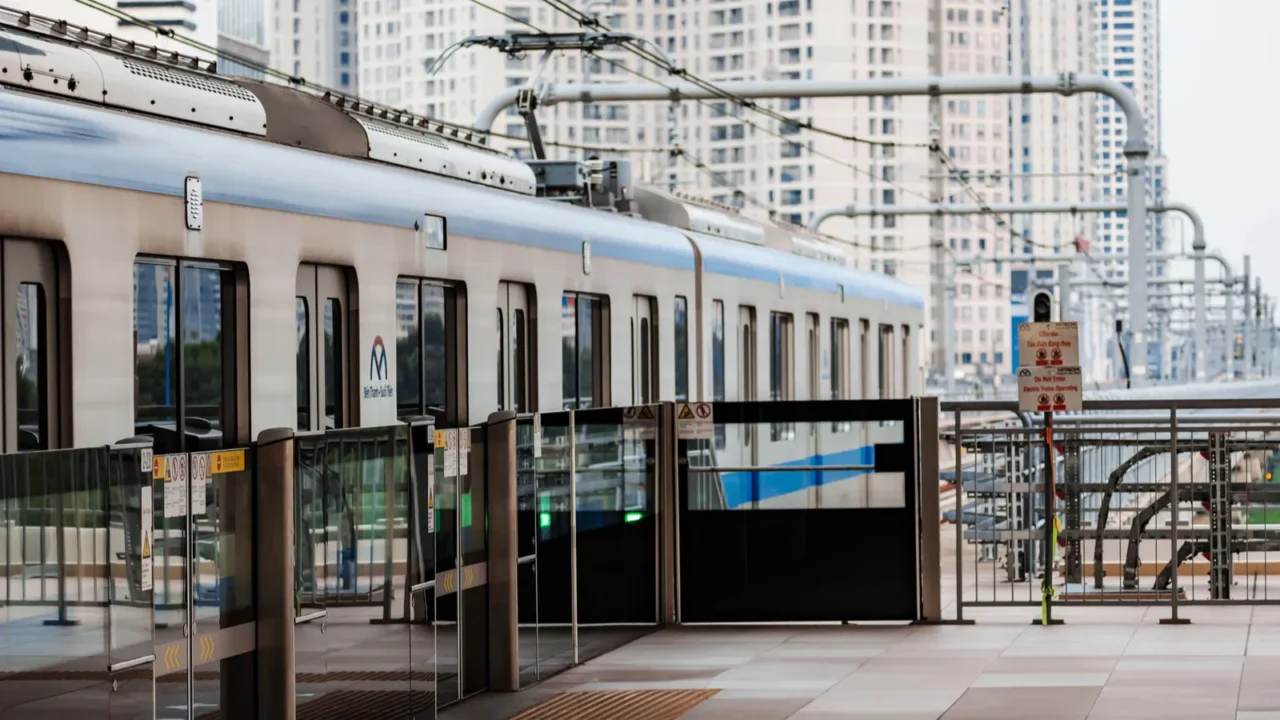
Vietnam unlocks its hidden coast
Vietnam completed major upgrades along its Reunification Express in 2026, reducing journey times and adding better access to smaller coastal cities between Hanoi and Ho Chi Minh City. Cities like Dong Hoi, the gateway to Phong Nha-Ke Bang National Park, now sit within easier reach for travelers ready to leave the standard tourist trail behind.
Fun Fact: Son Doong Cave near Dong Hoi is so enormous it generates its own internal weather system, including clouds and localized rain inside the cavern.
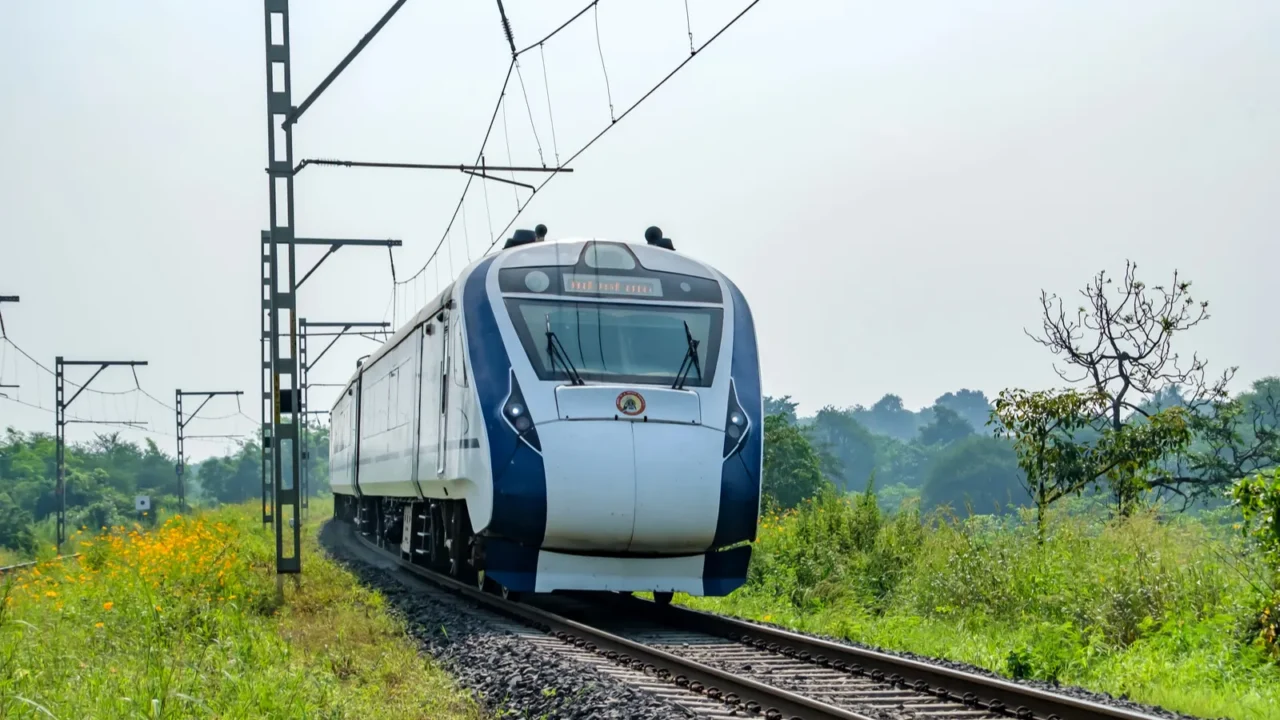
India’s Northeast finally opens up
India’s Vande Bharat Express extended into the northeastern states in 2026, connecting Agartala in Tripura and Jiribam in Manipur to the national network at modern speeds for the first time. These states share borders with Bangladesh, Myanmar, and Bhutan, yet have remained largely invisible to international tourism for decades.
Meghalaya’s living root bridges, Nagaland’s warrior heritage villages, and Manipur’s floating Loktak Lake are now genuinely reachable. Travelers who move on this early will arrive before the crowds do.
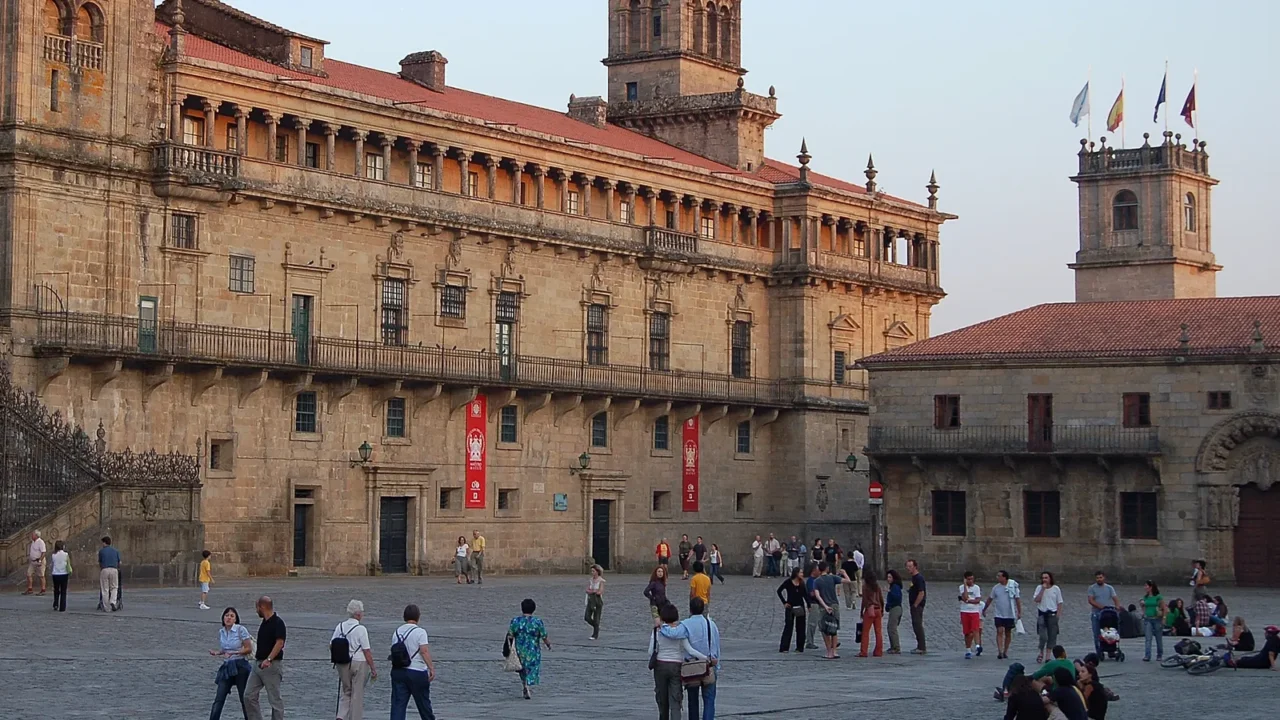
Spain’s greenest coast gets connected
Spain’s Renfe launched expanded AVE service along the Atlantic Arc in 2026, finally connecting Galicia’s northern coast cities of Vigo and A Coruña to Madrid and Lisbon via high-speed track. The northwest has long been Spain’s most overlooked region despite its granite fishing villages, emerald rias, and extraordinary seafood culture.
Fun Fact: Santiago de Compostela, now faster to reach by rail than ever, has welcomed pilgrims continuously for over a thousand years, making it one of the oldest active pilgrimage destinations on Earth.
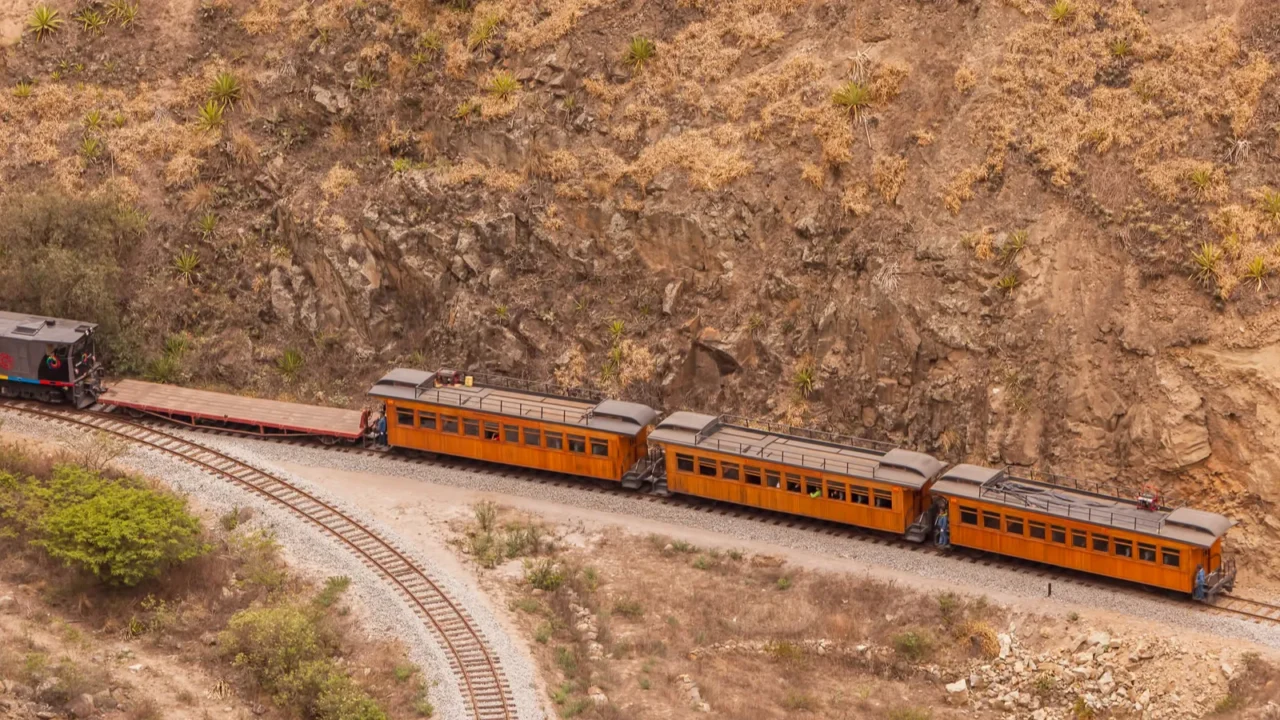
Ecuador’s most daring train returns
Ecuador’s Devil’s Nose (Nariz del Diablo) tourist service was rehabilitated and reopened in mid-2025, restoring the historic switchback descent and renewed tourist operations between Alausí and Sibambe. The route descends a near-vertical Andean cliff face through a zigzag switchback railway carved in the early twentieth century, considered one of the most audacious works of rail engineering ever completed in the Western Hemisphere.
Passengers drop thousands of feet from the high Andean plateau into subtropical canyon landscapes within a single short journey. Riding the Devil’s Nose is less sightseeing and more something closer to a theater.
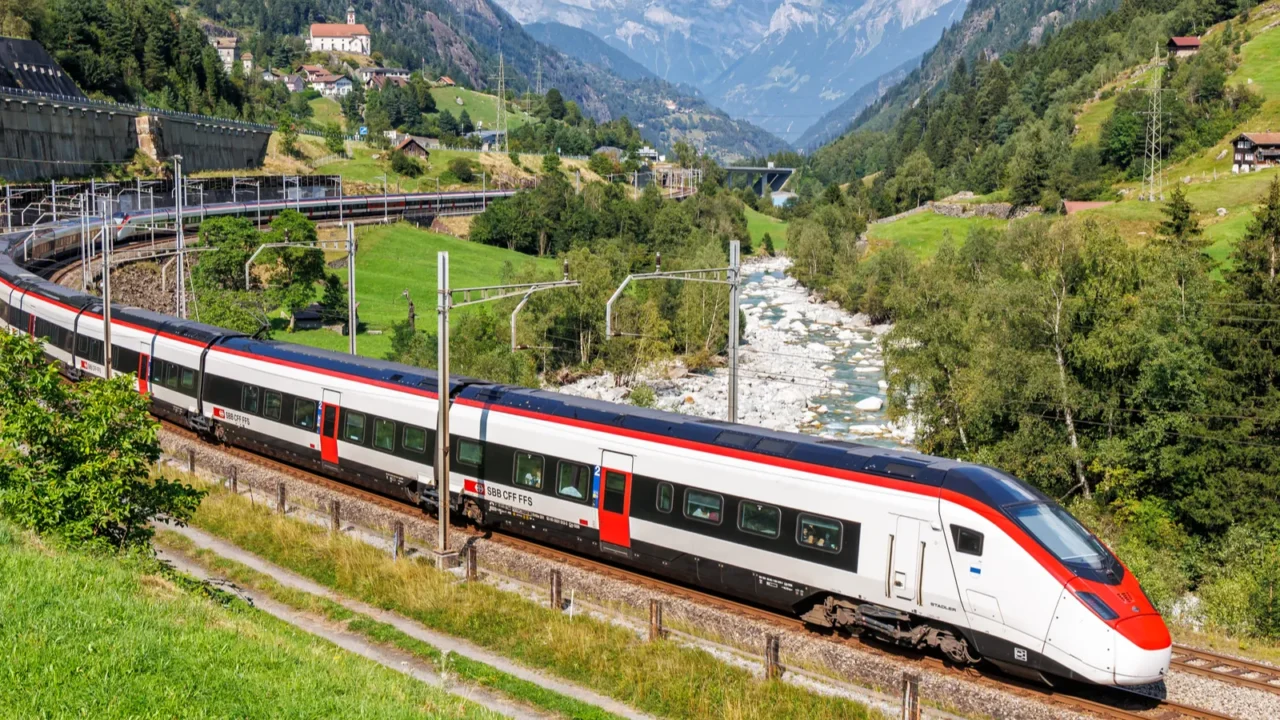
The Gotthard tunnel gets its moment
Switzerland, Germany, and Italy launched a seamless express rail product in 2026 under the Rhine-Alps corridor, connecting Amsterdam through Basel and Zurich into Milan via the Gotthard Base Tunnel. The tunnel runs beneath the Swiss Alps at over a mile in depth and remains the longest railway tunnel on Earth.
Travelers now move from Amsterdam’s canals to Lake Como’s palm trees in a single day without an airport. The journey crosses climates, languages, and cuisines all before dinner.
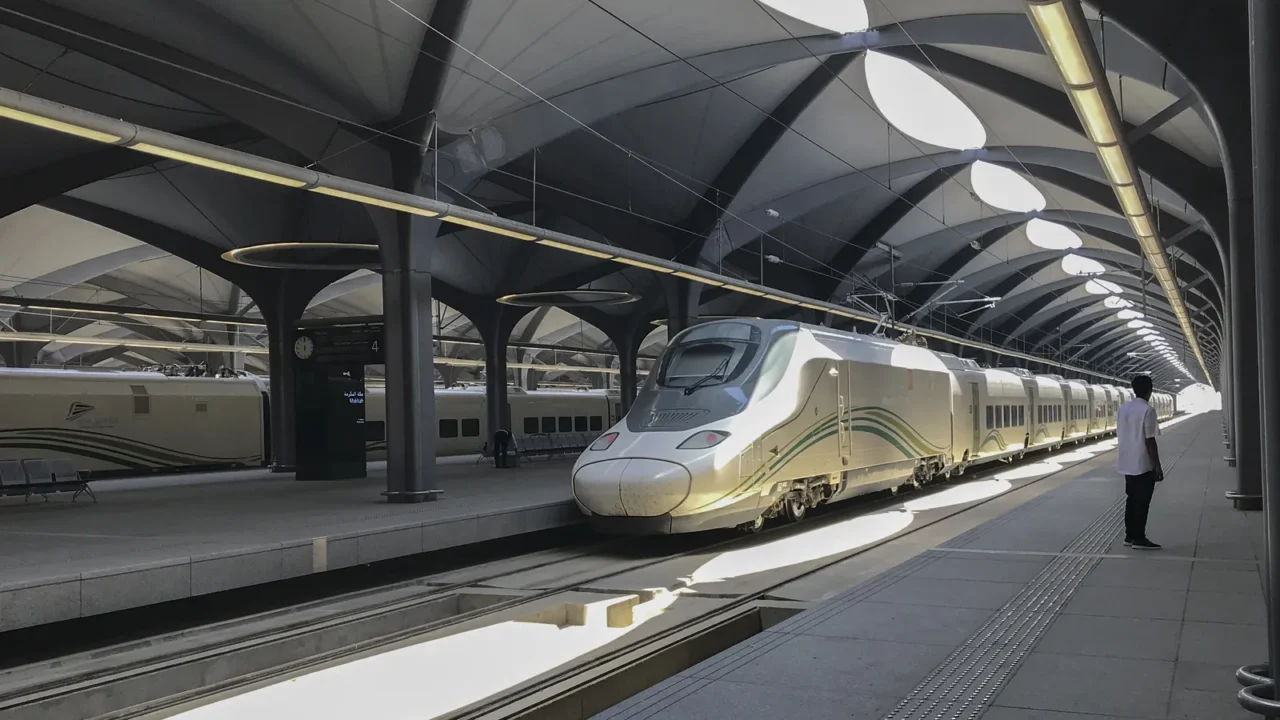
Saudi Arabia builds desert high-speed
Saudi Arabia expanded its Haramain High-Speed Railway network in 2026, adding new station access points and service frequency between Mecca, Medina, Jeddah, and King Abdullah Economic City. The route travels through open desert at speeds exceeding 300 kilometers per hour, making it one of the fastest operational train rides available anywhere on Earth today.
For non-pilgrimage travelers, Jeddah’s Al-Balad historic district and Red Sea coastline are now far more efficiently connected to the country’s wider emerging tourism infrastructure.
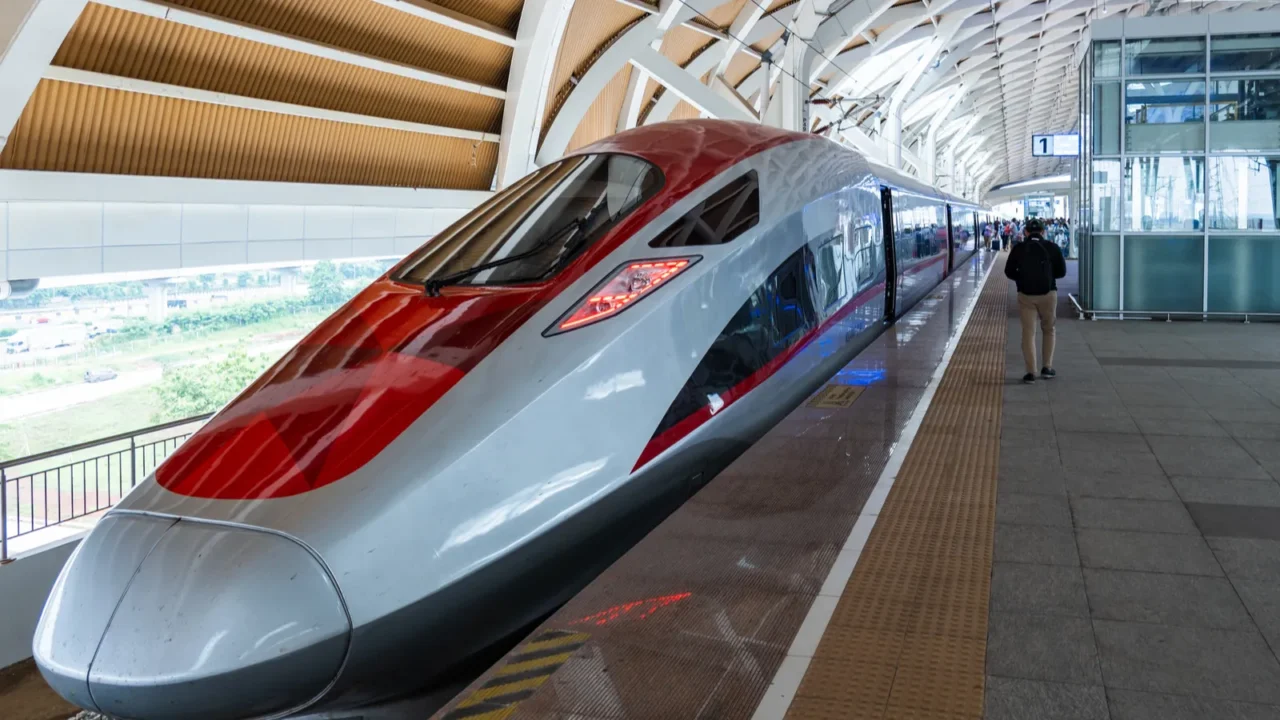
Indonesia rides into the future
Indonesia launched an expanded Whoosh high-speed rail service in 2026, building on the Jakarta to Bandung corridor that debuted in late 2023 and extending connectivity deeper into West Java. Bandung, a city of volcanic landscapes, Dutch colonial architecture, art deco cafes, and one of Southeast Asia’s most creative street food cultures, is now a genuine urban day-trip destination from Jakarta.
The expansion signals Indonesia’s ambition to build a rail network capable of holding a country of 270 million people together on its own terms, and if this excites you, there is a whole world of train journeys still waiting to be booked.

Every journey starts at a station
The train routes of 2026 are not simply infrastructure projects. They are invitations to travel at a human pace, through landscapes rather than above them, arriving rested rather than depleted. From the Andes to the Alps, from East Africa to Southeast Asia, rail is reclaiming its role as the traveler’s most intimate form of movement.
The destinations now reachable because of these routes are some of the most compelling on Earth, and for anyone ready to start planning, these scenic train routes are exactly where that journey begins
Which of these 2026 train routes would you board first, and why is it the one you have been waiting for?
This slideshow was made with AI assistance and human editing.
Don’t forget to follow us for more exclusive content right here on MSN.
Read More From This Brand:
