
One day, smarter prices
Flight prices in the United States and globally follow patterns that researchers and travel analysts have studied extensively over the past two decades. Among findings across multiple fare-tracking platforms, including Google Flights and Hopper, Tuesday has emerged as the most consistently favorable day to search for airline tickets, particularly when combined with flexible travel dates and real-time fare alerts. The combination of midweek searching and alert-based monitoring produces results that weekend browsing rarely matches.
This blog explores the cities, countries, and hidden corners of the world that become accessible when travelers book smarter. From the sun-baked coast of Croatia to the neon-lit streets of Tokyo, Japan, knowing when to search and which tools to use is the first step toward a journey that feels less like a splurge and more like a well-earned revelation.

Tuesday’s quiet little secret
Most travelers scan flight prices over the weekend, convinced that a Saturday morning and a laptop is the perfect booking ritual. What they rarely realize is that midweek searching, particularly on Tuesday, tends to surface lower fares because airline algorithms have had time to process demand data and competitors have begun responding to each other’s promotional adjustments from the start of the week.
Tuesday is not a guaranteed discount button, but it is the day where smarter conditions tend to align. Pair that midweek search habit with a fare alert already running in the background and you have a combination that consistently outperforms the impulse weekend search that most travelers never think to question.

How airlines price against you
Airlines use sophisticated revenue management systems that scan competitor fares, load factors, and booking velocity to make constant micro-adjustments throughout every single day. Promotional fares tend to launch variably across the week, and by Tuesday, the market has typically had enough time to settle into a more competitive state as carriers match and respond to each other’s opening moves from Monday.
This does not mean fares bottom out on Tuesday like clockwork, but it does mean the conditions for finding a genuinely competitive price are more favorable midweek than on the weekend. Combining that window with flexible travel dates and active fare alerts is what turns a marginally better search day into a meaningfully cheaper ticket.

Bali, Indonesia calls loudly
Bali, Indonesia, earns its reputation through volcanic rice terraces at dawn, temple incense cutting through humid air, and sunsets at Tanah Lot that stop you completely mid-sentence. The island sits at the intersection of spiritual intensity and physical beauty, drawing people back not out of habit but out of a genuine, unshakeable pull. Flights to Ngurah Rai International Airport from major U.S. hubs vary considerably across the calendar. A Tuesday search paired with a live fare alert is what reliably turns a week-long trip into ten unforgettable days on this island.
Little-known Fact: Hopper’s data shows that flexible date alerts consistently outperform rigid day-specific booking for long-haul routes like Bali, making it one of the most effective tools for scoring genuine price drops. See the full breakdown at Hopper’s flight research hub.
The real cost of searching Sunday
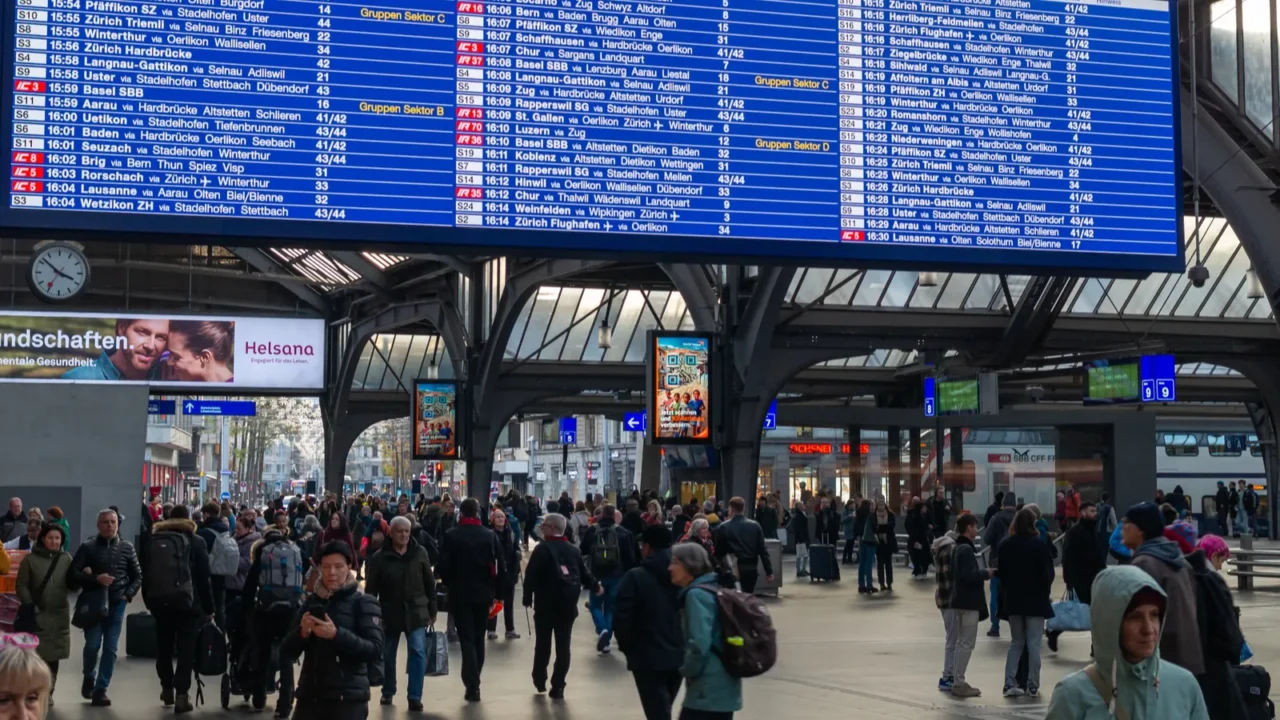
Sunday is statistically the most popular day for flight searches globally, and that concentrated traffic sends demand signals that dynamic pricing systems register and respond to almost immediately. Fares on heavily searched routes can shift upward within hours of a search spike, which is a documented feature of how modern airline pricing algorithms behave during peak browsing periods.
Shifting that same search to Tuesday does not guarantee dramatic savings on every route, but it consistently places the traveler in a lower-traffic environment where fresher, more competitive fares are more likely to be visible. Even marginal savings on a transatlantic route to Rome, Italy, or Dublin, Ireland, translate into real money when redirected toward the experience of being there.

Lisbon, Portugal earns you
Lisbon, Portugal, earns your affection slowly, through cobblestone hills that reward effort with views that feel disproportionately generous. The neighborhoods of Alfama and Mouraria move at a tempo most European capitals abandoned long ago in favor of something faster and far less human. Flights from New York’s JFK to Humberto Delgado Airport are among the more affordable transatlantic routes available. A Tuesday search with an active fare alert running leaves meaningful extra money for the food, the locals, and the quiet moments that make Lisbon genuinely impossible to forget.
Fun Fact: Lisbon is one of Europe’s oldest capitals with over 3,000 years of continuous habitation tracing back to Phoenician settlers, making it older than London, Paris, and Rome.

Kyoto, Japan opens slowly
Kyoto, Japan, is where old Japan breathes easiest. The city was deliberately spared from major aerial campaigns during World War II because of its extraordinary cultural significance, and that preservation is something you feel the moment you step into a centuries-old machiya townhouse or walk the stone path of Fushimi Inari shrine before the crowds arrive. It is a city where restraint and beauty are quietly the same thing.
Fares from the West Coast of the United States to Kansai International Airport, serving both Kyoto and Osaka, Japan, fluctuate considerably. A Tuesday search combined with flexible travel dates consistently surfaces stronger options here, and those savings are best spent on a night at a traditional ryokan inn where tatami floors and kaiseki dinners do the rest.

Cartagena, Colombia’s painted streets
Cartagena, Colombia, is a city that looks like someone painted it on a very good day and never let it fade. The walled old city, a UNESCO World Heritage Site, stacks colonial Spanish architecture in shades of mustard, coral, and turquoise along streets too narrow for anything but foot traffic and quiet determination. It slows you down, not because it asks you to, but because your eyes simply keep stopping you.
Flights from Miami, Florida, and New York to Rafael Núñez International Airport are among the most attainable international routes for U.S. travelers. Combined with Cartagena’s genuinely low cost of living, a well-timed Tuesday search makes this one of the strongest value cases for international travel anywhere in South America.

Marrakech, Morocco shifts everything
Marrakech, Morocco, sits roughly eight hours from New York by air and delivers a sensory experience that feels like crossing into another dimension entirely. The Djemaa el-Fna square shifts personality by the hour, quiet and warm in the morning, erupting into food stalls, storytellers, and musicians by nightfall. The medina’s souks sell saffron, leather, and handwoven textiles in spaces so layered that getting lost feels less like an inconvenience and more like the whole point.
Flights from New York to Marrakech Menara Airport are competitively priced year-round, and a Tuesday search paired with fare alerts is what reliably surfaces the best available rates. Extending the trip into the Sahara Desert near Merzouga, Morocco, makes one smart booking stretch across experiences that feel genuinely unrepeatable.

Iceland rewards patient bookers
Iceland is the kind of destination that used to live exclusively on bucket lists. The expansion of budget carriers and competitive transatlantic pricing has brought Reykjavik, Iceland, within real reach for American travelers willing to be deliberate rather than impulsive about how they approach the booking process. Fares from Boston and New York to Keflavik International Airport fluctuate enough that alert-based monitoring on a Tuesday search consistently outperforms any fixed-day strategy.
What makes Iceland uniquely rewarding is how much the country offers completely free of charge. The Northern Lights, the black sand beaches of Vik, and the raw silence of the Icelandic highlands ask only for your presence and a pair of waterproof boots. A smarter booking simply means more left over for the moments that matter most.

Book smart, not just early
The conventional wisdom about booking flights months in advance is only partially correct. Research points to three to five months ahead for international routes and three to six weeks out for domestic flights as the windows that most reliably produce strong pricing. Layering a Tuesday search habit on top of those windows, with active fare alerts already running, is what separates the travelers who consistently find strong fares from those who pay whatever the screen shows them.
Flight prices respond in real time to human behavior, and treating booking as a deliberate, alert-driven strategy rather than a one-time weekend search compounds meaningfully over time. Across two or three international trips in a year, that disciplined approach can add up to the cost of an entirely separate journey.

Tools that do the watching
Knowing that Tuesday offers more favorable search conditions is only useful if you have the right tools positioned to act on that window quickly. Google Flights remains the most transparent fare-tracking platform available, with a price calendar view that makes fare patterns across flexible date ranges immediately visible without requiring any specialized knowledge. Hopper adds a predictive layer, using historical booking data to tell you whether a fare is likely to rise or fall before you commit.
Setting alerts on both platforms means the monitoring runs continuously without requiring a manual search every week. When a genuine price drop aligns with your destination, your travel window, and a Tuesday search, the notification arrives, and the only thing left is the decision to go. That is where great trips actually begin, and economy flights make sure the journey starts without breaking the bank.

The trips starts right now
Every journey that has ever changed someone started with a decision that felt slightly bigger than it probably was. Booking a flight to a place you have never been, through a smarter search habit and the right tools rather than a lucky weekend impulse, is a small act of intention that carries outsized consequences. The traveler heading to Cartagena, Kyoto, or Marrakech on a well-monitored fare is not just saving money, they are moving through the world with purpose, and that energy carries into everything.
Bali’s terraces, Lisbon’s hills, Iceland’s silence, and Kyoto’s restraint are all waiting. None of them requires a windfall to reach. They require only Tuesday, the right alert, and the honest belief that a life-changing journey is never really out of reach because flights are safer and smoother means the only thing standing between you and that destination is the moment you decide to go.
You have been booking flights on the wrong day your entire life. Does Tuesday finally change everything for you, or are you still trusting the weekend?
This slideshow was made with AI assistance and human editing.
Don’t forget to follow us for more exclusive content right here on MSN.
Read More From This Brand:
