
The quiet moves nobody posts about
Across the country, people are packing boxes without making announcements. These moves aren’t dramatic or angry. They’re thoughtful, practical, and often overdue. Most happen quietly between workdays and weekends.
Friends notice after the fact. A neighbor’s house goes up for sale, a coworker signs off from a new time zone. Something bigger is happening, just quietly. It’s a shift you feel more than hear about.

Everyday costs
For many households, the math simply stopped working. Rent climbed, groceries spiked, and gas prices added up faster than paychecks. Even solid incomes began to feel stretched thin. Budgeting no longer brought peace of mind.
States with high taxes and high housing demand feel this pressure the most. People didn’t leave suddenly. They stayed until staying no longer felt sensible. The decision came after years of adjusting.
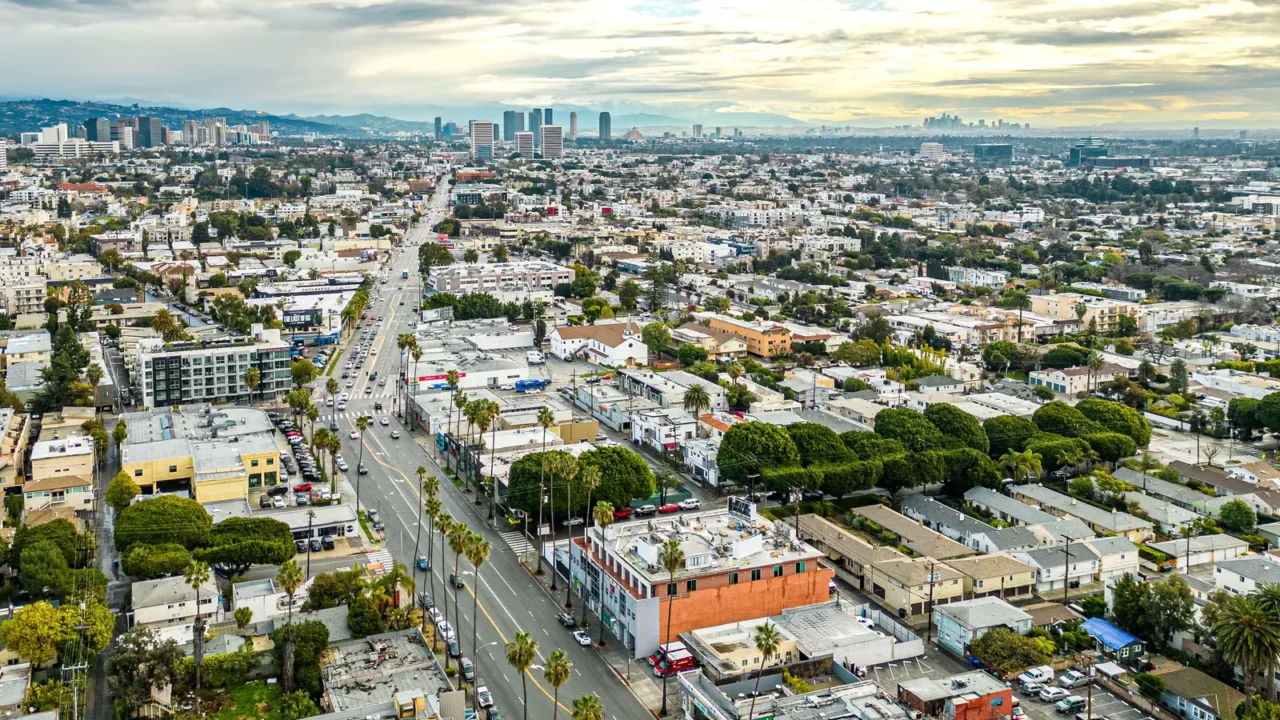
Rising housing prices
In parts of California and New York, home prices crossed into fantasy territory. Middle-income families realized ownership might never happen. Renters felt trapped in monthly payments with no end. Saving became nearly impossible.
Once that realization sinks in, priorities shift fast. Affordable states start looking less boring and more realistic. A backyard begins to matter more than a skyline. Stability starts to win.

Remote work shift
Work used to anchor people to specific cities. That anchor loosened when laptops replaced offices. Living close to headquarters stopped being essential. Flexibility changed the rules.
Suddenly, a paycheck earned in Los Angeles could stretch further elsewhere. Small towns and mid-sized cities became viable. Many people took the chance without hesitation. The move felt logical.
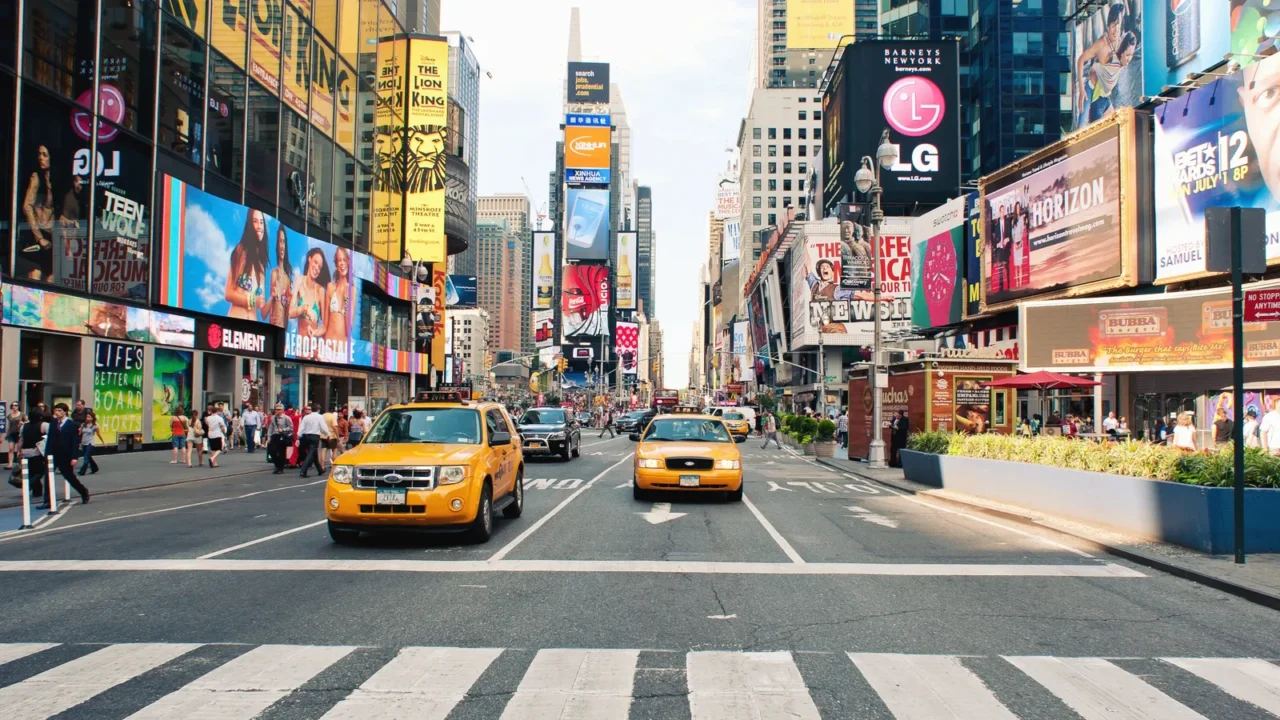
Big city burnout
Traffic, noise, and packed schedules once felt like the price of opportunity. Over time, they began to feel exhausting. The excitement wore off faster than expected. Burnout crept in quietly.
People started asking harder questions. Is this pace helping or draining me? For many, the answer pushed them toward quieter places. Peace became more appealing than buzz.
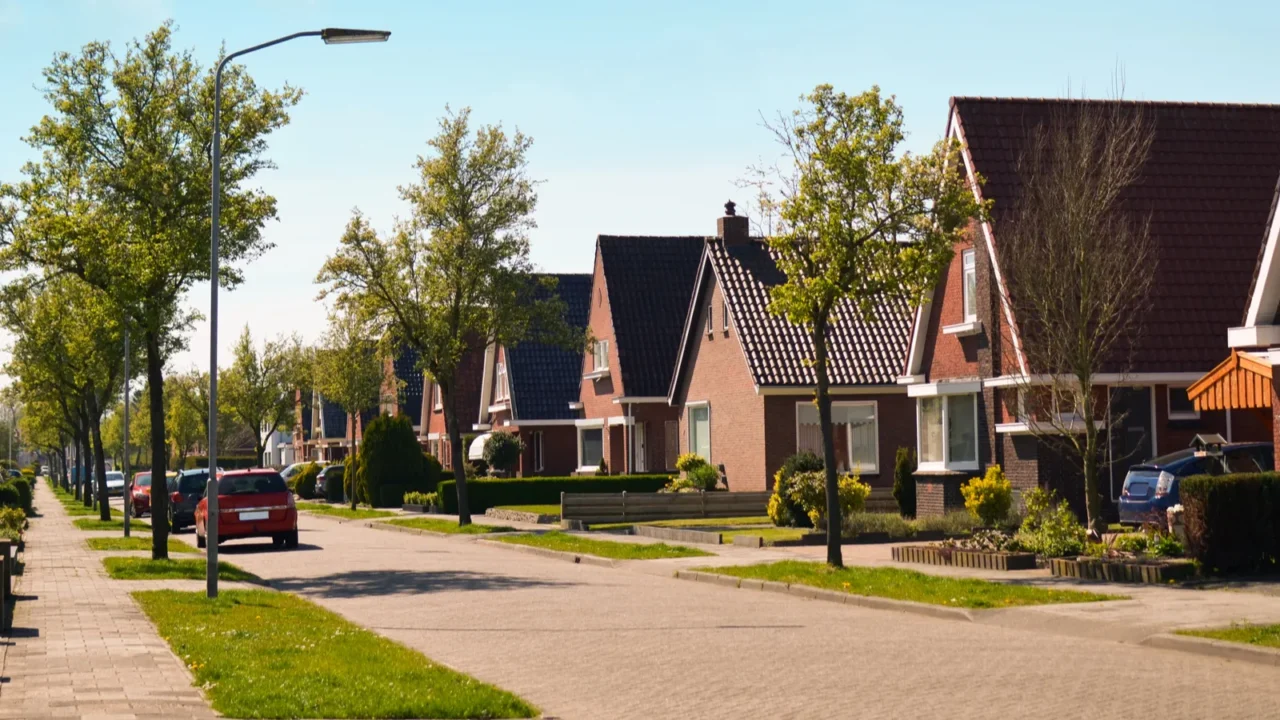
Lower-density living
Crowded living started to wear people down. Smaller homes, shared walls, and packed neighborhoods felt harder to tolerate after 2020. Many realized they wanted space to breathe, not just a place to sleep. Density stopped feeling efficient and started feeling stressful.
States with more land and fewer people suddenly looked appealing. Bigger homes, quieter streets, and private outdoor space became priorities. For many movers, lower density meant calmer days. The trade felt practical rather than emotional.

High tax pressure
Taxes quietly became a deciding factor for many households. In states like Illinois, property taxes and income taxes kept climbing. Residents felt like more money was leaving their paychecks each year. The return didn’t always feel worth it.
Some families ran the numbers and chose to leave. Lower-tax states promised more control over monthly expenses. The move wasn’t about wealth. It was about keeping life affordable long-term.

Safety concerns
Concerns about crime changed how people felt about their neighborhoods. In parts of California and Illinois, reports of theft and violent crime increased unease. Even when incidents weren’t personal, the feeling lingered. Daily routines began to feel cautious.
Many movers looked toward quieter suburbs or smaller cities. Safety became tied to peace of mind. Fewer crowds and slower streets felt reassuring. Feeling secure at home mattered more than city excitement.

Retiree reset
Many retirees cashed out coastal homes at peak prices. That equity stretched much further inland. A calmer life became affordable overnight. The timing felt right. Financial pressure eased quickly.
Lower taxes and slower days mattered more than ocean views. Retirement became less about downsizing and more about freedom. New chapters opened quietly. Stress levels dropped. Time felt more flexible.
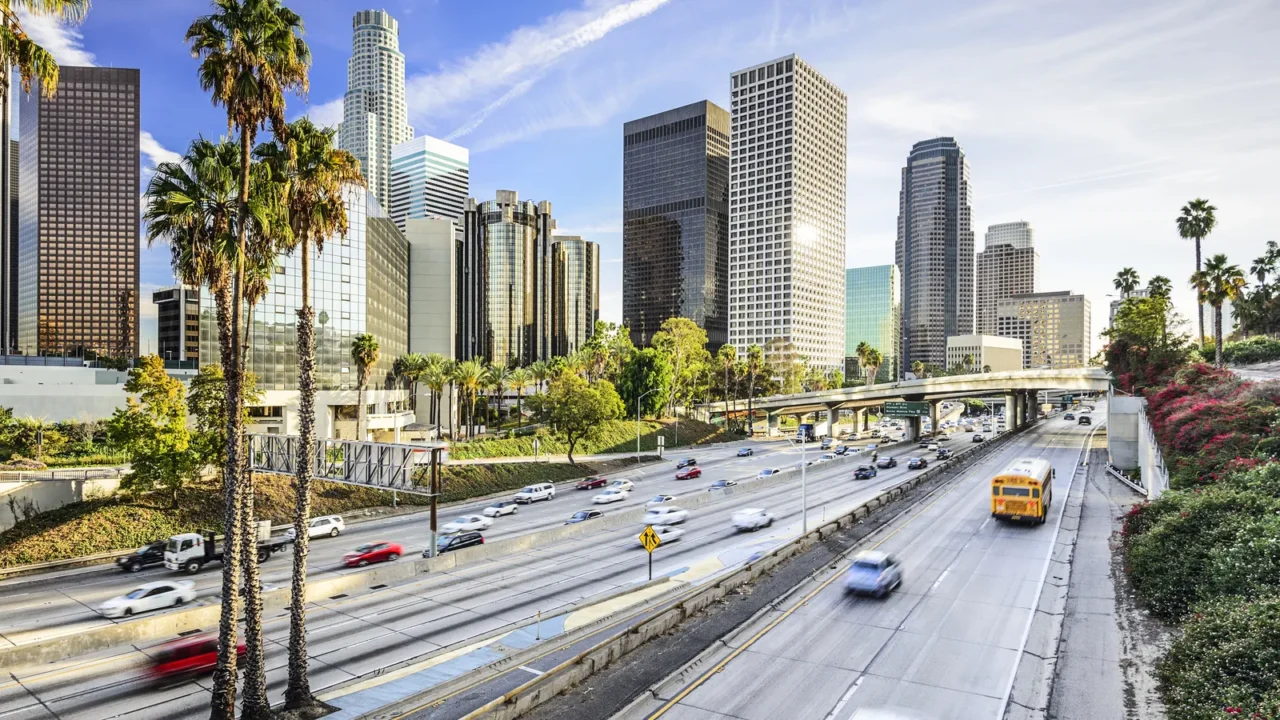
California example
California remains one of the clearest examples of quiet outmigration. High housing costs continue to push residents out of cities like Los Angeles and San Francisco. Many households realized their rent or mortgage no longer matched their lifestyle goals. The pressure built slowly over time.
For some, the issue wasn’t opportunity but sustainability. Remote work made leaving easier without sacrificing income. States offering larger homes and lower costs became realistic options. The move often felt practical rather than emotional.

New York example
New York continues to see residents leave quietly, especially from New York City. Rising rents, higher taxes, and daily expenses pushed many households to rethink city living. Even longtime residents began questioning whether the cost still matched the benefits. The decision often came after years of adjustment.
Many movers didn’t want to leave New York’s culture behind. They wanted more space and financial breathing room. Suburbs, Southern states, and mid-sized cities offered both. For many, leaving felt like a lifestyle reset rather than a loss.
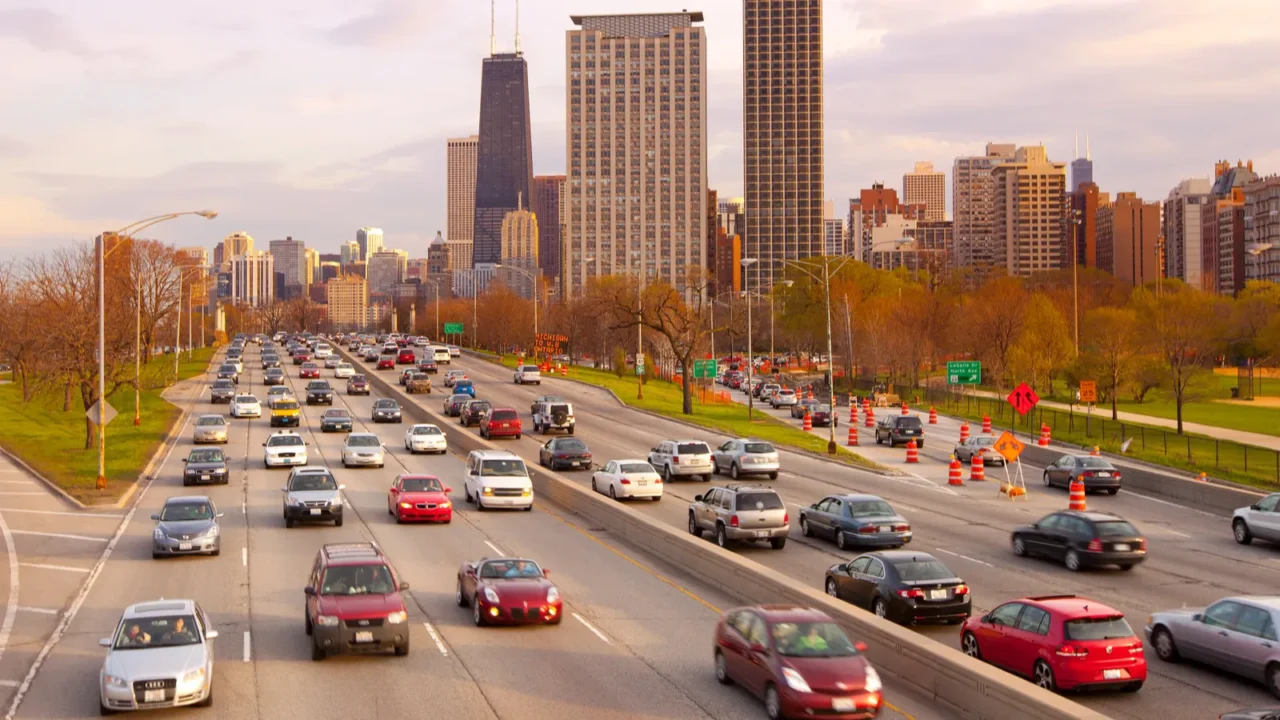
Chicago example
Illinois has quietly seen over 56,000 residents move out in recent years, with Chicago among the cities most affected by this trend. Families and young professionals are making choices based on affordability, lifestyle, and long-term stability. This trend places the state among those with the highest domestic outflows. Even longtime locals are reconsidering their future in the area.
High property taxes and state income taxes make finances feel heavy. The average homeowner pays over $5,600 yearly on a $250,000 property, far above neighboring states like Indiana. Combined with shrinking local revenue, many see leaving as a financial relief. This pressure quietly shapes relocation decisions for middle-class households.
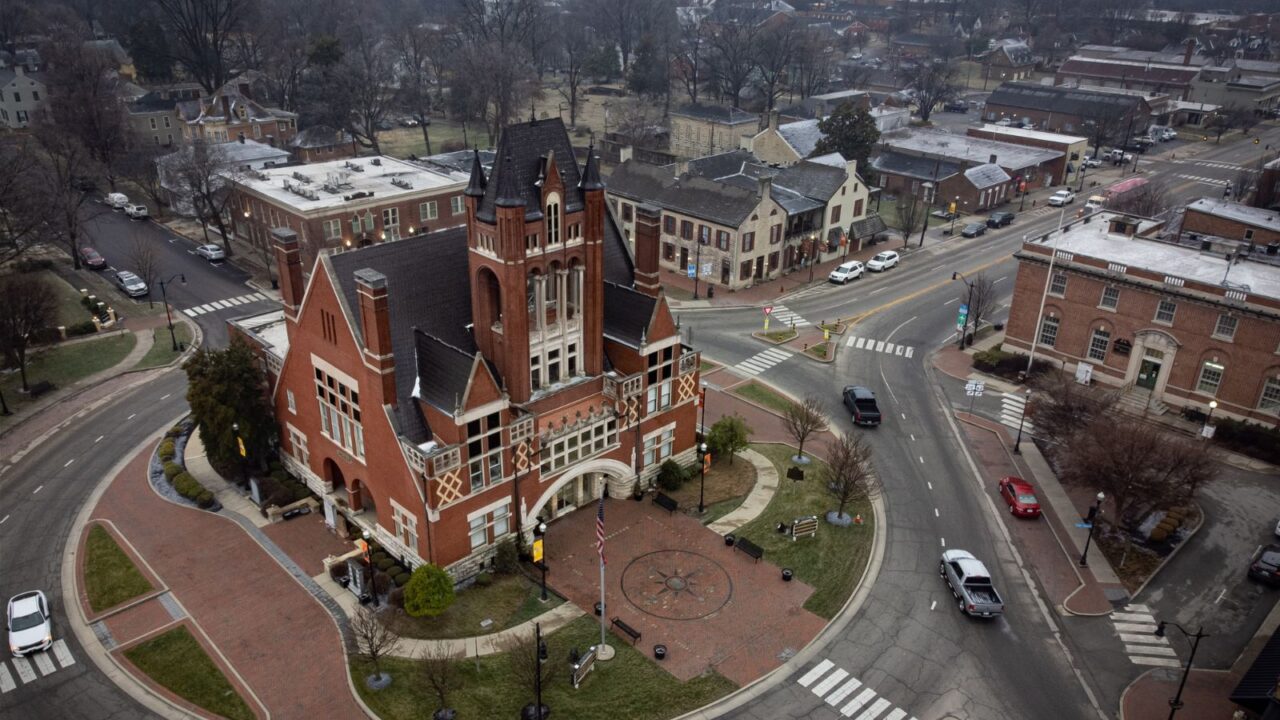
Smaller state losses
Alaska, Kentucky, and New Mexico show surprising outflow numbers. Jobs, isolation, and limited services play roles. Younger residents often leave first. Opportunity pulls them away. Career growth matters.
These moves don’t make headlines. They happen when opportunity feels elsewhere. The pattern builds quietly over years. The impact shows later. Communities feel the shift slowly.
Not only residents, but tourists also sometimes don’t want to visit certain U.S. states, often because of rules or restrictions imposed by the states themselves.
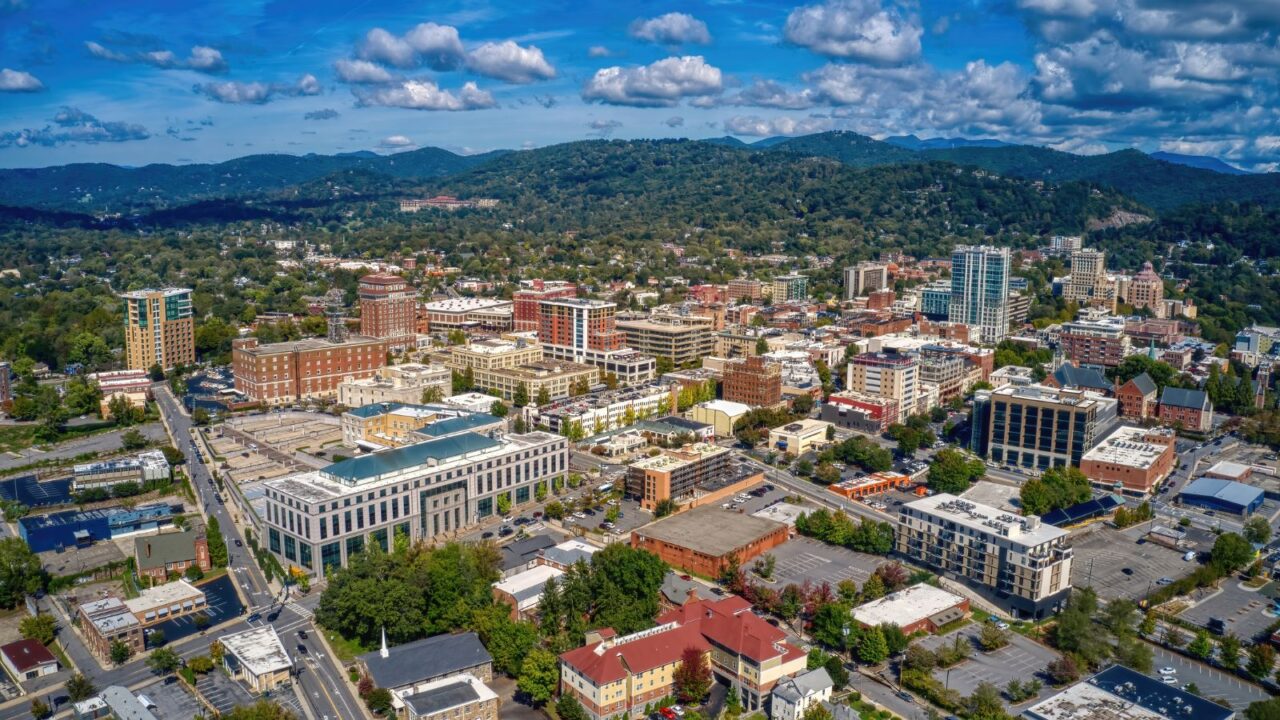
Heartland gains
States like Arkansas, Idaho, and North Carolina are welcoming newcomers. Affordable housing remains a huge draw. Growth feels steady rather than overwhelming. Communities expand slowly. Change feels manageable.
People are also leaving states like California and relocating to places such as Florida for a complete lifestyle reset, seeking lower costs, more space, and a change of pace.
People arrive looking for balance. They want manageable costs and room to grow. Many find it faster than expected. Settling in feels easier. Daily life feels lighter.
If you found these insights helpful, make sure to like and drop a comment to share your thoughts on these shifting trends.
This slideshow was made with AI assistance and human editing.
Don’t forget to follow us for more exclusive content right here on MSN.
Read More From This Brand:
