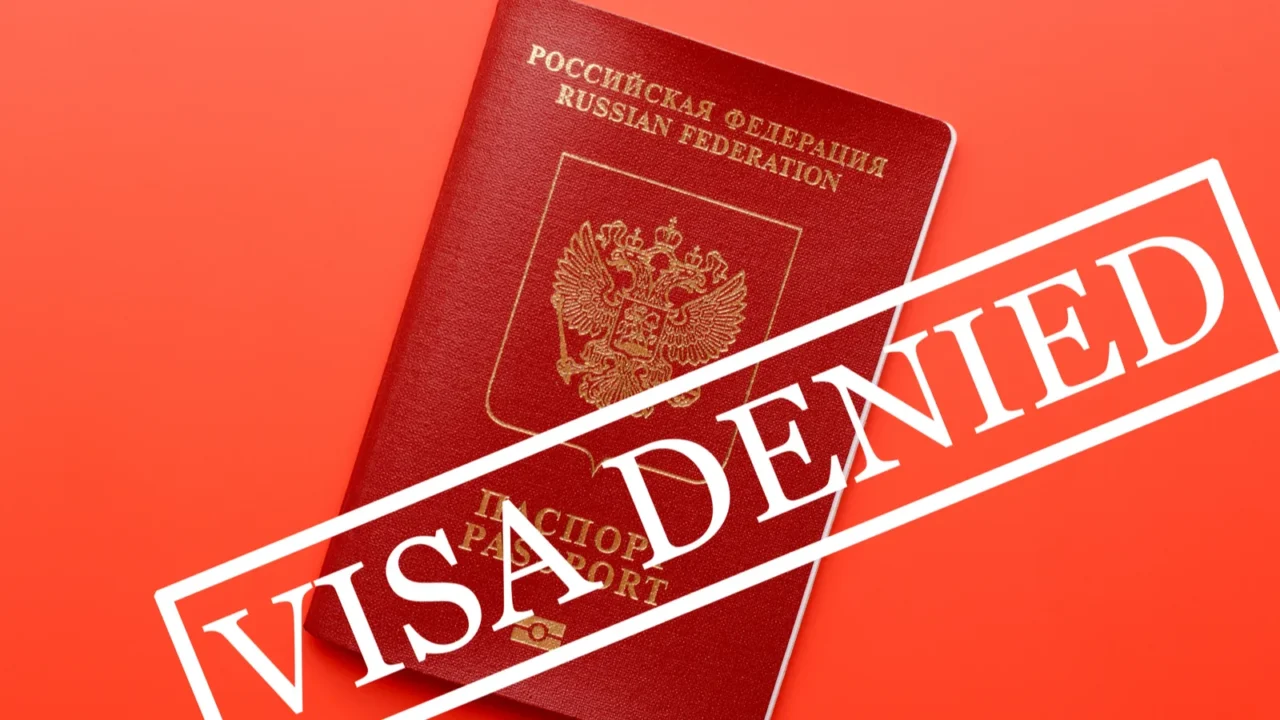
Entry rules keep shifting
Travelers are noticing that visa rules can change suddenly. One day, entry is simple, the next, restrictions appear without much warning. These shifts make planning trips feel tricky.
Countries are updating policies faster than ever before. Digital systems and security concerns drive many of these changes. Understanding why rules shift helps visitors stay prepared. Let’s dive in.
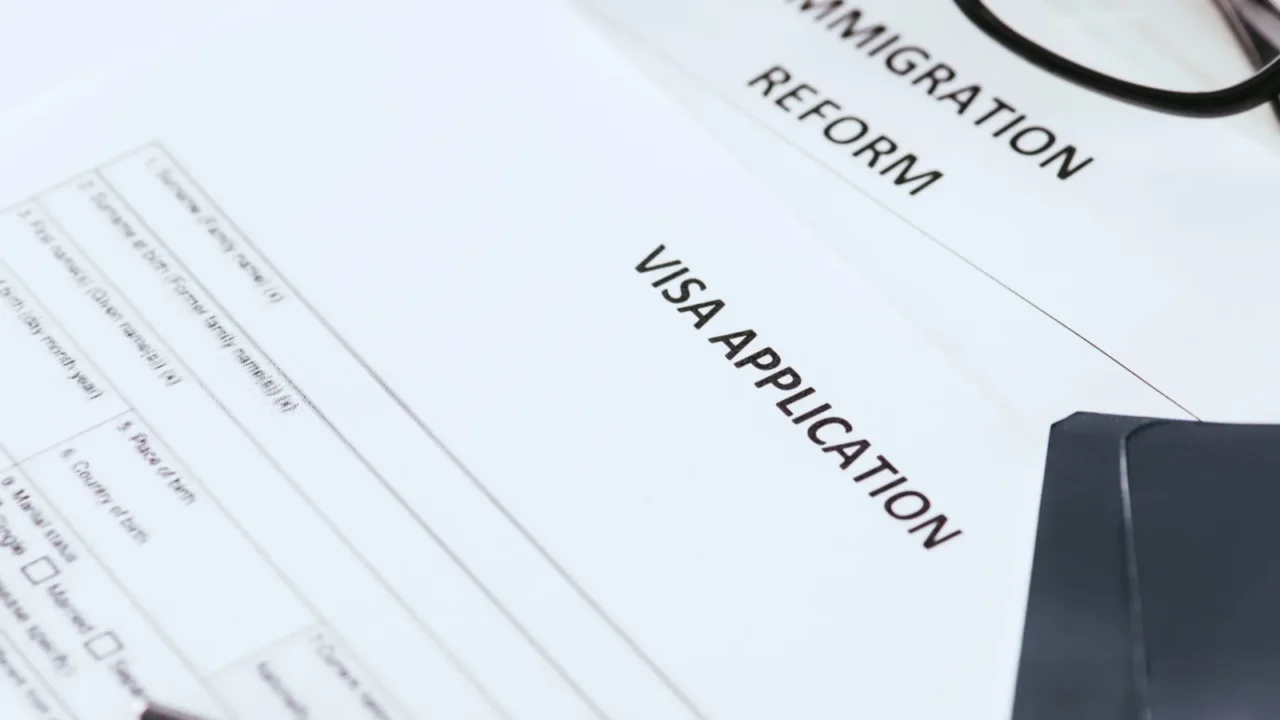
Security is top priority
Many countries change entry rules to protect their borders and citizens. Concerns about illegal stays or security threats push officials to act quickly. These measures may appear sudden, but they aim to keep everyone safe.
Border security systems are becoming stricter every year. Governments adjust visa requirements to monitor arrivals closely. Travelers may need extra documents or approvals unexpectedly.
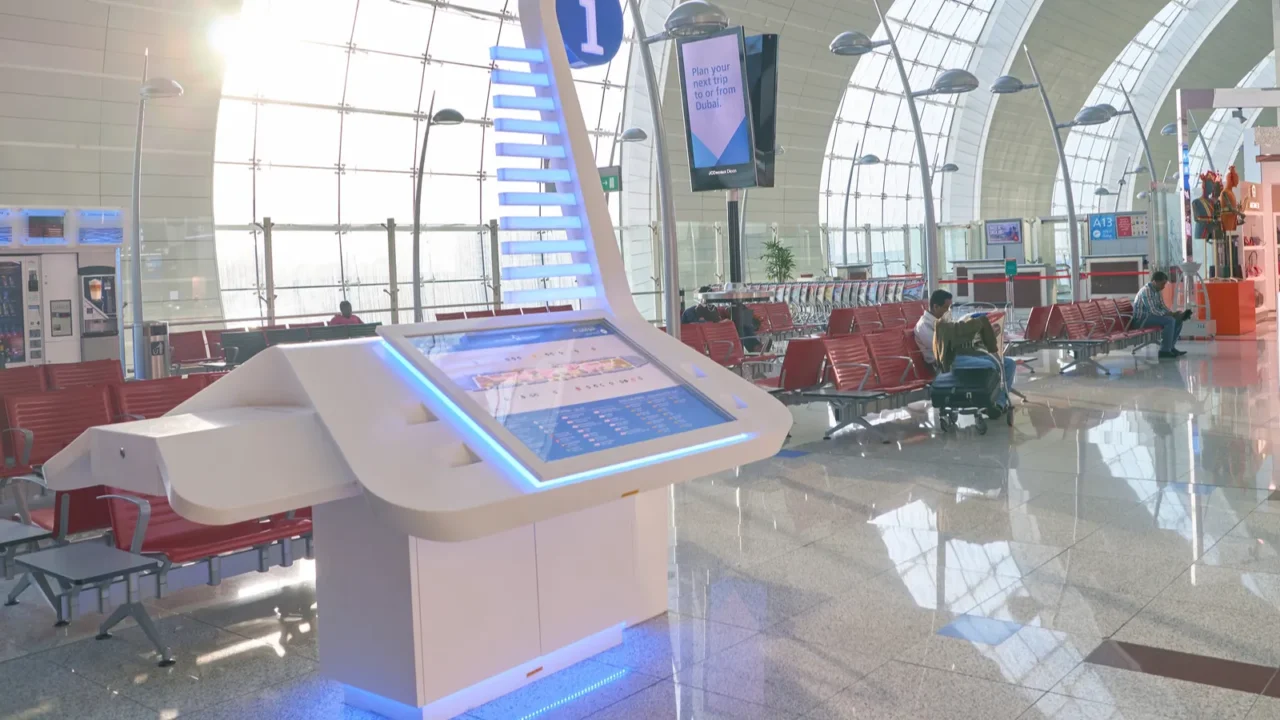
Upgrading immigration systems
Several nations are moving to digital visa systems for efficiency. Electronic authorizations, biometrics, and online applications are now common requirements. While faster for officials, these systems can confuse visitors if introduced midseason.
Modernized systems also help track entries more accurately. These upgrades help reduce delays at both airports and land crossings. Still, sudden rule changes can catch travelers off guard.
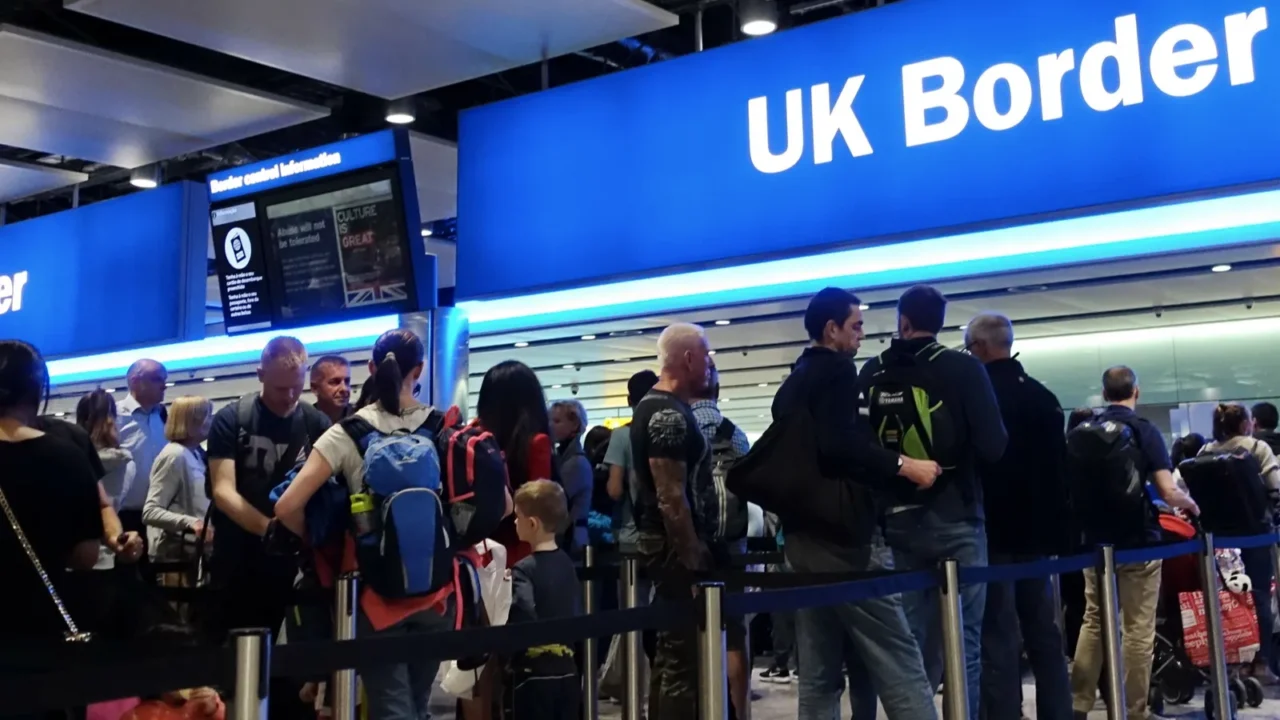
Controlling irregular migration
Overstays and misuse of visas often prompt midseason changes. Countries may tighten entry, switch to single-entry visas, or suspend some programs. These rules help curb illegal stays but frustrate regular visitors.
Migration management is a constant balancing act. Officials monitor patterns and adjust rules to maintain control. Tourists may need to check policies more often than before.
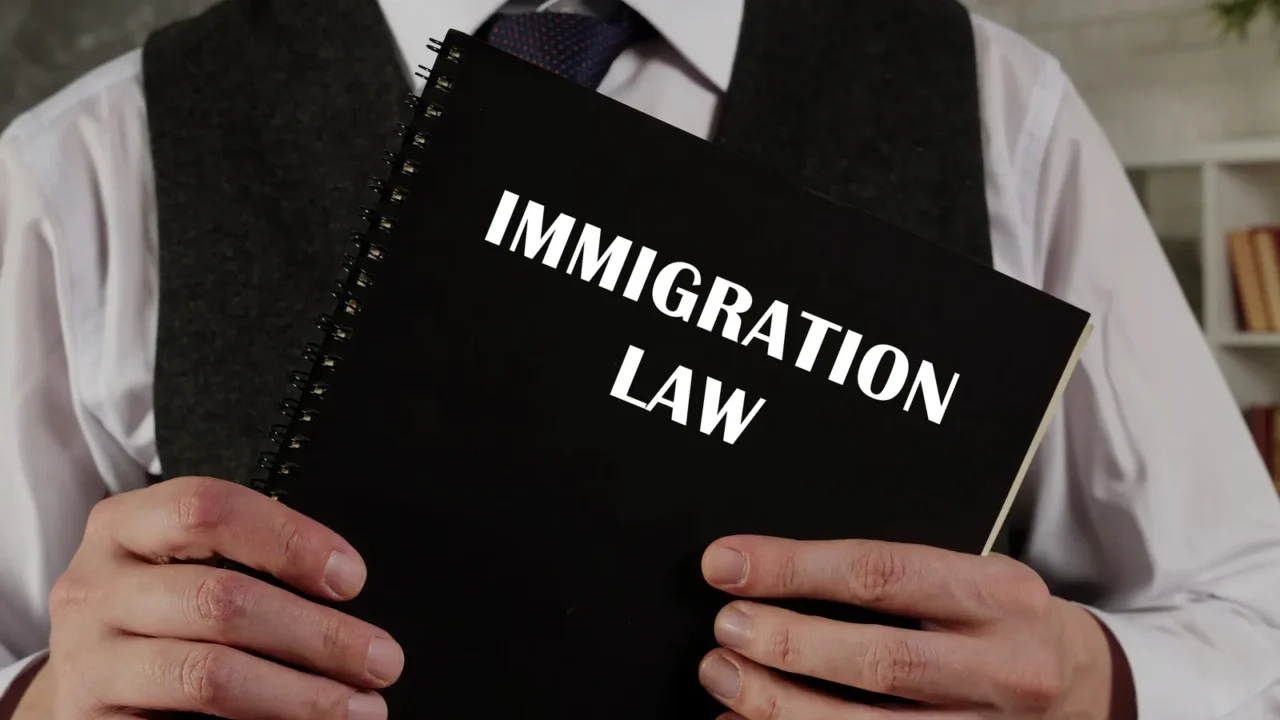
Seasonal influx pressures
Large events or seasonal migrations can trigger quick visa changes. Governments may tighten rules if crowds are expected to swell rapidly. These shifts aim to manage safety and logistics during busy periods.
Visitors planning trips during peak times face extra caution. Changes can happen with little notice, requiring careful monitoring. It’s part of adapting to a dynamic travel landscape.

Politics influence travel rules
Diplomatic relationships often affect who can enter a country easily. Friendly relations may bring visa waivers, while tensions can create stricter rules. Policy shifts can happen suddenly due to changing politics.
Travelers need to watch announcements from embassies. Rules may differ even between neighboring countries. Staying informed helps avoid surprises during trips.
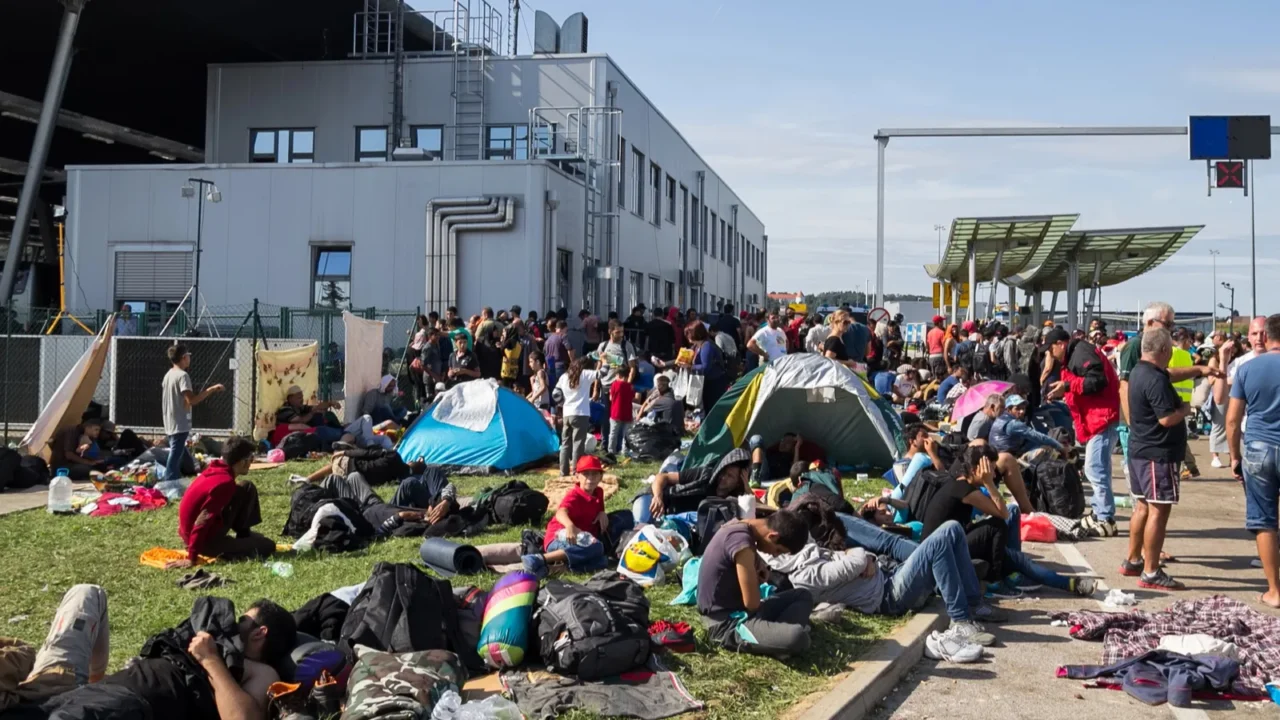
Responding to migrant flows
High labor migration or refugee flows can trigger quick adjustments. Countries tighten rules to protect jobs or manage resources. Changes can happen midseason without much public notice.
Officials monitor entry patterns and adjust as needed. This can affect short-term tourists and long-term visitors alike. Awareness helps travelers plan more confidently.
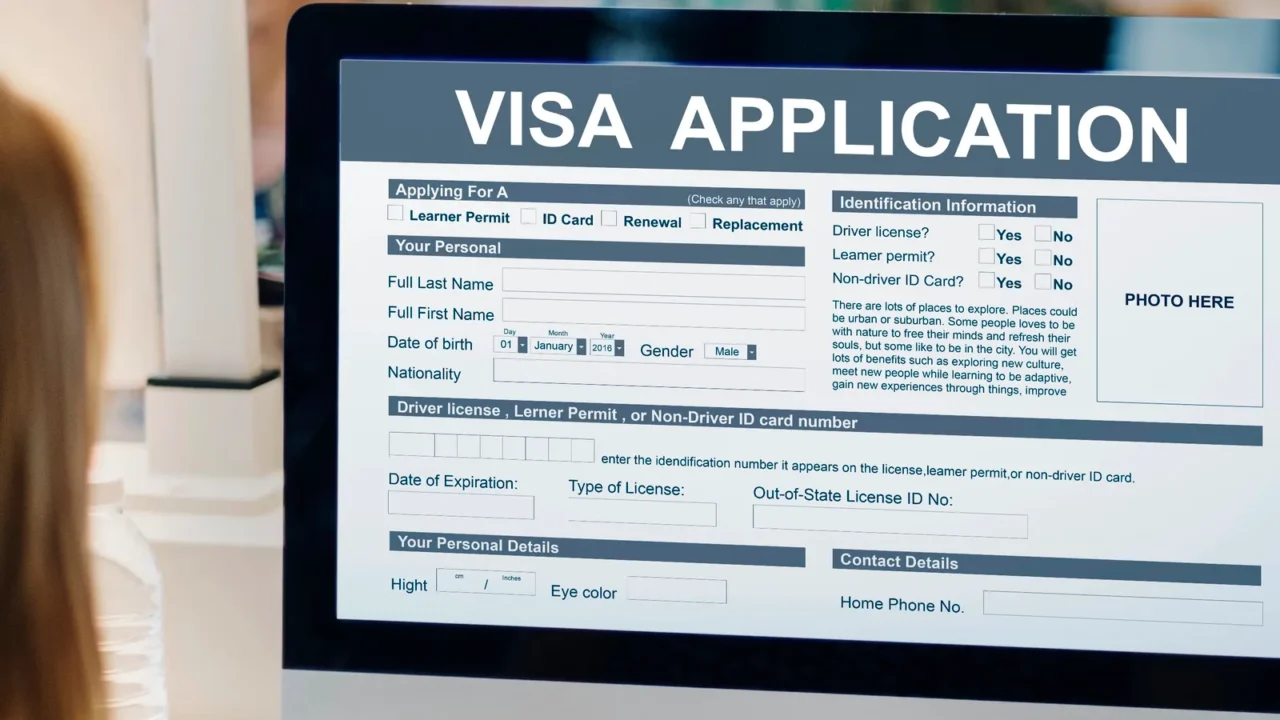
Digital travel transformations
E-visas and online authorization systems are now standard in many countries. Visitors must complete forms online before arriving. Sudden implementation of these systems creates temporary confusion.
Digital systems increase efficiency and security at borders. Data verification happens faster, but travelers must comply promptly. Missing deadlines or forms can cause unexpected delays.
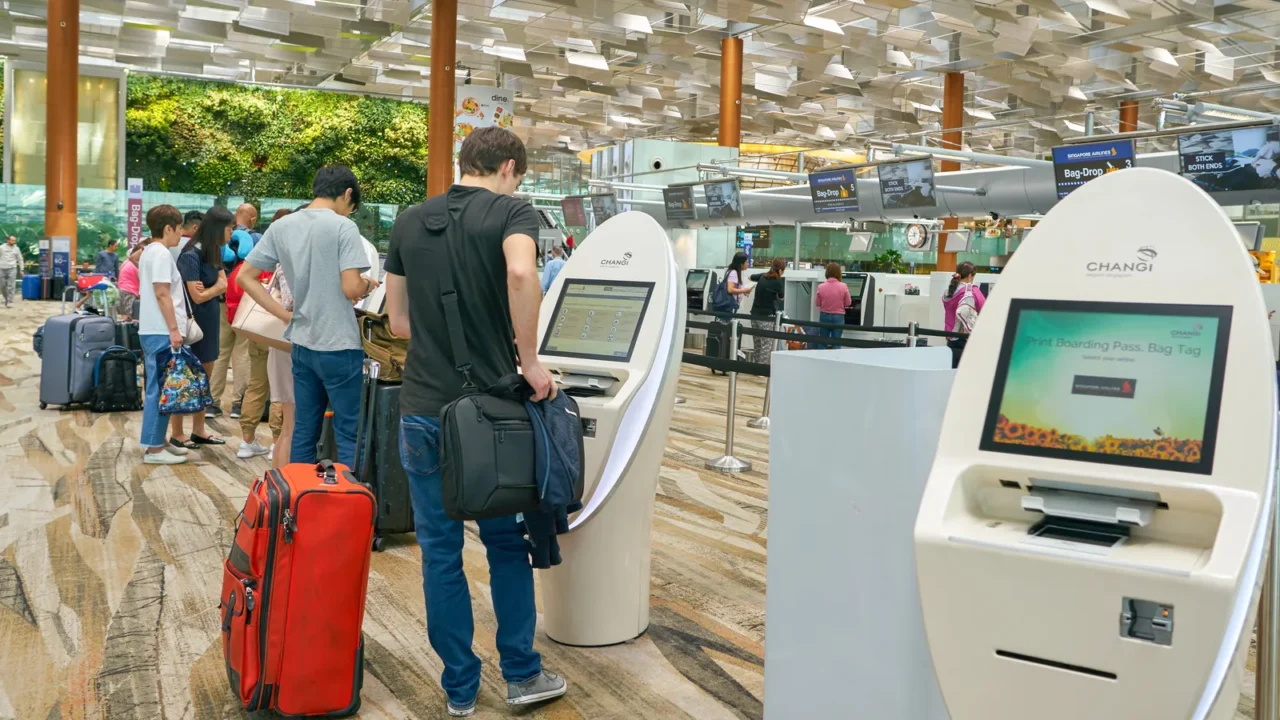
Uneven enforcement patterns
Even when rules exist, enforcement may vary at ports of entry. Some travelers pass smoothly while others are stopped. This inconsistency adds to what feels like visa turbulence.
Officers may interpret new rules differently at airports. Rules applied inconsistently can create frustration. Flexibility is now essential for all visitors.
Multi-country travel challenges
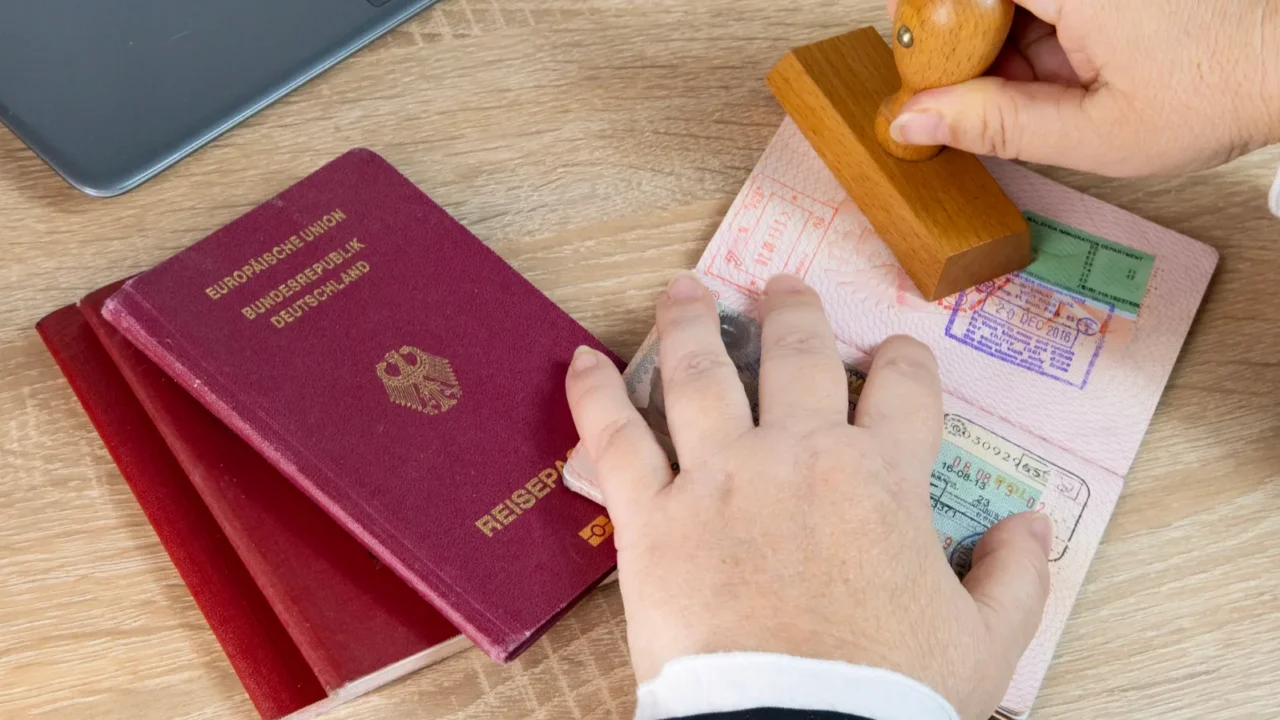
Travelers moving between several countries feel the impact strongly. A sudden change in one country can disrupt an entire itinerary. Multi-city trips now require constant policy checks.
Even short stays can become complicated quickly. Visitors may need extra approvals or documentation unexpectedly. Planning multi-country trips requires patience and diligence.

Staying informed is crucial
Checking official government or embassy websites regularly is now a must. Rules can shift week to week, especially in peak seasons, and ongoing geopolitical tension in West Asia, driving flight reroutes and higher airfares, adds another layer of unpredictability. Staying updated prevents delays and denied entry.
Travelers should also keep backups of travel documents. Having digital copies can save time and reduce stress at border checks. Being proactive helps avoid midseason surprises.

Embrace flexible travel plans
Visa turbulence is part of the modern travel experience. Flexibility, awareness, and patience allow visitors to enjoy trips despite sudden changes. For travelers who adapt, the world still opens up fully.
Planning, checking updates, and having alternatives make travel smoother. The best trips balance adventure with preparedness.
Which visa rule change surprised travelers the most? Share experiences below!
Read More From This Brand:
- Inside the private luxury hideaways, K-pop idols choose paparazzi-free escapes
- Luxury train journeys are bringing back the golden age of travel
- The Saltburn effect is driving a surge in dark tourism to British estates
Don’t forget to follow us for more exclusive content right here on MSN.
This slideshow was made with AI assistance and human editing.
