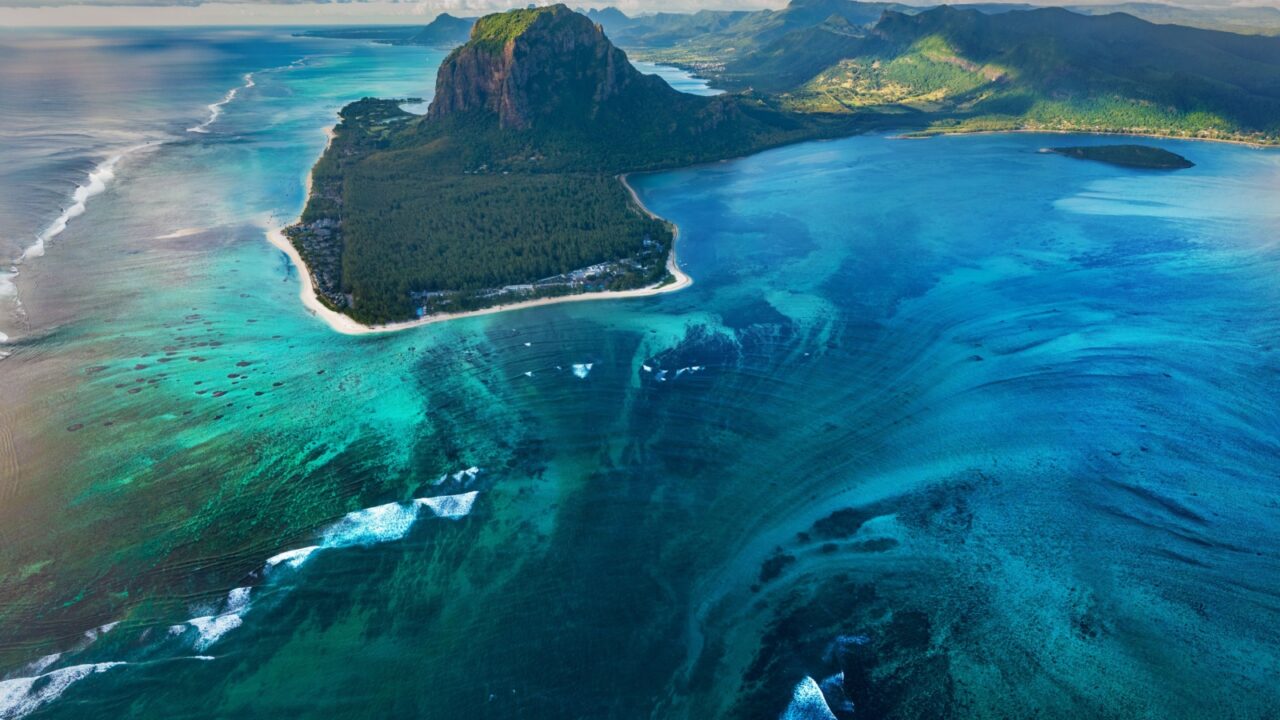
A stunning ocean mystery
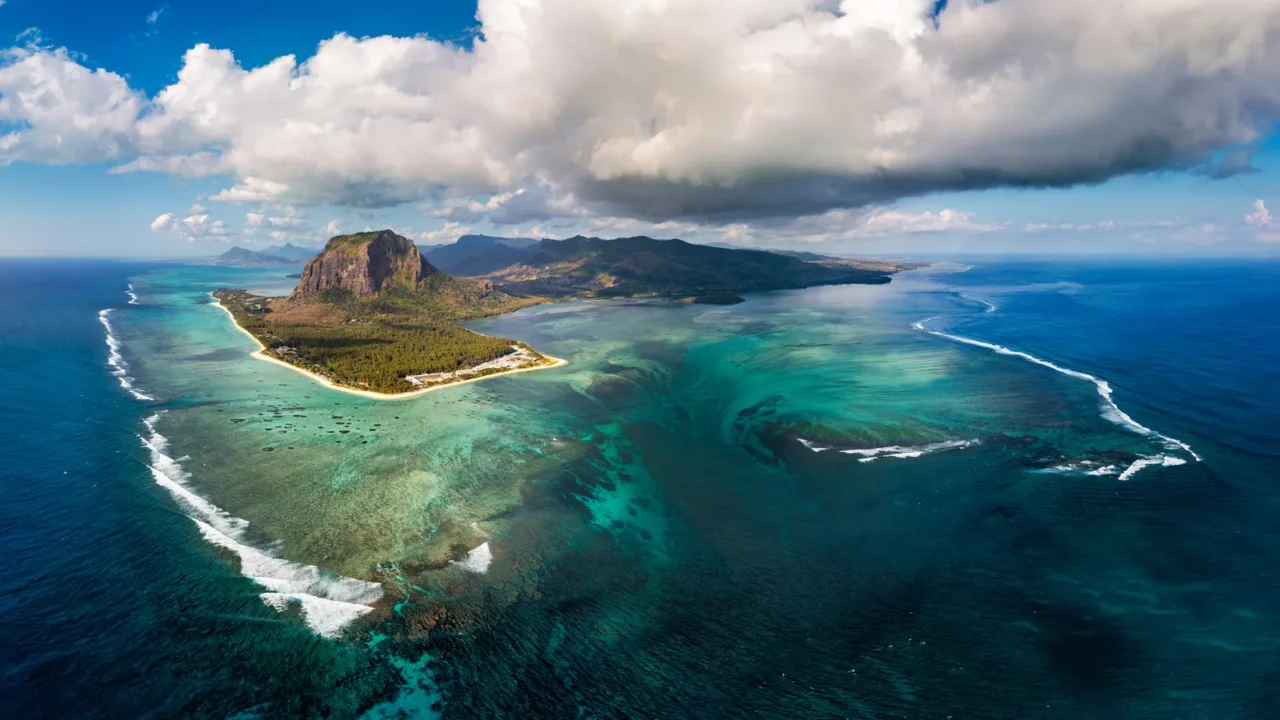
From high above the Indian Ocean, something unbelievable appears off the coast of Mauritius. A massive waterfall seems to pour straight into the sea, leaving even experienced pilots momentarily confused. The sight feels surreal and cinematic, and it instantly sparks curiosity about what’s really happening.
This strange illusion has gone viral across travel magazines and aviation circles alike. It’s often described as one of Earth’s most beautiful optical tricks. Let’s dive in!
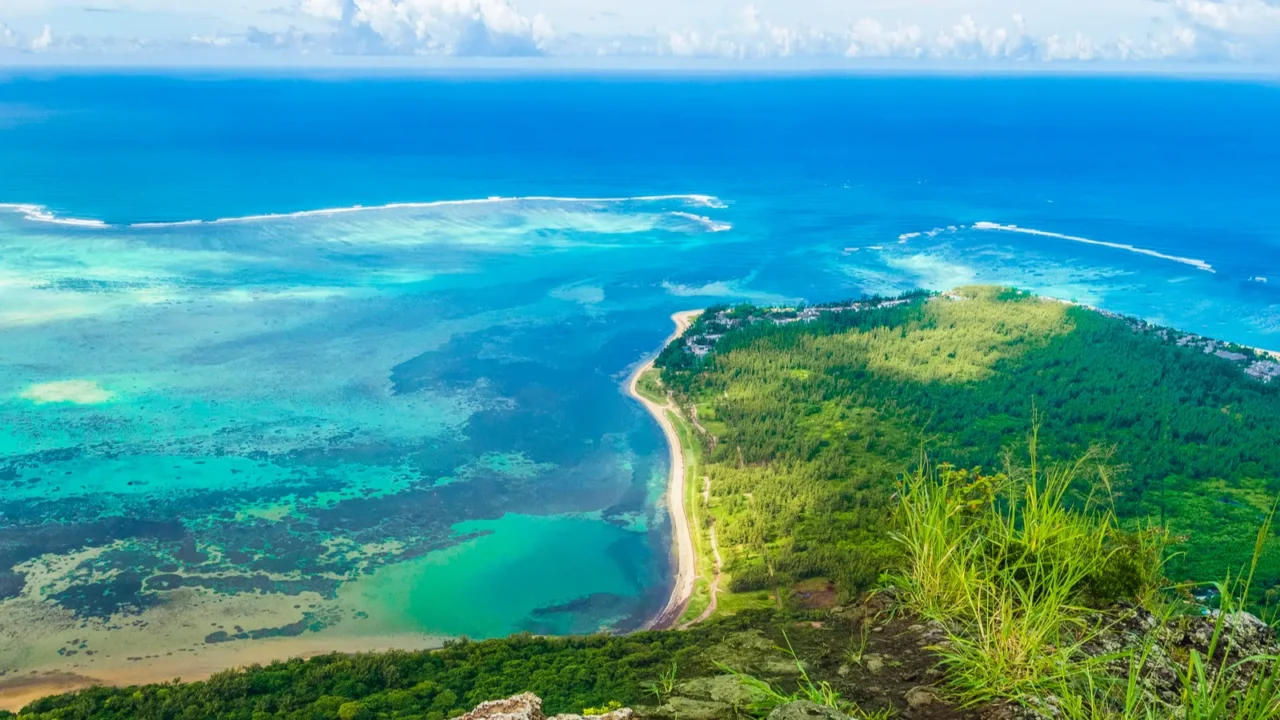
It’s not real
Despite how convincing it looks, there is no actual waterfall beneath the ocean. Water is not plunging into the Earth or draining into a void. The effect is entirely an optical illusion shaped by geology and light.
What appears to be falling water is actually sand and silt resting on the ocean floor. These materials are slowly shifted by currents over time. From above, they mimic the motion and shape of a waterfall.
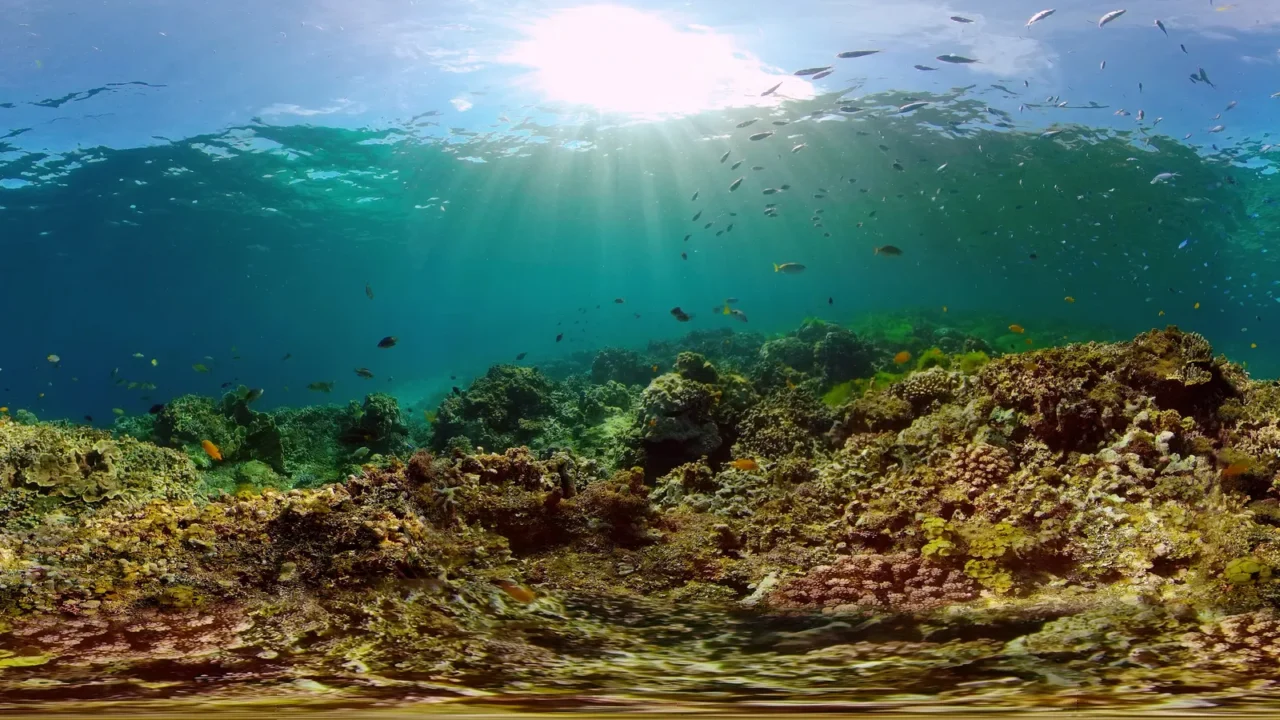
Sand creates the effect
The ocean floor around Mauritius has layers of sand deposited over volcanic rock. Strong currents gently pull this sand toward deeper areas of the sea. The movement creates long streaks that resemble flowing water.
These sand trails sit on a steep underwater slope. The slope drops sharply beyond the coral reef shelf. This sudden depth change enhances the illusion dramatically.
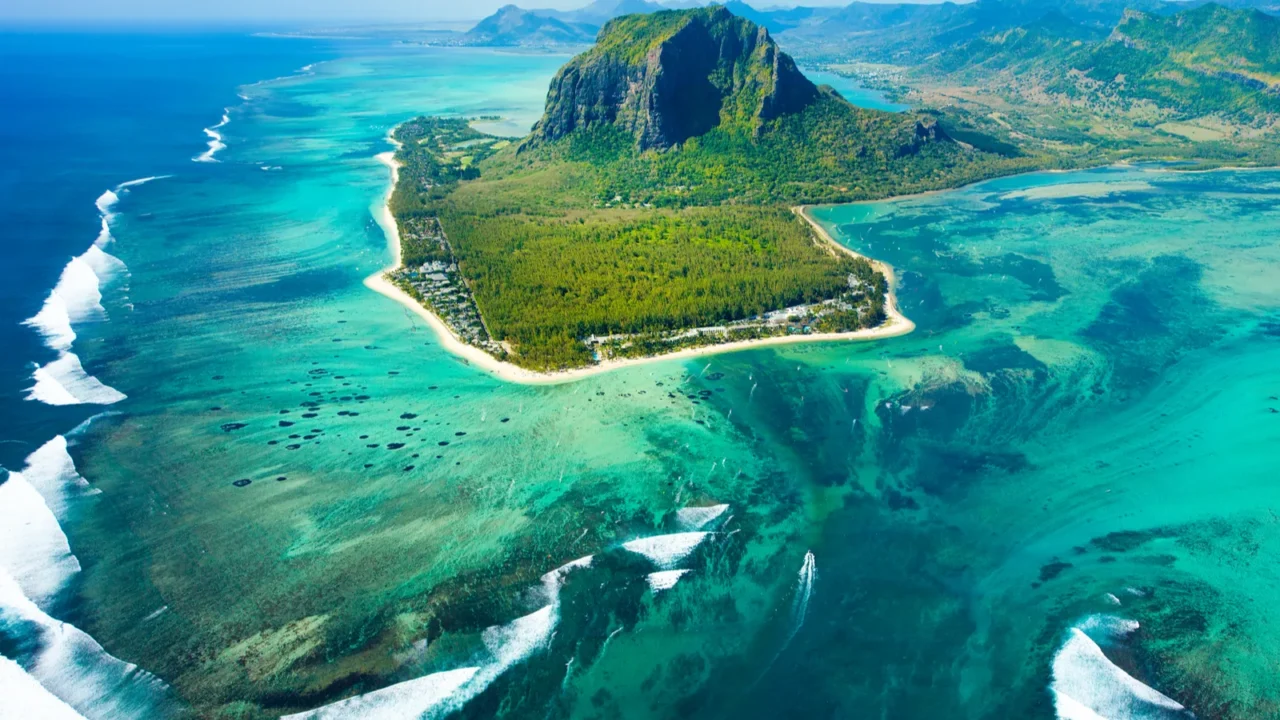
Where it actually appears
The illusion is located near the southwestern tip of Mauritius, close to the Le Morne Brabant peninsula. This area is surrounded by shallow lagoons and dramatic ocean drop-offs. From the air, the landscape creates a scene that looks far more dramatic than reality.
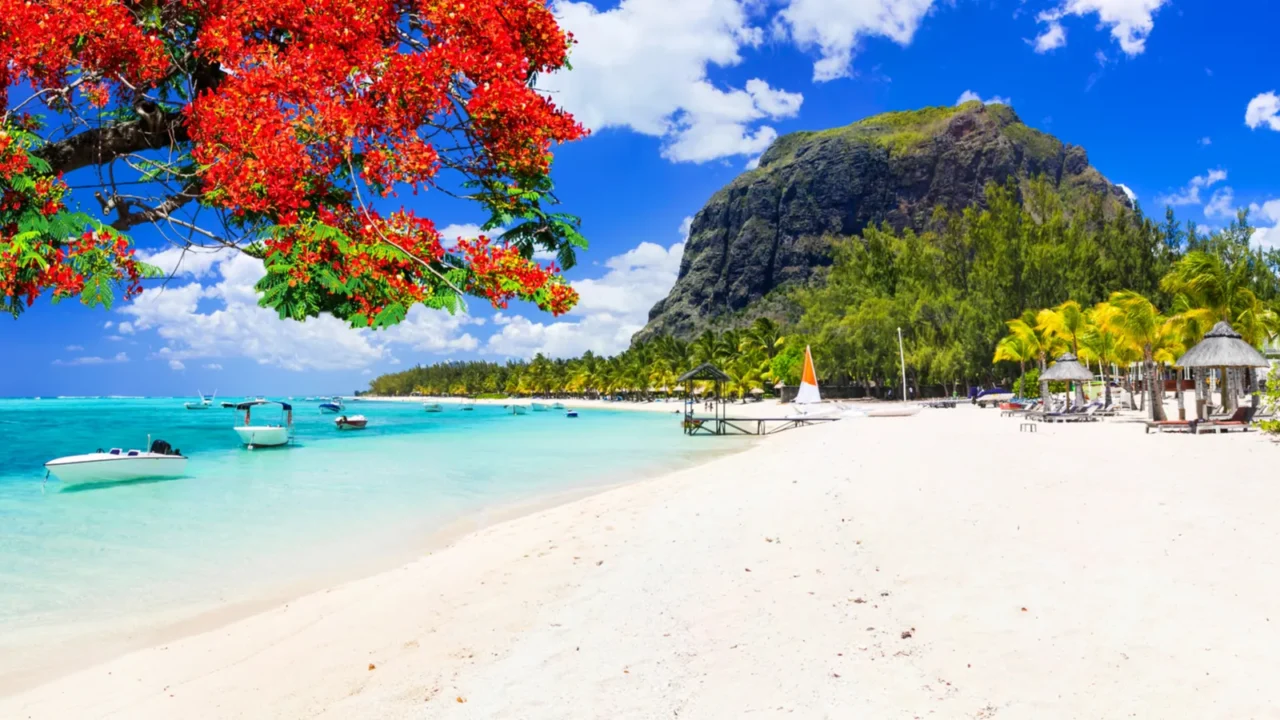
Le Morne Brabant itself is a UNESCO World Heritage Site with deep cultural importance. The surrounding waters are known for clarity and shifting sand patterns. These natural conditions set the stage for the illusion to form.
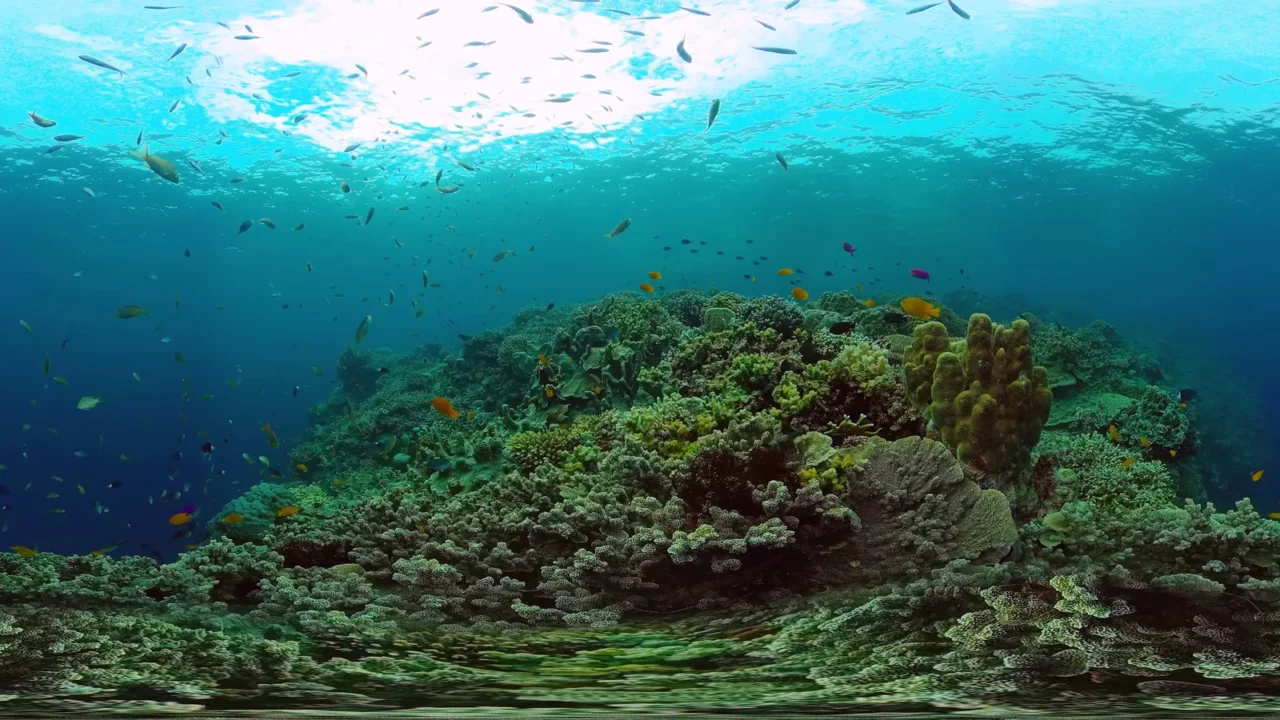
The role of reefs
Coral reefs play a major role in shaping this visual phenomenon. They form a natural boundary between shallow lagoons and deeper ocean waters. This boundary creates sharp color contrasts when viewed from above.
Inside the reef, the water appears turquoise and bright. Beyond it, the ocean turns deep blue almost instantly. The sand cascading over this edge looks like water tumbling downward.
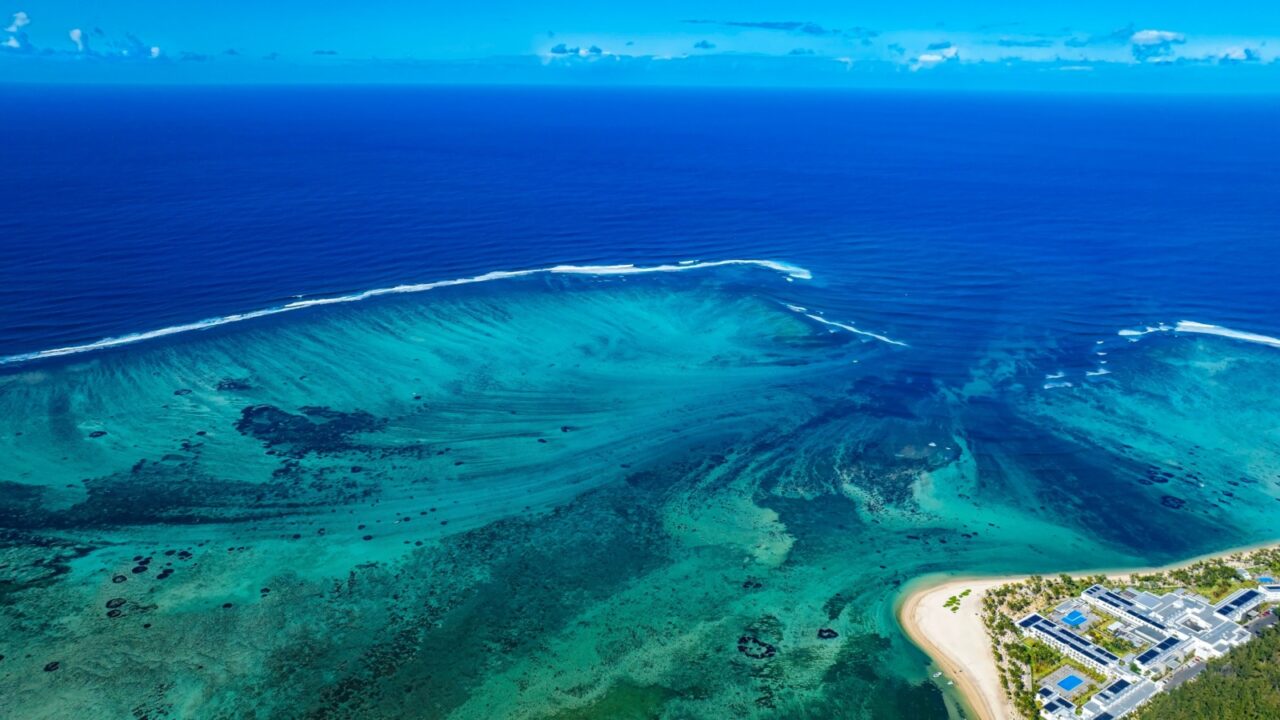
Best seen from above
The illusion is most striking when seen from helicopters or small planes. Aerial tours around Mauritius are popular for this exact reason. From sea level, the effect is barely noticeable.
Drone footage has also helped showcase the illusion to a wider audience. High-resolution aerial videos clearly capture the sand flow patterns. These images often leave first-time viewers stunned.
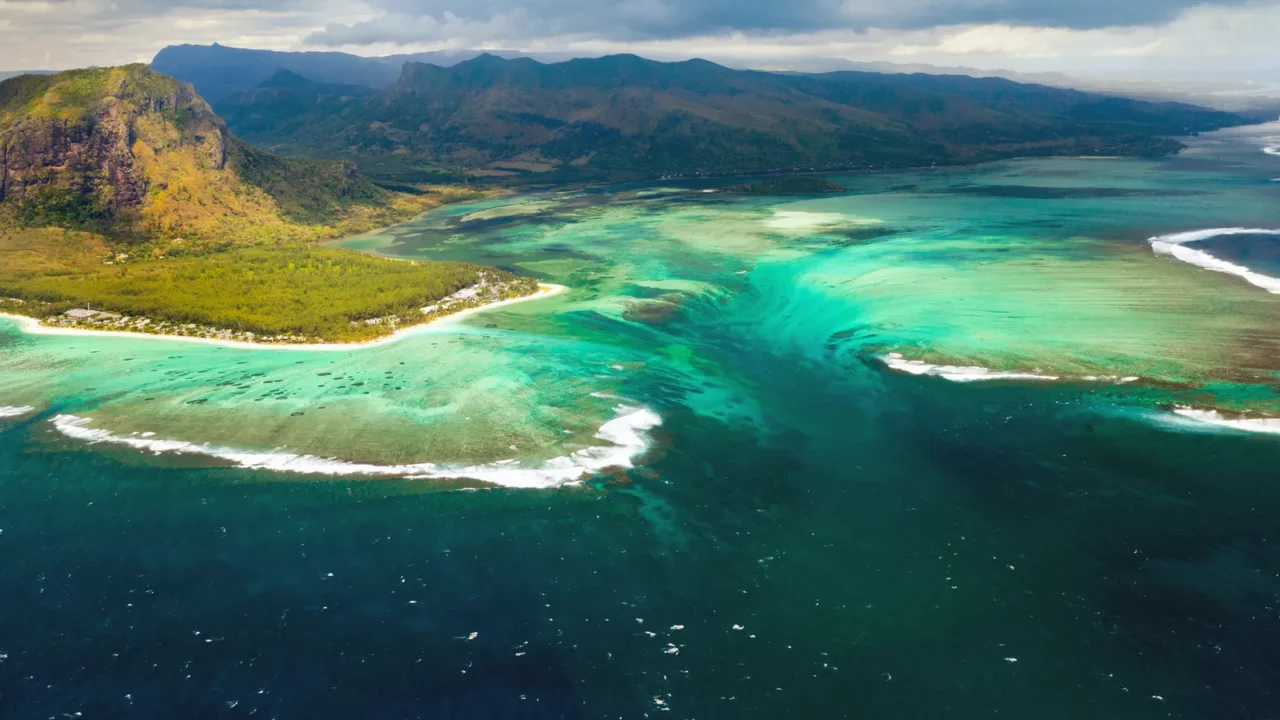
Nature’s clever trick
This underwater waterfall highlights how perspective shapes human perception. The brain instinctively interprets patterns based on familiar experiences. Seeing vertical streaks naturally suggests falling water.
Nature often creates illusions that challenge what seems obvious. Similar effects appear in deserts, mountains, and polar regions. Mauritius simply offers one of the most beautiful examples.
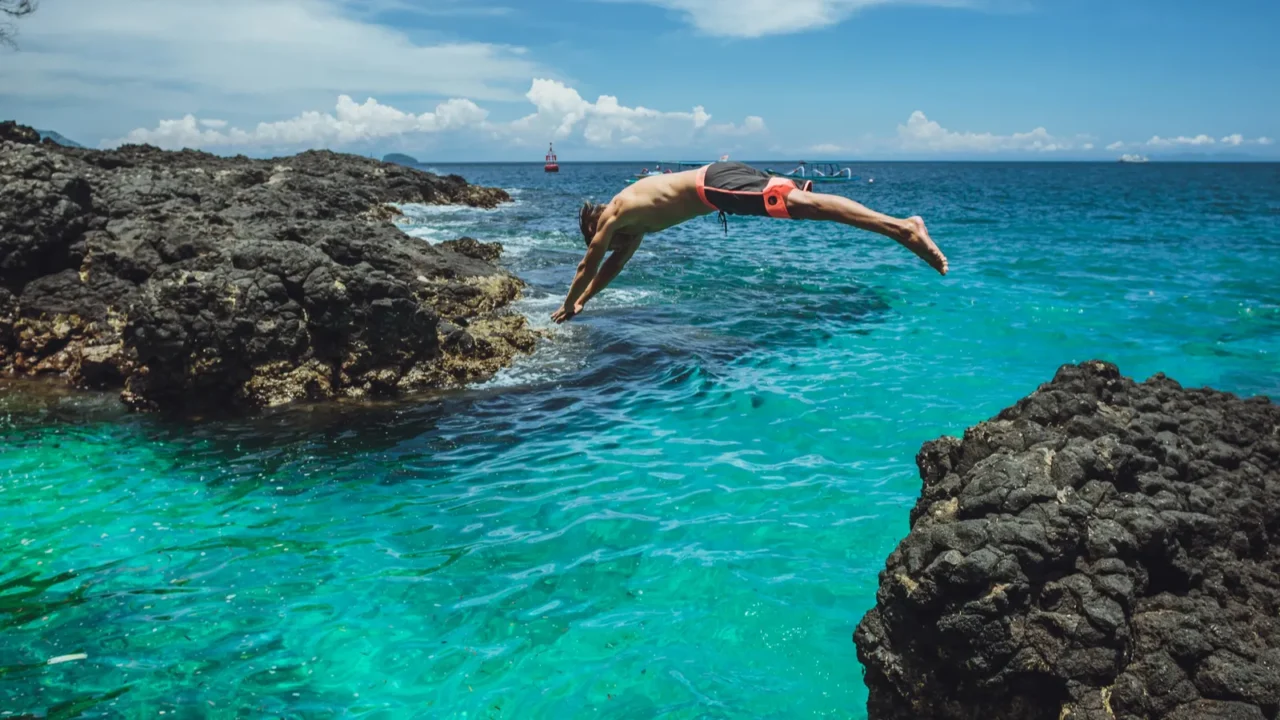
No danger involved
Some early myths suggested the illusion marked a dangerous ocean drop. In reality, the area is well studied and safe for navigation. There is no hidden abyss or underwater sinkhole.
The ocean floor slopes naturally as part of the island’s volcanic origins. Marine life continues to thrive in these waters without disruption. The drama exists only in how it looks from above.
Why pilots notice it
Pilots flying over Mauritius are often the first to spot the underwater waterfall effect. From cockpit altitude, the contrast between light and dark ocean tones becomes extremely pronounced. The view can momentarily trick the eye into seeing vertical motion beneath the water.
This illusion is most visible during clear weather and calm seas. Sunlight enhances the visual depth and makes the sand trails appear dynamic. Even seasoned aviators admit it’s a surprising sight at first glance.

Mauritius beyond illusion
Mauritius offers far more than this famous visual trick. The island is known for white sand beaches, lagoons, and rich biodiversity. Its cultural blend reflects African, Asian, and European influences.
Travelers often combine scenic flights with beach stays and hiking trips. Le Morne Brabant is especially popular for its views and history. The illusion simply adds another layer of wonder.

When visibility peaks
Clear skies make a huge difference when viewing the illusion. Morning flights often provide the best lighting and calm water conditions. Seasonal weather patterns can affect how clearly it appears.
Mauritius enjoys relatively stable weather year-round. Still, pilots and tour operators monitor visibility carefully. Timing plays a key role in capturing the full effect.
A global fascination
Images of the underwater waterfall frequently circulate on social media. Many viewers initially believe it’s digitally altered or exaggerated, especially as Mauritius keeps appearing on lists of where to travel in 2026 for easy visas and minimal red tape. Experts continue to explain the science behind it to curious audiences.
This fascination reflects a broader interest in natural illusions and effortless travel experiences. People are drawn to moments where nature bends expectations without complicated planning. Mauritius delivers that experience unforgettably while remaining refreshingly accessible.
A lasting impression
The underwater waterfall illusion proves how powerful perspective can be. It blends geology, light, and movement into one unforgettable scene. Few places manage to surprise travelers so effortlessly.
The best destinations spark wonder without needing exaggeration. Mauritius does exactly that from high above the ocean. Which natural illusion has left the strongest impression on holidaymakers so far? Share your thoughts below!
This slideshow was made with AI assistance and human editing.
Don’t forget to follow us for more exclusive content right here on MSN.
Read More From This Brand:
