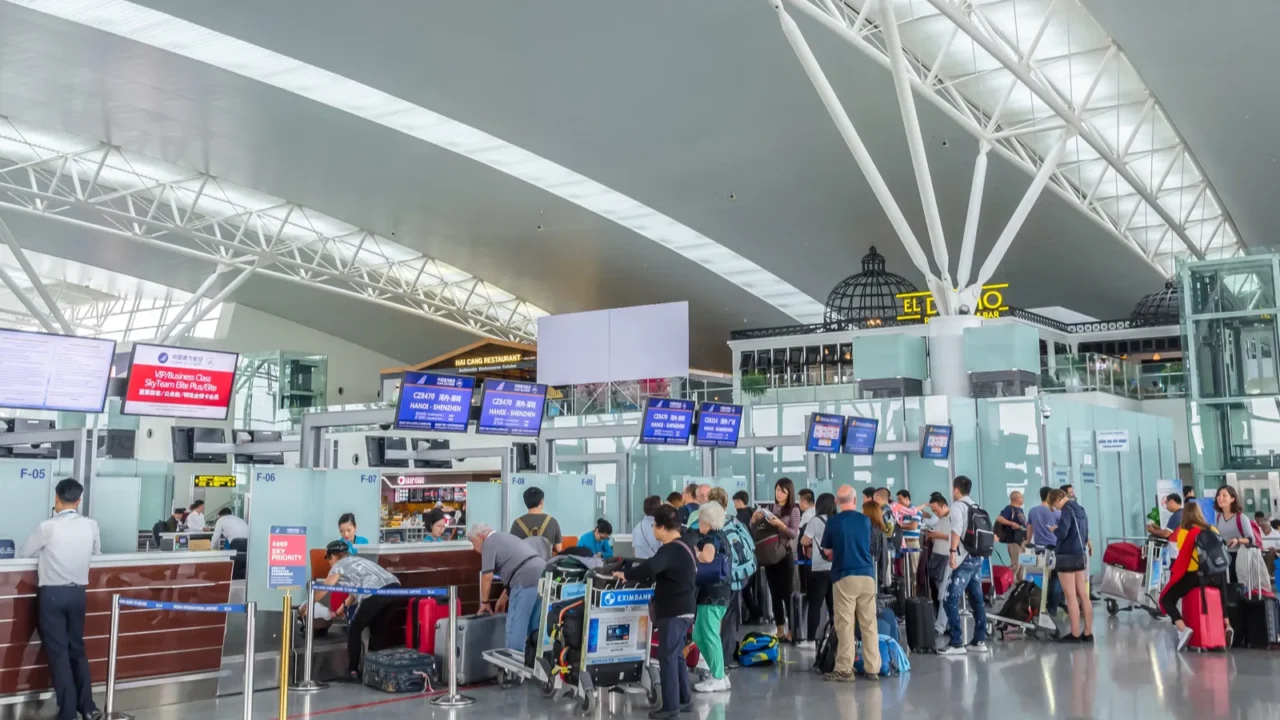
War shuts skies
The 2026 Iran war triggered widespread airspace closures across Iran, Iraq, and Gulf states, disrupting one of the world’s busiest aviation corridors linking Europe and Asia. Airlines were forced to reroute or cancel flights, leaving thousands stranded and altering global travel patterns almost immediately.
Southeast Asia, heavily dependent on international tourism, felt the impact quickly as long-haul connectivity weakened and travel confidence declined across key visitor markets.
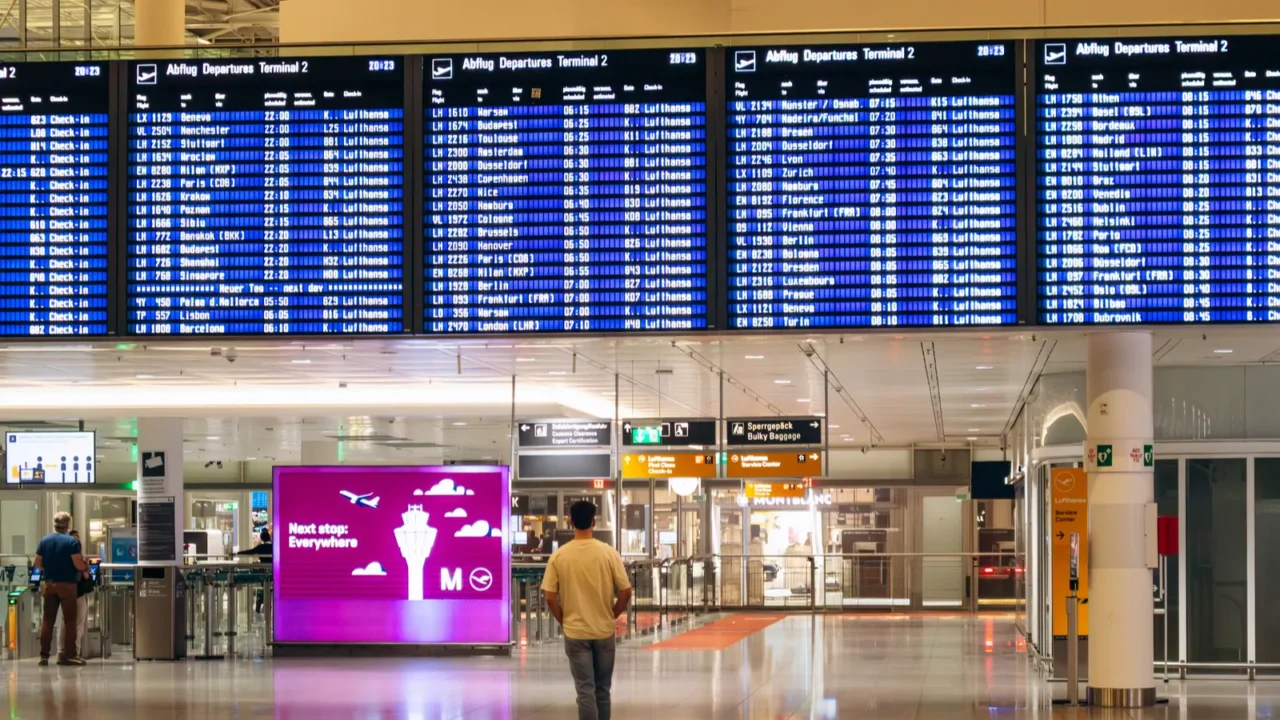
Broken travel routes
Flights between Europe and Southeast Asia traditionally pass through Middle Eastern hubs like Dubai and Doha. With these corridors restricted, airlines now take longer alternative routes, increasing travel time and operational costs significantly.
Many travelers faced cancellations or higher fares, discouraging tourism demand. Countries such as Thailand and Indonesia faced immediate pressure as flight disruptions, rerouting, and higher fares made travel planning less predictable for international visitors.
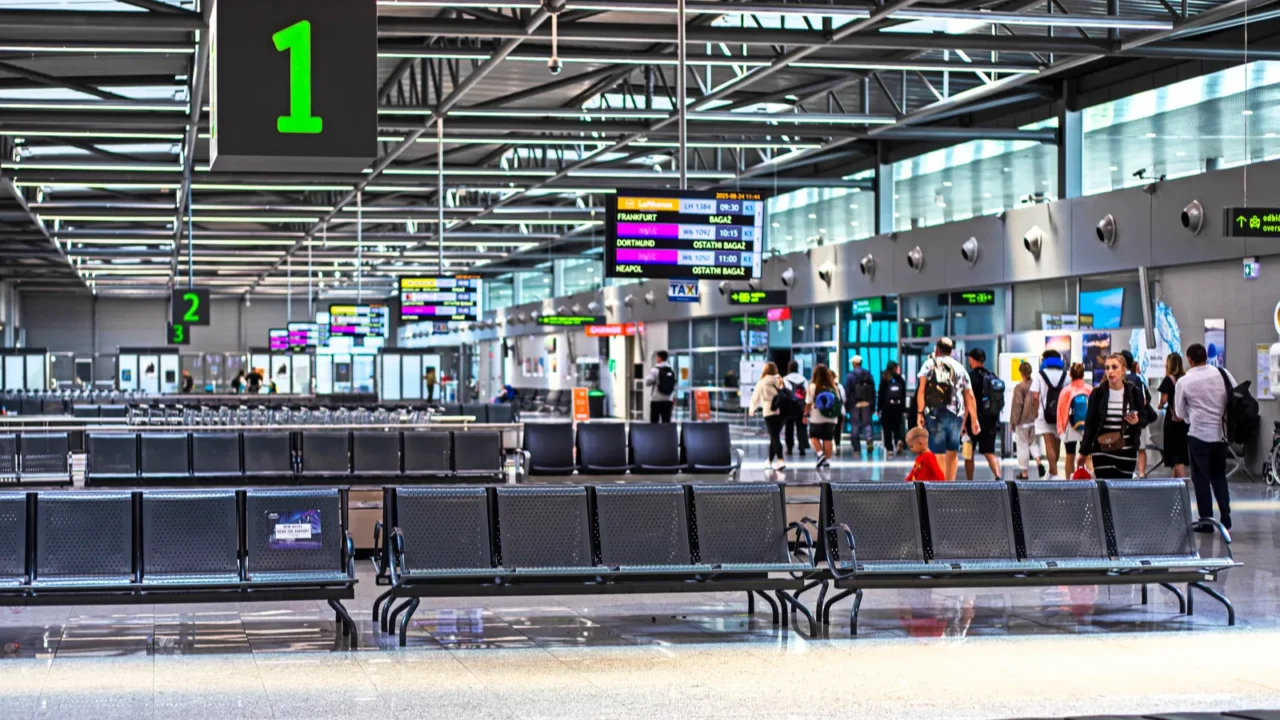
Tourism feels shock
Tourism plays a major economic role across Southeast Asia, contributing significantly to national economies, particularly in Thailand and Cambodia. The sudden aviation disruption created immediate pressure on these tourism-dependent sectors.
Without efficient long-haul routes, destinations like Bali and Siem Reap became harder to reach. Tourism operators and officials warned that prolonged disruption could reduce bookings and revenue if flight instability continued for months.
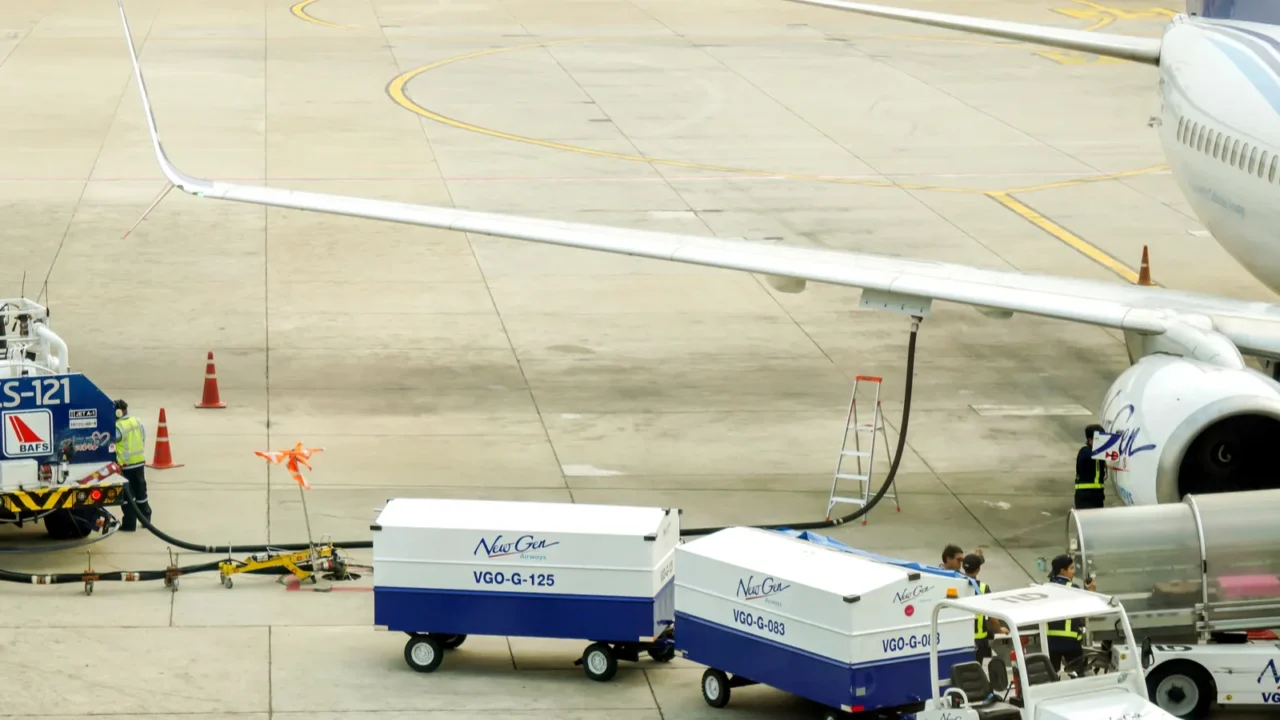
Fuel costs climb
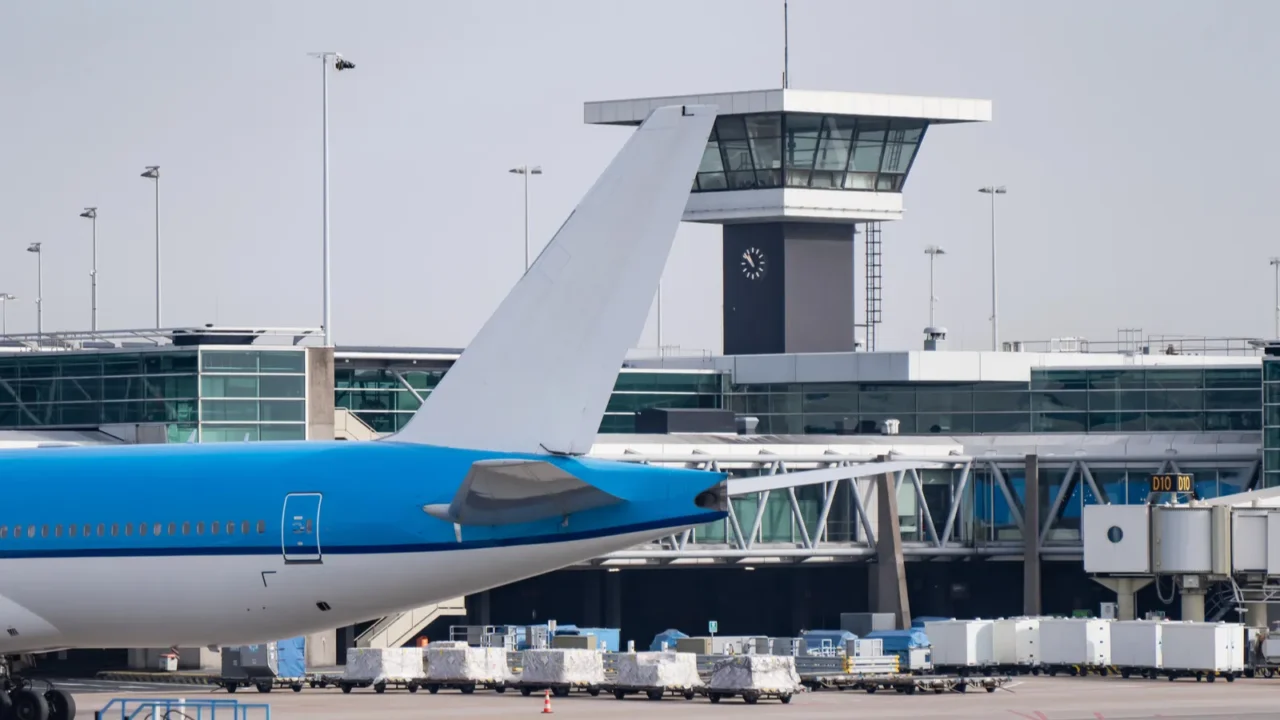
Global jet fuel prices have surged sharply due to the Middle East conflict, increasing airline operating costs and forcing carriers to raise fares and adjust financial strategies. Fuel accounts for a major portion of airline expenses, and sudden volatility has strained carriers already coping with disrupted routes.
Rising costs are making long-haul travel more expensive and harder to maintain at pre-conflict levels.
Fact: Jet fuel prices rose sharply after the conflict began, with Reuters reporting prices climbed from roughly $85 to $90 per barrel before the crisis to as high as $150 to $200, while IATA’s latest global average reached $209 per barrel.
Airlines under pressure
Airlines across Asia and beyond began cutting routes, delaying expansion plans, and adjusting capacity due to rising fuel costs and disrupted airspace. Some carriers reduced frequencies on less profitable routes to manage financial risk.
These operational changes reduced seat availability to Southeast Asia, further limiting tourist inflows. The combined effect of fewer flights and higher prices created a noticeable slowdown in regional tourism recovery.
Thailand loses momentum
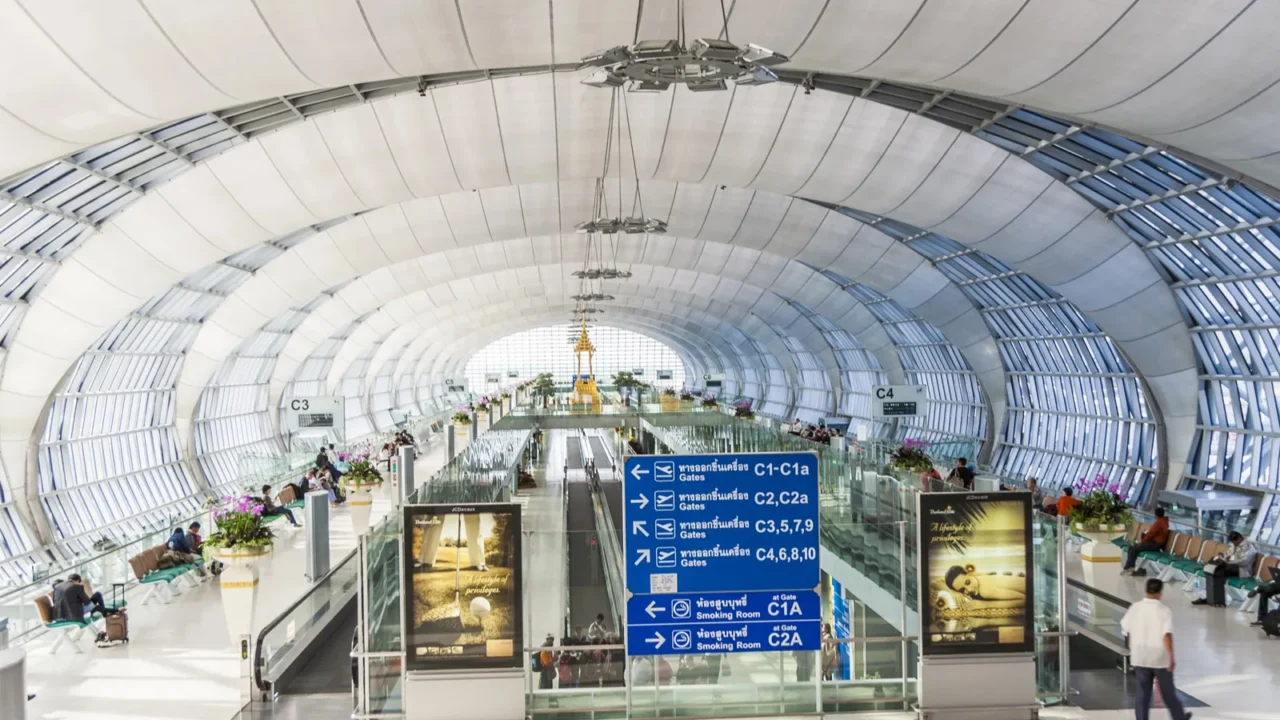
Thailand entered 2026 expecting strong tourism growth, targeting millions of international visitors. However, aviation disruptions quickly slowed arrivals, particularly from Europe and the Middle East.
Hotels, airlines, and tour operators reported weaker bookings within weeks. The sudden drop in demand forced authorities to reassess projections as uncertainty surrounding flight routes continued affecting traveler confidence and long-term tourism planning decisions nationwide.
Bali sees decline
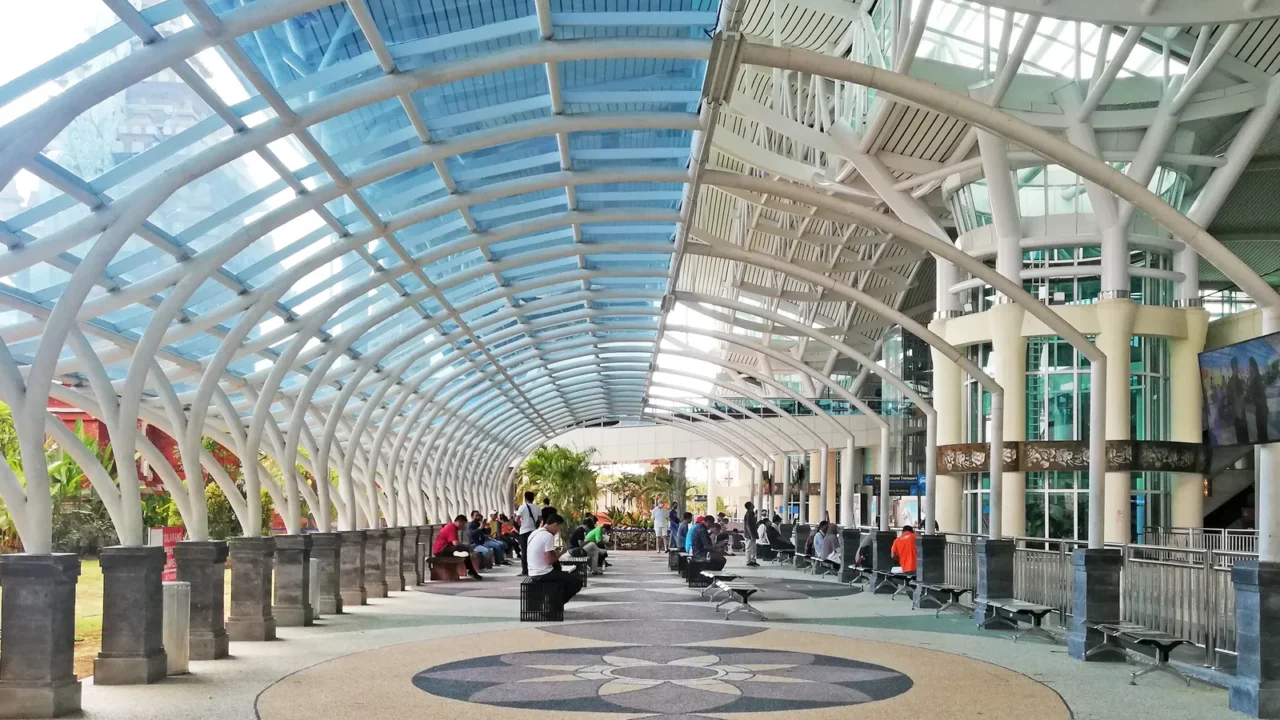
Bali, one of Indonesia’s most visited destinations, experienced immediate impacts as international flights were canceled or delayed. The island relies heavily on connecting flights through Middle Eastern hubs for European arrivals.
Tourism businesses, including hotels and local guides, reported declining occupancy rates and reduced bookings. The disruption slowed Bali’s recovery and highlighted its dependence on stable global aviation networks for sustained tourism growth.
Gulf hubs disrupted
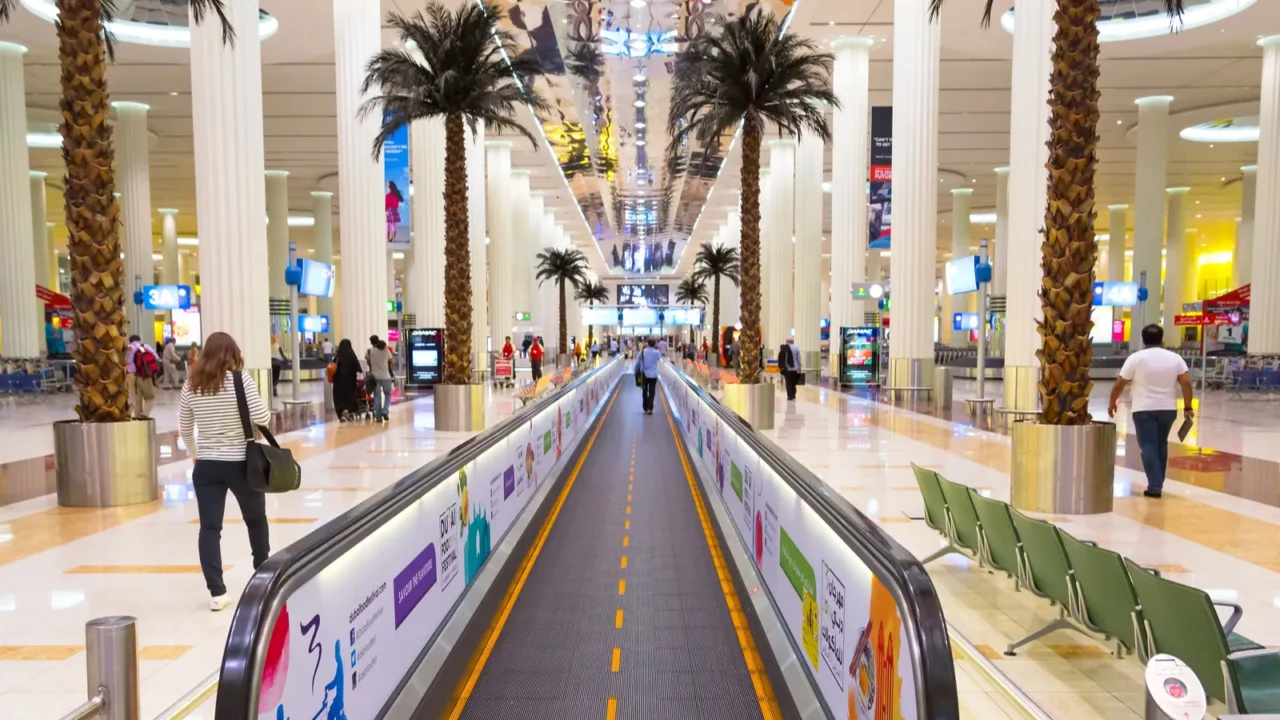
Airports in Dubai, Doha, and Abu Dhabi function as critical transit points connecting Europe and Asia. When conflict restricted operations, global passenger flows were significantly affected, disrupting millions of journeys.
These hubs handle a large share of long-haul transfer passengers, making disruptions highly impactful.
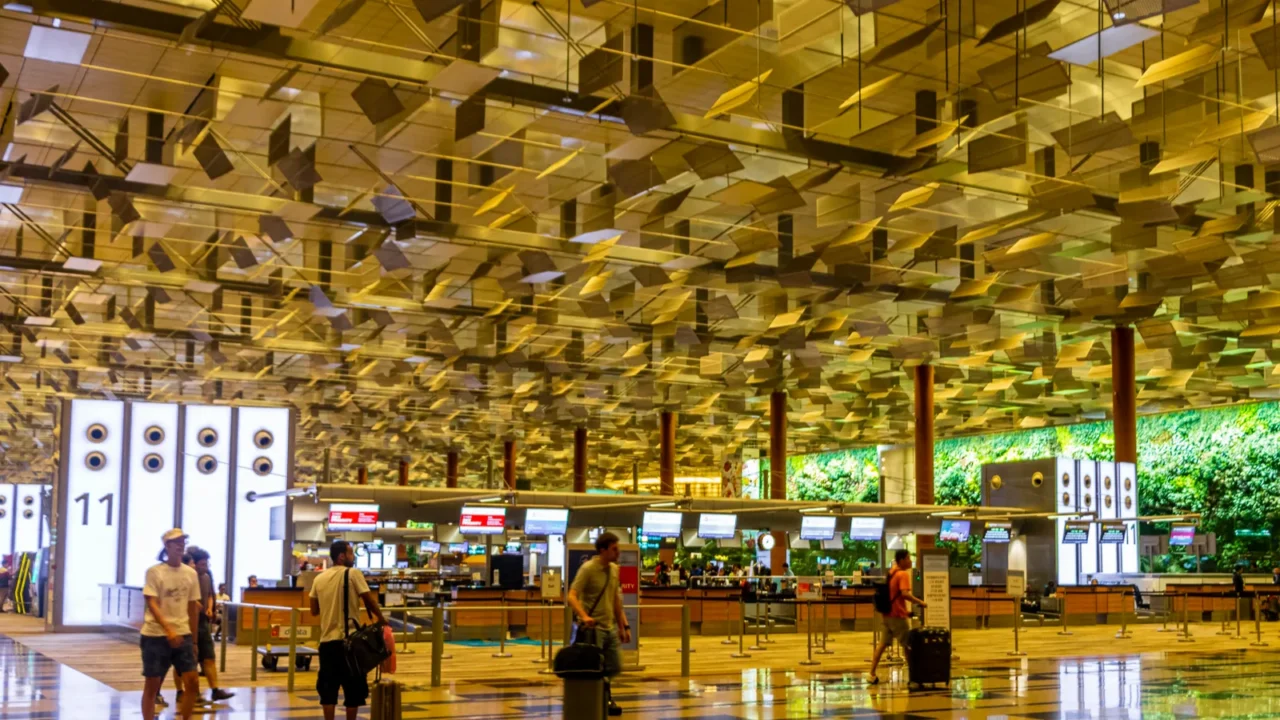
Singapore gains edge
Singapore served as a viable alternative for some rerouted long-haul flights, avoiding restricted airspace. Airlines operating from Singapore adjusted paths amid the disruptions.
While Middle East-dependent routes faltered, Singapore’s hub saw mixed flows with some increases in regional transits. However, overall, Southeast Asia faced pressure from the crisis, limiting broad gains during the period.
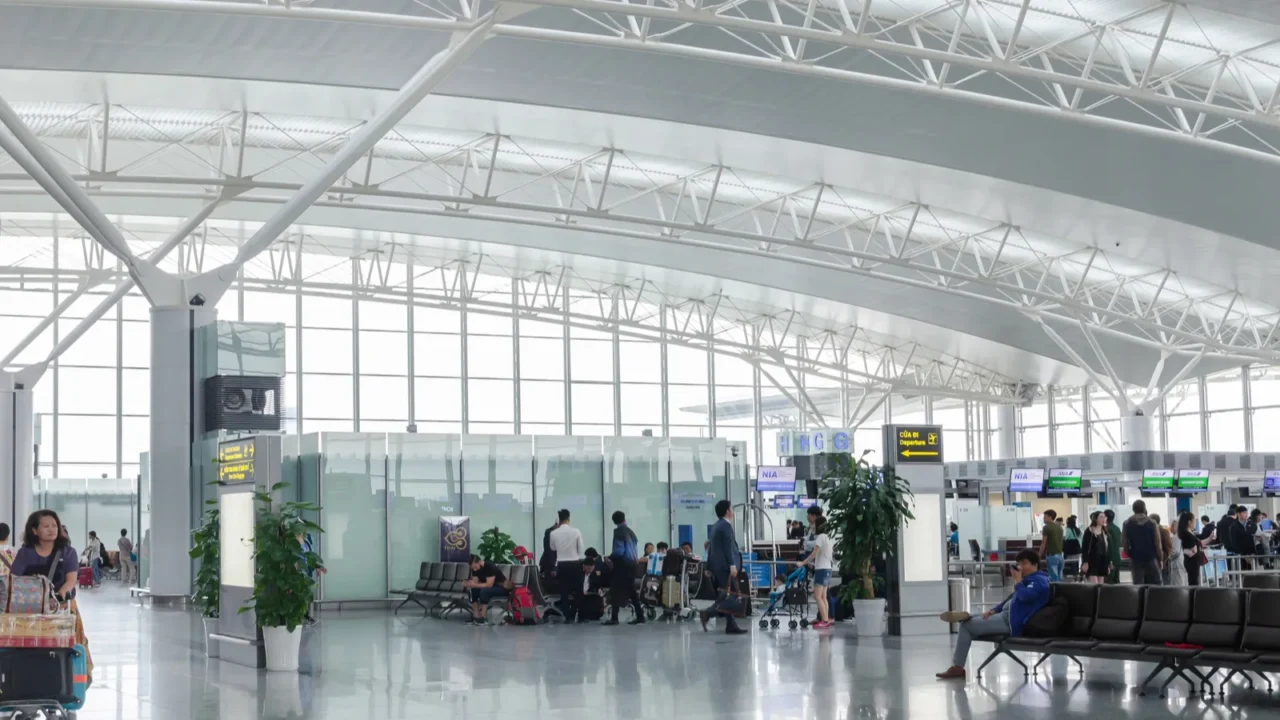
Vietnam stays stable
Vietnam faced challenges from the disruptions alongside neighbors, hit by fuel shortages and flight cuts affecting arrivals. International visitors slowed due to higher costs and route issues.
Regional markets provided some buffer but could not fully offset declines. Vietnam faced mounting pressure as fuel shortages threatened airline operations, prompting Vietnam Airlines to cut domestic flights and raising concerns about wider tourism disruption.
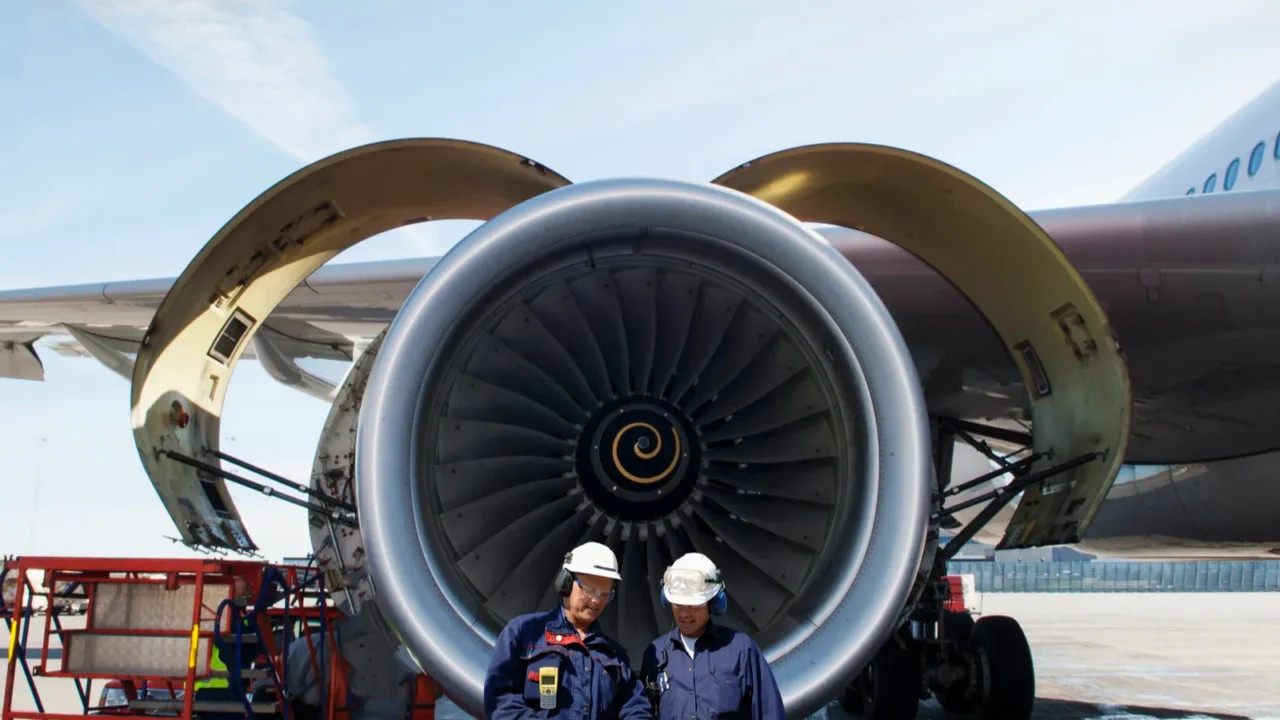
Costs keep rising
Airlines faced increasing operational costs beyond fuel, including maintenance strains from longer routes and supply chain delays tied to regional tensions. Longer routings increased fuel burn, crew complexity, and operating pressure, making it harder for airlines to keep fares affordable.
Longer flight paths also increased fuel consumption per trip, tightening airline margins further. These combined pressures made it difficult to maintain affordable ticket prices, contributing to reduced demand for international leisure travel.

Hope for recovery
Despite current disruptions, the tourism industry has historically shown resilience after global crises. Following the pandemic, travel demand rebounded strongly once restrictions eased, and authorities are exploring strategies to maintain their tourism by focusing on regional and short-haul travelers.
Tourism authorities across Southeast Asia are now emphasizing regional travelers and short-haul markets. These strategies aim to stabilize visitor numbers while global aviation routes remain uncertain and long-haul travel demand continues to fluctuate across international markets.

Region faces crossroads
The aviation crisis revealed Southeast Asia’s dependence on limited transit hubs for global connectivity. When these routes were disrupted, tourism flows declined rapidly, exposing structural vulnerabilities, prompting governments to rethink strategies to prevent similar losses from future Iran setbacks.
Future strategies may include expanding direct routes, strengthening regional travel networks, and reducing reliance on external hubs. The situation highlights the need for more resilient systems to protect tourism economies from global geopolitical disruptions.
Have you ever considered how a conflict thousands of miles away could instantly ripple through your next vacation plans?
This slideshow was made with AI assistance and human editing.
Don’t forget to follow us for more exclusive content right here on MSN.
Read More From This Brand:
