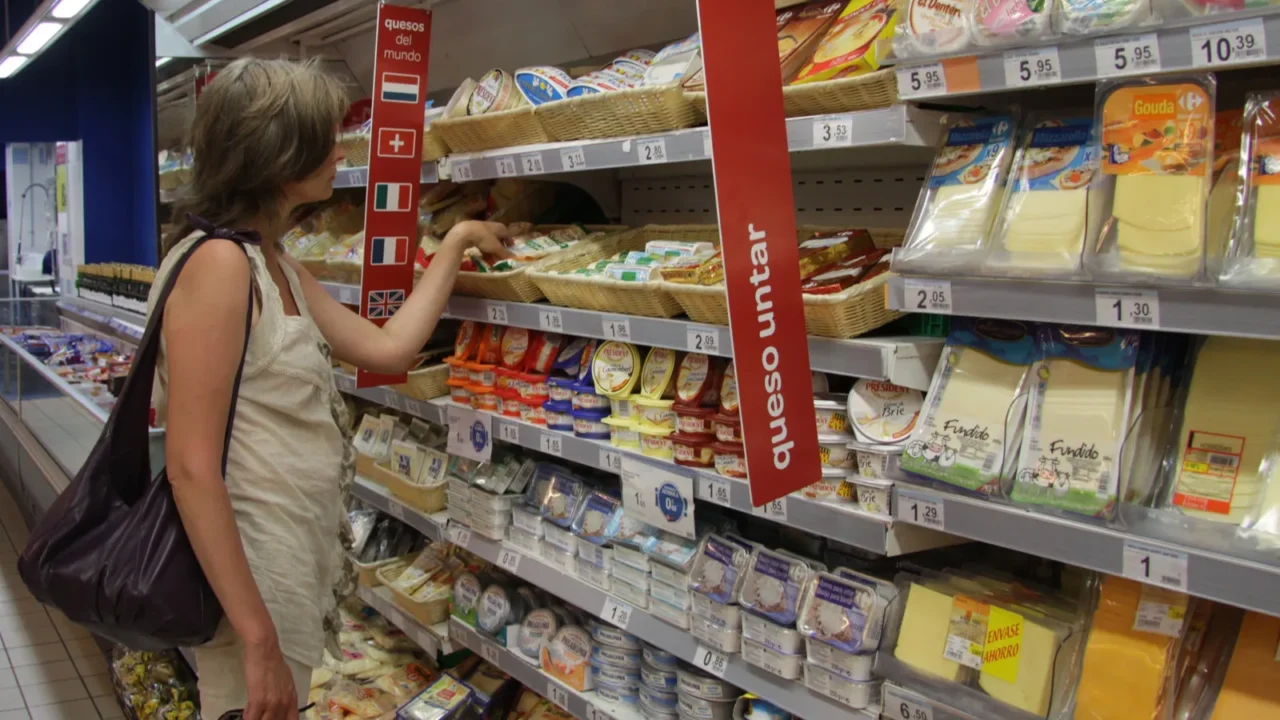
U.S. traveler behavior shift
Recent travel trend reports show that grocery store tourism is becoming a recognizable part of how people explore destinations. Hilton’s 2026 trends report found that 77% of travelers enjoy exploring local grocery stores for authentic food and drink offerings.
Travelers in cities like Paris, Tokyo, and Barcelona are increasingly visiting grocery stores for local insight. These visits often reveal cultural habits through food choices and pricing. The shift highlights how everyday spaces are becoming meaningful travel experiences.
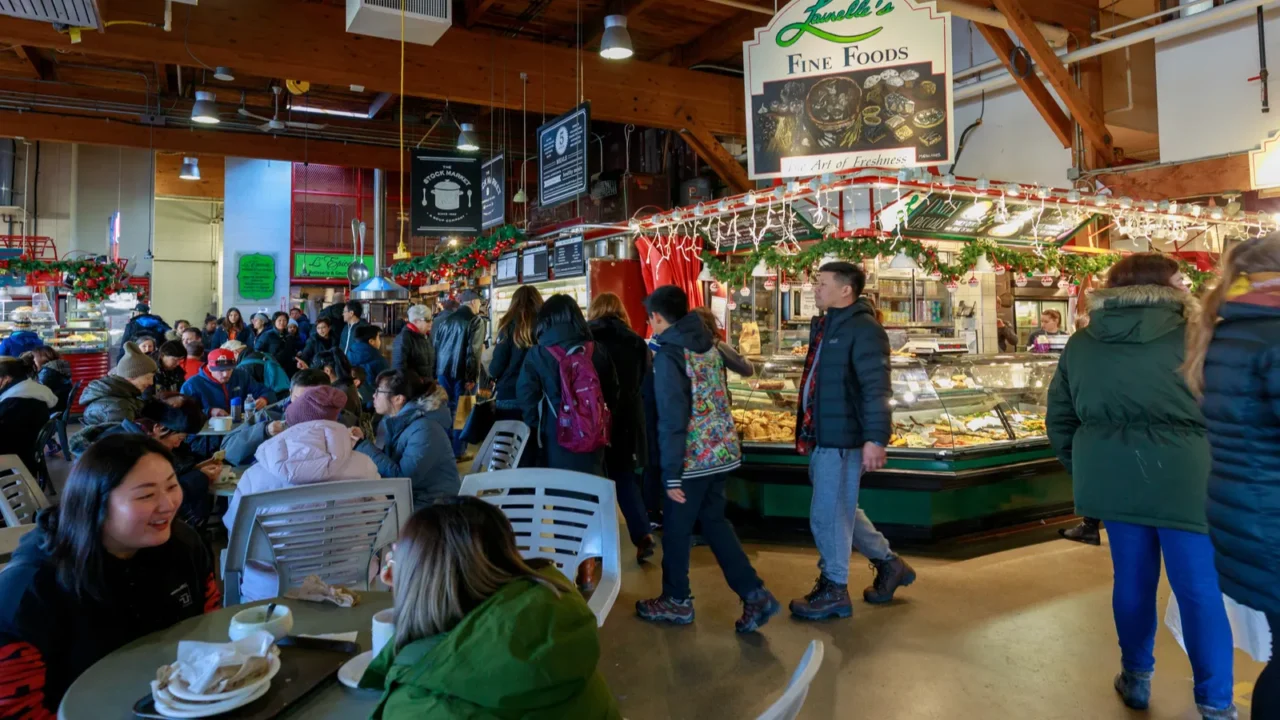
Supermarket tourism gains popularity
Supermarket tourism is gaining traction across major global destinations. Travelers are choosing grocery stores as informal cultural hubs during trips. This trend aligns with rising interest in local and immersive experiences.
In cities like Rome and London, supermarkets offer a snapshot of daily life through food and pricing. Visitors often explore stores to understand local consumption patterns. This behavior adds depth to traditional sightseeing experiences.
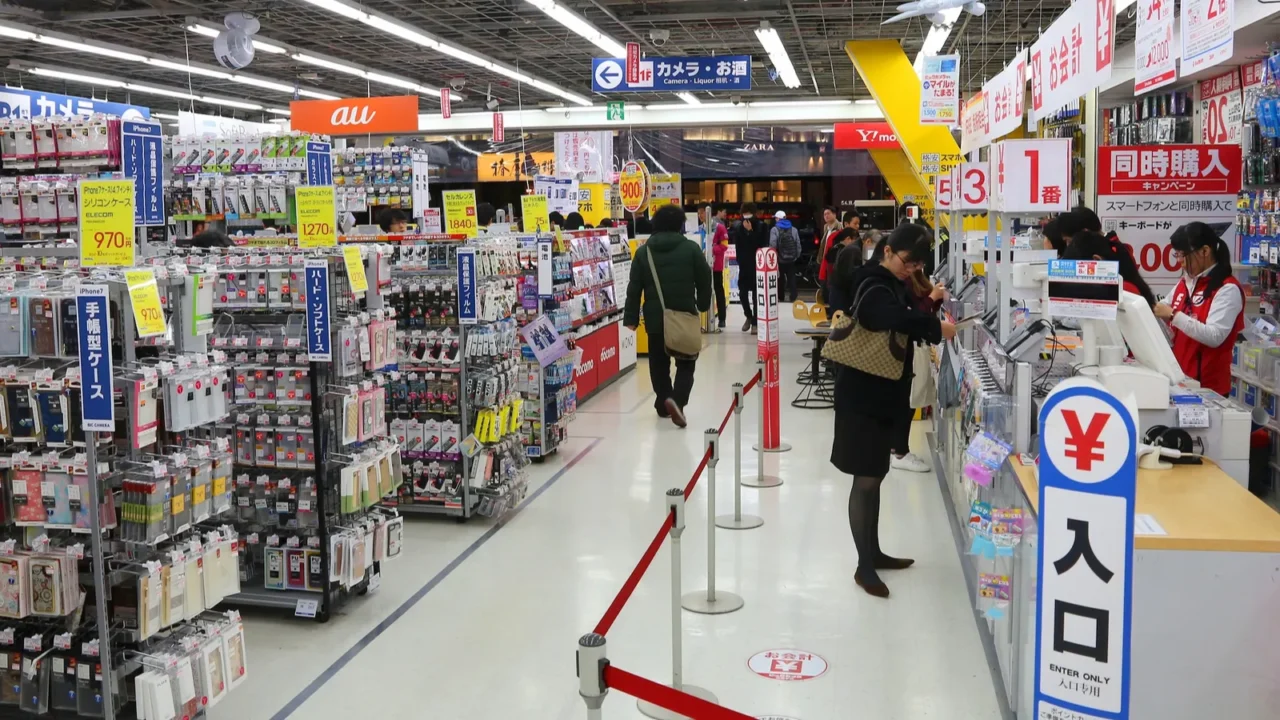
Why travelers visit stores
Travelers are drawn to supermarkets for authenticity and affordability during trips. Grocery stores provide access to local ingredients and ready-to-eat meals at lower prices. This makes them appealing for both budget and experience-focused travelers.
In destinations like Tokyo and Paris, supermarkets often feature regional specialties and seasonal products. Visitors use these spaces to discover local flavors without restaurant costs. This approach combines cultural exploration with practical savings.
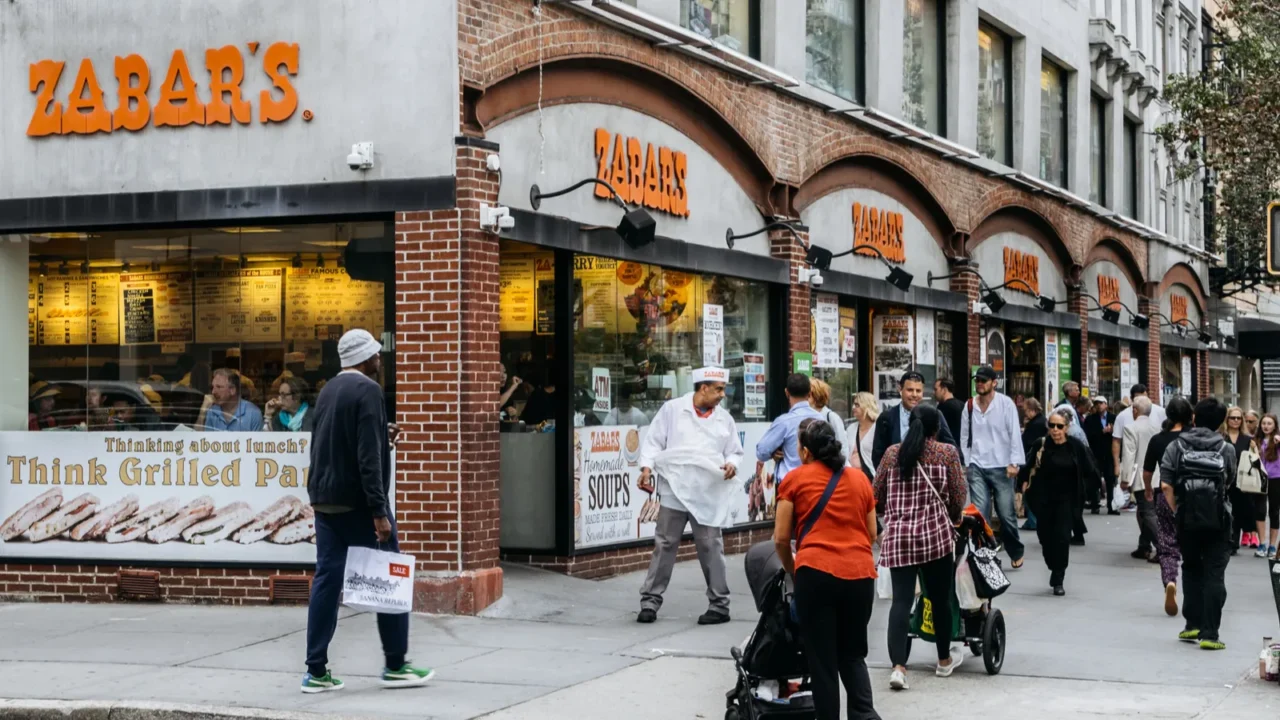
Cost savings while traveling
Supermarkets offer a clear financial advantage compared to dining out in tourist areas. Travelers can reduce daily food expenses by purchasing meals and snacks directly. This strategy helps manage budgets in expensive cities.
In places like Zurich and New York City, restaurant meals can exceed $25 to $50 per person. Supermarket alternatives often cost significantly less for similar portions. This cost difference makes grocery visits a practical travel habit.
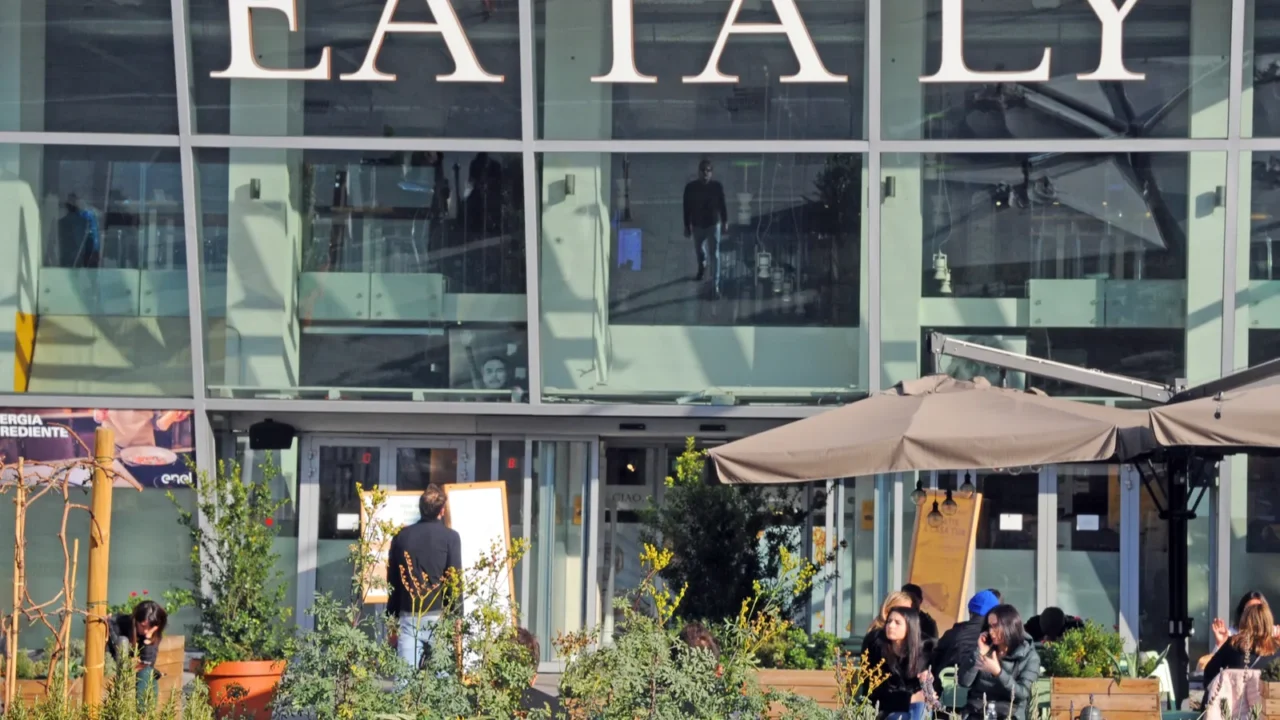
Local culture through food
Supermarkets provide insight into local culture through everyday food choices. Product variety reflects regional tastes, traditions, and dietary habits. Travelers often observe differences in packaging, ingredients, and pricing.
In Barcelona and Rome, stores highlight fresh produce and regional specialties. In Tokyo, convenience stores offer unique ready-to-eat meals that reflect local preferences. These experiences create a deeper connection to the destination.

Hidden insights from shelves
Supermarkets often reveal economic and social patterns within a destination. Pricing, product availability, and branding reflect broader consumer behavior. Travelers gain a better understanding of local lifestyles through these observations.
Little-known fact: UN Tourism has recognized shopping tourism as an important travel segment, showing that retail experiences can play a meaningful role in how visitors engage with a destination. Supermarkets fit naturally into that broader interest because they offer a view of everyday local life.
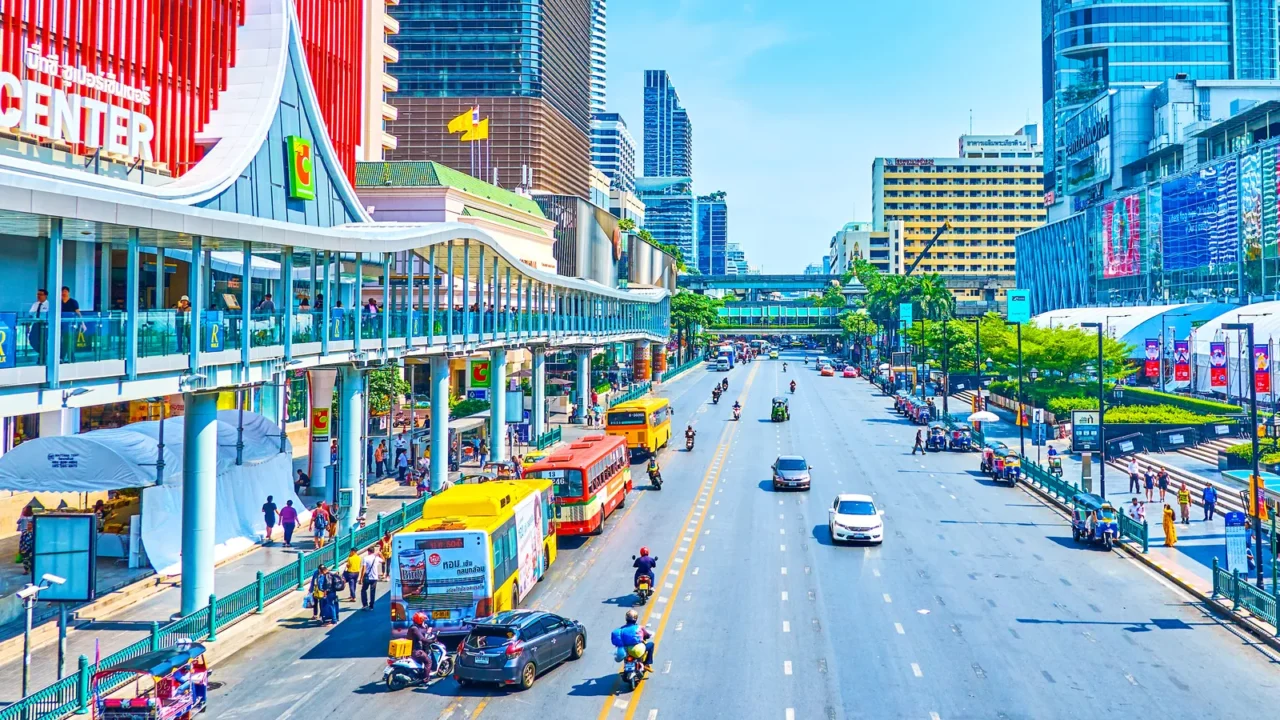
Budget travel meets convenience
Supermarkets support budget travel by offering affordable and accessible food options. Ready-to-eat meals and snacks reduce the need for expensive dining. This approach allows travelers to allocate budgets toward experiences.
In cities like Bangkok and Lisbon, supermarkets provide low-cost alternatives to restaurants. Travelers often combine grocery shopping with sightseeing routines. This balance enhances both savings and travel flexibility.
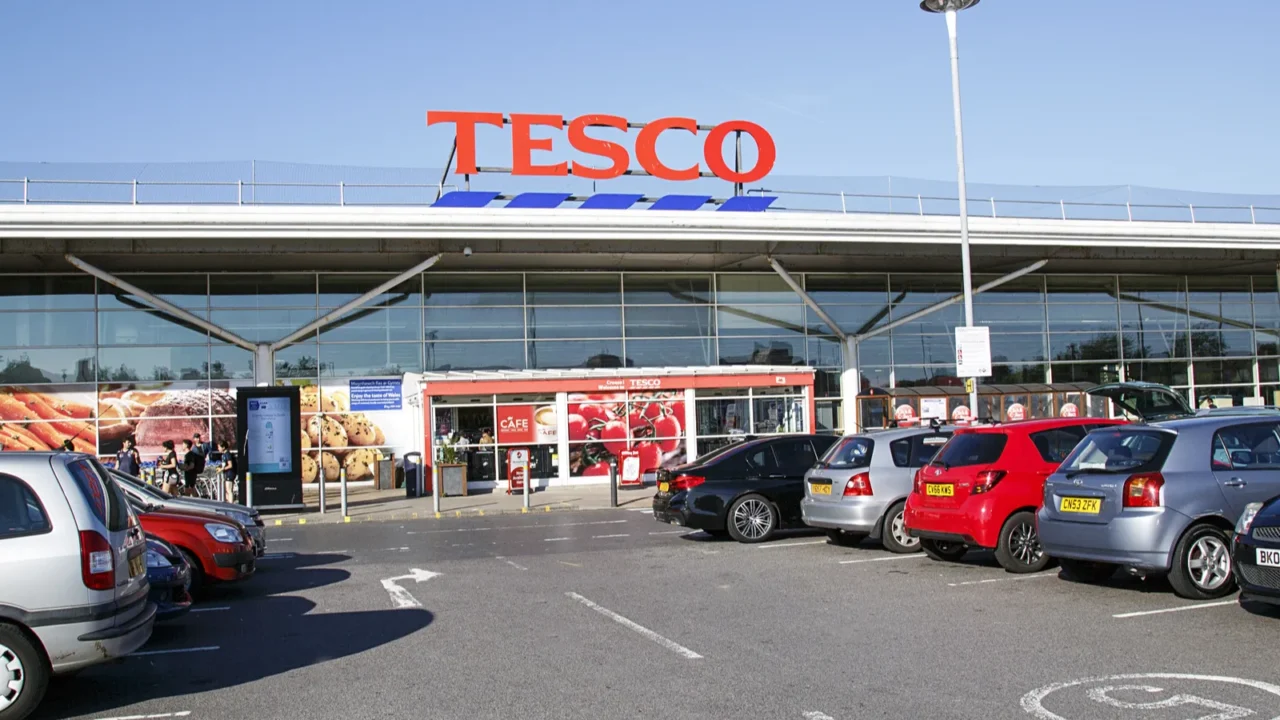
Global grocery chain experiences
Different countries offer unique supermarket experiences shaped by local culture. Chains like Tesco in London or Carrefour in Paris reflect regional shopping habits. Travelers often compare these stores with those in the United States.
Fact: Recent travel trend reporting shows that grocery stores are becoming more visible in the travel experience because they combine affordability, convenience, and local discovery in one stop. That makes them an easy and culturally revealing place for travelers to explore beyond traditional attractions.
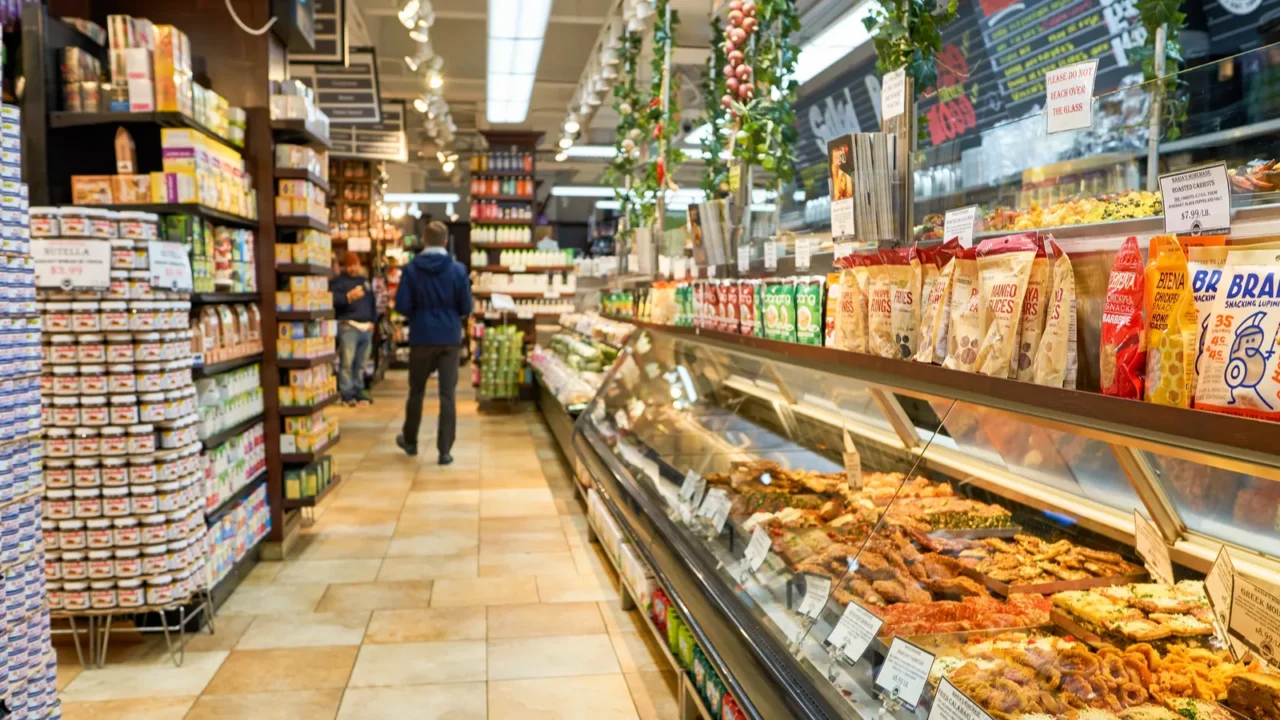
Urban destinations lead trend
Major cities are leading the trend of supermarket exploration among travelers. Urban centers offer diverse grocery stores with international and local products. This variety attracts visitors seeking authentic experiences.
Cities like New York, Paris, and Tokyo showcase different retail environments within neighborhoods. Travelers often visit multiple stores to compare offerings. This urban diversity enhances the overall travel experience.
Social media influence grows
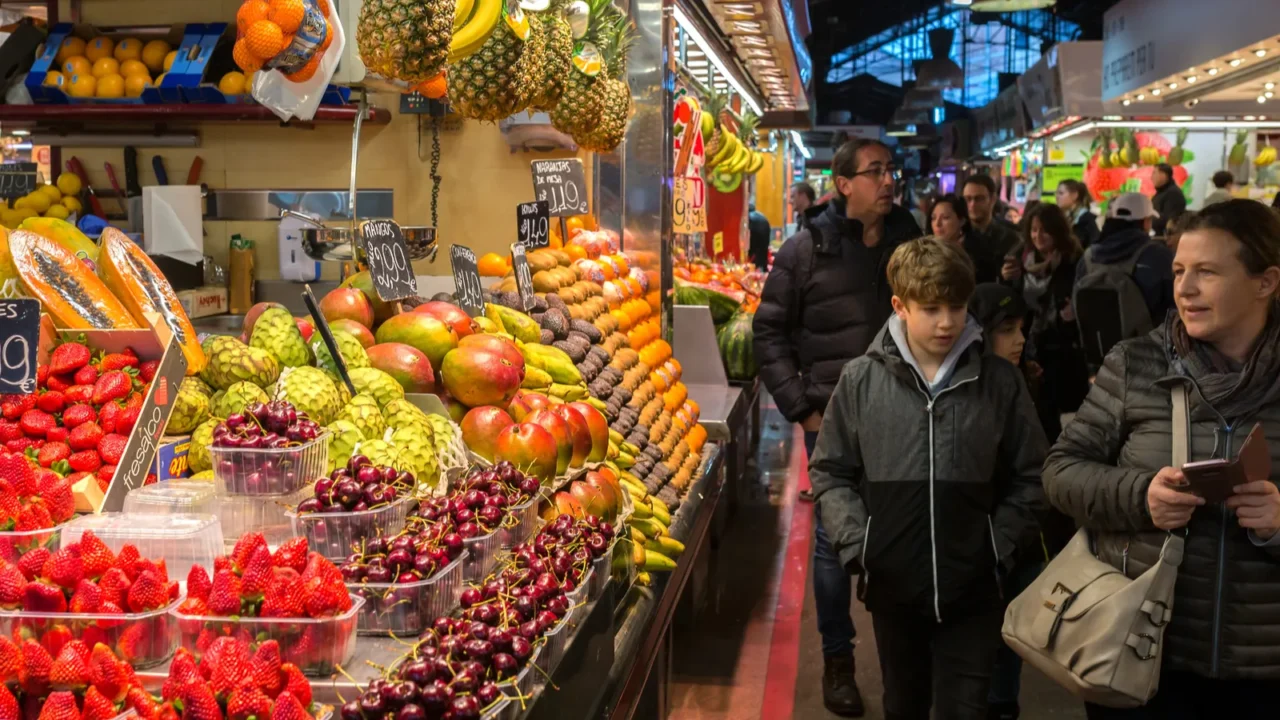
Social media platforms are amplifying interest in supermarket tourism. Travelers share grocery finds, unique snacks, and local products online. These posts inspire others to explore similar experiences.
Platforms like Instagram and TikTok feature viral content around international grocery shopping. Influencers often highlight affordable meals and rare items. This exposure continues to drive the trend globally.
Changing traveler priorities today
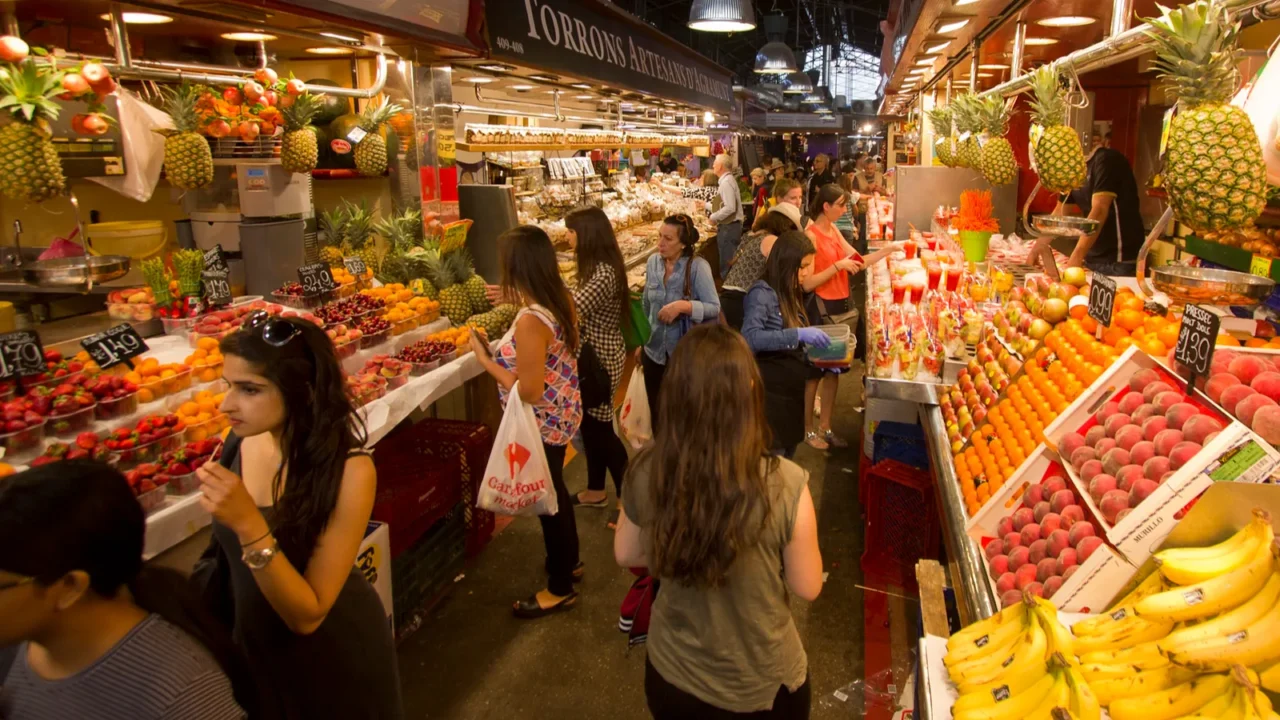
Travelers are shifting priorities toward authentic and everyday experiences. Supermarket visits reflect a desire to connect with local culture beyond tourist attractions. This trend aligns with broader changes in travel behavior.
Experiences that feel real and unscripted are gaining popularity. Travelers value moments that offer insight into daily life. Supermarkets provide that perspective in a simple and accessible way.
Retail travel economics
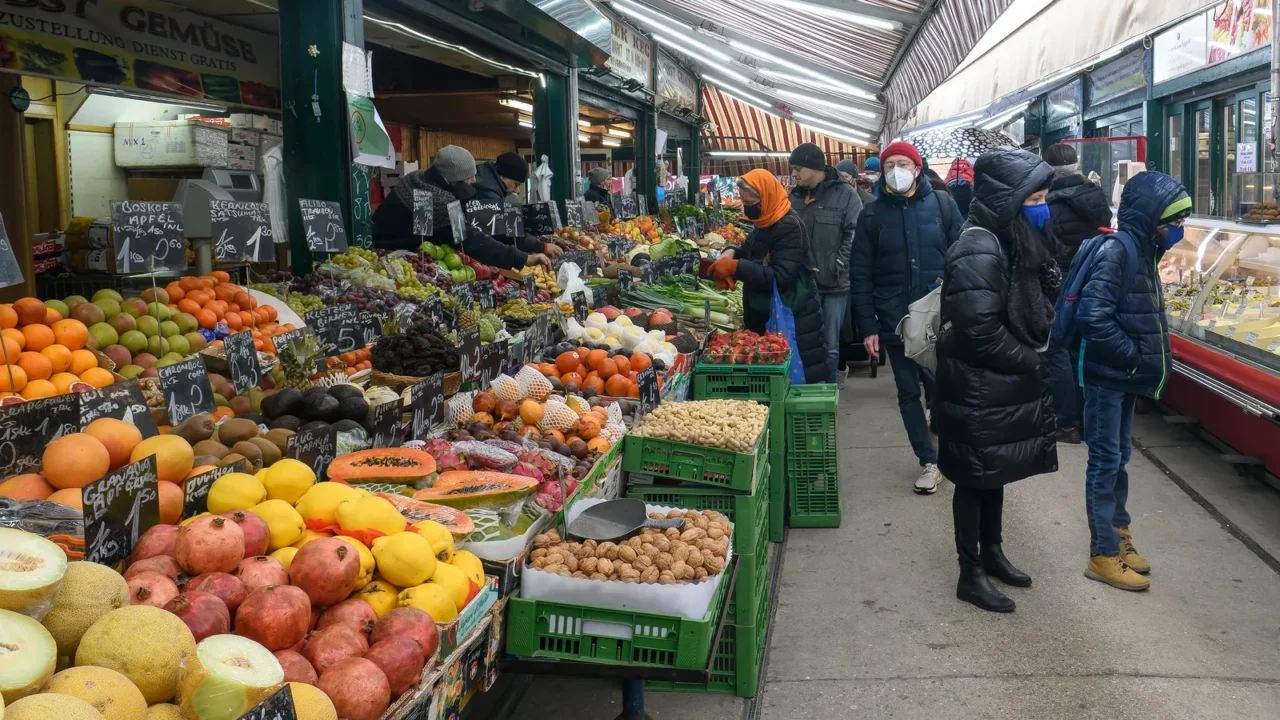
Supermarket exploration reflects a broader shift in how travelers manage spending during international trips. Food purchasing habits now play a direct role in overall travel budgeting decisions. This trend is especially visible in high-cost cities across Europe and Asia, as well as culturally rich destinations like Thailand’s floating markets that operate like river cities.
Data from food tourism research suggests that travelers spend about 25% of their travel budget on food and beverages on average, and that share can climb higher in more expensive destinations. That is one reason supermarkets and grocery stores matter to travelers trying to manage overall trip costs.
Everyday travel value
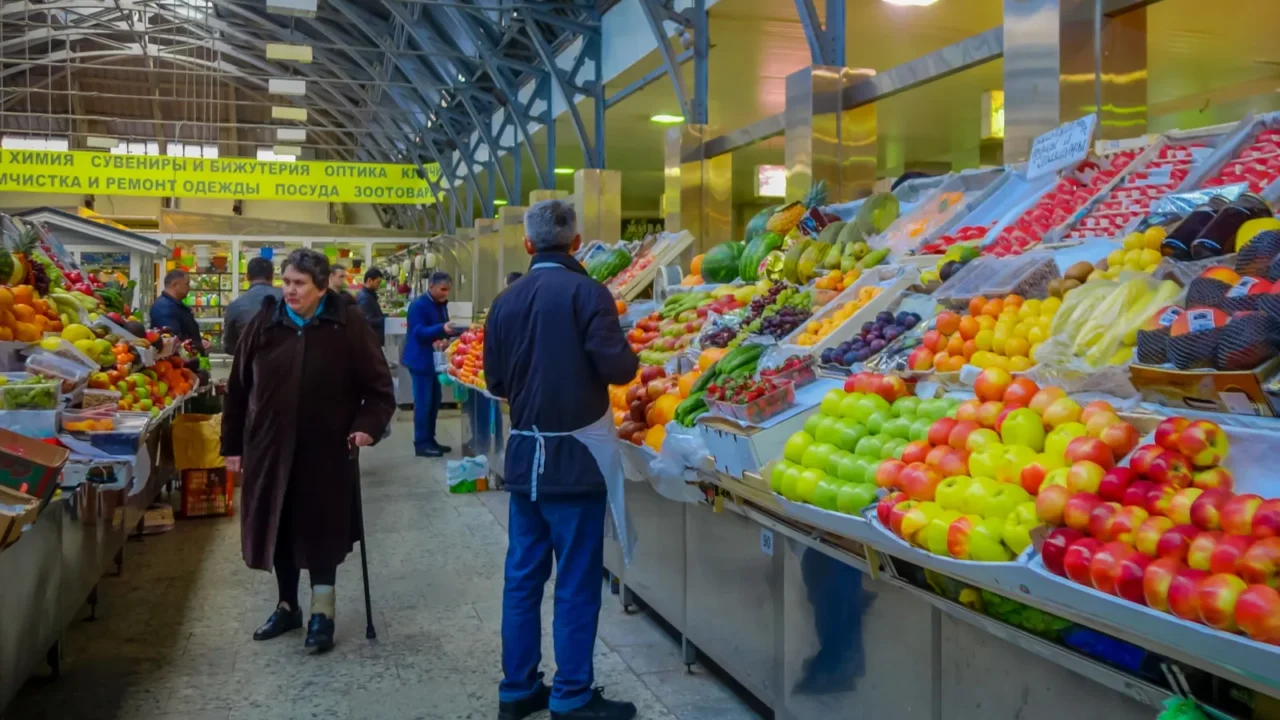
Supermarkets have become a consistent part of international travel experiences for American travelers. This reflects a broader move toward cultural immersion and cost awareness. Everyday spaces now play a stronger role in shaping travel memories.
Meaningful travel often blends affordability, authenticity, and local discovery. Supermarkets naturally combine all three through food and daily life exposure.
Which everyday travel experience feels most interesting for travelers exploring new destinations today? Share thoughts below.
This slideshow was made with AI assistance and human editing.
Don’t forget to follow us for more exclusive content right here on MSN.
Read More From This Brand:
