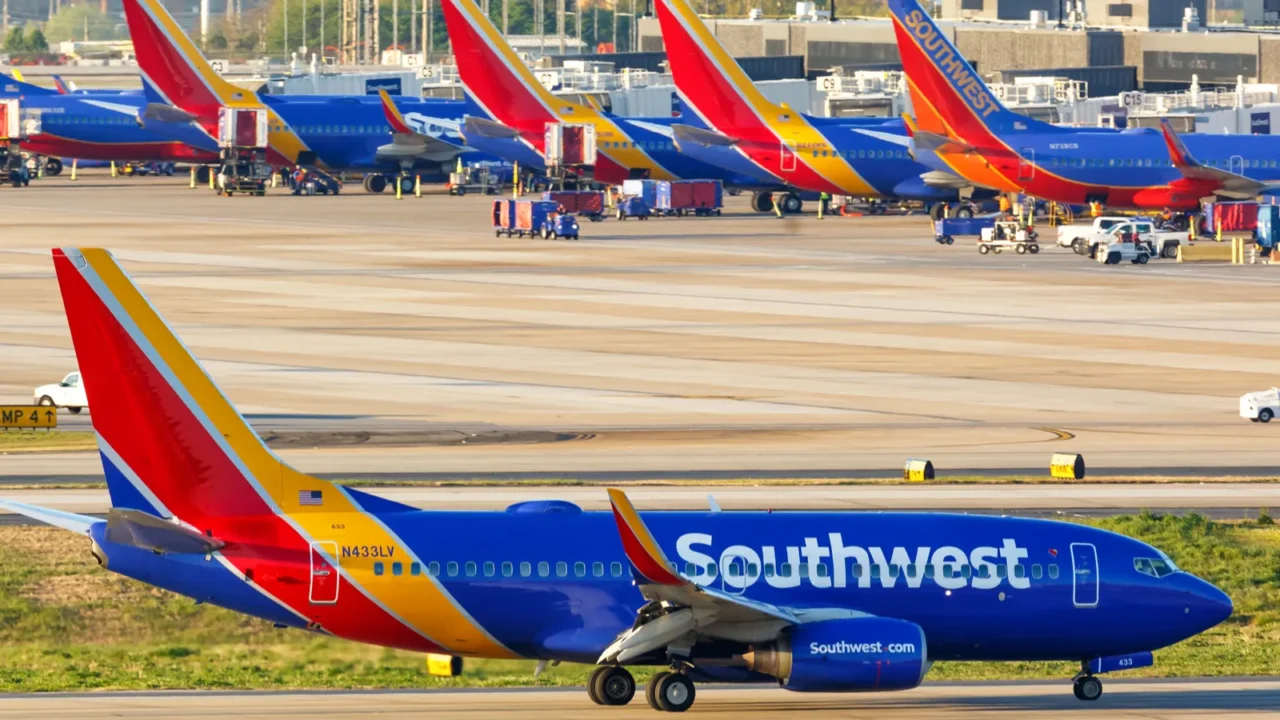
Southwest Airlines baggage policy change
Southwest Airlines Co. has announced a major update to its long-standing baggage policy affecting domestic travelers across the United States. The carrier is adjusting its checked bag structure as part of broader revenue optimization efforts. Major hubs, including Dallas Love Field and Chicago Midway, are expected to see immediate operational changes tied to pricing updates.
Travelers on Southwest Airlines Co. routes are now preparing for additional costs linked to luggage handling during domestic flights. The airline states that evolving market conditions and competitive pressures influenced the decision. Industry analysts note that this marks a significant shift in the US low-cost carrier strategy.
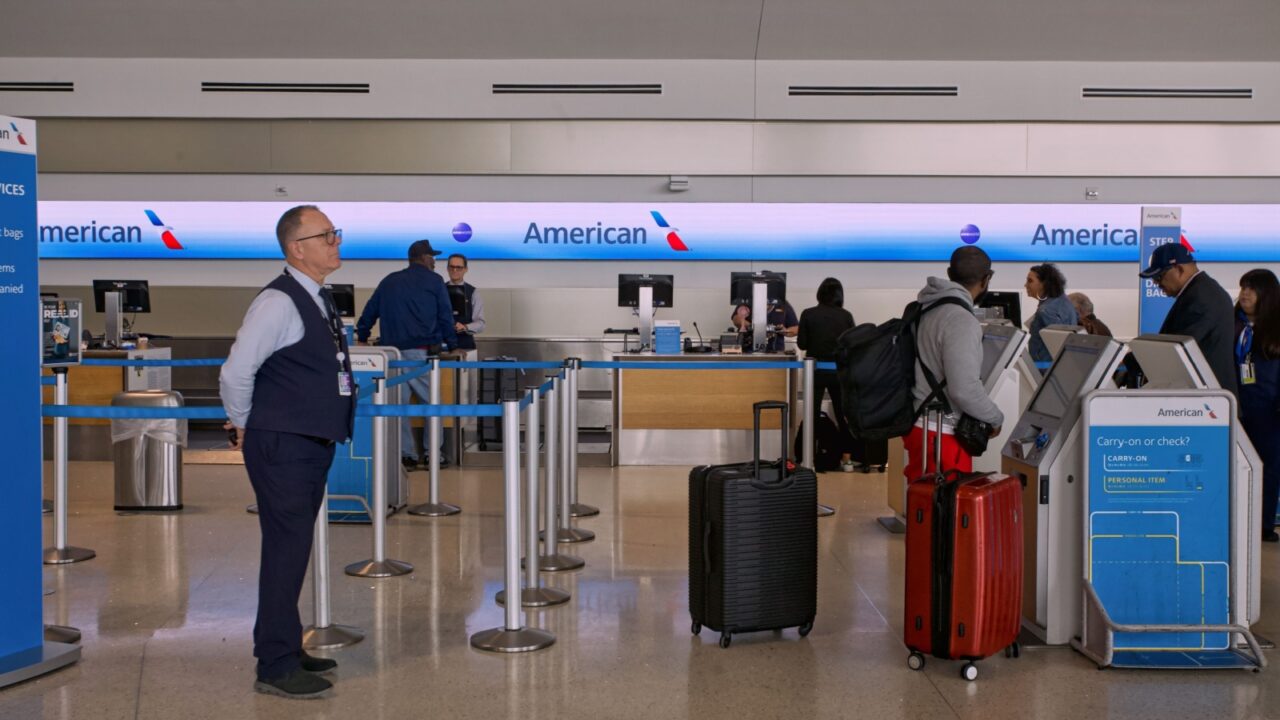
Airline fee trends rising
Southwest Airlines is part of a broader industry shift where US carriers are increasing ancillary fees across domestic routes. American Airlines lists a first checked bag fee of $50, or $45 if paid online, and a second checked bag fee of $60, or $55 if paid online, for travel within and between the United States, Puerto Rico, and the US Virgin Islands on tickets issued on or after April 9, 2026.
Industry data shows baggage fees have become a key revenue stream for carriers like American Airlines. Airlines are responding to fuel volatility and labor costs by adjusting service charges. Travelers are seeing gradual increases across multiple fare categories.
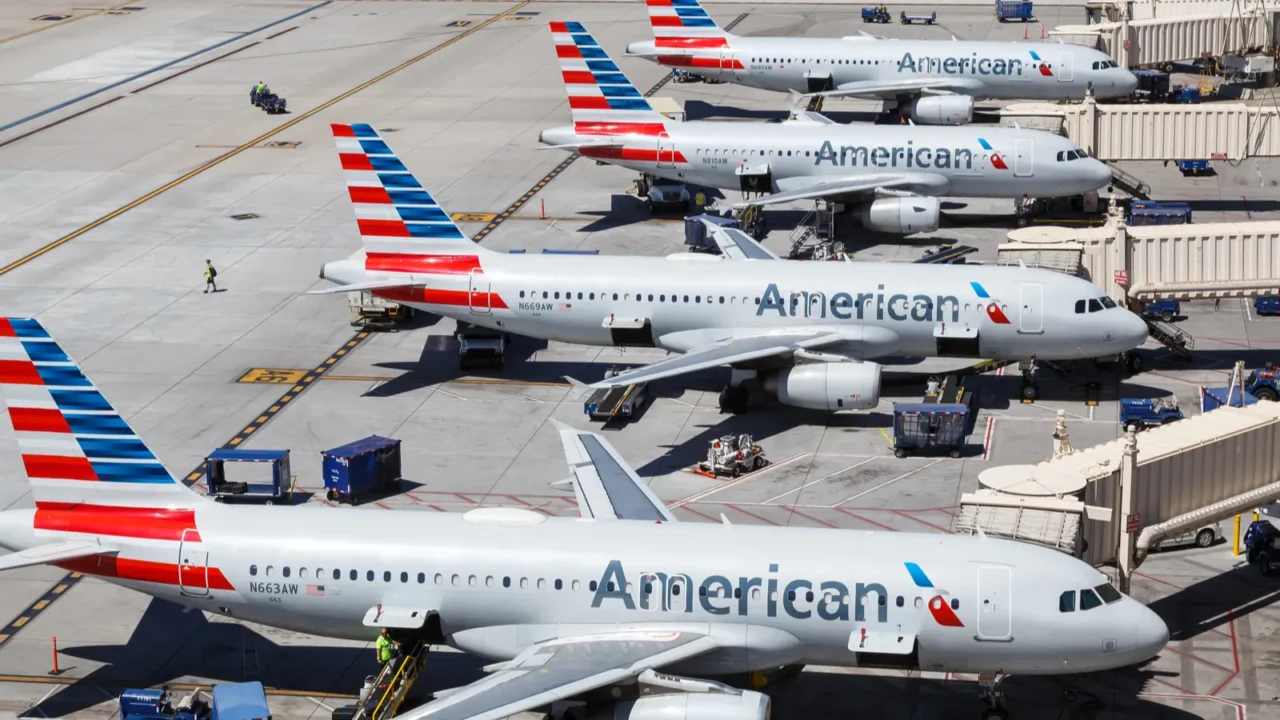
American Airlines adjustments spread
American Airlines has expanded changes to its checked bag pricing structure across multiple domestic routes in the United States. The carrier continues aligning pricing strategies with demand patterns at major airports like Dallas-Fort Worth International Airport. These updates are part of ongoing cost-balancing measures.
Passengers on American Airlines are noticing higher first bag charges on select economy fares. The airline states that competitive pricing pressure from Delta Air Lines and United Airlines influences these adjustments. The trend reflects a wider industry recalibration of service fees.
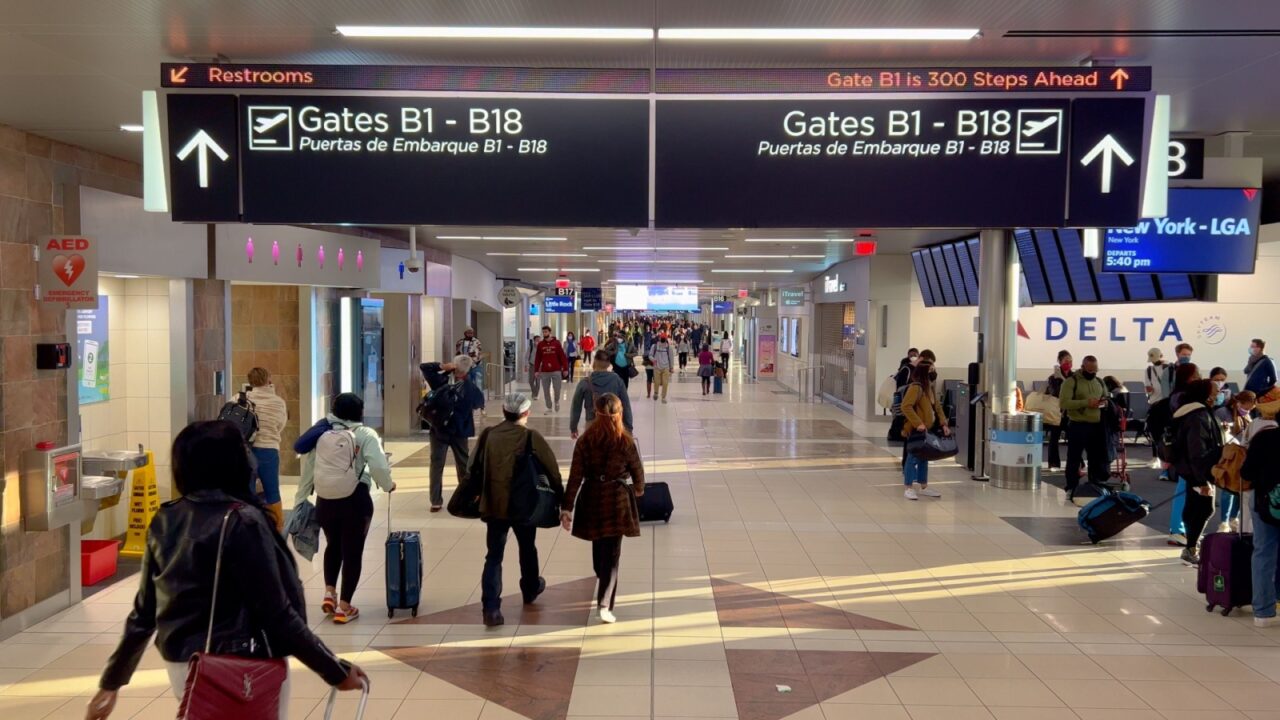
Delta and United response
Delta Air Lines and United Airlines have also revised portions of their baggage fee structures in recent months. Both carriers operate major international hubs, including Hartsfield-Jackson Atlanta International Airport and Chicago O’Hare International Airport. Adjustments vary depending on route distance and fare class.
Airline executives emphasize that pricing flexibility helps maintain operational stability during fluctuating demand cycles. Travelers on Delta Air Lines and United Airlines routes are experiencing incremental cost differences across domestic bookings. These changes reflect a broader industry focus on ancillary revenue as airlines adjust prices for bags and other optional services.

Travelers face higher costs
Air travelers across the United States are feeling the impact of rising checked bag fees during both short-haul and long-haul flights. Budget planning has become more important for families and business travelers navigating major hubs like Los Angeles International Airport. Airlines continue adjusting pricing models to match inflationary pressures.
Frequent flyers report that total trip costs are increasing even when base fares remain competitive. Airlines argue that unbundled pricing allows more flexible fare selection. The overall travel experience is shifting toward pay-per-service structures.
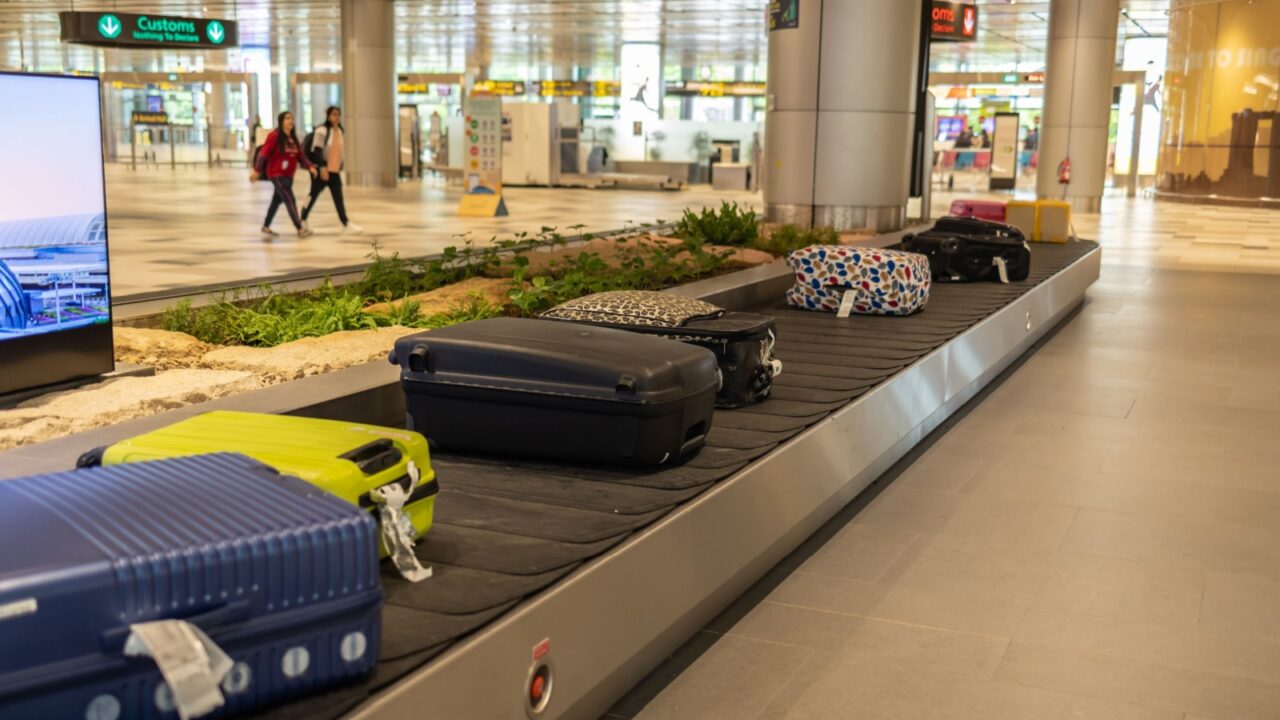
TSA volume remains high
This high throughput places additional operational pressure on baggage handling systems across major carriers, including Southwest Airlines Co. and American Airlines. Increased passenger volume directly contributes to longer processing times during holiday seasons. Aviation systems continue adapting to sustained travel demand growth.
Fact: TSA screened 2,971,217 passengers, marking one of the busiest travel days in agency history. Airports such as Atlanta Hartsfield-Jackson International Airport consistently rank among the busiest globally.
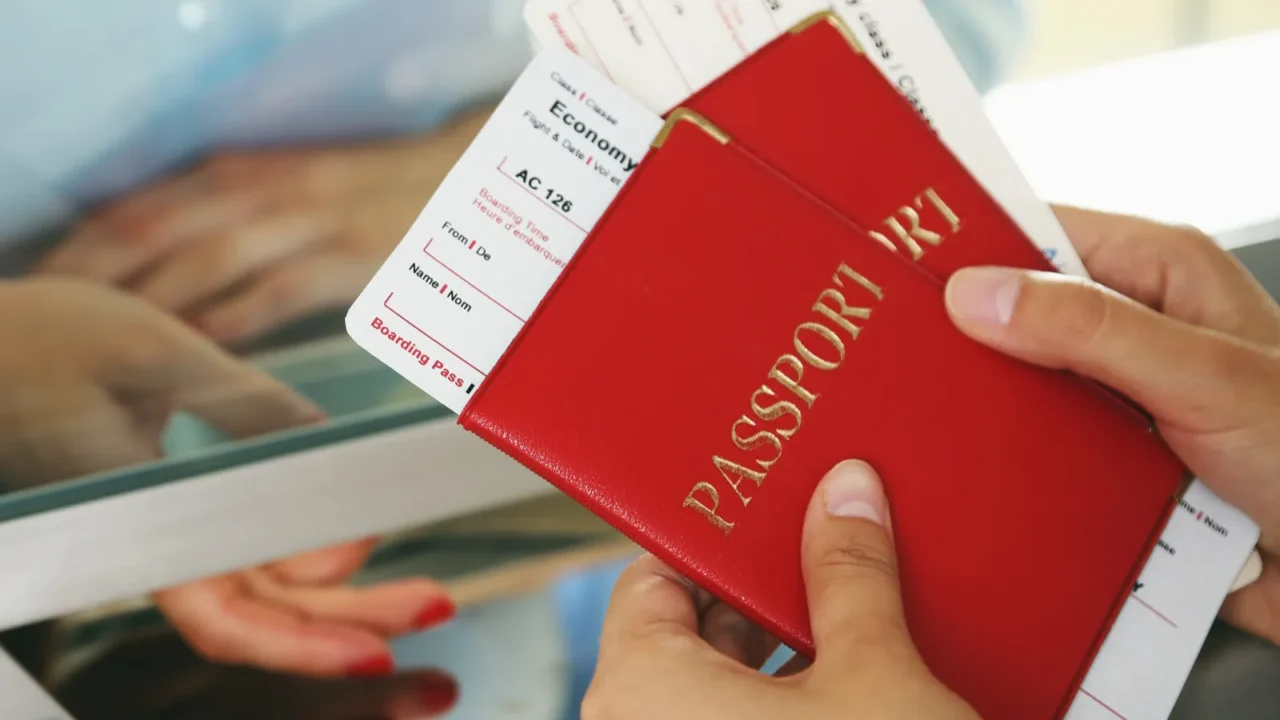
Fee structure comparisons
Checked bag fees across major US airlines now vary widely depending on route, fare class, and loyalty status. American Airlines and Delta Air Lines typically charge around standard first bag rates on domestic economy fares. Southwest Airlines Co. is aligning closer to industry-wide pricing structures.
Travelers booking flights from airports like Miami International Airport often compare total baggage costs before finalizing tickets. Airlines emphasize transparency in displaying fees during the booking process. These comparisons influence airline selection for price-sensitive passengers.
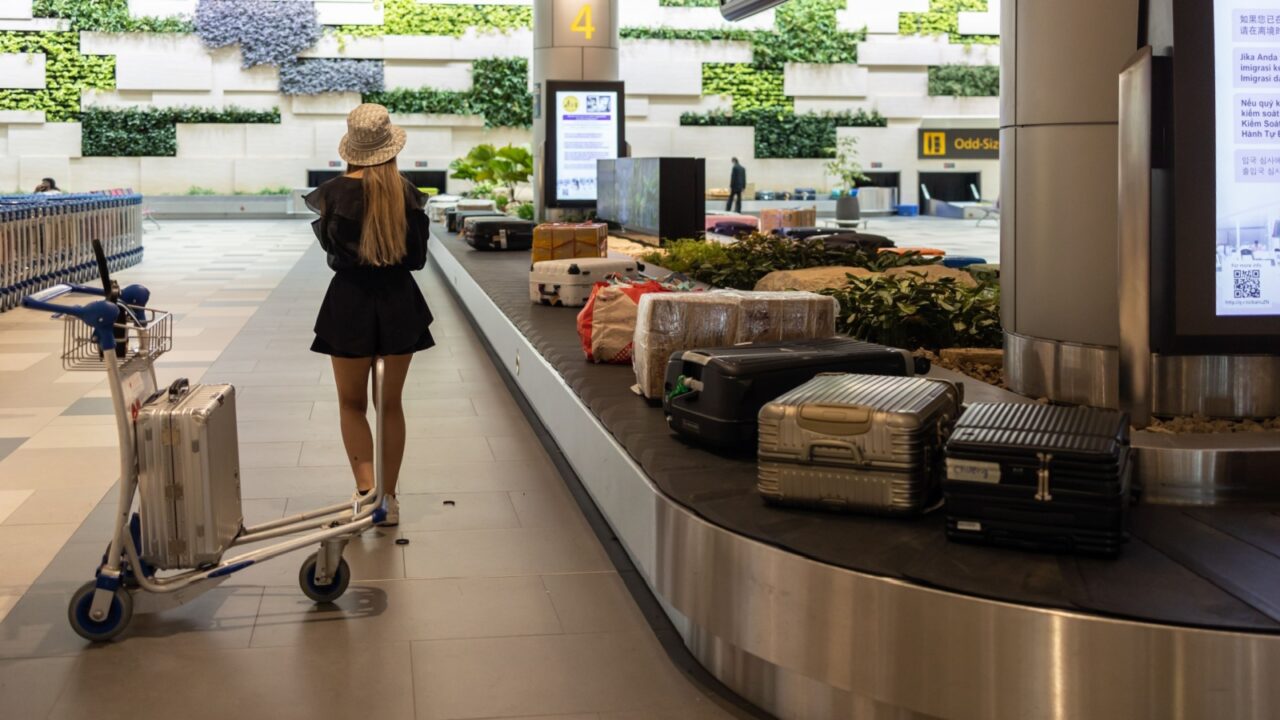
Southwest baggage legacy shift
Southwest Airlines Co. built its long-standing reputation on a unique policy offering free checked bags for most passengers in the United States. This approach differentiated the airline from competitors like Delta Air Lines and United Airlines for decades. The policy became a core part of its brand identity.
Fun fact: Southwest Airlines historically allowed two free checked bags for most fare types, a long-standing core customer policy that differentiated it from other major US carriers. The recent policy change marks a major strategic pivot for the carrier.

Loyalty program influence grows
Frequent flyer programs across Delta Air Lines, United Airlines, and American Airlines continue playing a key role in baggage fee reductions. Elite status travelers often receive complimentary checked bags depending on their tier level. This creates strong incentives for repeat bookings within airline ecosystems.
Southwest Airlines Co. loyalty members are expected to see adjustments tied to new baggage policies over time. Airlines are increasingly linking perks to co-branded credit cards and membership tiers. This shift strengthens customer retention strategies across the industry.
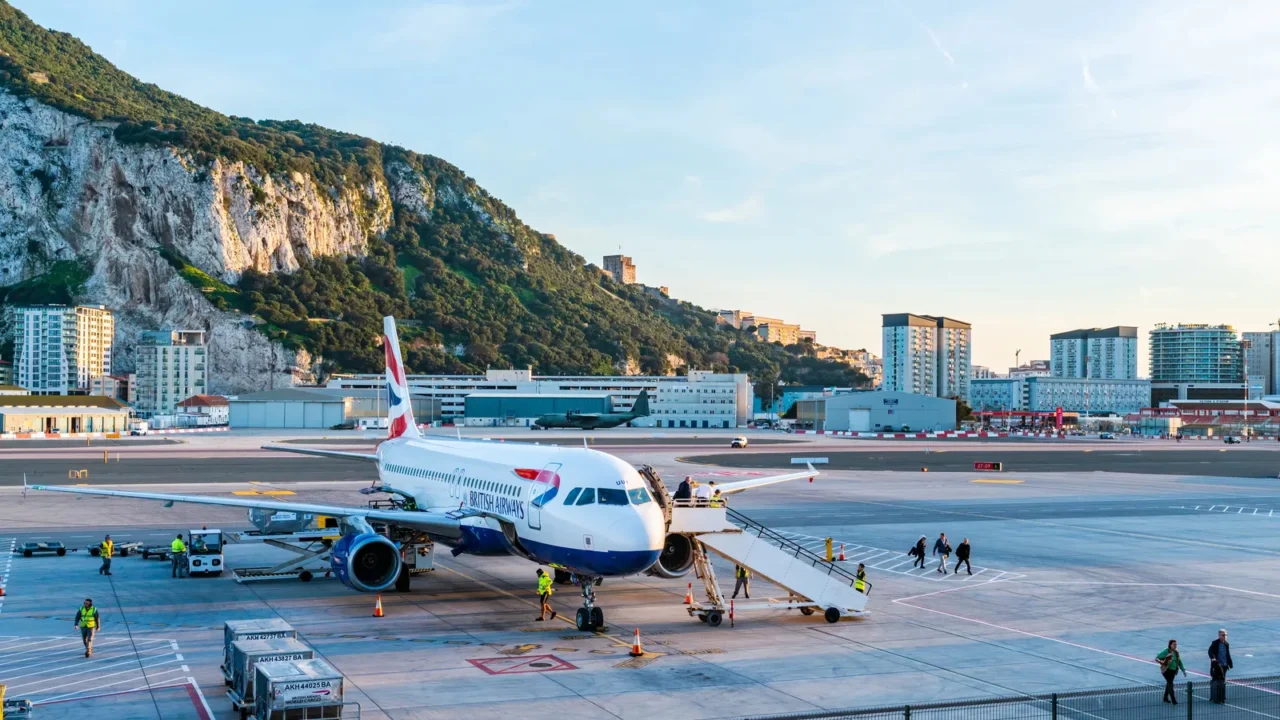
Global airline comparisons
International carriers such as British Airways and Lufthansa already operate with structured baggage fee systems for many fare types. US airlines are gradually aligning with similar global pricing models. This reflects broader industry standardization in air travel economics.
European airports like London Heathrow Airport demonstrate long-established ancillary fee structures across multiple carriers. Travelers often experience more bundled pricing variations depending on airline alliances. The US market is moving closer to this global approach.
Traveler cost strategies
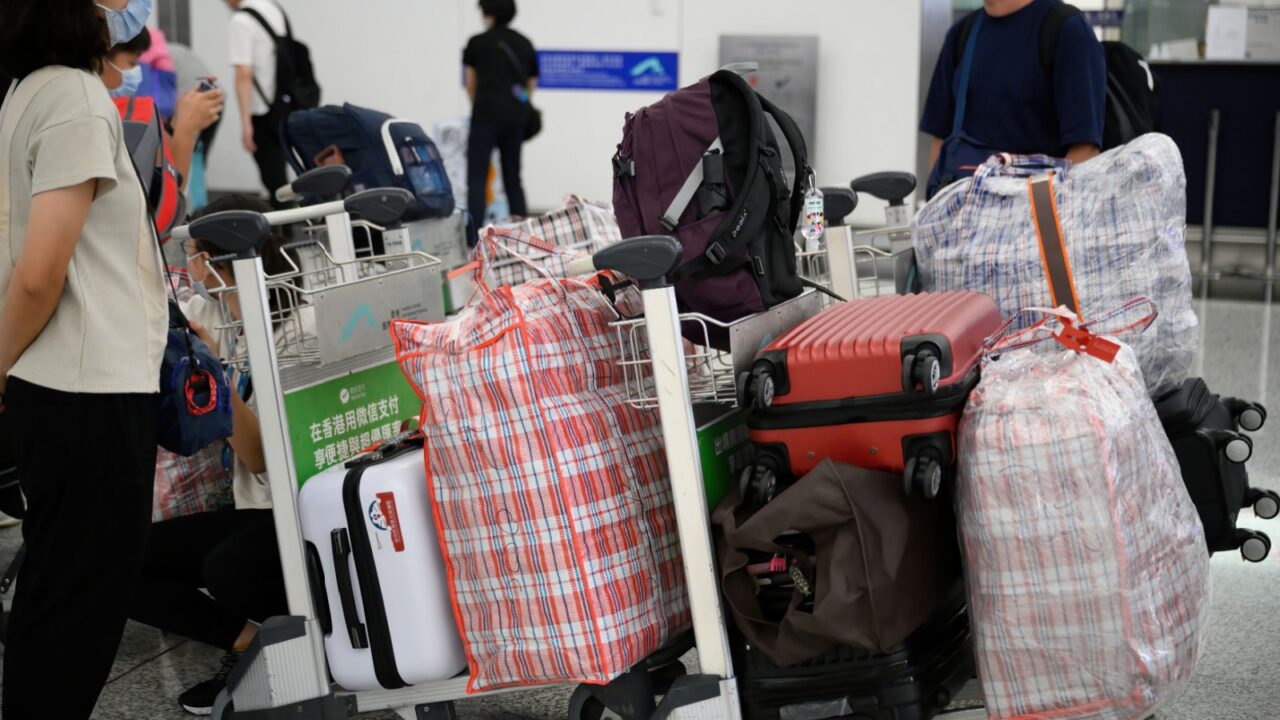
Many travelers are adjusting packing habits to reduce exposure to rising checked bag fees across US airlines. Lightweight luggage and carry-on optimization have become common strategies at airports such as Denver International Airport. Airlines continue promoting fare bundles that include baggage options.
Budget-conscious passengers are increasingly comparing total trip costs rather than base fares alone. Travel planners recommend early booking to secure lower fee categories. This approach helps offset incremental pricing increases across carriers.
Airline revenue outlook
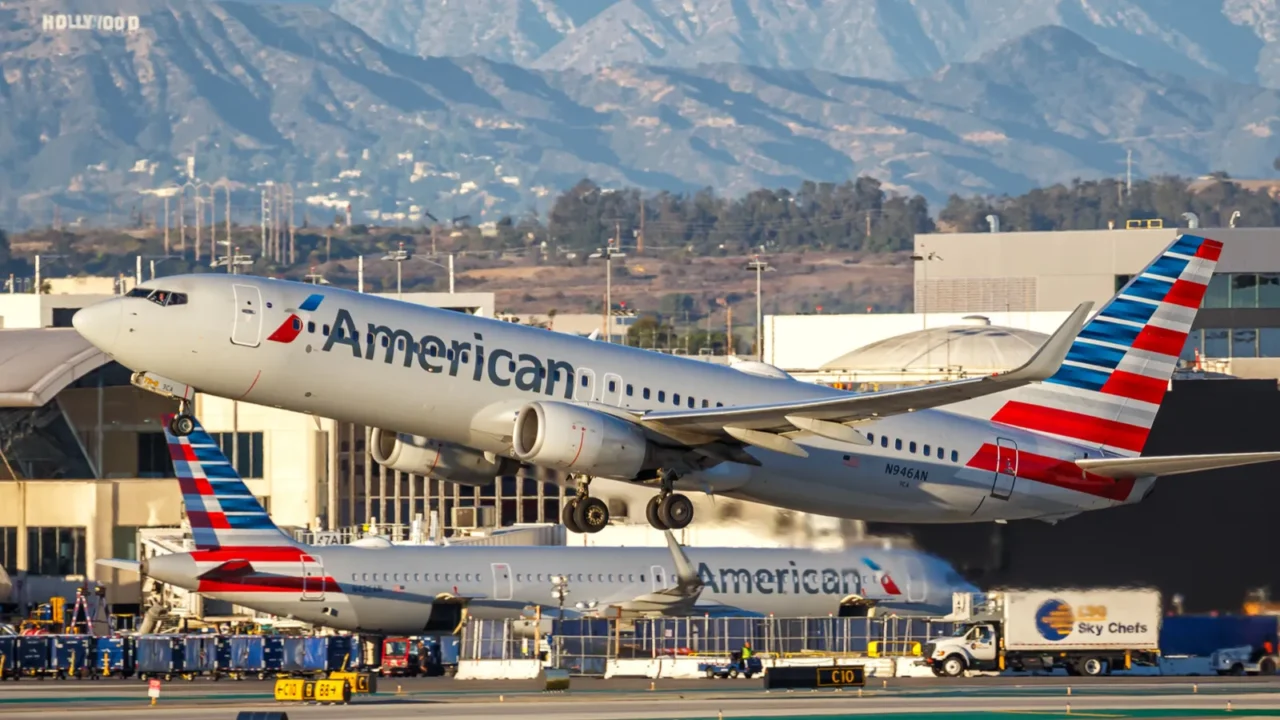
Airlines continue relying heavily on ancillary revenue streams, including baggage fees, seat selection, and onboard services. Industry financial reports show steady growth in non-ticket income for carriers like Delta Air Lines and United Airlines. This trend supports long term profitability goals.
Flight delays are also becoming a concern at major hubs like Hartsfield-Jackson Atlanta International Airport and Chicago O’Hare International Airport. Analysts predict continued fee diversification across the US airline sector while airlines balance affordability with operational sustainability.
Travel costs continue rising
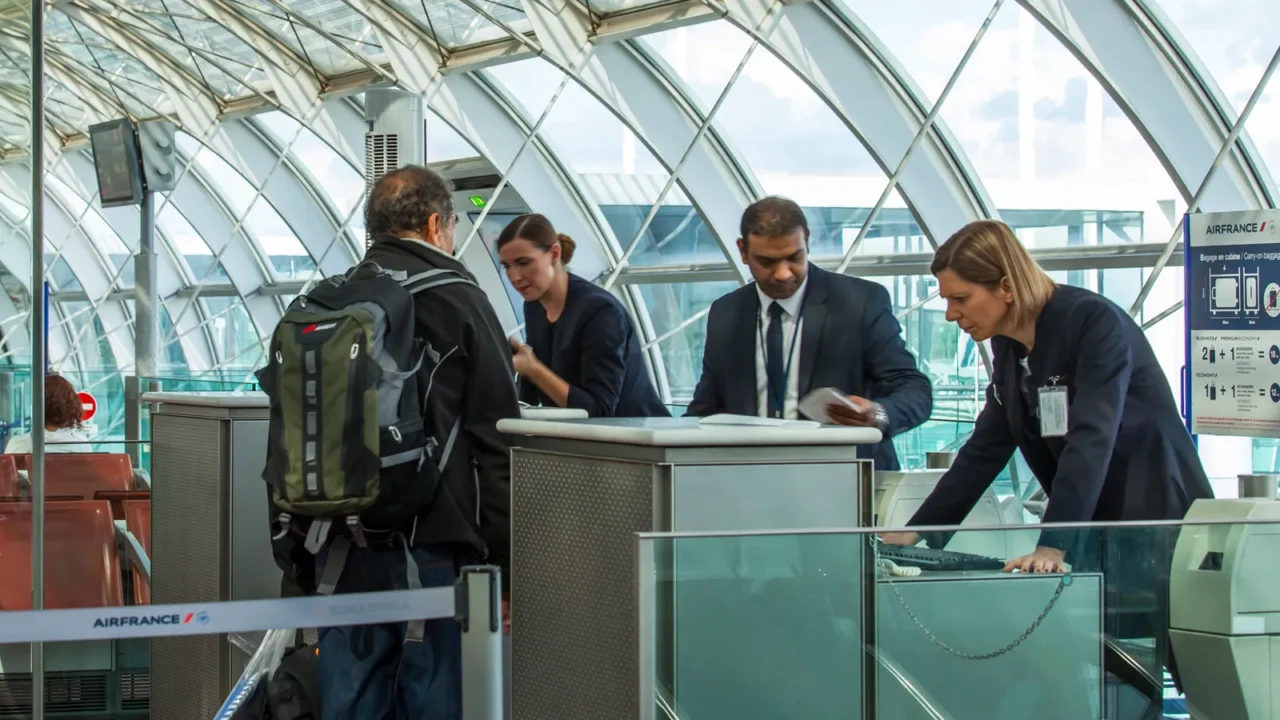
The evolving airline pricing landscape continues to reshape how travelers plan domestic and international trips across the United States. Airports such as Orlando International Airport and Atlanta Hartsfield-Jackson International Airport remain central to these shifting patterns. Airlines maintain that adjustments are necessary for long term stability.
Rising baggage fees are becoming a key factor in how travelers choose airlines and plan budgets for upcoming trips. Many are now prioritizing flexibility, loyalty perks, and total cost over base ticket prices alone.
How are rising airline fees influencing travel decisions for upcoming trips this year? Share thoughts below.
This slideshow was made with AI assistance and human editing.
Don’t forget to follow us for more exclusive content right here on MSN.
Read More From This Brand:
