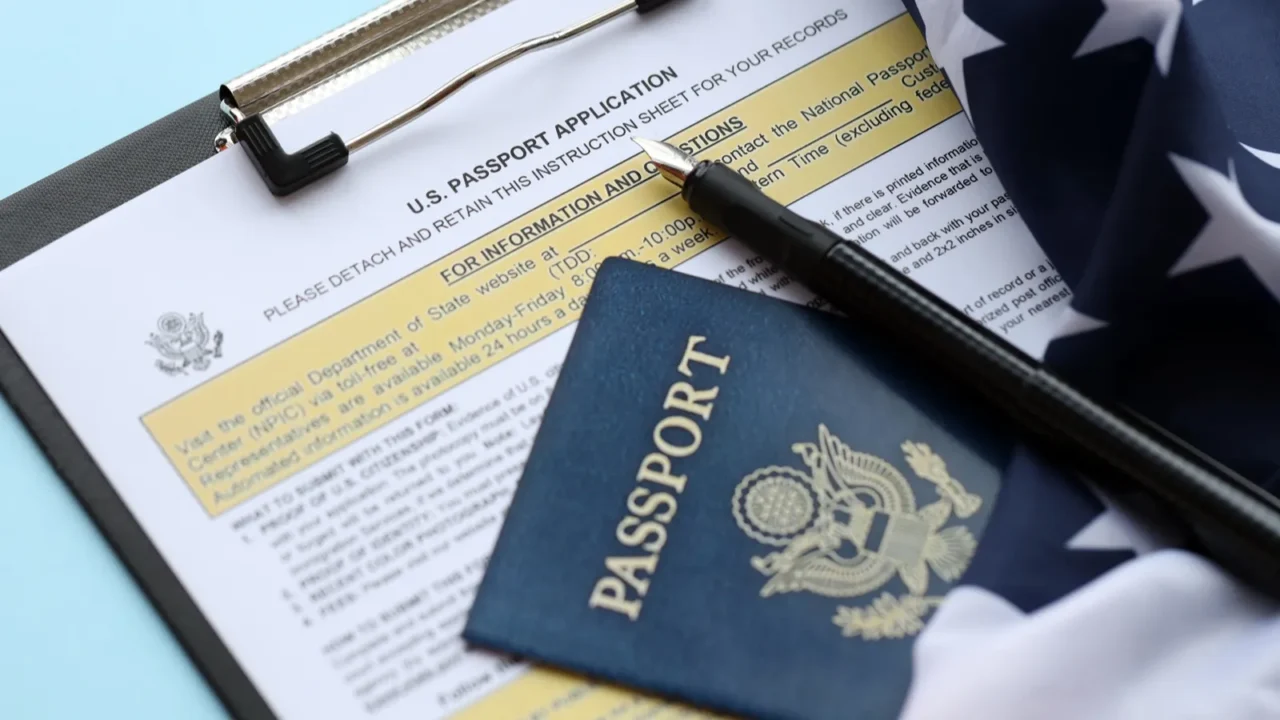
The passport desk disappeared overnight
On February 13, 2026, the U.S. State Department’s action took effect after it informed many nonprofit (association-style) public libraries that they are no longer authorized to serve as passport acceptance facilities. For some towns, that was the easiest “after school, after work” option.
The change affects public libraries that are organized as private nonprofit or association entities; libraries that are official municipal or county government departments remain eligible under the State Department’s interpretation of federal law.
Which libraries are affected
The change mainly affects public libraries set up as nonprofits, often called association libraries. These libraries may look and feel like normal public libraries, but their legal structure is different. That structure is what triggered the crackdown.
Post offices, county clerks, and government-run libraries are still in the passport business. So most people won’t lose all nearby options. But many lose the most convenient one.
Why the law matters
Officials point to how the Passport Act is interpreted under federal rules. The State Department says non-government groups cannot collect and retain passport execution fees. That’s why these libraries are being told to stop.
Libraries and some lawmakers argue the service has run smoothly for years. The sudden enforcement is what’s surprising people, not the concept of rules. It feels like a quiet service got caught in a legal technicality.

Why it hit the Northeast so hard
The impact is concentrated in parts of the Northeast and Mid-Atlantic because many public libraries there are organized as nonprofit associations: the ALA and library trade reporting note, for example, that roughly 85% of public libraries in Pennsylvania and high shares in states such as Connecticut and New York are structured this way — which helps explain the regional clustering of closures.
In Pennsylvania alone, the American Library Association says a very large share of public libraries are nonprofits. So the impact isn’t spread evenly across the map. Some states barely notice, while others feel it immediately.

The numbers behind the disruption
The American Library Association estimates about 1,400 nonprofit public libraries could be affected — roughly 15% of U.S. public libraries — based on its counts of association-structured libraries. The State Department, by contrast, notes that there are more than 7,500 passport acceptance facilities nationwide and says the libraries found ineligible represent a small fraction of that network; advocates say those national figures understate local access disruptions.
The State Department argues nonprofit libraries are a small slice of passport acceptance sites overall. But even if the national share is small, a single town losing one desk can be a big deal. Access is local.

The real loss is “easy appointments”
Libraries often offered evening hours, friendly staff, and appointment slots that families could actually manage. That matters when your life is packed with school drop-offs, shift work, or long commutes. Many people used libraries because they felt less intimidating than other offices.
Now those residents may face longer waits or longer drives. Even if an alternative exists, it may not match the same flexibility. Convenience is what quietly kept the system working for a lot of people.

Rural areas feel this first
In rural counties, one office can serve multiple towns. If the library desk was the closest place to apply, removing it shifts time and travel costs onto families. That’s why library leaders keep mentioning working families and rural residents.
This can also create a “bunching” problem. When one access point closes, other sites get busier. That usually means more scheduling pressure, not a smooth handoff.
Demand is rising at the worst time
Passport demand has been strong, and people are planning more travel again. At the same time, Real ID deadlines and travel planning trends keep more Americans thinking about updated documents. So timing matters here.
Libraries argue they were helping handle that surge in a practical way. Taking them out of the mix doesn’t reduce demand; it just relocates it. That’s why the change sparked quick pushback.
Fact: Congress.gov lists the House bill as H.R. 6997 in the 119th Congress (2025–2026), showing how quickly this became a federal legislative issue.
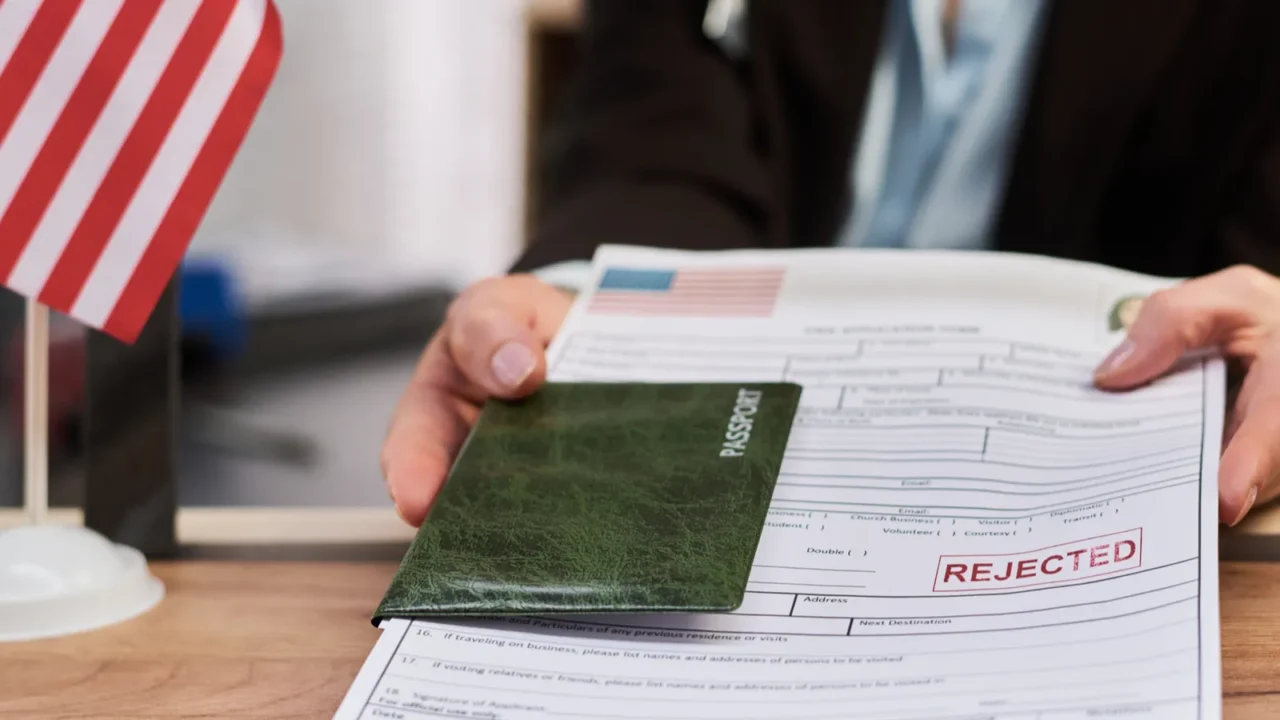
States say it worked, so why stop it?
One reason this story keeps spreading is simple: many communities felt the library passport desk worked well. Some libraries even highlight strong inspections and years of consistent service. That’s why residents are confused by “cease” language.
From the federal side, the response is about compliance, not performance. The issue isn’t whether librarians were good at it. It’s whether the structure of the organization is allowed to handle the fees.
Little-known fact: The ALA points to federal library data suggesting about 15% of public libraries are non-governmental, which helps explain why the impact clusters in certain states rather than everywhere.

Lawmakers are already trying to fix it
This turned into a Capitol Hill issue fast. Bipartisan lawmakers introduced the Community Passport Services Access Act to allow certain nonprofit public libraries to keep serving as passport acceptance facilities. That is a direct attempt to update the law.
Congress.gov’s bill summary describes it as amending the Passport Act to authorize certain public libraries to collect and retain the fee tied to executing an application. In plain terms, the bill is trying to make the library model legal again.
Fun fact: The U.S. Passport Act referenced in this dispute dates to June 4, 1920, and Congress is considering updates that specifically mention public libraries.
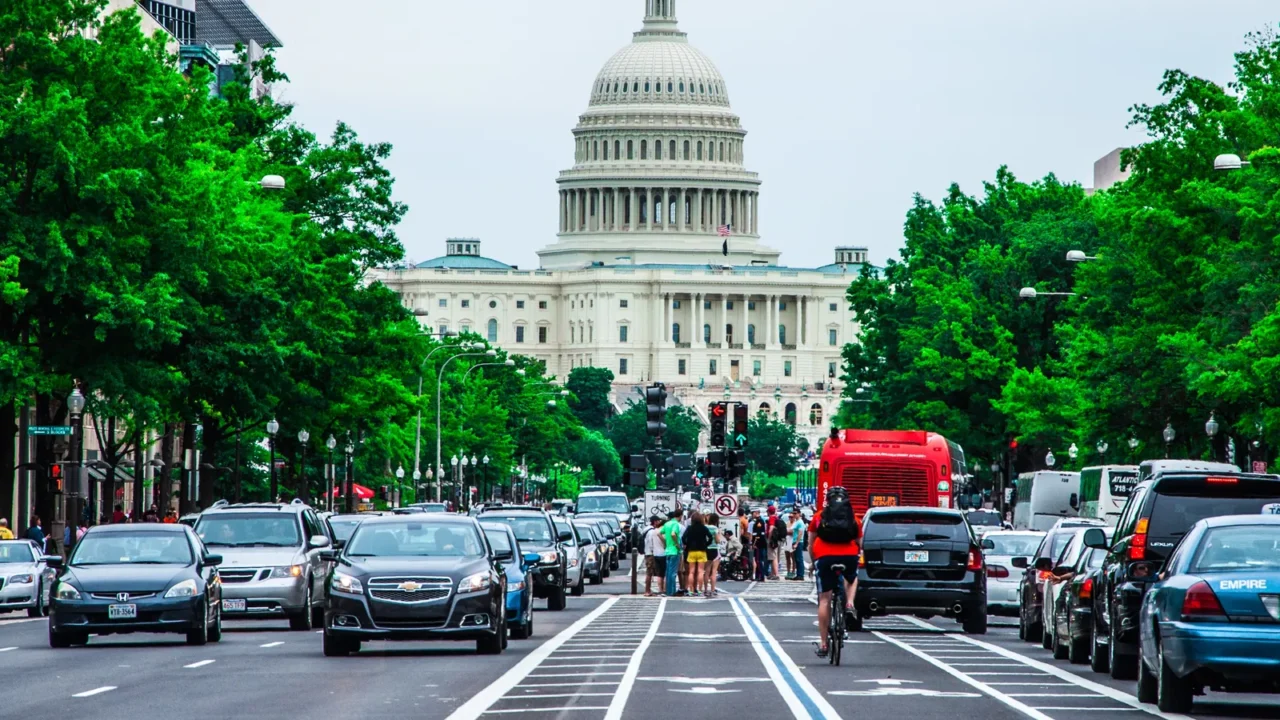
What happens while Congress debates
Bills don’t fix things overnight. Until law changes, affected nonprofit libraries are out of the program, even if the community loves the service. That means families need backup plans now, not later.
Some libraries say they still get calls every day from residents asking for appointments. That’s the tell that people didn’t see this coming. When a service becomes routine, it’s easy to assume it will always be there.
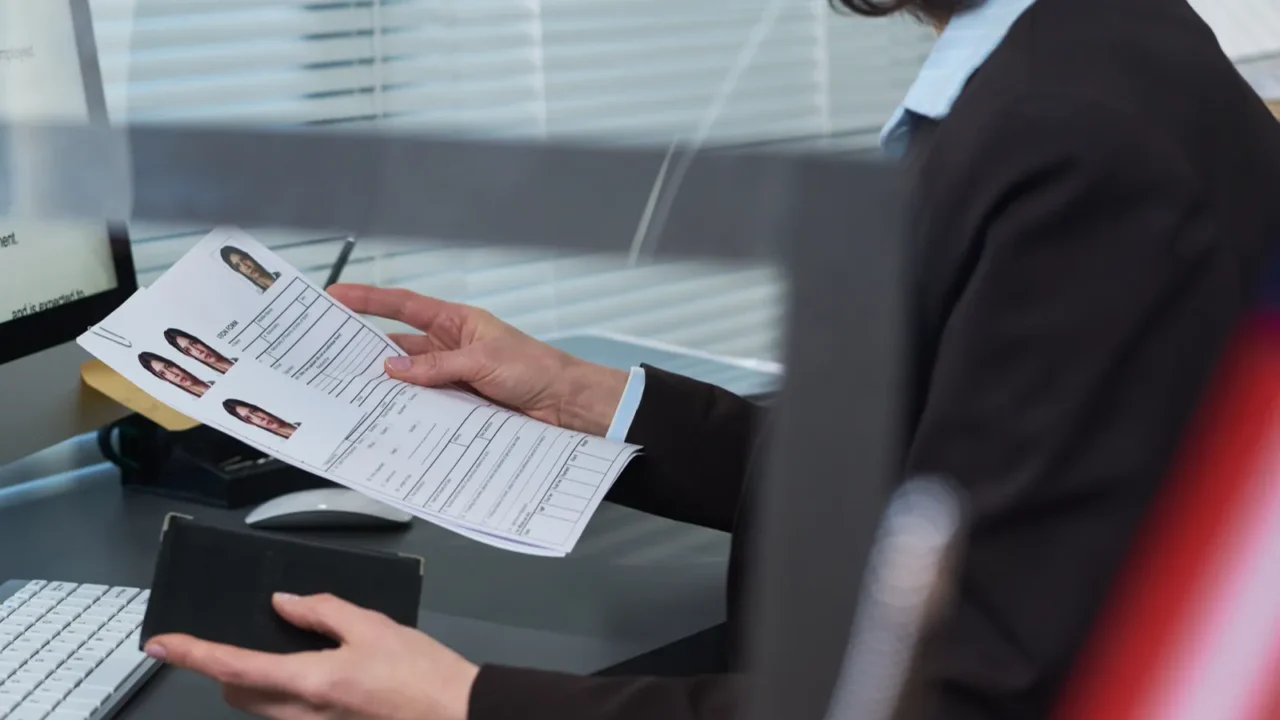
Where you can apply instead
The most common alternatives are post offices and county clerk offices. Government-run libraries can still process applications, so check nearby cities too. The system didn’t vanish, but it may be less convenient depending on your ZIP code.
The State Department says over 99% of Americans live within 20 miles of a passport acceptance facility. That statement may be true nationally, but it doesn’t guarantee easy appointments. Distance and availability are not the same thing.
Flying soon? Here’s how staffing shortages at U.S. airlines could impact your travel, from delays to last-minute cancellations.

What to do before you show up
Before you drive anywhere, confirm the location still offers passport services. Some facilities have limited days, appointment-only rules, or photo services that vary by site. A quick check can save you a wasted trip.
If your library used to take photos and handle everything in one stop, you may need to split tasks now. That can mean getting photos elsewhere and bringing extra paperwork. It’s annoying, but it keeps your application from getting delayed.
Think your passport is fine? These small errors can cost you an entire trip.
Would you use your library again if the service comes back? Share your thoughts and your view in the comments.
This slideshow was made with AI assistance and human editing.
Don’t forget to follow us for more exclusive content right here on MSN.
Read More From This Brand:
