Strategic shift UAE
The United Arab Emirates is advancing alternative trade routes to reduce reliance on the Strait of Hormuz, a critical yet vulnerable maritime corridor. This initiative reflects economic diversification and long-term security planning grounded in regional realities and global trade pressures.
By investing in ports, pipelines, and rail networks, the UAE strengthens resilience. These developments align with broader goals of sustainable growth and geopolitical stability in an increasingly uncertain energy landscape.
Strait of Hormuz stakes
The Strait of Hormuz handles a significant share of global oil shipments, making it one of the most strategic chokepoints worldwide. Any disruption here can ripple across energy markets, raising costs and uncertainty for economies dependent on a steady supply.
Recognizing these risks, the UAE is proactively developing alternatives. This approach reflects calculated foresight rather than reaction, aiming to secure uninterrupted trade regardless of regional tensions or unforeseen crises.
Fujairah’s rising role
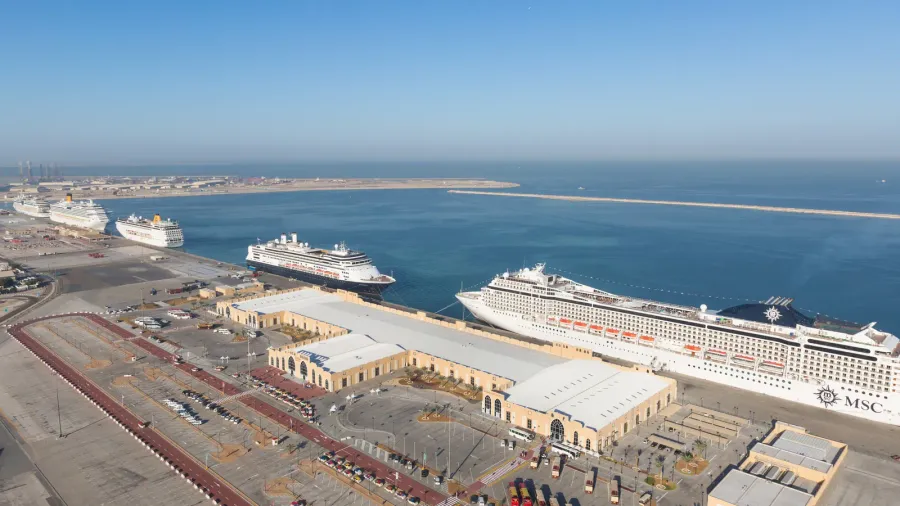
Fujairah has emerged as a vital hub in the UAE’s strategy, offering direct access to the Gulf of Oman beyond the Strait of Hormuz. Its location on the Gulf of Oman gives the UAE an important export outlet outside the Strait of Hormuz. Combined with pipeline infrastructure to the East Coast, Fujairah helps reduce exposure to congestion and geopolitical risk in the strait.
The emirate’s expanding storage and port facilities support large-scale operations. These developments position Fujairah as a cornerstone in maintaining consistent export flows under shifting geopolitical conditions.
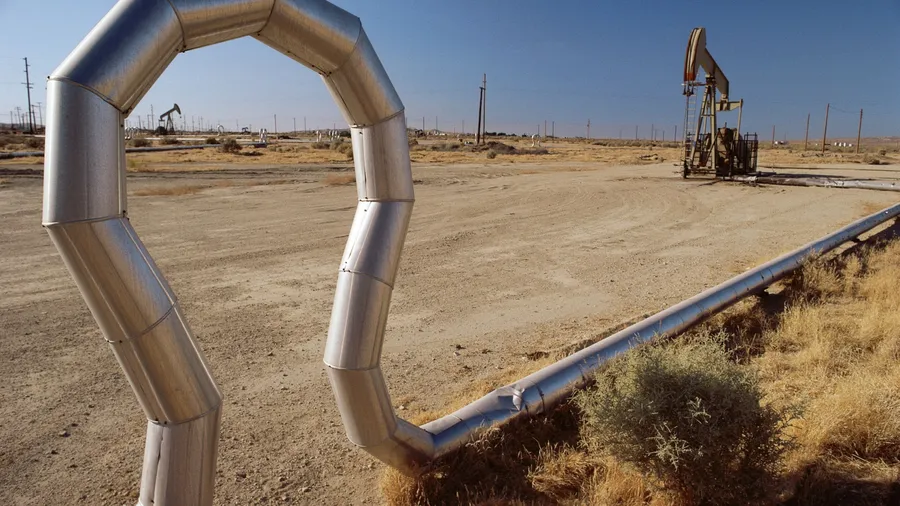
Habshan Fujairah pipeline
The Habshan Fujairah pipeline plays a central role in transporting crude oil from inland fields directly to the eastern coast. This infrastructure reduces dependence on maritime routes that pass through strategic chokepoints.
Fact: The Habshan–Fujairah pipeline allows UAE crude oil to bypass the Strait of Hormuz, ensuring stable exports even during regional tensions. It is a major infrastructure supporting the UAE’s energy security.
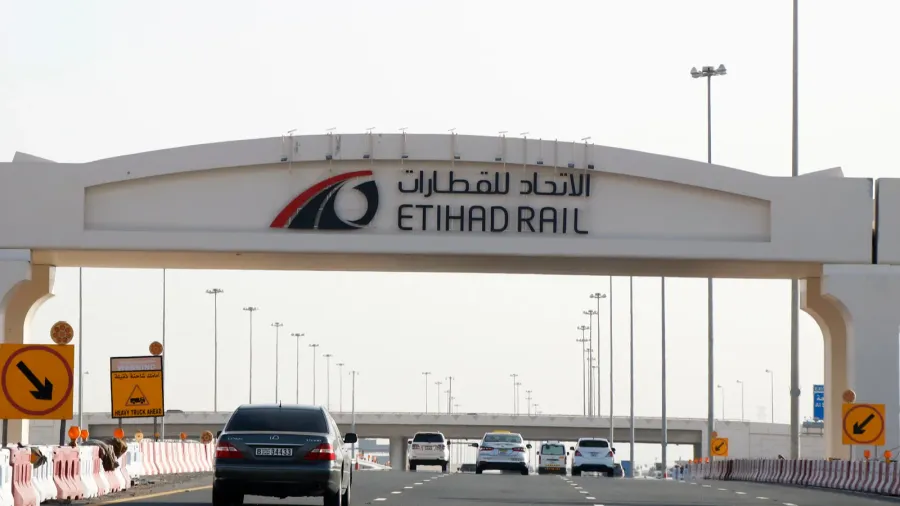
Expanding rail connectivity
The UAE is investing heavily in rail networks to support inland trade and logistics. These systems connect industrial zones with ports, reducing transit time and increasing efficiency across supply chains.
Rail expansion also strengthens regional integration with neighboring countries. By diversifying transportation methods, the UAE creates a more flexible and reliable system that supports both domestic growth and international trade.
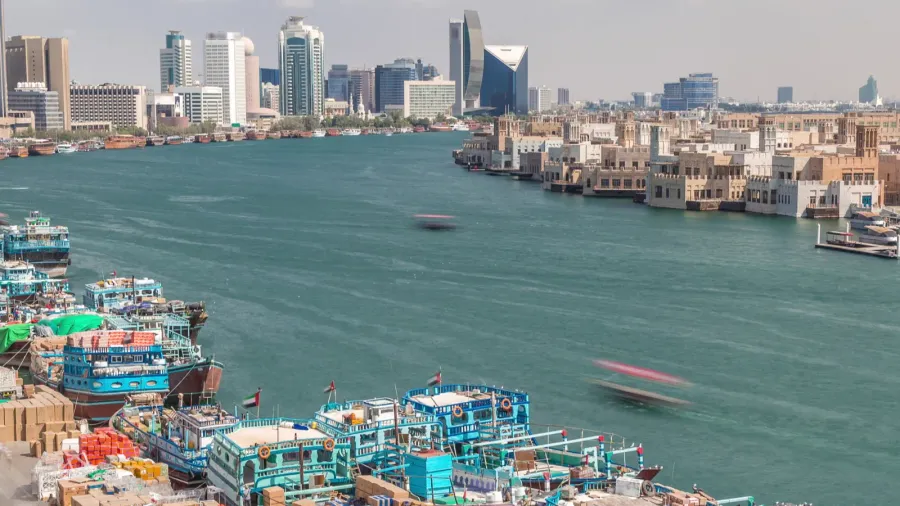
Ports beyond Hormuz
Ports along the eastern coastline are being upgraded to handle increased cargo volumes. These facilities provide alternative gateways for exports, minimizing reliance on traditional maritime chokepoints.
Modernization includes advanced technology and expanded storage capacity. This strategic shift ensures smoother operations and enhances the UAE’s ability to adapt to evolving global trade patterns without compromising efficiency or security.
Regional trade partnerships
The UAE is strengthening partnerships with regional and global players to support its alternative trade routes. These collaborations enhance connectivity and create shared economic opportunities.
Such alliances also reduce isolation risks during geopolitical tensions. By working with multiple partners, the UAE ensures continuity in trade flows while reinforcing its position as a central hub in international commerce.
Economic diversification drive
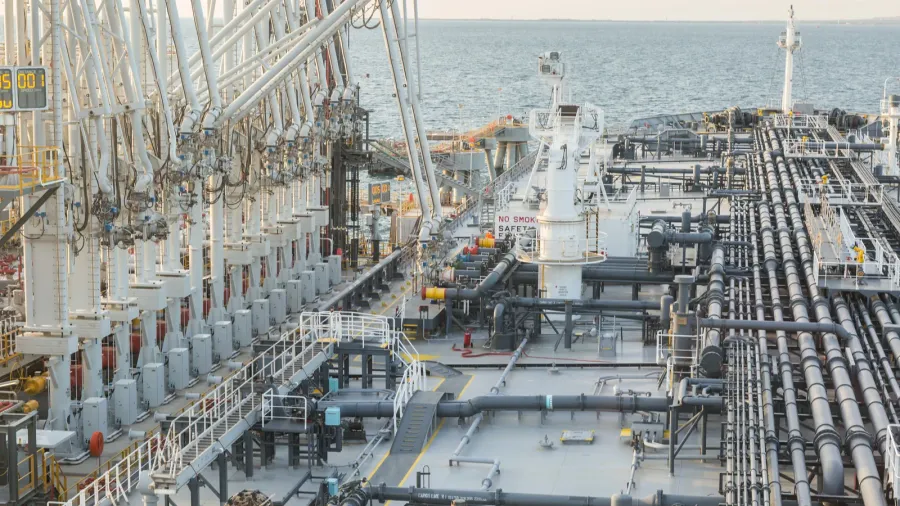
Reducing reliance on oil transit routes aligns with the UAE’s broader diversification strategy. Investments in logistics, infrastructure, and technology support a transition toward a more balanced economy.
This approach reduces vulnerability to external shocks. By expanding beyond traditional energy dependence, the UAE strengthens long-term economic stability and positions itself as a leader in innovation and global trade solutions.
Global energy impact
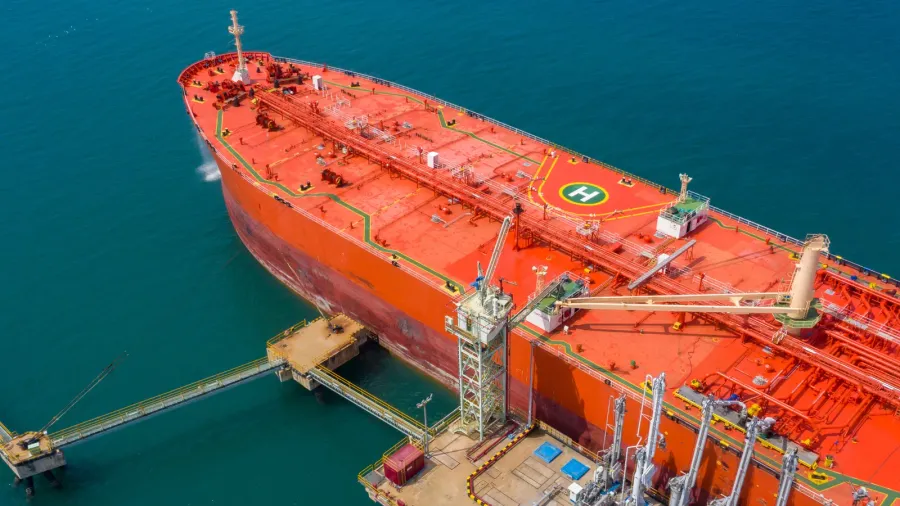
The UAE’s initiatives influence global energy markets by ensuring more reliable supply chains. Stable export routes help maintain price balance and reduce volatility caused by regional uncertainties.
Fact: In 2024, oil flows through the Strait of Hormuz averaged about 20 million barrels per day, equal to roughly 20 percent of global petroleum liquids consumption. That makes the waterway one of the world’s most important energy chokepoints, and any disruption there can quickly affect prices, shipping, and supply confidence across global markets.
Security and stability focus
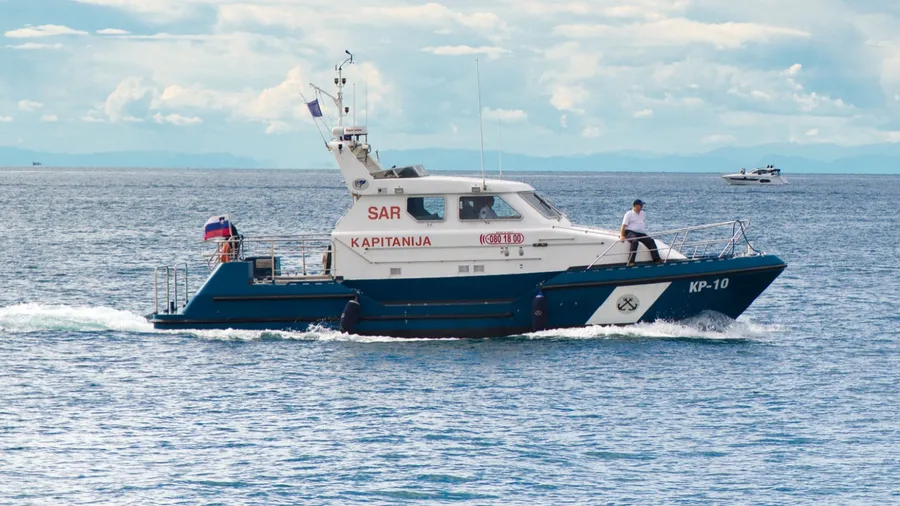
Security concerns remain a key driver behind the UAE’s strategy. By diversifying routes, the country reduces exposure to potential conflicts or disruptions in critical waterways.
This proactive planning enhances national resilience. It also reassures global partners that the UAE can maintain consistent trade flows, even in challenging geopolitical environments where uncertainty often shapes market behavior.
Innovation in logistics
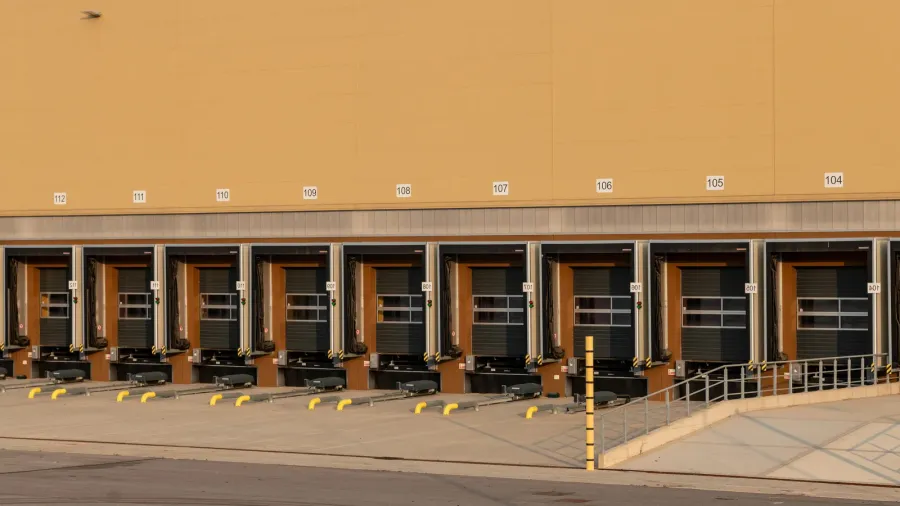
Technological innovation is central to the UAE’s evolving trade network. Smart systems and digital tracking improve efficiency, transparency, and reliability across supply chains.
These advancements reduce delays and optimize operations. By integrating technology with infrastructure, the UAE creates a modern logistics ecosystem capable of meeting the demands of global commerce with precision and adaptability.
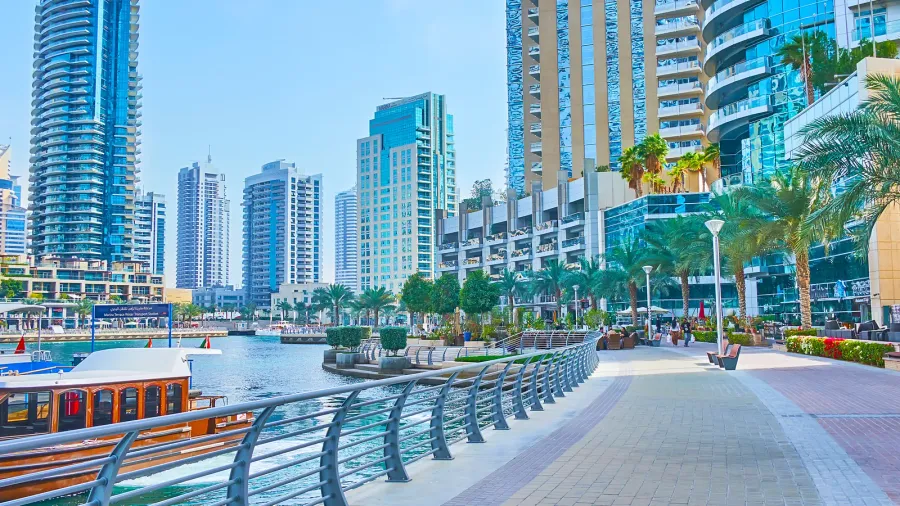
Future trade vision
Looking ahead, the UAE aims to become a leading global logistics hub. Continued investment in alternative routes reflects a forward-thinking vision grounded in sustainability and resilience. Consider exploring how these developments could reshape international commerce while securing energy corridors like the Strait of Hormuz.
This strategy ensures adaptability in a rapidly changing world. By anticipating challenges and acting early, the UAE secures its role as a key player in shaping the future of international trade.
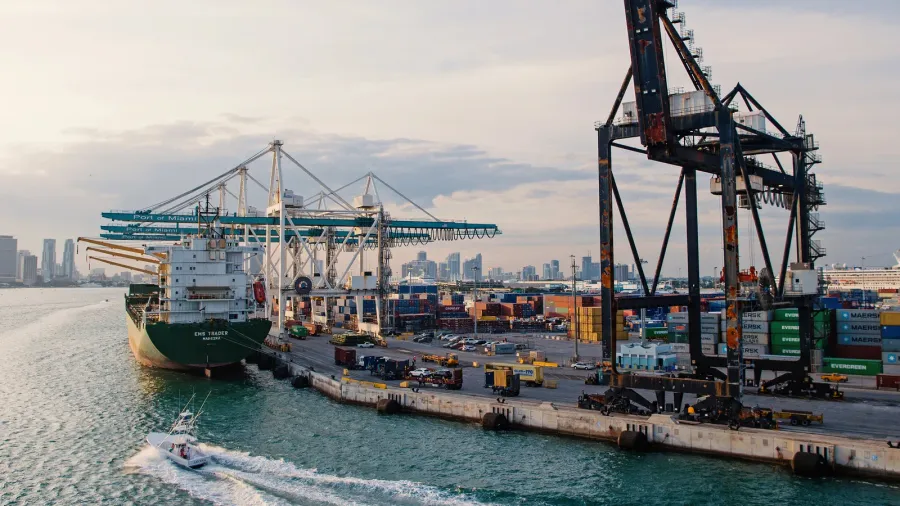
Redefining global pathways
The UAE’s efforts to bypass the Strait of Hormuz represent more than infrastructure development. They signal a strategic transformation in how trade routes are designed and managed in the modern era. Despite the war, these initiatives demonstrate foresight and resilience that safeguard trade flows and global energy security.
Through innovation, partnerships, and foresight, the UAE sets a model for resilience. Its approach demonstrates how nations can navigate uncertainty while sustaining growth and global economic relevance.
Have you ever wondered how a single waterway like the Strait of Hormuz can shape global energy and trade security?
Disclaimer: The images used are for illustrative purposes only and do not depict the actual locations mentioned.
Read More From This Brand: