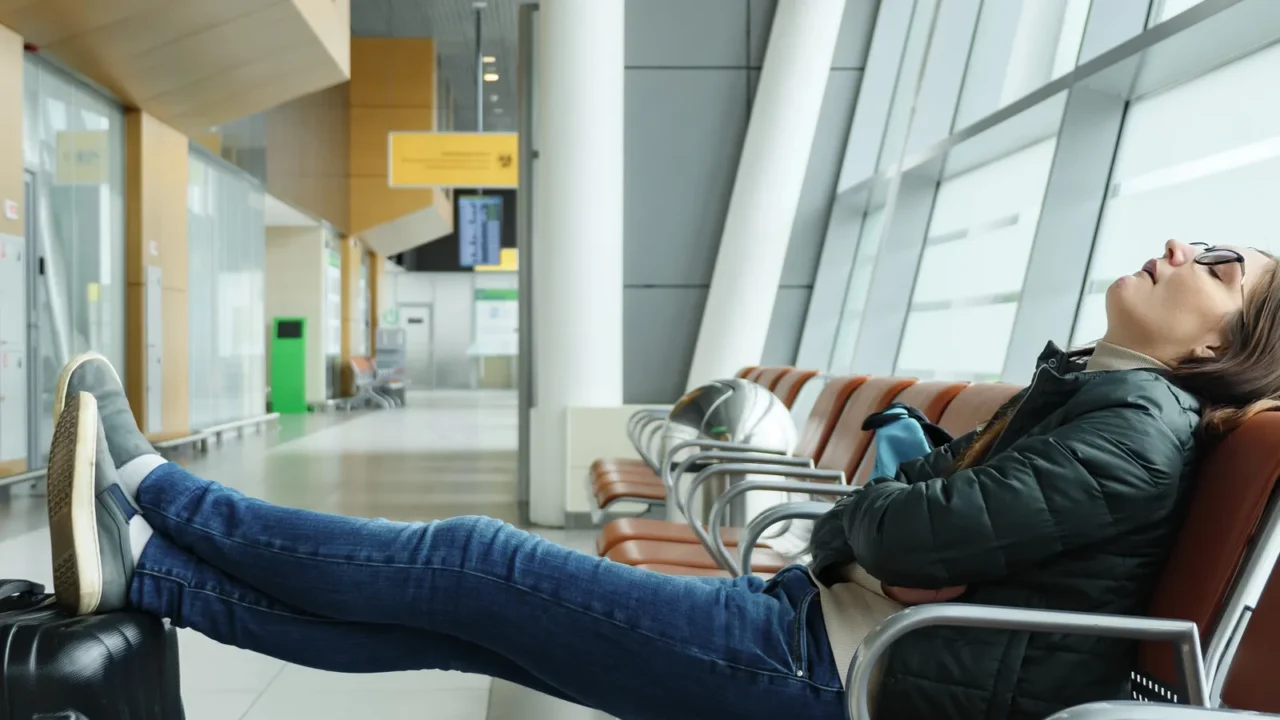
Sleeping inside an airport
Airport overnight stays occur when travelers spend the night inside a terminal due to long layovers, missed connections, or budget travel decisions. Major hubs like Singapore’s Changi Airport, Amsterdam’s Schiphol, and South Korea’s Incheon International have earned global recognition for overnight accommodations including sleep pods, rest zones, and round the clock food services.
The experience varies dramatically depending on the airport. A growing online community at Sleeping in Airports has spent years rating and documenting the best and worst terminals for catching rest between flights, turning a solitary misery into a well-mapped adventure.
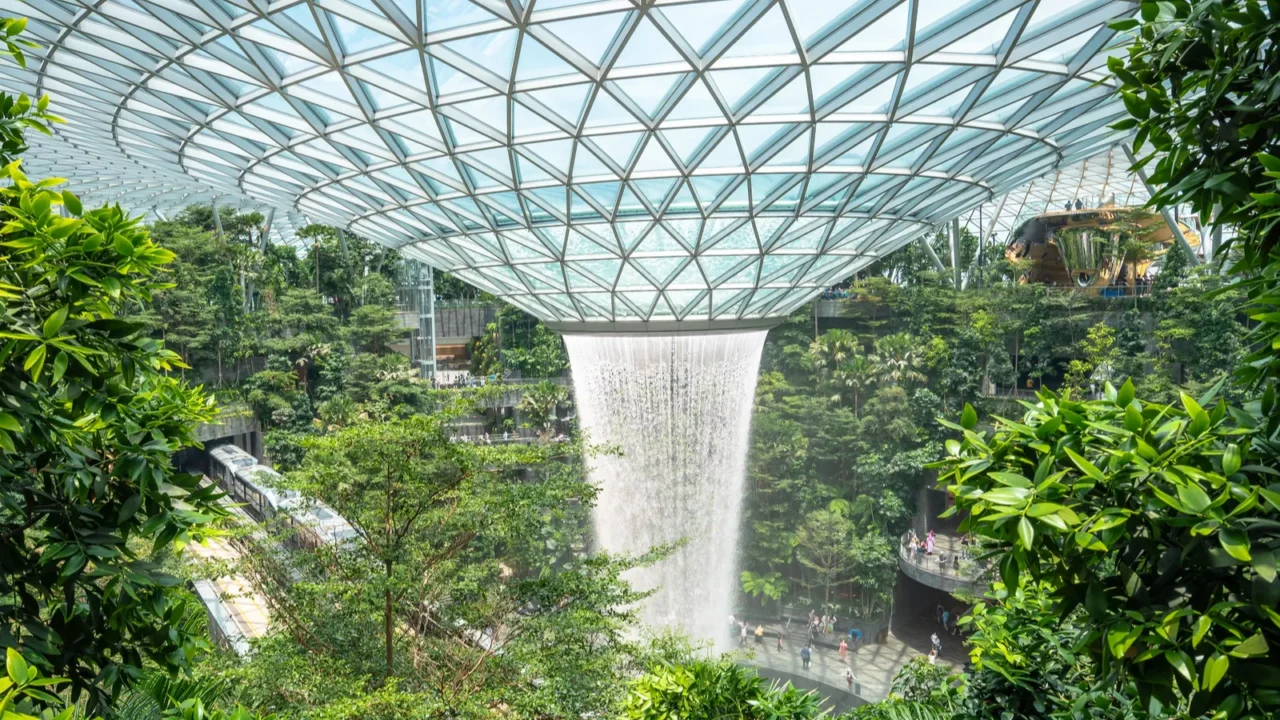
Changi: Asia’s overnight crown
If one airport dares you to miss your flight on purpose, it is Singapore’s Changi. Consistently ranked the best airport on earth by Skytrax, Changi features a rooftop pool, butterfly gardens, a movie theater, and the 40-meter Rain Vortex waterfall inside Jewel Changi that stays lit through the night.
Travelers stranded overnight regularly report feeling like they accidentally checked into a resort. Free Wi-Fi never drops, lounges stay open around the clock, and food courts serve full meals well past midnight. Singapore has completely redefined what airports can actually be.
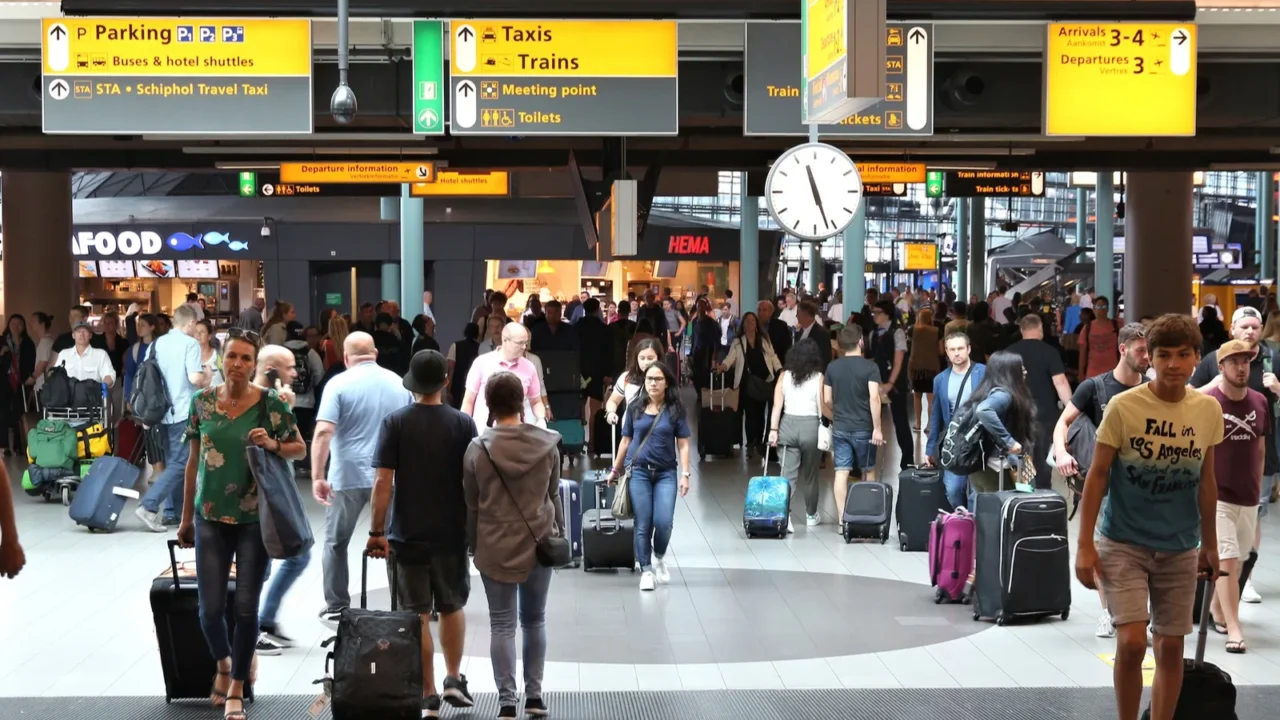
Schiphol’s midnight hours
Amsterdam’s Schiphol operates around the clock, meaning security stays staffed, duty-free shops keep their lights on, and food options survive past ten at night. There is even a Rijksmuseum branch inside the terminal where insomniacs can stand before actual Dutch Masters at two in the morning.
The challenge is the seating. Most chairs come fitted with armrests, making lying down nearly impossible, a design choice that feels personal at three in the morning. Savvier overnight travelers head toward gates D or E, where the layout is noticeably more forgiving and far quieter.
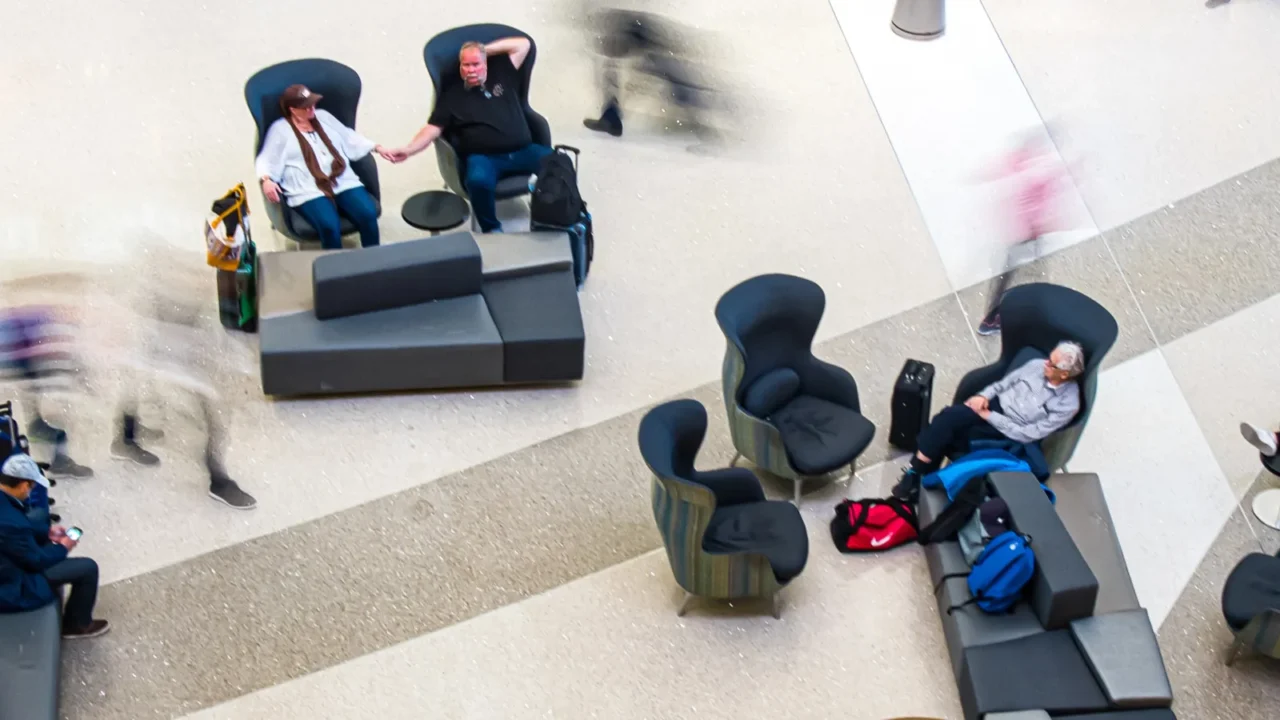
LAX after dark
Los Angeles International is a California gateway, a celebrity sighting temple, and a construction site that never quite finishes. What it is not is a comfortable place to spend the night. Overnight travelers describe the experience in terms usually reserved for survival stories. Terminals go eerily quiet, seating is sparse, and ongoing renovations mean familiar spots vanish between visits.
That said, the Tom Bradley International Terminal has better seating and later food options. Terminal 6 earns quiet praise for its layout. Coming prepared turns a rough night into something merely manageable rather than memorable for the wrong reasons.
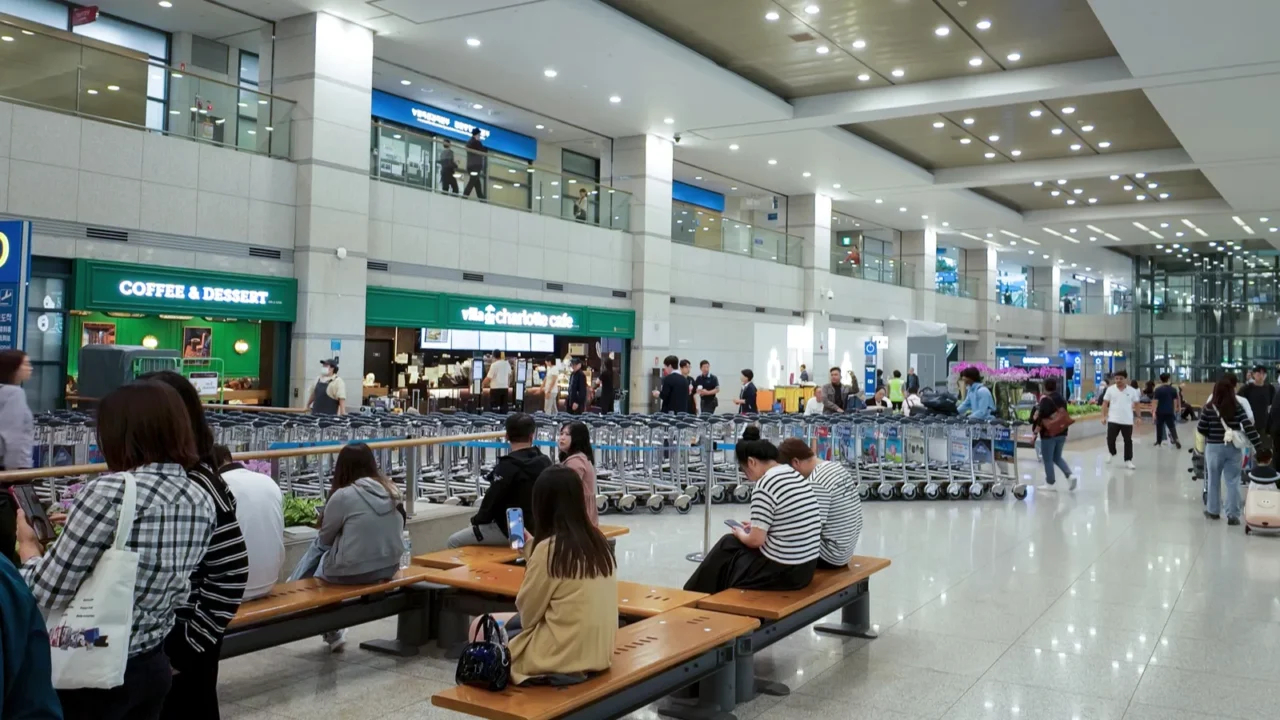
Incheon sleeps like no other
South Korea’s Incheon Airport near Seoul makes you genuinely reconsider your stance on layovers. Incheon provides dedicated nap/relax zones, transit passenger shower rooms (locations and opening hours vary by terminal), and shuttleable transit-hotel options that allow hourly bookings; the airport also showcases Korean culture in its terminal facilities.
Incheon maintains an almost theatrical cleanliness through the night. Ambient lighting dims after midnight to signal that rest is expected here, not just tolerated. For travelers nervous about their first overnight airport stay, Incheon is the most reassuring possible introduction to the concept.
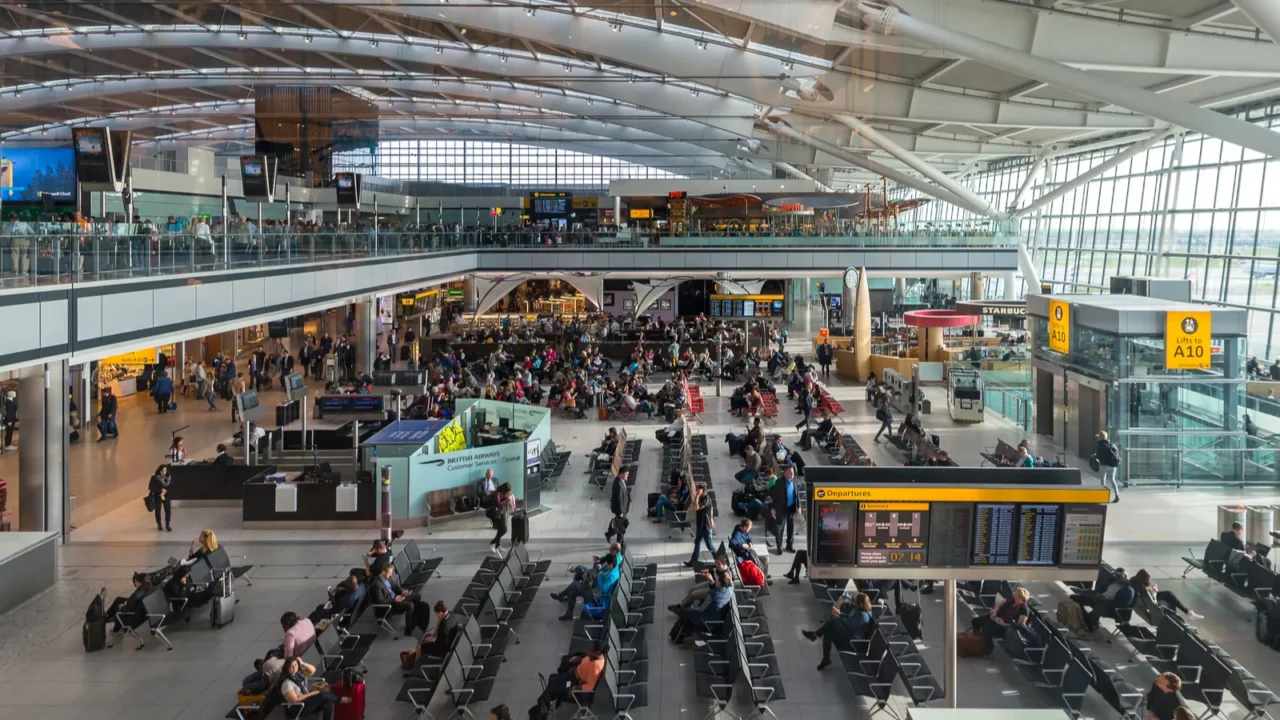
Heathrow’s night shift struggle
London’s Heathrow stays operational through the night, and Terminals 2 and 5 are considered the most overnight-friendly, offering seating that does not fight you and food options stretching past midnight. The energy shifts dramatically once peak hours pass and the main corridors thin out considerably.
What catches travelers off guard is how quickly the airside retail zone shuts down, leaving passengers near their gates circling locked shutters. Seasoned Heathrow regulars stock up before clearing security and treat that transaction like the strategic preparation it genuinely is.
Fun Fact: According to Heathrow’s official press release, the airport handled a record 83.9 million passengers in 2024 alone, making sharing your overnight floor space with a stranger statistically certain.
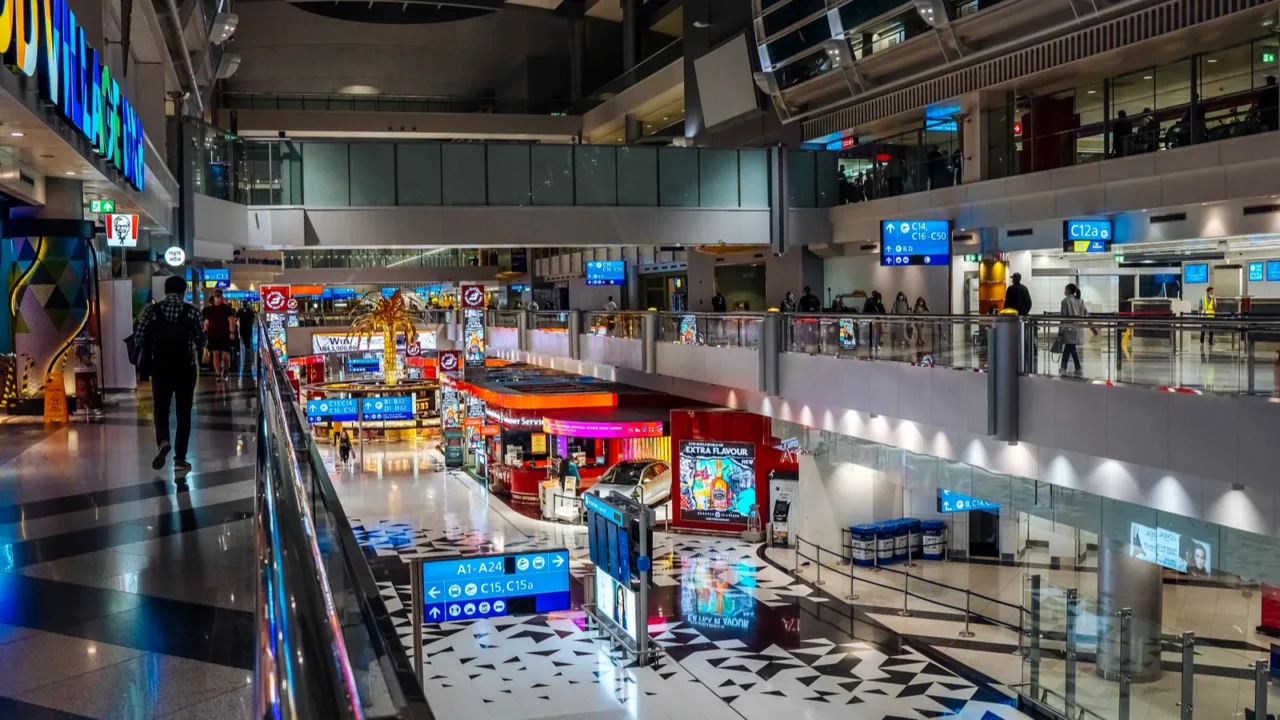
Dubai’s 24-hour terminal luxury
Dubai International operates with energy that simply does not slow down, and that pace works entirely in favor of the overnight traveler. Terminal 3, Emirates’ primary hub, stretches for what feels like a full mile and is lined with restaurants, spas, and an on-site hotel that offers short-stay bookings.
At two in the morning, entire families eat full meals, business travelers order fresh juice, and duty-free shoppers browse the gold displays they will still be browsing at sunrise. Dubai built an airport that seems specifically designed for people who never intend to sleep.
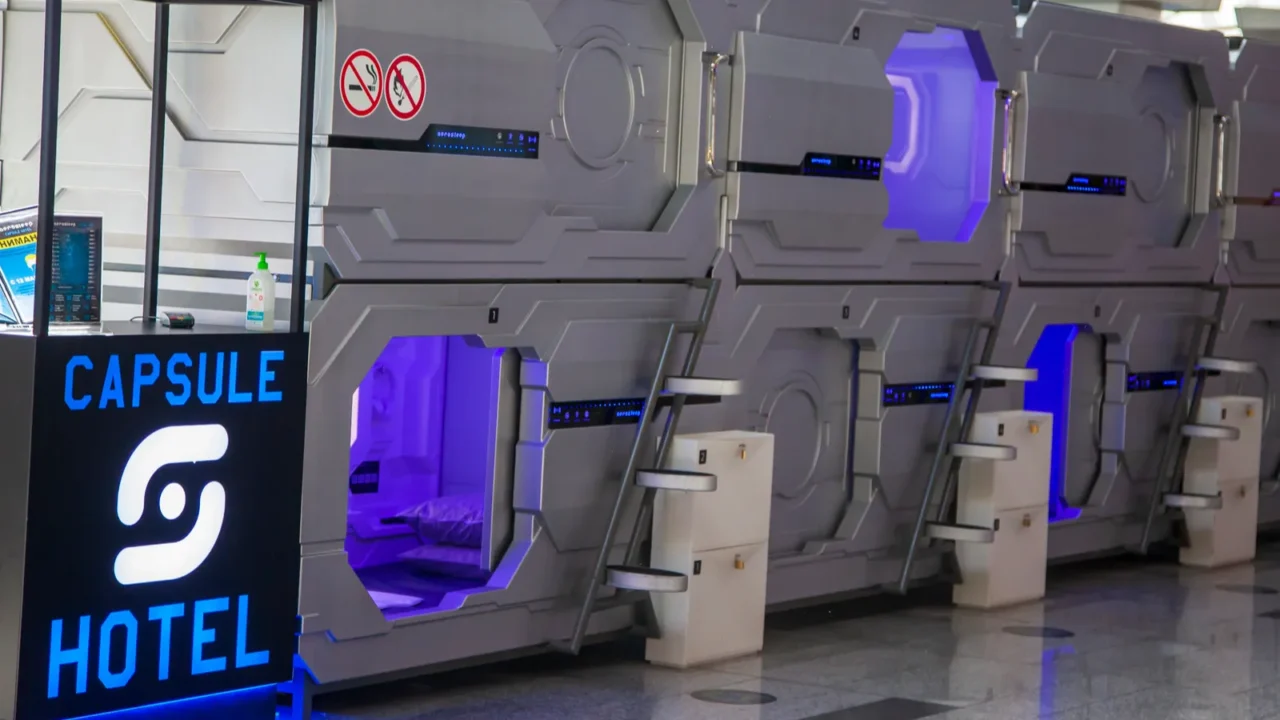
Tokyo Narita’s quiet night hours
Narita Airport carries every hallmark you expect from Japan: clean, orderly, quiet, and organized in a way that makes an eight-hour wait feel less punishing than it should. Capsule hotels inside the complex offer affordable pods for travelers wanting actual horizontal sleep, and the seating throughout both terminals is maintained with consistent overnight attention.
Narita sits roughly 60 kilometers from central Tokyo, meaning a mid-layover city trip is less casual than it sounds. Most overnight travelers stay very local, gravitating toward the fourth-floor rest areas in Terminal 2.
Fun Fact: Japan’s capsule hotel concept, which now appears in airports across the country, was born in Osaka on February 1, 1979, and was originally built for salarymen who had missed the last train home.
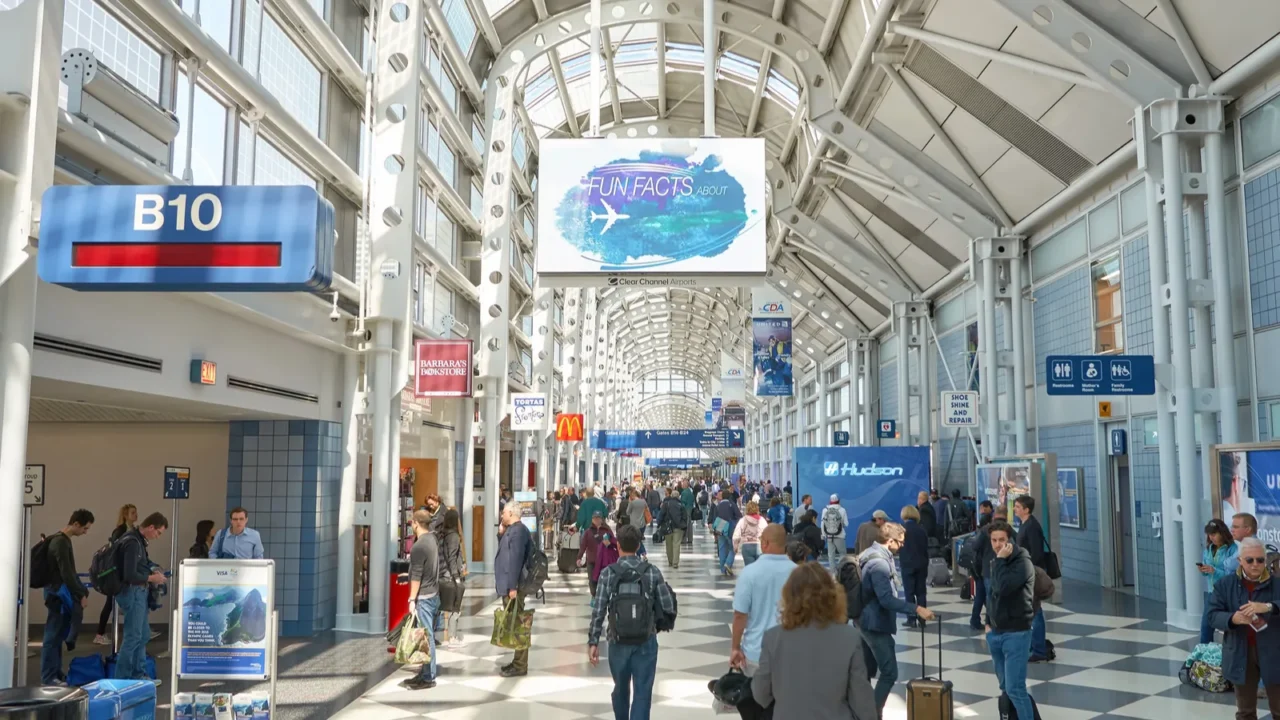
O’Hare Chicago at 3 A.M
Chicago O’Hare is the kind of place where overnight stays happen to people rather than being chosen by them. Delays, cancellations, and connection chaos funnel thousands into its terminals every single night, and the airport has developed a grudging competence at absorbing that crowd. The terminals are large enough that a quiet corner is findable if you move quickly.
Terminal 3 tends to offer the best overnight conditions because of its layout and outlet density. After midnight, O’Hare takes on a strange camaraderie. Strangers swap chargers and flight horror stories with the ease of people who have accepted that this night will look nothing like they planned.
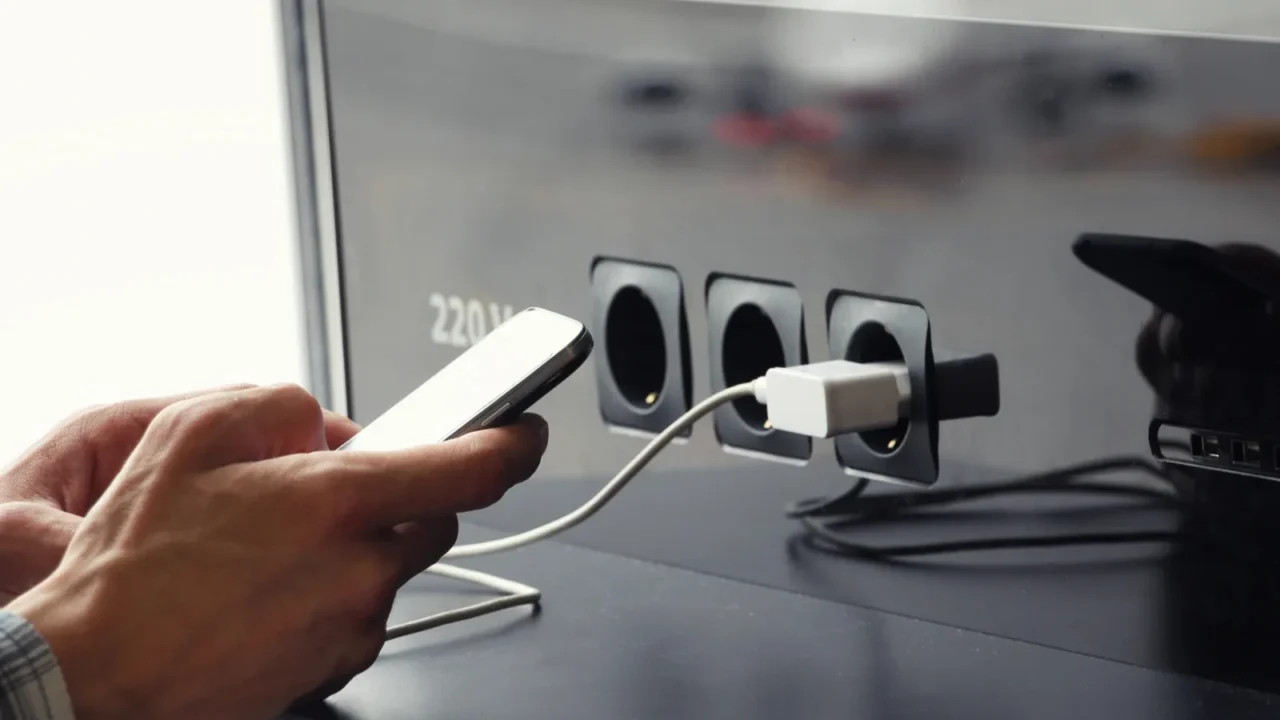
What every terminal hides
Every major airport has a version of itself that glossy terminal maps never show you. Experienced overnight travelers know the unspoken zones near outlets and quieter lighting, positioned away from main foot traffic. Gate areas sitting between active departure sections stay calmer through the night, and overnight staff will point you in the right direction if you simply ask.
The supplies that transform an overnight stay are specific: a neck pillow, sleep mask, noise-canceling headphones, and a power bank. Packing snacks matters more than most people expect when airport food shrinks considerably after midnight. Knowing this before you land makes an enormous difference.
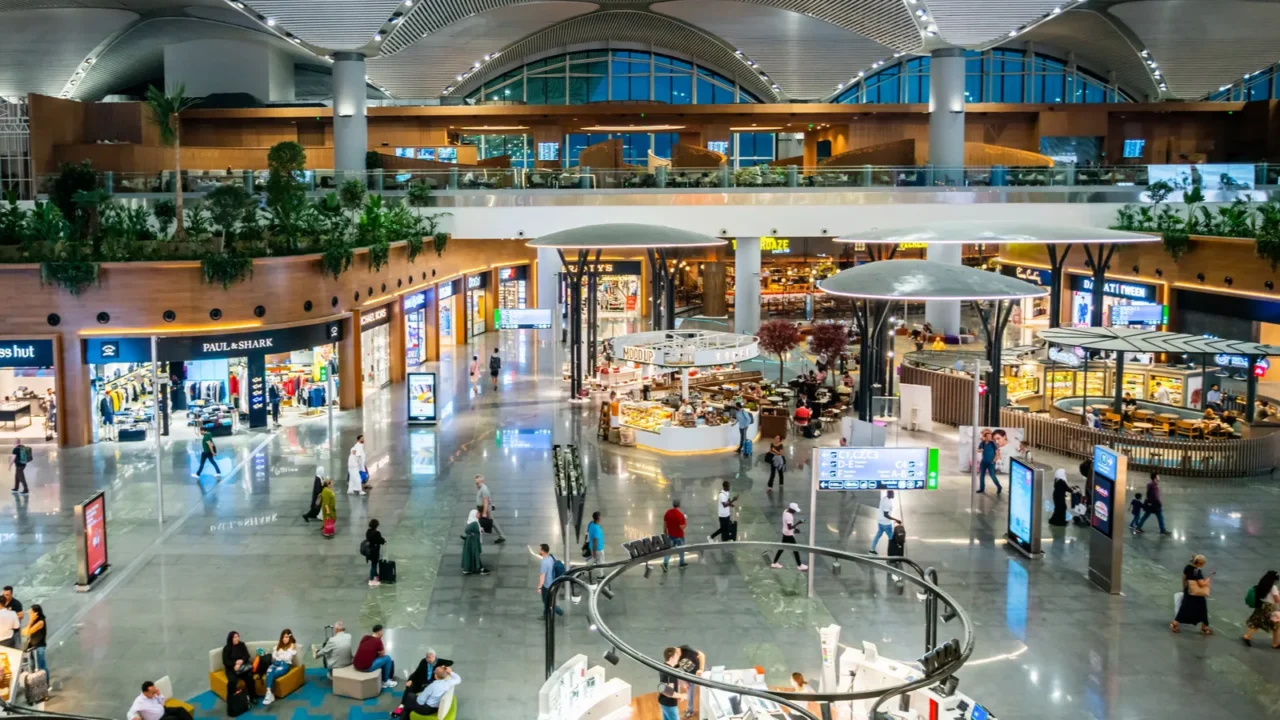
Istanbul airport’s endless corridor
Istanbul Airport, which replaced Atatürk International in 2018, is enormous in a way that catches overnight travelers completely off guard. The terminal is so vast that the airport provides free shuttle buses between gates, which tells you everything about the distances involved. It was built knowing passengers would spend a significant time inside it.
CIP lounges through Turkish Airlines or membership programs are genuinely exceptional, featuring showers, sleep chairs, and a design sensibility closer to a five-star hotel lobby than a waiting area. Public seating is clean and expansive, though finding an outlet spot during peak overnight hours requires focused determination that does build character.
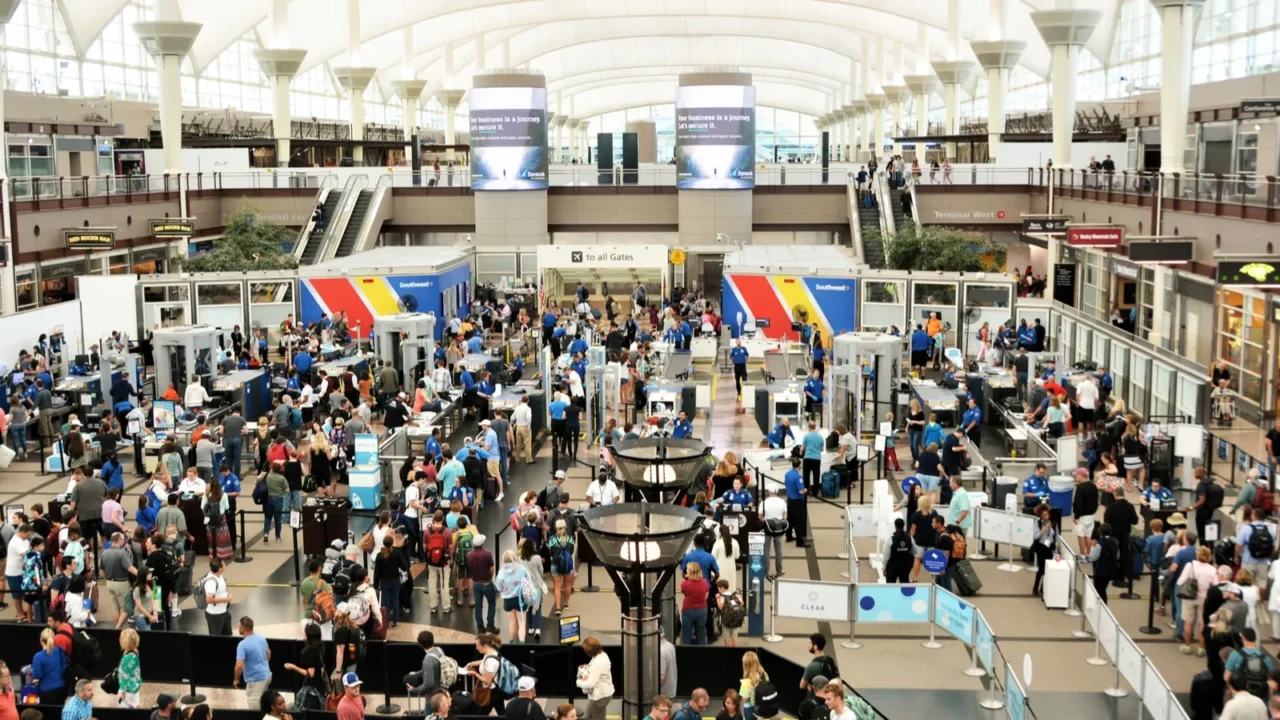
Denver international’s late-night atmosphere
Denver International sits about 25 miles (≈40 km) northeast of downtown Denver and offers a tent-shaped Jeppesen Terminal with late-night art and a direct hotel link (The Westin) for travelers who prefer a real bed. The tent-shaped terminal houses murals so vivid and strange that they have sustained their own conspiracy theories for decades. The airport leans into this reputation with full self-awareness and genuine humor.
The Westin hotel connects directly to the main terminal via a pedestrian bridge, placing a real bed steps from your departure gate. For everyone else, the Jeppesen Terminal holds up reasonably well overnight, stays operational late, and offers an art experience strange enough to keep you awake whether you intended that or not. Airports are redesigning spaces fast; find out which ones lead the change.

Pack smart, sleep smarter
Every airport overnight, regardless of city or terminal, comes down to preparation. The travelers who survived an eight-hour layover in reasonable shape arrived knowing which gates stayed quiet, which food spots ran late, and where the nearest outlets sat relative to the departure board. That research pays back the moment you land.
Airports were never designed to be hotels, but the best ones are built with overnight guests genuinely in mind. The overnight airport stay is one of travel’s most universal experiences, shared by backpackers and frequent-flier elites equally. Treat it as part of the journey, and the terminal lights at four in the morning look a little less harsh. Airport dining has come a long way; you can discover the terminals changing the late-night food game.
Which airport would you not mind being stuck in overnight, and which one would have you counting every minute until boarding? Drop it below.
This slideshow was made with AI assistance and human editing.
Don’t forget to follow us for more exclusive content right here on MSN.
Read More From This Brand:
