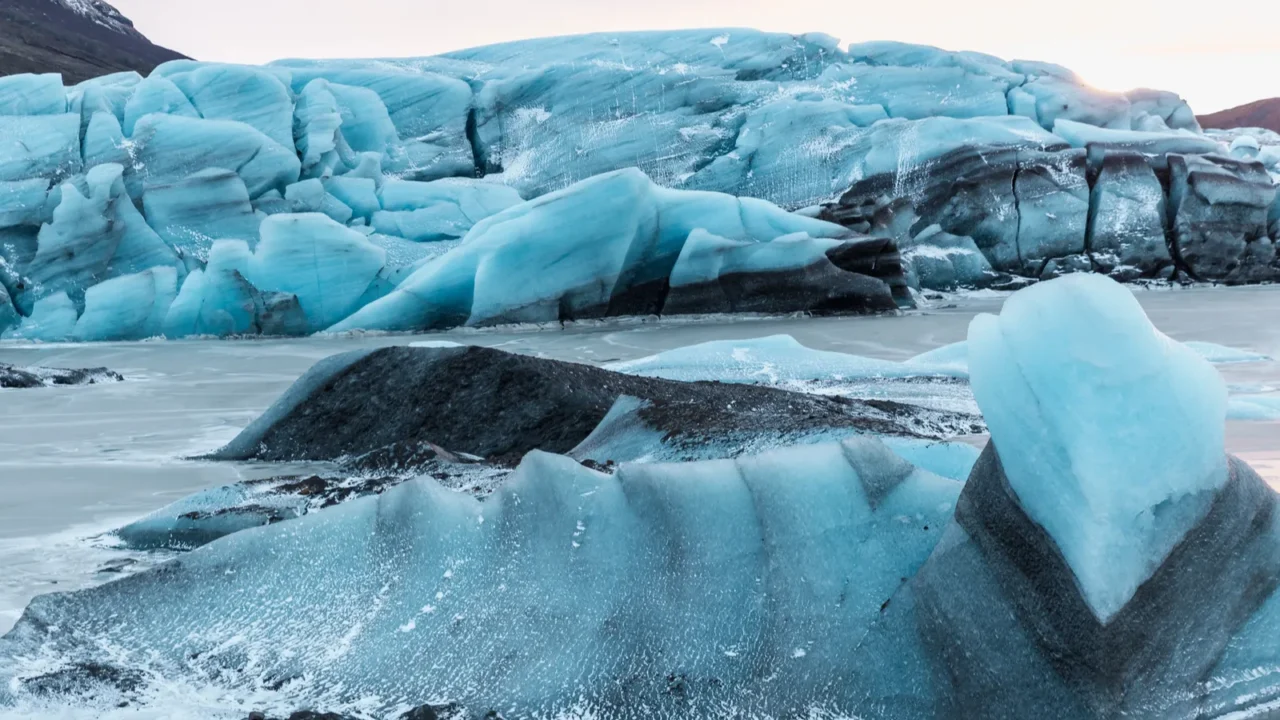
Antarctica’s changing tourism rules
Expedition-style travel to Antarctica is shifting in big ways. New regulations are shaping how holidaymakers experience the icy continent, from guided landings to sustainable practices. Visitors are now more aware of the need to protect fragile ecosystems while exploring this remote wonder.
Travelers seeking adventure can still witness penguin colonies, icebergs, and dramatic coastlines, but with stricter guidelines. Operators are adjusting itineraries and limiting numbers to reduce environmental impact. Let’s dive in!
Visitor caps and limits
One of the most significant changes is the strict visitor caps. Landing parties at sites like Deception Island or Paradise Bay are now limited in size. Smaller groups help reduce human impact on wildlife and delicate landscapes.
Cruise operators must follow these rules carefully, balancing tourism with conservation. Travelers may need to plan trips further in advance due to fewer available slots. These limits ensure Antarctica’s pristine environment stays protected.
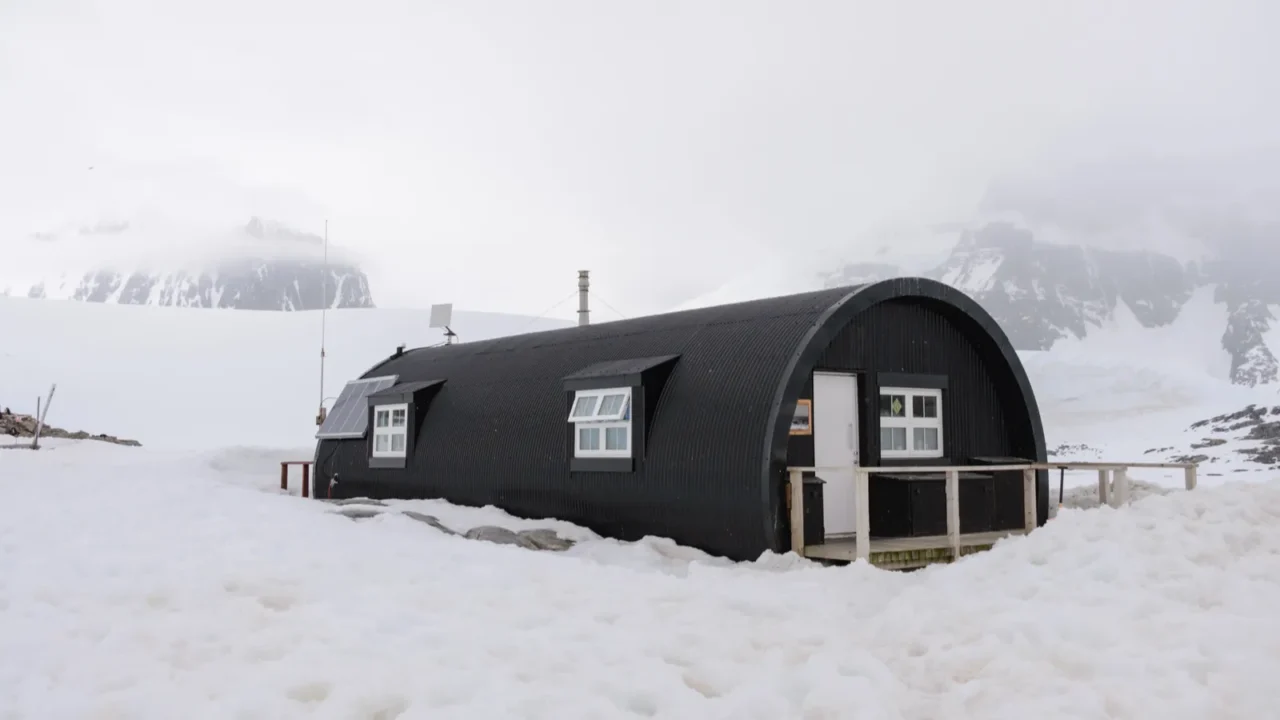
Protected sites enforcement
Certain sites, like the historic British base at Port Lockroy, have stricter visitor limits and conservation rules in place. Access is controlled to prevent erosion, littering, and disturbance to wildlife. Holidaymakers may only enter with certified guides or pre-approved operators.
Visitors can still explore these iconic spots, but education is a key component. Guides provide insights into the history, wildlife, and fragile ecosystem. This ensures trips are meaningful, safe, and environmentally responsible.
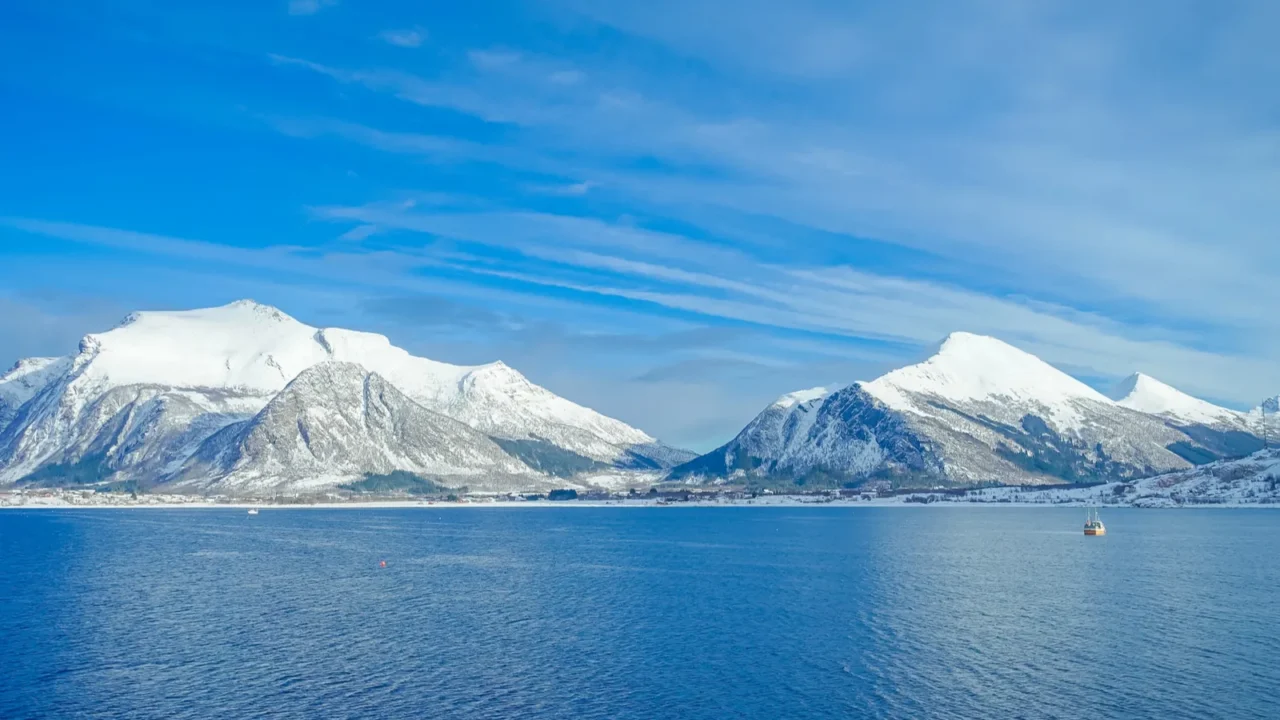
Environmental training required
New rules require travelers to attend environmental briefings before landings. Learning about wildlife protection, waste management, and biosecurity is now standard. This ensures every visitor understands the impact of their actions on the continent.
Operators like Quark Expeditions and Hurtigruten have integrated these sessions into their itineraries. Holidaymakers leave better prepared and more aware of sustainable travel practices. Awareness is becoming part of the Antarctic adventure.
Waste and biosecurity measures
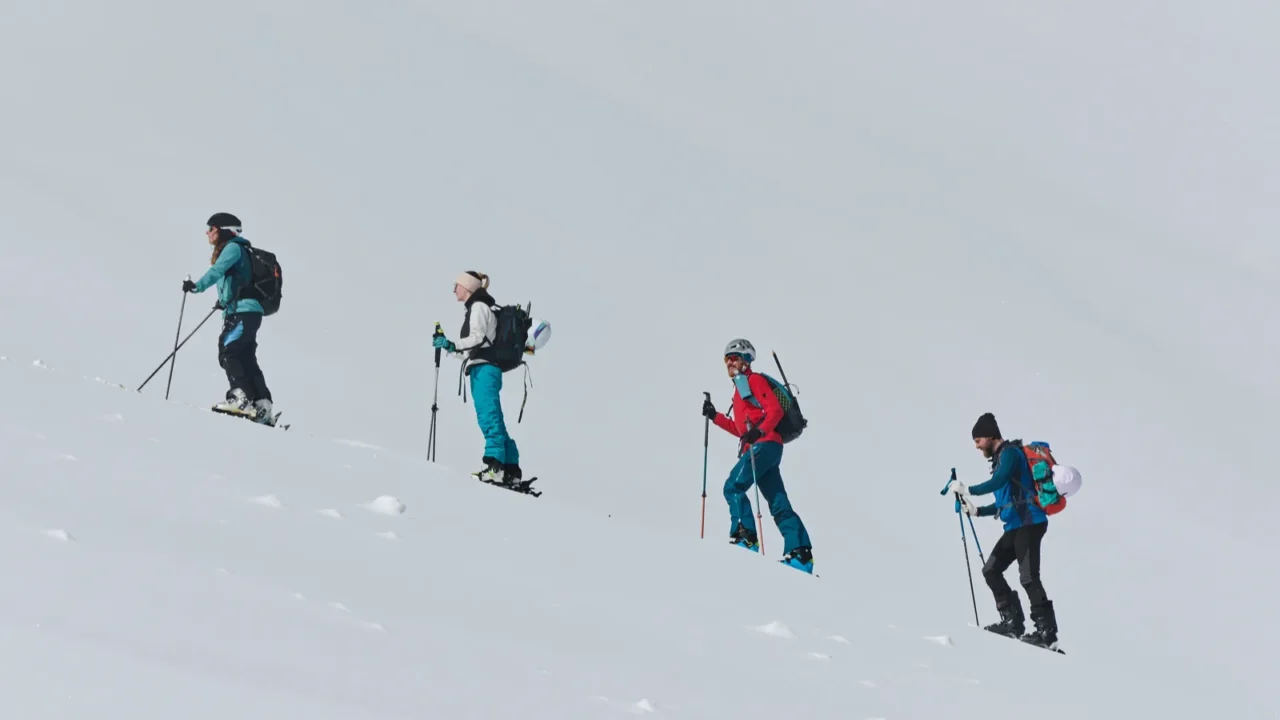
Visitors now face strict rules on waste and gear. Clothing, boots, and equipment must be cleaned to prevent introducing non-native species. Ships must manage waste carefully, minimizing pollution of the oceans and coastlines.
Even minor infractions may lead to denied landings or disciplinary action from tour operators under IAATO guidelines. Travelers witness how regulations protect seals, penguins, and mosses alike. These measures make exploration safer for both humans and wildlife.
Cruise ship adjustments
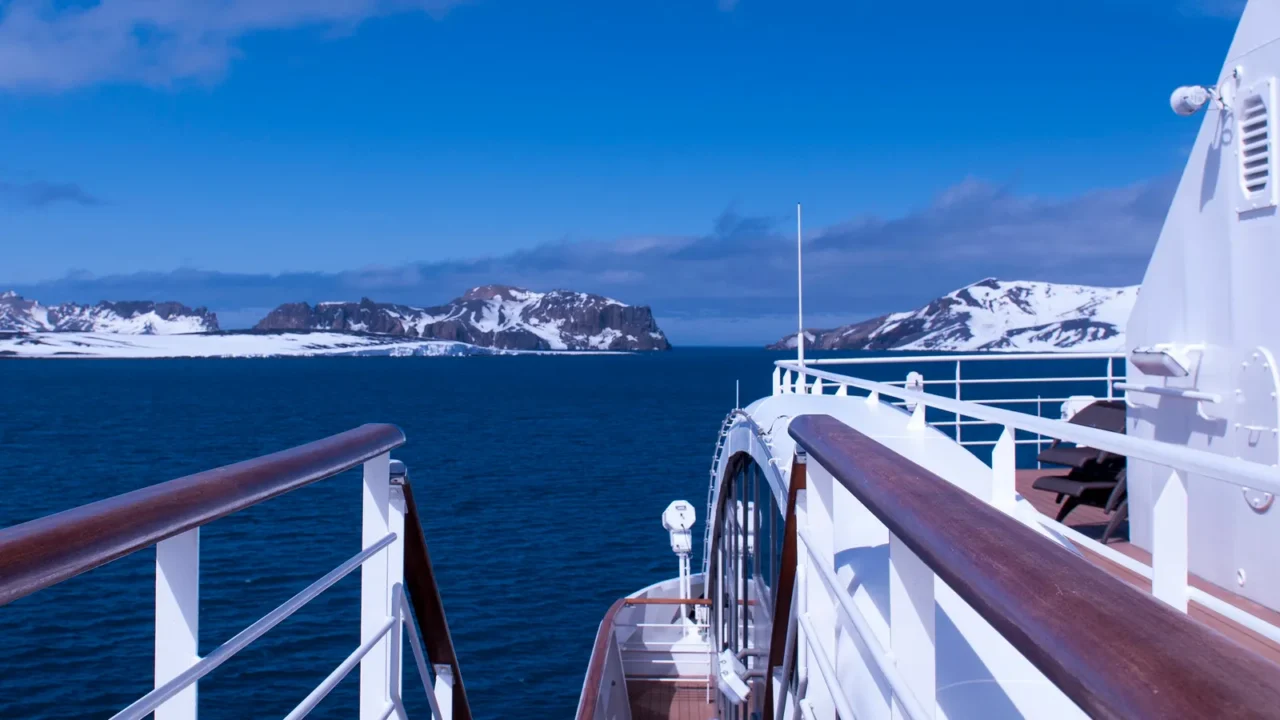
Many expedition vessels are upgrading to meet new standards. Expedition ships carrying fewer than 500 passengers are now preferred, as vessels above this limit cannot conduct landings under IAATO rules. They allow closer wildlife encounters without overcrowding beaches or disturbing ecosystems.
Itineraries now include fewer landings but longer stays at select sites. Travelers enjoy immersive experiences while preserving delicate terrain. Cruise operators balance adventure and sustainability like never before.
Antarctic wildlife protection
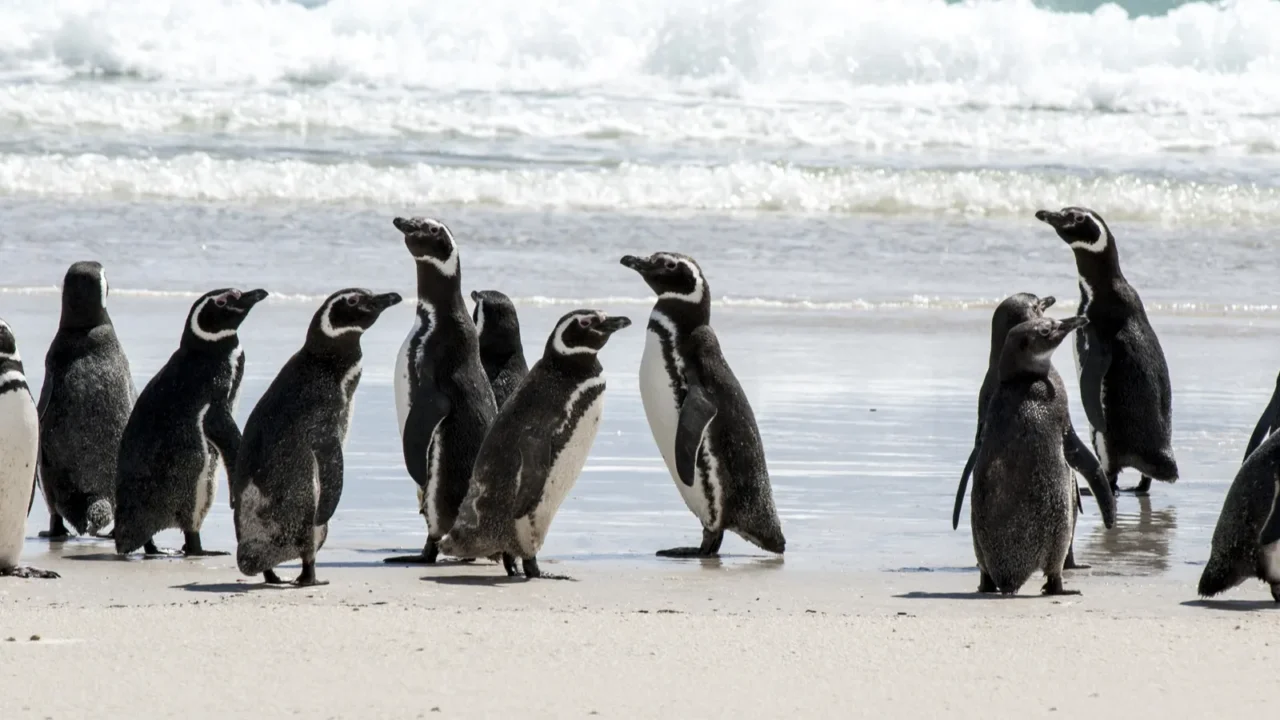
Penguin colonies, seal rookeries, and seabird nesting grounds receive extra protection. Certain areas are now off-limits during breeding seasons. Observers maintain safe distances to avoid stress on the animals.
Guides educate visitors on proper wildlife etiquette. Travelers learn why stepping on moss or disturbing birds can have long-term consequences. These protections ensure future generations can witness Antarctic wildlife intact.
Remote landings and exploration
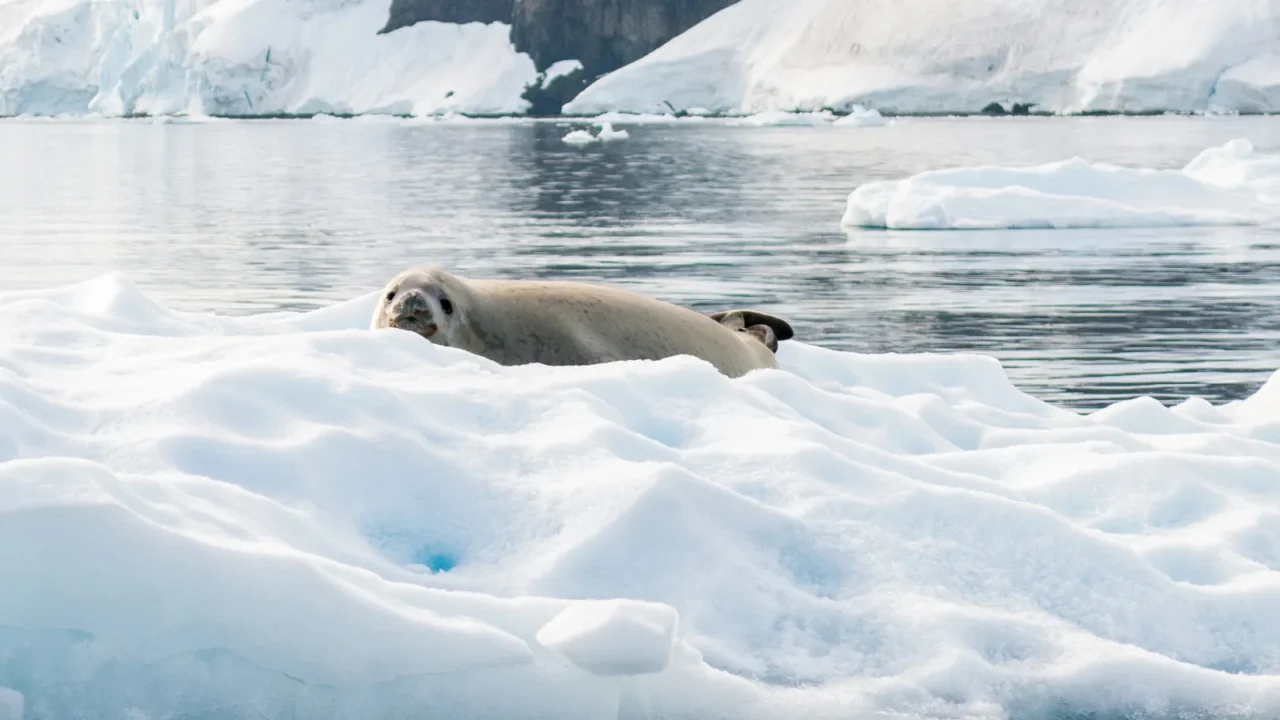
New regulations encourage exploring lesser-visited coves and glaciers. Sites like Neko Harbour or the Lemaire Channel now see guided small-group landings. This spreads out the impact and reduces crowding at iconic locations.
Visitors gain exclusive experiences, often spotting icebergs, seals, and whales without the typical crowds. Every landing becomes more intimate and personal. Adventure feels authentic while remaining environmentally conscious.
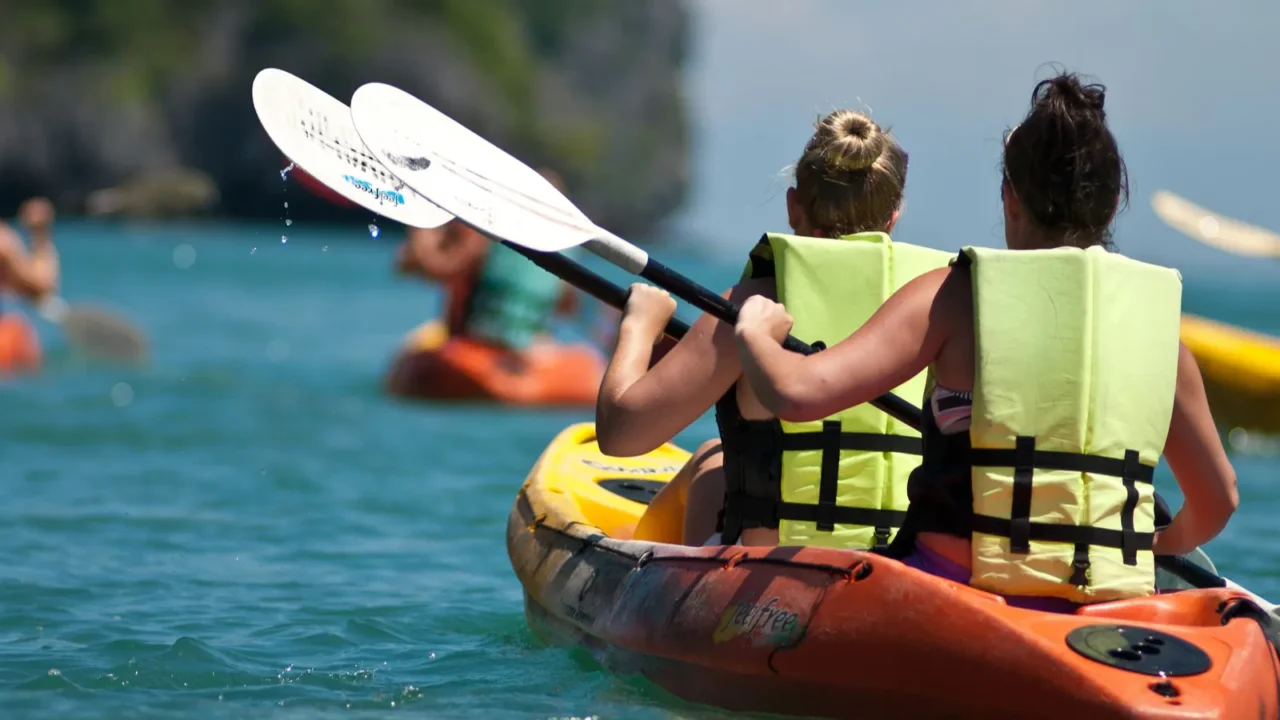
Adventure activities adapted
Activities such as kayaking, mountaineering, and zodiac excursions have stricter safety and environmental rules. Travelers must follow designated routes and limit disturbance to wildlife. Guides enforce these rules to maintain both safety and conservation.
Paddle through quiet bays near Cuverville Island or circle ice cliffs in small groups. The thrill of adventure is preserved, but with greater care for the landscape. Rules ensure that adrenaline meets responsibility.
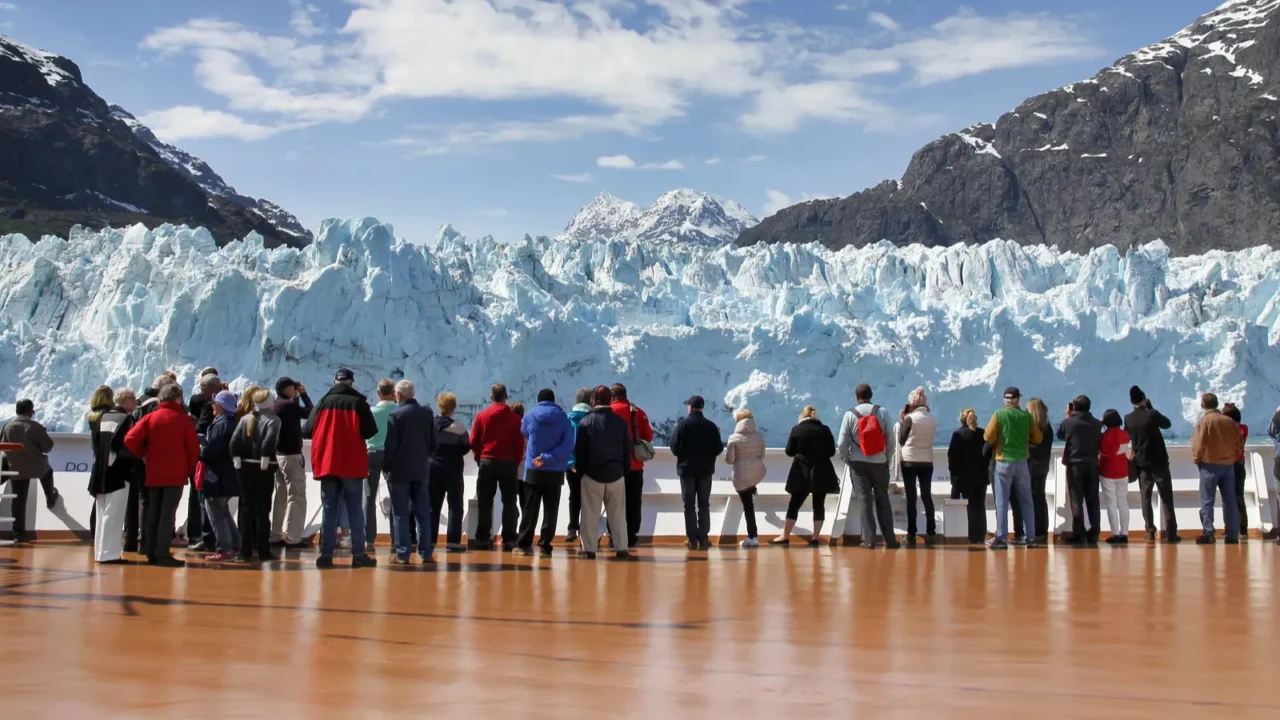
Education-focused itineraries
Expedition trips increasingly emphasize learning and stewardship. Lectures on climate change, glaciology, and Antarctic history are standard. Visitors gain context for what they see, deepening the overall experience.
Sites like Port Lockroy include museum-like setups with guides sharing stories and research. Travelers leave with knowledge as well as memories. Education is now a core part of the expedition experience.
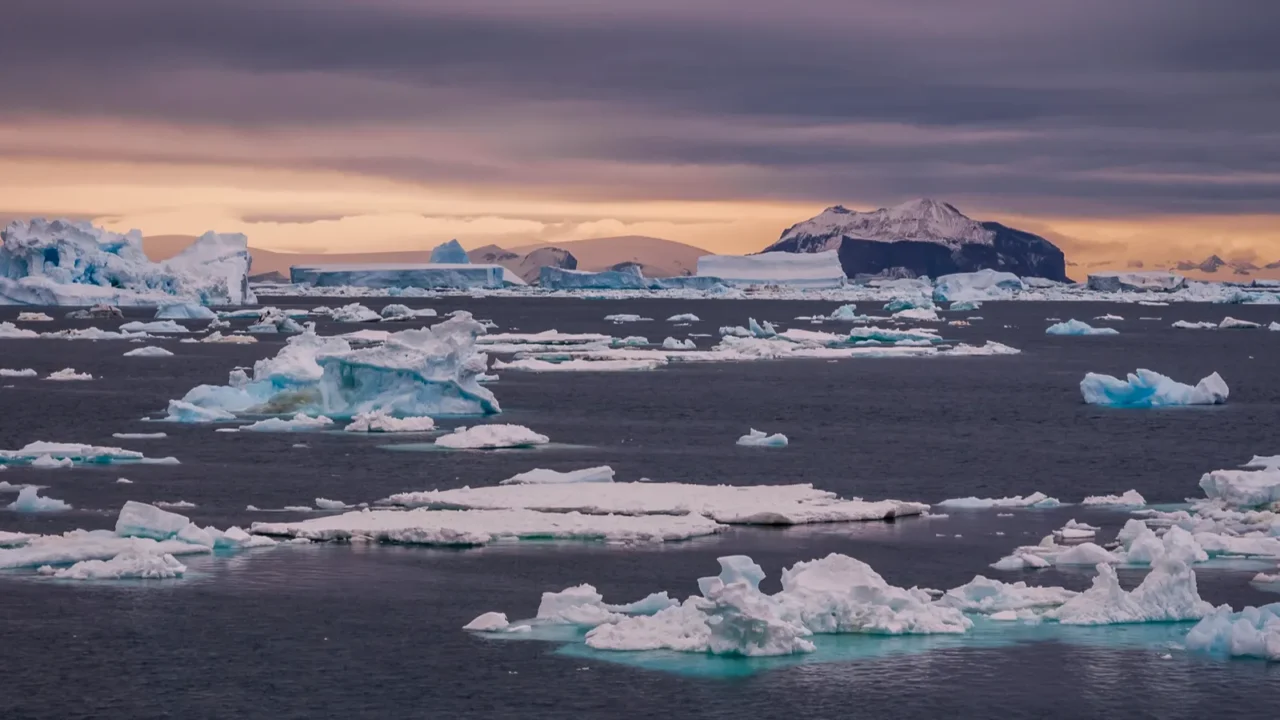
Limited season timing
Regulations also restrict the tourist season to avoid sensitive periods. Summer months are the main window, while certain areas close during wildlife breeding. Timing ensures minimal human interference with natural cycles.
Operators plan itineraries carefully, considering ice conditions and weather. Visitors must align schedules with these rules to experience prime locations. This approach balances exploration with protection.
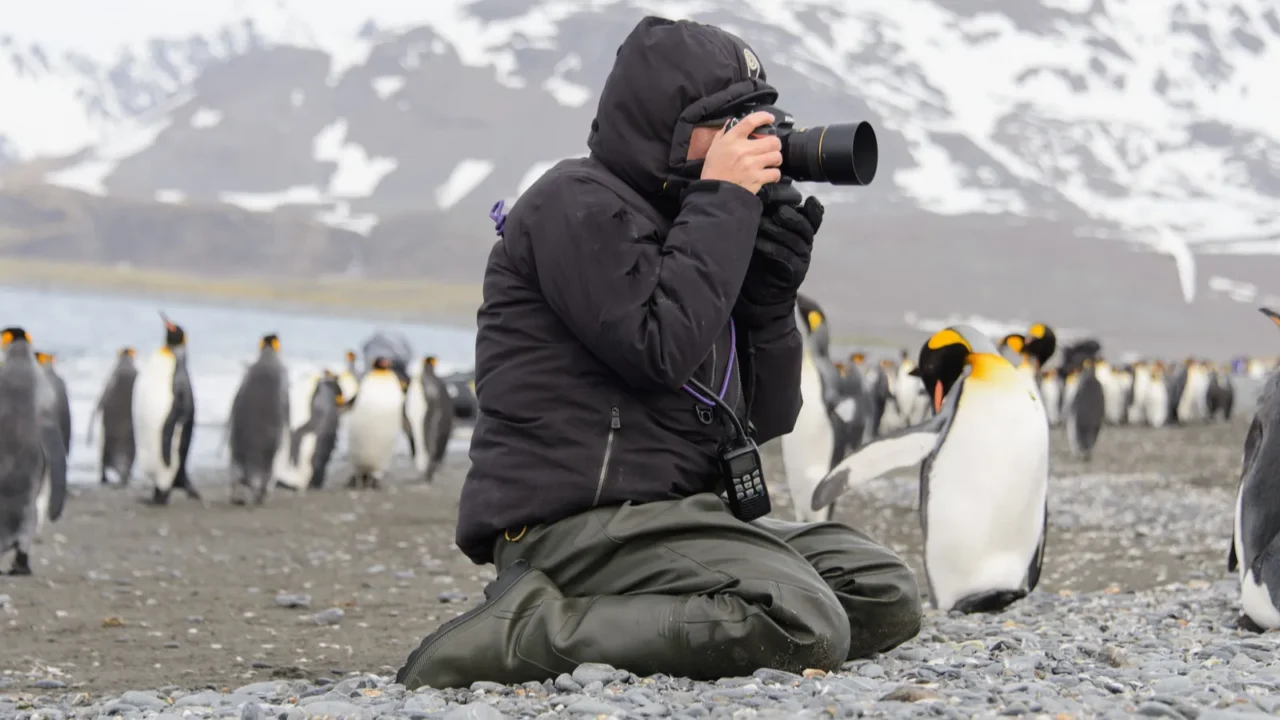
Future of Antarctic travel
These changes are redefining what it means to visit Antarctica. Small group expeditions, strict guidelines, and environmental education are becoming the norm, reflecting how holidaymakers are adapting and embracing slower, more meaningful travel. This shift also mirrors the rise of expedition cruises in Alaska and Antarctica, where experience and responsibility now outweigh sheer scale.
The focus is on sustainable adventure rather than mass tourism. Travelers enjoy awe-inspiring landscapes while leaving minimal footprints. Antarctica remains magical, but responsible tourism ensures its magic lasts.
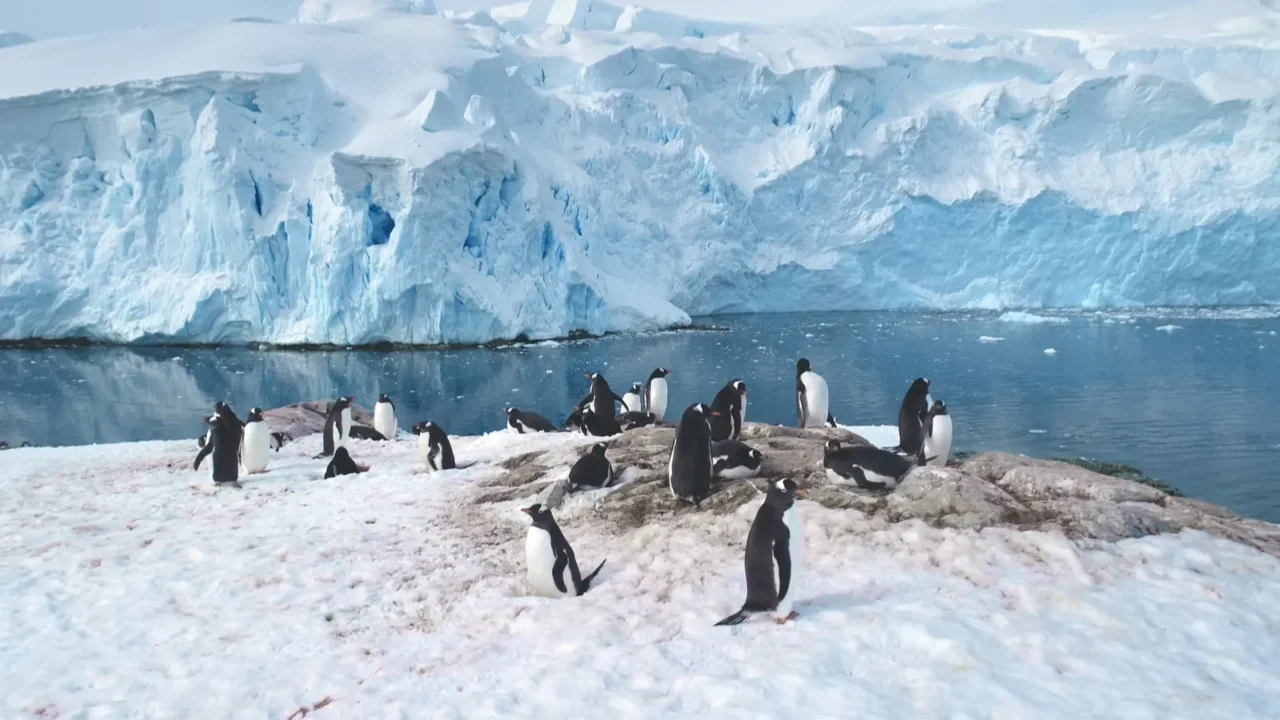
Preserving the last frontier
Antarctica is one of the few truly untouched places left on Earth. Travelers now witness icebergs, penguins, and glaciers with care and respect. Adventure and conservation go hand in hand, creating unforgettable memories.
The new rules show that even extreme travel can be responsible. Expedition-style is evolving, offering immersive experiences without sacrificing the environment. Antarctica’s future looks exciting, pristine, and sustainable.
This slideshow was made with AI assistance and human editing.
Don’t forget to follow us for more exclusive content right here on MSN.
Disclaimer: The images used are for illustrative purposes only and do not depict the actual locations mentioned.
Read More From This Brand:
