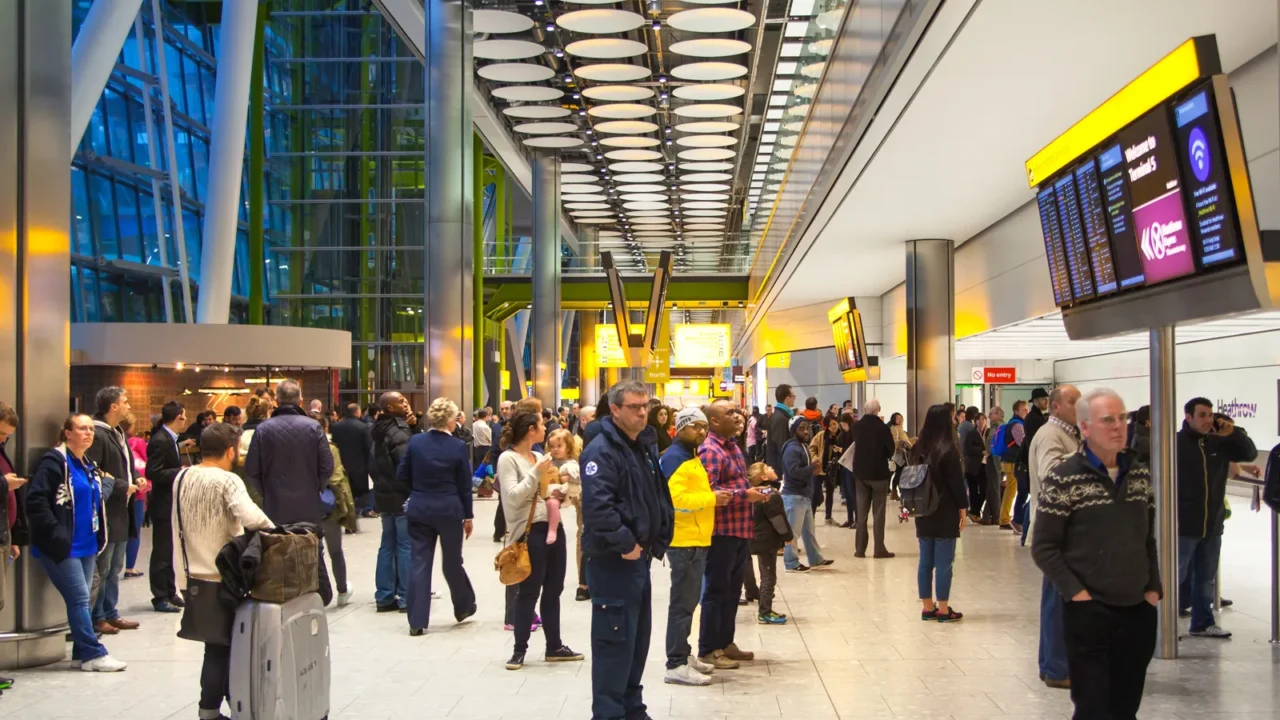
When seats disappear
Airlines often sell more tickets than seats, expecting a few travelers will not show up. When every passenger arrives, overbooked flights quickly disrupt plans at airports from New York to Tokyo, leaving confusion at the gate.
How airlines respond depends on local laws and airline policies. Knowing your rights before boarding can shift the balance of power, helping travelers stay calm and informed when a seat suddenly disappears.

The overbooked reality
Overbooking remains a common airline strategy on high-demand routes like Los Angeles to London. Sophisticated data predicts no shows, yet miscalculations still happen, leaving ticketed passengers unable to board.
Airlines typically ask for volunteers first. This moment matters. Knowing what compensation is reasonable allows travelers to decide whether giving up a seat is worth the tradeoff.
United Kingdom after Brexit
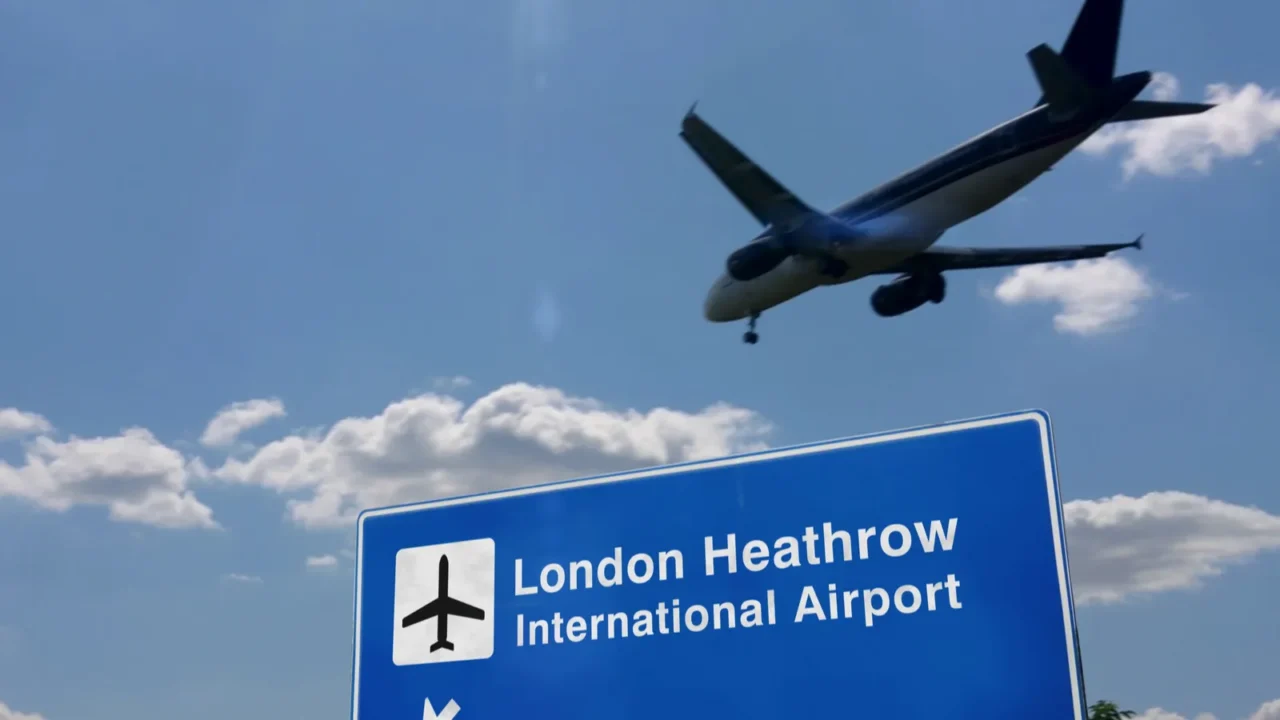
In the United Kingdom, passengers are protected under UK261—rules that mirror former EU law and require compensation based on delay length and distance.
These protections apply to flights departing from the UK and are enforced by the UK Civil Aviation Authority. Whether flying to Miami or Paris, airlines must comply, regardless of how suddenly the situation develops.
Canada clear compensation rules
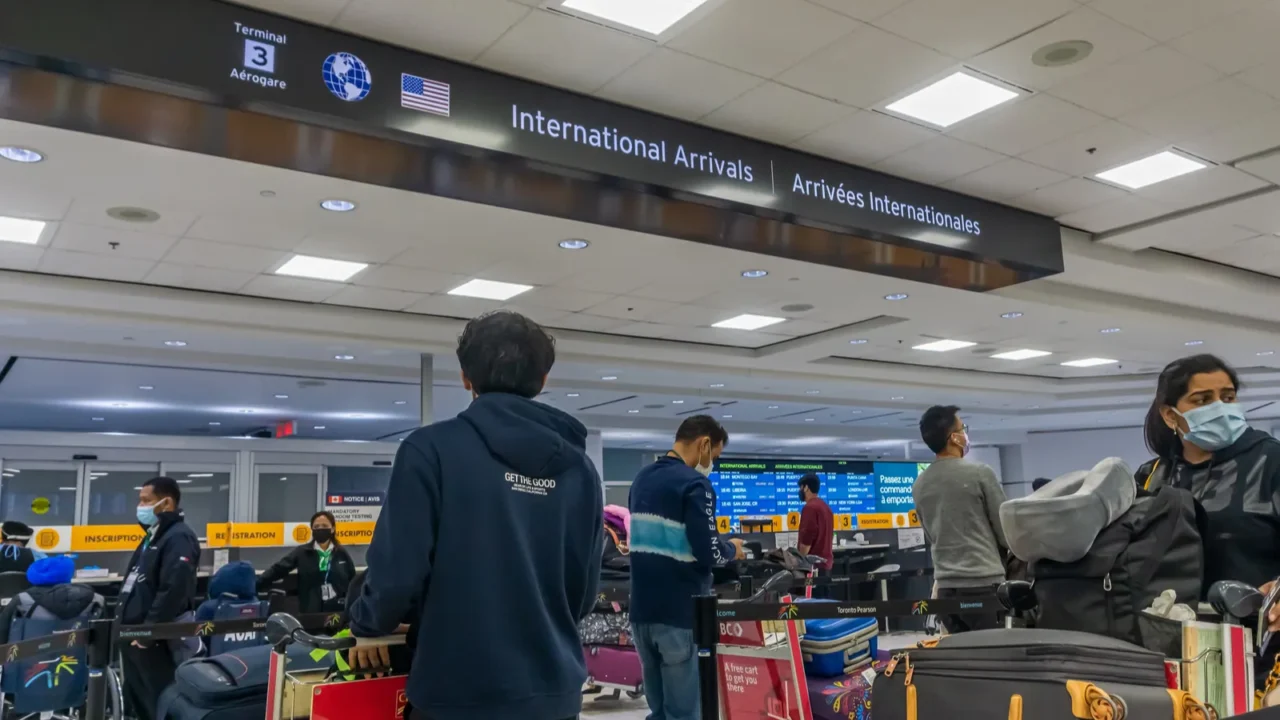
Canada enforces its Air Passenger Protection Regulations (APPR), covering overbooking, delays, and cancellations. Travelers denied boarding involuntarily are entitled to compensation that increases with the length of the delay.
These rules apply at major hubs such as Toronto, Vancouver, and Montreal. Airlines must also arrange timely rebooking, even when internal operational challenges are involved.

Australia and New Zealand
Australia and New Zealand rely more on airline policies than fixed compensation laws. While airlines are required to rebook passengers, cash compensation is not always guaranteed.
On routes from Sydney, Melbourne, or Auckland, outcomes depend heavily on ticket conditions. Travelers benefit from requesting written confirmations before accepting alternative arrangements.
Middle East hub flights
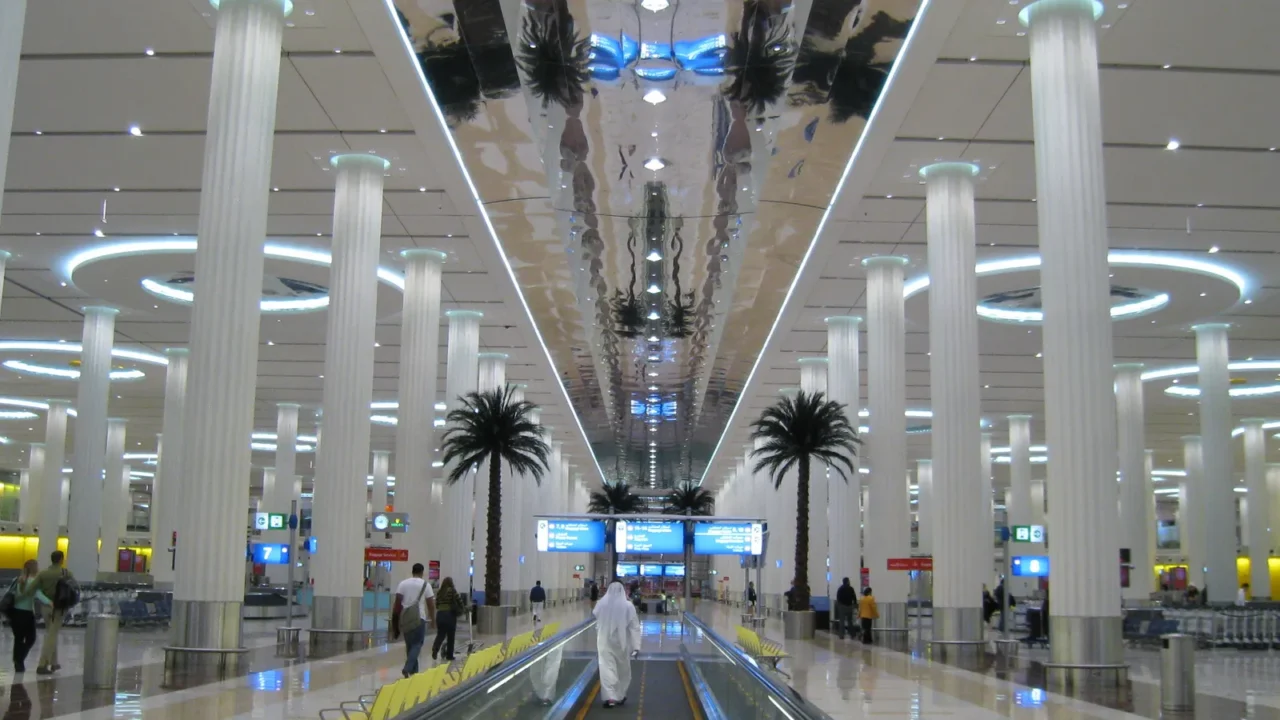
Major aviation hubs like Dubai, Doha, and Abu Dhabi manage massive passenger volumes daily. While airline policies are primary, countries like Qatar and the UAE have civil aviation rules that outline basic compensation and service obligations.
Passengers are often offered hotel stays, meals, and rerouting on partner airlines. Cash compensation varies, making airline-specific policy knowledge especially valuable during peak seasons.
Asia Pacific variations
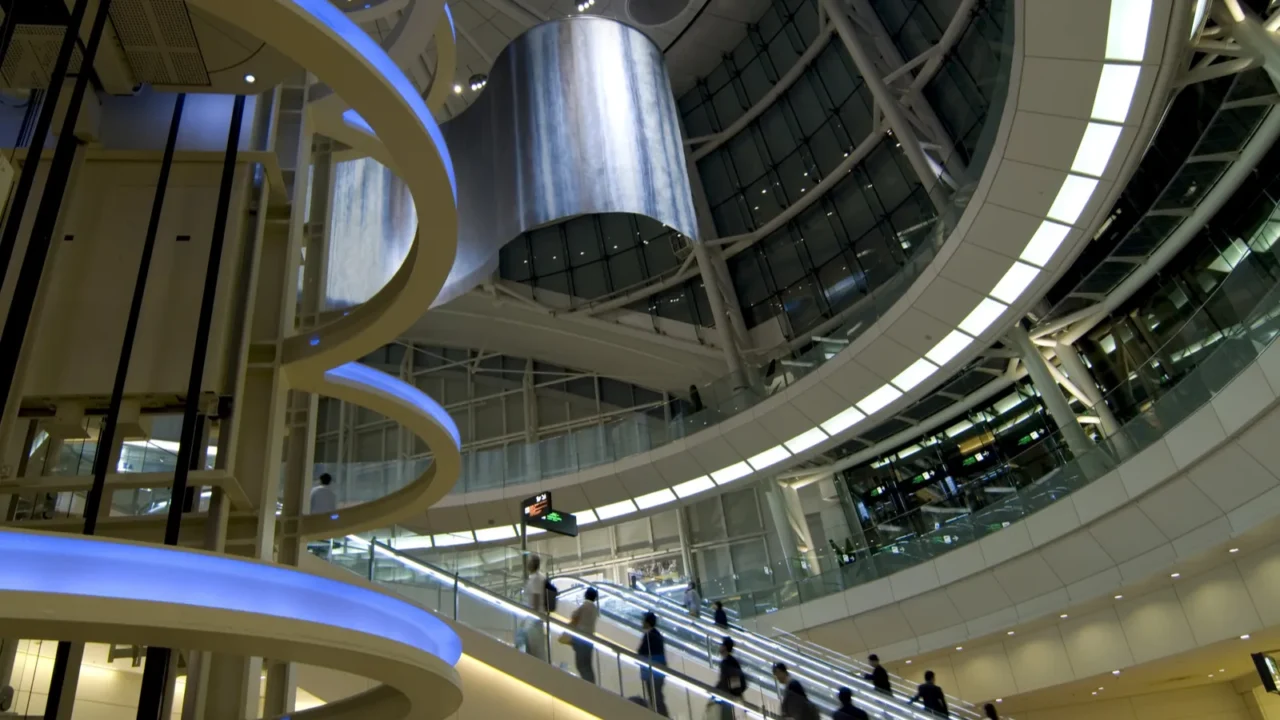
Passenger rights across the Asia Pacific region vary widely. Japan enforces strong consumer protections, while other countries rely more on airline discretion.
In cities such as Tokyo, Seoul, and Singapore, airlines typically provide rebooking and accommodations. Compensation discussions may occur quietly, emphasizing the importance of asking questions and securing written details.

What airlines must offer
When a flight is oversold, airlines must first seek volunteers willing to travel later. Volunteers may negotiate credits, upgrades, or accommodation benefits.
For involuntary denial, many regions require airlines to provide meals, communication access, rerouting, and sometimes cash compensation. Clear documentation at the gate protects passengers afterward.
Cash or vouchers choice
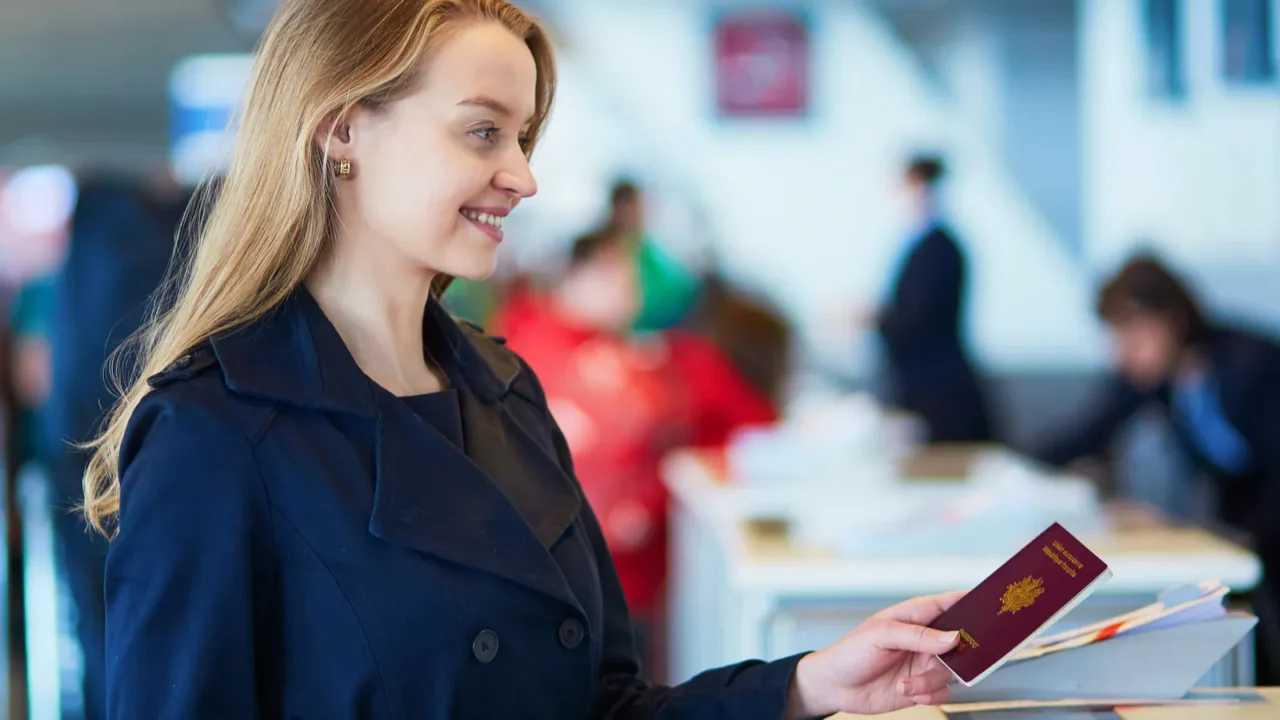
Airlines often encourage vouchers instead of cash, but vouchers may include restrictions or expiration dates. Reviewing the fine print is essential before accepting.
In the United States and Europe, cash compensation is a legal right for involuntary denial. Politely requesting payment options ensures compensation matches the inconvenience experienced.
Smart gate strategies
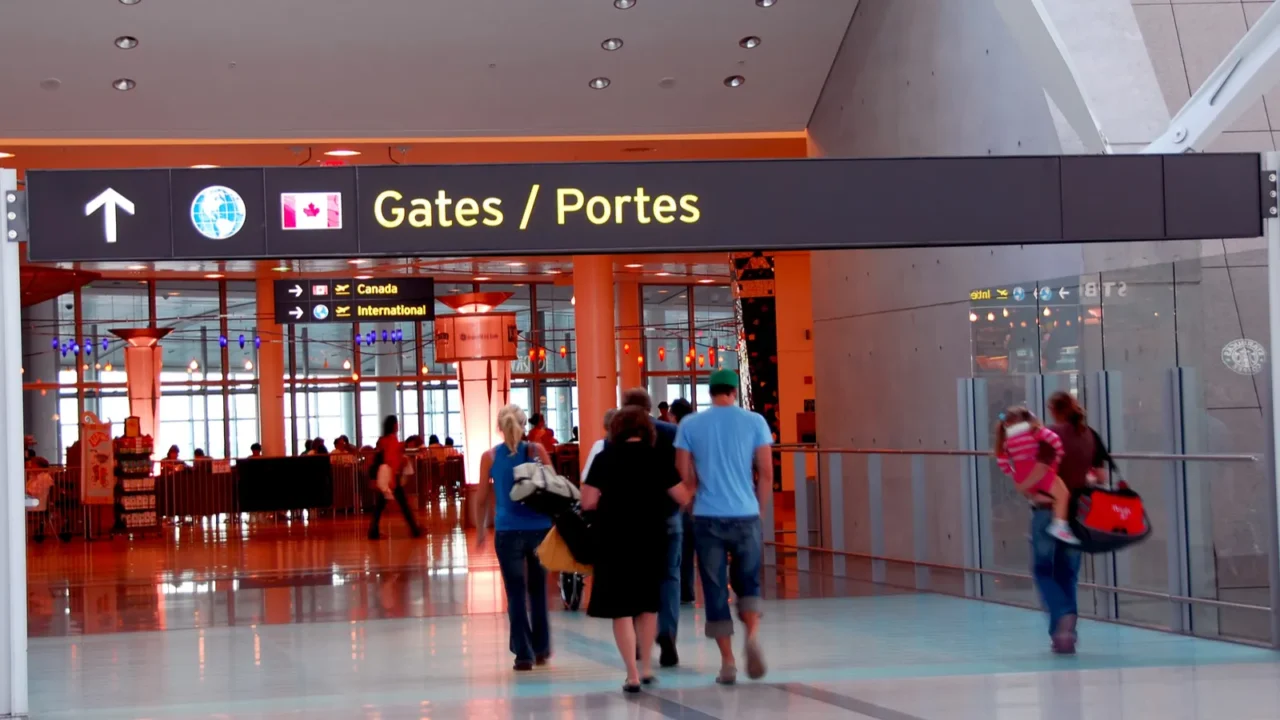
Early check-in, online boarding passes, and frequent flyer status reduce the risk of being bumped. Airlines often prioritize boarding order when selecting passengers.
If a flight is oversold, staying calm and asking direct questions improves outcomes. As flight delays continue to rise, informed travelers are better equipped to protect their time and plans.
Know before you fly
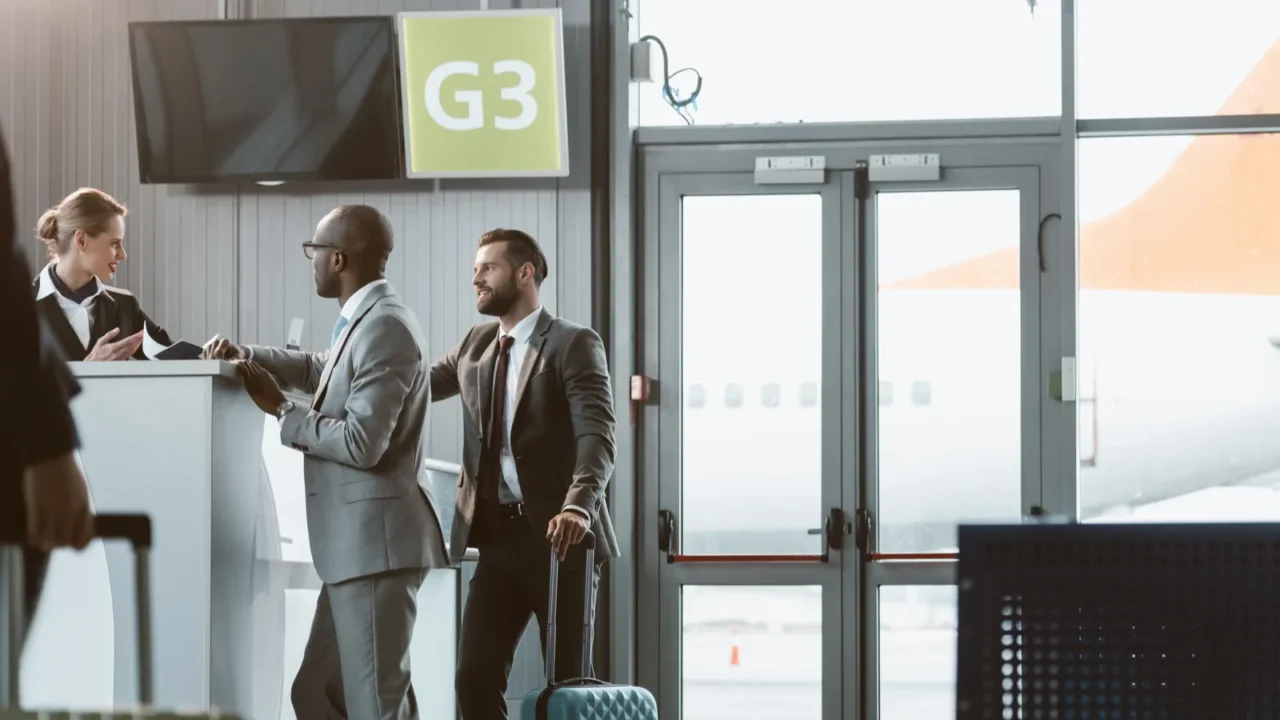
Overbooked flights happen worldwide, from Chicago to Singapore. Preparation determines whether the experience feels frustrating or fair.
Understanding regional regulations, airline policies, and documentation requirements builds confidence. As turbulence-predicting tech is making flights safer and smoother, informed passengers can focus more on the journey than the disruption.
The next time a boarding announcement changes everything, will you know whether to wait, negotiate, or walk away with what you are legally owed?
This slideshow was made with AI assistance and human editing.
Don’t forget to follow us for more exclusive content right here on MSN.
Read More From This Brand:
