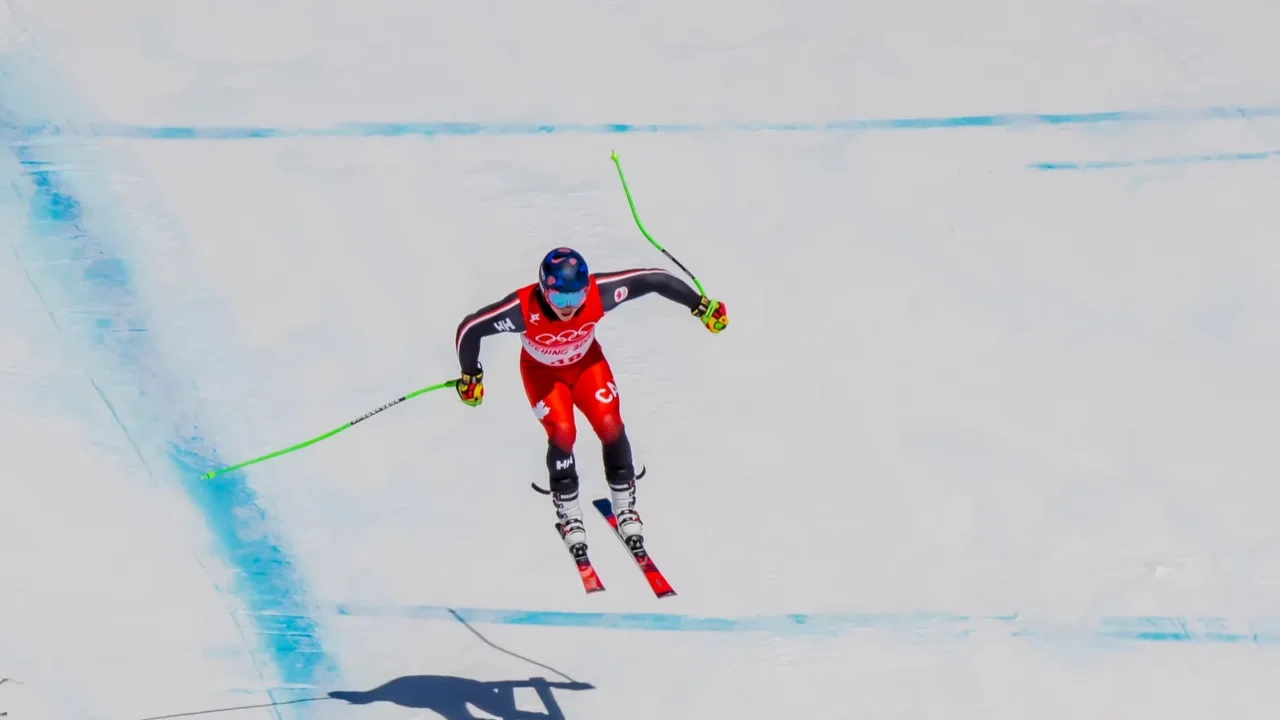
Where winter speed begins
Alpine skiing is a core discipline of the Winter Olympic Games, featuring downhill, slalom, giant slalom, super G, and combined events. These races take place on steep mountain courses designed to test speed, precision, and endurance in accordance with international regulations. The sport has been part of the Olympics since 1936 and is governed by the International Ski Federation.
Alpine skiing matters because it blends geography, athletic mastery, and national identity. At the 2026 Winter Olympics, competition runs from February 7 through February 18, setting the stage for dramatic winter sports moments on Italian slopes.
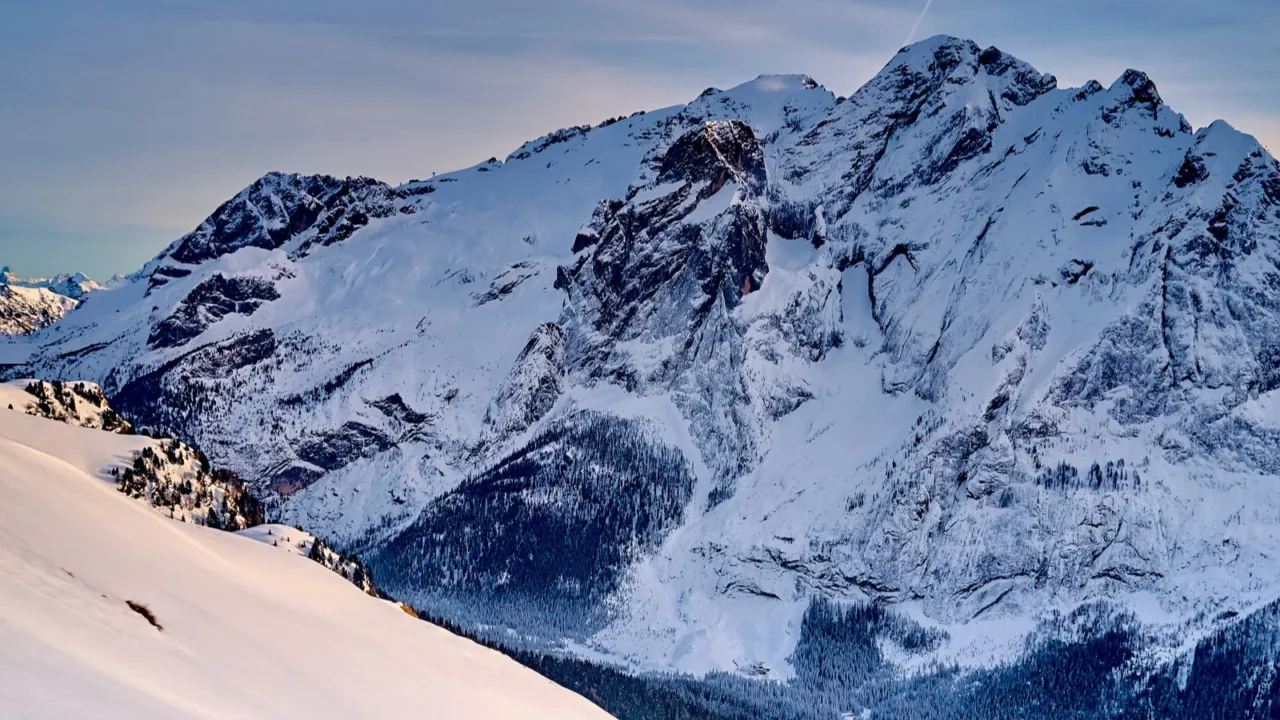
Cortina d’Ampezzo Italy
Cortina d’Ampezzo will host several women’s alpine skiing events, while Bormio serves as the primary venue for men’s speed races during the 2026 Winter Olympics. The region is known for dramatic limestone peaks, high-altitude terrain, and a long tradition of international ski competition dating back to the mid-twentieth century.
Cortina represents more than scenery. Its Olympic events, occurring February 7 through February 18, highlight how alpine skiing connects elite sport with cultural tourism, regional pride, and sustainable mountain development.
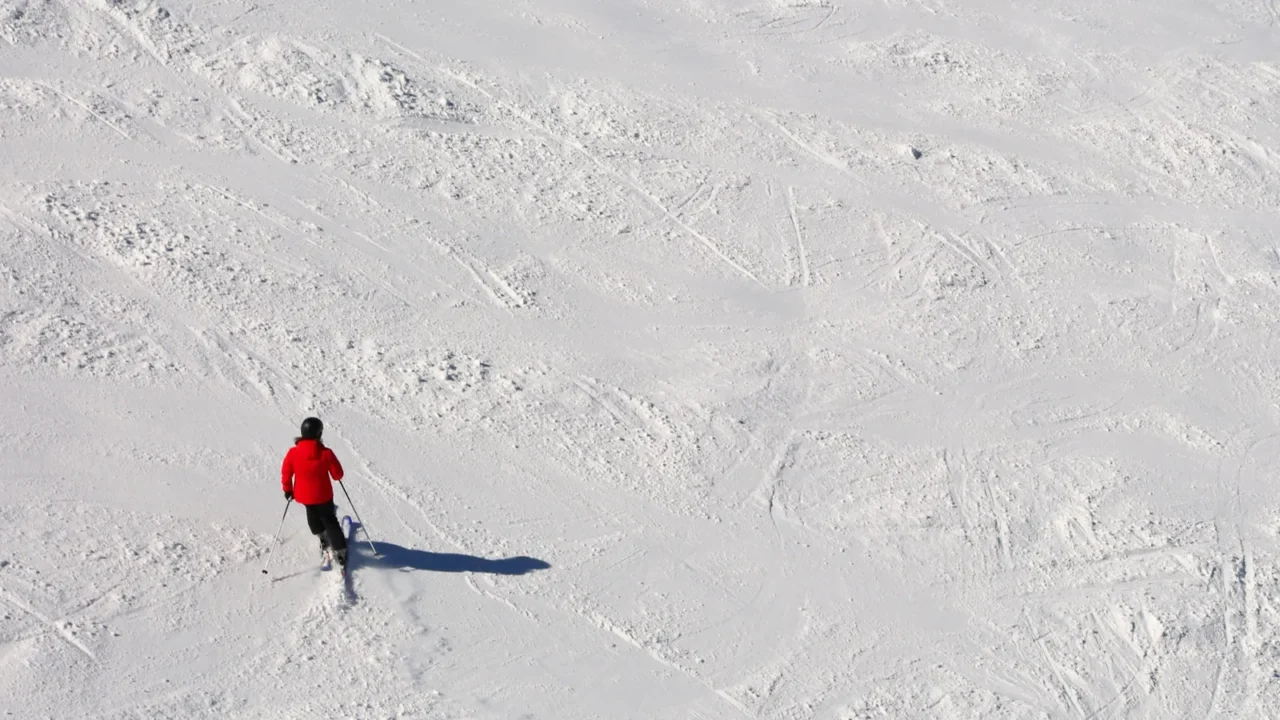
When Olympic skiing starts
Alpine skiing at the 2026 Winter Olympics begins on February 7 with the men’s downhill at Bormio, followed by the women’s downhill at Cortina d’Ampezzo on February 8. Technical races such as slalom and giant slalom occur later, culminating on February 18 with the women’s slalom.
The timing matters because alpine skiing sets the competitive tone of the Games. These early events immediately draw global attention and establish momentum for countries with strong winter sports programs.
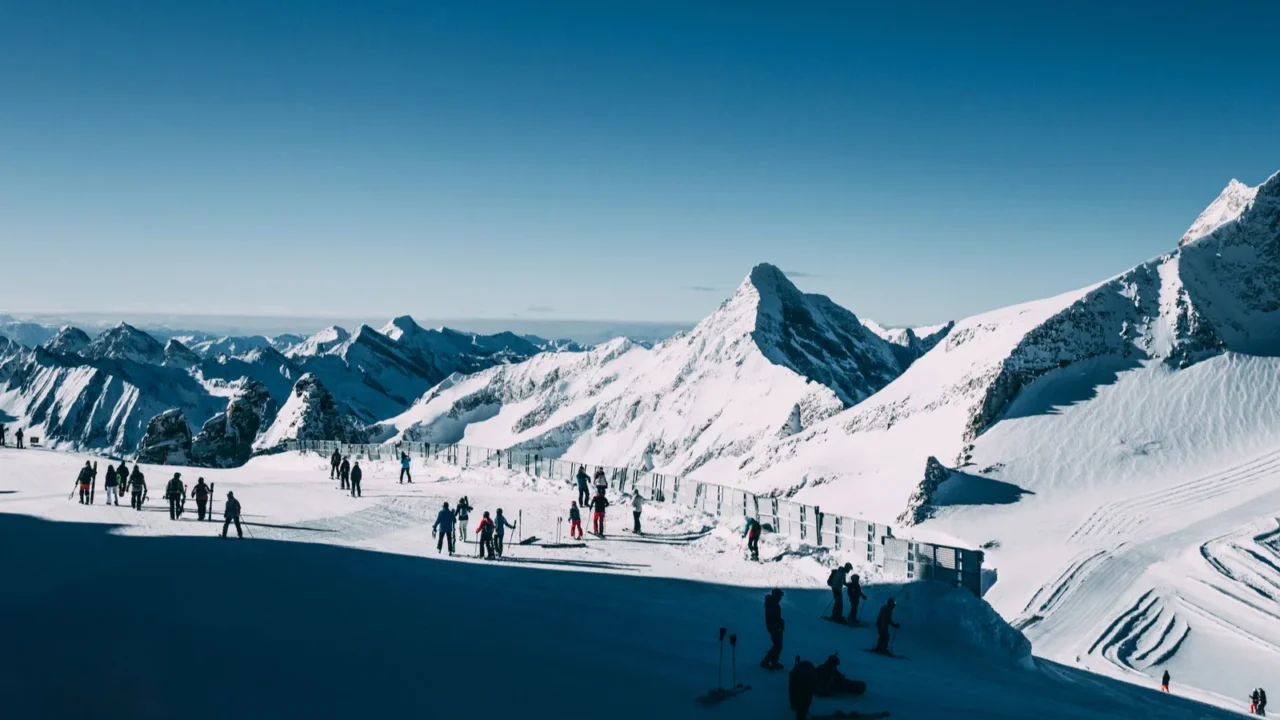
The Alps shape competition
The European Alps have shaped Olympic alpine skiing for decades, spanning France, Switzerland, Austria, Italy, and Germany. Their elevation, consistent snowfall, and infrastructure have made them frequent hosts of Olympic events, including the 2026 Games in Italy.
Alpine geography influences sport evolution. Course design, safety standards, and athlete preparation worldwide are often based on Alpine conditions, reinforcing the region’s role as the benchmark for elite skiing excellence during February competitions.
Downhill defines courage
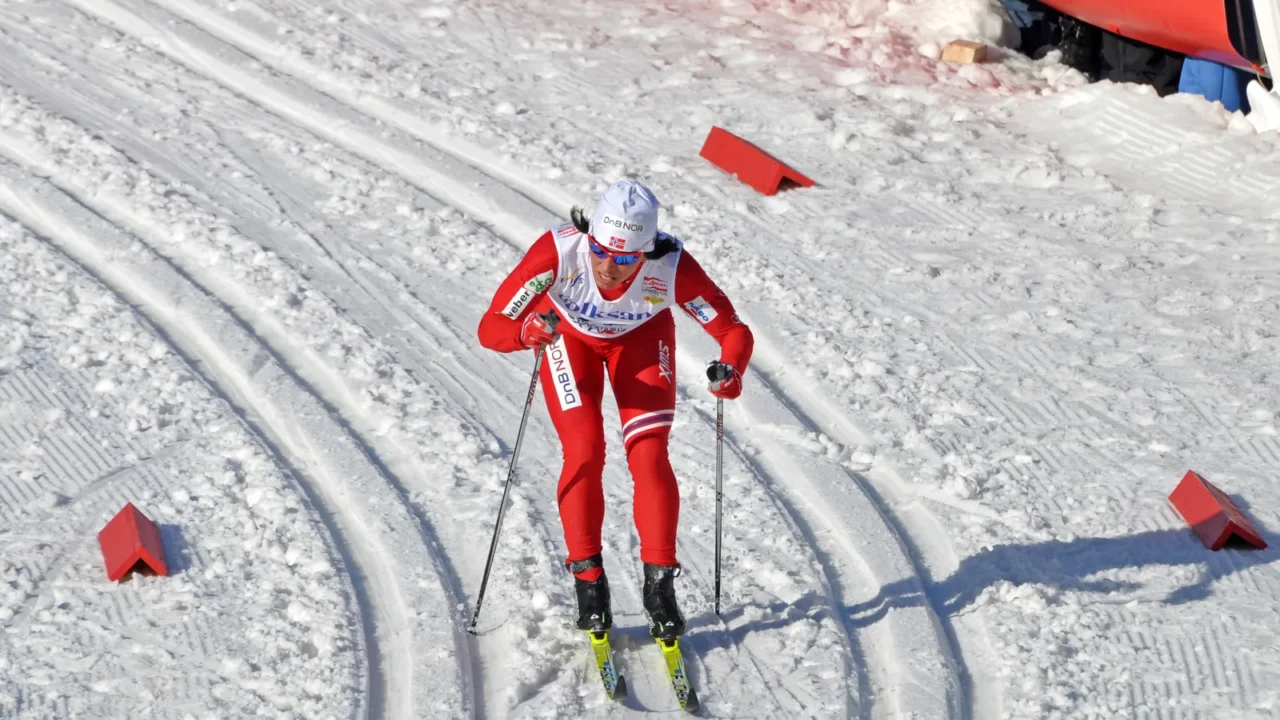
Downhill skiing is the fastest and most dangerous alpine event, with athletes reaching speeds over eighty miles per hour on long vertical drops. At the 2026 Winter Olympics, men’s and women’s downhill races occur on February 7 and 8, respectively.
This event matters because it embodies alpine skiing essence. It rewards mental control as much as physical power and produces iconic Olympic moments that remain etched in memory long after the medal ceremonies.
Slalom tests precision
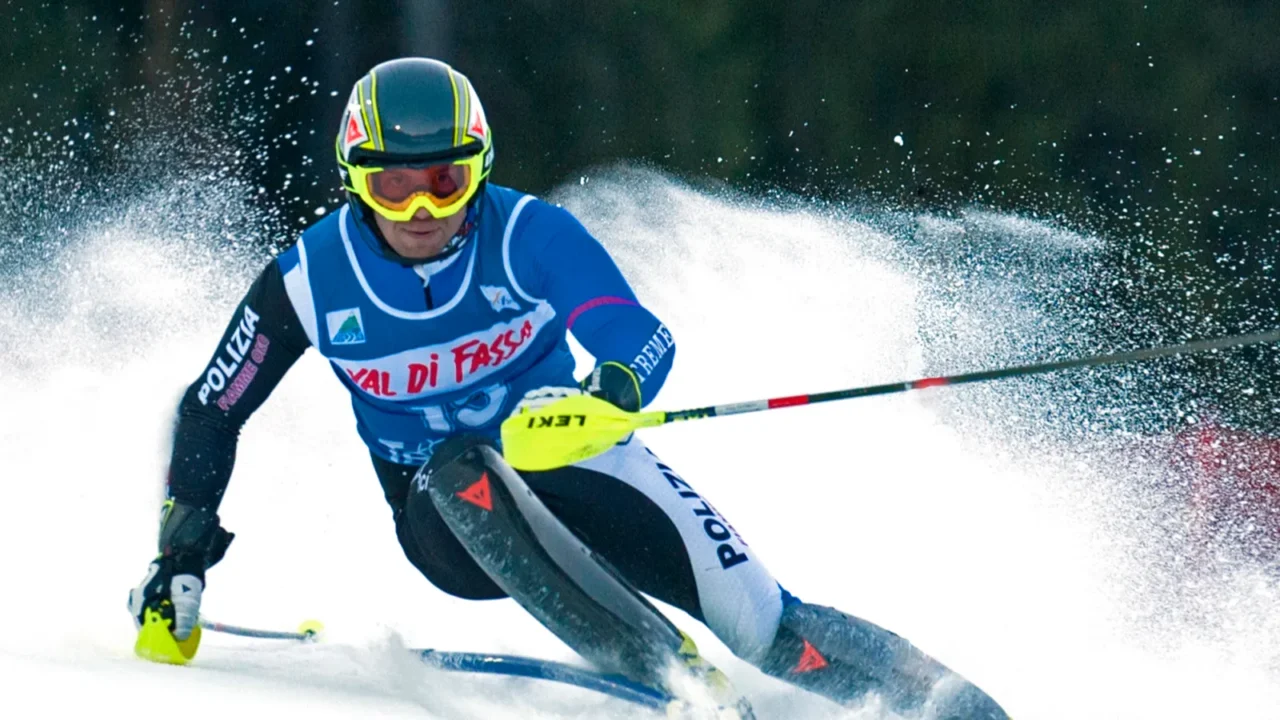
Slalom is the most technical alpine skiing discipline, requiring rapid directional changes through tightly spaced gates on steep slopes. In 2026, the men’s slalom takes place on February 16, and the women’s concludes on February 18.
Slalom highlights sport artistry. A single small mistake carries heavy consequences, making the event both unpredictable and thrilling. It challenges athletes to balance speed, skill, and nerves under Olympic pressure.
Giant Slalom balance
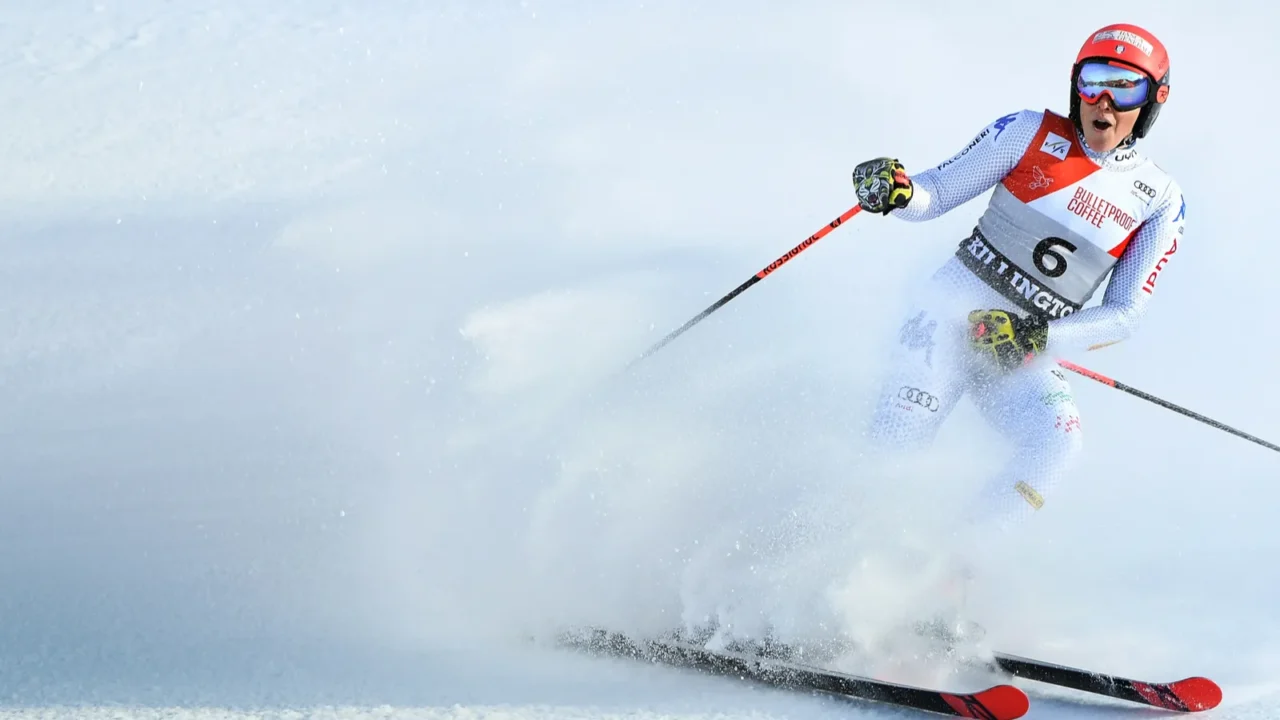
Giant slalom sits between speed and technique, featuring wider turns and longer courses than slalom while remaining more controlled than downhill. At the 2026 Olympics, the men’s giant slalom is on February 14, followed by the women’s on February 15.
This discipline matters because it tests complete skiing skill. Athletes must combine strength, rhythm, and strategic line selection, reflecting mastery across Olympic alpine skiing events during the mid-February competition window.
Super G modern evolution
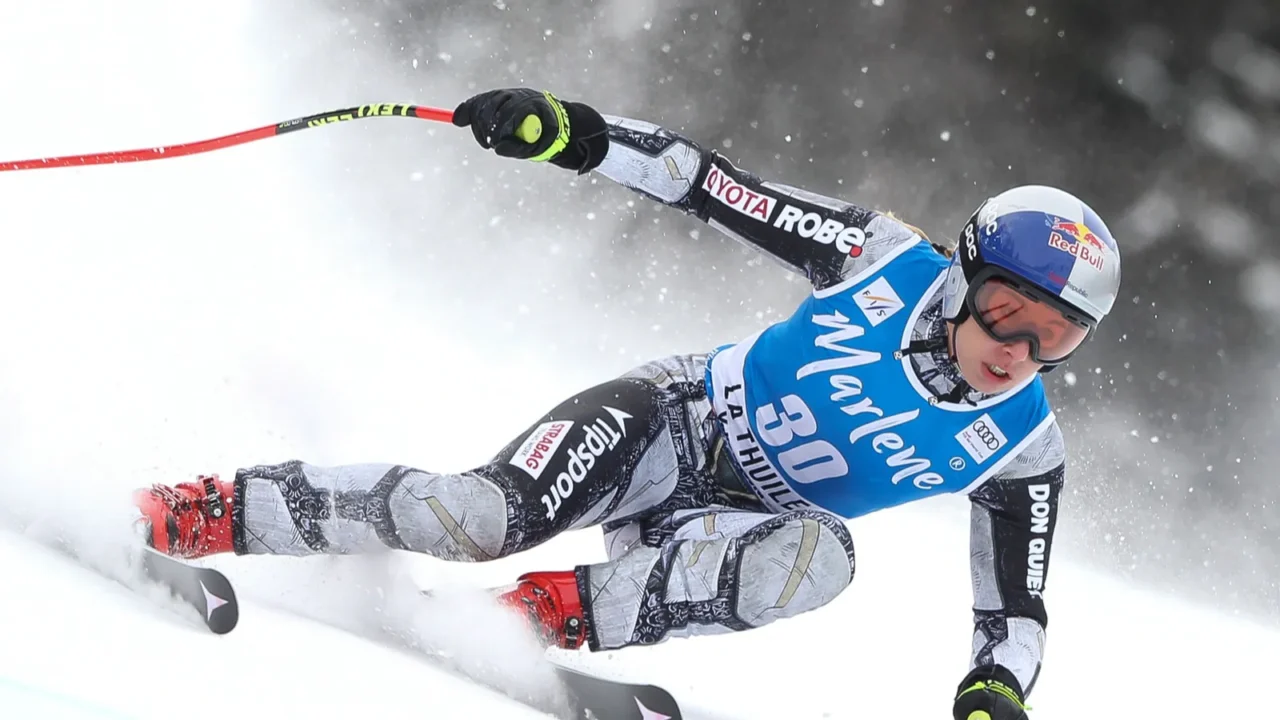
Super G is a relatively modern alpine skiing event, introduced to the Olympics in 1988. It blends downhill speed with technical skill, requiring athletes to inspect the course visually without full practice runs. In 2026, men compete on February 11, and women on February 12.
Super G matters because it symbolizes sport evolution. It rewards adaptability and intelligence, making it a favorite among newer racers and a clear indicator of overall alpine proficiency during Olympic racing.
Alpine skiing global impact
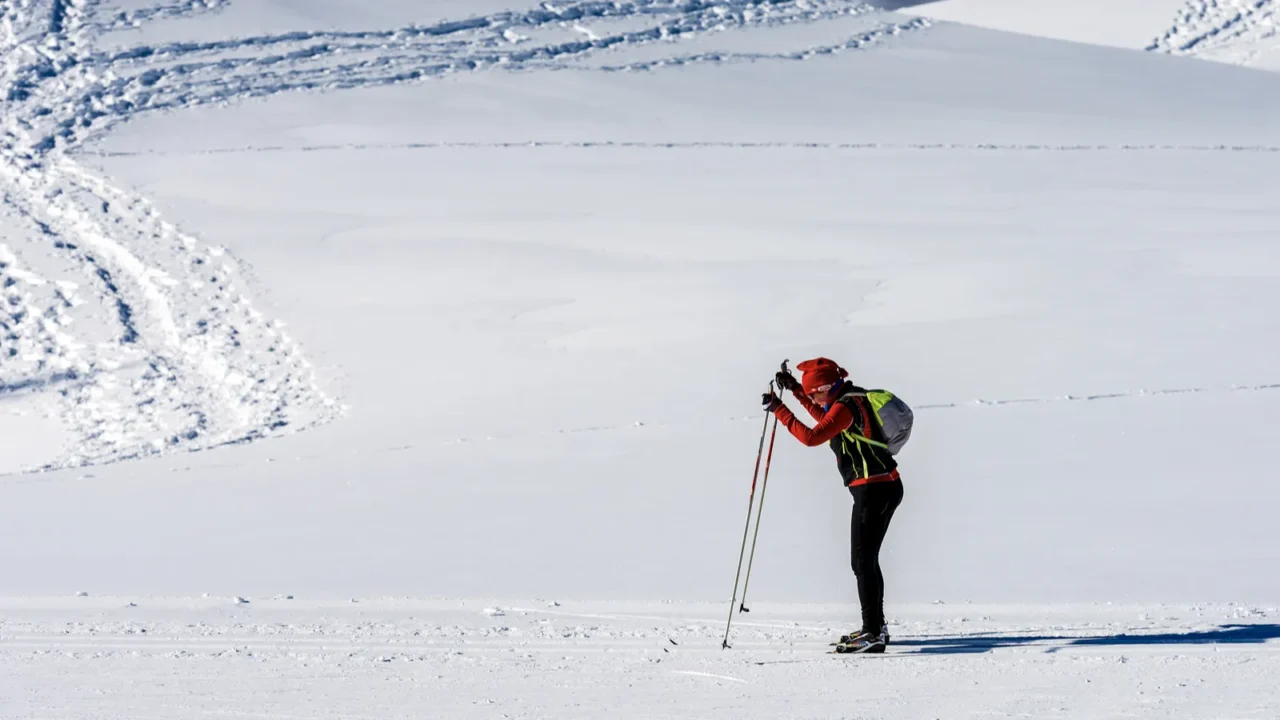
Olympic alpine skiing influences winter sport development worldwide. Countries such as the United States, Norway, and Canada invest in youth programs modeled on European courses, fostering Olympic-level talent.
The 2026 events, from February 7 through 18, impact tourism, infrastructure, and environmental awareness. Olympic venues often remain long-term training centers, shaping local economies and highlighting mountain ecosystems on a global scale.
Athletes shaped by mountains
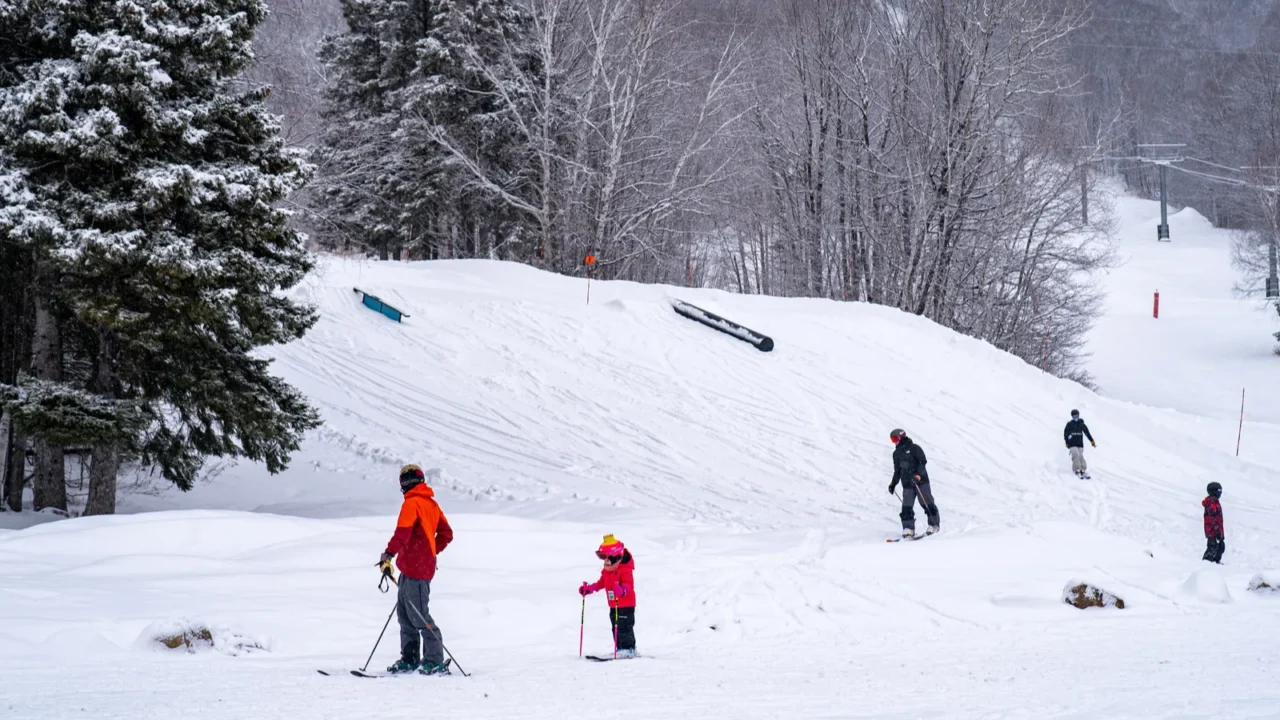
Elite alpine skiers are shaped by the mountains where they train. Towns like Aspen in the United States or St. Anton in Austria provide exposure to altitude, snow conditions, and challenging terrain.
The Olympics amplify this experience by placing athletes on unfamiliar slopes. Success requires adaptability, showing that alpine skiing is not just strength and speed but also mental resilience and environmental awareness under global competition from February 7 to 18.
Weather controls everything
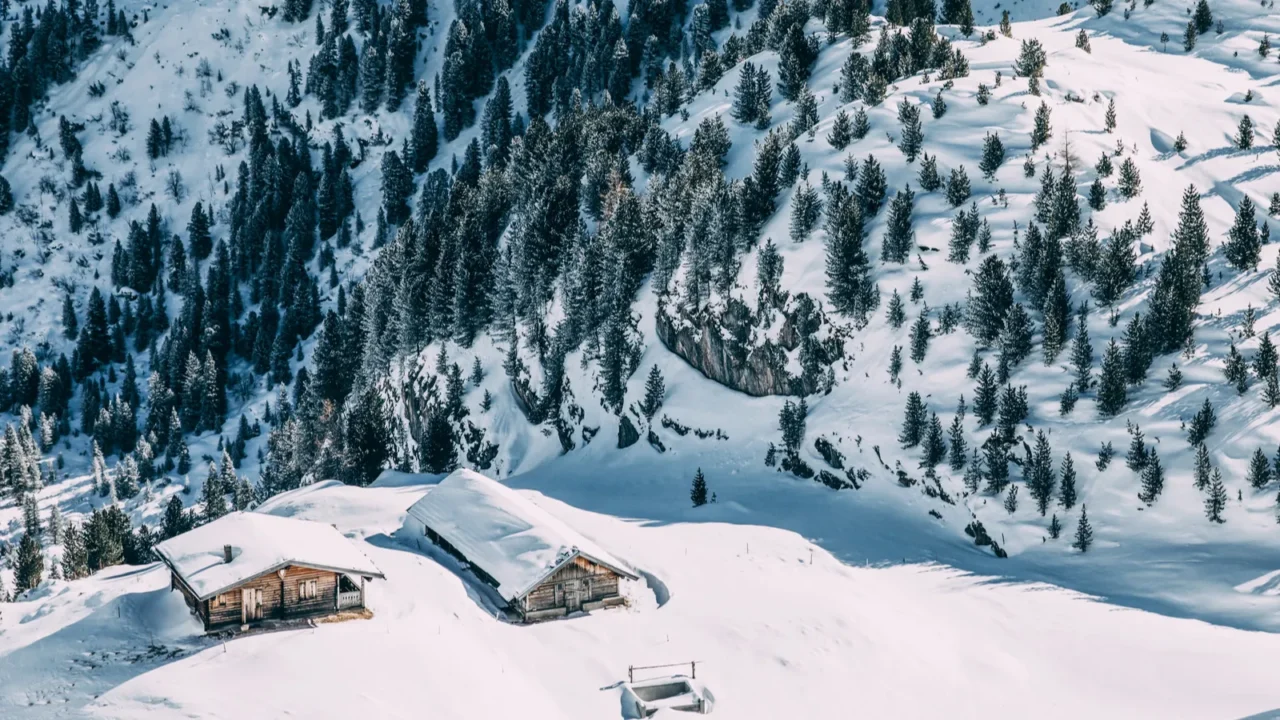
Weather conditions are decisive in alpine skiing, influencing snow consistency, visibility, and race safety. At the 2026 Winter Olympics, organizers rely on temperature and snowfall forecasts to schedule events between February 7 and 18.
Athletes must adjust strategies based on evolving weather. Wind, sun, and fresh snow can change racing lines instantly, making alpine skiing an unpredictable and thrilling Olympic sport, where preparation meets environmental adaptation.
Italy’s iconic courses
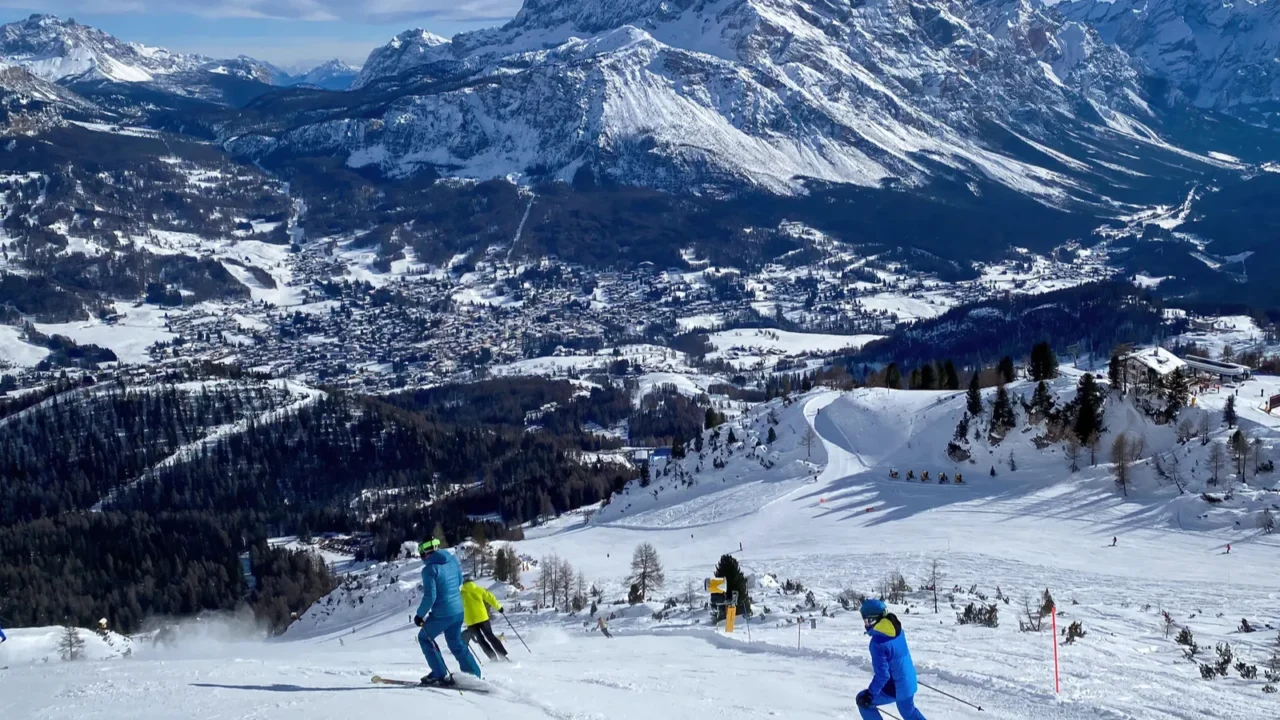
Cortina d’Ampezzo and Bormio feature some of the most iconic Olympic alpine skiing courses. Their vertical drops, technical sections, and natural scenery make them ideal for speed and technical events during February 7–18, 2026.
These venues matter because they challenge the world’s best athletes while showcasing Italian mountain landscapes. Experience the thrill of Olympic racing and immerse yourself in the majestic mountain views that define these legendary slopes.
Alpine legacy and culture
Alpine skiing contributes to national pride, tourism, and winter sports culture. Olympic host towns retain infrastructure that supports athletes and visitors long after February 2026.
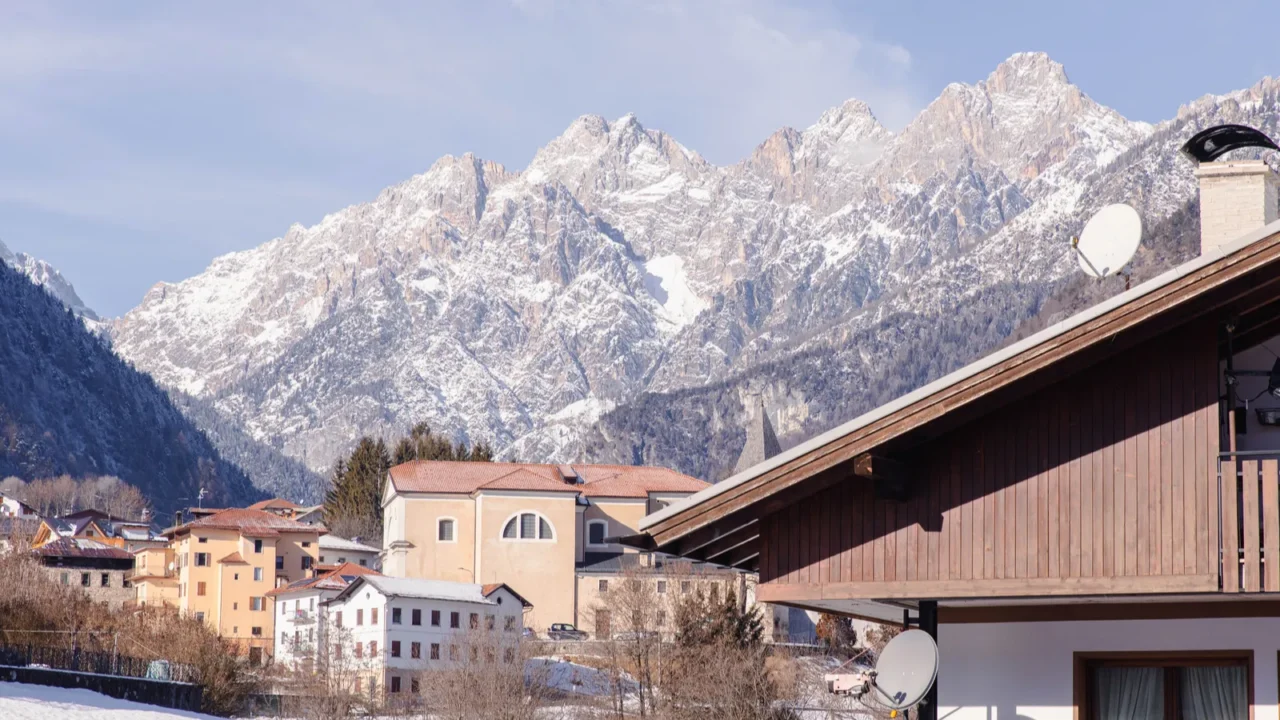
Exploring old towns near Olympic venues highlights how alpine communities have shaped (and been shaped by) skiing culture over generations. Discover the charm and history of the region while strolling through scenic villages that remain a living tribute to the alpine lifestyle.
Have you ever wondered what it feels like to glide down the world’s most challenging slopes while surrounded by breathtaking alpine landscapes?
This slideshow was made with AI assistance and human editing.
Don’t forget to follow us for more exclusive content right here on MSN.
Disclaimer: The images used are for illustrative purposes only and do not depict the actual locations mentioned.
Read More From This Brand:
