Rising airfare Canada to United States
Airfare from Canada to the United States has been increasing noticeably in early 2026, reshaping travel patterns for cross-border holidaymakers and road trip planners. Data from aviation analytics and travel platforms show that average ticket prices on popular routes such as Toronto to Orlando or Vancouver to Los Angeles have climbed year over year, even as overall demand has fallen. These airfare trends are altering expectations for cost and timing among transit planners and leisure visitors heading south of the border.
Airlines serving transborder routes have adjusted capacity and pricing strategies in response to lower passenger volumes and shifting demand patterns. Higher average fares reflect a combination of reduced seat availability and economic responses to weak bookings from Canadian flyers. These dynamics now play a central role in planning trips that might otherwise have relied on cheap cross-border flights. Let’s dive in!
Capacity cuts and pricing shifts
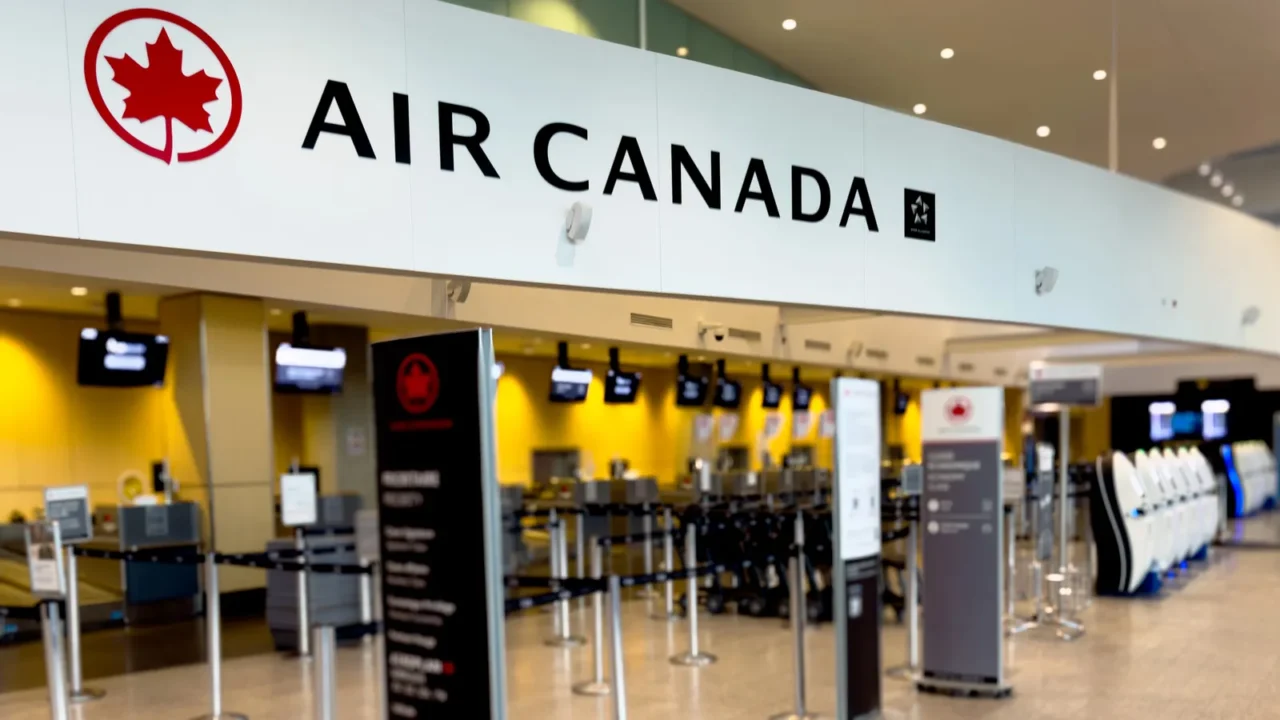
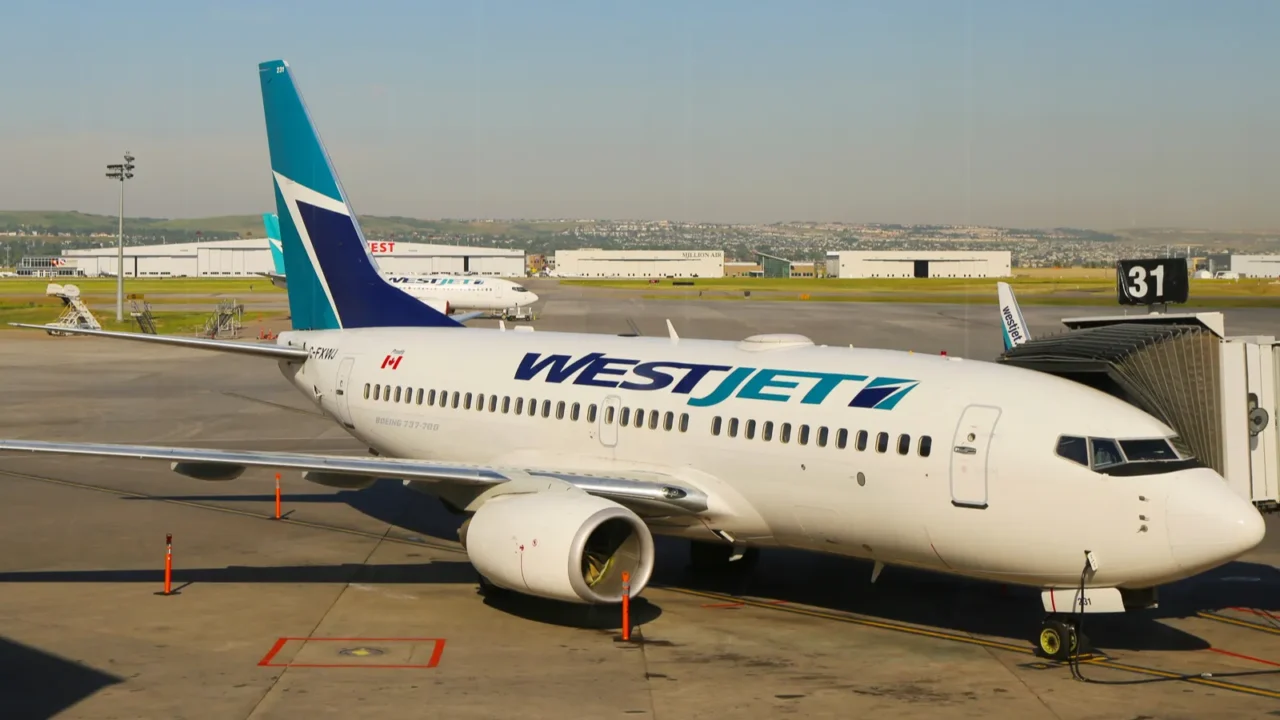
Air Canada, WestJet, and other carriers have cut flight capacity on many Canada-U.S. routes as demand wanes. Reduced frequency means fewer seats overall, which in some cases pushes per-seat prices upward even when demand is weak. This capacity contraction directly affects pricing algorithms used by airlines and booking engines that set fares based on availability and demand balance.
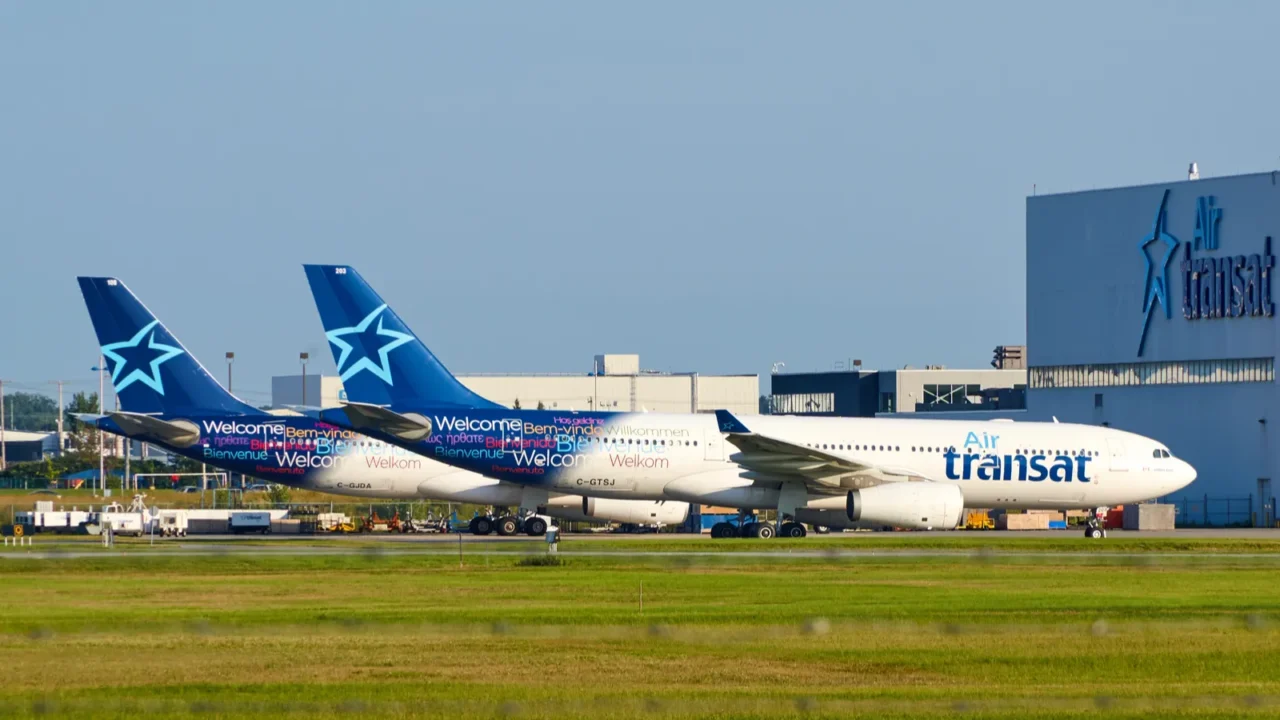
These airlines responded to persistent declines in cross-border travel by reallocating aircraft to other destinations. Flights to Mexico, the Caribbean, and Europe have grown while U.S. routes have shrunk. This shift reinforces less competitive pricing on Canada-U.S. corridors compared with other international sectors.

Demand collapse and price effects
Flight bookings from Canada to the United States dropped sharply in 2025 and into early 2026, reflecting political and economic tensions and travel sentiment. Advanced bookings to the United States remained well below earlier 2024 levels in late 2025 and early 2026 for many transborder corridors, contributing to carriers’ network adjustments and fare-setting changes. As bookings slump, many carriers have explored ways to stabilize load factors through higher fares and reduced capacity, a trend familiar in constrained markets.
Even with weak overall travel demand, specific corridors with limited competitors can see fare spikes. This is especially true when leisure travelers still want to reach popular U.S. cities during peak seasons. Those pricing dynamics are now part of road trip planning conversations for Canadian holidaymakers.

Currency and cost drivers
The Canadian dollar has remained relatively weak against the U.S. dollar in recent months, which increases the effective price of travel for Canadian holidaymakers. When conversion rates put greater pressure on spending south of the border, airline ticket pricing can feel steeper even if published fares have not changed dramatically. Currency impacts also influence overall travel budgets, including gas, lodging, and food costs once across the border.
When combined with elevated airfare, a weaker currency encourages some travelers to reconsider whether flying or driving makes more financial sense. This shift has increased interest in longer car road trips, particularly through the Great Lakes and Pacific Northwest corridors. Border road travel retains flexibility and a sense of control over cost, especially for families and cost-conscious holidaymakers.
Border sentiment and travel demand
Political and social perceptions have also played a role in driving changes in Canadian travel patterns to the U.S. Many published travel surveys note that a mix of political rhetoric, border processing issues, and safety concerns has dimmed interest in traditional U.S. flight routes. This sentiment has contributed to lower bookings and airlines’ willingness to raise or maintain higher airfare levels on remaining routes.
Perceptions about border control and immigration policy have made cross-border flying less attractive for some Canadians. These perceptions influence not only bookings but also pricing strategies among carriers that must gauge demand shifts. Ultimately, overall sentiment affects airlines’ incentives to keep prices low on certain corridors.

Planning for road trips
As airfare rises and cross-border flight options diminish or cost more, many Canadians are looking to border road trip alternatives. Traveling by car across the Windsor and Detroit border crossings or via the Pacific Northwest allows visitor groups to maintain flexibility with lodging and itinerary changes. Road trips can result in cost savings on airfare and may offer greater autonomy for multi-stop itineraries that include national parks and smaller U.S. towns.
For families, road trips also allow packing flexibility, more luggage space, and the ability to sidestep issues like strict airline baggage fees or weight limits. Holidaymakers often use major corridors such as Quebec-Vermont, Ontario-Michigan, and Western Canada-Washington State routes when planning summer travel. With airfare rising, road travel planning tools and apps are seeing higher engagement from Canadian travelers.

Alternative destinations rising
As Canada-U.S. flight fares rise, other destinations have gained popularity among Canadian leisure travelers. Mexico, the Caribbean, and Europe all saw growth in inbound bookings from Canadian cities. This shift reflects both the value perceived abroad and relative stability in airfare pricing to popular beach and cultural destinations.
These alternative routes often benefit from competitive capacity and international promotions that stimulate demand. Airlines are redirecting capacity accordingly, creating a feedback loop that supports growth in non-U.S. sectors. As a result, travel planners are increasingly evaluating multi-destination itineraries that hit more than one region on a single trip
Seasonal variation impacts pricing
Airfare volatility between Canada and U.S. cities also reflects seasonal travel patterns. Summer and winter break periods typically see higher average fares on many short-haul routes because demand spikes during holiday travel windows. With capacity constrained and booking volumes volatile, airlines find opportunities to adjust seat pricing accordingly.
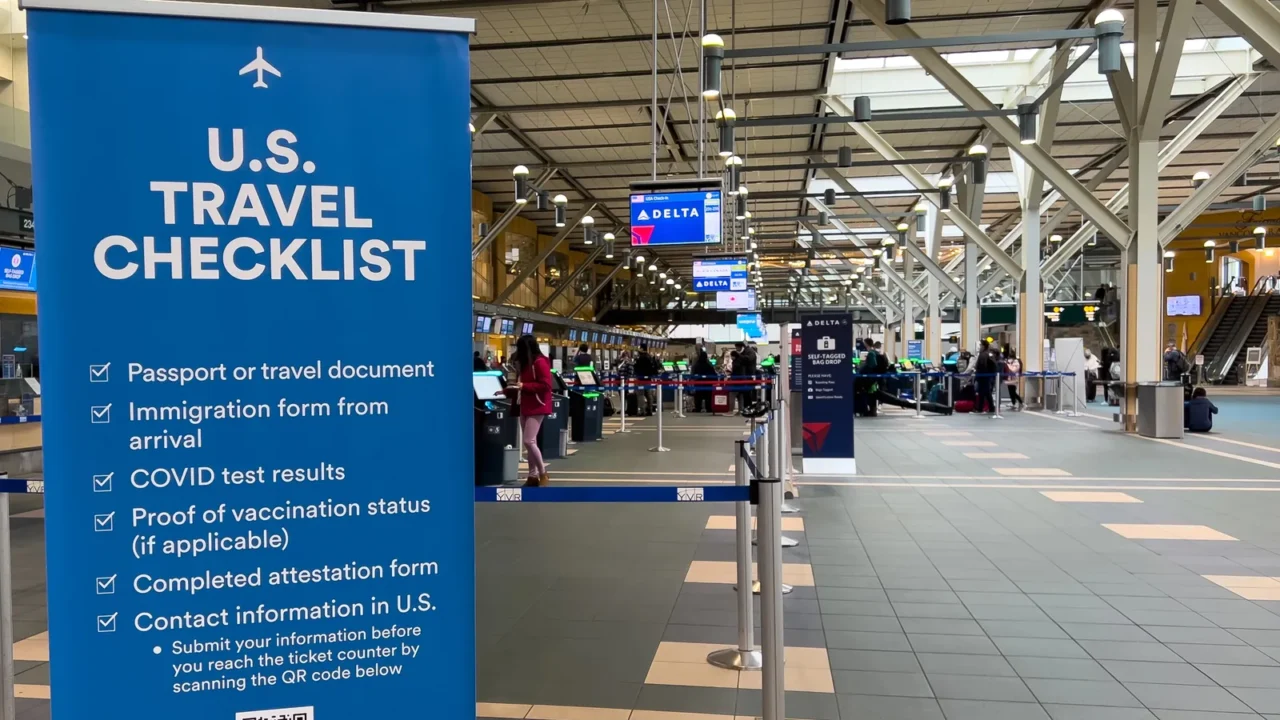
Travel through major hubs such as Toronto Pearson (YYZ), Vancouver International (YVR) and Montréal–Trudeau (YUL) often sees sharper fare increases during peak periods. These hubs serve as gateways to U.S. leisure centers like Orlando, New York, and Las Vegas. Seasonal price shifts now form part of Canadians’ fiscal calculations when choosing between flying or taking a scenic road trip across the border.
Airline strategy adjustments
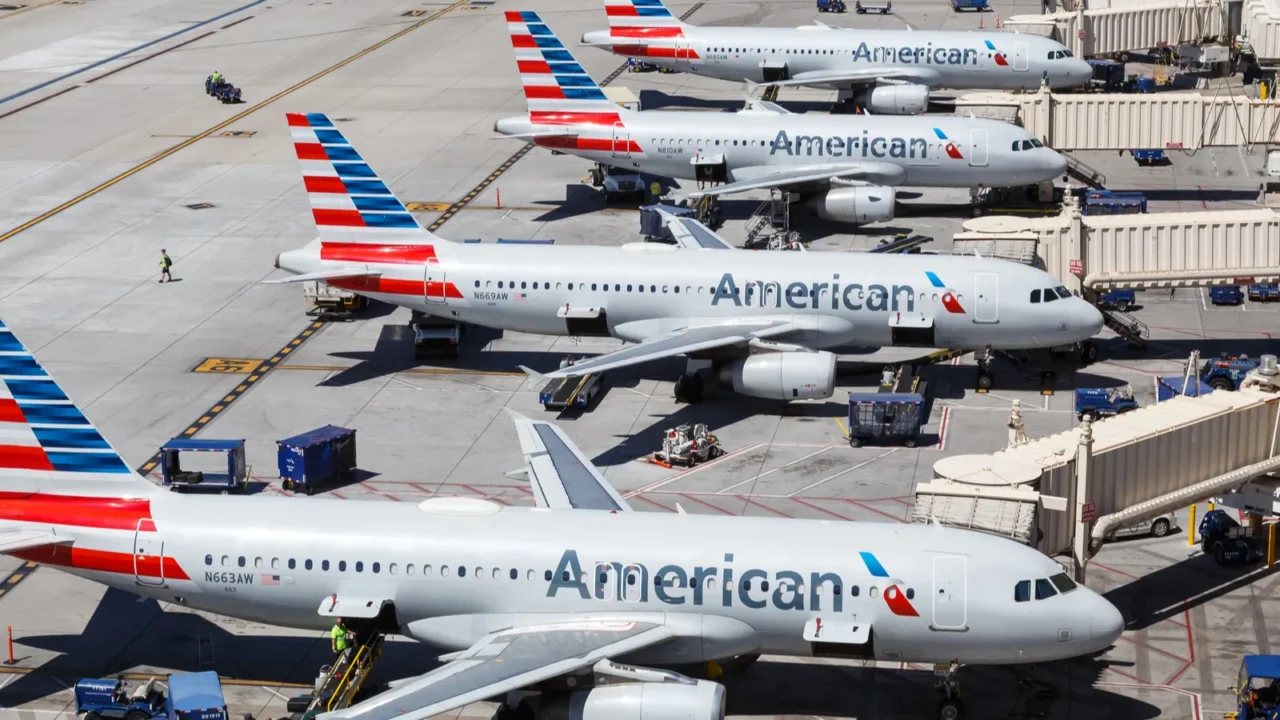
Airlines have adopted strategic adjustments beyond simple pricing responses to weaker Canada-U.S. demand. For example, American Airlines has expanded select routes from New York’s JFK to Canadian destinations even as capacity on other corridors. This approach aims to balance route portfolios and tap pockets of stable demand.
Such strategy shifts influence airfare pricing as carriers balance supply and demand across international networks. Airports like Toronto Pearson continue to be focal points for these tactical adjustments. Airlines’ revenue management teams now consider broader global travel patterns when setting Canada-U.S. fares.

Family travel considerations
For families planning trips in 2026, rising airfare will influence timing, destination choice, and overall budget. Many holidaymakers are deciding to drive across the border rather than book costly flights, especially for shorter distances. When airfare exceeds a threshold relative to gas and accommodation costs, road travel becomes more competitive and appealing.
Families with young children often value the flexibility of border road trips, which allow for more stops and leisure time along the way. These trips can be tailored to interests like national parks, theme parks, and historical towns that lie beyond major airport hubs. As airfare spikes persist, family road trip guides and itineraries are gaining traction on travel planning platforms.
Economic ripple effects
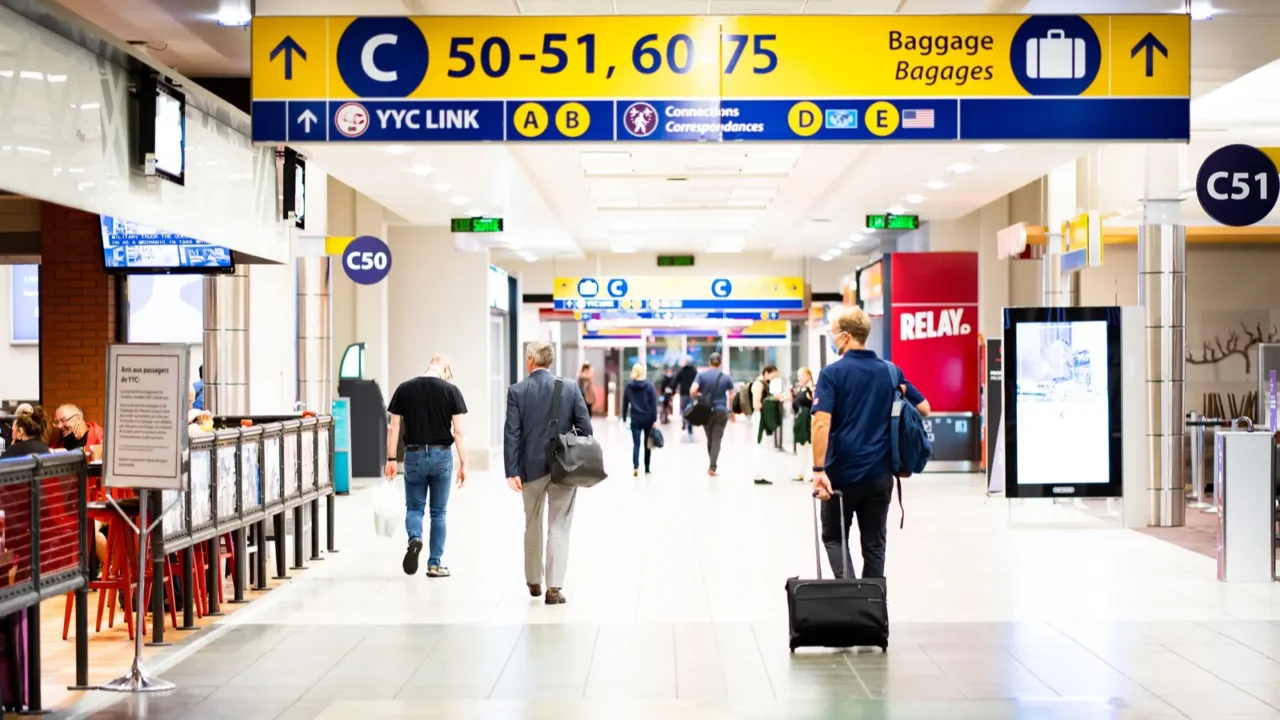
Rising airfare from Canada to U.S. cities also affects economies on both sides of the border. Canadian airports reporting lower transborder traffic may see declines in ancillary revenue from parking, retail, and airport services. U.S. border cities that traditionally rely on Canadian visitors for tourism revenue could see downward pressure on spending at hospitality venues.
Despite these shifts, some sectors may benefit from rerouted travel patterns. Resorts and travel vendors in Mexico, the Caribbean, and Europe see increased Canadian bookings. This redistribution of travel demand could offset some losses in border town economies.

Planning tips for travelers
Given these pricing patterns, Canadian travelers are advised to plan transborder travel very far in advance to lock in more favorable rates. Early booking, flexible dates, and open-ended itineraries can help mitigate peak-period pricing, especially as discussions around how Canada’s citizenship changes could impact immigrants worldwide add another layer of uncertainty to long-term travel planning.
Car travel options remain a strong alternative for those seeking cost predictability and scenic routes. Drivers can enjoy major interstates like I-75 for Midwest trips or I-5 for western excursions. With airfare and border travel evolving, consumers are using multiple tools to build efficient and affordable trip plans.
Airfare realities and road trips
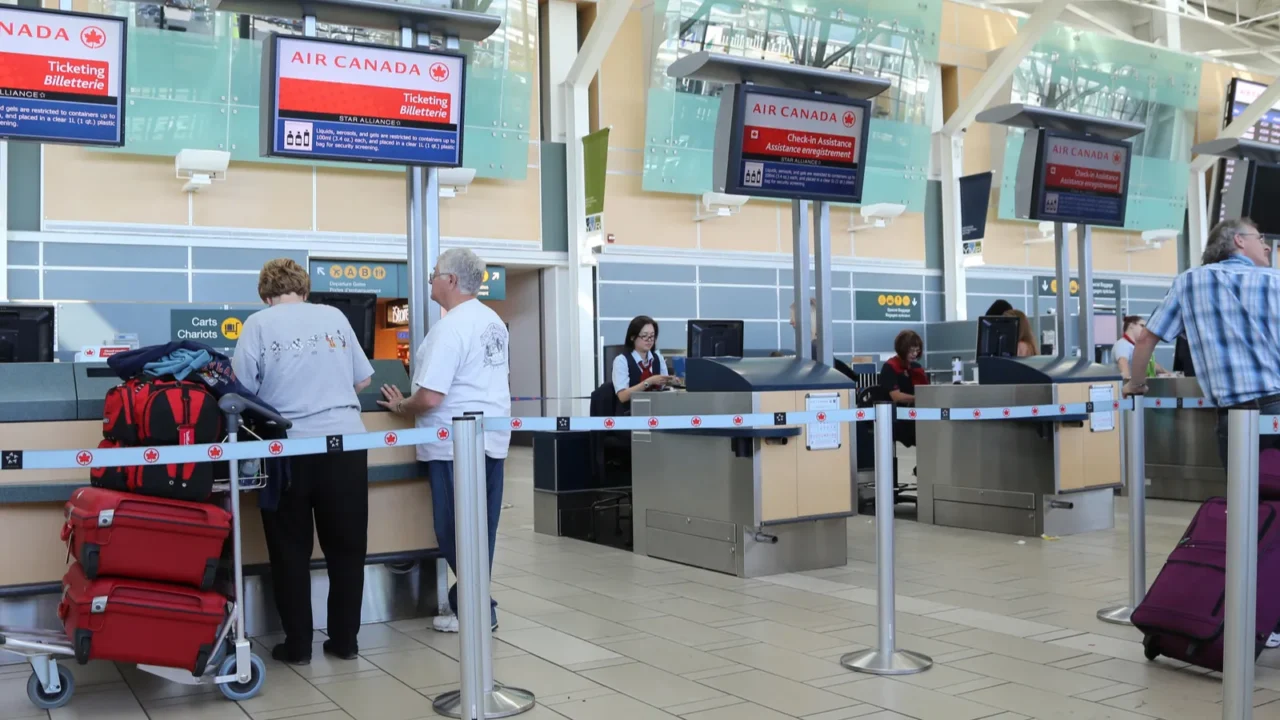
Airfare from Canada to the U.S. continues to reflect broader travel and economic dynamics in early 2026. Airlines’ capacity cuts, demand shifts, currency fluctuations, and traveler sentiment all factor into elevated pricing. For many border travelers, these changes have prompted a renewed focus on road trip options that trade flying costs for flexibility and exploratory stops.
Which border road trip routes between Canada and the U.S. feel most appealing given rising airfare costs and evolving travel preferences in 2026? Share thoughts and experiences below.
This slideshow was made with AI assistance and human editing.
Don’t forget to follow us for more exclusive content right here on MSN.
Read More From This Brand:
