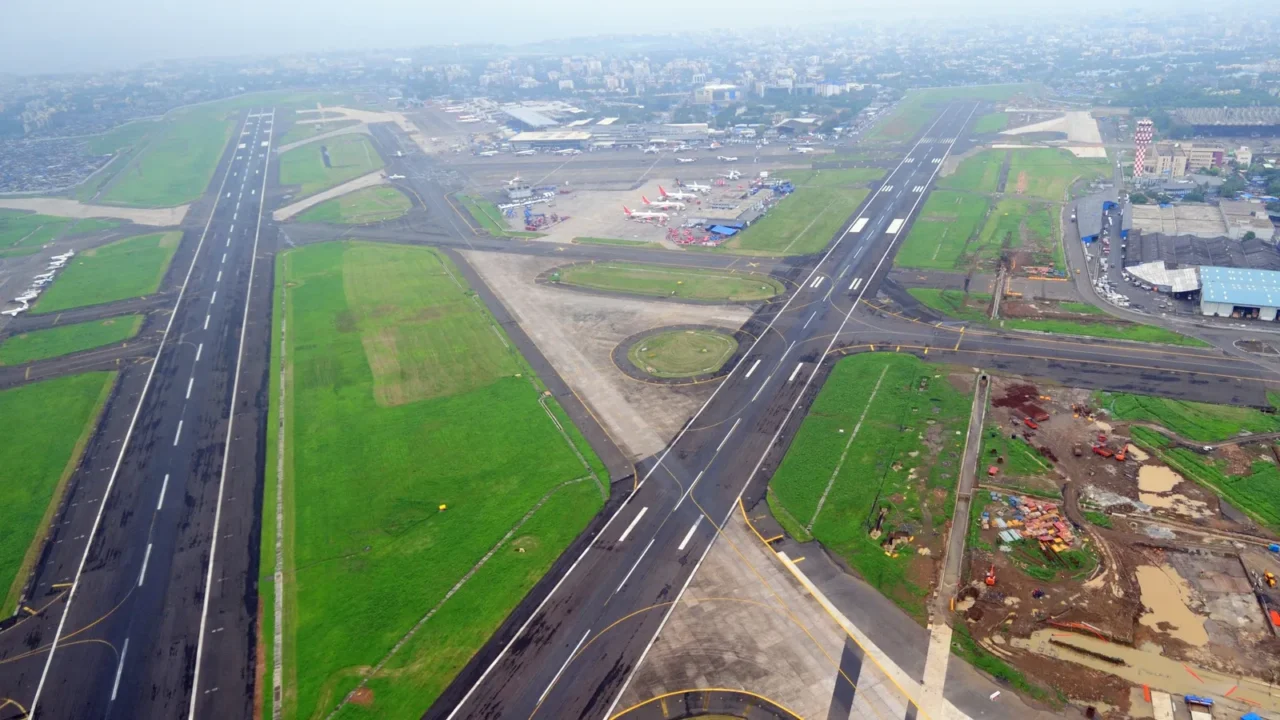
Green runways explained
Green runways are gaining attention as airports try to cut emissions during takeoff. Travelers are curious because this shift feels like a real step toward cleaner flying. The idea sounds technical, but the benefits are easy to understand once the basics are clear.
These runways guide aircraft through smoother departures that use less fuel. They rely on smarter routing and better ground planning to limit long waits. It is a fresh direction that many airports see as a chance to modernize, so let’s get to it!
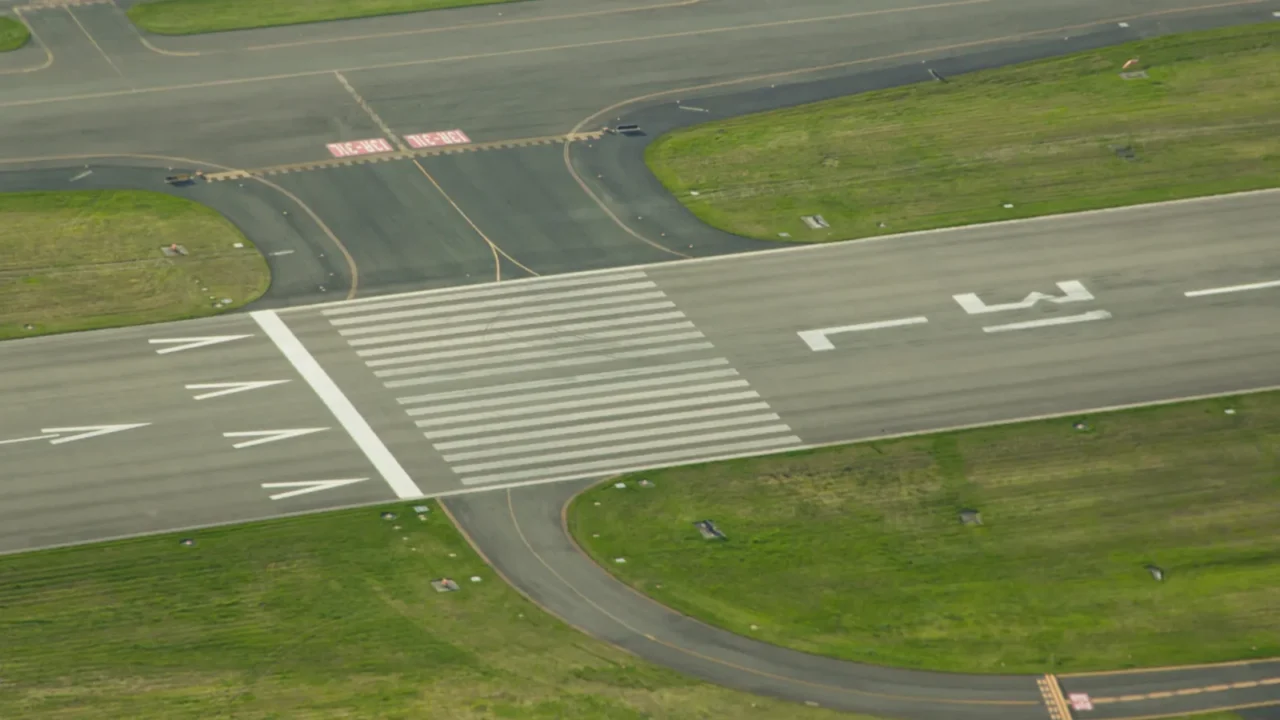
Why airports care
Airports are under pressure to reduce their climate impact as flight traffic continues to grow. Many of them are now exploring ways to make takeoff more efficient without hurting operations. Green runways offer a solution that fits into this growing priority.
They give aircraft a cleaner start by reducing unnecessary fuel burn. They also help airports meet modern sustainability goals that travelers expect. This makes the shift feel both practical and future-focused.
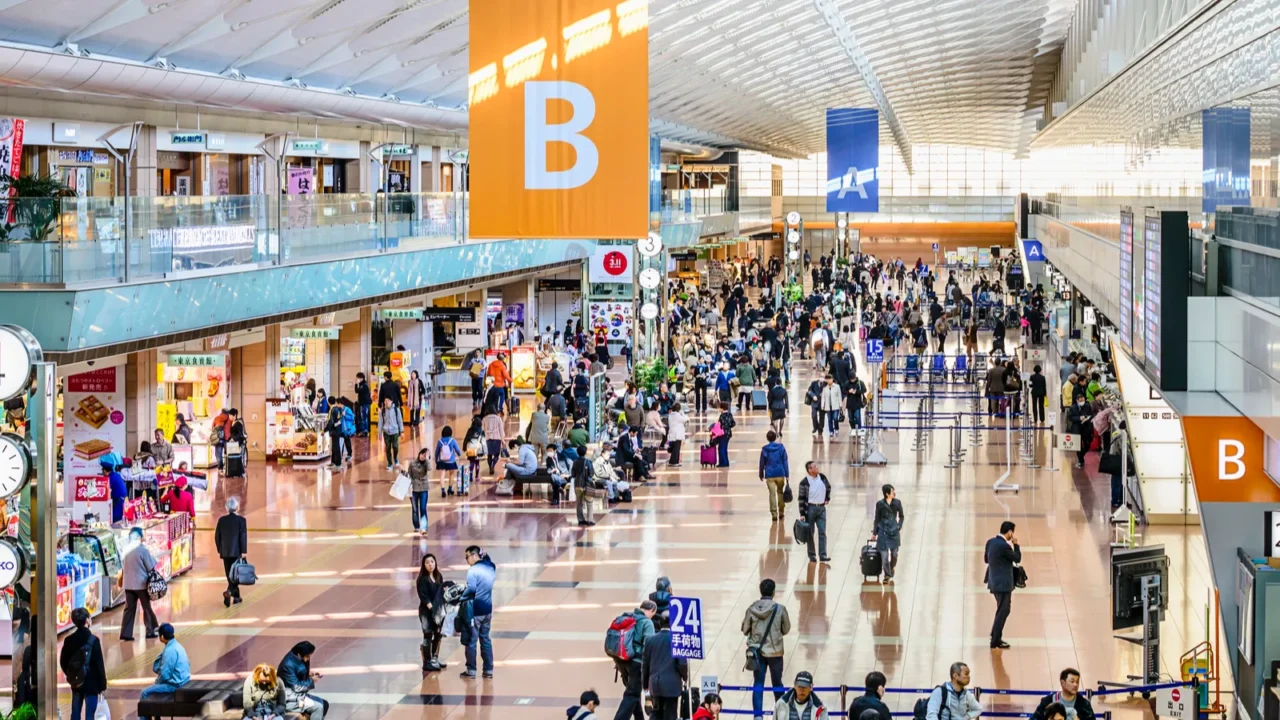
Challenges ahead
Some older airports need major upgrades before switching fully to green runways. These updates cost money and require detailed planning. It may take time to reach full adoption across every region.
Training is another challenge since ground crews must learn new routines. Pilots also need time to adjust to updated departure paths. The shift is real, but progress depends on steady coordination.
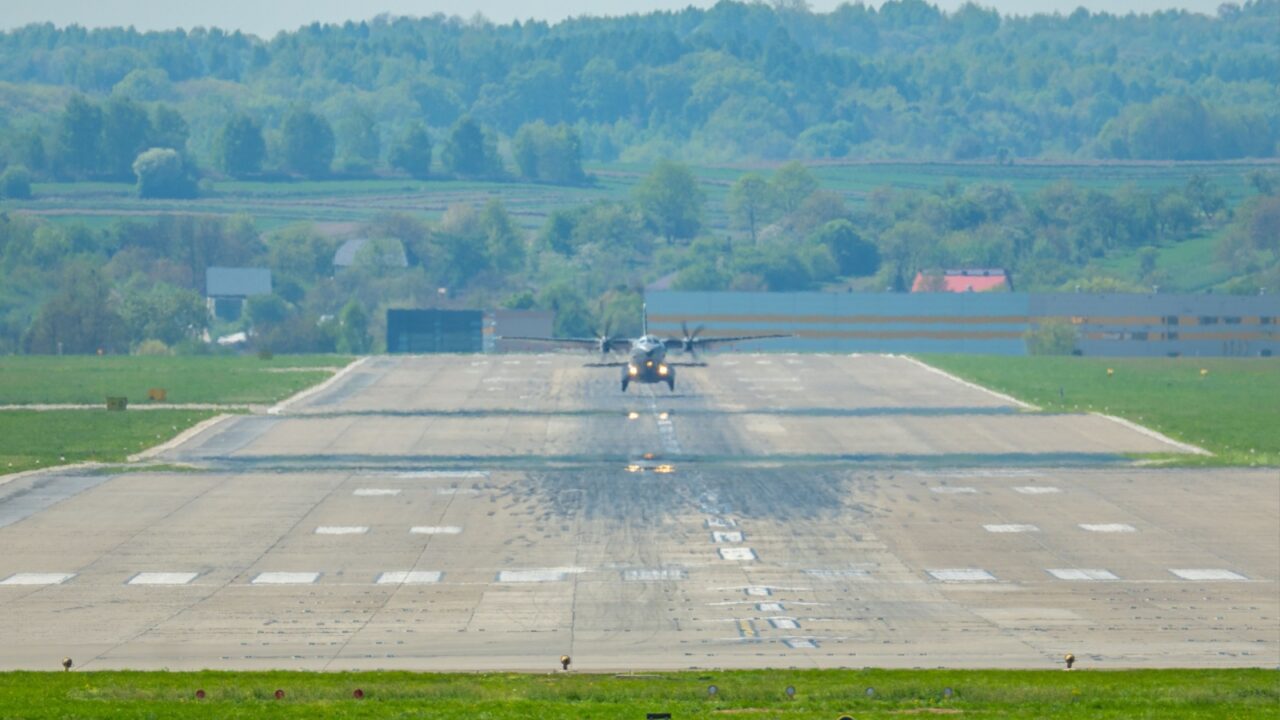
How they work
Green runways use advanced planning tools that direct aircraft through smoother departure paths. These tools predict traffic flow so aircraft do not sit idle on the ground. Less idling means less fuel waste during busy hours.
The system also times departures so engines run only when needed. This helps pilots avoid long queues and slow movement. It is all about guiding aircraft into the sky with fewer delays and cleaner results.
Fuel savings explained
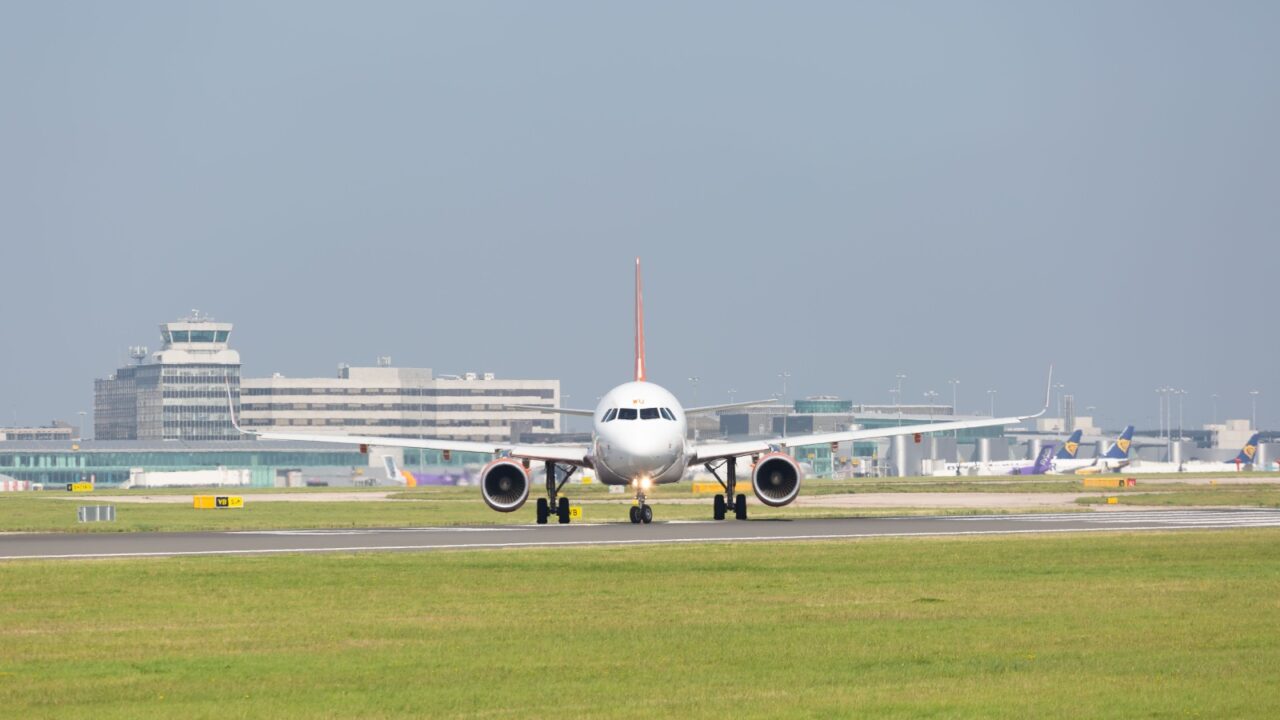
Fuel burn is highest during takeoff, so trimming even a small amount makes a noticeable impact. Green runways help cut this by reducing throttle use on the ground. They also make the climb more efficient, which keeps engine strain lower.
Airlines appreciate the savings because fuel is one of their biggest expenses. These savings also support cleaner operations across fleets. It becomes a win for efficiency and sustainability at the same time.
Tech behind the shift
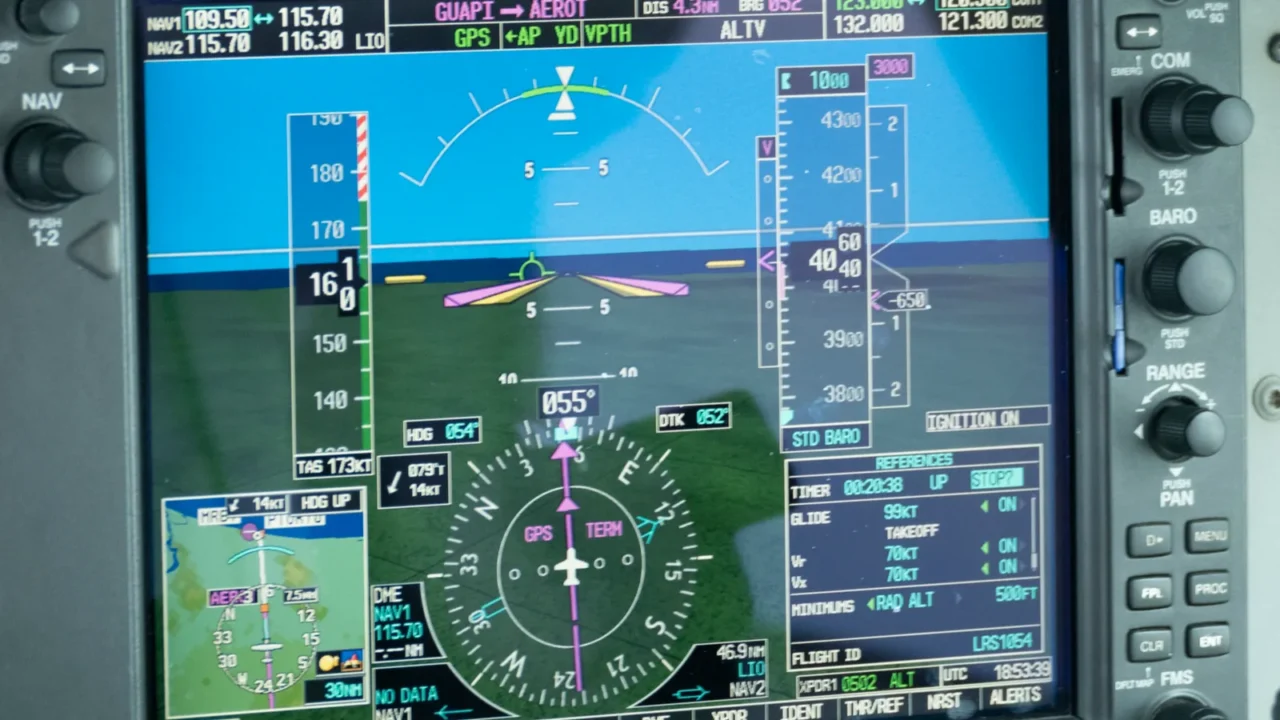
Airports use digital mapping tools to plan cleaner departures long before aircraft move. These tools track real-time traffic and weather to shape the perfect route. They also alert crews when conditions shift.
The technology updates constantly, so aircraft always get the most efficient path available. That means fewer backups and less wasted fuel across the day. It is a smart upgrade that pushes airports toward modern standards.
Global adoption grows
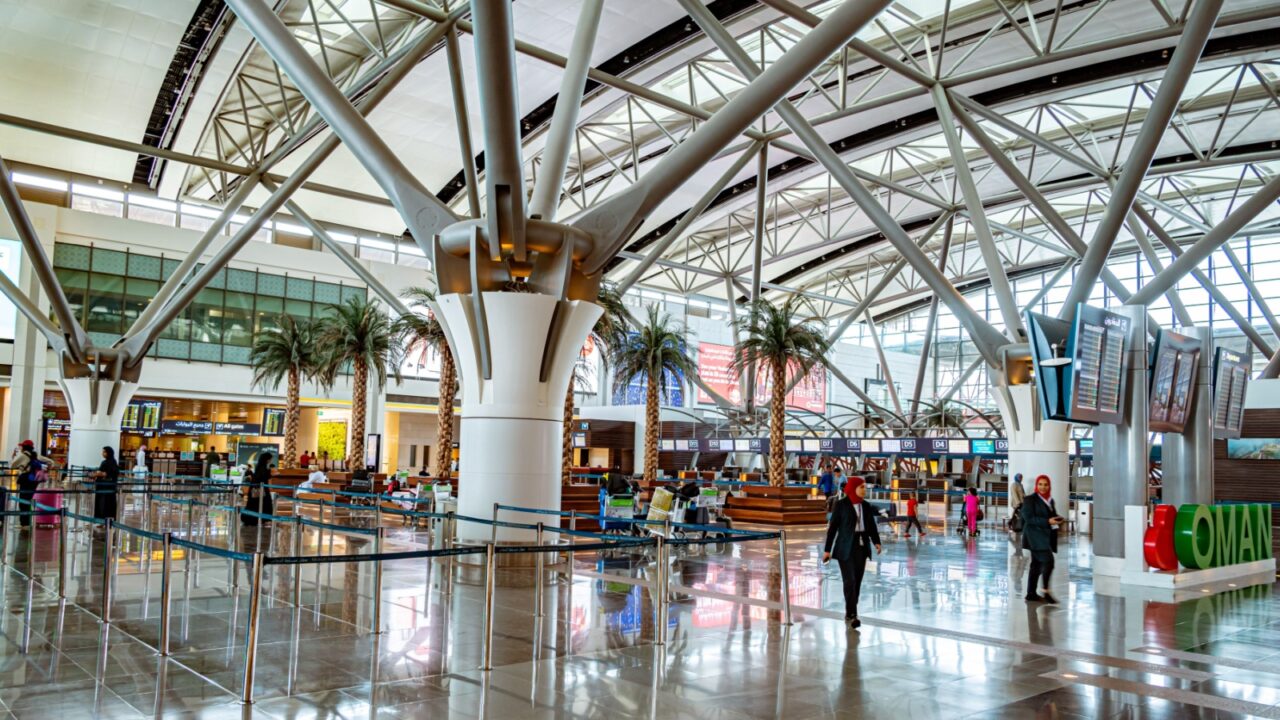
Airports in Europe and Asia are adopting these systems faster than expected. Many of them see green runways as a long-term investment. Their early success encourages others to join.
North American airports are testing similar programs across major hubs. These trials help fine-tune the process before larger rollouts. Growth is steady as the results speak for themselves.
Ground delays reduced
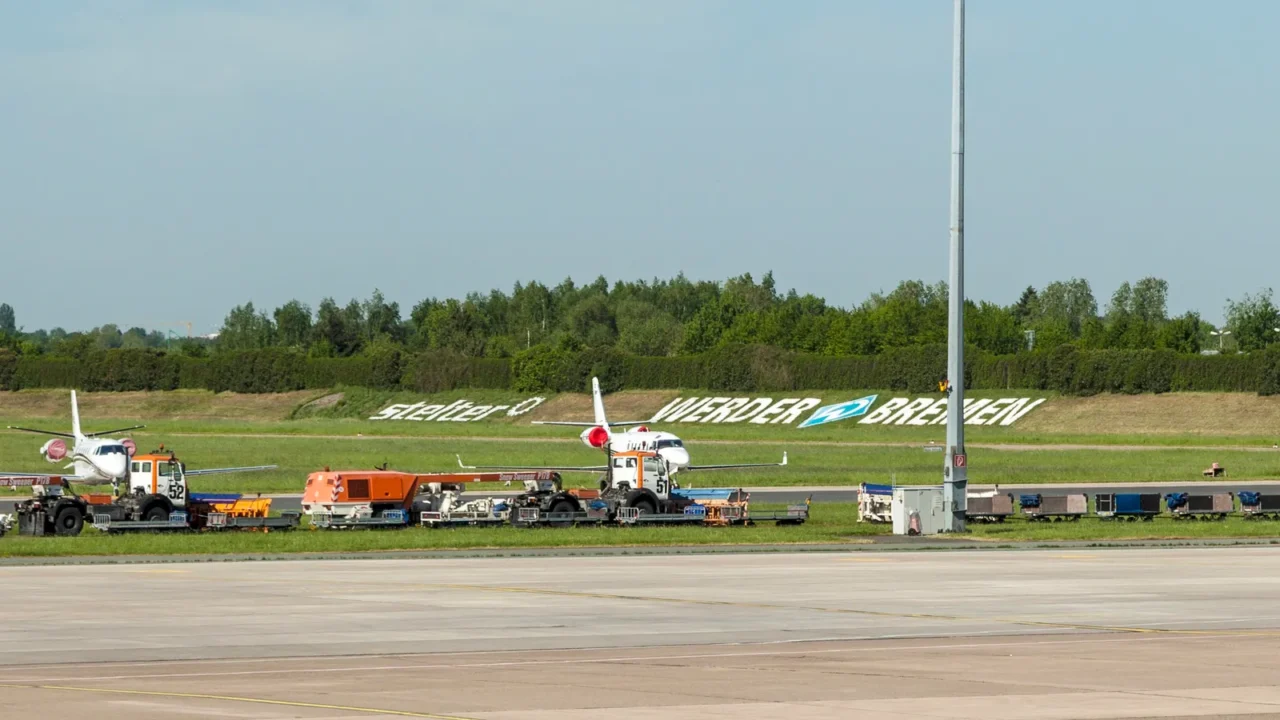
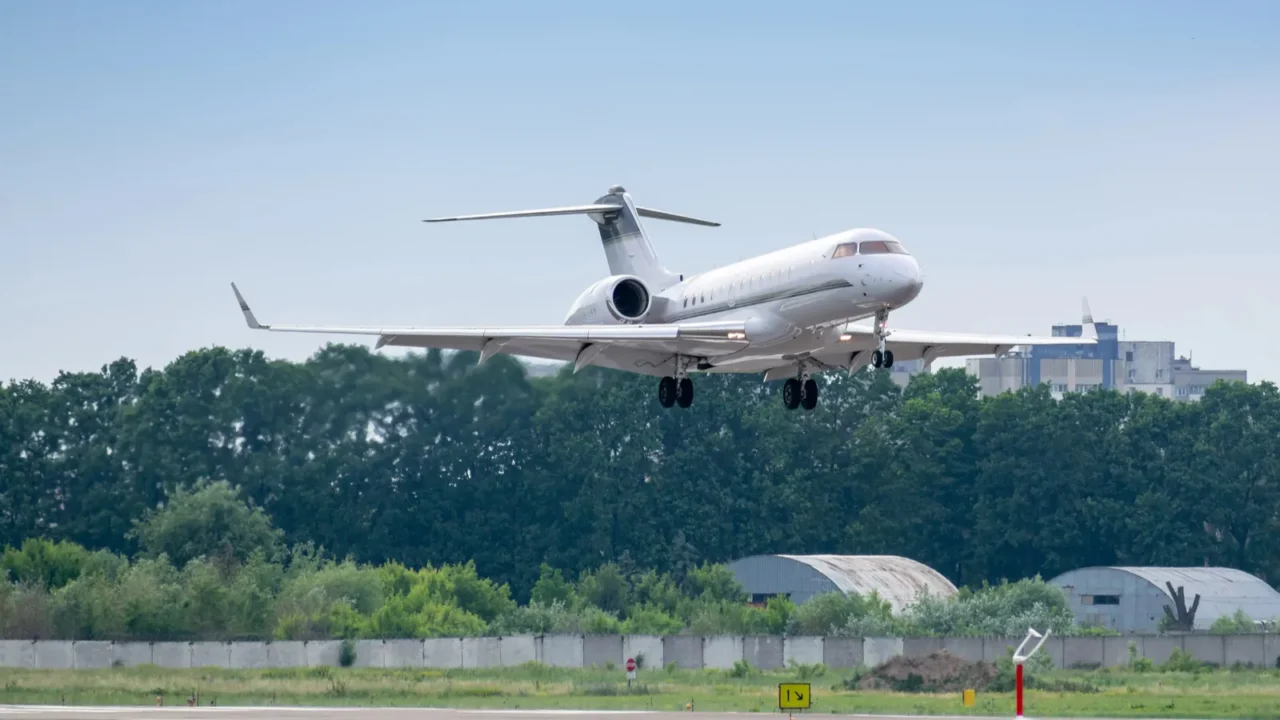
Long ground delays are a major source of unnecessary emissions. Green runways help because they send aircraft out only when departure space is ready. This creates a steady flow instead of long lines.
It also lowers the chance of stop-and-go movement that burns fuel without progress. Travelers end up with shorter waits that feel less frustrating. Airports see smoother pacing across busy periods.
Cleaner airport zones
Airports with green runways report lower pollution around taxi zones. The cleaner movement comes from engines running less before takeoff. This keeps air quality healthier for staff and visitors.
Some airports also use electric ground vehicles that support the same effort. Together, these steps create a more breathable environment. It feels like a meaningful shift for crowded terminals.
Airline benefits
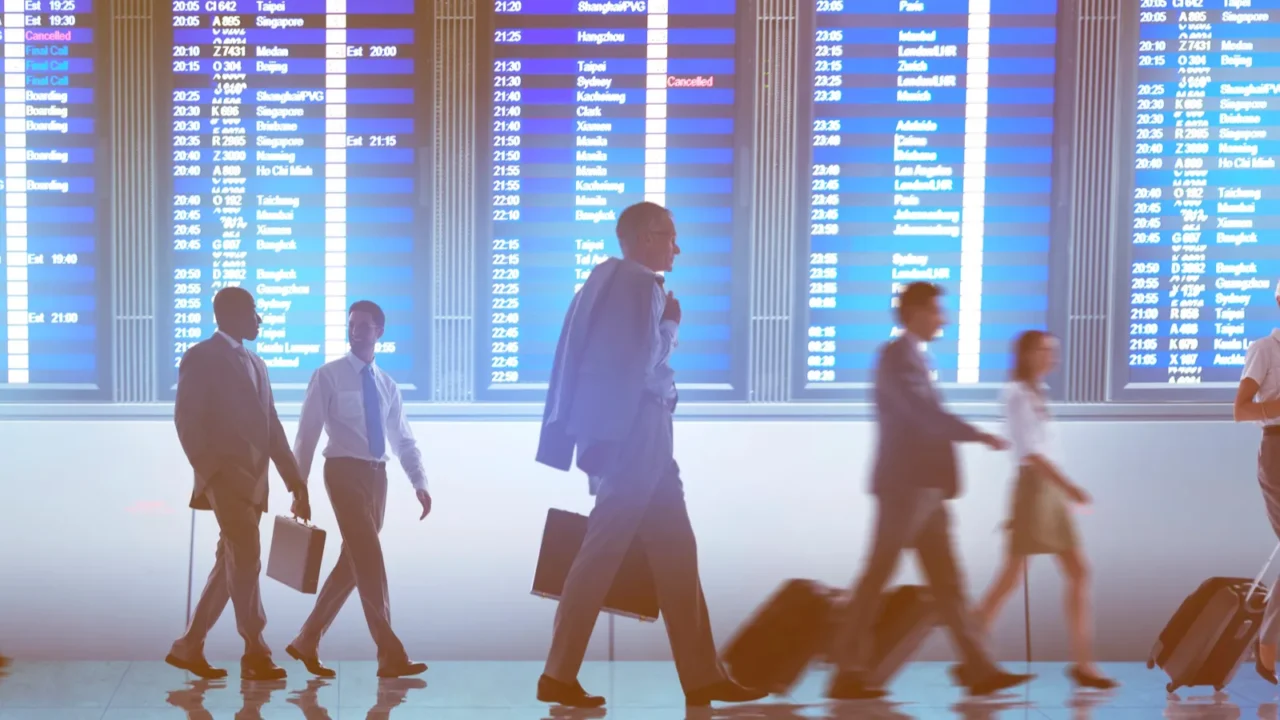
Airlines value green runways because they improve on-time performance. Better flow means fewer delays that ripple through the day. It also helps airlines keep schedules consistent during peak seasons.
The reduced fuel burn lowers operating costs across long routes. Savings can be reinvested into newer fleets or cabin upgrades. Travelers see a cleaner and more reliable flying experience.

Traveler experience
Travelers often notice smoother departures as aircraft roll out with less waiting. The gentle climb feels steadier when the route is optimized. This creates a calmer start to many flights.
Some airports also share updates about green runway programs on screens and apps. This helps travelers understand the improvements around them. It builds trust in airports working toward cleaner operations.
Smarter takeoff paths
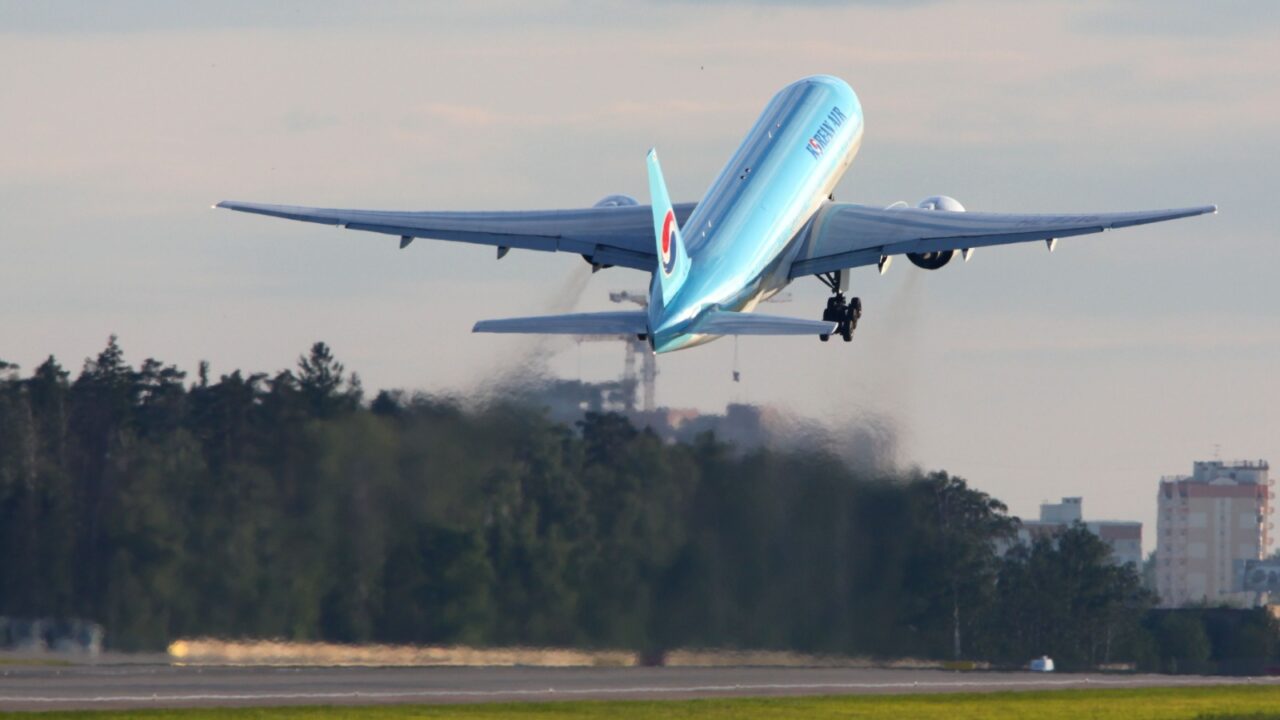
These runways use optimized climb routes that limit heavy engine power at low altitudes. Airports design these paths after studying wind patterns and terrain. This lets aircraft ascend in a cleaner and steadier way, especially as changing policies and environmental regulations continue to shape aviation priorities worldwide.
Smarter paths keep aircraft from zigzagging or slowing down after liftoff. The more direct the climb, the lower the emissions. Travelers benefit from a smoother takeoff that feels calm and controlled.
A cleaner future
Green runways show how small changes can bring meaningful benefits. Airports that embrace this shift give travelers cleaner and smoother departures. It is a step that supports the future of flying practically.
More airports are exploring this direction as global travel evolves. The balance between efficiency and responsibility is becoming a priority.
Which airports do you think should adopt green runways next? Let us know your thoughts!
Read More From This Brand:
- The Fall Guy phenomenon is making Australian filming sites trend on TikTok
- Remote Canadian lakes where stars seek solitude and reflection
- Exploring the shift in African-American migration patterns in the U.S.
Don’t forget to follow us for more exclusive content right here on MSN.
This slideshow was made with AI assistance and human editing.
