
America’s great internal migration
The United States has long celebrated the freedom to move. For decades, certain states held an almost mythological appeal, sun-drenched coastlines, thriving cities, and the promise of reinvention. But something has shifted. Census data and tax records now confirm a dramatic pattern: Americans are leaving once-beloved states in record numbers.
Rising housing costs, punishing tax burdens, and post-pandemic lifestyle changes have all played a role. States that once symbolized opportunity are now places millions feel compelled to escape rather than chase.
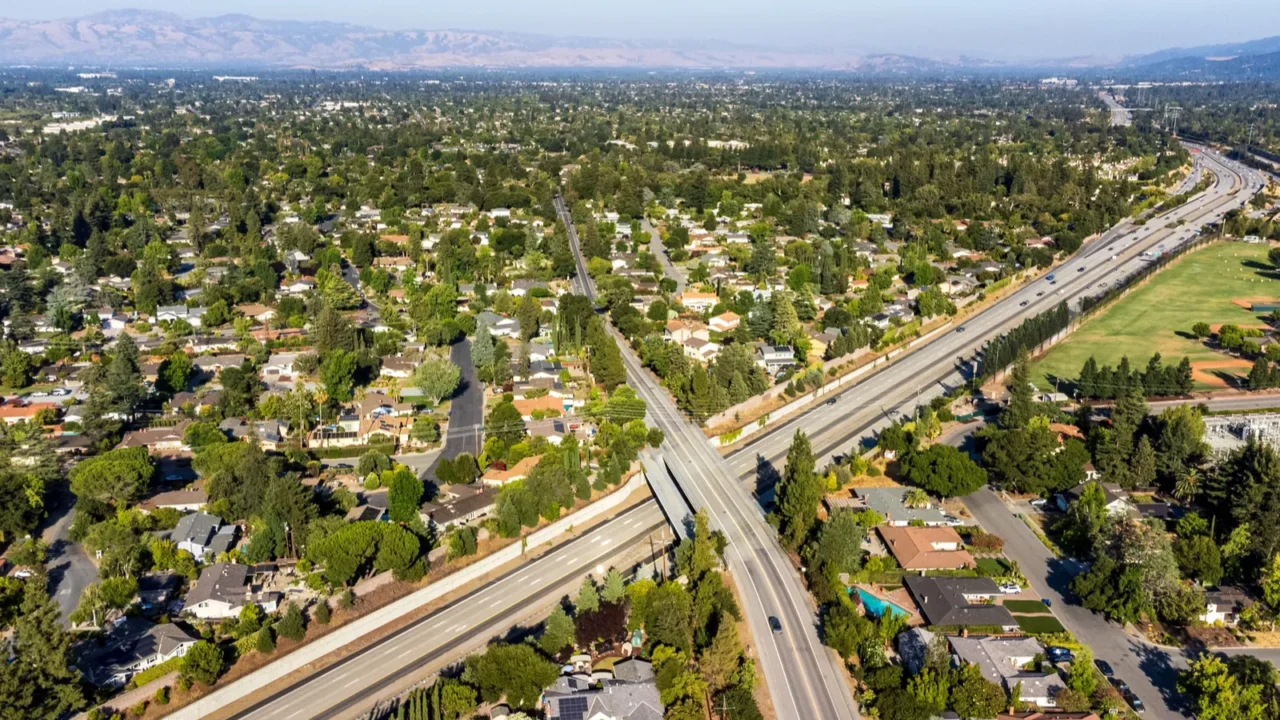
California
California once had a pull unlike any other state. Warm weather, booming tech corridors, and cultural prestige made it a dream address for generations. But today, more people are leaving than arriving, confirmed by consecutive years of net population loss.
California’s statewide median existing-home price topped $800,000 at points in 2024–25, and the state continues to have among the highest housing costs in the nation. For middle-class families, the math stopped making sense a long time ago.

Chicago
Chicago rivaled both coasts for much of the 20th century as a center of culture and commerce. But Illinois has been losing residents for nearly a decade, and Chicago sits at the center of that decline, shedding roughly 45,000 people between 2020 and 2022.
Crime statistics and pension-driven instability have deeply eroded confidence. Younger working-age adults make up the largest share of those leaving Illinois, a demographic shift with consequences that run far deeper than the raw numbers suggest.

Hawaii
Few places carry the romantic weight that Hawaii does. Volcanic coastlines, perpetual warmth, and a pace of life that feels like an antidote to the mainland’s relentless grind have made it an enduring American fantasy. But residents are leaving, and the reasons cut straight through the postcard image.
Hawaii carries the highest cost of living of any U.S. state. Multigenerational island families increasingly report they simply cannot afford to stay where their roots run deepest.
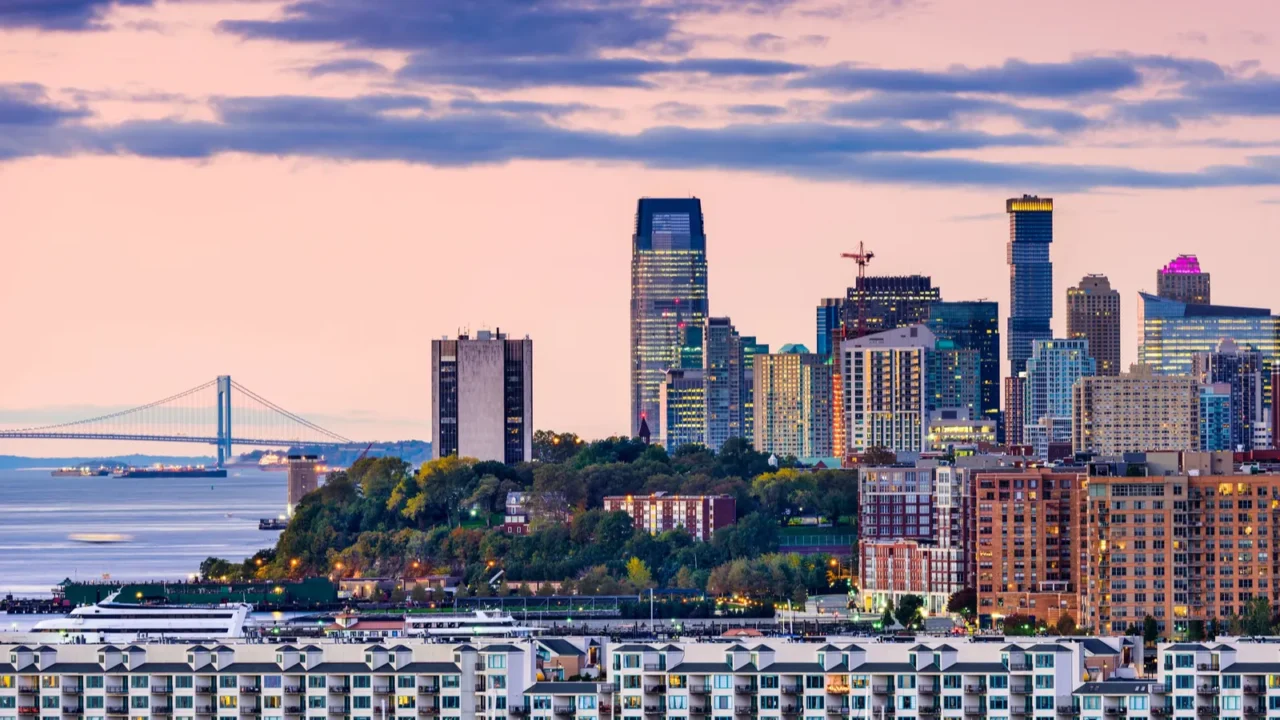
New Jersey
New Jersey sits between two world-class cities, boasts strong schools, and once attracted ambitious families nationwide. Yet it consistently ranks among the top states for outmigration, and most residents can name the reason without hesitation: taxes.
New Jersey regularly reports one of the nation’s highest average property tax bills (about $10,000 in recent reporting) and a top marginal state income tax near 10.75% for high earners, factors that push some residents toward lower-tax Sun Belt destinations.
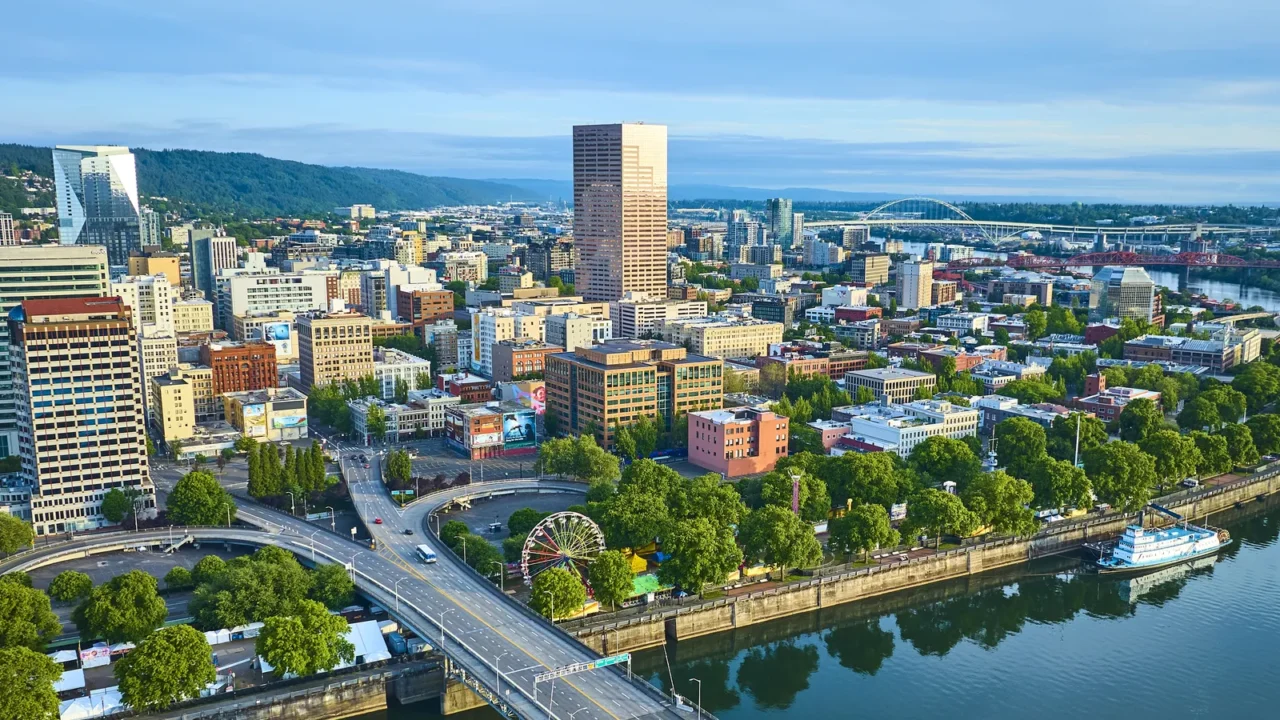
Oregon
Oregon built its reputation on livability, and Portland became cultural shorthand for a creative, progressive, outdoorsy American life. For much of the 2010s, it felt like one of the most desirable cities in the country. But Oregon recorded net outmigration for the first time in decades between 2021 and 2023.
Portland’s struggles with homelessness reshaped its reputation dramatically. The city’s drug decriminalization experiment was reversed in 2024 after data showed worsening outcomes across the board.
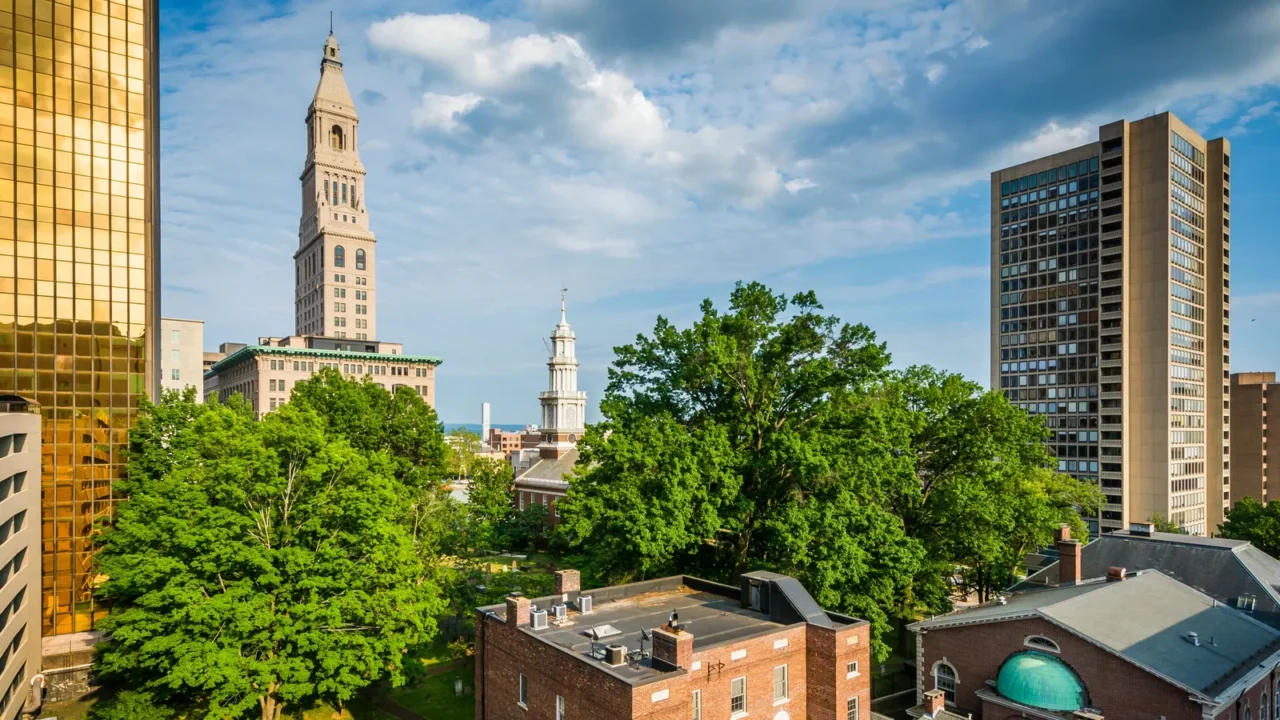
Connecticut
Connecticut is one of the wealthiest states in the country, home to hedge fund corridors and beautiful colonial towns. Yet it keeps losing residents, and those leaving are often the very high earners on whose tax base it depends most. Younger residents have shifted toward Sun Belt cities offering lower costs. States carrying the heaviest pension obligations show the strongest correlation with sustained outmigration, a pattern Connecticut fits with deeply uncomfortable precision.
Fun Fact: Connecticut carries one of the heaviest pension burdens of any small state in the nation. According to the Pew Trusts, states with the heaviest pension obligations show the strongest correlation with sustained outmigration, a pattern Connecticut fits with deeply uncomfortable precision.
Maryland
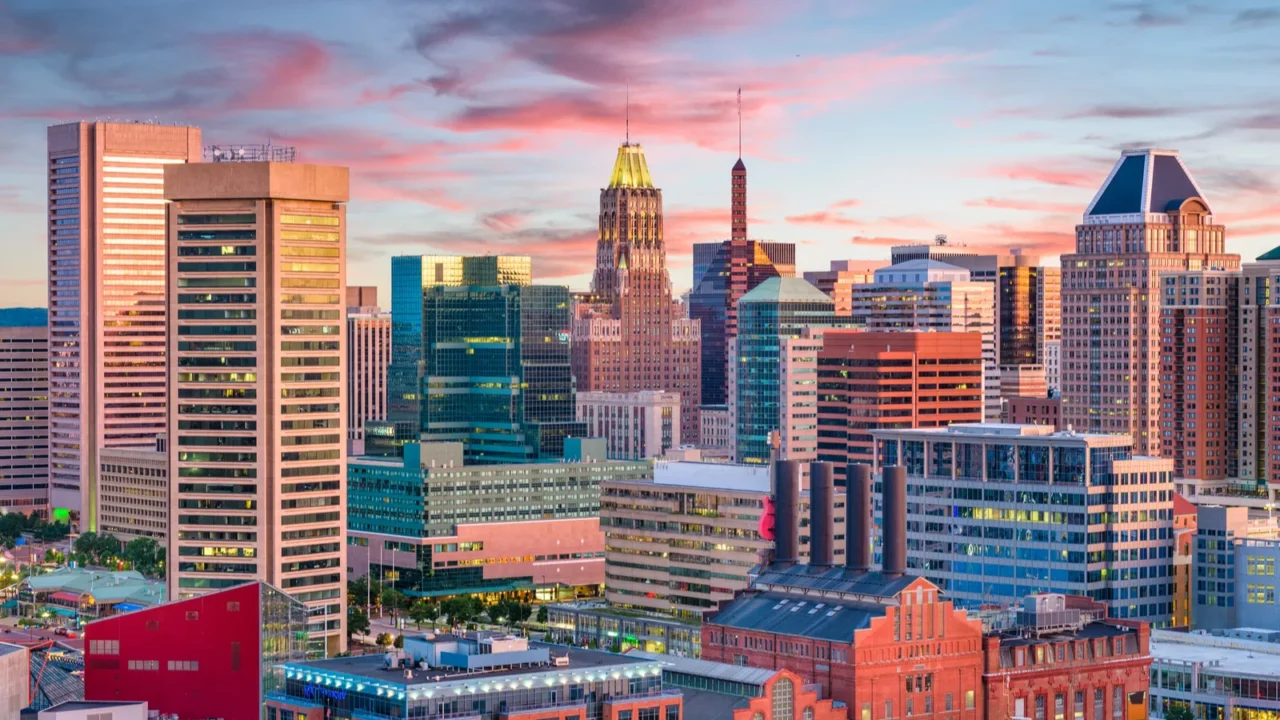
Maryland sits between the nation’s capital, the Chesapeake Bay, and the mid-Atlantic economic corridor. It should be thriving. Baltimore has experienced long-term population decline: the city’s population fell from about 651,000 in 2000 to roughly 586,000 at the 2020 Census (a decline of ≈65,000), and more recent estimates show further but smaller declines.
High violent crime rates and a collapsing tax base have created a feedback loop that city leaders cannot break. Surrounding suburbs absorb the displaced, leaving a state quietly divided against itself.
Colorado’s Denver
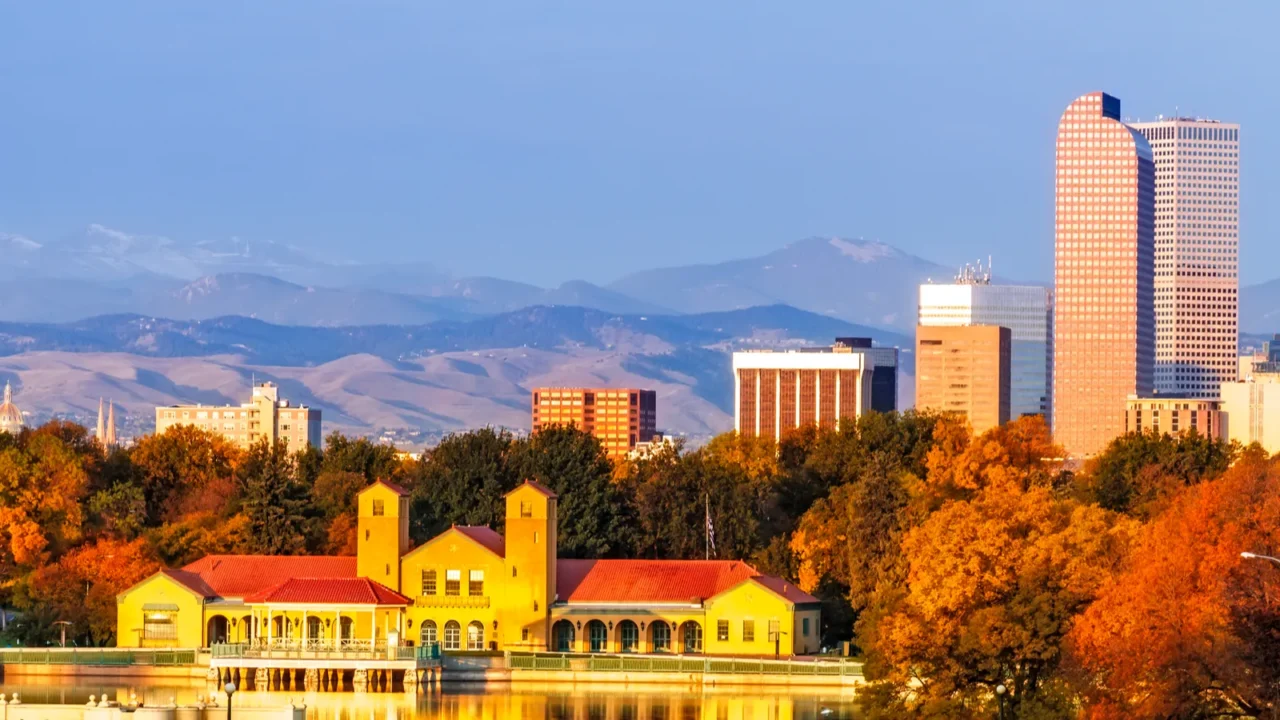
Colorado spent years as one of America’s great growth stories. Denver evolved into a thriving tech and outdoor recreation hub, drawing young professionals at a pace few cities could match. But rapid growth planted the seeds of its own affordability crisis.
Denver home prices more than doubled in the decade following 2012. The homeless population grew alongside prosperity, and public services struggled badly to keep pace with the growth they helped attract.
Michigan Detroit
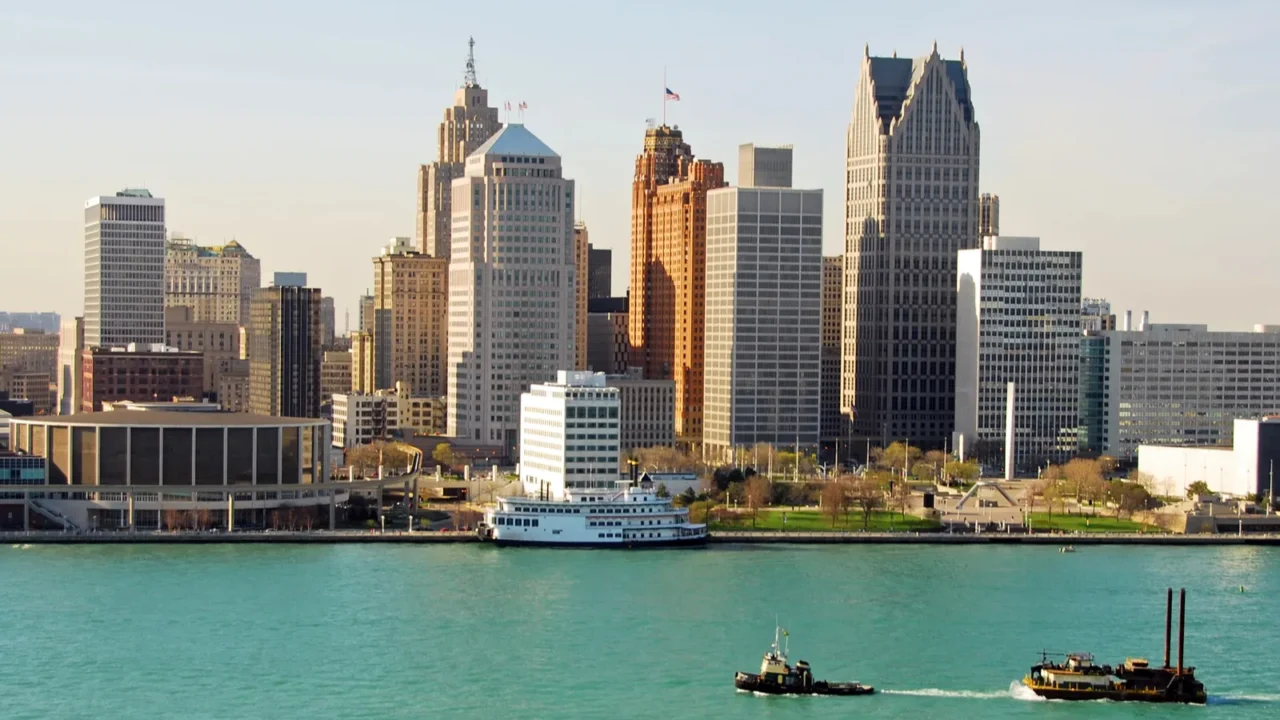
Detroit was once the beating industrial heart of the United States, a city that built the cars that defined the American century. Its fall is one of the most documented economic declines in history, ending in a 2013 municipal bankruptcy that was the largest in U.S. history.
Recovery has been real but uneven. A younger creative class arrived, drawn by affordable real estate. But Detroit’s population remains a fraction of its mid-century peak.
The Sun belt’s magnetic pull
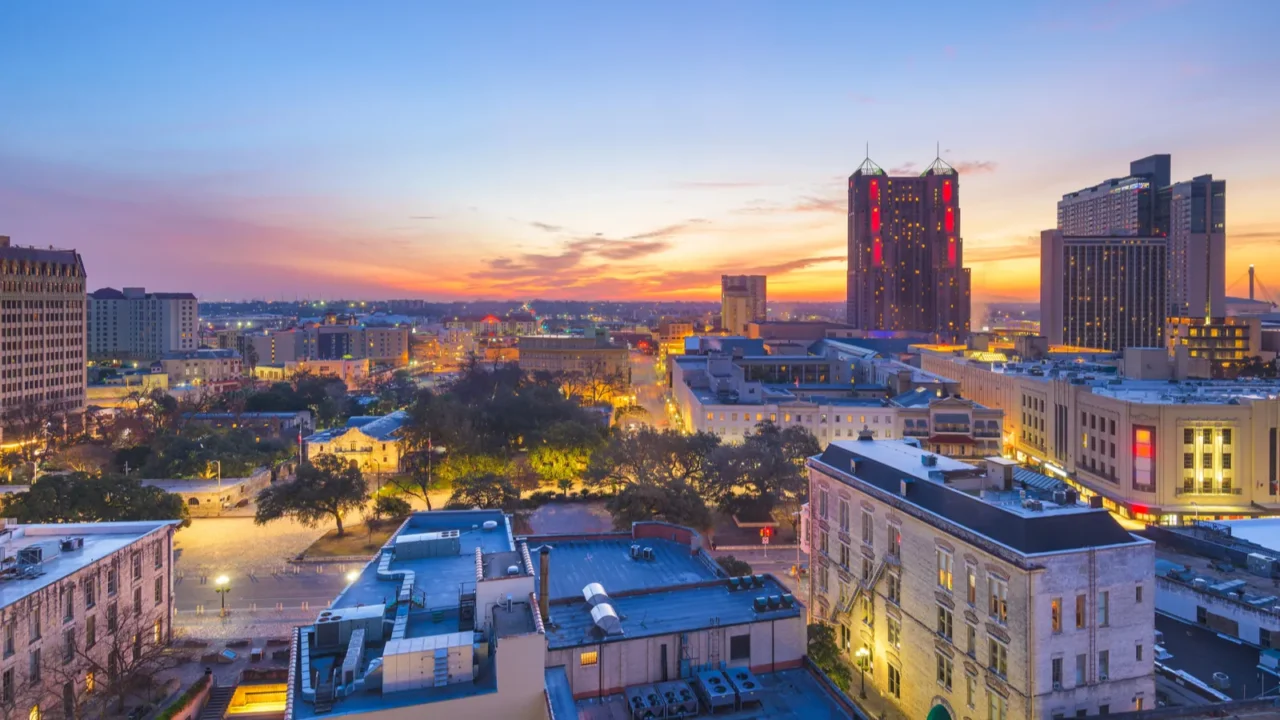
The states losing population share one common thread: residents are not disappearing, they are relocating. Texas, Florida, Tennessee, and the Carolinas have absorbed millions from high-cost states over the past decade, transforming their economies and housing markets in ways few predicted a generation ago.
Gaining states now face their own affordability pressures as demand outruns supply. The 2020 Census reflected this shift, with California and New York each losing a congressional seat, and if you think that is striking, the U.S. states everyone is rushing toward tell an even bigger story.

This migration is reshaping America
The movement away from once-dominant states is not a flaw in the system. It is democracy of the feet, people voting for the conditions they want by choosing where to live. Millions are voting against high taxes, unaffordable housing, and governments that stopped delivering basic services.
States being left behind risk spirals that history shows are very difficult to reverse. The states gaining new arrivals must decide whether to learn from those mistakes, or quietly repeat them, and the states rewriting America’s story right now might be closer to home than you think.
Millions of Americans have already made their move. Is your state next on the list, or is it the one everyone is heading to?
This slideshow was made with AI assistance and human editing.
Don’t forget to follow us for more exclusive content right here on MSN.
Read More From This Brand:
