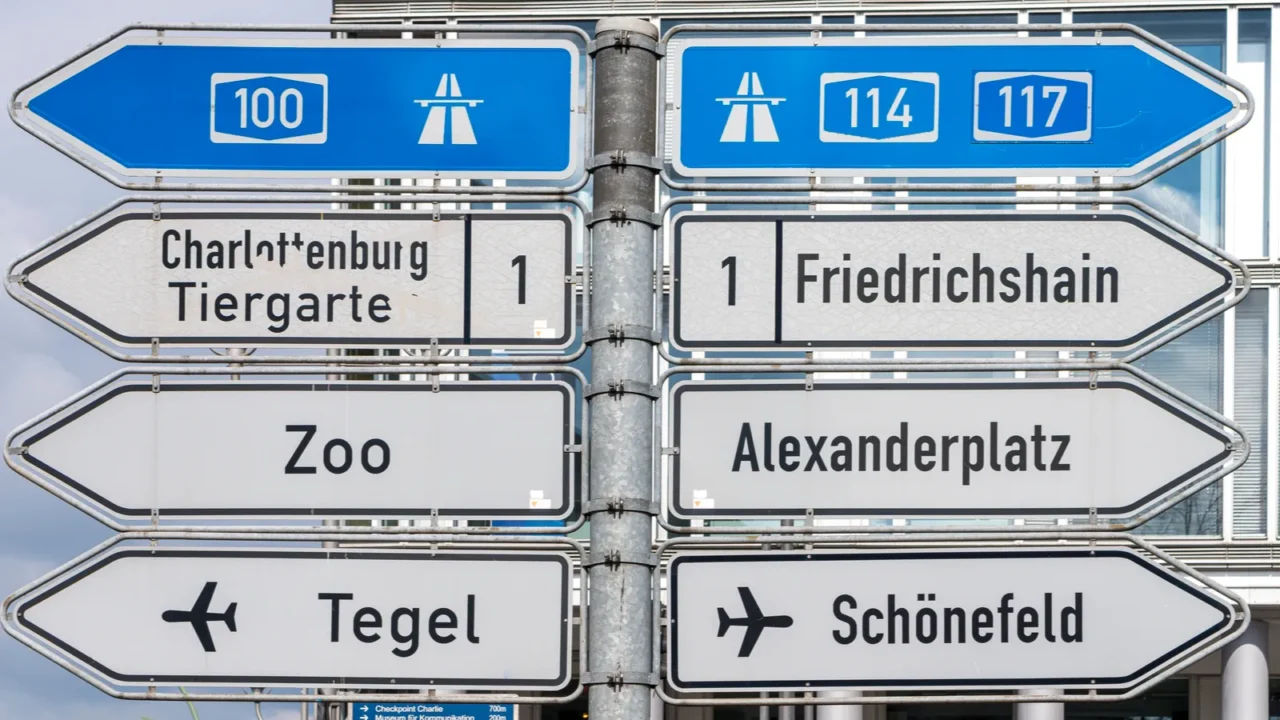
Speaking every traveler’s language
Travel feels easier when language becomes a bridge instead of a barrier. Around the world, destinations are investing in multilingual tourist infrastructure to welcome diverse visitors. Clear communication now shapes first impressions as much as scenery.
From airports to museums, signs and services are evolving quickly. These changes help travelers feel confident rather than confused. Here’s a look at how different regions are making travel clearer.

Language shapes experiences
Language barriers often limit how far travelers are willing to explore. When directions and information feel unclear, many visitors stay close to familiar areas. That hesitation affects spending and satisfaction.
Destinations investing in multilingual support see longer stays and better reviews. Communication builds trust faster than marketing campaigns. It has become a practical tourism tool.
Japan leads with clarity
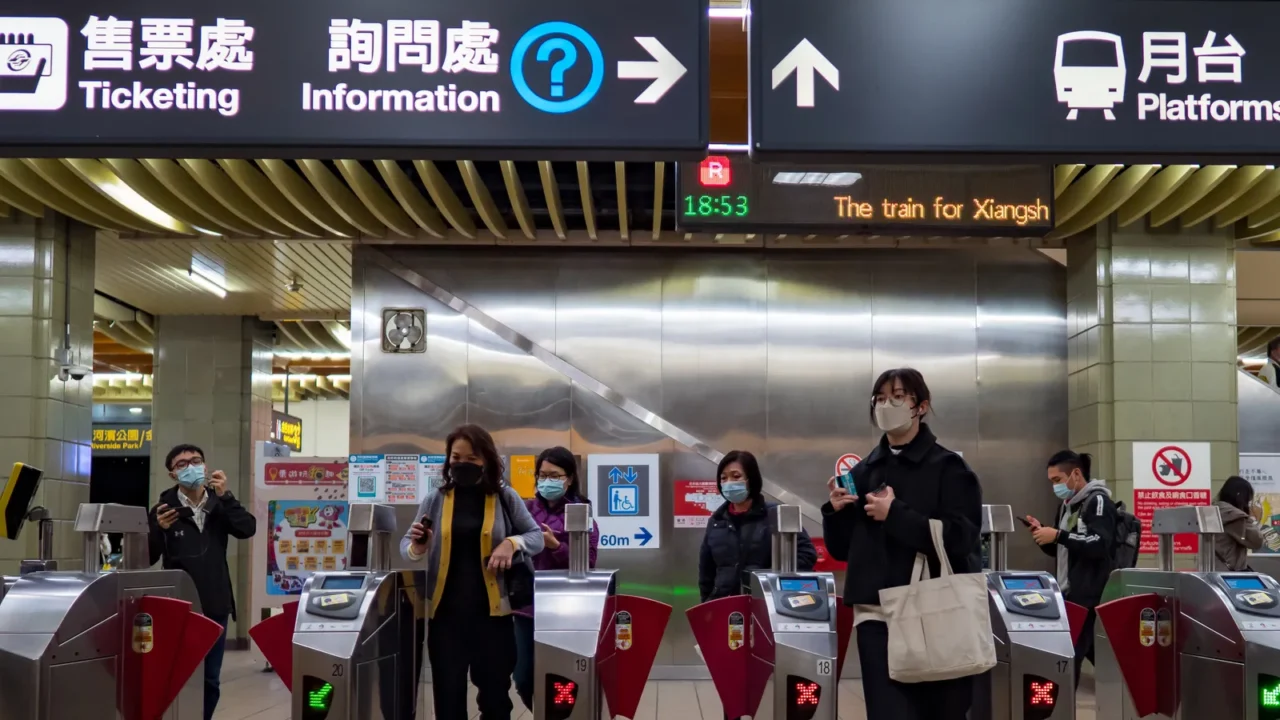
Japan has invested heavily in multilingual tourist infrastructure over the past decade. Major train stations now feature signage in English, Chinese, and Korean. Ticket machines and maps are designed for non-Japanese speakers.
Tokyo, Kyoto, and Osaka show the greatest improvements. Visitors navigate rail systems with less stress. These upgrades support Japan’s growing international tourism numbers.
Seoul’s multilingual systems
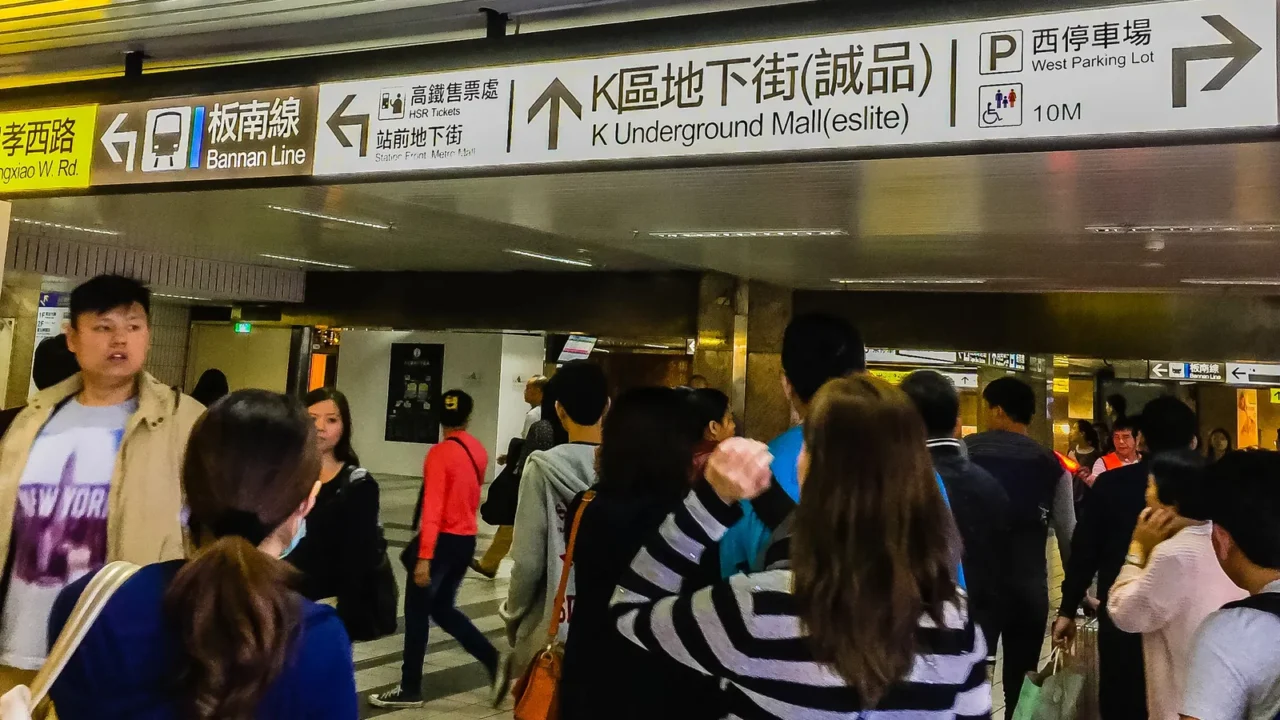
Seoul approaches language access with both design and technology. Subway stations provide announcements in Korean, English, Chinese, and Japanese. Tourist districts feature clear multilingual wayfinding signs.
Museums and palaces offer audio guides in several languages. Information desks are staffed with trained multilingual teams. The city feels approachable and organized.
Dubai sets standards
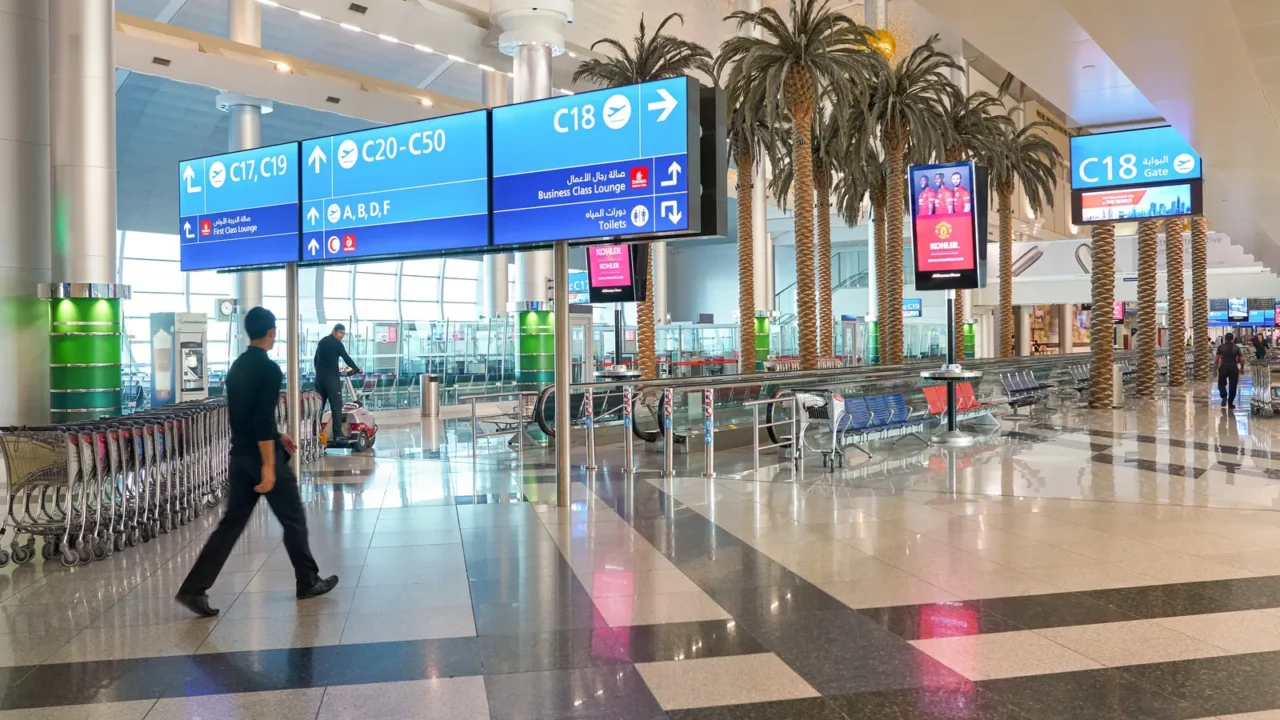
Dubai treats multilingual access as part of a luxury service. Dubai International Airport offers signage in more than ten languages. Immigration and transport staff receive language support training.
Major attractions follow the same approach. Visitors move easily between hotels, malls, and cultural sites. Language accessibility enhances Dubai’s global tourism appeal.
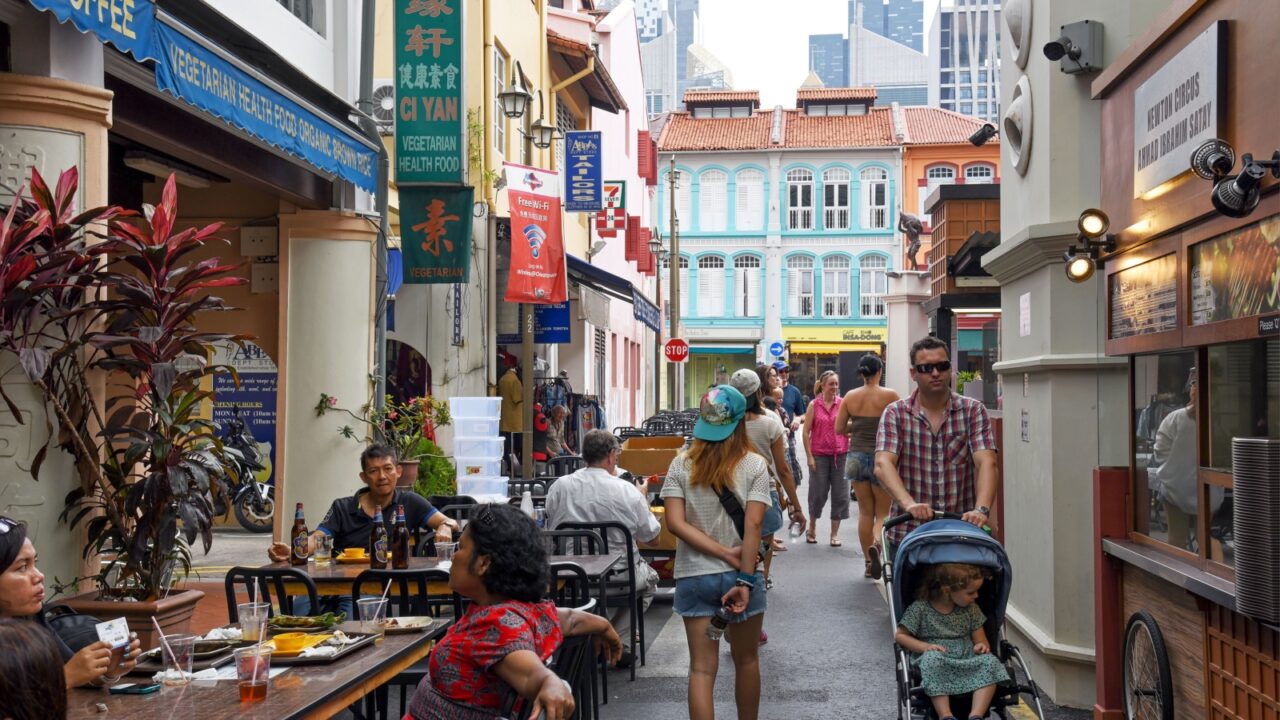
Singapore’s everyday multilingualism
Singapore naturally operates as a multilingual destination. English, Mandarin, Malay, and Tamil appear across public transport and signage. Tourists benefit from this built-in accessibility.
Museums and attractions extend support to additional languages. Staff communication feels effortless and welcoming. Navigation rarely becomes a challenge.
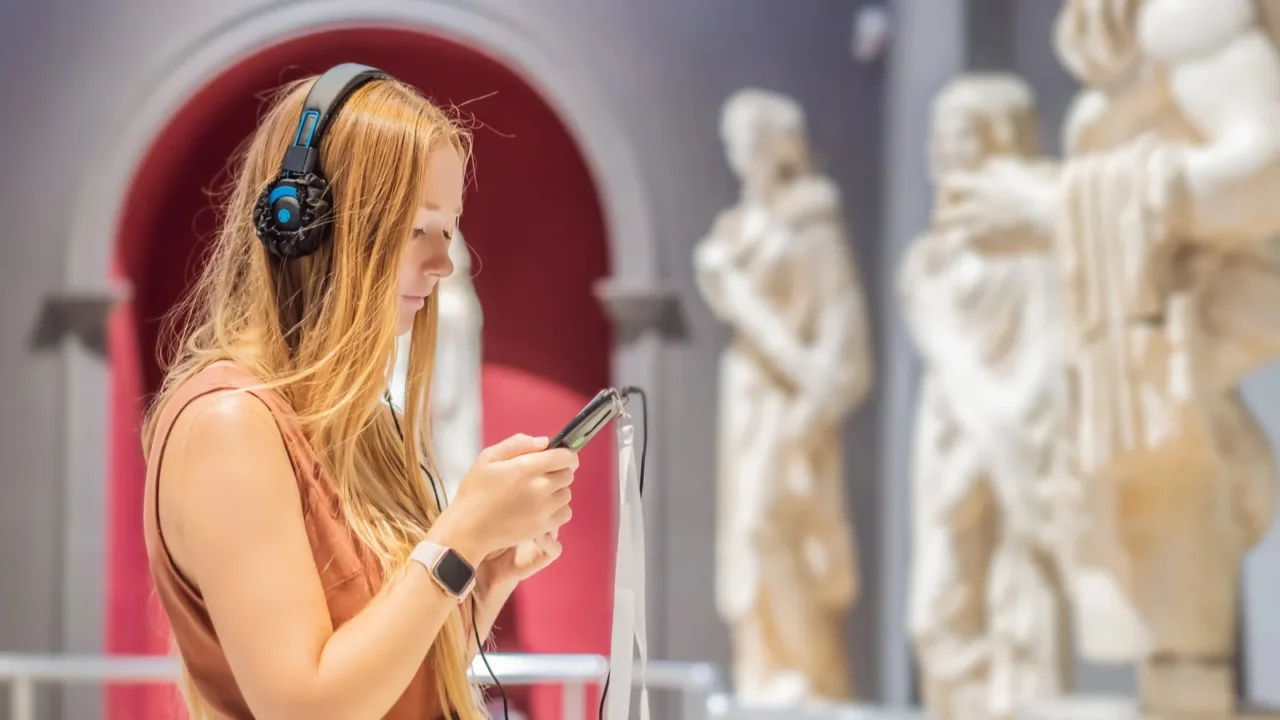
Europe’s cross border ease
European travel relies heavily on multilingual infrastructure. Cities like Amsterdam, Vienna, and Brussels display signage in multiple languages. Transport systems prioritize clarity for international visitors.
Museums commonly offer audio guides in five or more languages. Border crossings feel seamless for holidaymakers. Europe treats language as shared travel infrastructure.
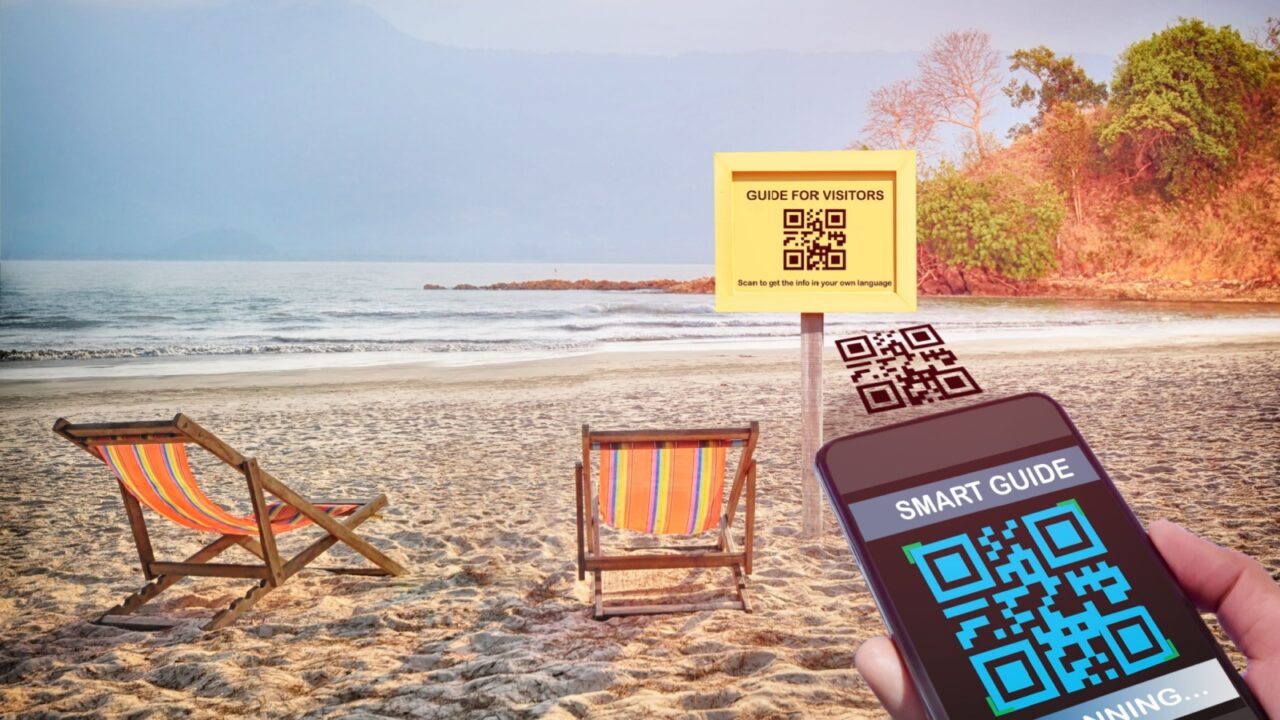
Barcelona embraces smart tools
Barcelona combines physical signage with digital solutions. QR codes link visitors to multilingual city guides. Tourist apps provide real-time translations and directions.
Public transport announcements include English alongside Catalan and Spanish. Attractions adapt information for global audiences. The city balances tradition with accessibility.
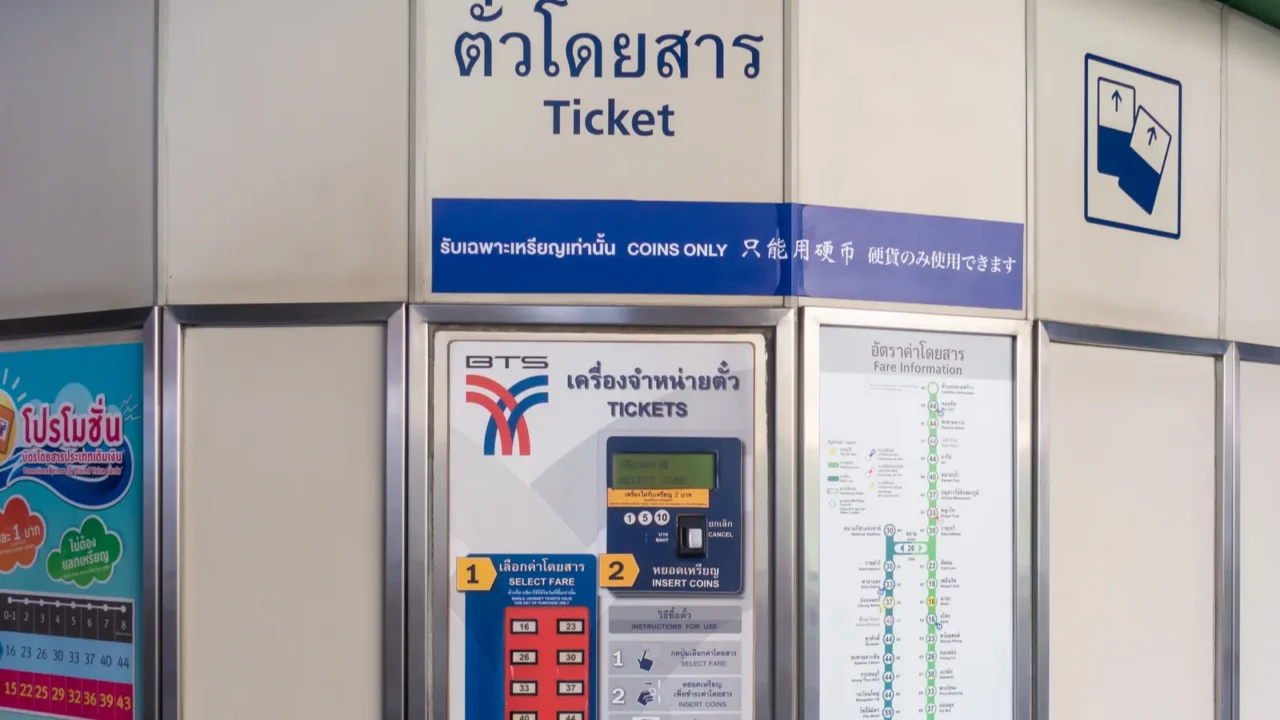
Thailand adapts for visitors
Thailand continues to improve multilingual support in key destinations. Bangkok’s BTS stations feature English and Thai signage. Airports provide clear multilingual navigation.
Tourist zones frequently provide brochures in Chinese, Japanese, and Korean. Staff often speak basic English confidently. These efforts contribute to Thailand’s ongoing tourism recovery.
Mexico expands access
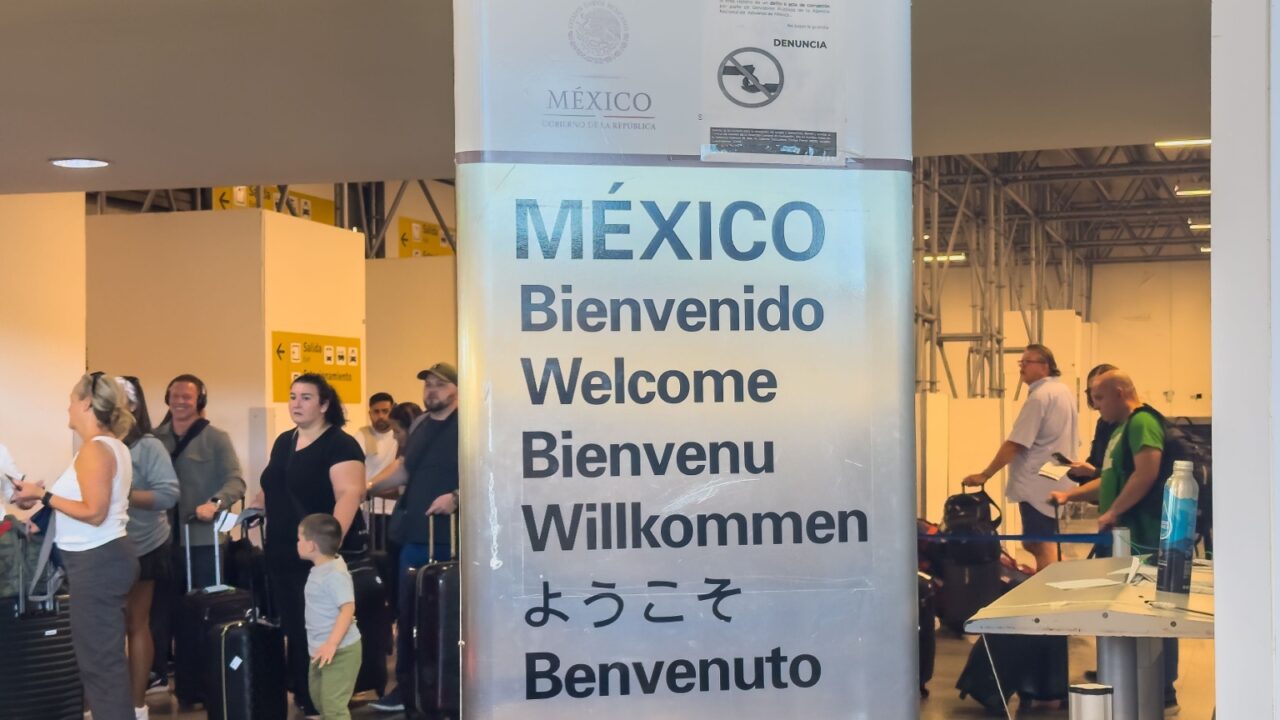
Mexico is steadily improving its multilingual tourist infrastructure. Cancun and Mexico City airports now emphasize bilingual signage. Museums introduce audio guides in English and French.
Tourist police and information desks receive language training. Visitors explore cultural sites with greater confidence. Accessibility strengthens international appeal.
Smaller cities catch up
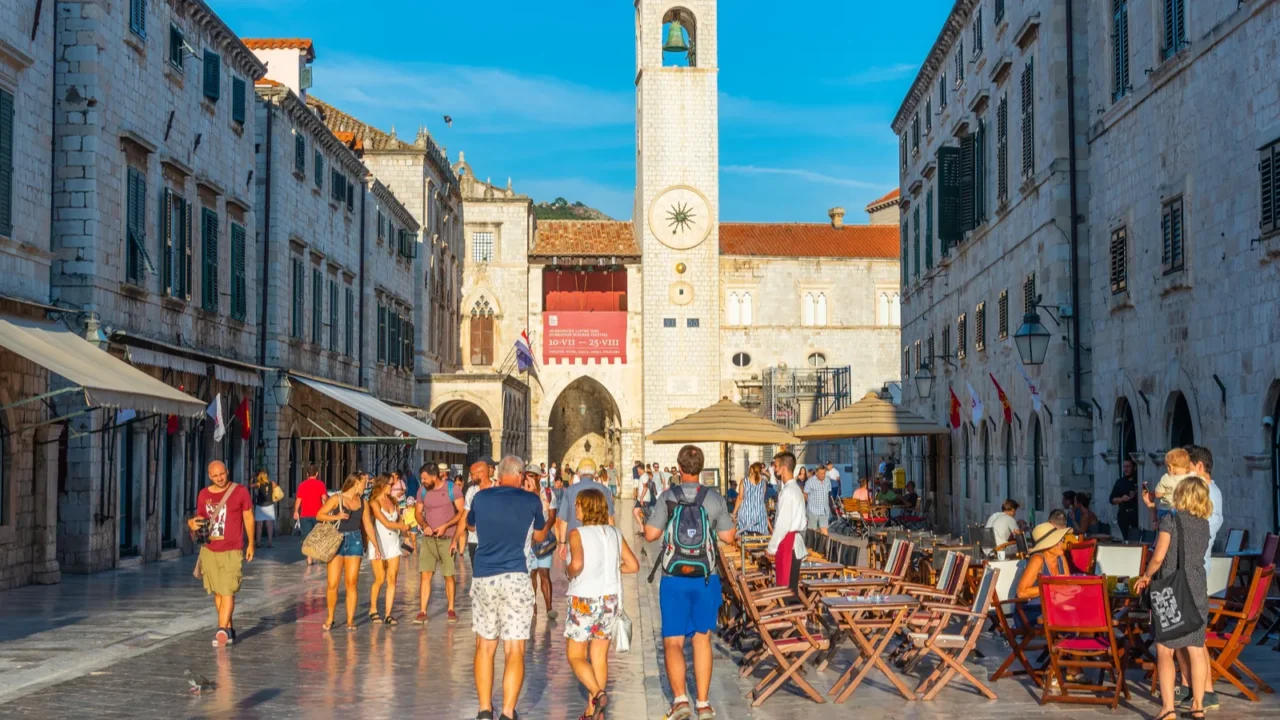
Multilingual investment now reaches beyond major capitals. Port cities and cruise destinations are among the first to adapt, especially in destinations popular with American tourists seeking affordability. Dubrovnik and Split expanded multilingual signage due to rising tourism and stronger interest from international visitors.
Local museums added translated descriptions and guides. Visitors feel welcomed outside big cities. Language access supports regional tourism growth.
Where travel is clearer
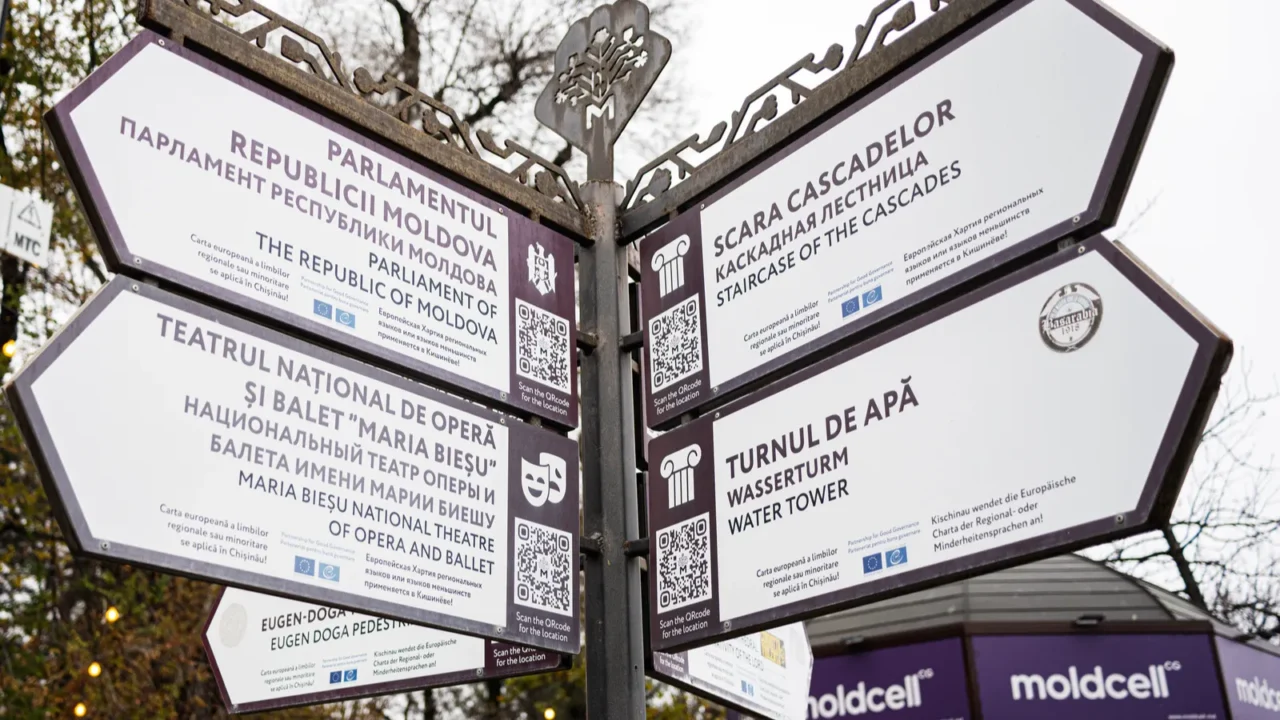
A multilingual infrastructure demonstrates how destinations value global visitors. Clear communication reduces stress and encourages deeper exploration. Travel feels smoother from arrival to departure.
The best destinations speak more than one language fluently. These places remove friction without losing culture.
Which destination impressed travelers most with language access? Share your thoughts below.
This slideshow was made with AI assistance and human editing.
Don’t forget to follow us for more exclusive content right here on MSN.
Read More From This Brand:
