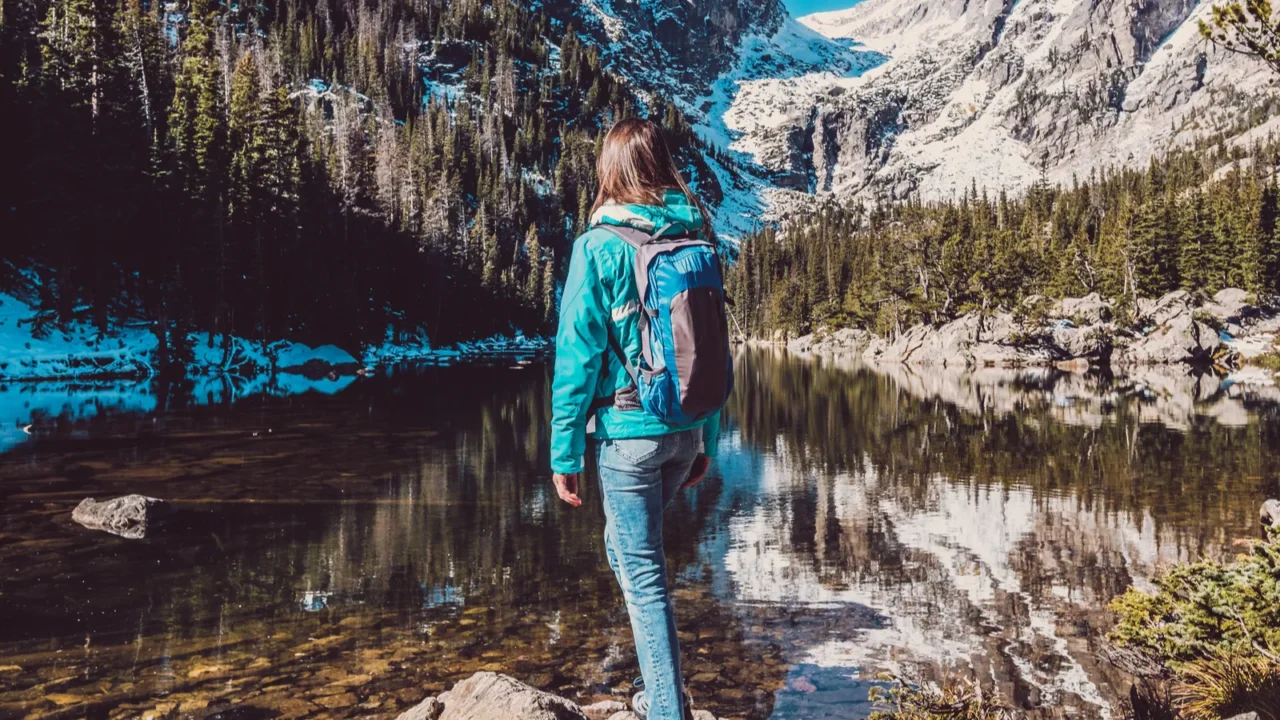
Landscape emotions neuroscience
NIH-supported research suggests that visual environments can engage brain systems involved in perception, memory, and emotional processing. This helps explain why landscapes can feel emotionally meaningful even before people put those feelings into words.
Studies in environmental neuroscience show that the amygdala and hippocampus respond strongly to nature imagery. These responses can occur even without conscious interpretation or personal memory recall. This makes landscapes powerful emotional triggers across cultures.

Brain response patterns
The human brain processes landscapes through visual and emotional integration networks. The American Psychological Association notes that exposure to natural environments can influence mood and stress levels. These reactions are often automatic and not logically explained.
Visual exposure to forests, oceans, or mountains is associated with lower stress and a shift toward calmer mental states. These effects can begin quickly, sometimes before a person consciously reflects on what they are feeling.
Nature and emotional memory
The National Park Service highlights how natural landscapes often become tied to personal memory experiences. These associations can influence emotional reactions later in life. Even unfamiliar landscapes may trigger similar responses.
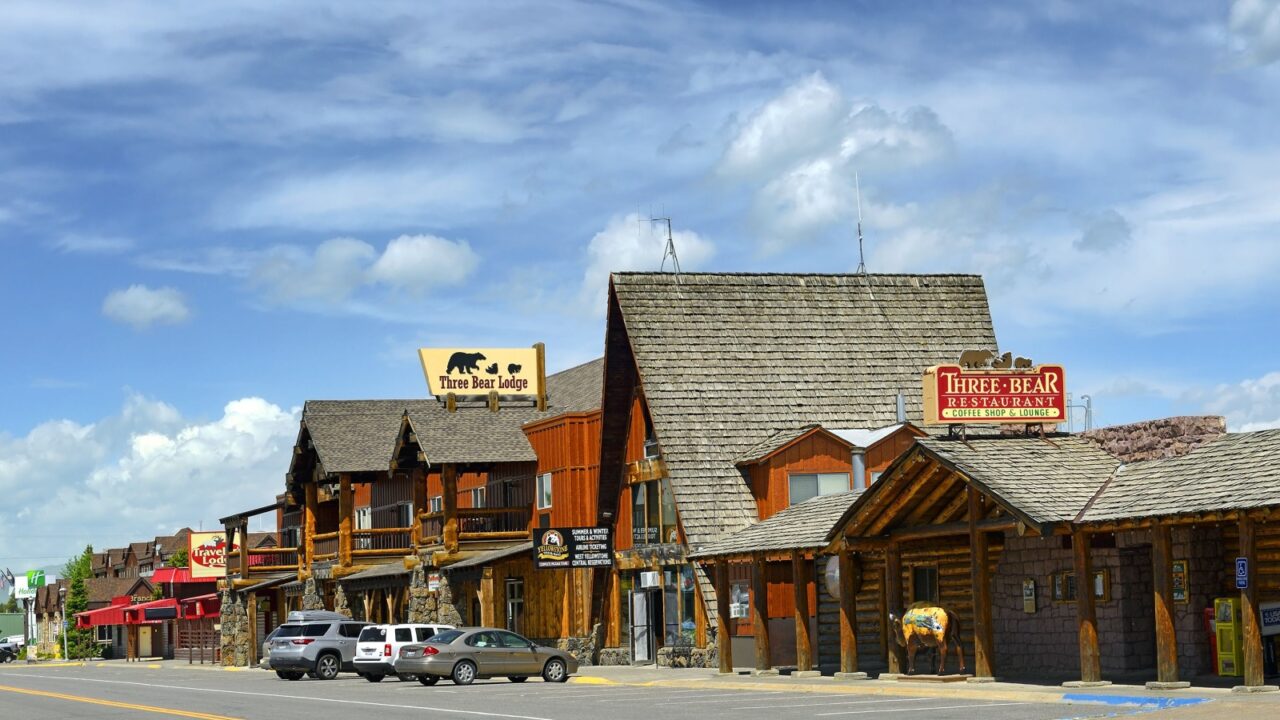
Forests like Yellowstone and Yosemite are often studied for their emotional impact on visitors. The brain links environmental cues with past emotional states. This creates feelings of nostalgia or calm without a clear explanation.

Nostalgia and visual cues
Nostalgia can be triggered by environmental patterns such as light, color, or terrain. The Harvard Medical School has reported that memory recall is strongly influenced by sensory input. Landscapes often serve as indirect memory triggers.
Open fields, coastal views, and quiet rural areas can activate emotional recall pathways. These responses may not connect to a specific memory. Instead, they reflect general emotional familiarity.

Urban contrast effects
Urban environments like New York City and Tokyo contrast sharply with natural landscapes. This contrast can intensify emotional responses when switching between environments. The brain reacts to changes in sensory intensity.
Travelers moving between dense cities and quiet natural areas often report emotional shifts. These shifts can include calmness, sadness, or reflection. The difference highlights environmental influence on mood.
Memory and place connection
Certain landscapes become emotionally significant through repeated exposure or life events. The National Institutes of Health has studied how environmental context strengthens memory encoding. This creates long-term emotional associations.
Little-known fact: Environmental context can help cue memory retrieval, a phenomenon known as context-dependent memory. Research suggests recall is often stronger when the surroundings at retrieval resemble the setting in which a memory was formed.
Seasonal emotional shifts
Seasonal changes in landscapes influence emotional perception. Winter scenes often evoke introspection, while spring environments feel more uplifting. These shifts are tied to light exposure and environmental variation.
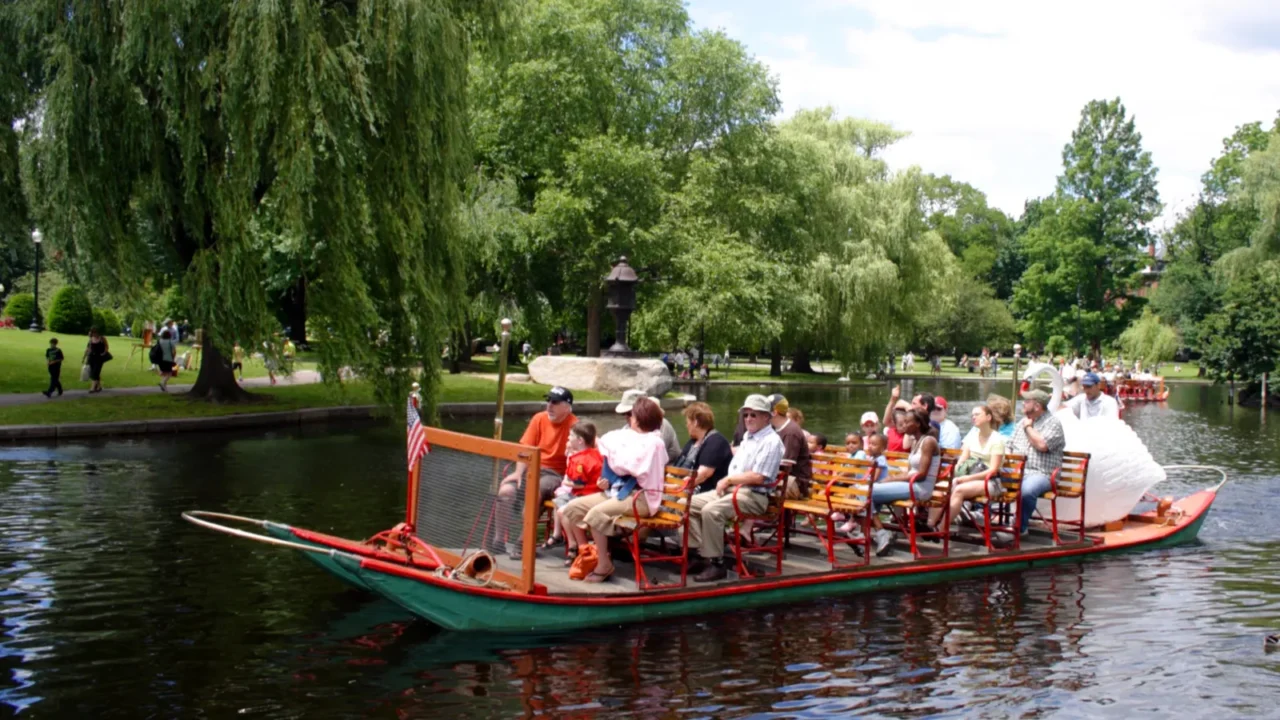
Cities like Chicago and Boston show strong seasonal emotional contrast due to climate change. The brain adapts mood responses based on environmental cycles. This creates recurring emotional patterns linked to place.

Cultural landscape meaning
Cultural background influences how landscapes are emotionally interpreted. The United Nations Educational, Scientific, and Cultural Organization recognizes landscapes as part of cultural heritage systems. These environments carry symbolic meaning across societies.
Places like Kyoto in Japan or Tuscany in Italy often evoke strong emotional responses tied to cultural identity. These associations shape emotional interpretation. Landscapes become more than visual experiences.

Travel and emotion link
Travel experiences intensify emotional responses to landscapes. The U.S. Travel Association reports that experiential travel continues to grow across the United States and abroad. Emotional engagement is a key driver of tourism.
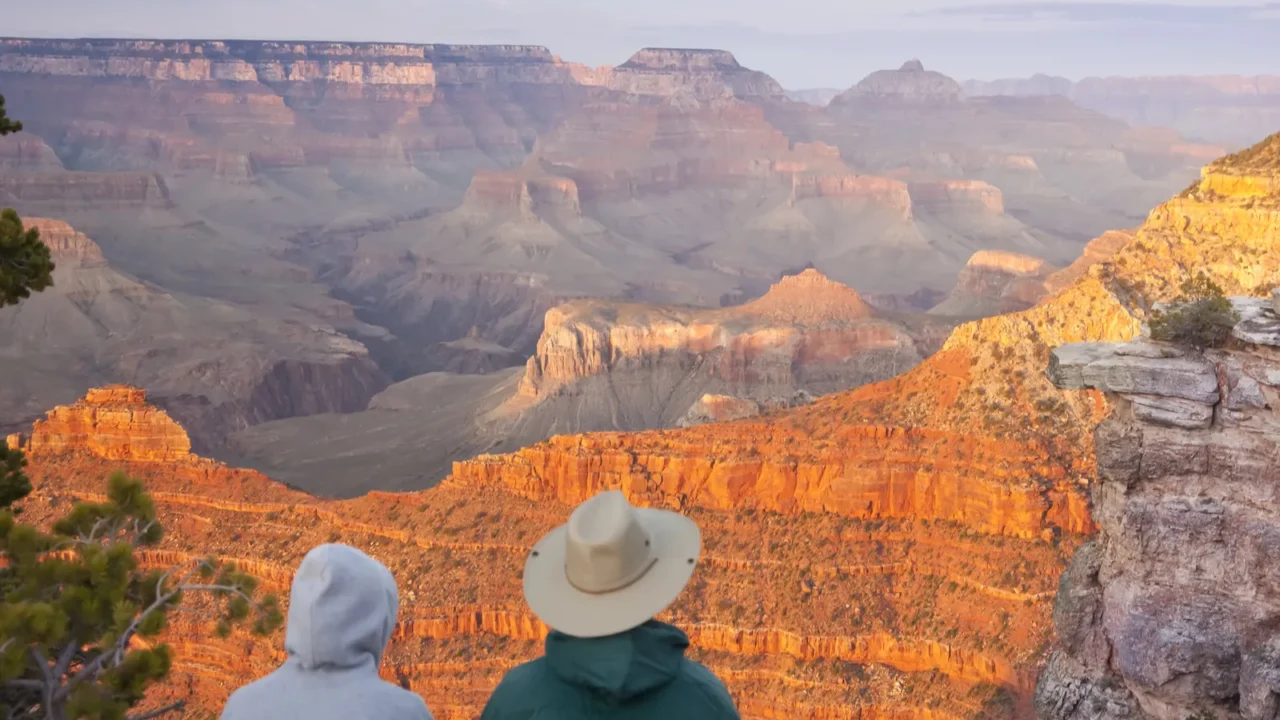
Destinations like the Grand Canyon and Yellowstone National Park often create strong emotional impressions. These reactions are linked to scale and natural beauty. Travel becomes a trigger for emotional reflection.
Silence and perception
Silent environments influence emotional processing in the brain. The National Institutes of Health has studied how reduced auditory input affects cognitive focus and emotional regulation. Silence can intensify landscape perception. Arizona desert landscapes are often highlighted for their striking silence and vast open scenery, including destinations featured in guides like 15 magical desert landscapes in Arizona worth the trip.
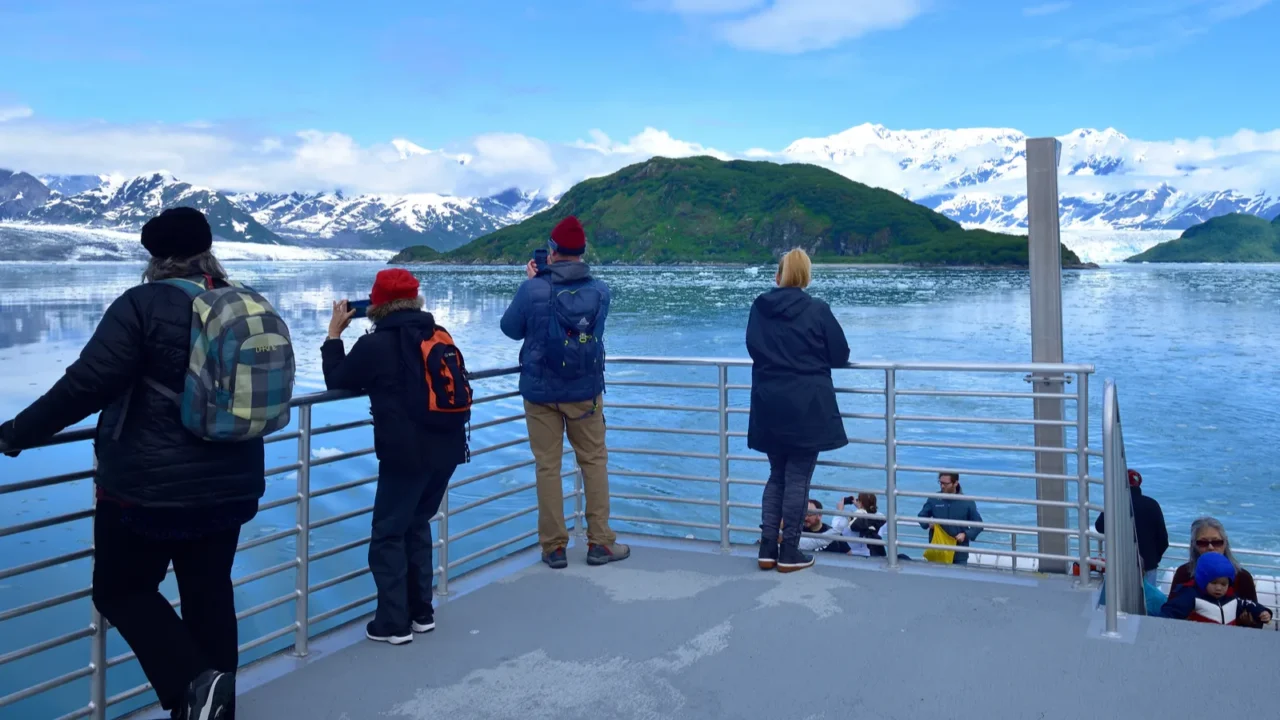
Remote areas such as the Alaska wilderness or the Montana plains often create strong emotional clarity. Reduced noise allows sensory systems to process visual detail more deeply. This enhances emotional awareness.
Landscapes shape emotions
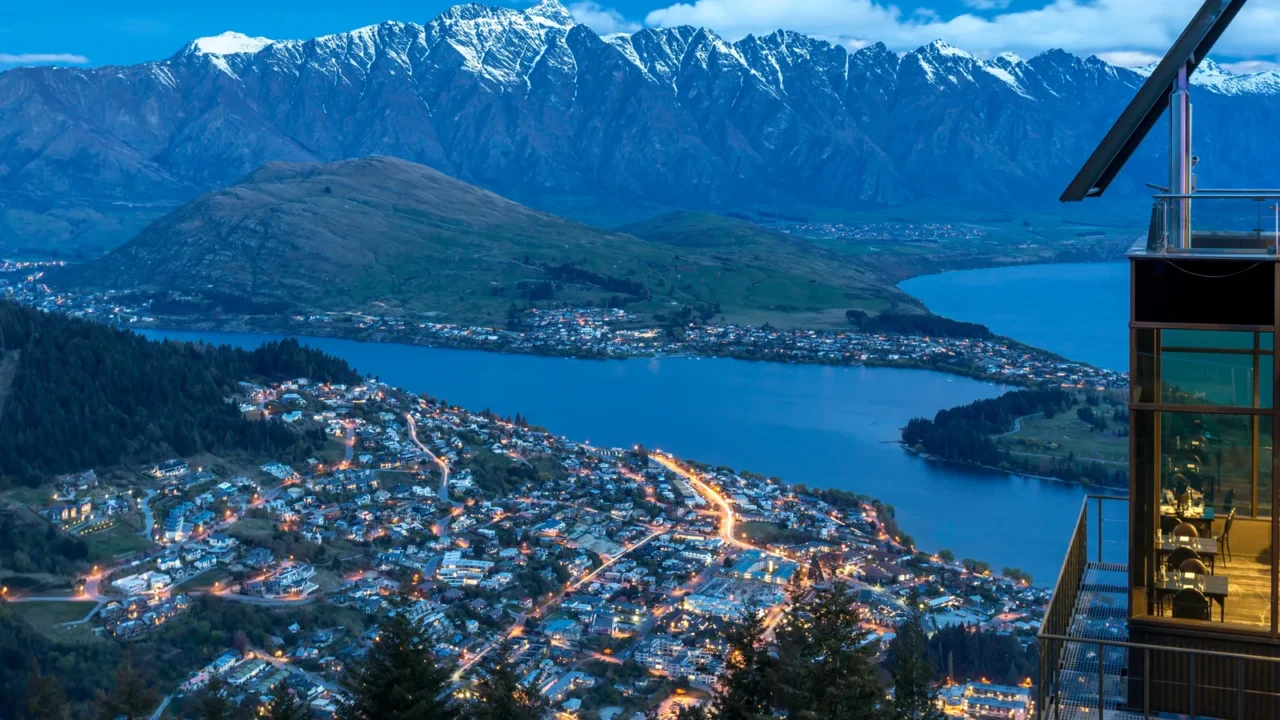
Certain landscapes continue to shape emotional states long after the experience ends. The National Park Service notes that nature exposure supports emotional well-being and reflection. These effects often persist beyond the visit itself.
The best trips are the ones that balance exploration with emotional connection to place. Landscapes influence memory, mood, and reflection in subtle ways.
Which natural environments feel most emotionally powerful for travelers today? Share thoughts below.
This slideshow was made with AI assistance and human editing.
Don’t forget to follow us for more exclusive content right here on MSN.
Read More From This Brand:
