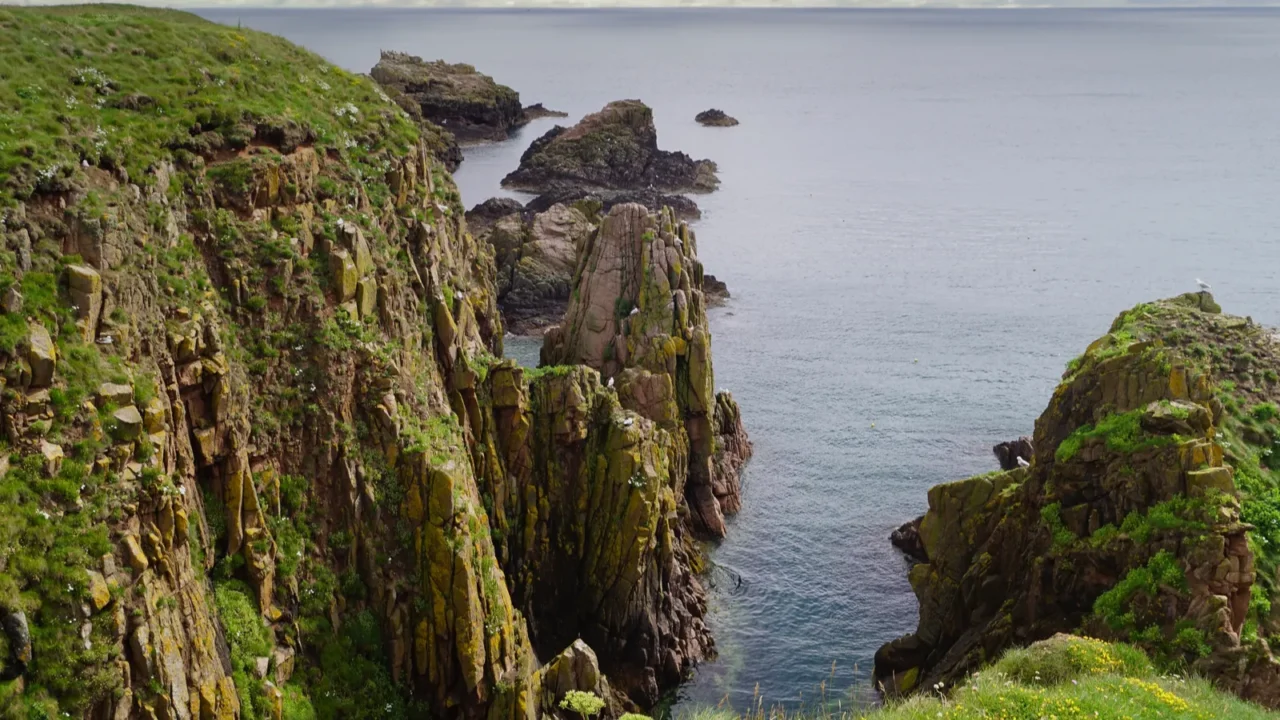
A cliffside surprise awaits
Ireland’s western cliffs hold a secret that travelers rarely expect on arrival. When Atlantic winds rush in, the rock faces respond with haunting tones and low whistles. It feels less like weather and more like a live performance shaped by nature.
These sounds are not legends or tourist exaggerations passed down casually. Scientists and local guides have documented how wind interacts with cliff formations. Let’s dive in!
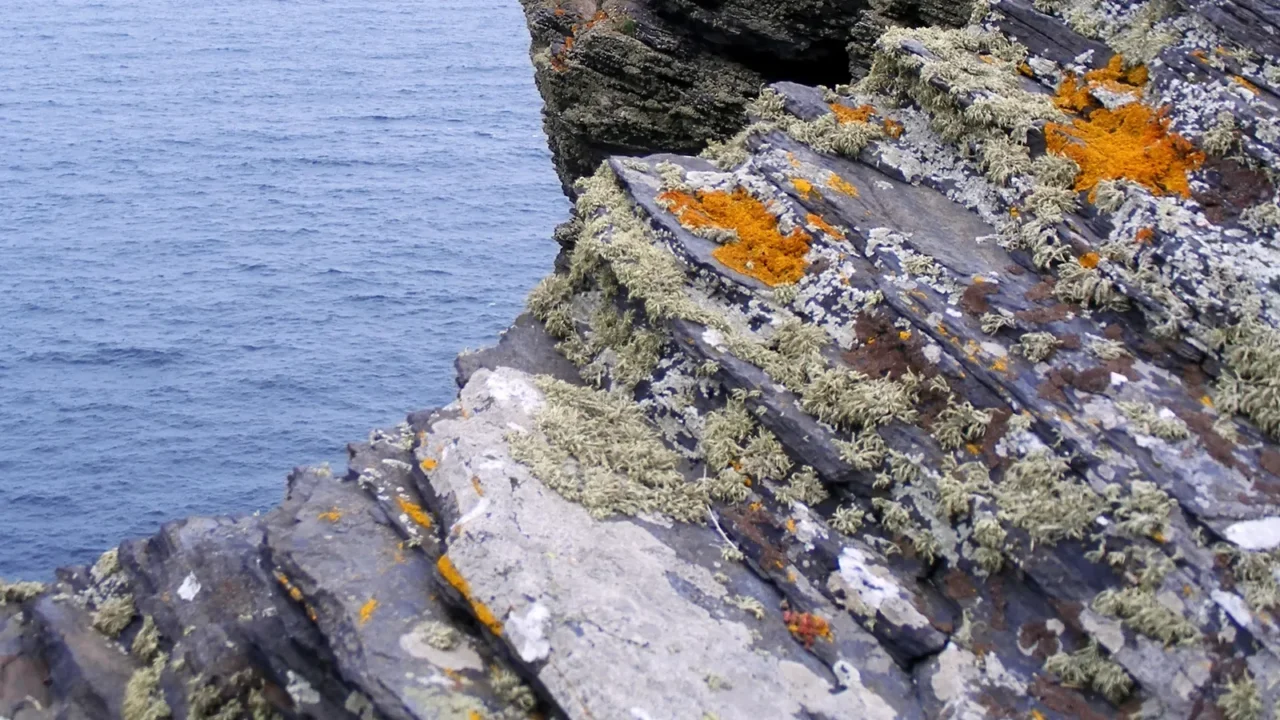
Wind meets ancient stone
Ireland’s coastal cliffs are built from layered limestone, shale, and sandstone. These materials formed over millions of years under pressure and water. Over time, gaps, channels, and cavities were carved deep into the rock.
When strong winds hit these openings, air is forced through the narrow spaces. The movement creates vibrations similar to blowing across a bottle. The cliffs essentially act like massive natural instruments.

Cliffs of Moher magic
The Cliffs of Moher are the most famous place to hear this phenomenon. Rising over 700 feet above the Atlantic, they face powerful, steady winds year-round. Their jagged edges and hidden fissures amplify sound dramatically.
Visitors often report low hums, soft moans, or flute-like tones. The sounds shift constantly as wind speed and direction change. No two moments ever sound the same.
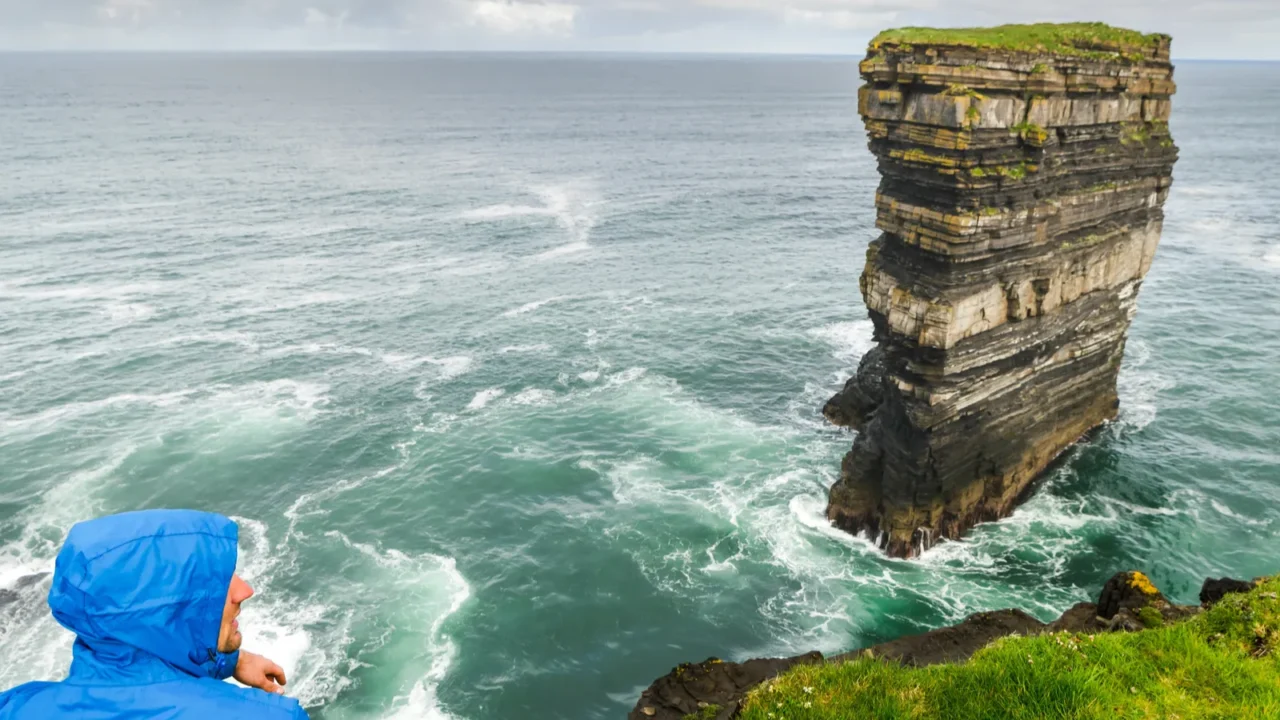
How sound actually forms
The process behind the music is known as aeolian sound production. Airflow becomes turbulent when forced through uneven rock openings. That turbulence creates pressure waves that the human ear hears as sound.
Similar effects occur in caves, canyons, and even dunes worldwide. Ireland’s cliffs stand out because of their height and exposure. The Atlantic wind supply is both powerful and consistent.

Sea caves add harmony
Many Irish cliffs contain sea caves carved by centuries of waves. These hollow chambers trap air and resonate when wind enters. The effect is similar to sound echoing inside a large room.
As waves crash below, they push air upward into these caves. Wind and water work together to shape deeper tones. This creates layered soundscapes rather than a single note.
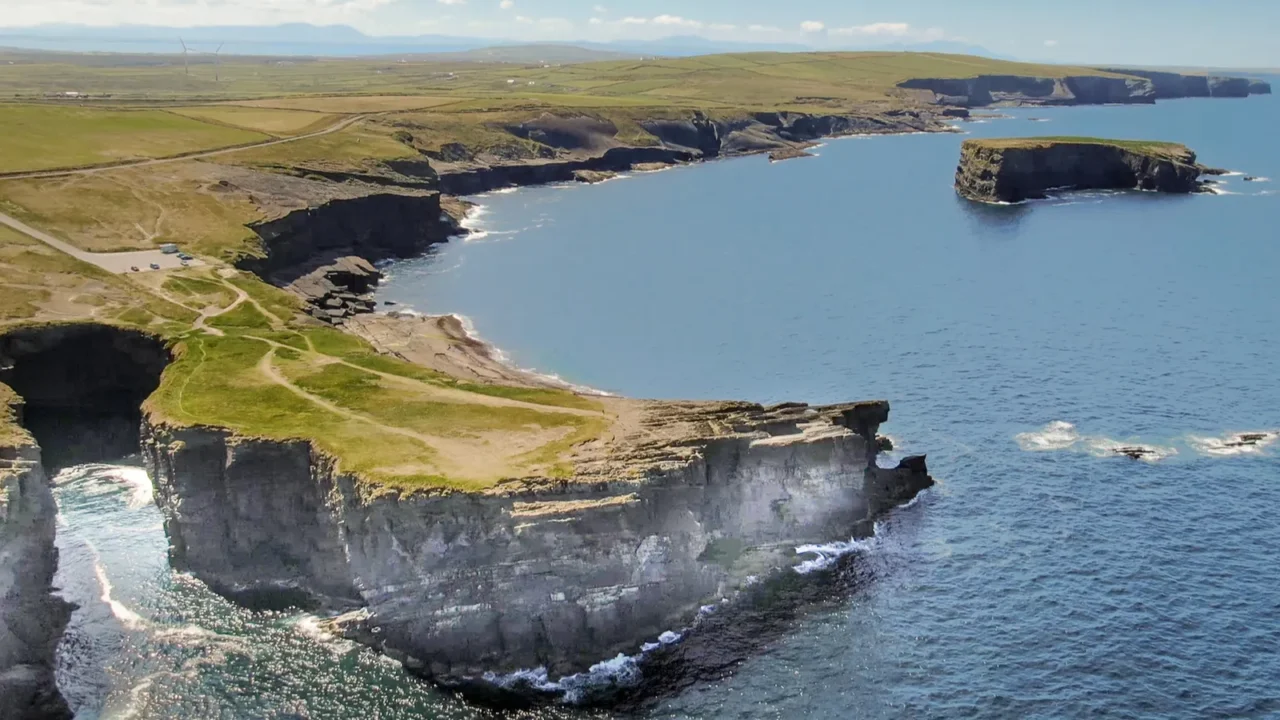
Nature’s shifting orchestra
The music changes with the weather, almost like an improvisation. Calm days may produce whispers barely noticeable to passersby. Stormy conditions can bring louder, more dramatic sounds.
Temperature and humidity also affect how air moves. Even slight shifts can alter pitch and volume. The cliffs respond differently every single day.
Why Ireland sounds unique
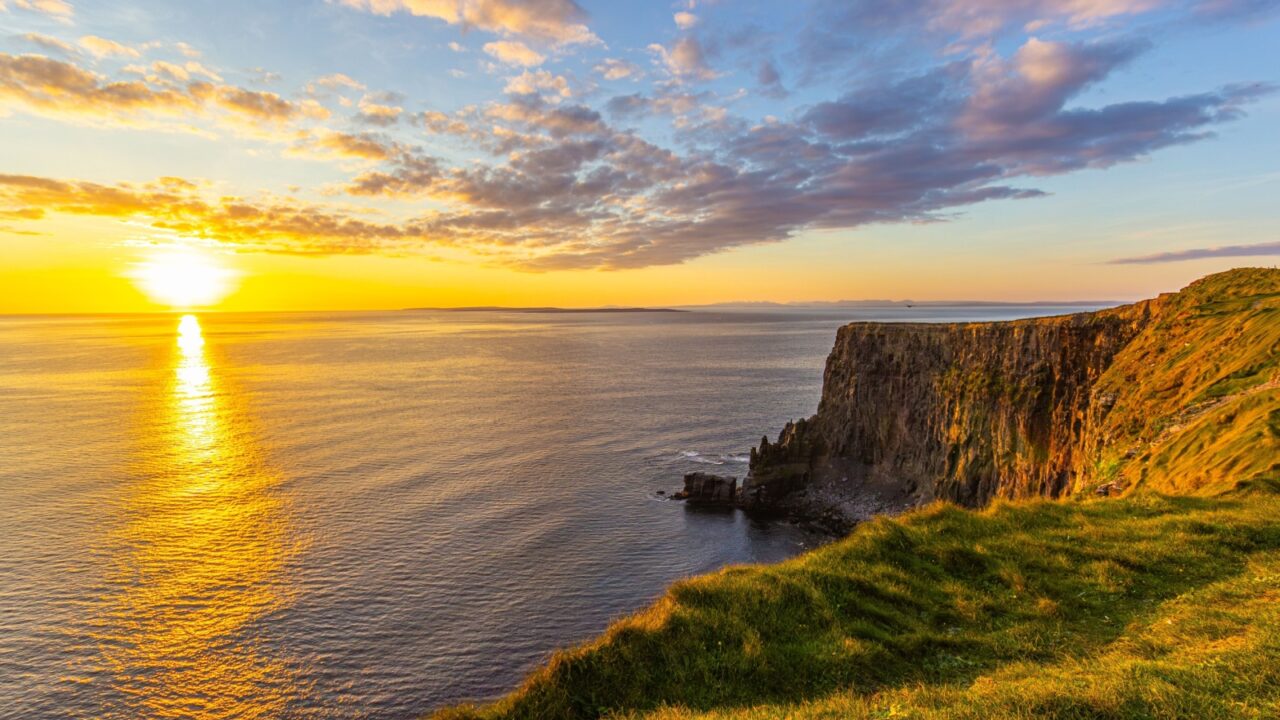
Many coastlines experience strong winds, but Ireland’s geology makes a difference. The cliffs feature irregular cracks rather than smooth faces. These uneven shapes disrupt airflow in complex ways.
The island’s position in the Atlantic matters as well. Winds travel long distances without obstruction. By the time they reach the cliffs, they carry immense energy.
Ancient myths and meanings
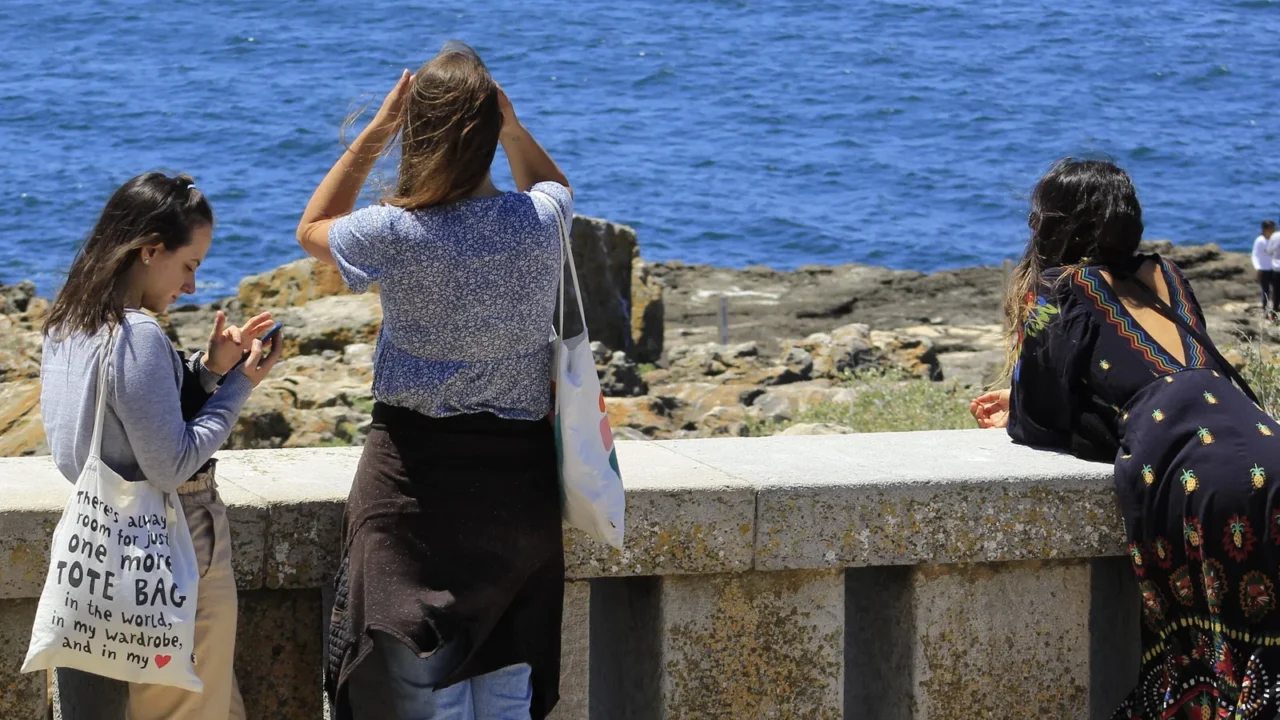
Long before science explained the sounds, stories filled the gaps. Local folklore described spirits, banshees, or giants singing through stone. These tales added emotional depth to the experience.
The cliffs became places of reflection and reverence. Sound reinforced the sense that the land was alive. Even today, that feeling still lingers.
A sensory travel experience
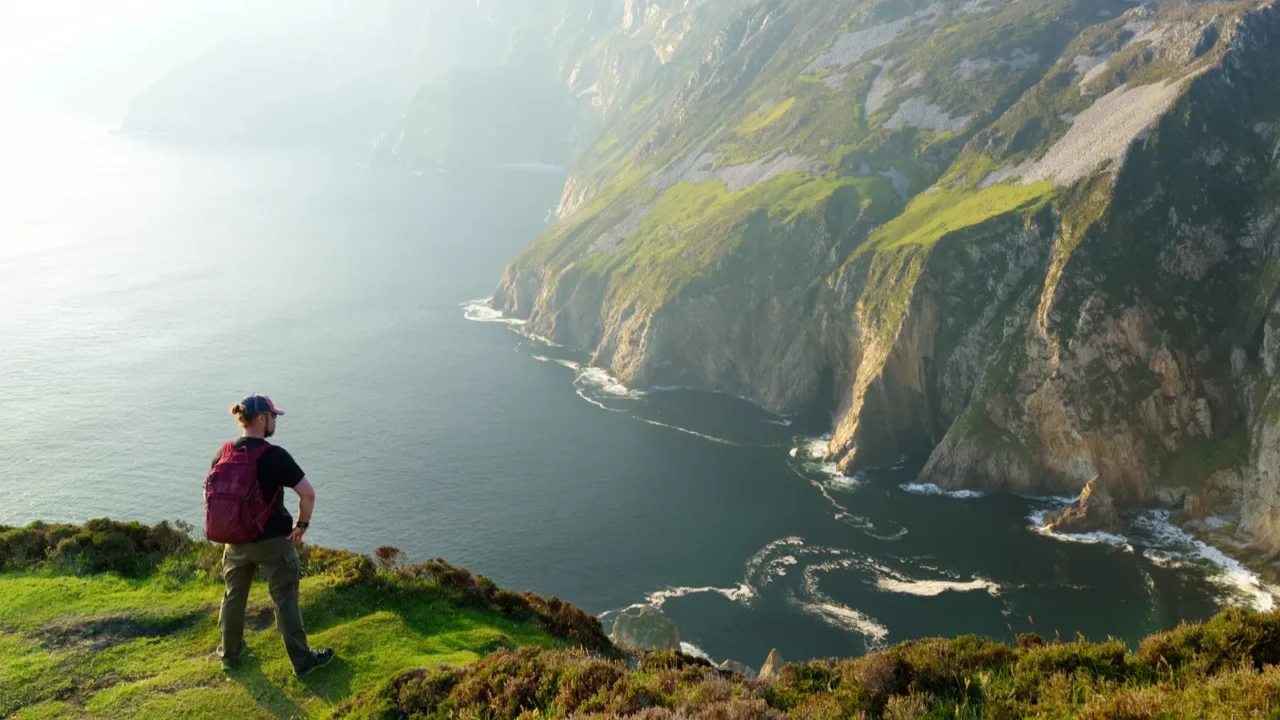
Travelers often arrive expecting views but leave remembering the sound. Hearing the cliffs creates a deeper connection than photos ever could. It engages the body, not just the eyes.
This natural music encourages slower movement and quiet attention. People tend to pause, listen, and reflect. The cliffs gently demand presence.

Best moments to listen
Early mornings often offer clearer, more defined tones. Fewer crowds allow subtle sounds to stand out. Wind patterns are also steadier during these hours.
Late afternoons can bring stronger gusts and deeper notes. Weather shifts quickly along the coast. Each visit carries its own acoustic personality.
Respecting a fragile setting
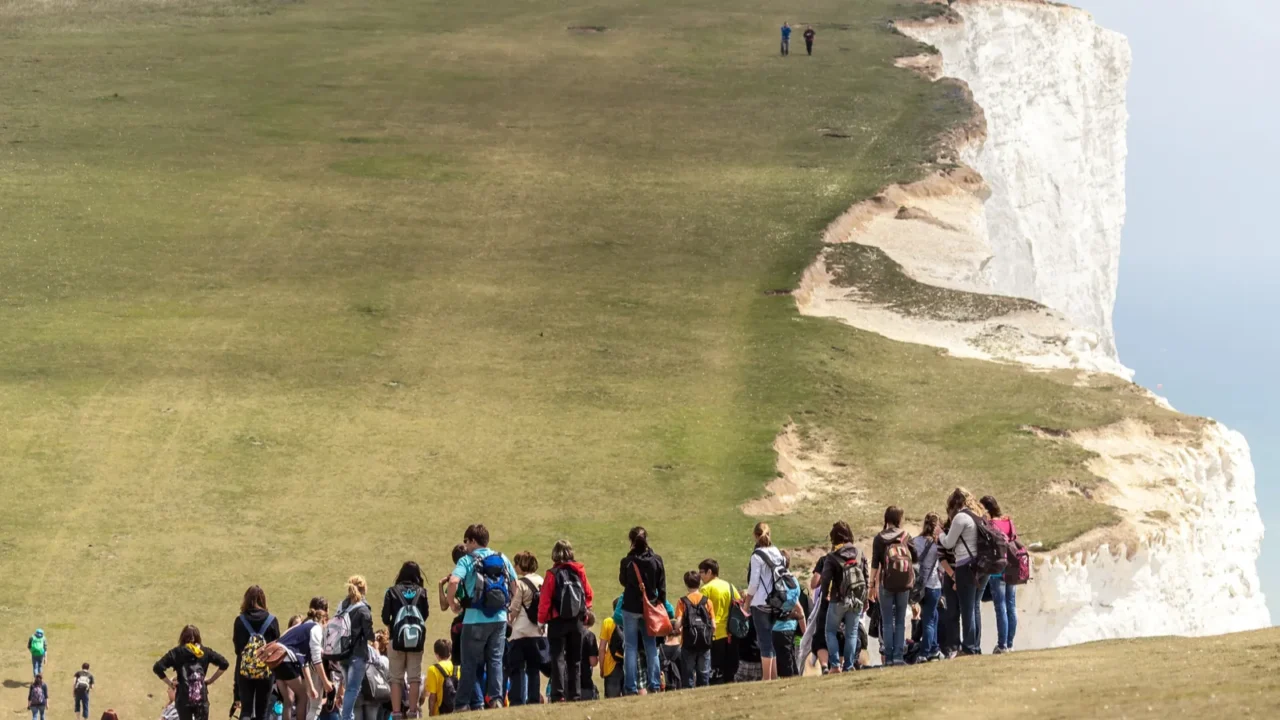
Despite their strength, these cliffs are environmentally sensitive. Excess foot traffic can damage vegetation that stabilizes the rock. Preservation ensures the sounds continue for future generations.
Local authorities encourage staying on marked paths. Responsible tourism protects both safety and nature. The music survives best when the cliffs are respected.
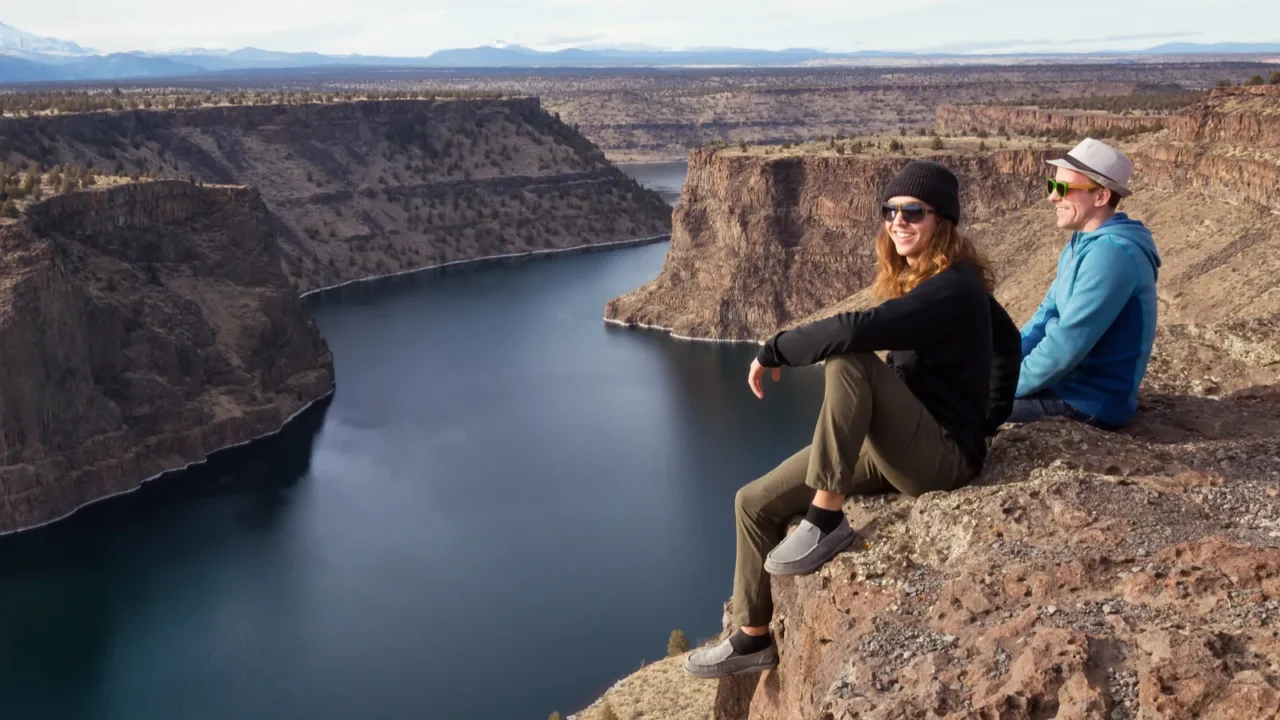
When land starts singing
Ireland’s cliffs offer more than dramatic scenery and ocean views. They deliver a rare moment where the landscape turns audible. Few places blend sound and setting so naturally.
The most memorable journeys awaken unexpected senses. Which natural soundscape has stayed with travelers long after the trip ended? Share those moments below.
This slideshow was made with AI assistance and human editing.
Disclaimer: The images used are for illustrative purposes only and do not depict the actual locations mentioned.
Don’t forget to follow us for more exclusive content right here on MSN.
Read More From This Brand:
