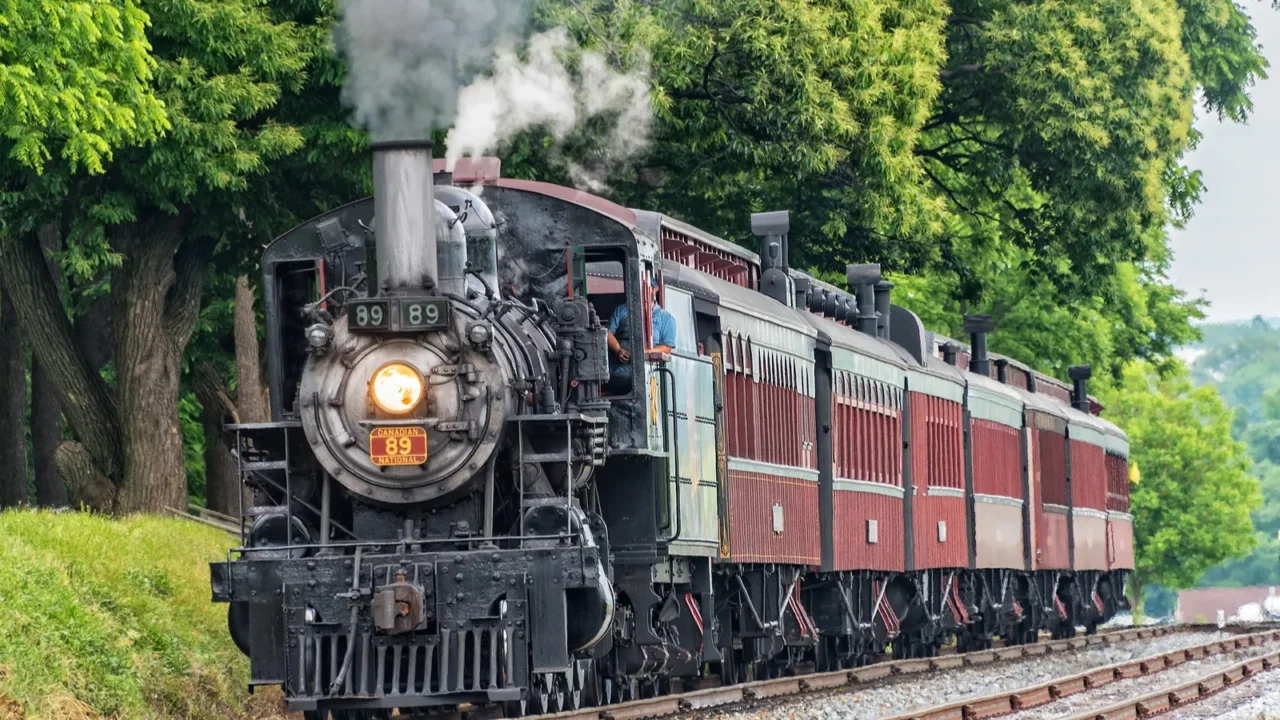
America on the move
Long-distance passenger trains once symbolized freedom, connection, and the romance of American travel. They linked rural towns with major cities and offered a slower, scenic way to cross the country. Today, those routes are quietly disappearing, leaving many travelers unaware of what is being lost.
This decline is not about nostalgia alone. It reflects big changes in how Americans travel, spend money, and prioritize speed over experience. Understanding why these trains are fading reveals much about modern transportation choices.
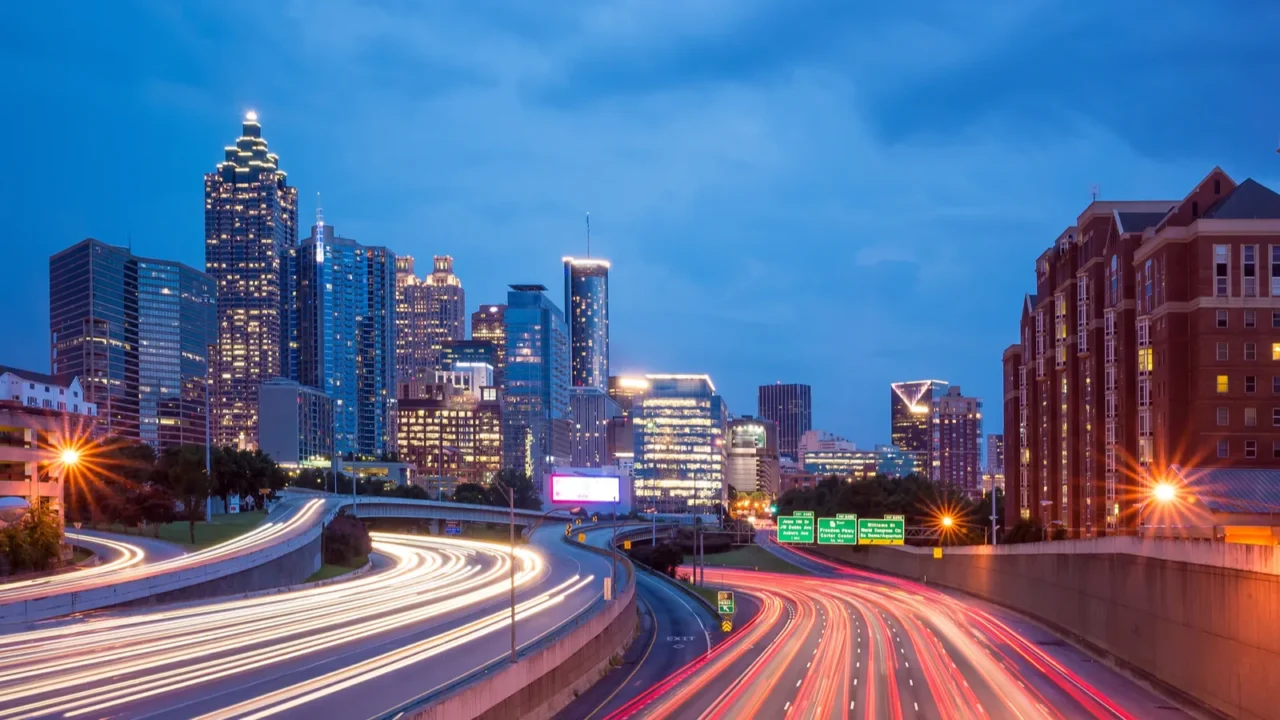
Highways took over
The expansion of interstate highways reshaped travel across the United States. Road trips became cheaper, faster, and more flexible, giving travelers control over schedules and destinations. Cars offered door to door convenience that trains struggled to match, especially in spread-out regions.
As highways improved, government funding shifted heavily toward road infrastructure. Passenger rail lost political priority, making it harder to maintain long routes. Over time, driving replaced trains as the default choice for domestic travel.
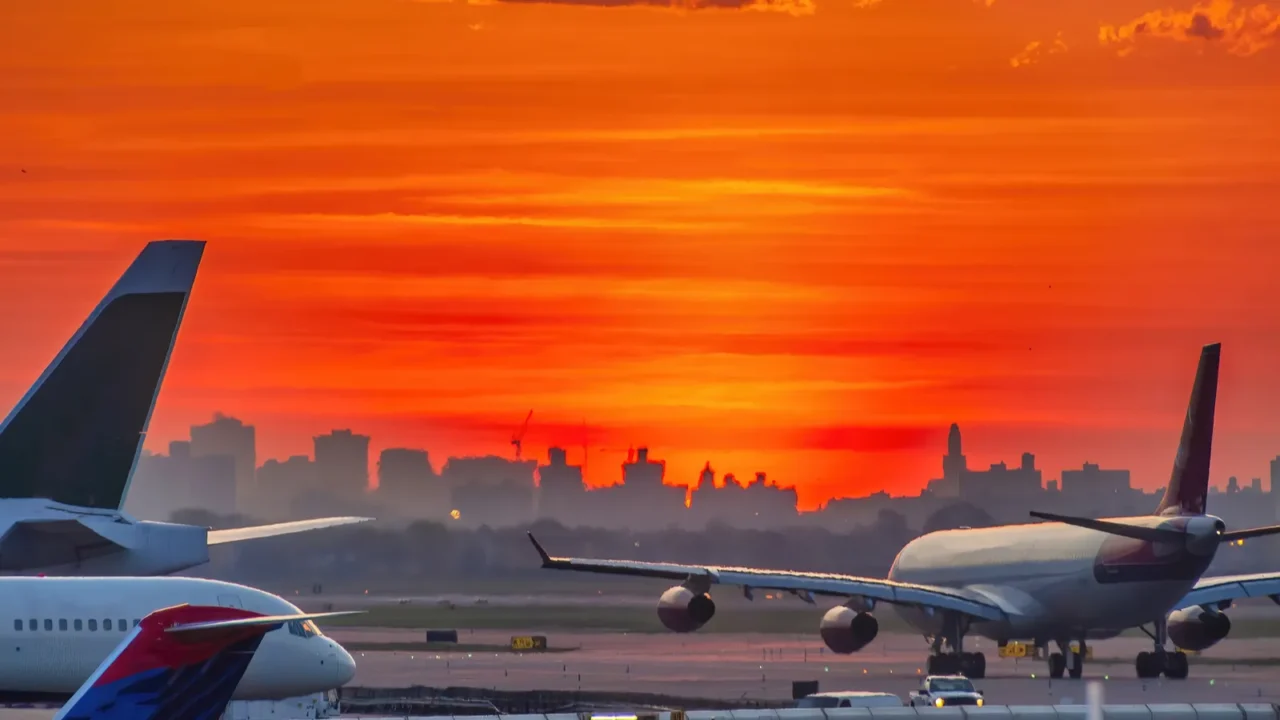
Flying became faster
Commercial aviation transformed long-distance travel by cutting days into hours. As airlines expanded routes and lowered fares, flying became the preferred option for crossing large states or reaching distant cities. Speed became the deciding factor for most travelers.
Passenger trains could not compete with flight times, especially on coast-to-coast routes. Even travelers who valued comfort often chose planes for efficiency. This shift reduced demand for long-distance rail services nationwide.
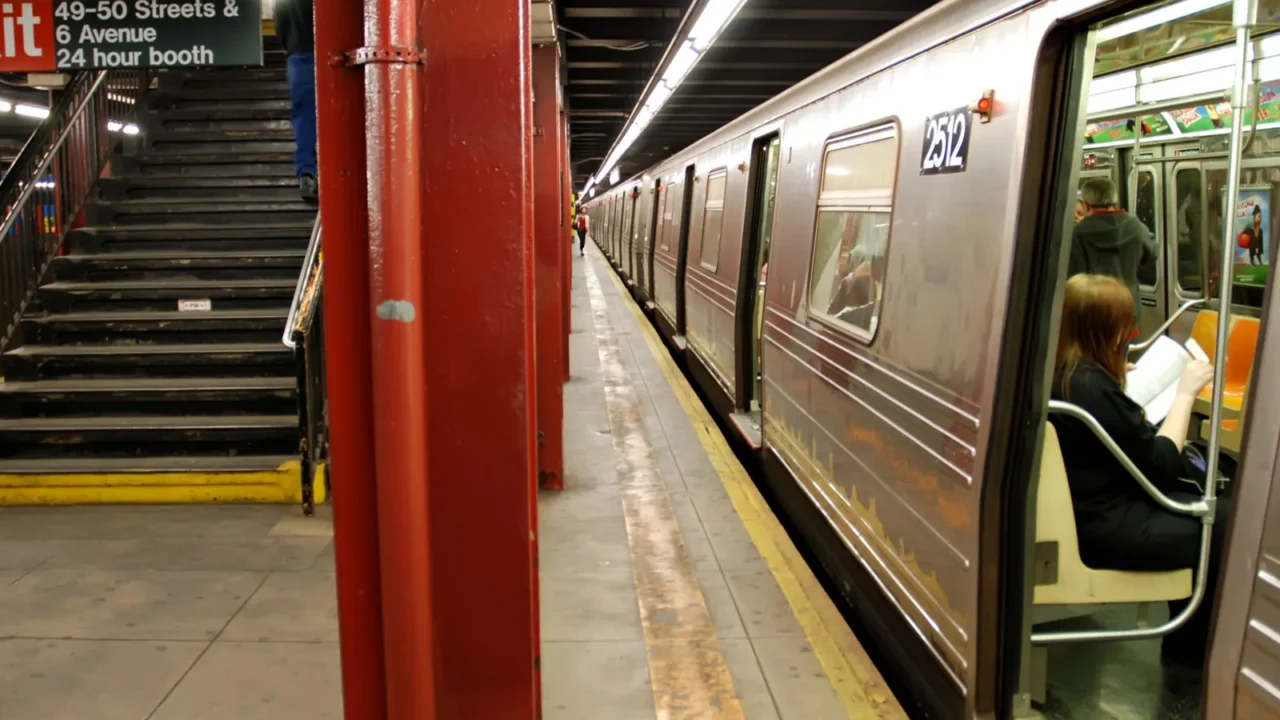
Funding gaps hurt rail
Long-distance passenger trains rely heavily on federal support to operate. Unlike highways and airports, rail systems receive inconsistent funding that often changes with political leadership. This uncertainty limits long-term planning and investment.
Without steady funding, aging railcars and tracks fall behind modern standards. Delays, breakdowns, and outdated amenities discourage ridership. As service quality declines, fewer passengers choose trains, creating a cycle that further weakens financial support.
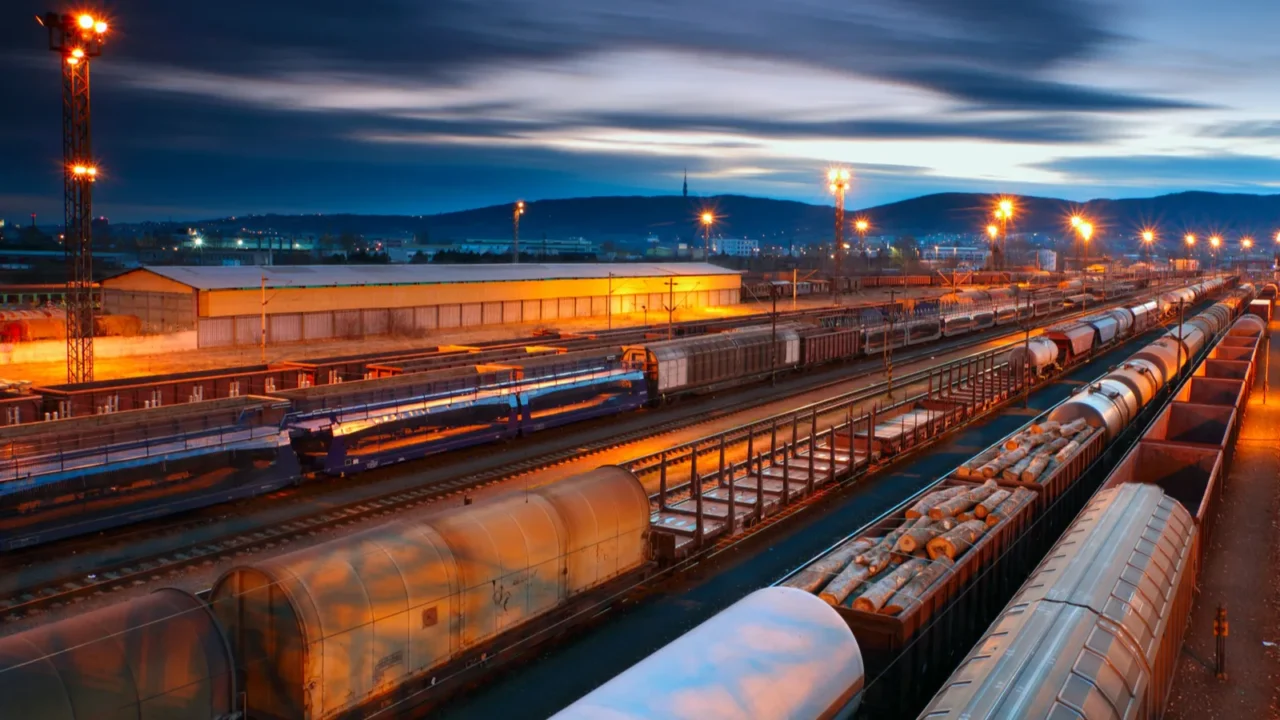
Freight comes first
Most long-distance passenger trains share tracks with freight rail companies. Freight trains carry massive economic value and are given operational priority across the country. Passenger trains are often forced to wait, causing frequent delays.
Unreliable schedules frustrate travelers who depend on timely arrivals. When a journey stretches hours longer than expected, trust in rail travel fades. This ongoing conflict between freight and passenger priorities continues to push riders away.
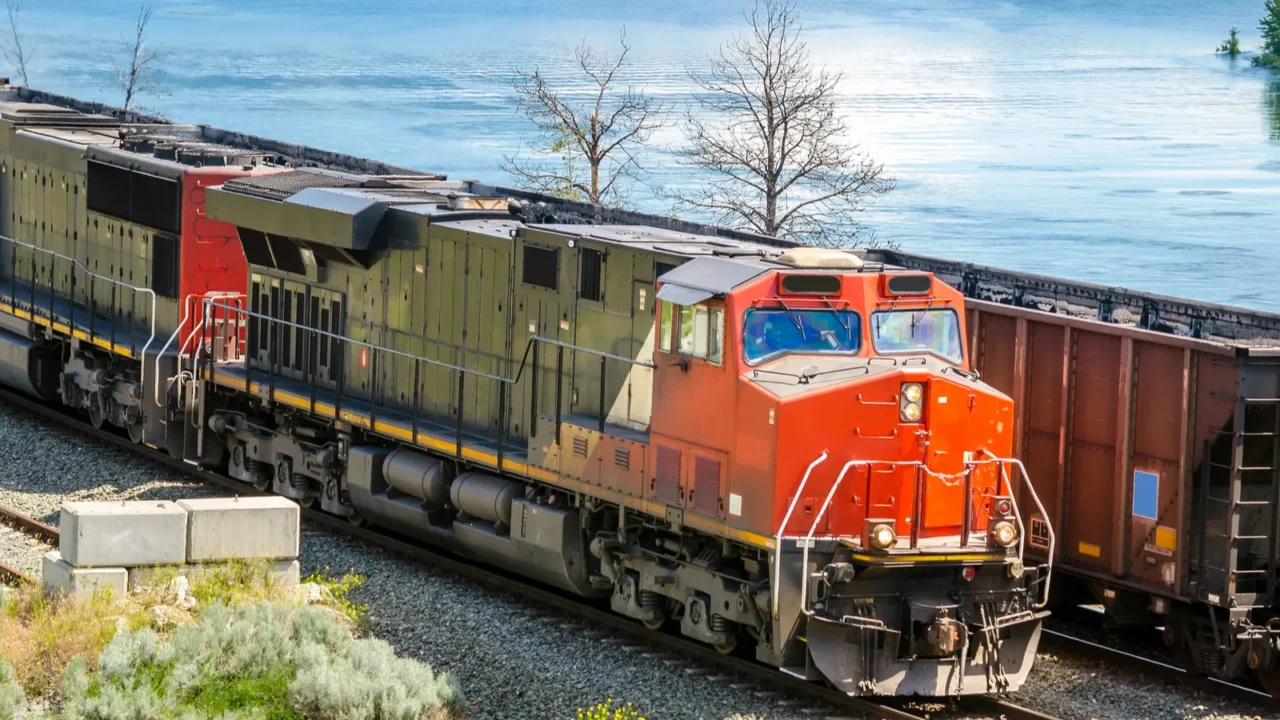
States choose differently
Transportation decisions in the United States vary widely by state. Some states invest heavily in highways and airports, while others support regional rail. Long-distance routes often cross multiple states, complicating funding agreements.
When even one state withdraws support, entire routes become vulnerable. Local governments may see little benefit in funding trains that primarily serve travelers passing through. These uneven priorities contribute directly to route reductions and service cuts.

Changing travel habits
Modern travelers value flexibility, speed, and digital convenience. Apps make booking flights and car rentals instant, while train travel often feels slower and less predictable. Expectations have changed dramatically over the past few decades.
Work schedules allow fewer extended vacations, reducing interest in multi-day train journeys. Travelers increasingly prefer quick getaways rather than long scenic trips. As demand shifts, rail operators struggle to justify maintaining extensive long-distance services.
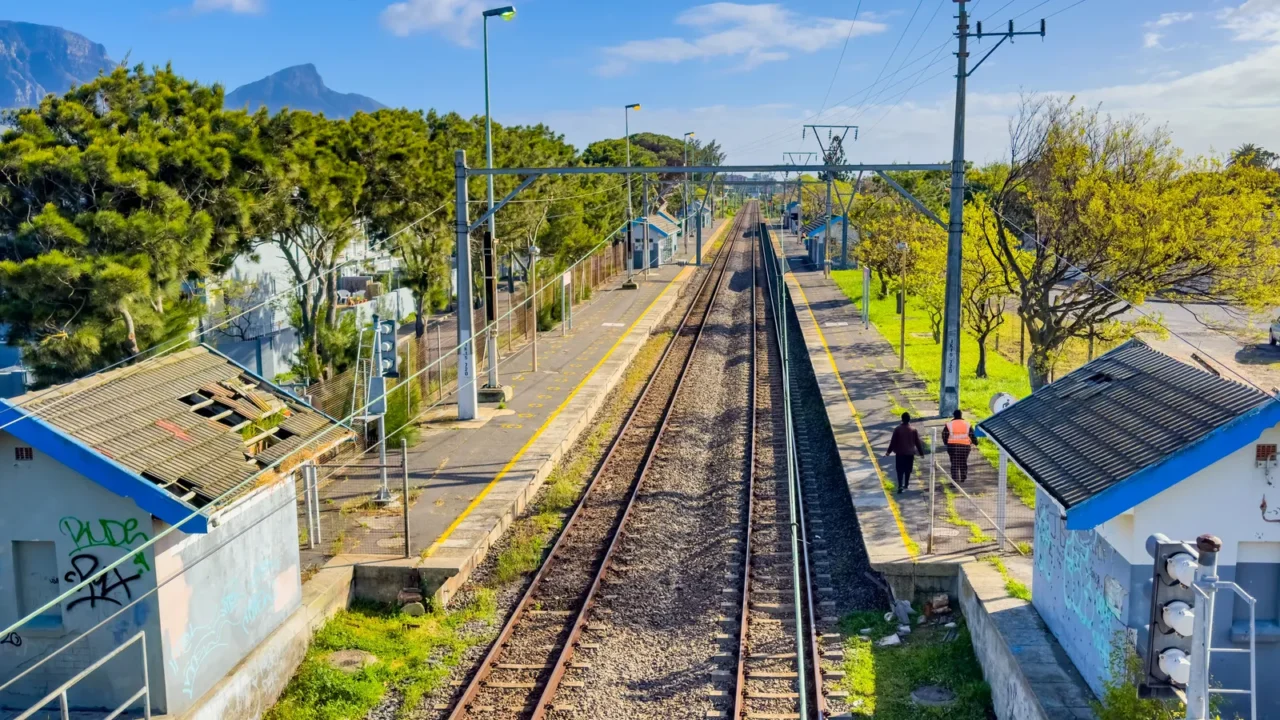
Rural communities left behind
Long-distance trains once served small towns with limited transportation options. As routes disappear, rural communities lose affordable access to major cities and essential services. For many residents, driving long distances is not always possible.
Bus routes and flights rarely replace these connections effectively. The loss of rail deepens isolation and reduces tourism opportunities in lesser-known destinations. Declining service impacts more than travel convenience. It reshapes entire local economies.
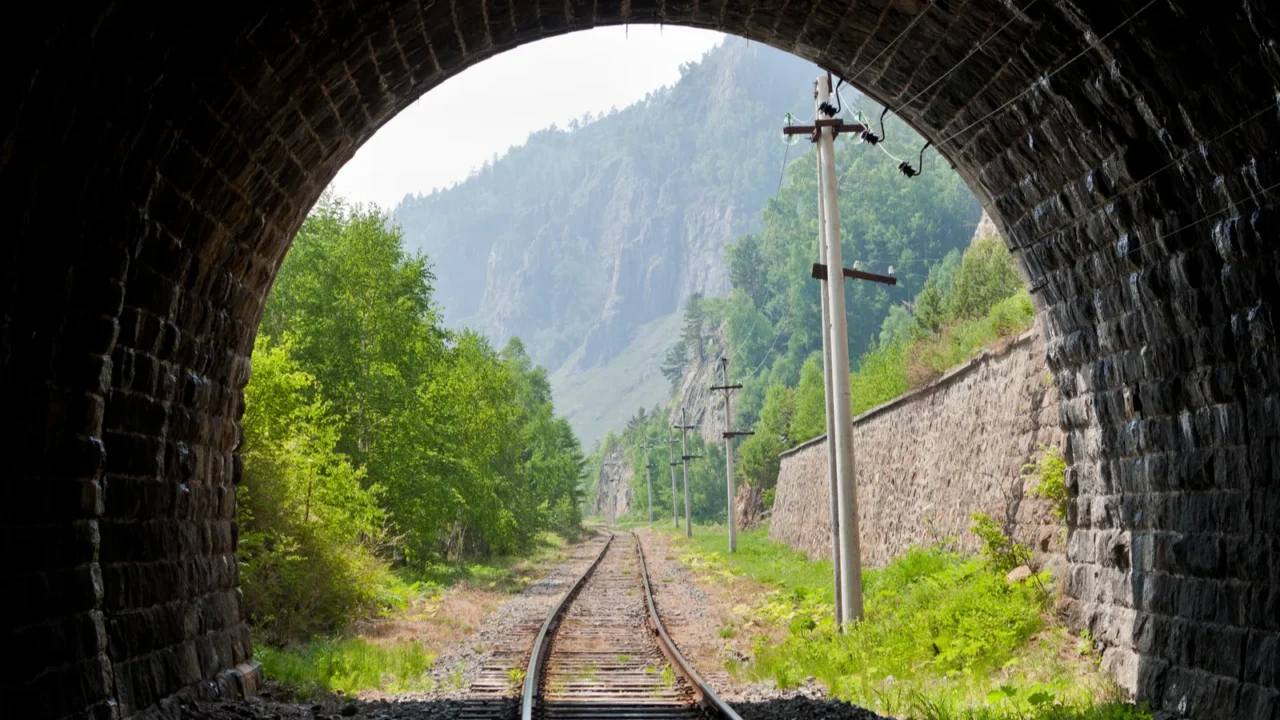
Aging rail infrastructure
Much of the rail infrastructure used by long-distance trains is decades old. Outdated signaling systems, worn tracks, and older stations slow operations and raise safety concerns. Modern upgrades require massive investment.
Without modernization, trains cannot compete with newer transportation modes. Passengers notice slower speeds and limited onboard amenities. Infrastructure neglect makes rail travel feel outdated, reinforcing the perception that trains belong to the past rather than the future.
Cost versus value debate
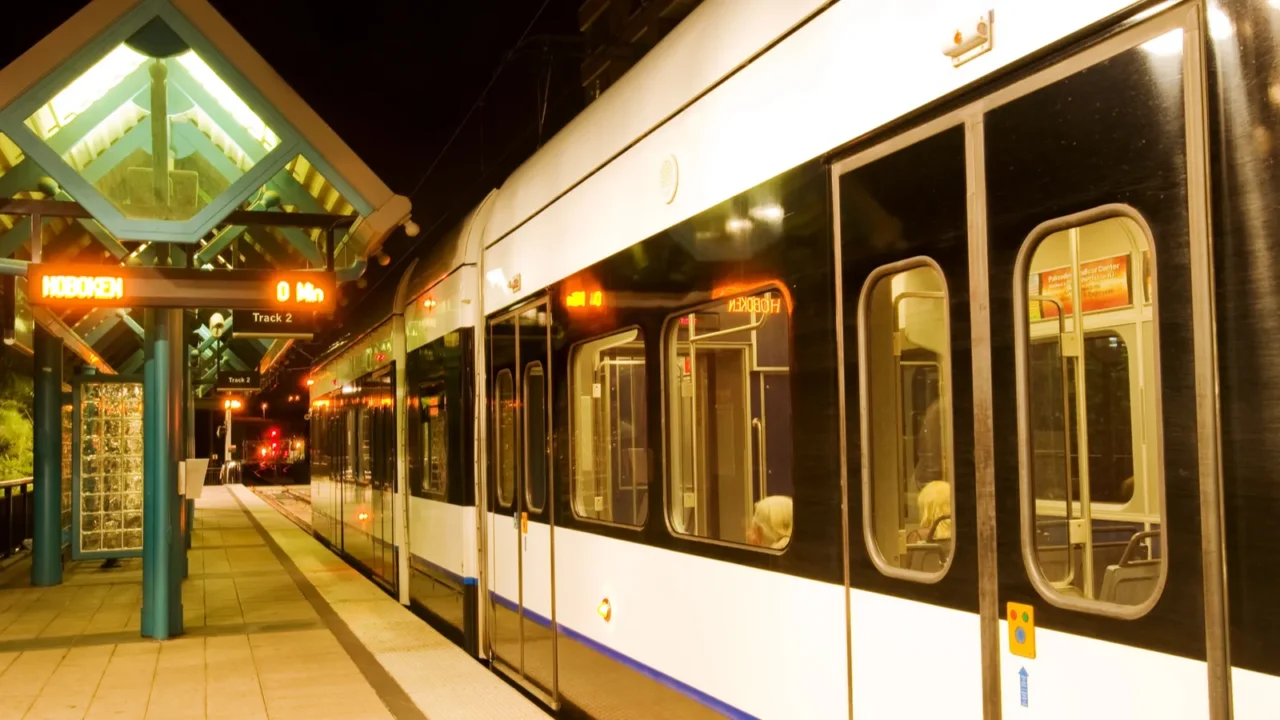
Critics often argue that long-distance passenger trains cost too much for the number of riders they serve. Operating expenses include staffing, fuel, maintenance, and shared track fees. These costs are highly visible in public budgets.
Supporters counter that rail offers environmental benefits and national connectivity. However, financial debates frequently overshadow these advantages. When policymakers focus strictly on short-term costs, long-distance train routes become easy targets for elimination.

Environmental argument overlooked
Passenger trains produce fewer emissions per traveler than cars or planes. In an era of climate awareness, rail travel offers a cleaner alternative for long-distance journeys. This benefit often receives less attention in policy discussions.
Despite environmental advantages, investment still favors roads and aviation. Without stronger climate-focused transportation strategies, trains remain undervalued. Ignoring rail limits progress toward sustainable travel goals across the United States.
What Europe did differently
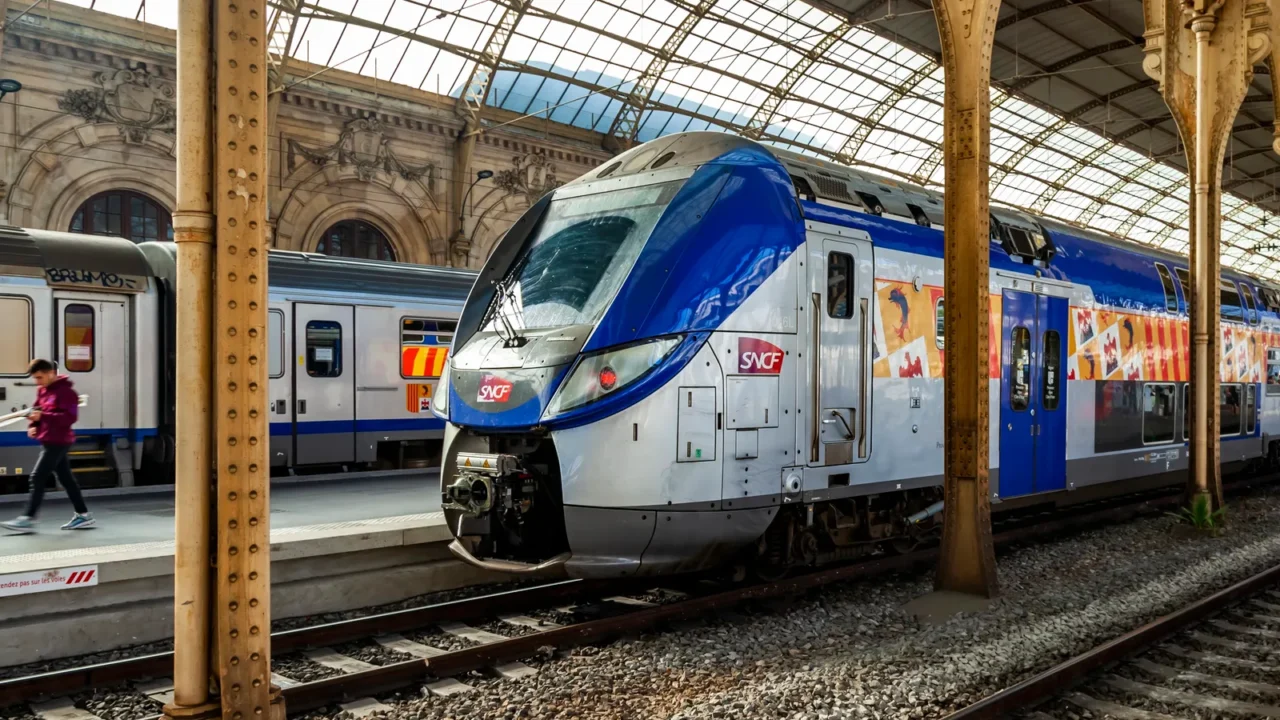
European countries invested heavily in passenger rail as a national priority. High-speed networks connect major cities efficiently while regional trains serve smaller towns. Consistent funding and coordination drive success, creating train journeys that feel reliable, scenic, and deeply woven into everyday travel life, reminding travelers why rail journeys can still be meaningful when thoughtfully supported.
In contrast, the United States treated rail as optional rather than essential. Lack of unified vision slowed progress and limited long-term planning. Comparing approaches highlights how policy choices shape outcomes and invites readers to imagine how American train journeys could feel if connection and experience mattered again.
Can trains make a return?
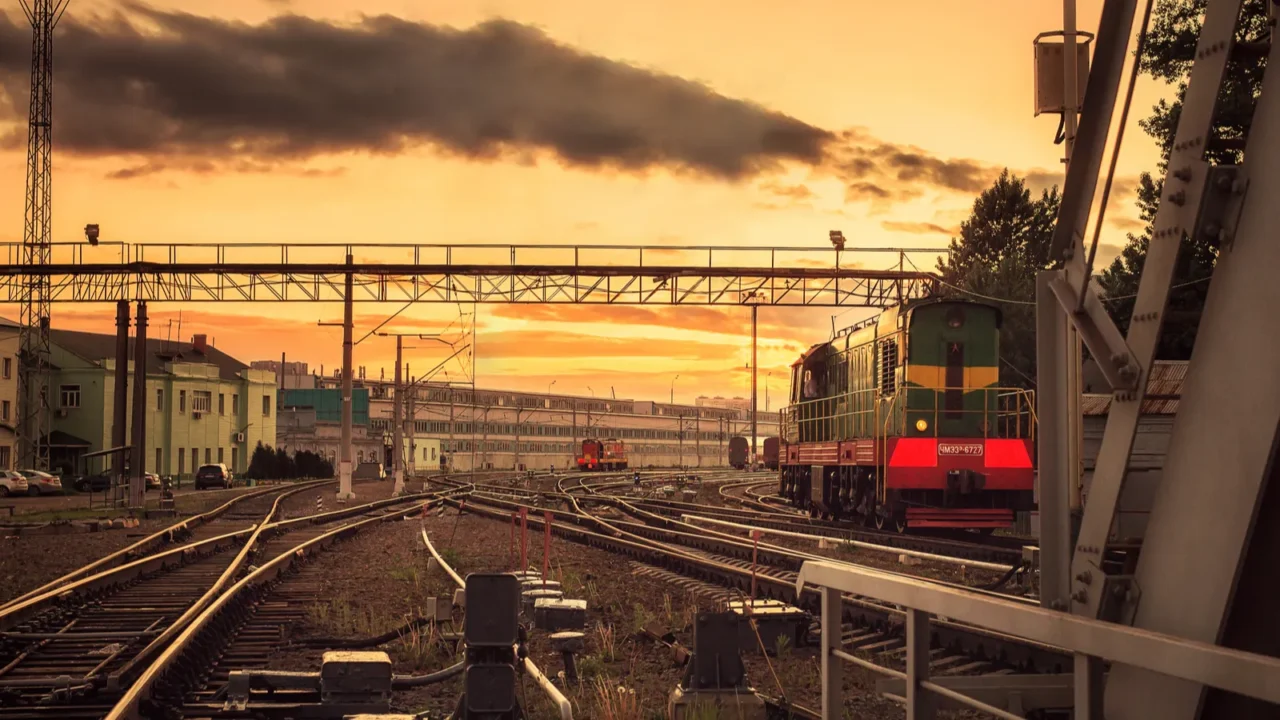
Reviving long-distance passenger trains would require stable funding, infrastructure upgrades, and political commitment. Growing interest in sustainable travel may reopen conversations about rail investment, especially as travelers look for slower, more immersive experiences and begin noticing forgotten train routes that may be worth the ride.
If reliability improves and travel experiences modernize, trains could regain relevance. The decline in long-distance rail service across U.S. states is real, but not irreversible. With the right priorities, long-distance rail could once again reshape how Americans explore their own country and rediscover train routes that are worth the ride and deserve renewed attention.
Is faster travel always better, or is something being left behind? Let us know what you think.
This slideshow was made with AI assistance and human editing.
Don’t forget to follow us for more exclusive content right here on MSN.
Read More From This Brand:
