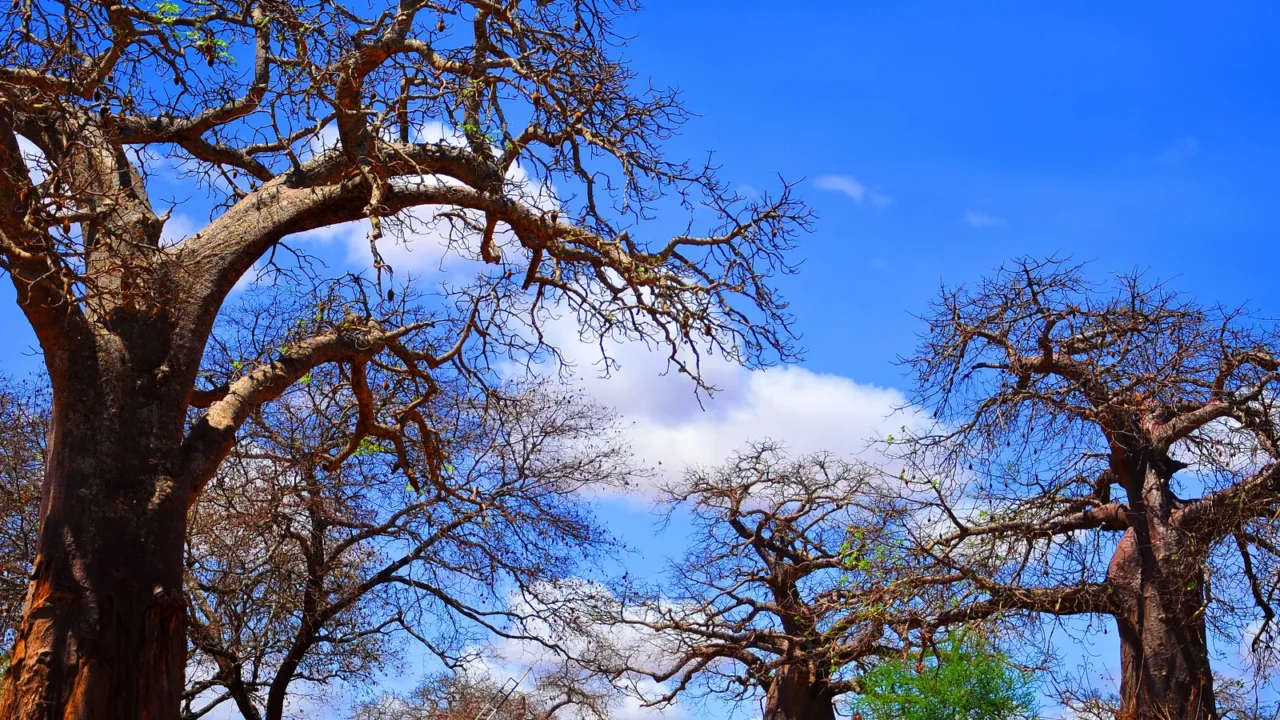
Trees that stop travelers
Madagascar has trees so massive and strange that travelers often stop mid-road just to stare. These are baobabs, rising like living sculptures against wide open skies and red earth. Their presence feels unreal, almost like stepping into another world.
Found nowhere else in such variety, these trees quietly set the tone for the journey ahead. They hint at stories of time, survival, and nature doing things its own way. Let’s dive in!

Madagascar’s natural signature
Baobabs are more than trees here; they are part of the country’s identity. Madagascar is home to six of the world’s eight baobab species, making it a global hotspot. That rarity alone pulls travelers from every continent.
These trees grow slowly and live for centuries, sometimes over a thousand years. Their thick trunks and bare branches give them a surreal, almost upside-down look. It’s a sight visitors rarely forget.
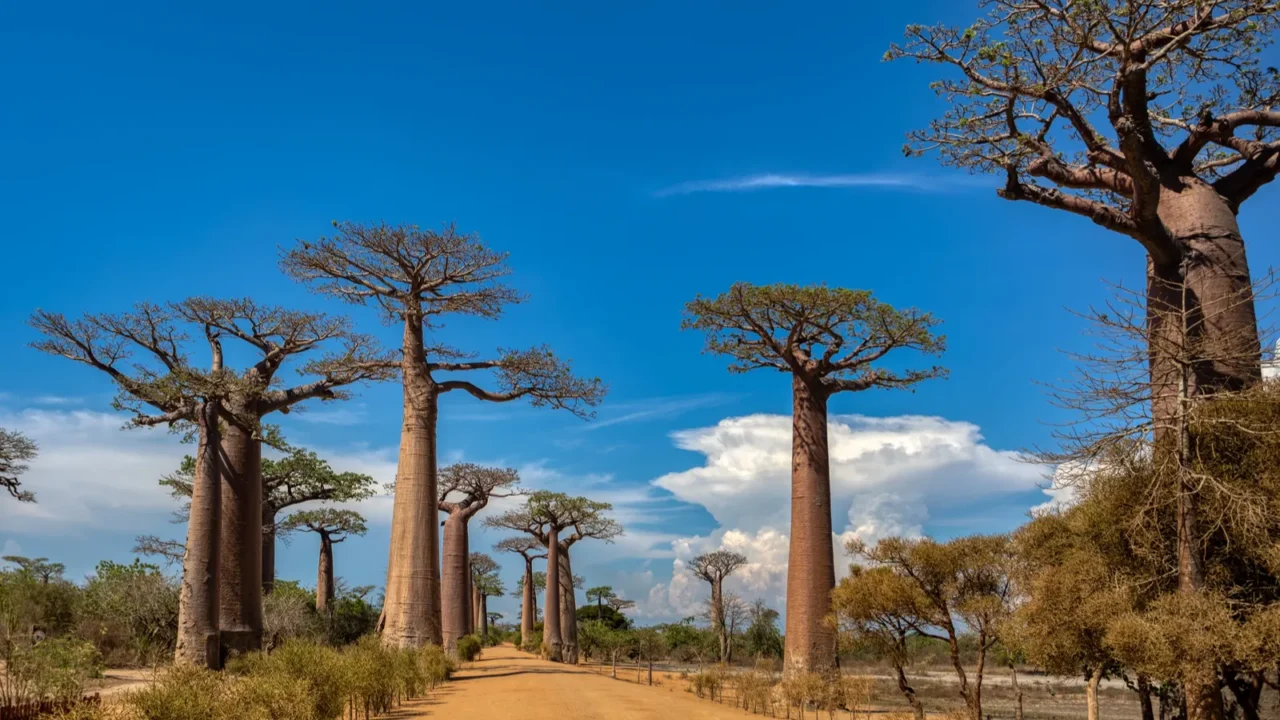
The iconic Baobab Avenue
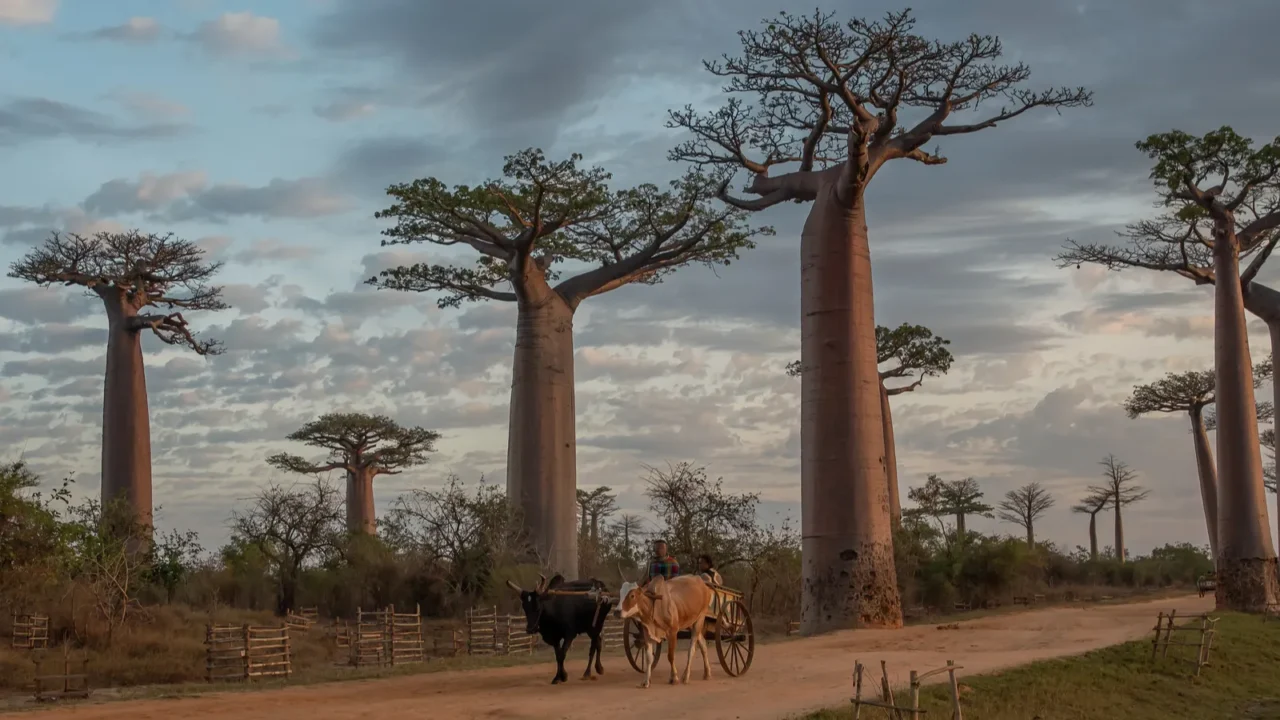
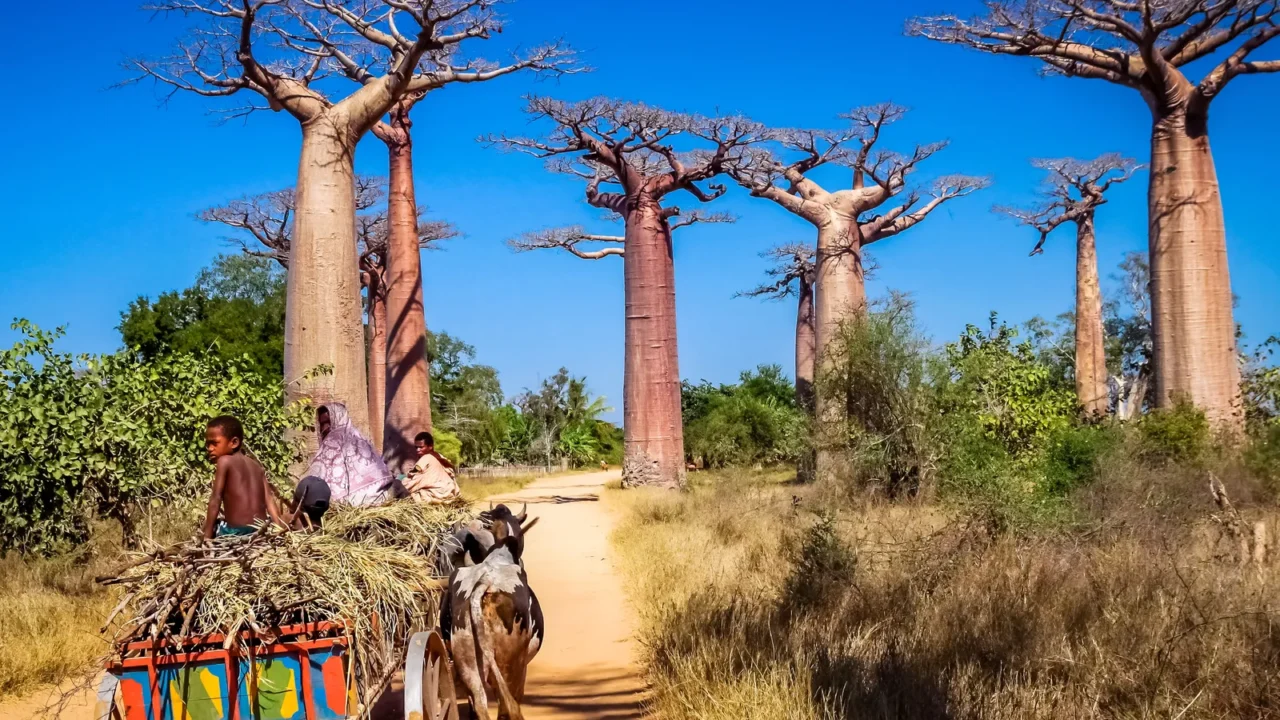
The most famous spot is the Avenue of the Baobabs near Morondava on the west coast. A dirt road lined with towering trees creates one of Africa’s most photographed landscapes. Sunrise and sunset turn the scene golden and dramatic.
Travelers often gather quietly, cameras ready, as the light changes minute by minute. There are no fences or gates, just nature standing tall. That openness makes the experience feel genuine and unfiltered.
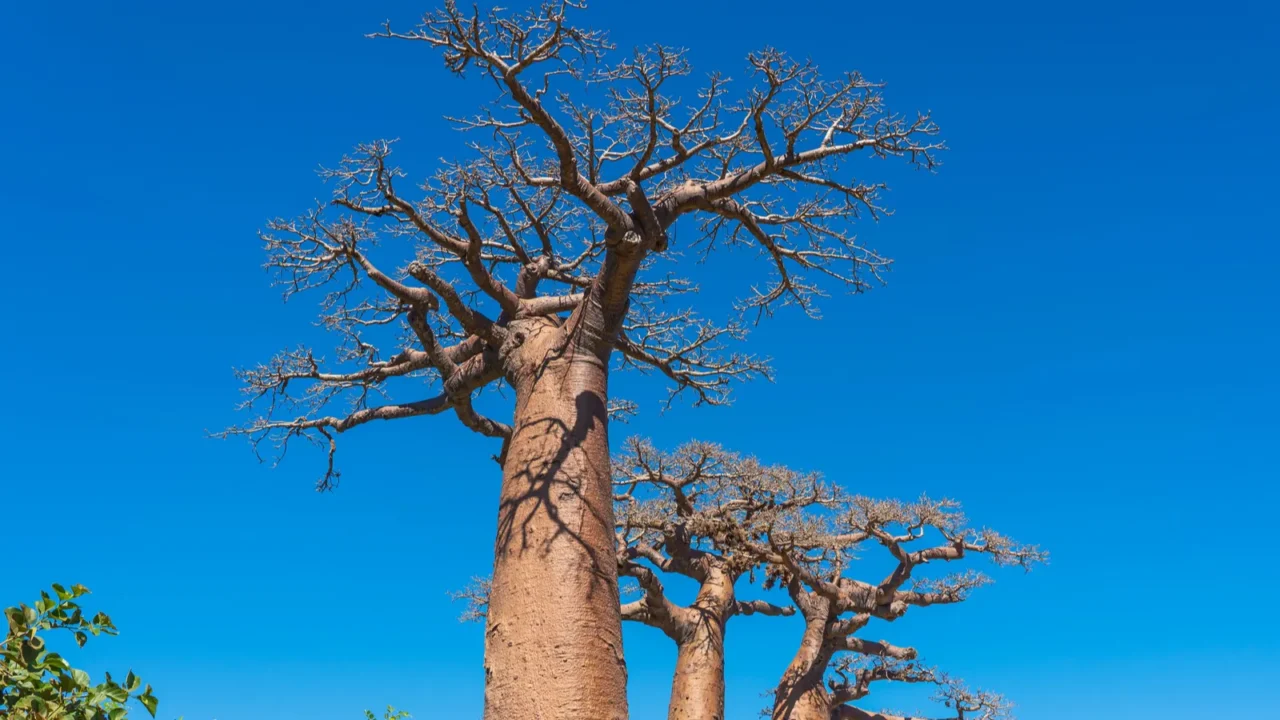
Shapes unlike any forest
Baobabs don’t look like typical trees, and that’s part of the appeal. Their trunks are wide and smooth, storing water to survive long dry seasons. Branches stretch out like roots reaching into the sky.
Walking among them feels more like visiting natural monuments than a forest. Each tree looks different, shaped by decades of wind and weather. Travelers often say photos don’t fully capture the scale.
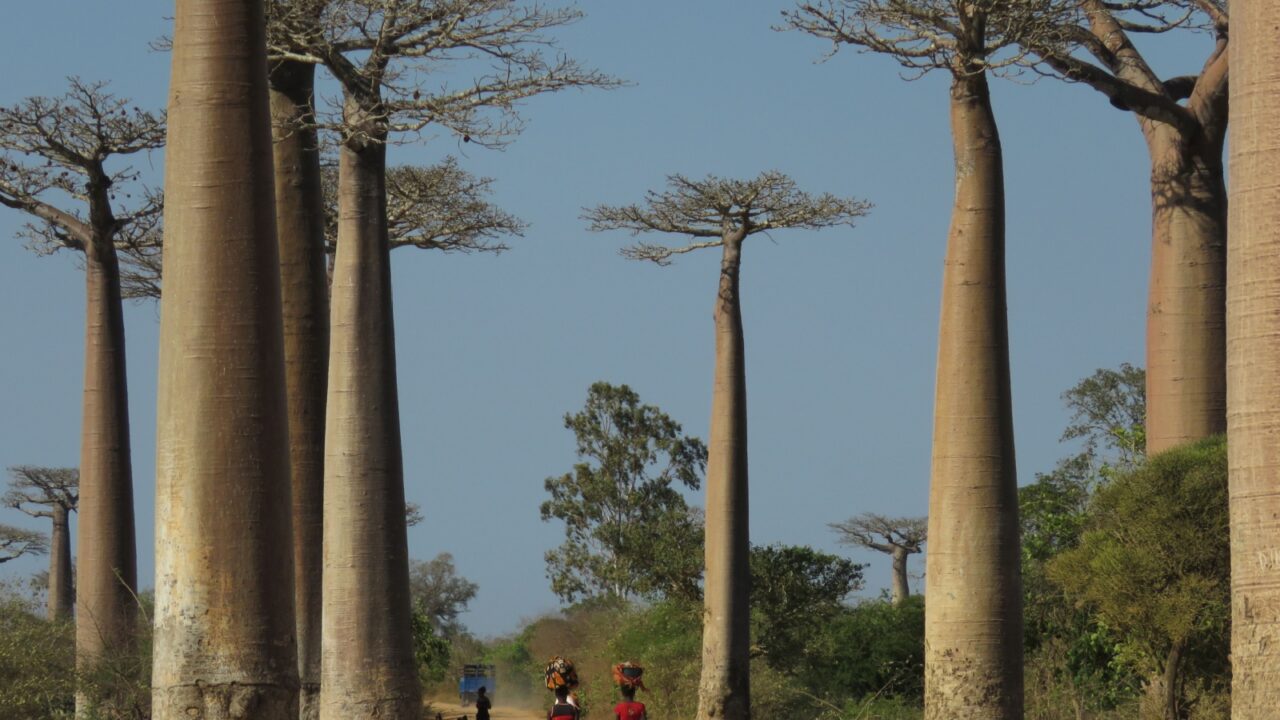
Deep cultural importance
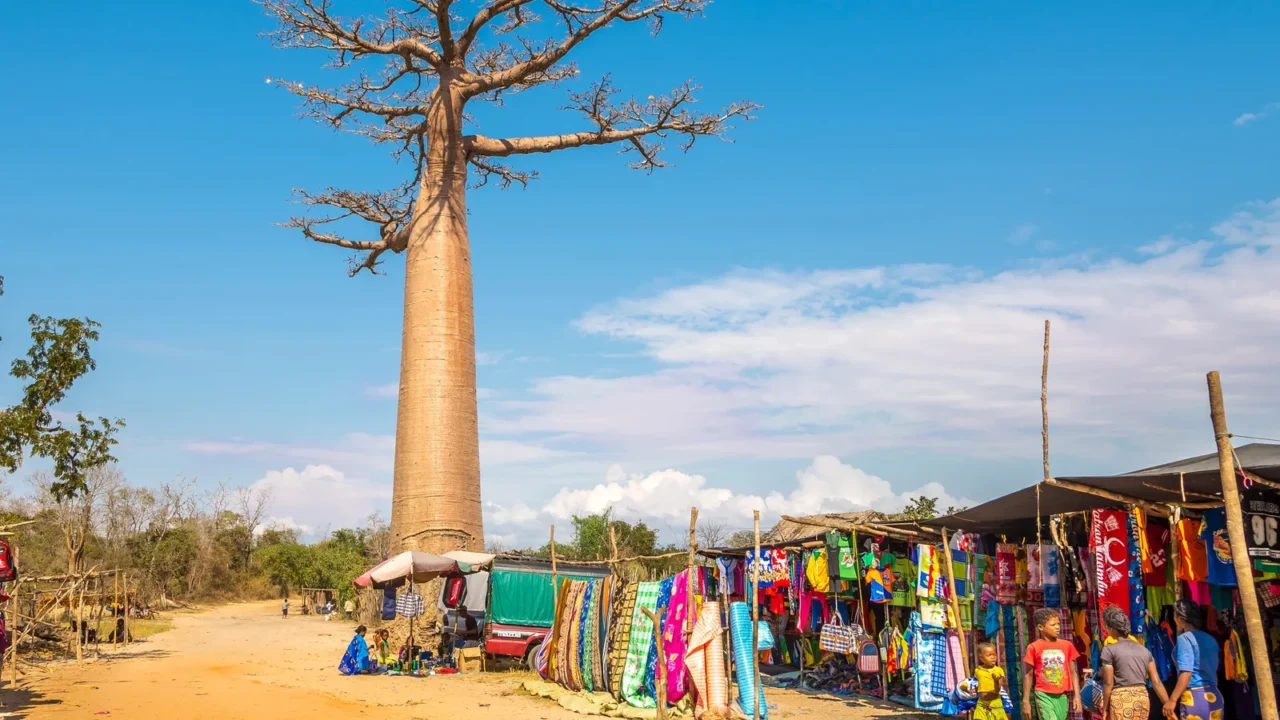
For local communities, baobabs are deeply respected and protected. Many are considered sacred, tied to ancestral beliefs and village traditions. Some trees are even used as meeting places or landmarks.
This cultural connection adds meaning beyond their visual beauty. Visitors sense that these trees are living parts of daily life, not just tourist attractions. That authenticity resonates strongly with thoughtful travelers.
Wildlife around the giants
Baobab landscapes are alive with wildlife unique to Madagascar. Lemurs, birds, and insects often live in or around the trees. Their flowers bloom at night, attracting bats and nocturnal pollinators.
This interaction makes baobabs essential to the local ecosystem. Nature-loving travelers appreciate seeing how everything connects. It turns a simple visit into a deeper learning experience.
Seasons change the mood
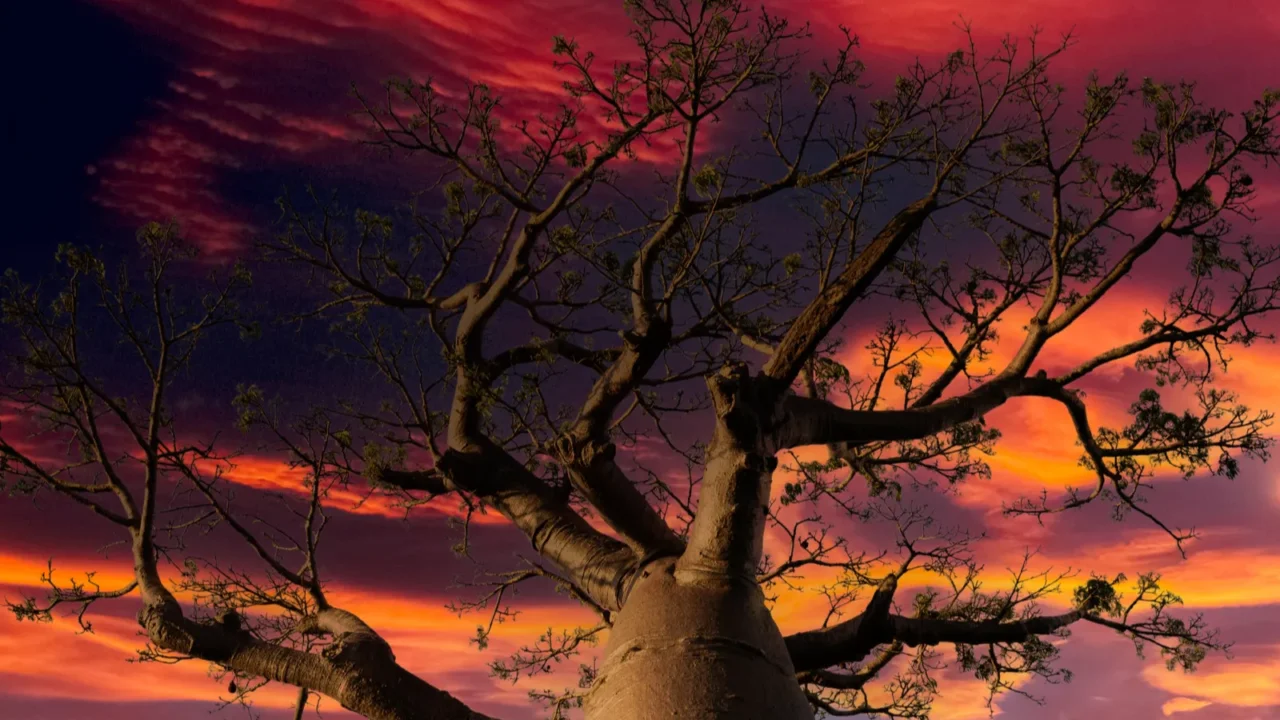
The experience shifts depending on the time of year. During the dry season, the trees stand bare against dusty plains. In wetter months, the surroundings turn green and full of life.
Photographers and holidaymakers often plan visits around these seasonal changes. Each version of the landscape feels completely different. That variety keeps the destination appealing year-round.
Easy yet remote access
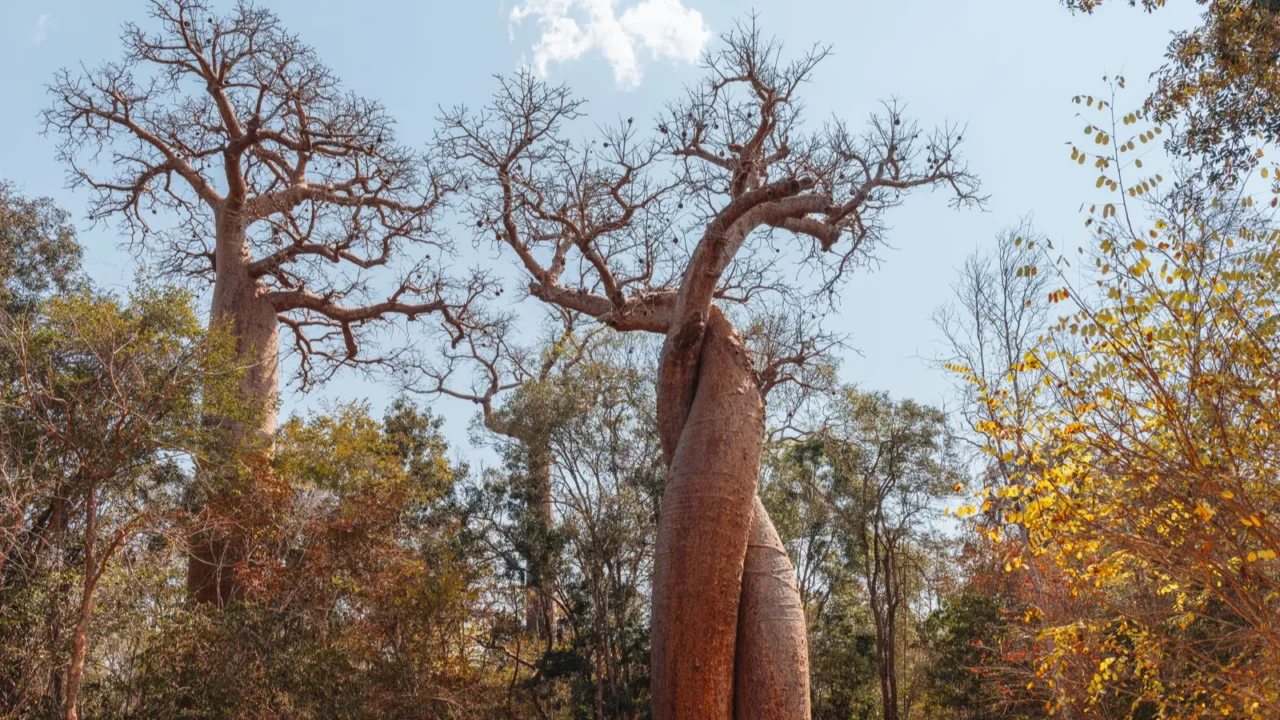
Despite their fame, baobab sites still feel remote and peaceful. Morondava is reachable by domestic flights or long road journeys from Antananarivo. The effort adds to the sense of adventure.
There are no massive resorts surrounding the trees. Small lodges and local guides shape the experience instead. Travelers appreciate that balance between access and untouched beauty.
Sunsets that feel cinematic
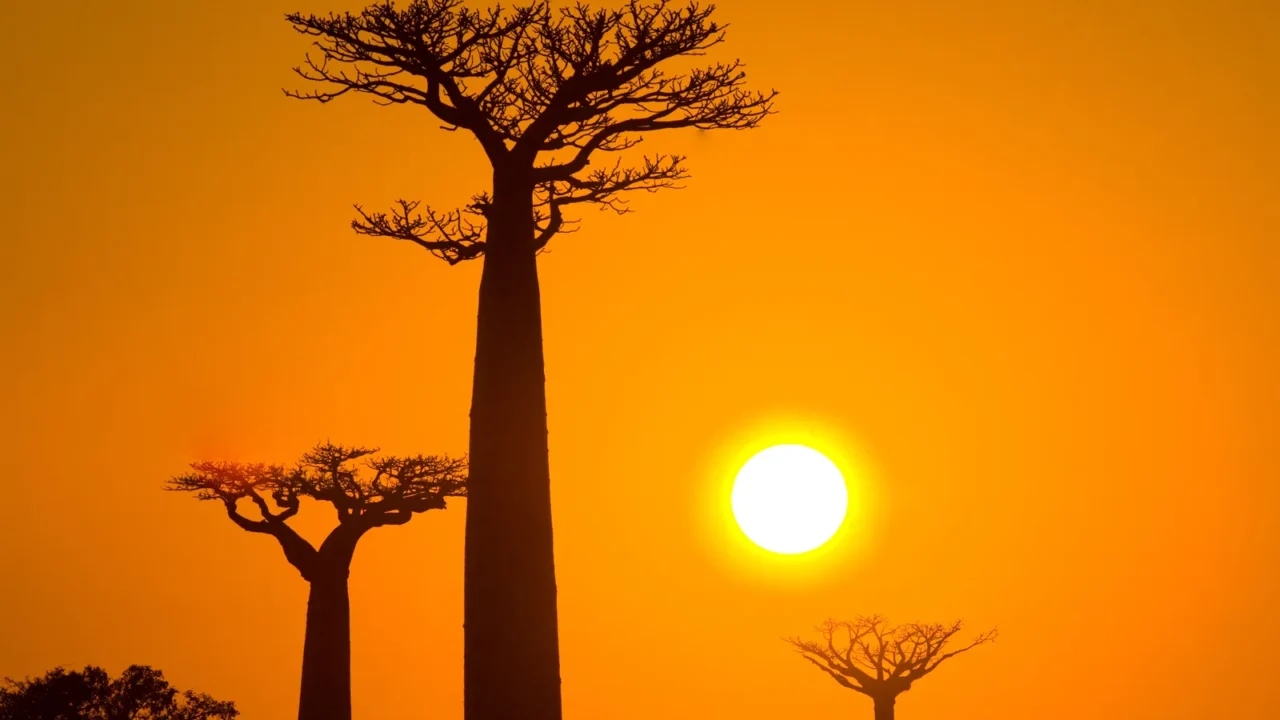
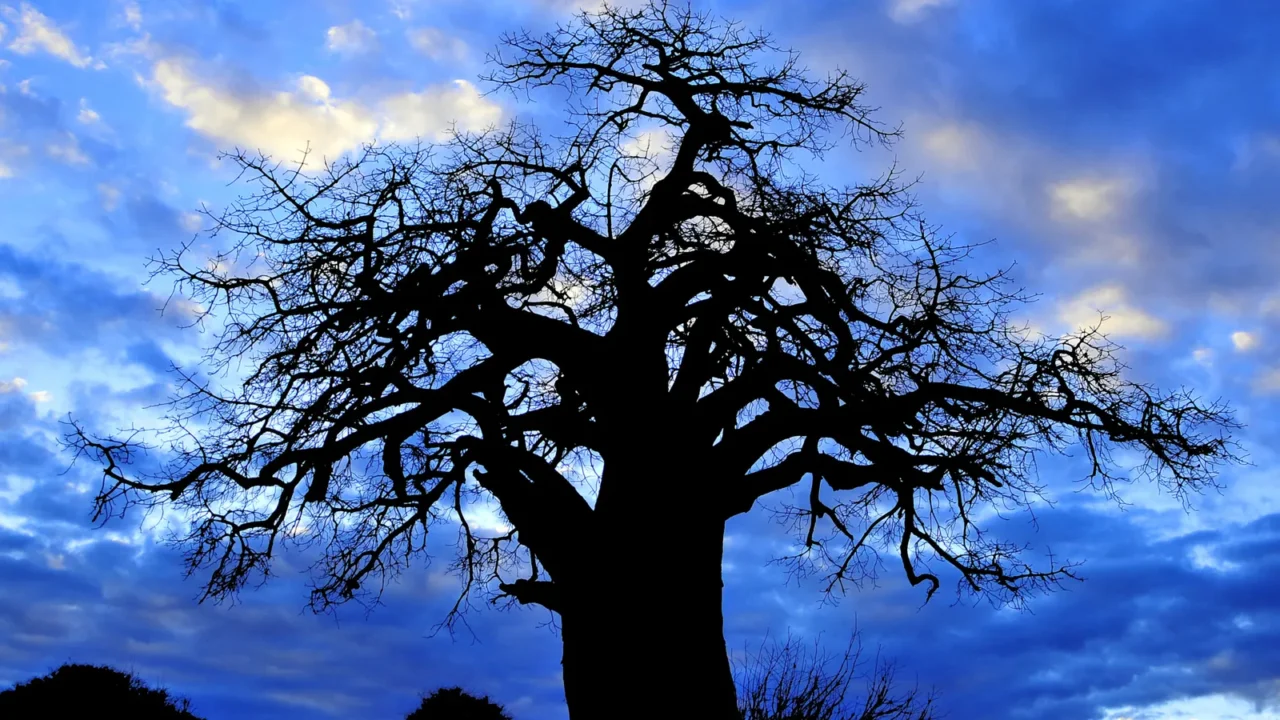
Sunset is when baobabs truly steal the show. The sky shifts into shades of orange, pink, and deep purple behind the silhouettes. The scene feels calm, dramatic, and strangely emotional.
Many travelers describe it as one of the most memorable sunsets they’ve ever seen. The quiet atmosphere encourages reflection and stillness. It’s a moment that stays long after the trip ends.
A symbol of resilience
Baobabs survive harsh climates that would defeat most trees. Their ability to store water allows them to endure extreme droughts. This resilience has become symbolic for Madagascar itself.
Many travelers connect with that story of survival. It adds depth to the visit beyond scenery and photos. The trees quietly represent strength and patience.
Conservation draws awareness
Growing tourism has brought attention to conservation efforts. Many organizations now work to protect baobabs from deforestation and climate threats. Responsible travel helps support these initiatives.
Visitors increasingly value destinations that protect their natural heritage. Learning about preservation adds purpose to the journey. It turns admiration into awareness.
Unlike anywhere else
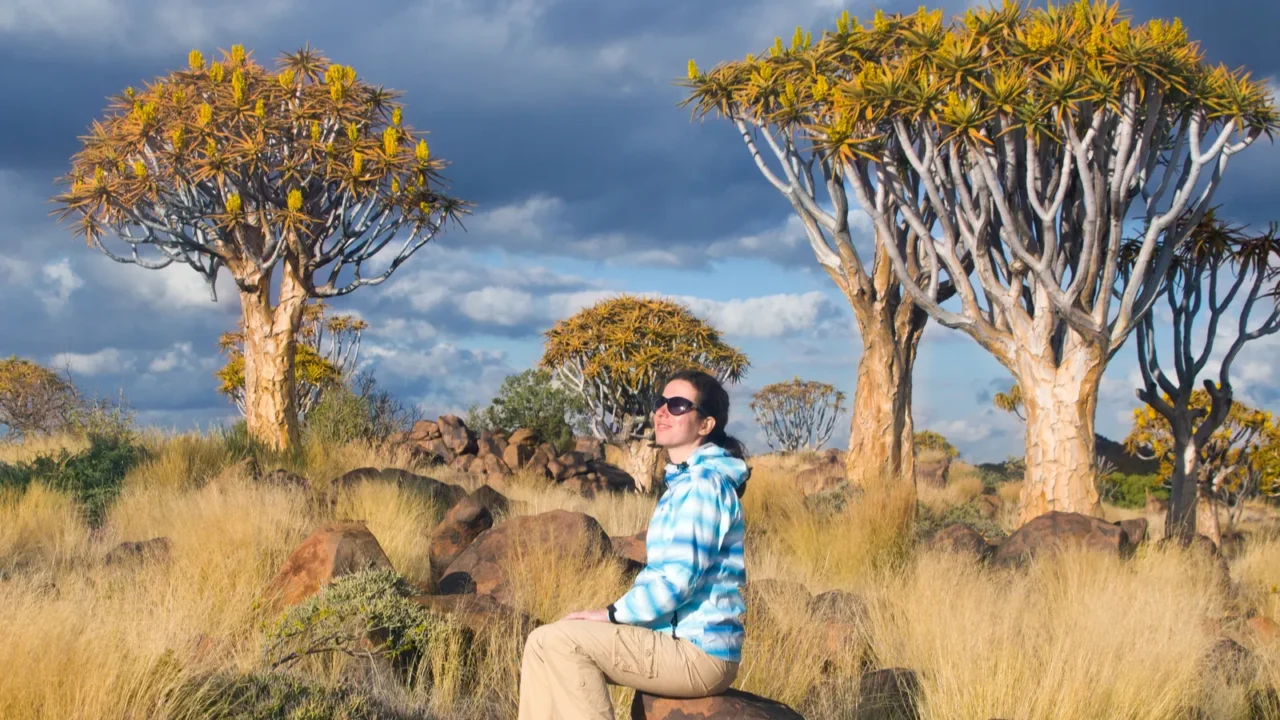
There are baobabs in other parts of Africa, but nowhere compares to Madagascar’s diversity. The mix of rare species, dramatic landscapes, and deep rooted culture creates an experience that feels truly unmatched. That same sense of uniqueness is why destinations like South Korea’s Jeju Island are emerging as Asia’s new wellness capital, drawing travelers who want something different.
It feels like visiting a place that follows its own rules, far from predictable travel formulas. Much like Jeju Island’s calm volcanic scenery and wellness-focused retreats, Madagascar offers depth instead of spectacle. That departure from typical safari or beach trips is exactly what keeps travelers curious and inspired.
A journey remembered
Baobabs leave travelers with a sense of wonder rather than spectacle. They don’t overwhelm with noise or crowds, just a quiet presence. That simplicity makes the memory powerful.
The best journeys often come from places that feel timeless and grounded. Madagascar’s baobab trees offer exactly that kind of escape. Which natural landmark has left a lasting impression on your travels? Share your thoughts below.
This slideshow was made with AI assistance and human editing.
Disclaimer: The images used are for illustrative purposes only and do not depict the actual locations mentioned.
Don’t forget to follow us for more exclusive content right here on MSN.
Read More From This Brand:
