
Federal Republic of Germany is gaining ground
Germany’s “India wave” is no longer a small trend you need a chart to notice. In the winter semester spanning late 2024 to early 2025, Germany crossed 402,000 international students, and India led the pack at about 59,000, up around 20% year over year, which is a huge jump for a single source country.
That matters because it follows a record-setting base year: in winter 2023/24, Germany counted 49,483 Indian students, and Indians ranked as the largest international group for the second year running. In 2025 coverage, this growth is often framed as a “Germany rising, U.S. wobbling” story, tied to costs and visa uncertainty shifting where families place their bets.

Germany is now a top Indian study hub
In the winter semester of 2024/25, India once again led as Germany’s top source country with approximately 59,000 students enrolled, as Germany’s total international enrollment pushed past 402,000.
That jump builds on the previous milestone: 49,483 Indian students were enrolled in winter 2023/24, keeping Indians as Germany’s largest international student group for the second year in a row.
Projections suggest the Indian student population in Germany could exceed 114,000 by 2030, reflecting the continued upward trend.
German public tuition is near zero
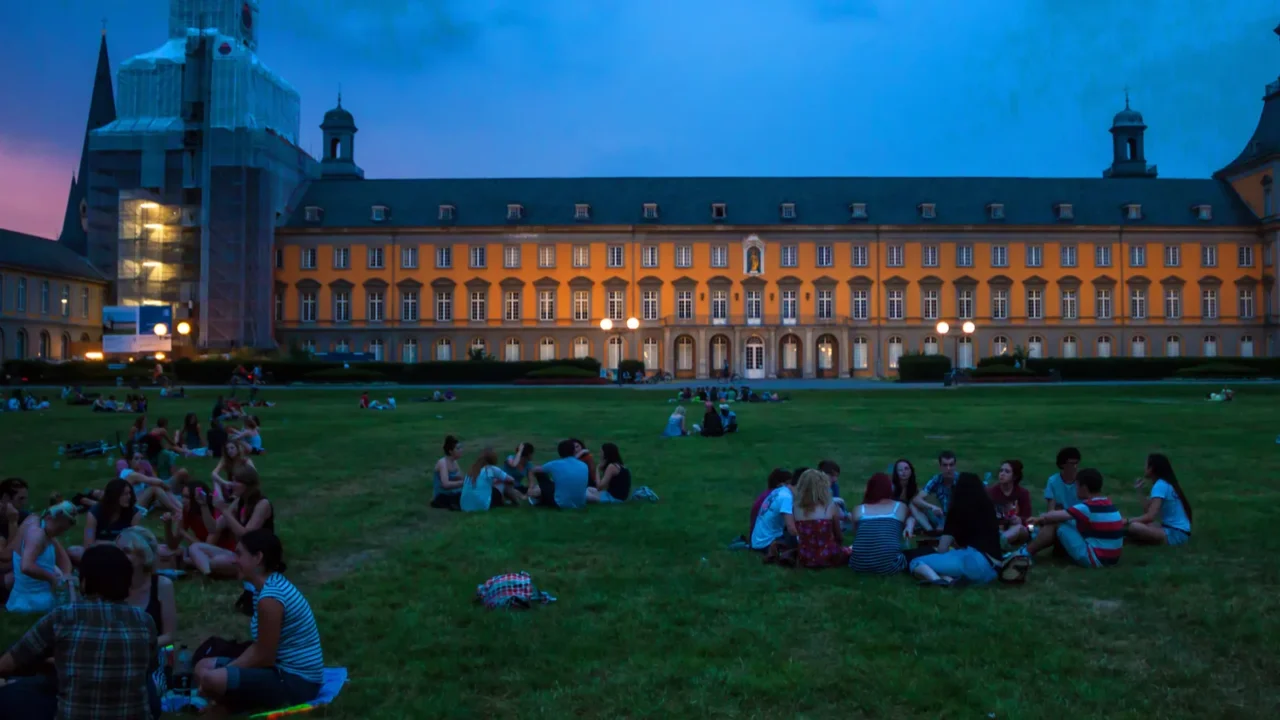
Most public universities in Germany charge little to no tuition fees, including for international students. Students typically pay a semester fee of about €200 to €350, which can include services like public transport and student support.
In the United States, tuition alone is often $30,000 to $50,000 per year, creating a large gap before housing and daily costs. That tuition difference is a major reason families see Germany as a stronger return on investment.

Germany’s living proof is €11,904
As of February 2026, the standard planning baseline Germany uses for student visa proof of funds via a blocked account (Sperrkonto) is €11,904 for 12 months, which equals €992 per month. This is the “presumed annual requirement” used for budgeting and documentation, and it has applied to visa applications submitted since January 1, 2025.
Student health insurance is mandatory and commonly priced at about €120 per month, which keeps required costs more predictable. Combined with low tuition at public universities, the total yearly budget can stay far below many U.S. pathways.
Germany’s STEM pull shows in majors
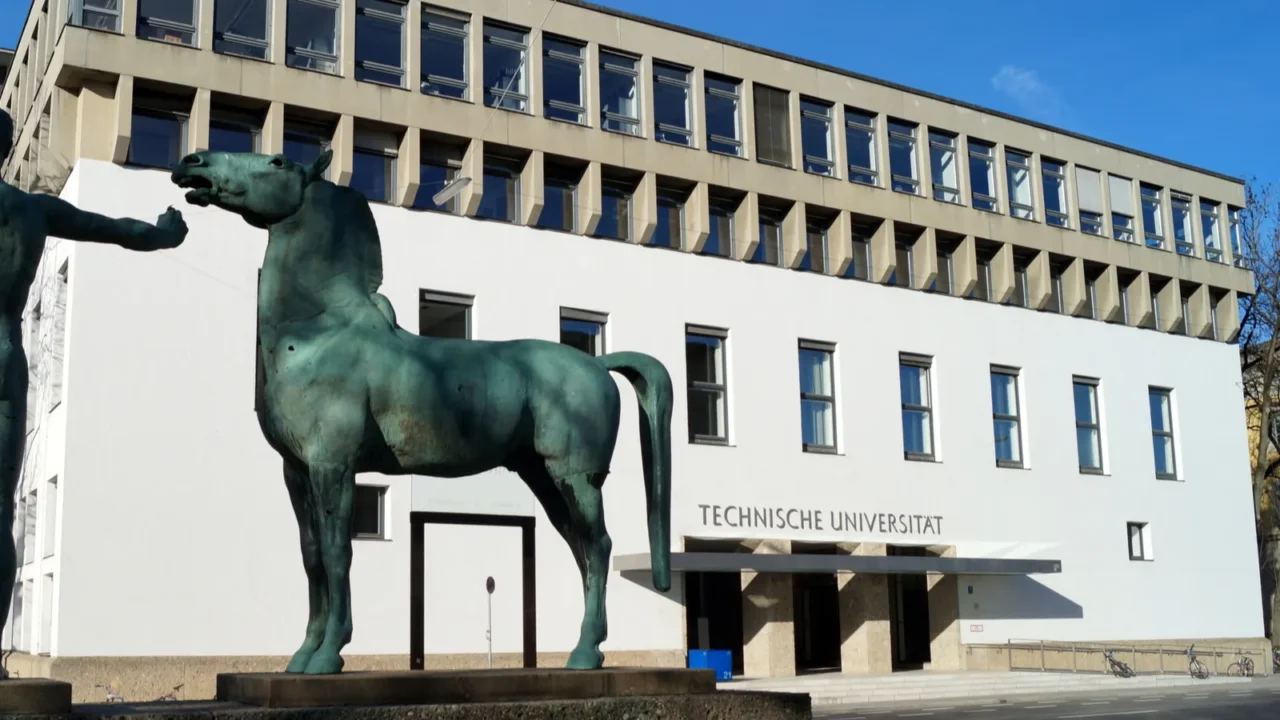
Germany’s universities are widely recognized in engineering and technology, including schools like the Technical University of Munich and Heidelberg University. That academic reputation lines up with what many Indian students pick for majors.
About 60% of Indian students in Germany study engineering and technology, while 21% choose law, management, or social sciences, and 13% choose mathematics and natural sciences. Those major choices highlight Germany’s role as a STEM-focused destination.

Germany’s applied sciences are job linked
Germany has over 200 universities of applied sciences, known as Fachhochschulen, built around practical training and employer links. These programs are designed to connect classroom learning with real workplace skills.
That structure can make job searching easier after graduation, especially in technical fields that value hands-on experience. Public universities also offer modern campuses, research facilities, and international student support programs that help students settle faster.

Germany’s labor gap is 240,000
Germany is facing a shortage of about 240,000 skilled workers in the next few years, especially in technical areas. That demand supports stronger hiring expectations for graduates in engineering, AI, IT, and data science.
Nearly 50% of international students stay in Germany after graduation to work, showing that study often turns into a local career. The job market is a key reason Germany feels like a practical choice, not just an academic one.

Germany lets students work 140 days
International students in Germany can work up to 140 full days or 280 half days per year without special permission. That work access can help cover rent, transport, and daily costs while staying in legal status.
During semester breaks, there are no limits on working hours, giving students more flexibility when school is not in session. Student visas are generally considered straightforward, with an admission letter and proof of funds, which supports clearer planning.

Germany gives 18 months after graduation
Germany allows graduates to apply for an 18-month residence permit to look for a job after finishing their degree. That creates a longer runway to interview, relocate for work, and match into the right role.
This timeline supports the high stay rate, with nearly 50% of international students remaining in Germany after graduation to work. It also reduces the pressure families feel in systems where post-study work outcomes are less predictable.

Germany’s Chancenkarte speeds residency
Germany has expanded stay options through policies like the Chancenkarte, also called the Opportunity Card, alongside relaxed citizenship rules. These changes are designed to make it easier for skilled people to remain in the country.
A key draw is the timeline, with permanent residency described as possible in about two years for skilled graduates under these pathways. That speed and clarity stand out next to the long and uncertain green card backlog faced by many Indians in the United States.
Germany offers 2,000 English programs
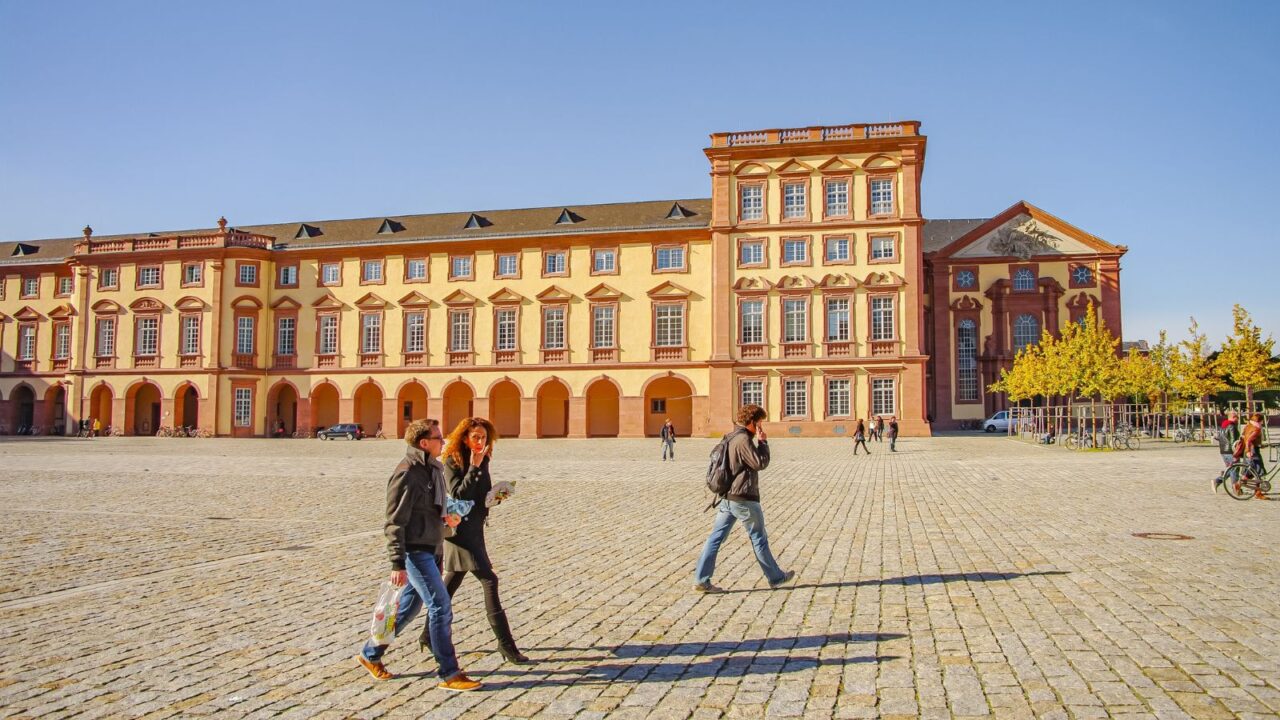
Germany offers over 2,000 programs in English, making it easier to start a degree without being fluent in German. Many of these options are at the master’s level, which fits the path of students aiming for specialized STEM roles.
Learning German is still helpful for daily life and job hunting, but English taught programs remove the biggest early barrier. That accessibility supports Germany’s rapid growth as a study and work destination for Indian graduates.

DAAD support lowers risk for families
Germany offers scholarship pathways for international students, including support linked to the German Academic Exchange Service (DAAD). Scholarships and structured student support can reduce the financial risk for families planning overseas education.
Universities also provide help with accommodation, learning German, and adjusting to life in Germany. Strong public transport systems and student discounts on everyday expenses further support affordability during the study period.
Curious how a full scholarship can still end in a denied entry? Explore International students on full scholarship blocked from entering the U.S.

United States enrollment rose, but new starts fell
United States higher education hosted more international students in 2024 to 2025, but fewer new students started programs. Open Doors 2025 reports 1,177,766 international students in the U.S. in 2024 to 2025, and India was the top sender with 363,019 students, up 10% from the prior year.
At the same time, Open Doors 2025 says new international student enrollment fell 7.2% in fall 2024 to 277,118, down from 298,705 in 2023 to 2024, with new graduate starts down sharply.
A separate Common App update reported international applicants were down 9% through Nov. 1, 2025, and applicants from India were down 14%, which signals softer new demand even while total headcount stays high.
Want to see what the newest numbers say about demand for U.S. study visas right now? Check out Student visa arrivals in the US fall to a four-year low.
Do you think Germany’s lower costs and clearer visa path will keep pulling Indian students away from the U.S., or will the U.S. bounce back on new enrollment? Share your thoughts and your view in the comments.
This slideshow was made with AI assistance and human editing.
Don’t forget to follow us for more exclusive content right here on MSN.
Read More From This Brand:
