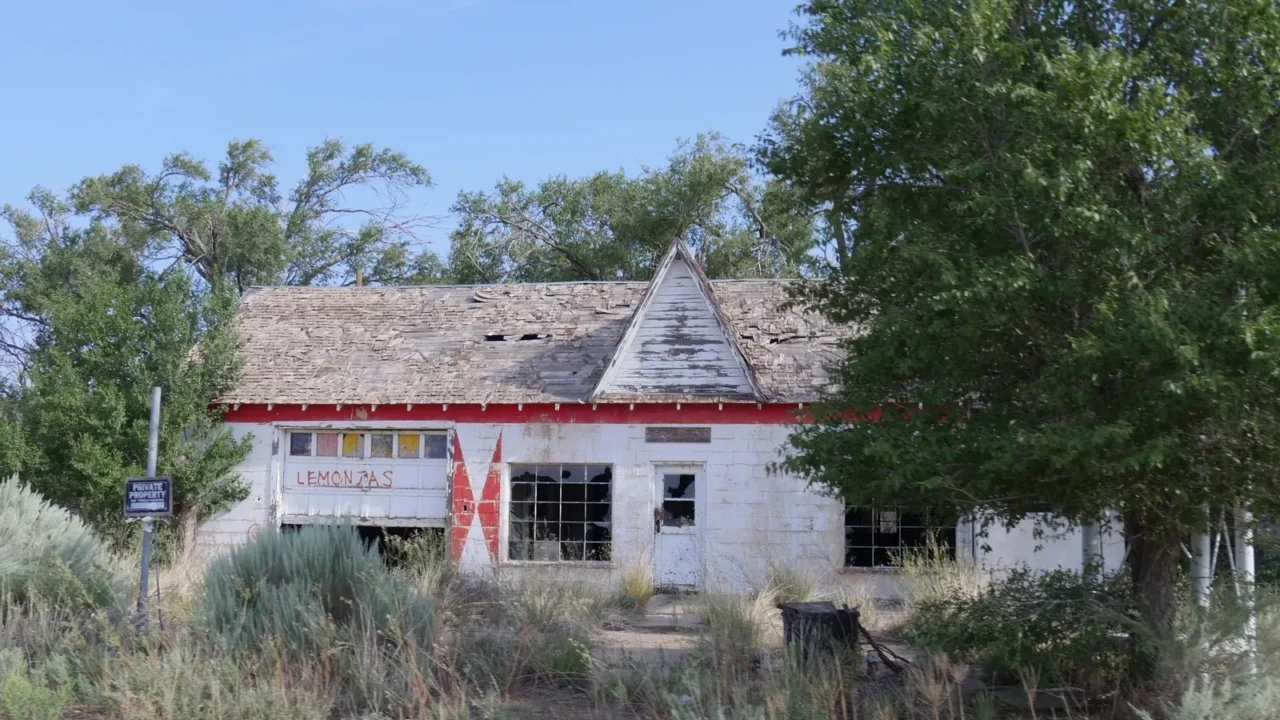
New Mexico’s eerie old towns
New Mexico’s ghost towns have a quiet kind of magic that draws people in with stories of boom times long gone and buildings frozen in time. Photographers from around the country travel here to catch the textures and light that give these places a haunted beauty all their own. History lovers are also fascinated, as each town tells its own tale of mining, railroads, and desert life.
Visitors who wander these dusty streets often say the silence feels like stepping into another era entirely. The mix of stone, wood, rusting metal, and peeling paint makes every corner feel full of character and curiosity. These ghost towns preserve chapters of the state’s past that are rare and vivid, so let’s dive in.
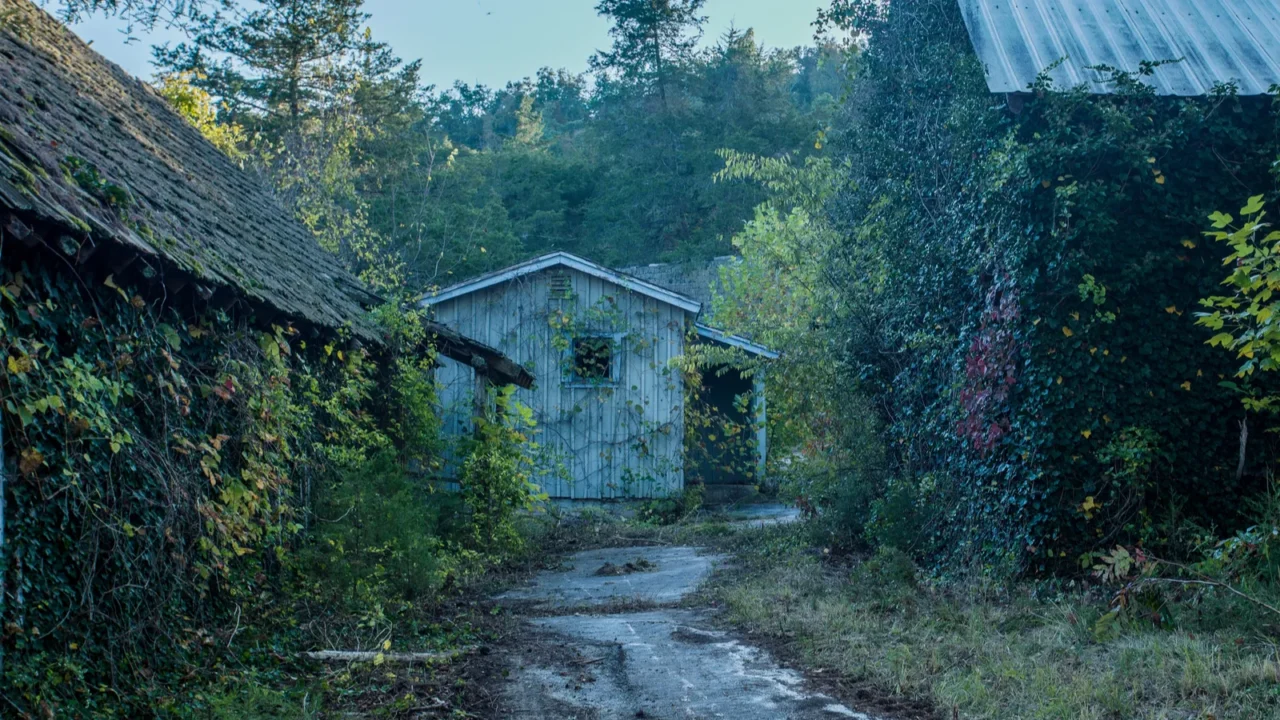
Stories etched in empty walls
Every empty building in a ghost town feels like a story waiting to be told because it was once full of life, commerce, and community energy. Travelers often imagine families and workers moving through these streets and doing everyday things long before the towns were abandoned. These silent walls and facades become powerful storytellers in their own right.
History buffs appreciate the way every building, storefront, and broken sign seems to whisper about the past. The prints of old advertisements and decaying wood beam joinery let visitors connect with everyday life from a century ago. Ghost towns offer distinctly vivid insights into Western history.
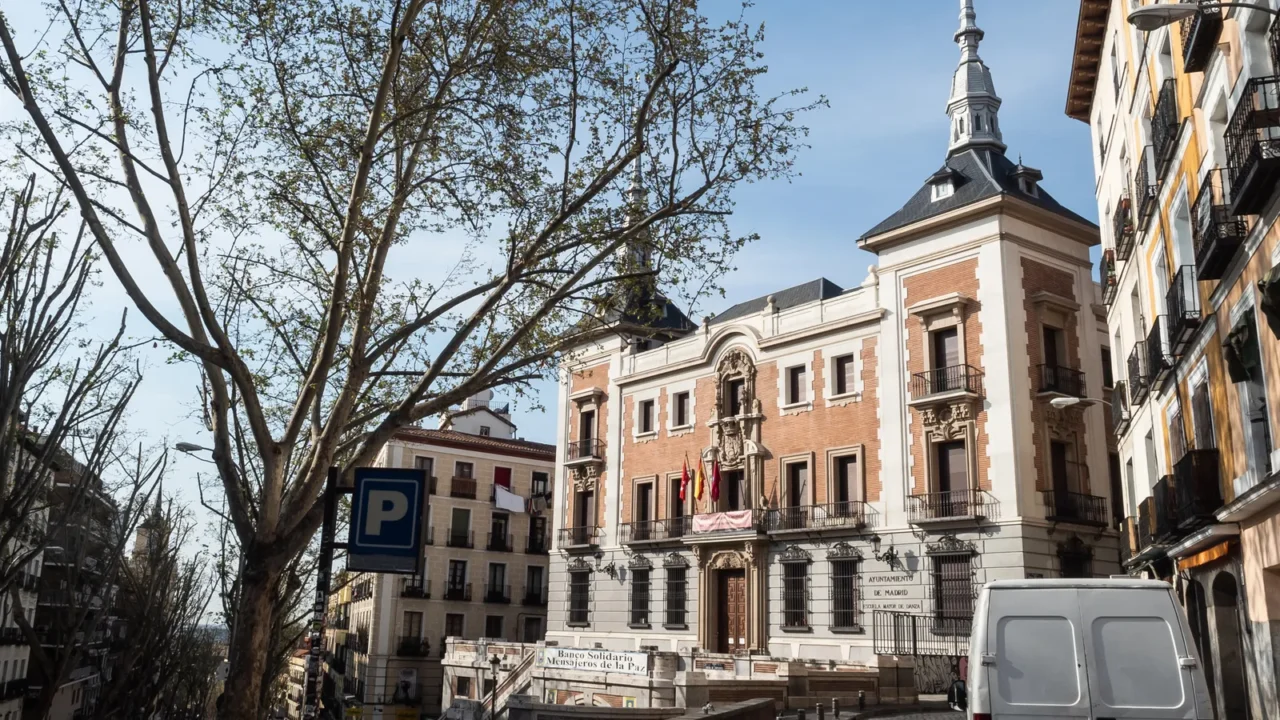
Madrid’s artistic rebirth scene
Madrid is one of the most popular ghost towns because it has been revived by artists and galleries that celebrate both history and creative expression. Photographers find endless inspiration here with colorful murals, old storefronts, and dramatic shadows cast by desert light. History lovers appreciate the way the town’s mining heritage lives on in restored buildings and interpretive exhibits.
Despite being called a ghost town, Madrid buzzes with a blend of old and new that feels rich and alive in its own way. The narrow streets and renovated brick structures offer a powerful contrast that photographers love to capture in early morning or late afternoon light. This blend of history and art makes Madrid a favorite for many visitors.
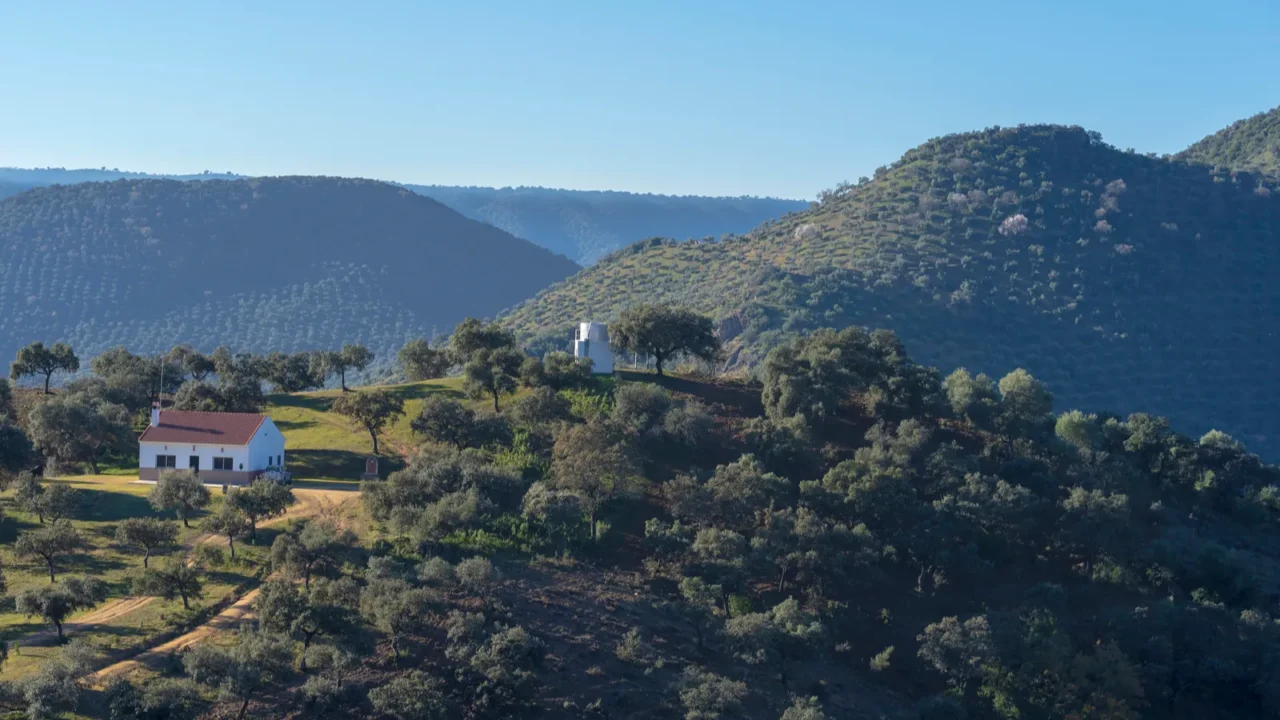
White Oaks holds wild tales
White Oaks was once a bustling mining town in the late 1800s and today stands as one of the largest ghost town sites in New Mexico, with many original buildings still standing. History lovers find it fascinating because whole blocks of buildings remain, giving a vivid window into life at the height of the gold rush. Photographers are drawn here for the dramatic interplay of crumbling facades and wide open desert skies.
The town’s cemetery, old saloons, and hotel ruins provide striking subject matter that feels like living history captured in stillness. These atmospheric scenes make White Oaks feel like both a museum and an adventure through place and time. Atlas Obscura notes White Oaks as a deeply atmospheric location for history and photography explorers.
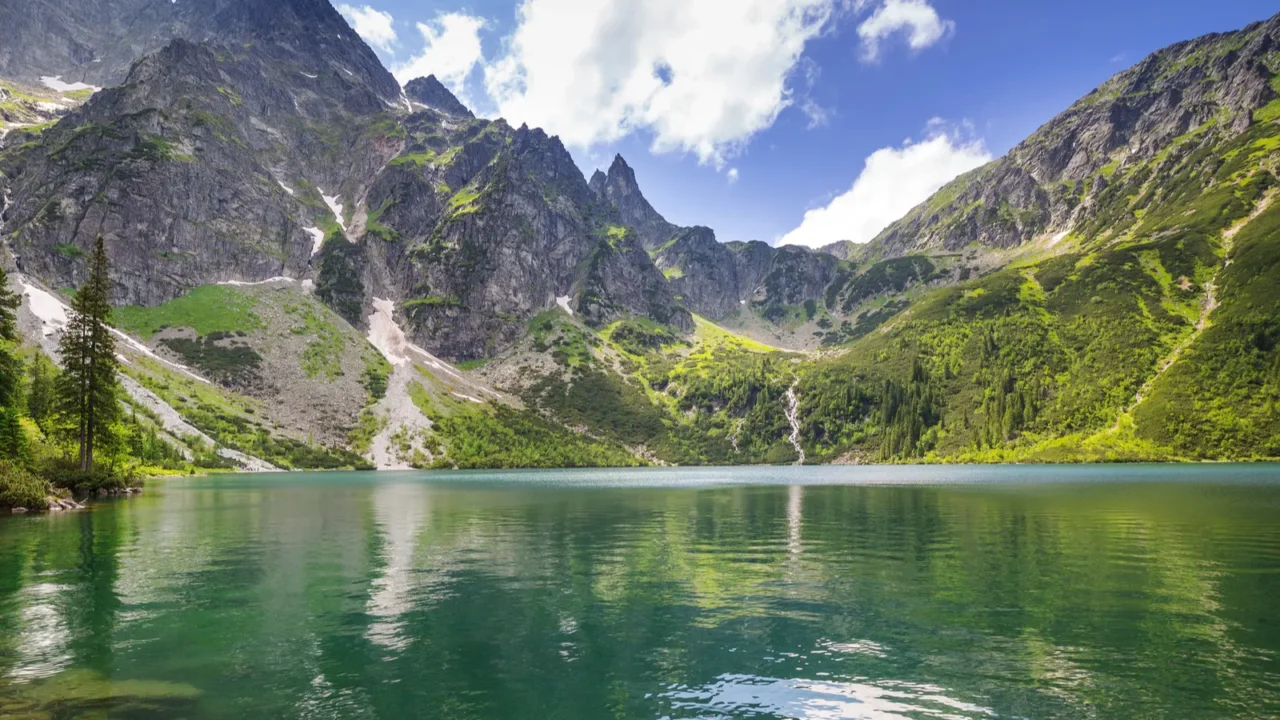
Lake Valley’s deep old roots
Lake Valley was once one of New Mexico’s richest silver mining towns in the 1880s, and today it remains a remarkable ghost town due to the survival of many of its stone buildings. Travelers love walking among the old ruins that speak of wealth, industry, and sudden desert abandonment. Photographers find the stone textures and nostalgic shapes compelling against the southern New Mexico sun.
The old mill, saloon, and jail offer powerful backdrops that feel untouched for over a century. Visitors often come away feeling like they’ve stepped straight into the past with every creaking board and eroded stone wall. Lake Valley remains one of the most complete and evocative ghost town experiences.
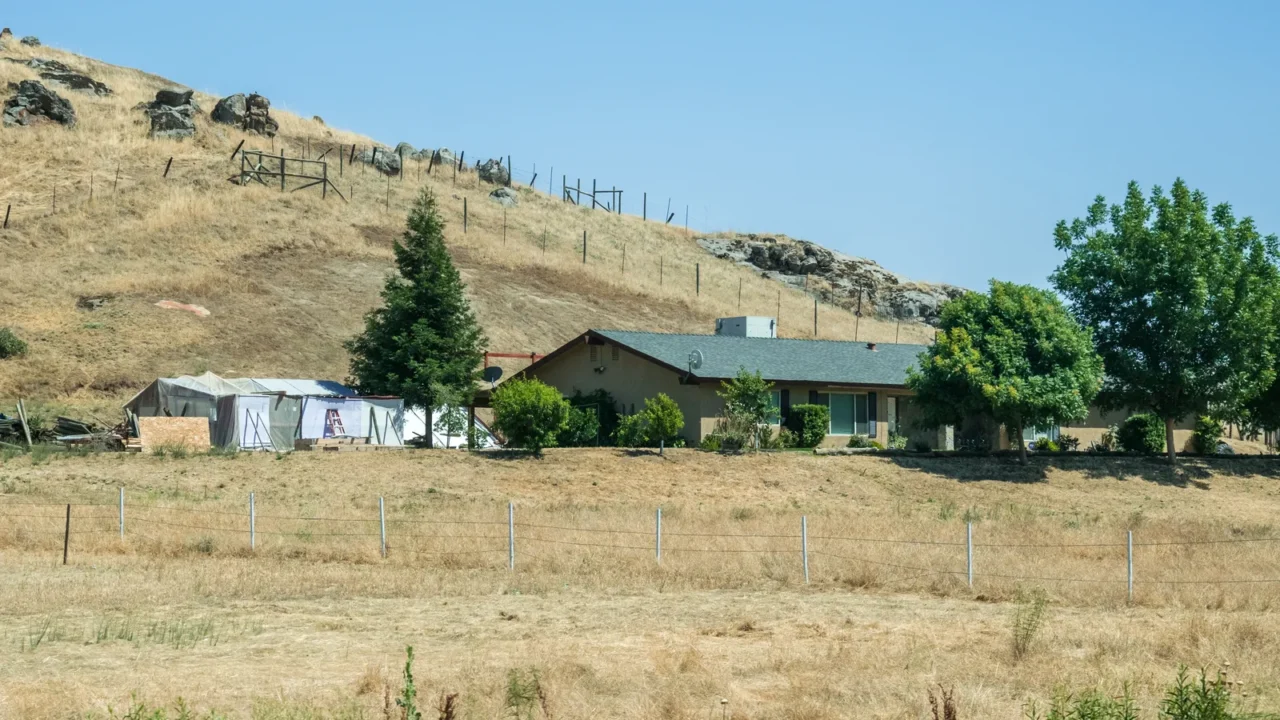
Gage shows quiet history
Gage is a lesser-known ghost town that was once a farming and transportation hub before it faded into history and quiet desert solitude. History lovers say that paths through this town show how the Old West’s economy was supported not just by mining but by agriculture and trains. Photographers love how fences, buildings, and wide empty fields create stark compositions that feel timeless.
The simple beauty of Gage lies in the peace and open sky that wraps around every structure. The long shadows of sunrise or sunset offer dramatic lighting that photographers seek out for striking shots. Gage is a subtle but powerful snapshot of Western frontier life.
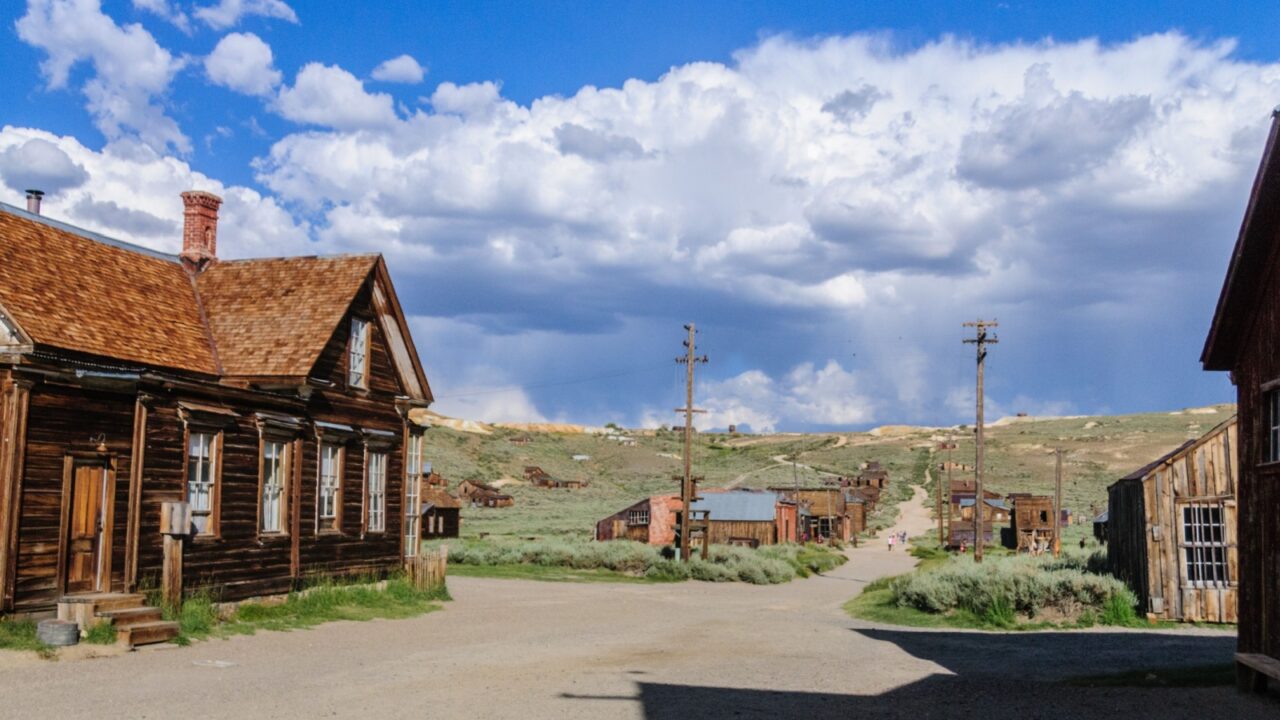
Light that feels cinematic
One of the biggest reasons photographers flock to New Mexico’s ghost towns is the quality of light here, which feels rich, warm, and cinematic almost year-round. Desert light at sunrise and sunset creates long shadows that highlight texture and depth on old buildings and rusted metal. This makes every scene feel dramatic and alive, even in stillness.
Midday light can be bold and bright, giving contrast that makes ruins pop against blue sky backdrops. For photographers, these lighting conditions turn ordinary sights into exceptional compositions. New Mexico Tourism celebrates this natural light as a defining feature of desert landscape photography.
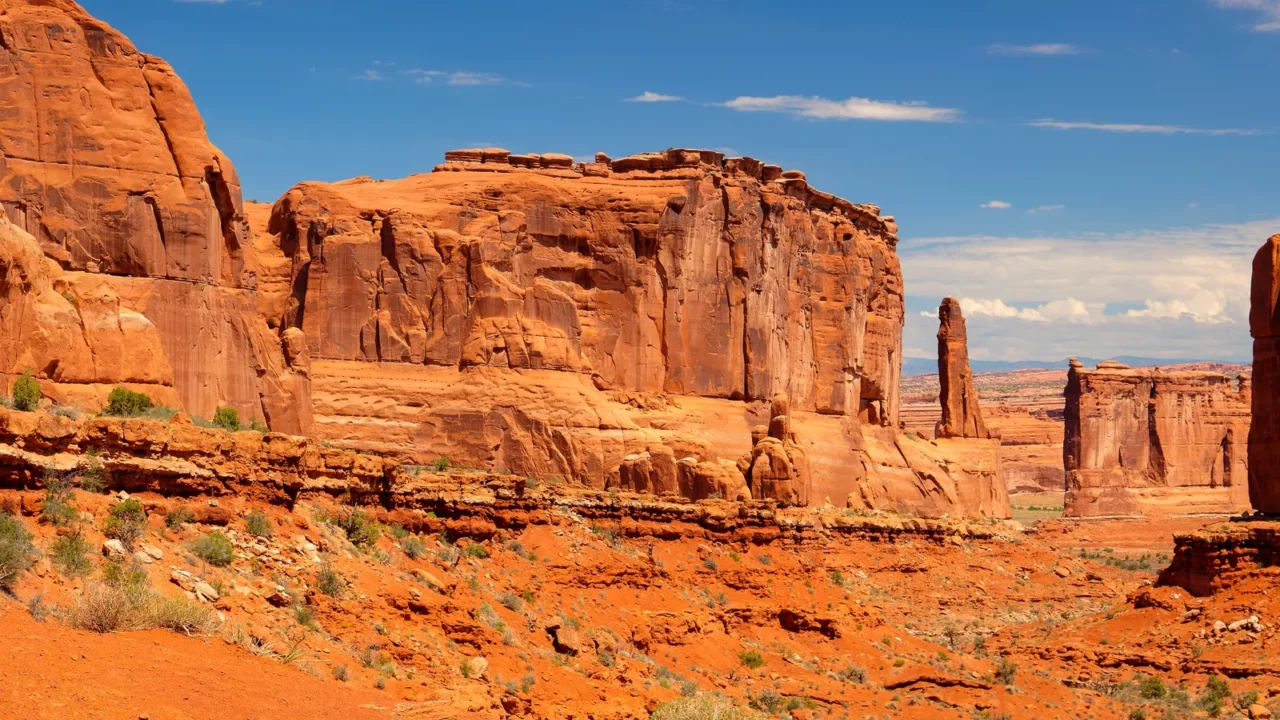
Desert landscapes enhance scenes
The environment around these ghost towns is as compelling as the ruins themselves because the open desert and sky frame everything with expansive scale. Travelers often say the way the land stretches out in every direction makes the town structures feel almost like stage sets in a larger drama. This sense of scale gives photos and memories depth that feels unforgettable.
Wide open fields, rolling hills, and distant mountains make the setting feel connected to a larger world. Photographers enjoy capturing this contrast between human history and natural vastness. Desert backdrops make Western ghost towns visually powerful and evocative.
Abandoned artifacts spark curiosity
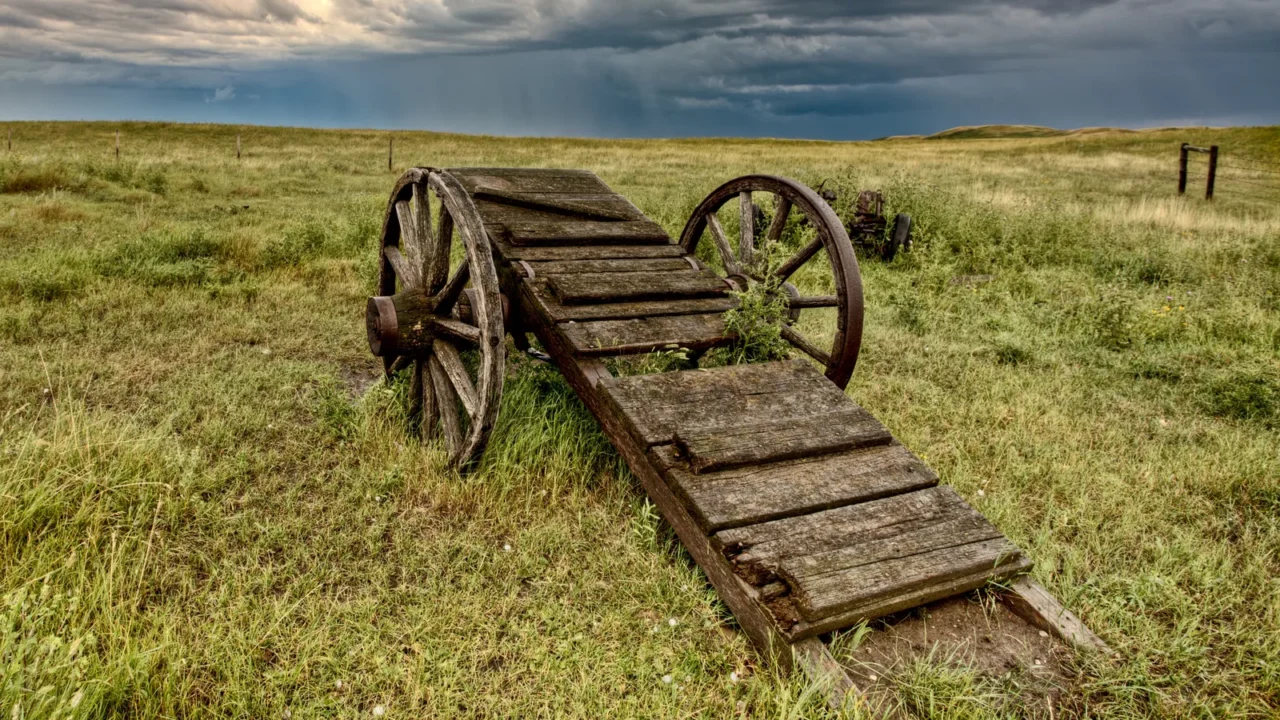
Scattered artifacts like old wagons, tools, and forgotten signs add layers of texture and story to these ghost towns that history lovers treasure. These relics feel like tangible links to the people who once lived and worked here, frozen in place for visitors to imagine their stories. Photographers find these details irresistible because they add narrative depth to every image.
Every bolt, handle, and weathered surface feels like a clue to a story of days gone by. These small touches make each ghost town feel unique and rich with history. Atlas Obscura remarks that such artifacts bring ghost towns alive in subtle yet meaningful ways.
Seasonal visits reveal change
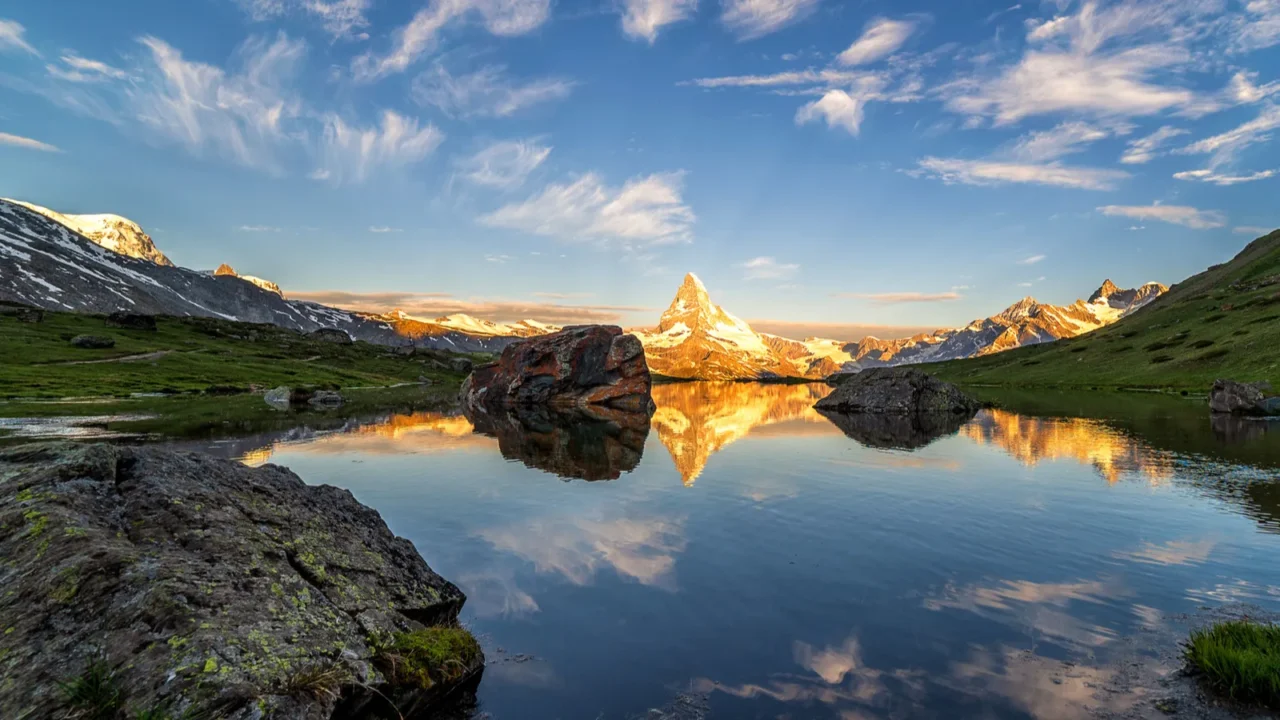
Each season brings a different character to these ghost towns with cool winter light, warm summer tones, and shifting skies that change the mood completely. History lovers enjoy watching how snow, dust, and rain shape the atmosphere around old buildings over time. Photographers plan trips according to seasonal light and color because it can dramatically alter visual impact.
Spring wildflowers and autumn grasses add splashes of color that contrast with weathered wood and stone ruins. These natural seasonal shifts make repeat visits feel fresh and offer new ways to tell old stories visually. New Mexico Tourism highlights the value of visiting these towns across different seasons.
Preservation keeps stories alive
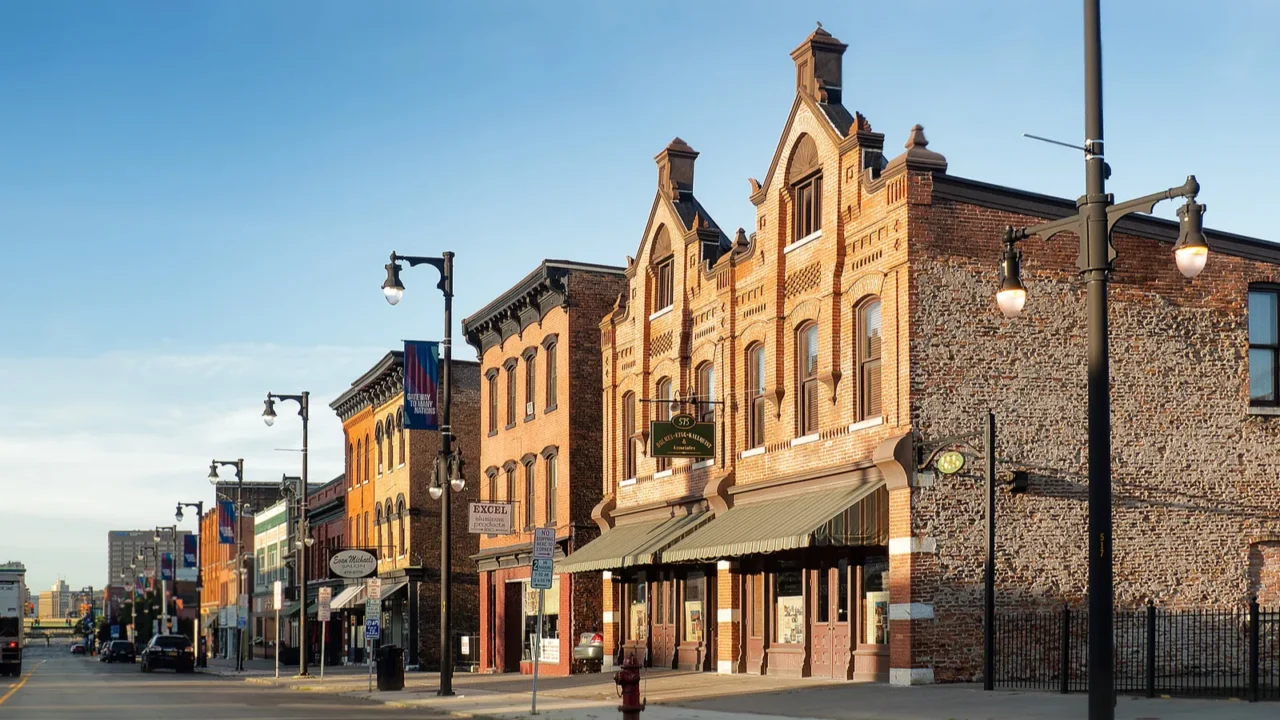
Efforts to preserve buildings and share historical context make these towns more meaningful to visitors than simply abandoned places. History lovers appreciate interpretive signs, guided walks, and museum collections that help explain what life was like here in the past. This context adds depth to what could otherwise feel like mere ruins.
Photographers also benefit because a deeper narrative enriches the images they create, turning them into stories as well as visuals. The preservation work here ensures these places remain accessible and informative for future generations. True West Magazine emphasizes the role of preservation in keeping ghost town history alive.

Community events bring life
Some ghost towns have seasonal gatherings, art fairs, and photo meetups that bring new life to old places and connect enthusiasts from around the world. These events give history lovers and photographers chances to share experiences, stories, and images with like-minded people. Interest has grown even more with stories like the Canadian ghost town revived by a new apocalyptic series, leading many travelers to plan visits around these gatherings because they add energy and connection to the trip.
These community moments remind visitors that even though these towns are called ghost towns, they inspire living connections and creative conversation. The gatherings often include tours, talks, and social events that celebrate heritage and imagery. These activities are part of what keeps ghost towns compelling today.
What draws visitors most
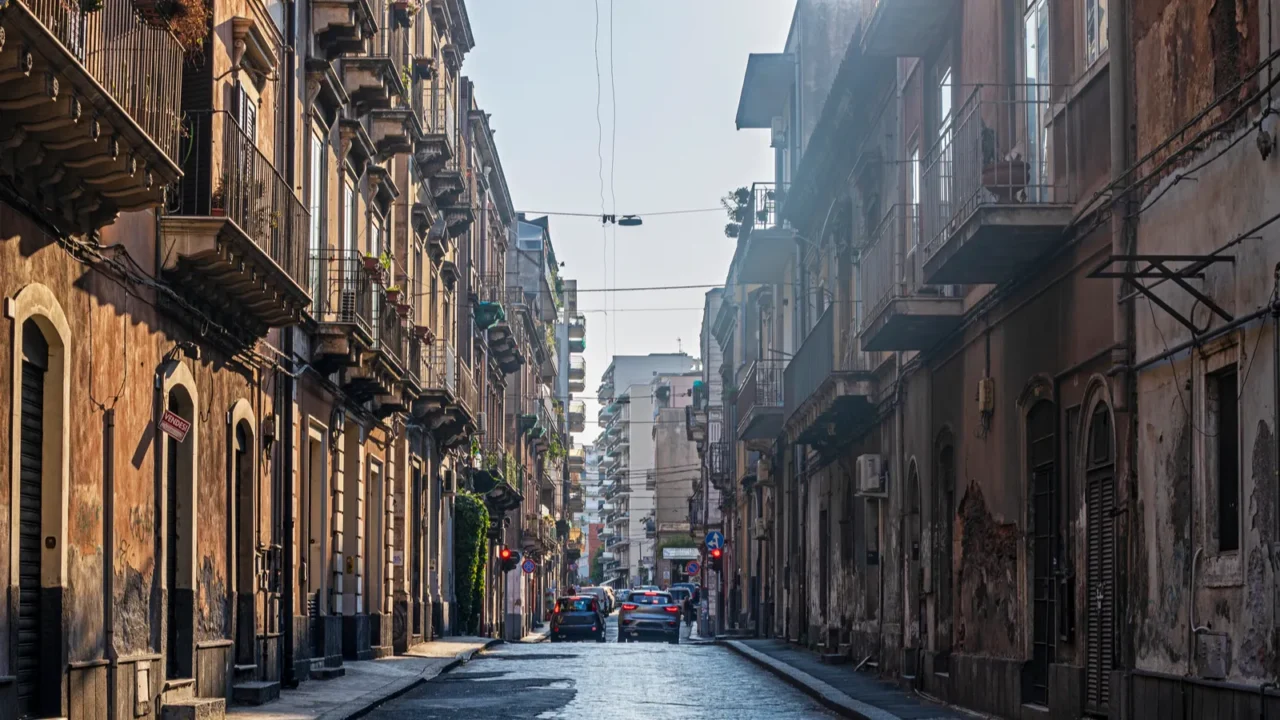
New Mexico’s ghost towns continue attracting history lovers and photographers because they combine stories of the past with powerful visuals that feel timeless and evocative in person. The blend of dramatic light, expansive desert settings, abandoned artifacts, and preserved buildings creates experiences many visitors describe as unforgettable. These places feel like active conversations between history and imagination rather than silent relics of what once was.
Which aspect of New Mexico’s ghost towns draws the most curiosity for history lovers and photographers, and makes them want to explore here? Drop your thoughts in the comments and tell others what scenes you think are most compelling and worth photographing.
This slideshow was made with AI assistance and human editing.
Disclaimer: The images used are for illustrative purposes only and do not depict the actual locations mentioned.
Don’t forget to follow us for more exclusive content right here on MSN.
Read More From This Brand:
