
Saint Helena Airport faces challenges
Saint Helena Airport has continued to face operational and financial challenges in 2026, despite being a critical lifeline for one of the world’s most isolated inhabited islands. Located in the South Atlantic Ocean, the construction finished in 2016, and after safety checks and a delay caused by wind concerns, regular scheduled commercial services began on 14 October 2017, significantly shortening the island’s previous multi-day sea voyages.
Remote location and unpredictable weather have limited flight frequency and operational reliability. Airlines must balance costs with low passenger volumes, which affects long-term viability. The situation reflects broader issues faced by isolated airports worldwide.
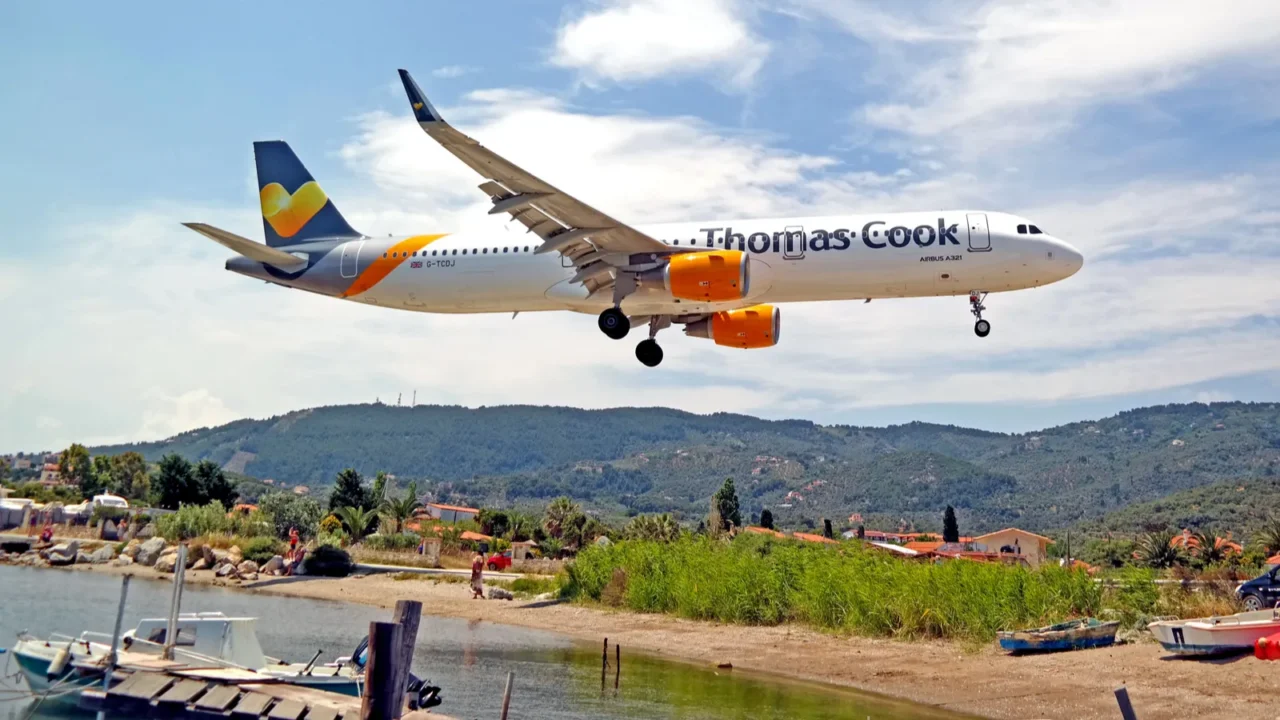
Isolation impacts flight demand
Saint Helena is one of the most remote inhabited islands on Earth, located thousands of miles from major aviation hubs. This extreme isolation means demand for regular flights remains relatively low compared to mainland destinations. Limited population and niche tourism further reduce consistent passenger flow.
Saint Helena Airport depends heavily on a small number of flights per week. Airlines must carefully assess route profitability, especially when operating long distances. These factors make sustained operations financially challenging.
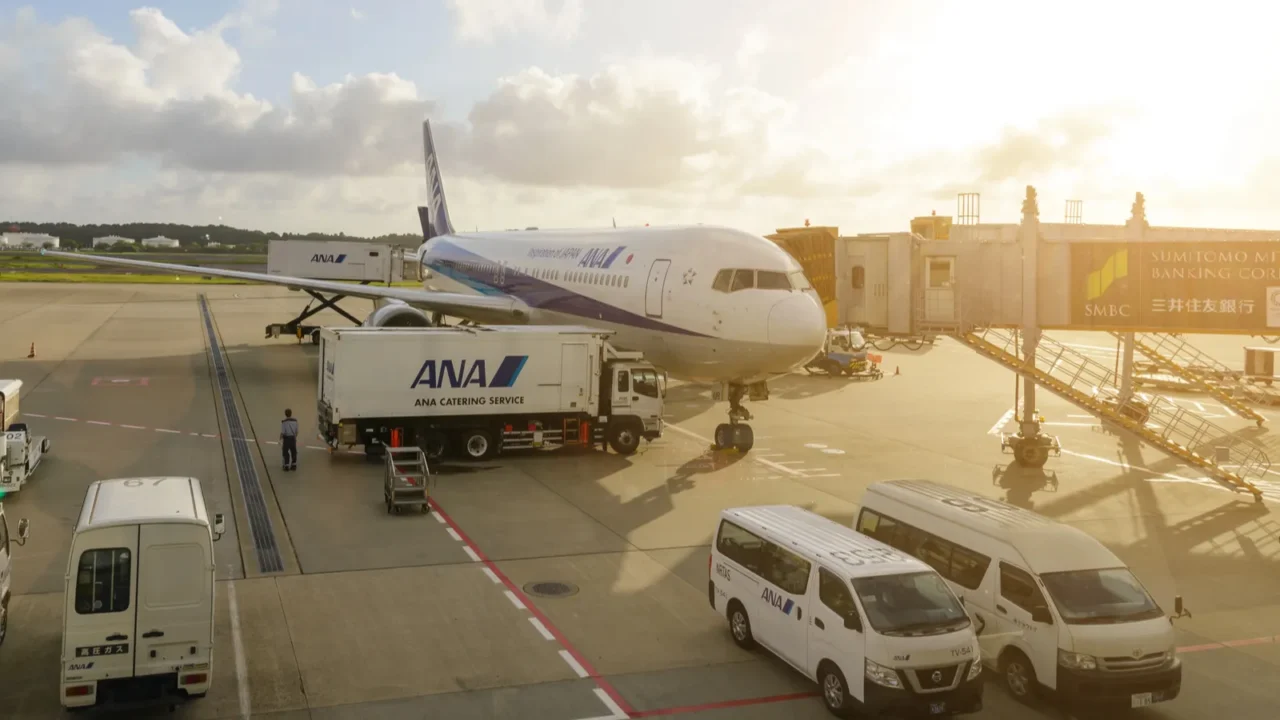
Saint Helena route economics
Saint Helena Airport routes require long-haul operations that increase fuel and staffing costs significantly. Most scheduled services operate through Johannesburg (often with a technical stop at Walvis Bay); the total journey typically takes about 4½–6½ hours depending on routing and stops. This adds complexity to scheduling and increases operational risk for carriers.
Saint Helena Airport must rely on a limited number of passengers to cover these high costs. When demand fluctuates, airlines may reduce frequency or reconsider routes. This creates uncertainty for both residents and visitors.
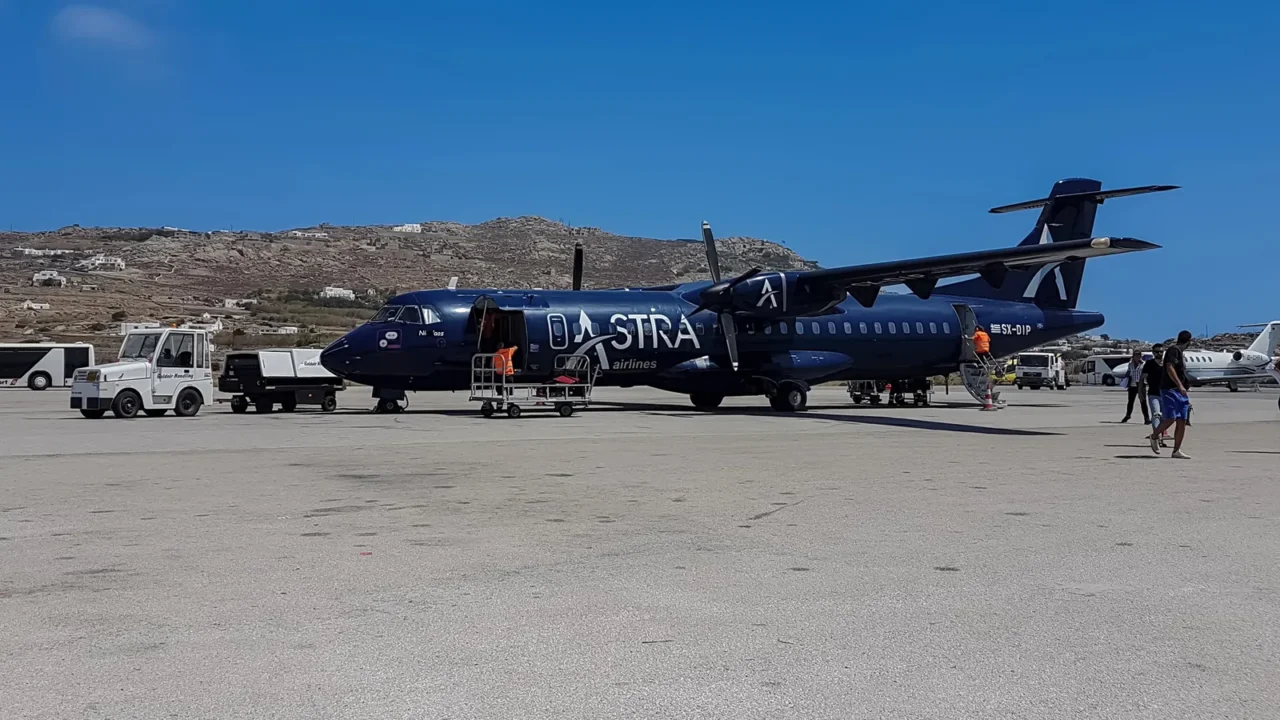
Weather creates operational risks
The island’s geography creates challenging wind conditions that have historically affected landing safety. Early operations at the airport were delayed due to concerns about wind shear. Pilots require specialized training to operate safely in these conditions.
Unpredictable weather can lead to flight cancellations or diversions. This disrupts travel plans and reduces reliability for travelers. Over time, this affects confidence in the route.
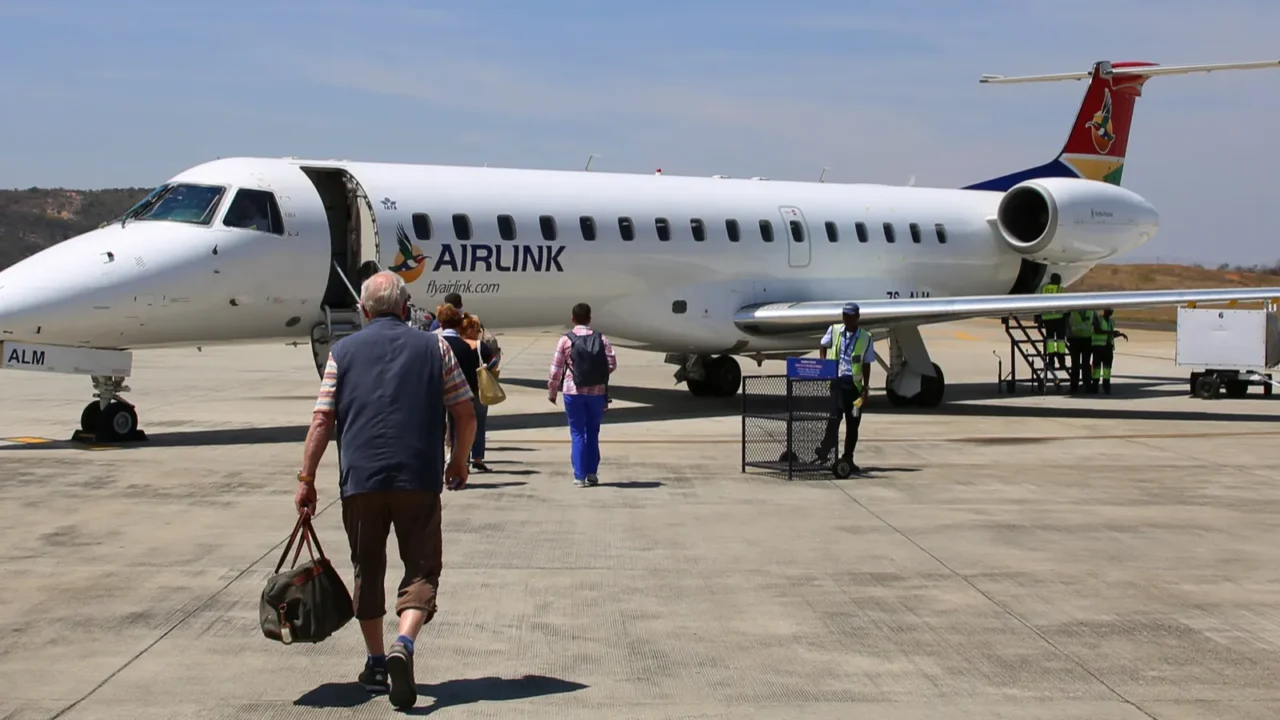
Limited airline participation
Only a small number of airlines operate flights to remote destinations like Saint Helena. Airlink has been one of the primary carriers serving the island in recent years. With limited competition, pricing and scheduling options remain restricted.
Airlines must weigh profitability against service obligations. Operating remote routes often requires subsidies or government support. Without these, services may become unsustainable.

Fun fact about runway
Fun fact: Saint Helena Airport has one of the most remote commercial runways in the world, located in the South Atlantic Ocean with no nearby alternate airports. Pilots must commit to landing once approaching the island due to limited diversion options. This makes operations uniquely demanding compared to typical global routes.
This isolation highlights the importance of precise planning and coordination. Flights must carry enough fuel for contingencies while managing weight restrictions. These factors increase operational complexity.

Sea travel to air access
Fun fact: Before the airport opened, most travelers reached the island by sea using the Royal Mail Ship Saint Helena, which could take several days. The airport reduced travel time dramatically, cutting journeys to a few hours by air. This transformation reshaped accessibility for residents and tourists.
Despite faster access, demand has not surged as expected. Tourism growth remains steady but modest compared to larger destinations. The airport still faces financial pressures.

Tourism demand remains niche
Saint Helena attracts a specific type of traveler interested in history, nature, and remote experiences. The island is known for its connection to Napoleon Bonaparte, who was exiled there in the early nineteenth century. This historical significance draws a niche audience rather than mass tourism.
Limited accommodation and infrastructure also restrict visitor numbers. Growth is steady but not large enough to fully support frequent flights. This limits revenue potential.

Infrastructure limits growth
Remote islands often lack large-scale tourism infrastructure, such as major hotels and transport systems. Saint Helena has been gradually expanding its facilities, but development remains slow. Capacity constraints affect how many visitors can be accommodated at any time.
Infrastructure investment requires careful planning and funding. Overdevelopment could impact the island’s environment and character. Balancing growth with sustainability remains a priority.

Subsidies support operations
Many remote airports depend on government support to remain operational. Subsidies help cover costs that passenger revenue alone cannot meet. Saint Helena Airport is no exception to this model.
Public funding ensures essential connectivity for residents and businesses. However, long-term reliance on subsidies raises economic questions. Governments must balance budgets with service needs.

Global remote airport challenges
Similar issues are seen in other remote locations, such as Falkland Islands Airport and small Pacific island airstrips. These airports face limited demand, high costs, and logistical challenges, while comparisons with U.S. airports that consistently rank near the bottom globally highlight how performance gaps can appear even in developed markets. Each location requires tailored solutions to remain viable.
Global aviation trends show that remote routes often struggle without consistent demand. Airlines prioritize high-volume routes for profitability. This leaves isolated communities dependent on limited services.
Balancing access and sustainability
Saint Helena Airport highlights the complex balance between connectivity and economic sustainability. Reliable air access is essential for residents, healthcare, and tourism. Yet maintaining regular flights remains a financial challenge.
Remote airports will likely depend on a mix of subsidies, niche tourism, and careful planning. The future will require innovation and adaptability.
Remote travel offers unique experiences, but how should governments support these routes while keeping them sustainable? Share your thoughts below.
This slideshow was made with AI assistance and human editing.
Don’t forget to follow us for more exclusive content right here on MSN.
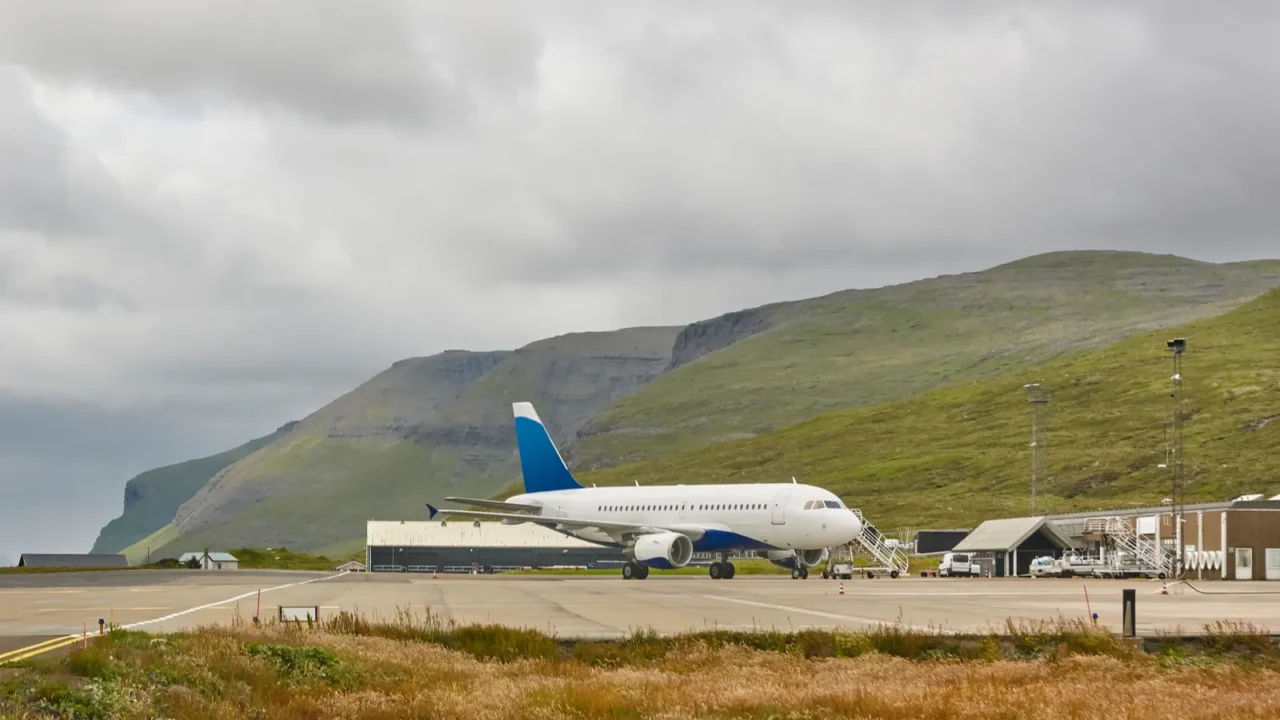
Disclaimer: The images used are for illustrative purposes only and do not depict the actual locations mentioned.
Read More From This Brand:
