
Post travel emotional shift
Psychology research suggests that returning from a trip can involve a real emotional adjustment as people shift from novelty and flexibility back to familiar routines. That transition can feel heavier than expected, especially after highly stimulating travel experiences. Travelers often experience a shift when moving from high stimulation environments back to structured daily life. This change can feel unexpectedly heavy or disorienting.
Research in psychology shows that novelty, exploration, and social engagement during travel activate reward systems in the brain. Returning home reduces these stimuli, creating a noticeable emotional drop. This contrast is a key reason post-travel emotions feel intense.

Routine reentry effects
A sudden return to deadlines, responsibilities, and familiar routines can create a stressful adjustment period. The shift from flexible travel days to structured obligations may temporarily affect mood and energy.
For many travelers, everyday life feels more repetitive and structured than time spent away. That contrast can make the return home feel emotionally flat at first. This creates a common post-travel emotional gap.

Travel memory intensity
The National Institutes of Health has studied how memory encoding becomes stronger during emotionally rich experiences. Travel often enhances sensory input, which strengthens memory formation. These memories can feel more vivid than daily life.
When returning home, the brain compares strong travel memories with routine experiences. This comparison can create emotional dissatisfaction or nostalgia. The effect is linked to how memory consolidation works.

Dopamine reward changes
Neuroscience research shows that dopamine activity increases during novel experiences such as travel. The American Psychological Association explains that reward pathways respond strongly to new environments. This contributes to heightened emotional engagement.
When travel ends, dopamine stimulation decreases as routine returns. This reduction can create a subtle emotional low. It is a normal biological response to reduced novelty.
Cultural contrast impact
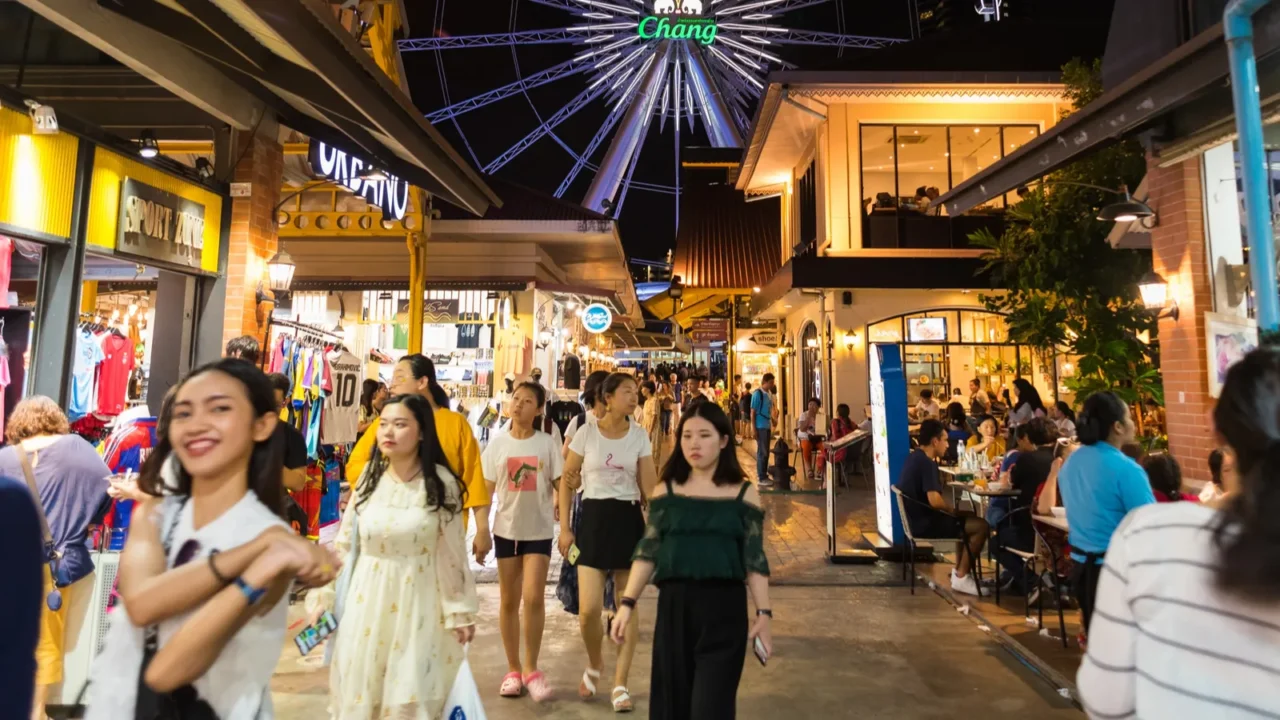
UN Tourism has long emphasized the connection between tourism and culture. That broader idea supports the point that travel often exposes people to unfamiliar places, customs, and perspectives. This exposure often creates strong emotional impressions. These impressions can make home environments feel different upon return.
Cities like Paris, Bangkok, and Rome offer high sensory diversity. Returning from such environments can intensify emotional contrast. This contrast is a key factor in post-travel feelings.

Emotional adaptation phase
Emotional adaptation after travel is a recognized psychological process. The American Psychological Association explains that transitions between environments require cognitive adjustment, especially when moving from highly stimulating settings back to structured routines. This adjustment can temporarily influence mood stability and emotional balance.
Little-known fact: Human memory does not store experiences evenly. Research by Daniel Kahneman shows that people tend to remember peak emotional moments and endings more strongly than the full duration of an experience. This helps explain why travel often feels more meaningful in hindsight and why returning home can feel emotionally quieter.

Memory contrast effect
The National Institutes of Health has studied how contrasting environments affect emotional recall and cognitive comparison. Strong sensory environments create lasting mental impressions. These impressions influence how home environments are perceived afterward.
Little-known fact: Environmental contrast can intensify memory recall, making past travel experiences feel more vivid than current surroundings, according to NIH-supported cognitive research. This contrast effect is a key driver of post-travel nostalgia. It explains why the home may feel unusually quiet or less stimulating.
Social engagement shift
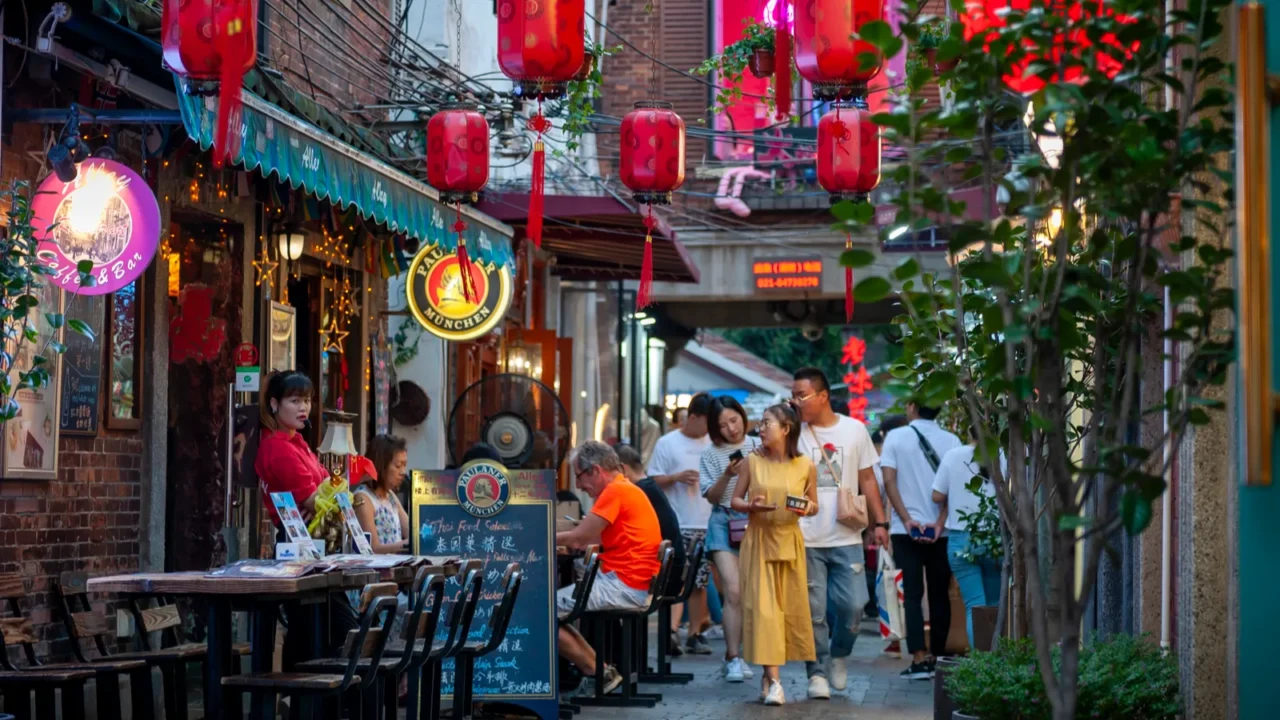
Travel often increases social interaction through shared experiences with new people. The APA notes that social connection is a strong factor in emotional well-being. These interactions contribute to positive travel memories.
Returning home reduces spontaneous social engagement. This shift can affect mood regulation and emotional energy levels. It is part of the broader transition process.
Environmental stimulation drop
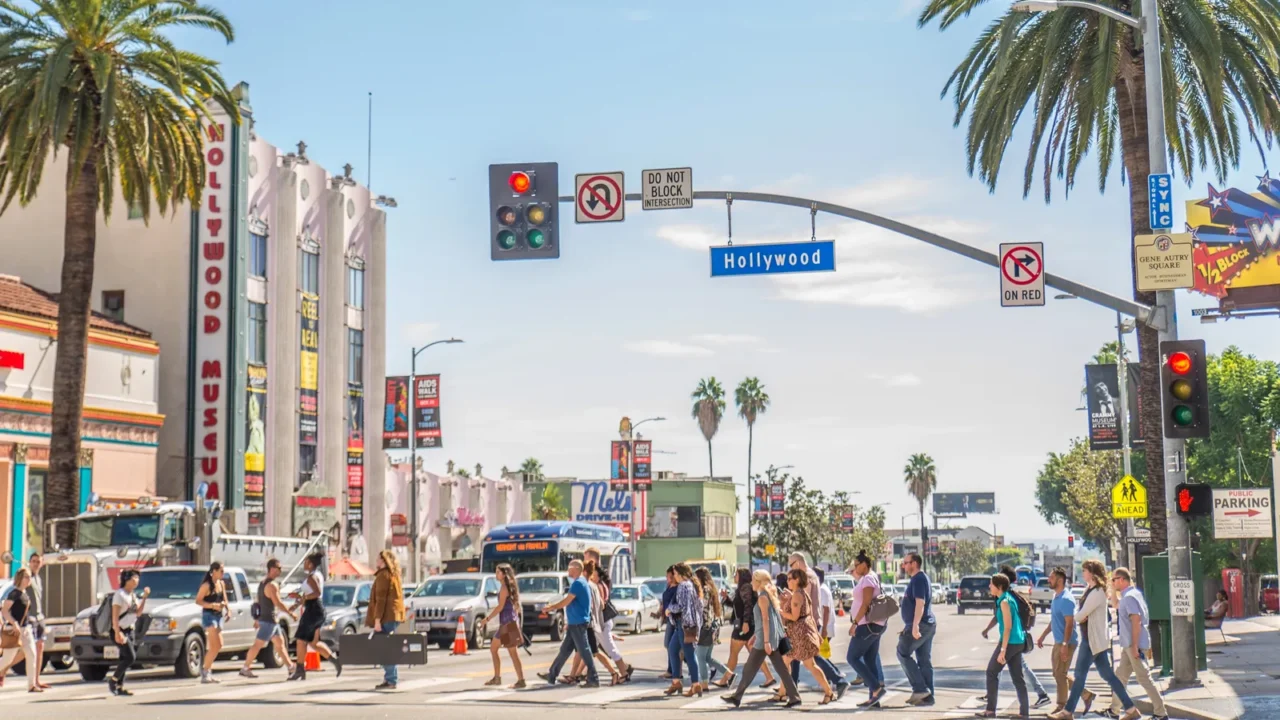
Travel environments often include higher sensory stimulation compared to home settings. The NIH explains that sensory input influences attention and emotional processing. This makes travel feel more emotionally intense.
When returning home, reduced stimulation can feel like emotional quietness. Cities like Los Angeles or London still feel structured compared to travel environments. This difference shapes emotional perception.

Sleep and rhythm changes
Travel often disrupts sleep schedules and daily rhythms. The American Psychological Association highlights that circadian disruption can affect mood and energy levels. These changes can persist after returning home.
Jet lag from destinations like Tokyo or Sydney can extend emotional adjustment periods. Sleep recovery plays a key role in stabilizing mood. This makes rest an important part of post-travel recovery.

Anticipation vs reality
Anticipation before travel often creates elevated emotional expectations. The NIH notes that expectation and reward systems are closely linked in the brain. This affects how experiences are remembered.
After travel ends, the contrast between expectation and routine can feel sharp. This is especially common after long international trips. It contributes to emotional adjustment.

Reflection and meaning
Post-travel periods often involve reflection on experiences and personal meaning. The APA explains that reflection is part of emotional processing after significant experiences. This can deepen emotional responses.
Cities like Kyoto or New York often leave lasting impressions that trigger reflection. This process can feel both rewarding and emotionally heavy. Legendary U.S. road trips everyone should experience at least once, such as Route 66 journeys and Pacific Coast Highway drives, also often intensify this reflective phase after travel ends. It is part of travel integration.

Emotional travel cycles
Returning home after travel reflects a natural emotional cycle influenced by brain chemistry, memory, and environment. The American Psychological Association emphasizes that emotional transitions are normal after major experiential changes. This cycle is widely observed across populations.
The best trips are the ones that balance discovery with meaningful reflection afterward. Emotional contrast is part of what makes travel memorable.
Which destinations feel hardest to leave and return from for travelers today? Share thoughts below.
This slideshow was made with AI assistance and human editing.
Don’t forget to follow us for more exclusive content right here on MSN.
Disclaimer: The images used are for illustrative purposes only and do not depict the actual locations mentioned.
Read More From This Brand:
