Seattle’s fix ran into reality
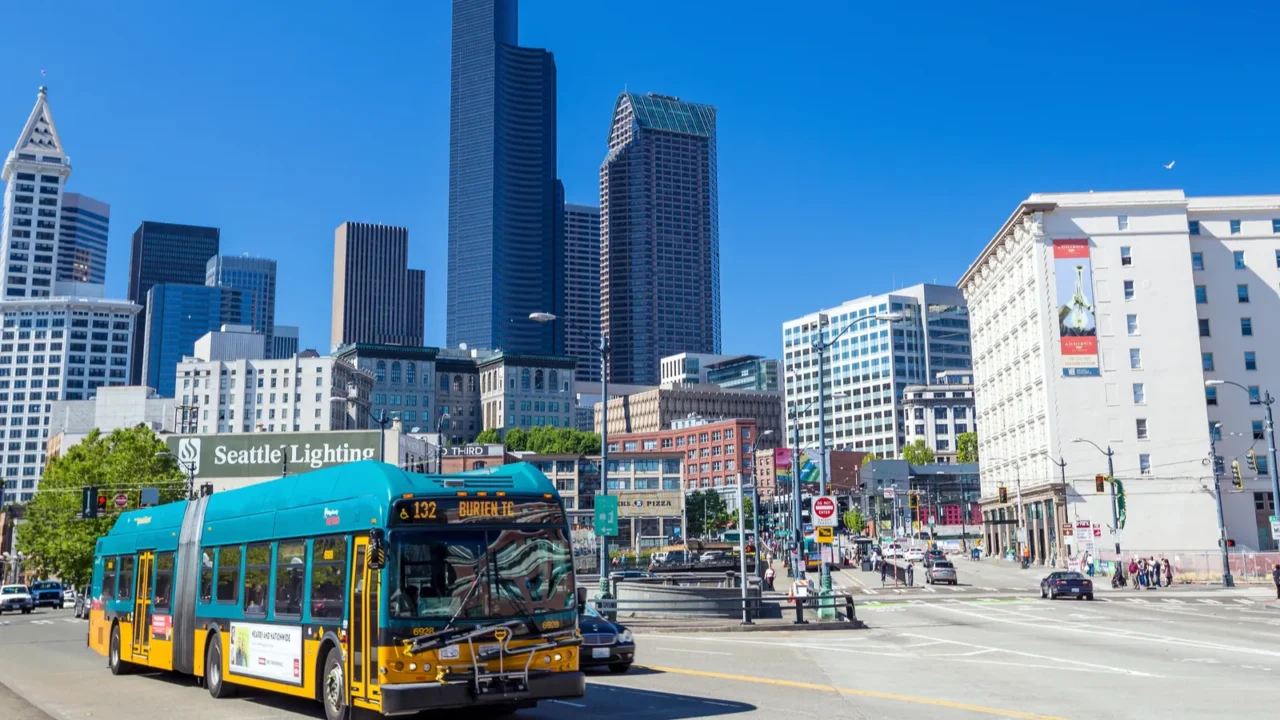
Seattle tried to solve a real problem in January 2024 by requiring delivery apps to pay drivers a minimum amount per job. The idea was simple: raise pay for food delivery workers who had been earning too little and relying heavily on tips.
What happened next is why this matters now. Carnegie Mellon researchers reported in early 2026 that pay per delivery rose sharply, but drivers’ monthly earnings barely changed after the market adjusted around the new rule.

The law did raise pay per trip
Seattle’s App-Based Worker Minimum Payment Ordinance took effect on January 13, 2024. ]The city says the law guarantees minimum payment for covered app-based workers, including food delivery drivers, using a formula based on time and mileage, with a floor of $5.00 per offer.
Researchers found that base pay per delivery in Seattle jumped from about $5 to more than $12 after the rule took effect. On paper, that looked like a clear win for drivers.
Monthly earnings barely moved
The problem was that higher pay per order did not turn into a meaningfully higher monthly income. The March 2026 study found that after a short bump in the first month, drivers’ monthly earnings returned close to where they had been before the law.
That is the core reason the policy did not work as planned. The rule improved one part of the job, but other parts of the market shifted enough to cancel out most of the gain.

Customers started ordering less
One of the biggest changes was on the customer side. Delivery platforms responded to higher labor costs by adding or raising fees, including DoorDash’s Seattle “regulatory response fee,” which the company tied to the city’s new rules.
When orders get more expensive, some customers pull back. The Carnegie Mellon analysis found that existing Seattle drivers ended up completing roughly 20% to 30% fewer monthly deliveries than they would have without the policy.

Tips fell at the same time
Tips are a major part of delivery income, so any policy that changes tipping behavior can reshape take-home pay. The researchers found that tips dropped sharply after the new Seattle rule took effect, offsetting more than one-third of the base-pay increase.
Part of that drop came from how apps redesigned the checkout experience. The researchers reported that Uber Eats removed the tip option at checkout in Seattle, while higher fees also made customers less willing to add generous tips.
Drivers spent more time waiting
The law changed what happened between deliveries, too. Researchers found that drivers stayed active on the apps for about the same amount of time, but they spent more of that time waiting for orders instead of completing paid trips.
Wait times between tasks increased by about five minutes, nearly doubling from pre-policy levels. That meant drivers were working, but more of their shift turned into unpaid downtime.
Little-known fact: Seattle’s app-based worker rules also include separate protections on paid sick and safe time for covered app workers, beyond the minimum-payment law.

More drivers joined the apps
Gig delivery does not work like a traditional job with fixed hiring limits. Because new workers can sign on quickly, better pay per trip can attract more drivers into the same market.
That is exactly what the Seattle study says happened. Within three months, newcomers were doing most of Seattle’s deliveries, which made competition tougher for drivers who had already been working there before the rule began.
Little-known fact: New York City announced its 2026 delivery-worker pay increase on January 26, 2026, before the April 1 rate change took effect.
Gig work plays by different rules
In a regular job, higher minimum pay can raise wages for workers who keep their positions. In gig work, the app does not need to formally hire or fire people the same way, so more workers can simply compete for the same pool of orders.
That makes the market unusually quick to rebalance. If each delivery pays more, the work looks more attractive, more drivers show up, and the added competition can eat away at the benefit through longer gaps between orders.
Little-known fact: Reuters reported in June 2025 that DoorDash, Grubhub, and Uber Eats settled their lawsuits against New York City over delivery-worker wage and fee-cap laws.
Gas and car costs still count
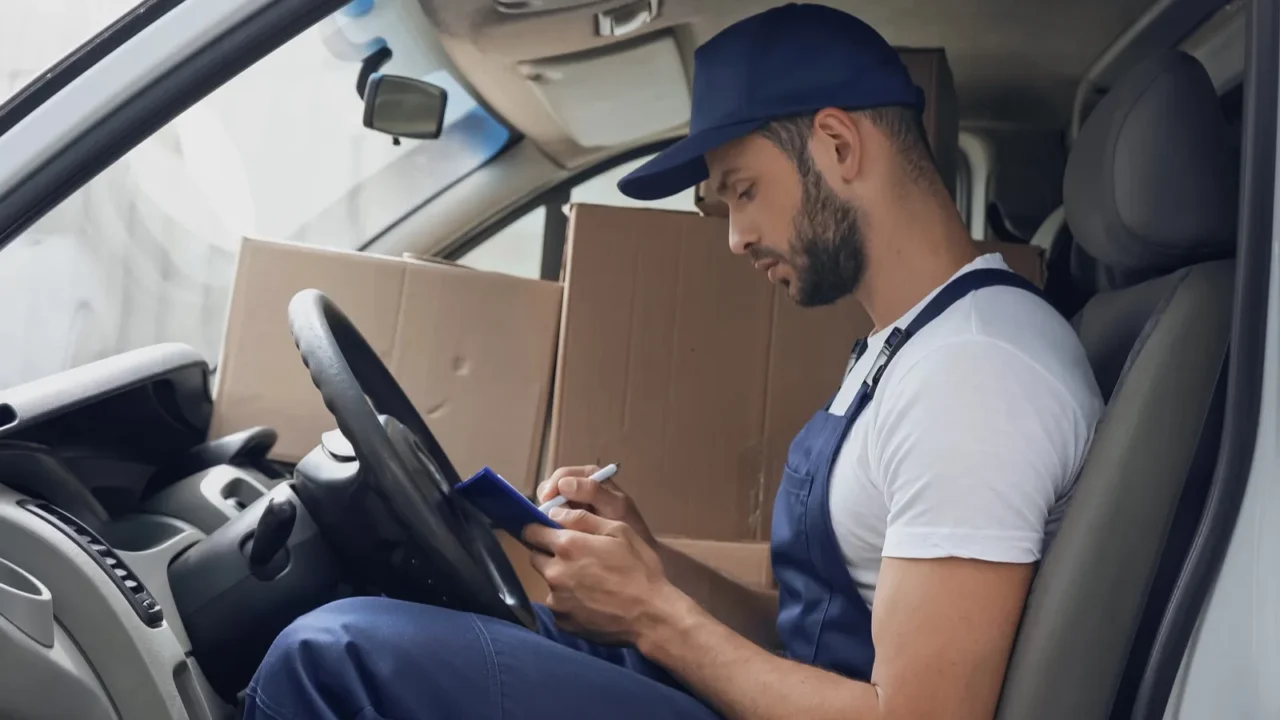
Longer waits create another hidden cost for drivers: more time and mileage spent chasing work. The researchers found that Seattle drivers were going farther between deliveries, which suggests many were cruising toward busier restaurant areas without getting paid for those extra miles.
That matters even more in 2026 because fuel costs remain a live issue for gig workers. Reuters reported this month that DoorDash and Lyft both rolled out temporary fuel-relief programs as rising gas prices squeezed driver earnings nationwide.
The problem was not fake
None of this means delivery workers were doing fine before Seattle acted. The city passed the ordinance because gig workers often lack guaranteed hours, benefits, and standard wage protections, leaving many to depend on unstable pay and tips.
So the policy was responding to a real labor issue. The harder truth is that a rule can be well-intentioned and still fail to deliver the result lawmakers wanted once platforms, customers, and workers all change their behavior.
New York chose a similar path
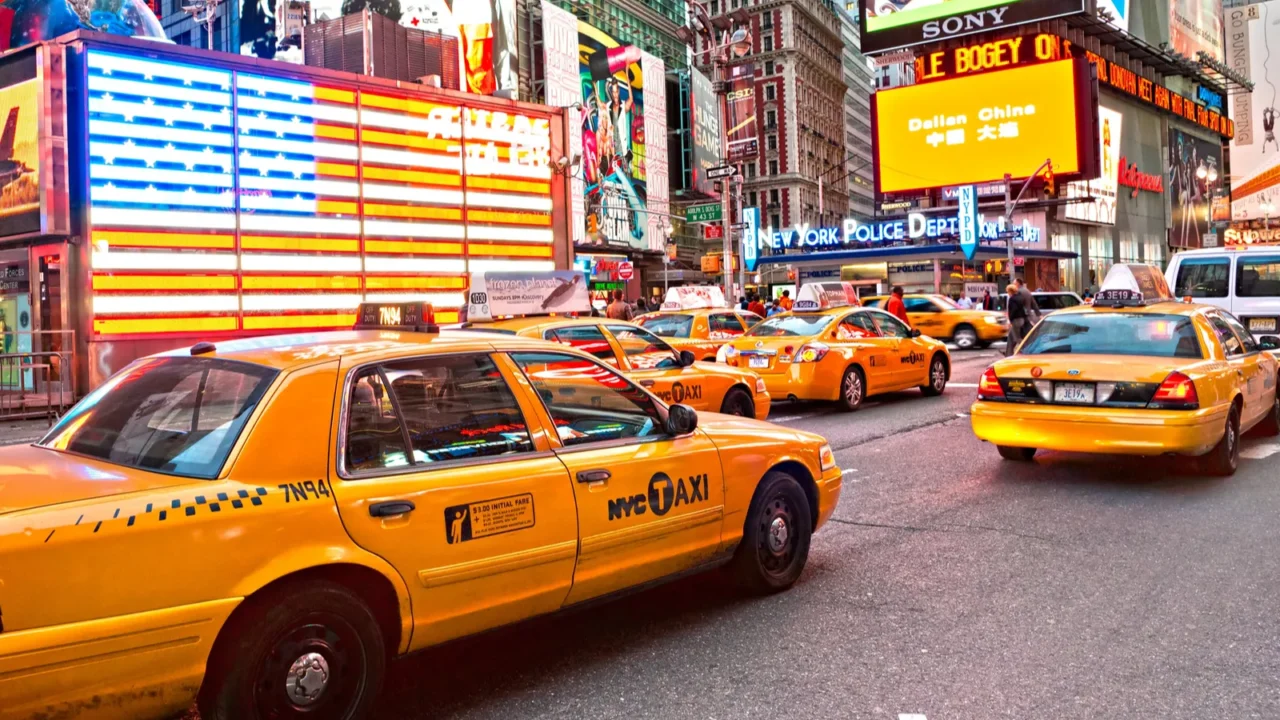
Seattle is not alone in trying to push delivery pay higher. New York City adopted its own minimum pay standard for app-based delivery workers, and the city says the rate rose to $21.44 an hour in 2025 and then to $22.13 an hour starting April 1, 2026.
That makes Seattle’s experience important beyond one city. Policymakers around the country are watching these rules to see whether they lift earnings, reduce flexibility, or push costs onto customers in ways that change demand.

A stronger fix may be harder
The Carnegie Mellon researchers argue that directly regulating pay per task may not be enough if anyone can join the app and compete for work right away. In that kind of open market, higher pay can simply draw in more workers until the advantage gets diluted.
They suggest that truly raising earnings may require limiting the number of active drivers, something closer to older taxi-medallion systems. But that would cut against the flexibility that makes gig work attractive to many people in the first place.
Seattle’s business tax fight is raising bigger questions about jobs and growth. Check out why local leaders say higher city taxes could push employers away.
Platforms still shape the outcome
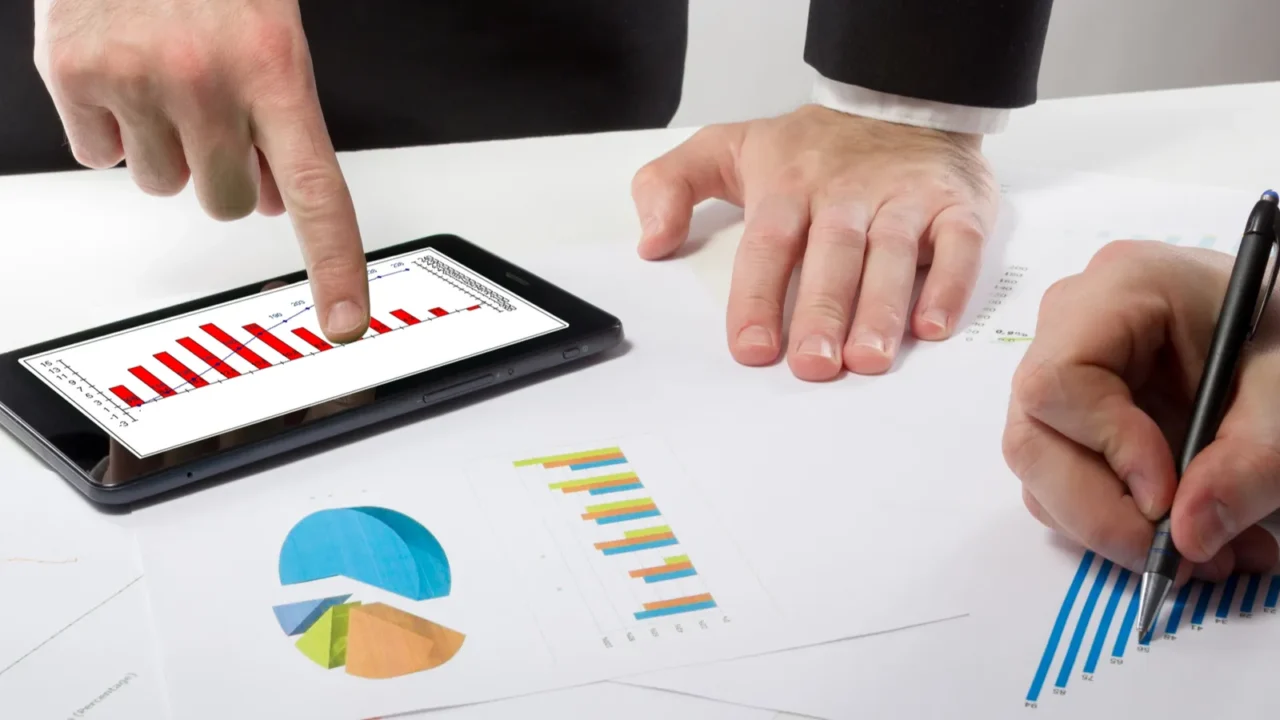
The study also points to platform design as part of the story. If apps restore normal tipping options instead of shifting or weakening them, driver income could improve more than it did under Seattle’s rollout.
That means city rules are only one piece of the puzzle. App fees, tip prompts, dispatch systems, and how many drivers are allowed to crowd into the market can all matter as much as the legal pay floor itself.
Seattle’s layoffs are starting to look like more than a tech problem. Check out why they are turning into a bigger local slowdown story.
Should cities keep trying to raise gig-worker pay this way, or is it time to rethink the whole model? Share your thoughts and your view in the comments.
This slideshow was made with AI assistance and human editing.
Don’t forget to follow us for more exclusive content right here on MSN.
Read More From This Brand:
