Tokyo tourism strategy evolves
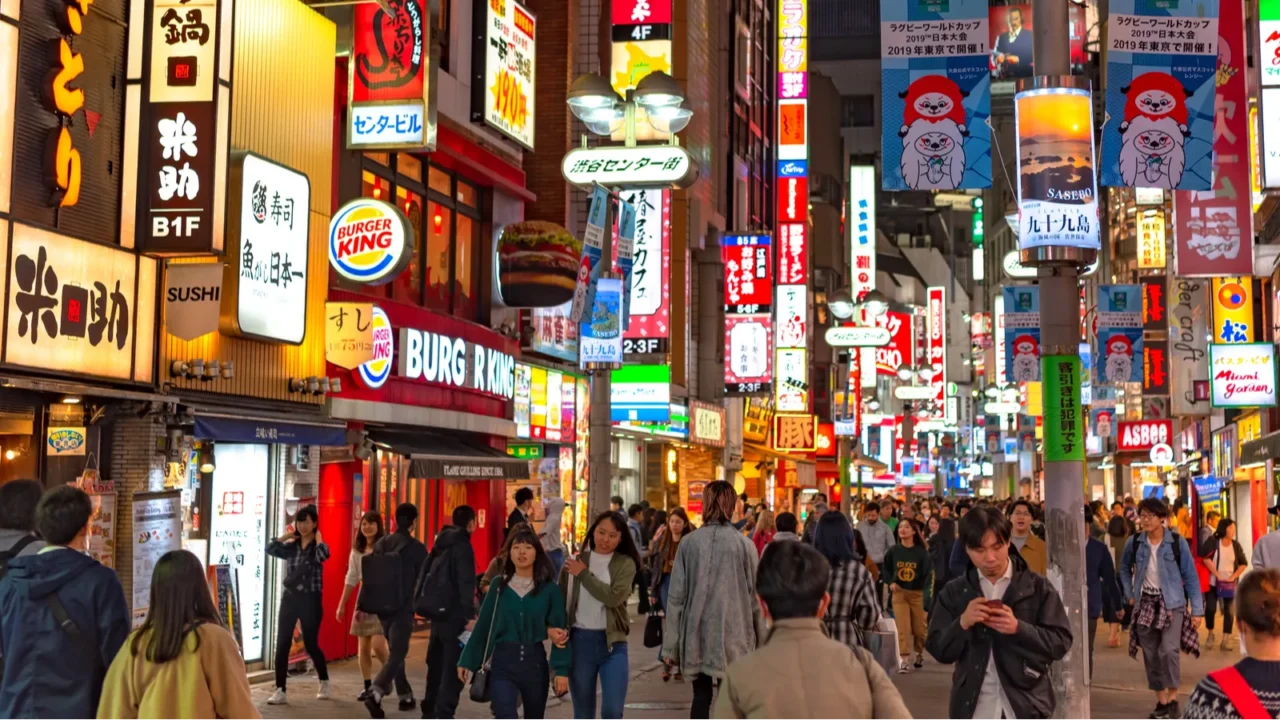
Tokyo tourism authorities are actively promoting neighborhood-based travel to manage rising visitor numbers in 2026. The city government and national agencies are encouraging travelers to explore beyond central districts. These policies aim to protect overcrowded landmarks while supporting local economies.
Officials say the shift reflects long-term planning rather than short-term fixes. Tourism growth has rebounded strongly, especially after international travel resumed. Let’s dive in!
Central Tokyo sees pressure
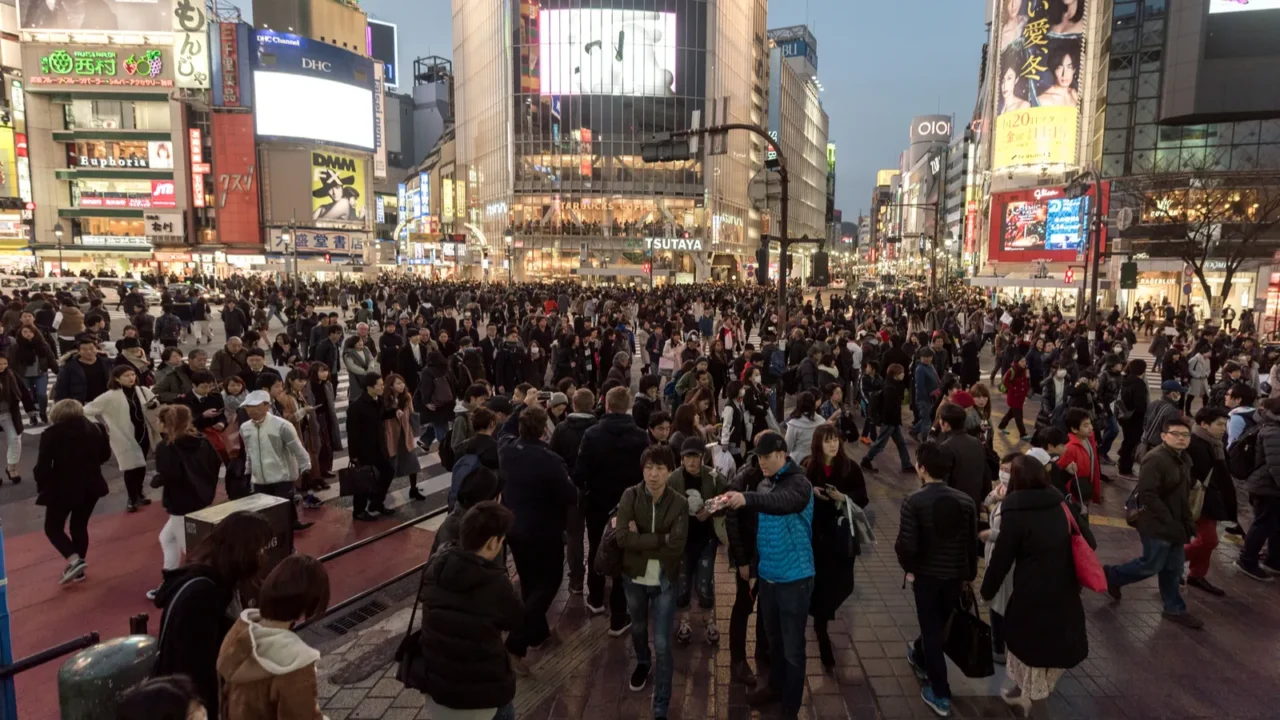
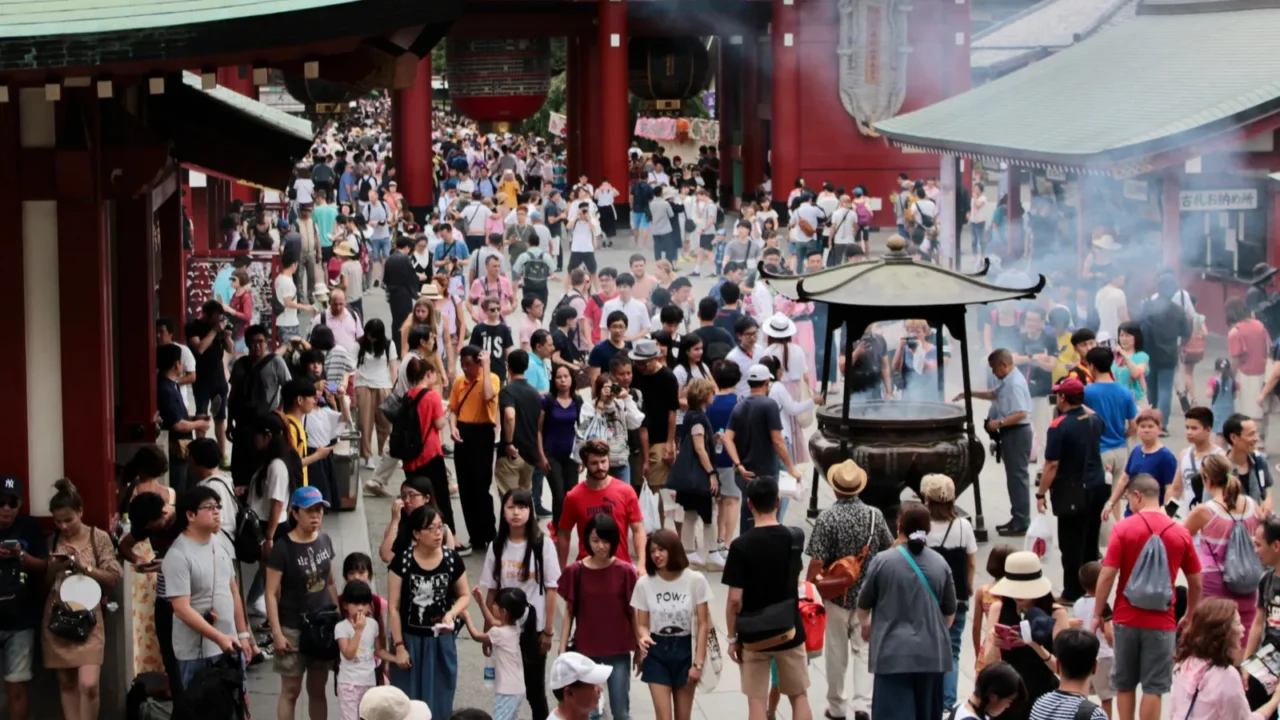
Tokyo continues to draw heavy crowds in areas like Shibuya Crossing and Senso-ji. These iconic spots remain must-visit locations for first-time visitors. High foot traffic often leads to congestion during peak seasons.
Local authorities have raised concerns about crowd control and visitor experience. Businesses benefit from demand, but infrastructure can become strained. Spreading visitors helps balance these challenges.
New areas gain attention
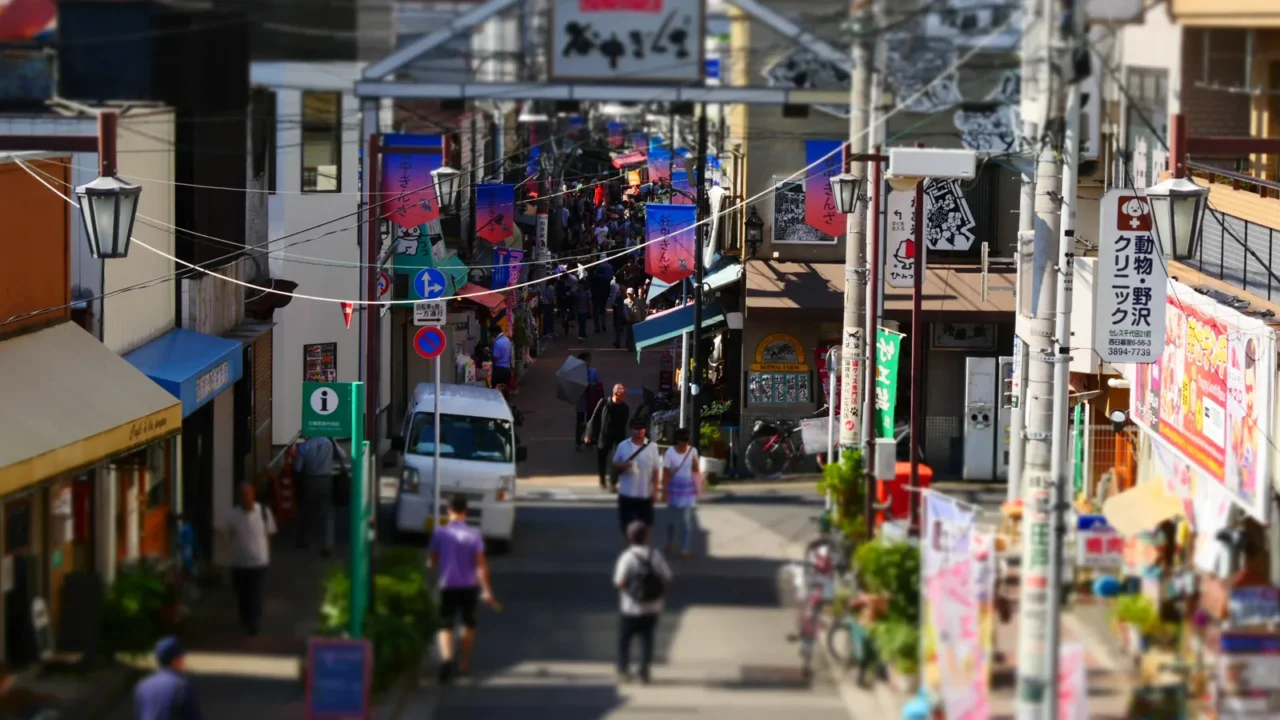
Tokyo is promoting neighborhoods like Kiyosumi-Shirakawa and Yanaka as alternative destinations. These areas offer quieter streets and authentic local culture. Visitors can experience Tokyo beyond the typical tourist circuit.
Travel guides and campaigns now highlight these districts more frequently. Cafes, galleries, and small shops are gaining global attention. This approach supports a broader tourism footprint.
Transit makes exploring easier
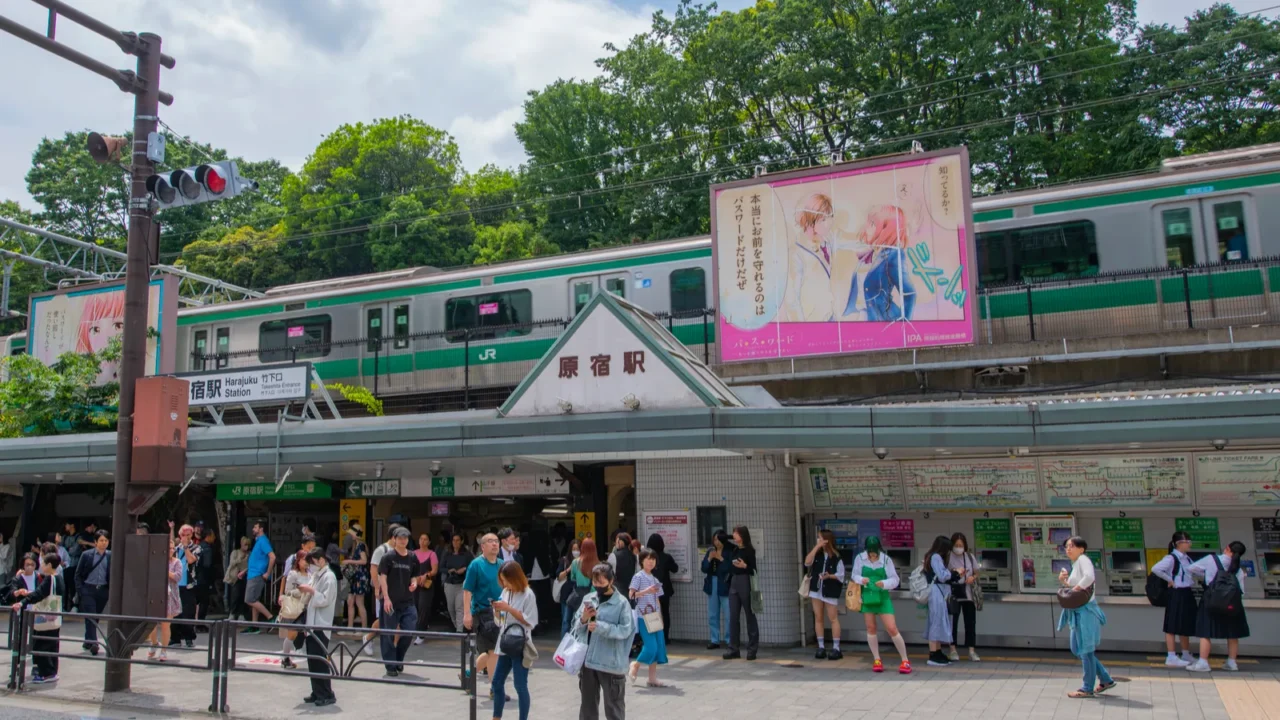
Tokyo’s extensive rail system supports neighborhood-based travel across the city. Lines operated by East Japan Railway Company connect major and lesser-known districts efficiently. Reliable transit makes it easier for visitors to explore widely.
Digital maps and multilingual signage improve accessibility for international travelers. Clear navigation reduces hesitation when visiting unfamiliar areas. Transportation plays a key role in spreading tourism.
Local economies benefit more
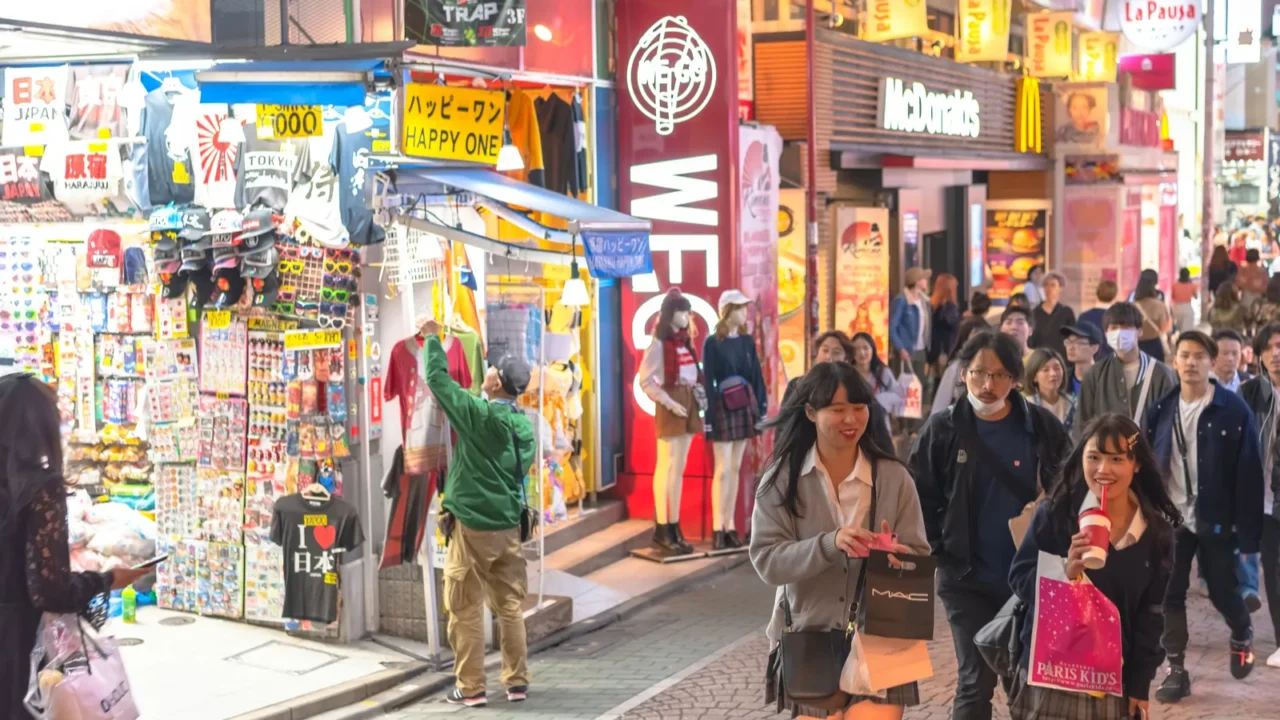
Expanding tourism beyond central zones supports small businesses in residential districts. Restaurants, shops, and cafes benefit from increased foot traffic. Economic activity becomes more evenly distributed across Tokyo.
Community-based tourism also strengthens neighborhood identity. Visitors often seek authentic experiences rather than crowded attractions. This trend aligns with broader travel preferences.

Hidden gems draw interest
Neighborhoods like Koenji and Shimokitazawa attract visitors seeking unique cultural scenes. These areas are known for vintage shops and independent music venues. They offer a different perspective on Tokyo life.
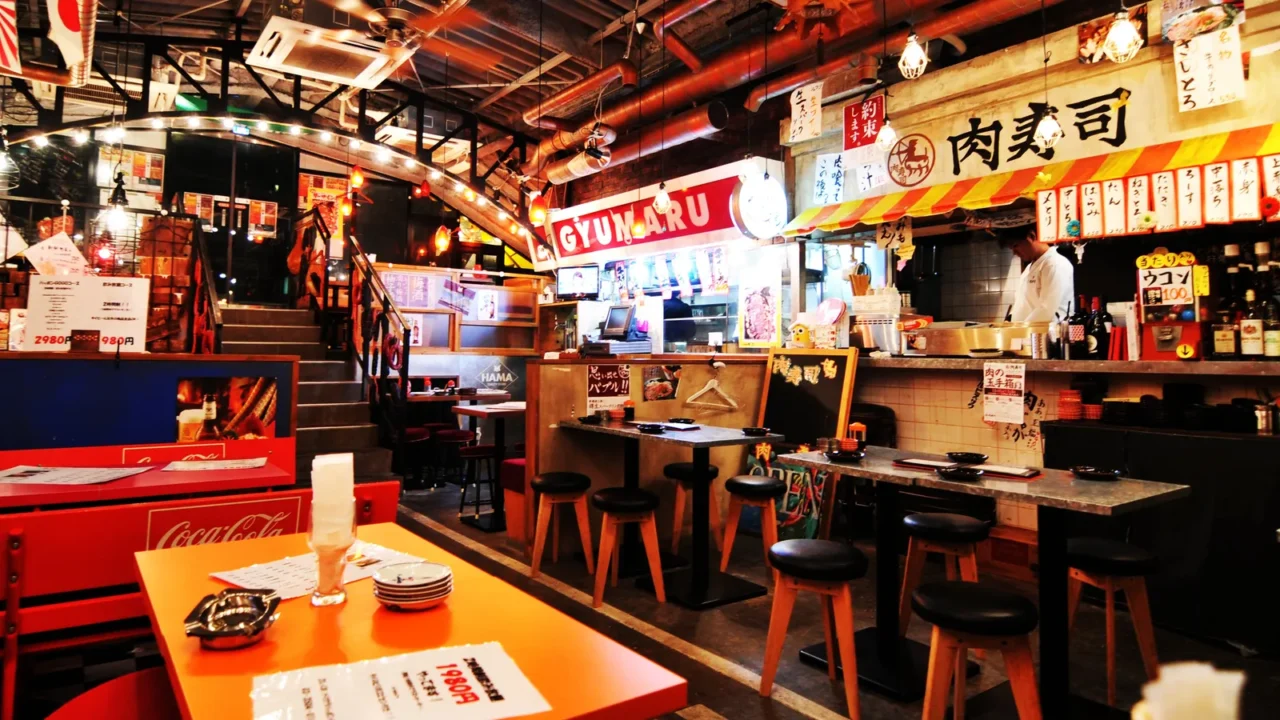
Fun fact: Tokyo has more than 160,000 restaurants, making it one of the world’s most diverse dining cities. This variety encourages exploration across neighborhoods.
Food culture spreads visitors
Food tourism plays a major role in redistributing visitors across Tokyo. Travelers seek local dining experiences in different districts rather than central hubs. Culinary diversity encourages movement across the city.
Fun fact: Tokyo consistently ranks as the world’s most Michelin-starred city — the Michelin Guide Tokyo (2026 edition) lists roughly 160 starred restaurants in the greater Tokyo area, the highest total for any city. This reputation draws visitors to many neighborhoods.
Cultural districts gain focus
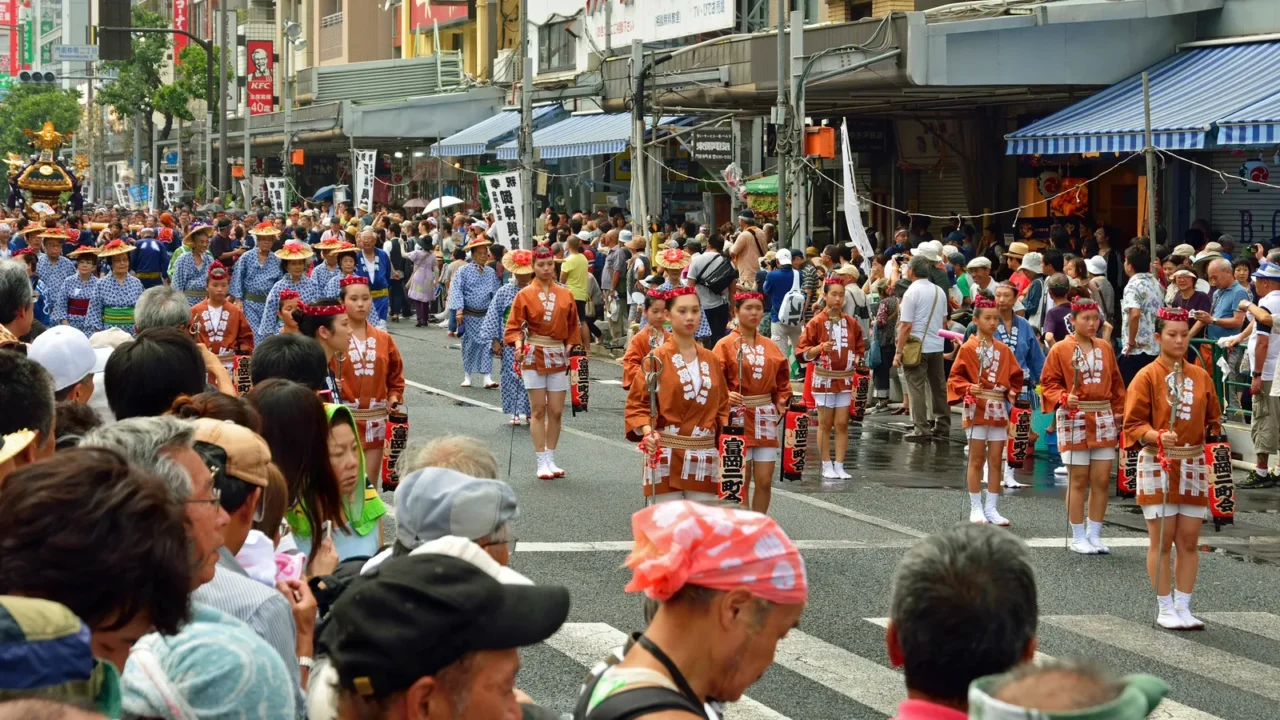
Traditional neighborhoods like Kagurazaka offer historical experiences away from busy tourist centers. These areas blend heritage with modern city life. Visitors can explore temples, alleys, and local traditions.
Cultural tourism supports preservation efforts across Tokyo. Authorities encourage respectful travel in these communities. Balanced tourism helps protect historic sites.
Events drive wider travel
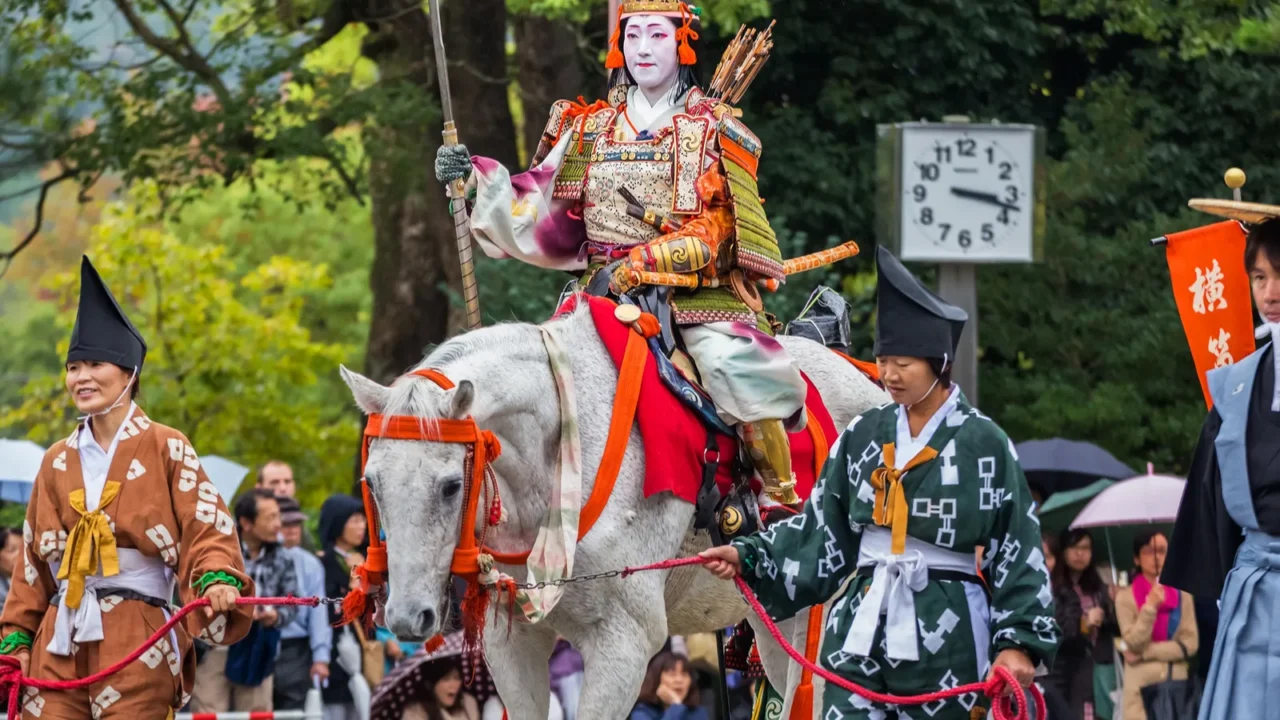
Events across Tokyo encourage visitors to explore beyond central areas. Festivals, exhibitions, and seasonal markets take place in different districts. This creates natural movement across the city.
Large-scale events also spread visitor demand across neighborhoods. Local tourism boards promote lesser-known venues. This strategy reduces crowding in major hotspots.
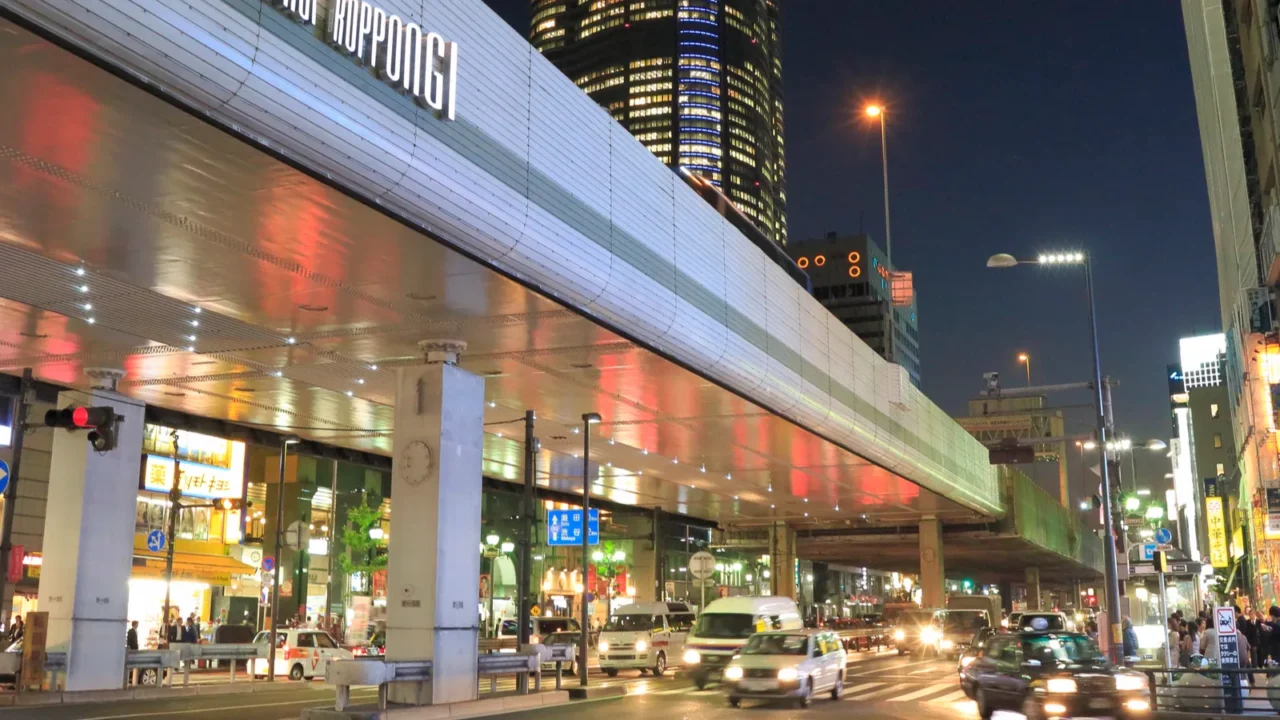
Accommodation patterns shifting
Hotels and short-term rentals are expanding outside central Tokyo. New properties in emerging neighborhoods attract travelers seeking quieter stays. Pricing can also be more competitive in these areas.
Visitors are increasingly choosing convenience over proximity to landmarks. Good transport connections make distant areas practical options. Accommodation trends support wider tourism distribution.
Sustainable tourism becomes priority
Sustainability is a key goal for Tokyo’s tourism strategy. Managing crowds helps reduce environmental pressure on major attractions. It also improves the quality of life for residents.
Authorities continue to monitor visitor flows and adjust policies. Responsible tourism campaigns encourage mindful travel. Long-term planning supports sustainable growth.

Technology guides exploration
Digital platforms now help travelers discover new neighborhoods in Tokyo. Apps provide recommendations based on interests and location, including curated guides like the 16 best things to do in Tokyo for first-time visitors. Technology makes it easier to plan diverse itineraries.
Smart tourism tools also support crowd management. Real-time data helps identify busy areas and suggest alternatives. These systems enhance the travel experience.
Future of Tokyo travel
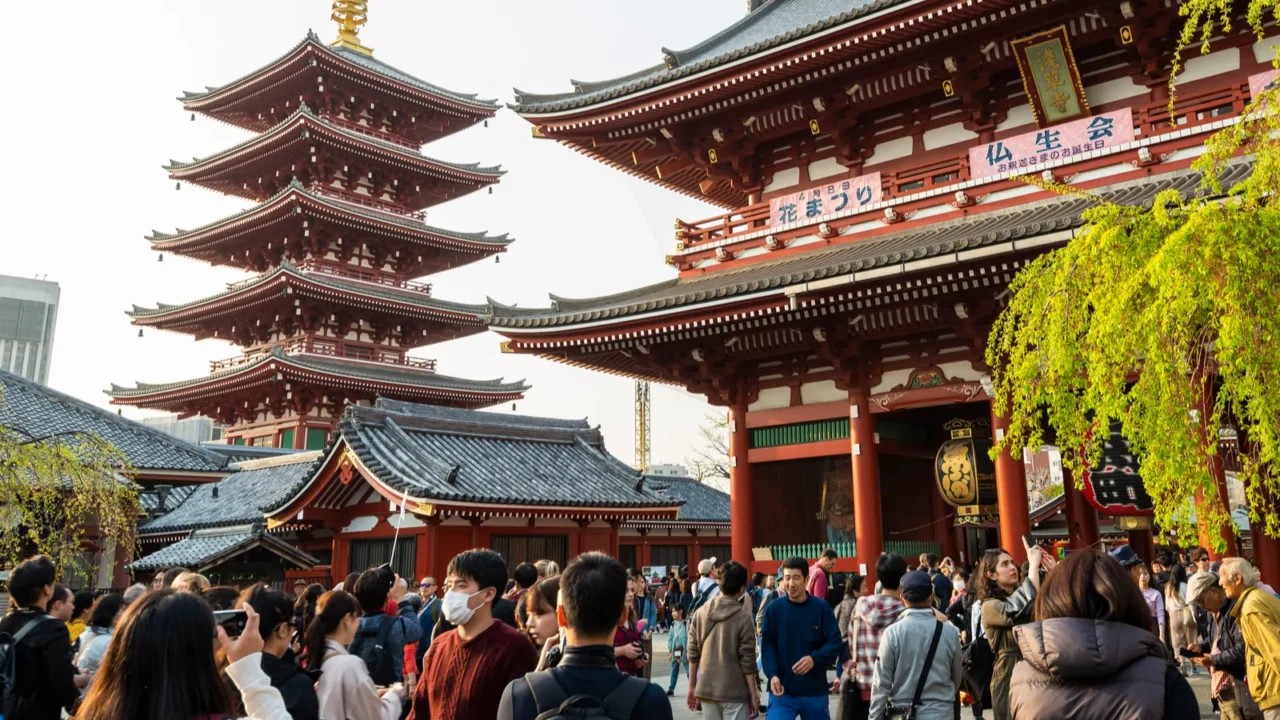
Tokyo’s approach reflects a broader shift in global tourism trends. Cities are encouraging visitors to explore beyond traditional hotspots. This creates more balanced and meaningful experiences.
The best trips are the ones that balance comfort and discovery. Which Tokyo neighborhood feels like the perfect place for travelers to explore next? Share your thoughts below.
This slideshow was made with AI assistance and human editing.
Don’t forget to follow us for more exclusive content right here on MSN.
Read More From This Brand:
