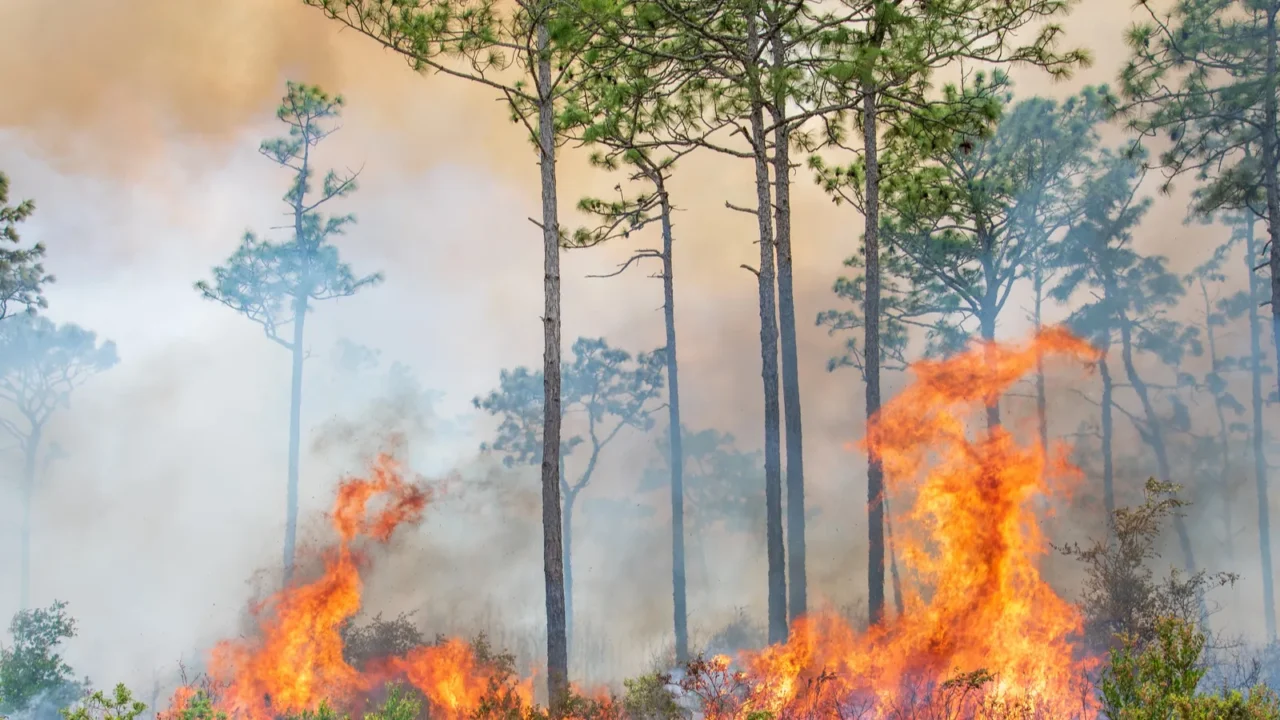
Ashes to renewal
Wildfires have reshaped many destinations, leaving charred landscapes and resilient communities adapting to change. Tourism is rebounding thoughtfully, with visitors supporting local economies through respectful engagement. Travelers now explore recovery stories, from restored trails to community events that highlight rebuilding efforts.
These areas blend adventure with education on fire ecology, inviting participation in renewal. The focus is on sustainable travel that honors transformed environments rather than superficial visits.

Hawaii’s healing coast
West Maui, especially around Lahaina, was at the heart of devastating wildfires that destroyed homes and historic sites in 2023. After months of careful rebuilding and cleanup, parts of West Maui reopened to tourism in October 2025 to support local economies and ongoing restoration efforts.
While some hotels and attractions reopened first, communities emphasize meaningful travel that respects their journey. Travelers today can enjoy beaches and cultural sites away from heavily damaged areas, supporting restaurants, artists, and small businesses rebuilding from the ashes.
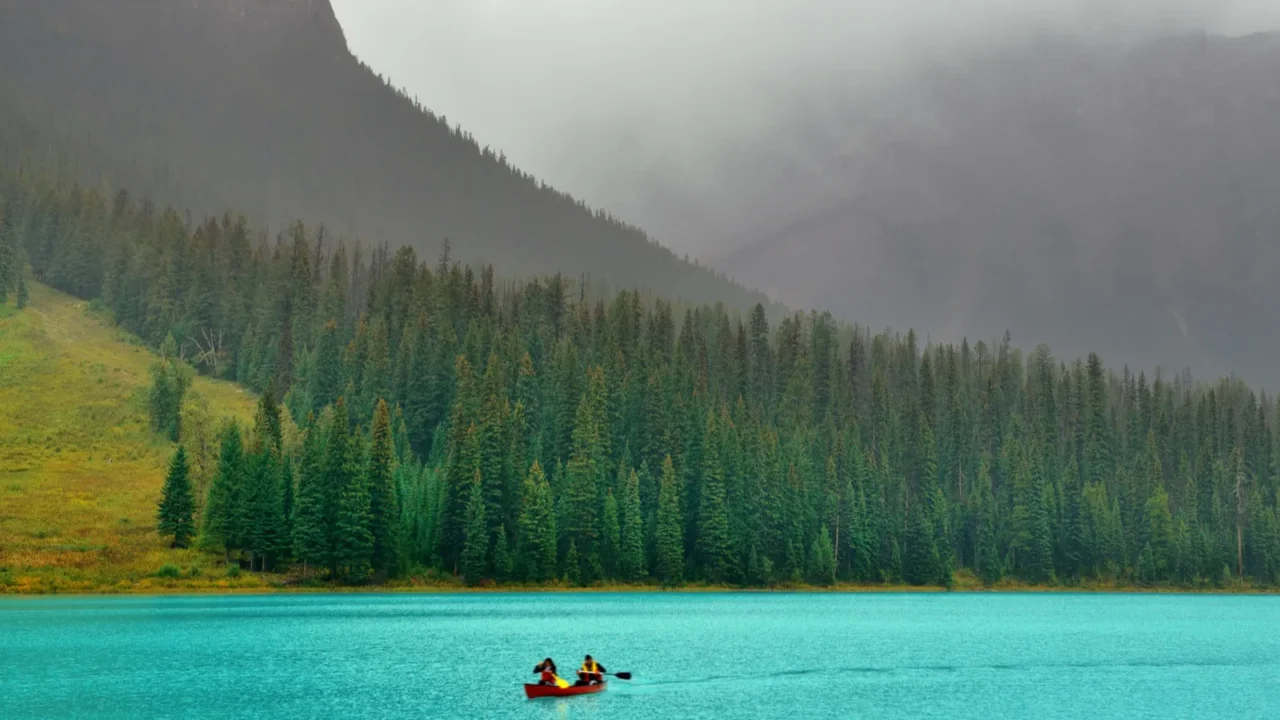
Jasper regrowth journey
Jasper, in Canada’s Alberta Rockies, faced one of its most significant wildfires in over a century, leading to evacuations and damage to homes and forests. What makes Jasper’s story compelling is how tourism and community have merged in recovery.
Some businesses have transformed their offerings, like guided hikes through regrowing forests that blend learning with wonder. Although visitor numbers dipped due to infrastructure repairs, the spirit of Jasper’s wild landscapes and welcoming town is very much alive, offering a raw and inspiring travel experience.
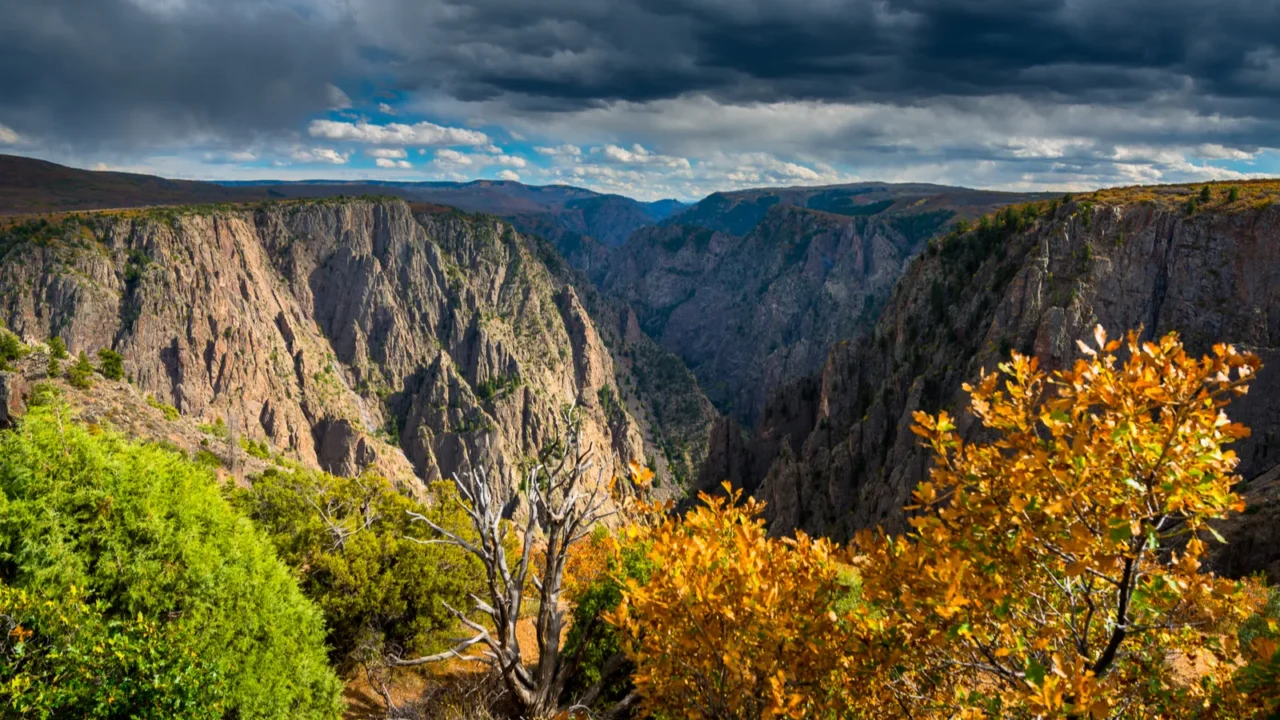
Colorado’s canyon comeback
Black Canyon of the Gunnison National Park in Colorado has recovered from past fires like the 2020 South Rim Fire, which impacted trails and facilities; full access resumed with safety enhancements by 2021, and 2025 sees ongoing maintenance amid fire risks.
The landscape features fire-adapted ecosystems with new growth amid older scars. Travelers enjoy canyon views and hikes while following safety guidelines for dynamic terrain.
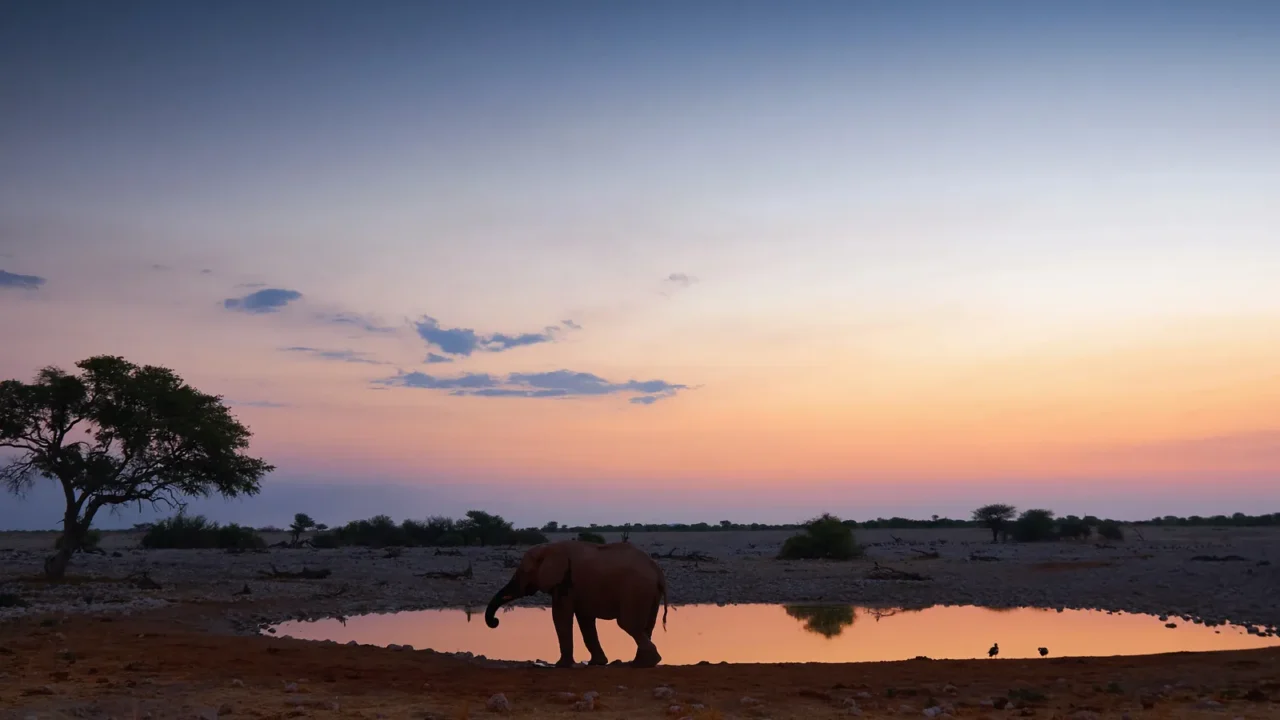
Namibia’s Etosha revival
In Namibia, Etosha National Park experiences periodic wildfires that affect portions of its savanna, prompting ongoing conservation efforts like vegetation monitoring and animal tracking; tourism funds these efforts amid natural regeneration.
Wildlife viewing remains robust, with visitors aiding recovery through park fees. The vast plains showcase nature’s cycles of loss and revival, drawing eco-tourists to witness adaptation.

Cyprus fires and recovery
In 2021, the Limassol region in Cyprus endured major wildfires burning forests and prompting evacuations; recovery includes aid for businesses and tourism campaigns, with full access restored by 2023 and promotions continuing into 2026.
Pathways, beaches, and markets now welcome visitors, supporting cultural heritage and economic rebound.
Mediterranean fire lessons
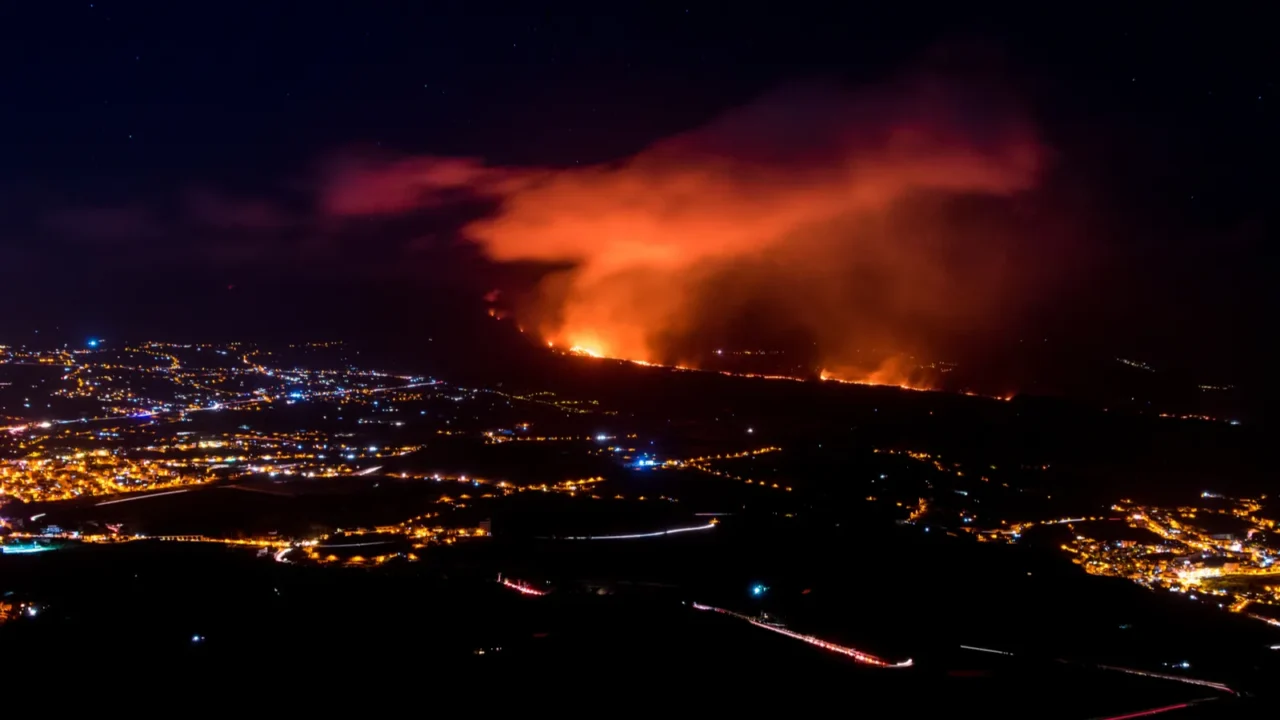
The Mediterranean has faced intense wildfire seasons, with regions in Spain, Greece, and Turkey experiencing early and widespread fires that influenced travel patterns and safety protocols. Areas saw evacuations and disrupted tourism, prompting local authorities to improve emergency planning and visitor communication.
These changes mean travelers now have better access to real‑time alerts and revised fire safety infrastructure. Many destinations are marketing off‑season tourism to reduce pressure on vulnerable landscapes and engage visitors in ecological awareness and responsible travel.
Maui’s new norms
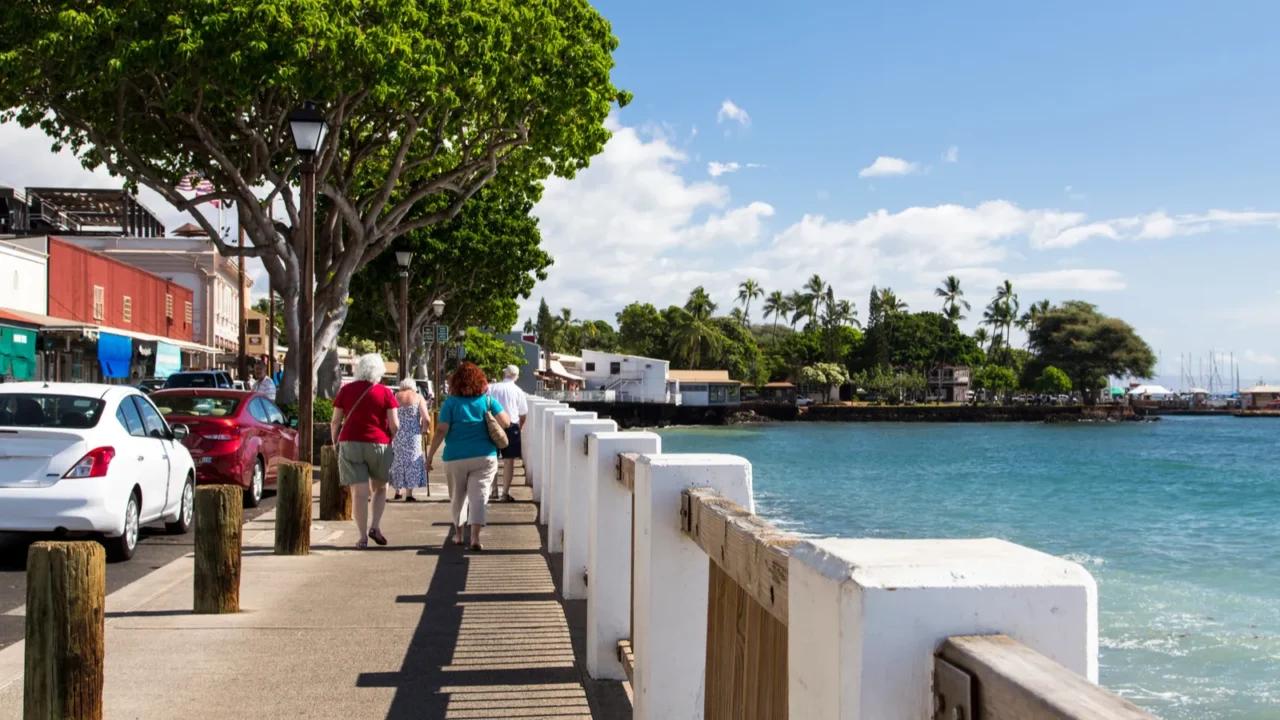
Maui’s reemergence as a tourist destination comes with a new mindset: recovery first, leisure second. Local tourism authorities encourage mindful travel that supports jobs and local services while understanding that parts of the island are still healing.
Tour operators emphasize flexible booking and respectful behavior, ensuring travelers contribute positively rather than strain local resources. This shift in tourism culture reflects a broader movement toward conscious travel in wildfire‑impacted places around the world.
Supporting economies again
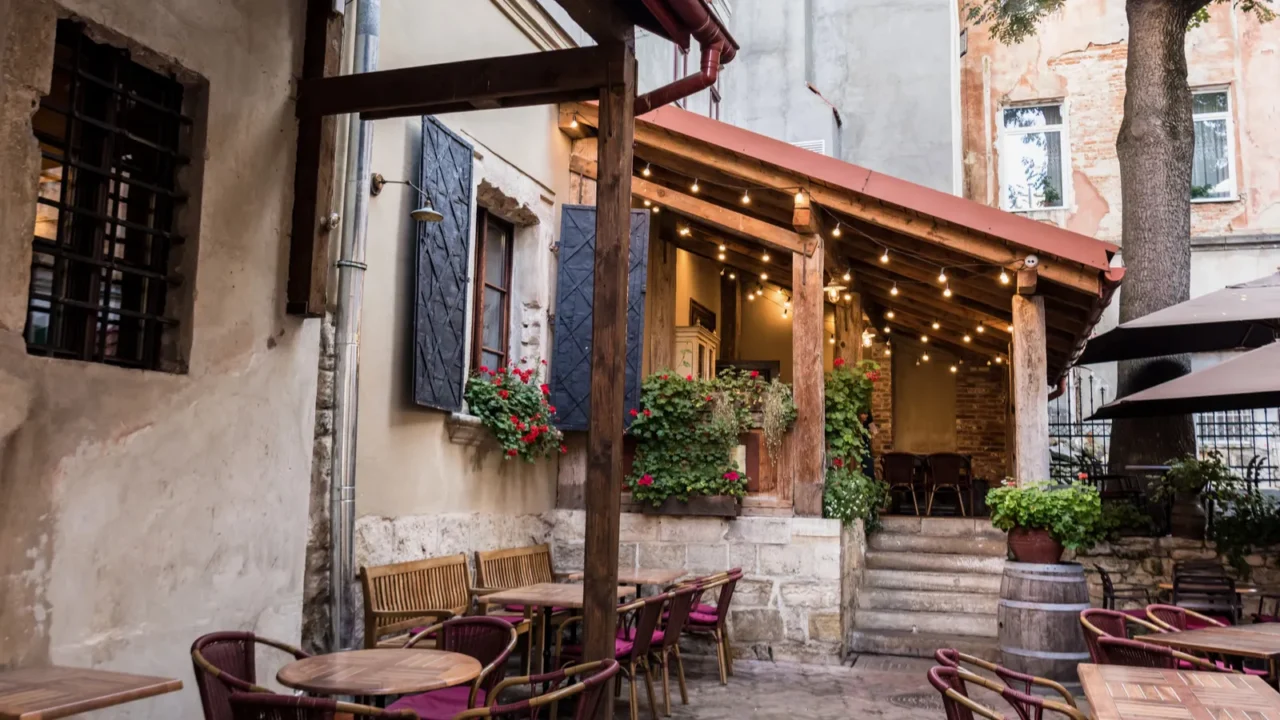
For communities hit by wildfires, tourism isn’t just about sightseeing. Hotels, guides, restaurants, and artisans depend on visitors to rebuild livelihoods lost to flames. Regions from Hawaii to Cyprus have tailored reopening plans that balance economic need with environmental protection to ensure guests feel welcomed and safe.
This means flexible travel advisories, new safety standards, and community‑led experiences that regenerate local culture. Travelers now play an active role in regional recovery by choosing to spend in ways that honor local values and ongoing healing.
Nature’s new canvas
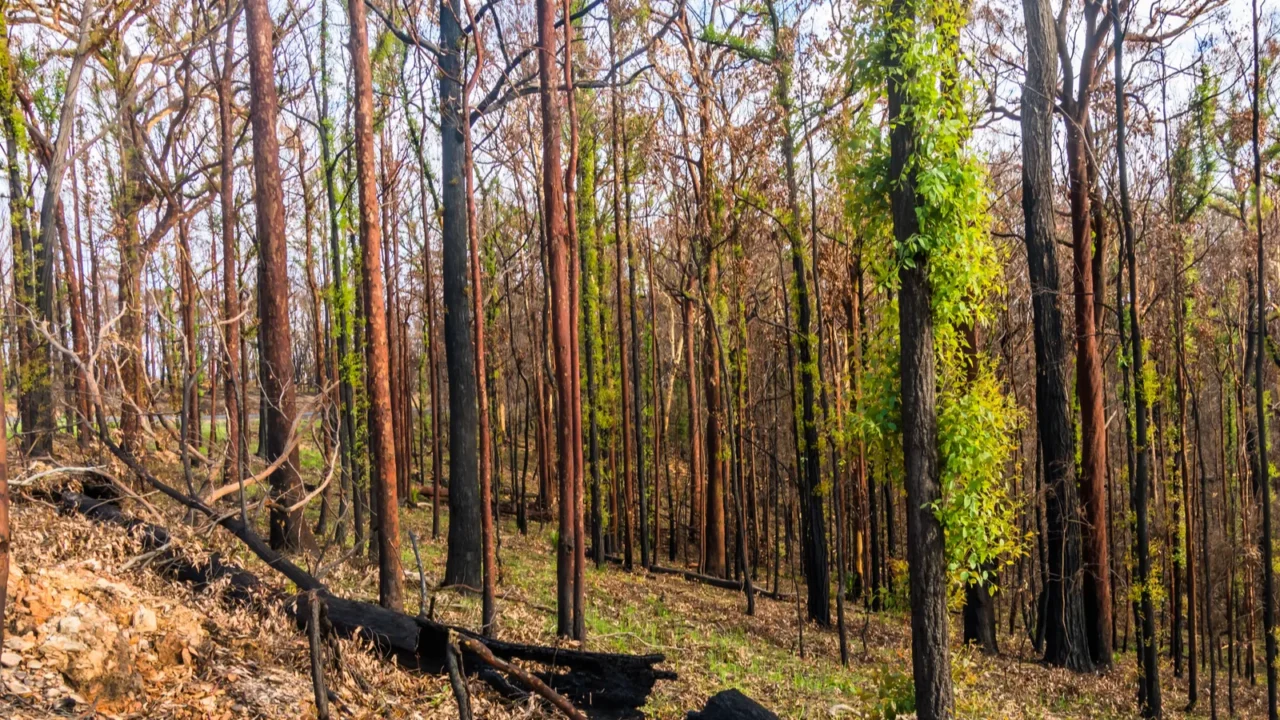
Burn scars on forests and grasslands may seem stark at first, but recovery is already underway in many wildfire‑hit destinations. New growth emerges, wildlife adjusts, and ecosystems regenerate in surprising ways. These transformed landscapes offer unique opportunities for travelers who choose to visit with curiosity and care.
Guides in places like national parks are developing tours that educate visitors about fire ecology and habitat renewal. Travelers return not only for beauty but to learn how nature regenerates itself after intense disruption.

Traveler tips today
If you’re thinking about visiting wildfire‑affected regions, plan smart and travel respectfully. Check official tourism and fire‑safety updates before booking. Many destinations now offer real‑time air quality indices and emergency resources to help you choose safe routes and activities.
Consider supporting local businesses directly, from small cafes to artisan markets. Be prepared for possible temporary closures or access restrictions in sensitive zones.

Meaningful exploration
Wildfire‑impacted destinations are redefining what it means to travel. Today’s tourism is not just about ticking destinations off a bucket list. It’s about engaging with local stories, participating in cultural events, and witnessing landscapes in transition.
By choosing sustainable tours and supporting community initiatives, travelers become part of the recovery narrative rather than passive observers. Your journey can help protect heritage while expanding your own understanding of resilience and renewal. Discover storm-resilient safari lodges that combine adventure with comfort while supporting local recovery efforts.
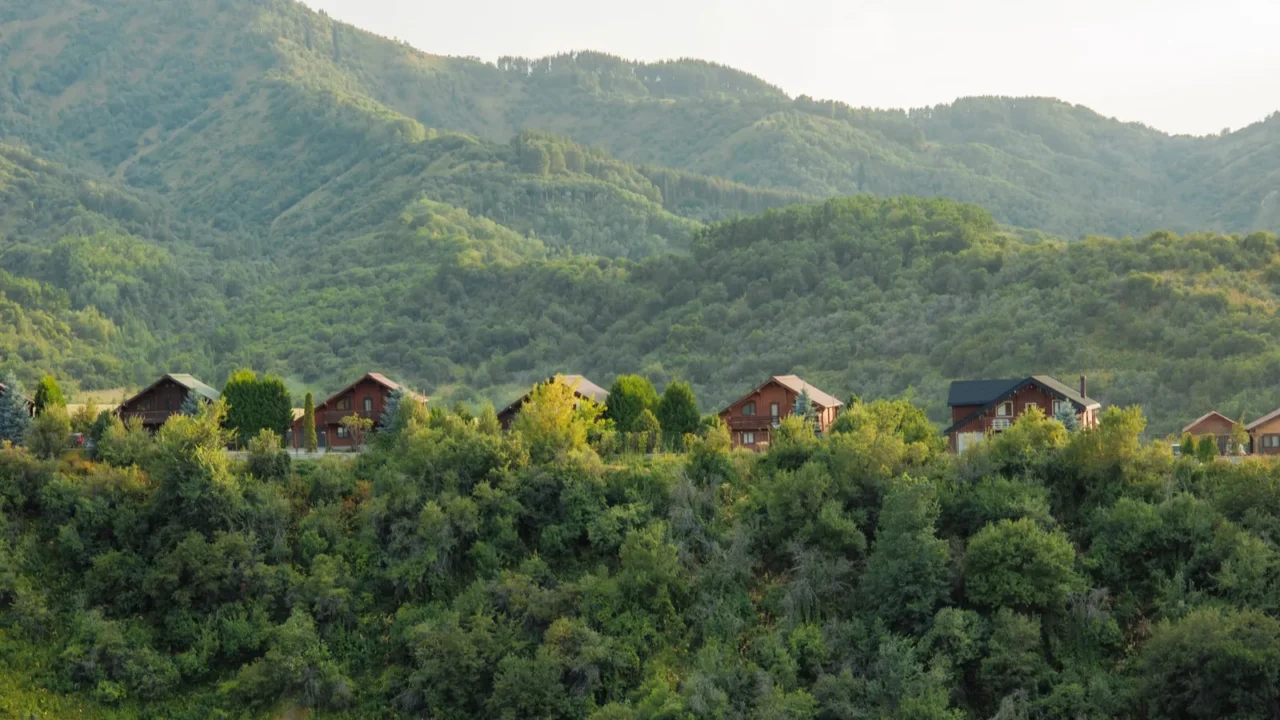
Forward on fire lands
The reopening of wildfire‑affected regions marks a new chapter in global travel. What has changed are the stories travelers bring home, shaped by encounters with places that have endured loss and reemerged with purpose.
As more destinations rebuild and adapt, visitors can discover landscapes that are healing and welcoming. Plan stays in destinations offering climate comfort to enjoy sustainable travel without compromising safety or experience.
What if your next adventure could let you witness nature’s comeback, support local communities, and experience landscapes few travelers have seen since disaster struck?
This slideshow was made with AI assistance and human editing.
Don’t forget to follow us for more exclusive content right here on MSN.
Read More From This Brand:
