Industry sets the stage
International Air Transport Association notes that airlines are increasingly deploying AI- and data-driven pricing tools across global networks, accelerating the frequency of fare updates and investments in modern revenue-management systems. TIATA monitors industry trends worldwide, including how carriers across regions are upgrading their revenue-management platforms and experimenting with AI-assisted pricing models. Airlines already adjust fares many times a day, and new software promises even faster changes. The question for 2026 is whether that speed brings savings or sharper swings.
Executives describe these systems as upgrades to long-running yield management. Analysts say the tools respond to demand, schedules, and competitive moves in near-real-time. Travelers are watching closely because small shifts can add up quickly.

What AI pricing means
AI pricing refers to software that studies demand signals and updates fares automatically. Airlines feed these systems with booking trends, seasonality, and competitor prices. The goal is to match supply and demand more precisely across thousands of routes.
In practice, this means prices can move more often during the day. Some changes may be small, while others can be noticeable around busy periods. Industry researchers say the approach is an evolution, not a sudden break from past methods. The pace of change, however, is clearly accelerating.
Airlines already use it
Major carriers have used automated pricing for years, but the tools keep improving. Delta Air Lines has discussed using advanced analytics to refine seat pricing across its network. United Airlines has also invested in revenue systems that react quickly to market shifts.
These platforms watch booking curves and competitor moves around the clock. That constant monitoring can smooth some swings, yet it can also amplify short-term spikes. The result depends on how airlines set the rules inside each system. Regulators and consumer groups continue to watch these changes closely.
Why prices could drop
Supporters argue that smarter tools reduce wasted seats and last-minute fire sales. When planes fill more evenly, airlines may not need to hold prices high early. That can open windows for competitive fares on many routes.
Better forecasts also help airlines add capacity where demand grows. More seats usually create more price pressure, especially in busy markets like New York or Los Angeles. Over time, efficiency gains can filter through to customers. The promise is steadier pricing with fewer extreme peaks.

Why volatility could rise
Critics note that faster systems can also chase short-term signals. A sudden surge in searches or bookings can push prices up within minutes. When demand cools, prices may fall just as quickly.
That rhythm can feel unpredictable for travelers planning around work and school calendars. Analysts compare it to stock-market-style reactions, though airlines still control the rules. The risk is not higher averages, but sharper swings during popular travel windows. Those swings already appear around major holidays.
The role of competition
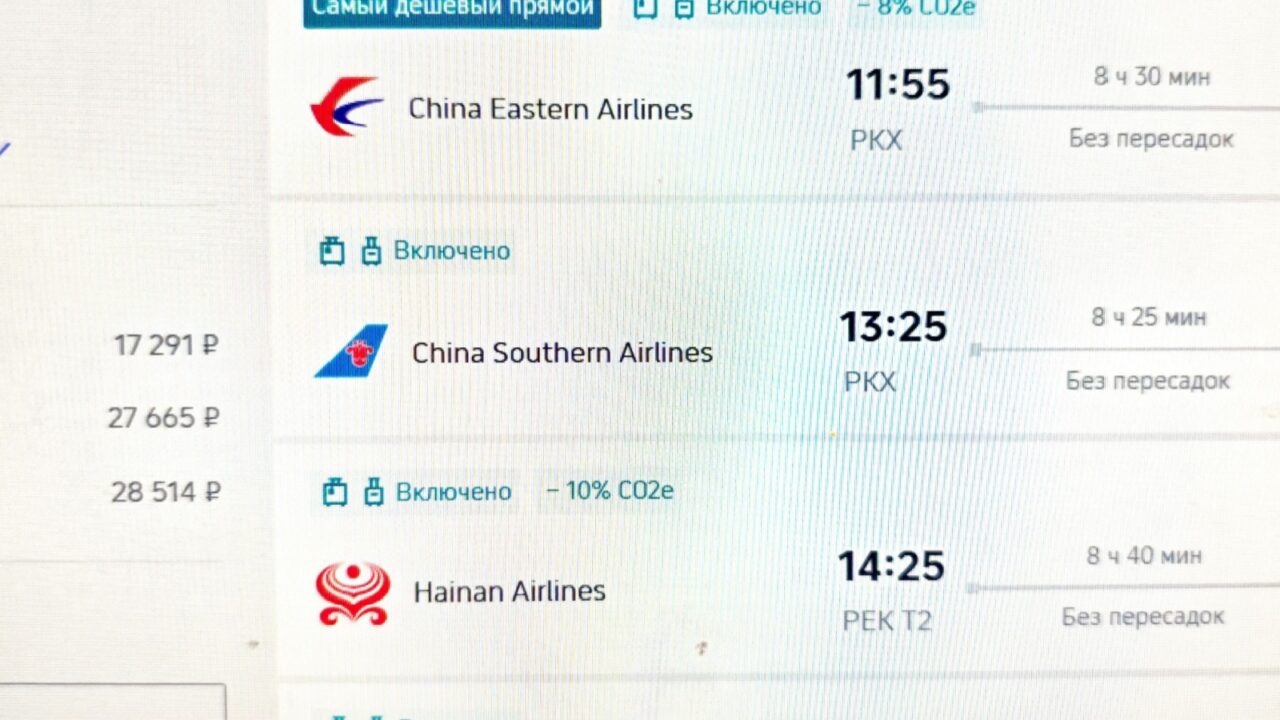
Competition remains a powerful check on pricing behavior. When several airlines serve the same route, algorithms watch each other closely. A single fare cut can spread across a market in hours.
Low-cost carriers also keep pressure on larger networks in many regions. That pressure limits how far any one airline can push prices before losing bookings. In dense markets like Florida or California, price battles still break out regularly. Technology speeds the fight, but it does not remove it.
How consumers may notice
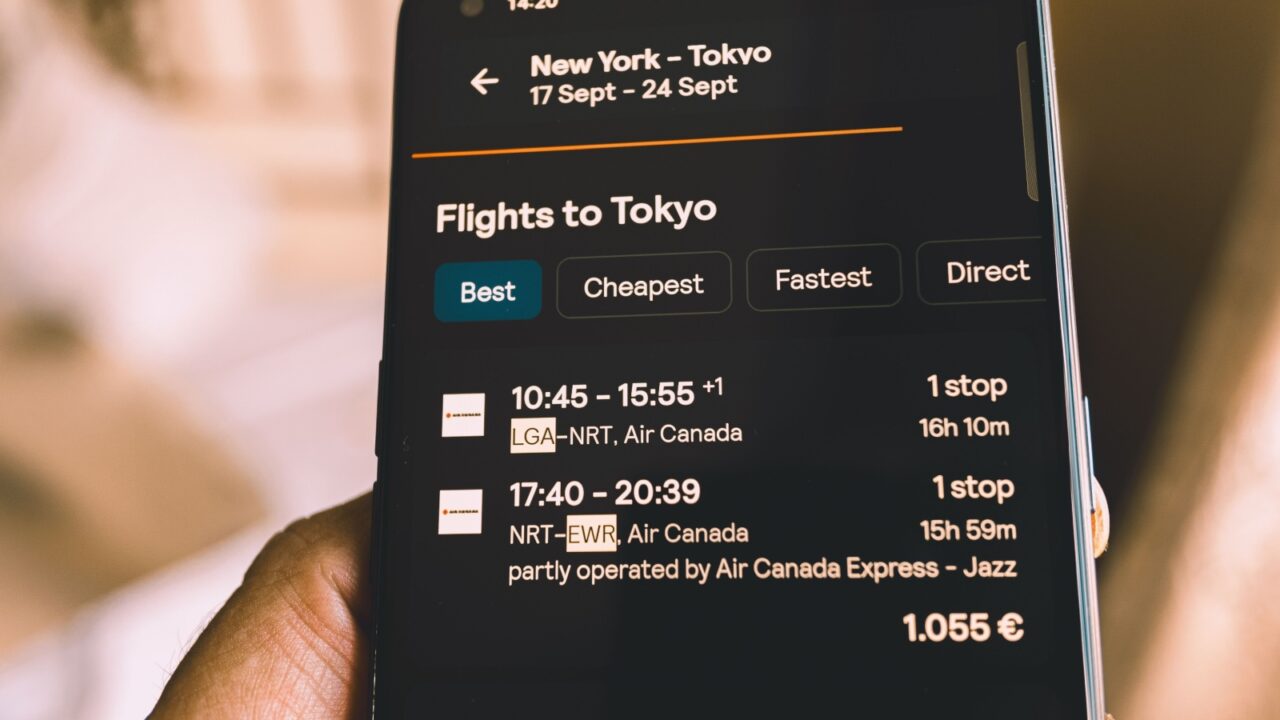
The most visible change is timing rather than direction. Fares may move more often during a single day, especially near departure dates. Deal windows can open and close faster than before.
Travelers who track prices already see this pattern on popular routes. The difference is scale, since more routes and more seats fall under these systems. Alerts and price tracking tools become more useful in that environment. Patience and flexibility still matter, even with smarter software.

Regulation and transparency questions
Lawmakers and consumer groups continue to ask how these systems affect fairness. Some worry about price discrimination based on browsing behavior or location. Airlines say rules and audits limit those risks.
In the United States and Europe, regulators already review pricing practices. Any move that crosses legal lines would likely face scrutiny. For now, most changes fit within existing frameworks. The debate centers on transparency rather than outright bans.
What history suggests
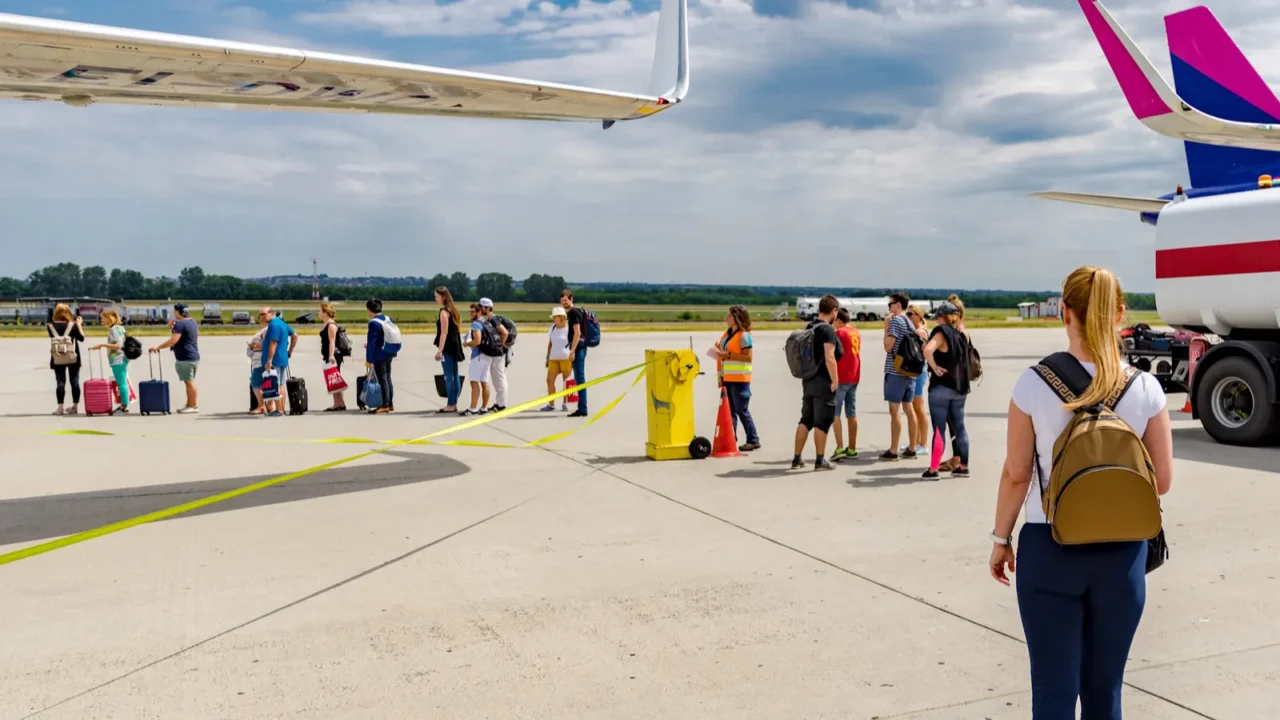
Dynamic pricing is not new to air travel. Airlines have adjusted fares by season, day, and demand for decades. The difference now is speed and scale rather than basic logic.
Past upgrades usually brought both savings and surprises. Off-peak routes often became cheaper, while peak flights stayed expensive. That pattern could continue into 2026. The tools change, but the market forces behind them stay familiar.
Airports and routes matter
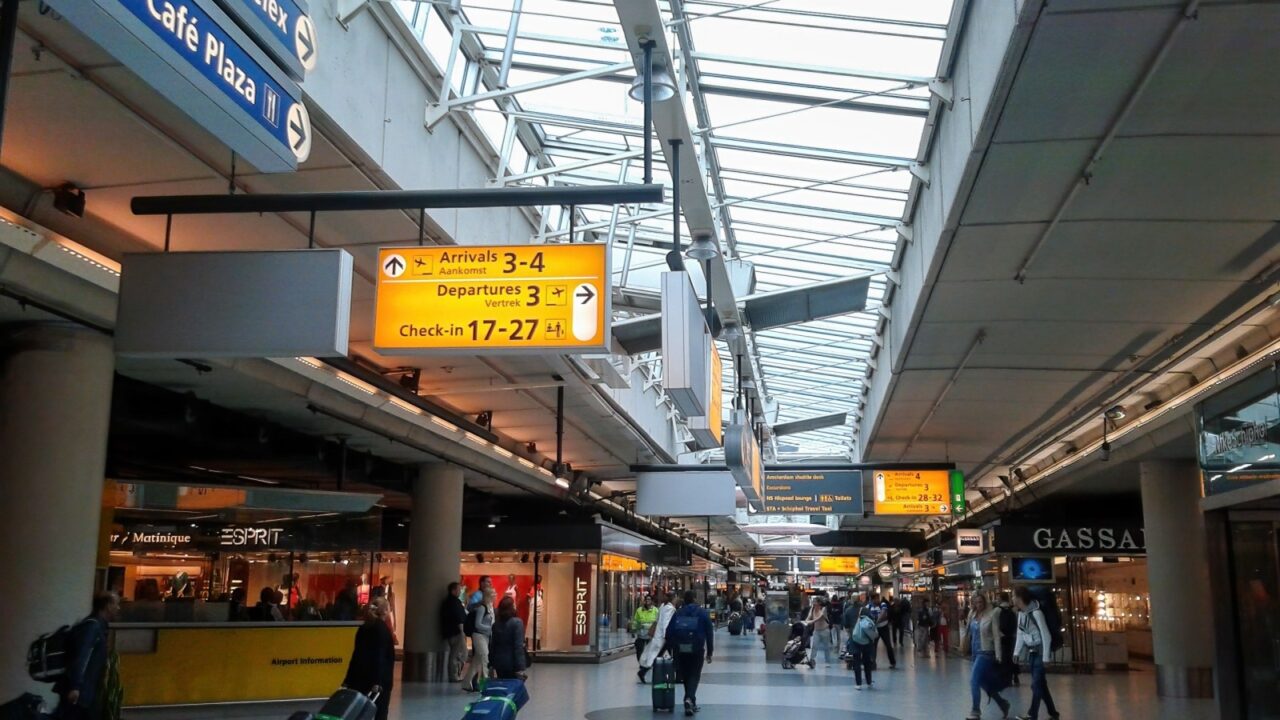
Not every market will feel these changes the same way. Hub airports with many connections see more data signals and more frequent updates. Smaller airports may still move at a slower pace.
International routes add another layer with currency shifts and regional demand. Software can react to those inputs faster than manual systems ever could. That flexibility helps airlines manage risk, but it also adds complexity for planners. The geography of a trip will still shape the final fare.

What analysts expect in 2026
Most analysts predict a mix of outcomes rather than a single trend. Some routes should see more consistent prices thanks to better forecasting. Others may show sharper swings around events and holidays.
Capacity growth, fuel costs, and economic conditions will still matter more than any single tool. AI pricing acts as an accelerator, not a replacement for market forces. The real test will come during the next busy summer and winter travel seasons. Those periods reveal how systems behave under pressure.

How airlines plan ahead
Airlines say these tools help plan schedules and staffing with more confidence. Better demand signals support decisions about adding flights or changing aircraft size. That planning can reduce last-minute chaos during peak periods, and it also shapes trends like the rise of ultra-cheap red-eye flights, which many analysts still debate on value.
Investments continue across the industry because the potential savings are large. At the same time, companies know public trust matters in travel pricing. Clear communication and stable policies remain part of that balance. Technology alone does not carry the brand.

A future with tradeoffs
By 2026, AI pricing will likely feel normal across many booking sites. Some trips may become cheaper thanks to better matching of seats and demand. Other trips may show faster and sharper price moves near popular dates.
The outcome is not a simple win or loss for travelers. Smarter tools create efficiency, yet they also reward flexibility and timing. The most useful trips balance planning and patience. Do dynamic prices feel like progress or added stress for future travel plans? Share thoughts below.
This slideshow was made with AI assistance and human editing.
Don’t forget to follow us for more exclusive content right here on MSN.
Read More From This Brand:
