Yamaha’s move says more than it seems
Yamaha’s decision to leave Cypress for Kennesaw is bigger than a simple address change. It closes a California chapter that began in 1979 and signals where the company thinks it can run leaner in the years ahead.
The timing matters because Yamaha’s parent company just reported a 30.4% year-over-year drop in 2025 operating profit. That gives this relocation a sharper business meaning: this is part cost response, part long-term reset.
The headquarters shift is official
Yamaha Motor Co. said on February 26, 2026, that Yamaha Motor Corporation, U.S.A., will move from Cypress, California, to Kennesaw, Georgia. The transition will happen by function, starting at the end of 2026 and running through the end of 2028.
That means this is not a sudden shutdown with one moving date. It is a phased relocation plan, which usually points to a company trying to protect operations while changing structure.
Cypress is not a small office
The site Yamaha is leaving is substantial. The company said the Cypress property covers about 25.1 acres, including land, offices, and warehouses.
Local reporting adds another useful detail: the campus at 6555 Katella Ave. totals about 279,000 square feet. That helps explain why the sale is part of the strategy, not just a side effect of the move.
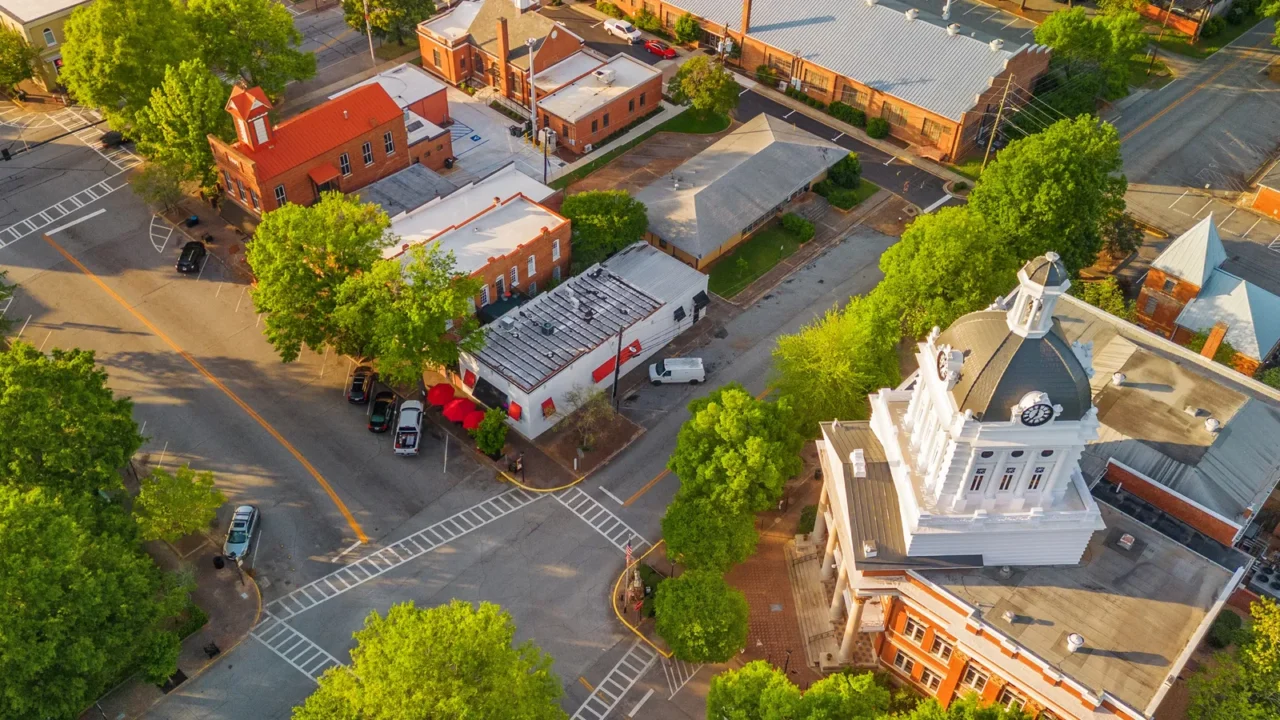
This has been building for years
Yamaha’s Georgia footprint did not appear overnight. Its marine business moved to Kennesaw in 1999, and its motorsports business followed in 2019, leaving Cypress mainly with corporate functions and financial services.
So the 2026 announcement looks less like a surprise and more like the final step in a long consolidation. The company had already shifted major operating pieces east before deciding to move the headquarters, too.

Hundreds of workers are caught in the middle
Yamaha has not published a detailed public staffing plan for every worker, but local reporting says roughly 200 to 250 employees remained in Cypress. Those roles included accounting, corporate planning, and financial services.
That matters because headquarters relocations rarely affect only real estate. They also force employees to choose between relocating, changing roles, or leaving a company they may have worked at for years.

Yamaha is selling, but not vanishing overnight from California
The company said it will sell all fixed assets owned by Yamaha Motor Corporation, U.S.A., in Cypress. That includes its land, offices, and warehouses.
But Yamaha also said it plans to use a sale-and-leaseback arrangement for a period of time. That gives it a temporary California foothold while the transition continues and helps avoid a messy handoff.

The profit pressure is real
Yamaha’s parent company reported 126.4 billion yen in operating profit for 2025, down from the prior year by 55.1 billion yen, or 30.4%. The company explicitly tied weaker results to U.S. tariffs, higher procurement costs, and higher SG&A expenses.
That makes the headquarters move easier to understand. When profit falls that sharply, companies usually start looking at property, staffing, and structure all at once.

Tariffs were named in Yamaha’s own wording
This part is important because it came directly from Yamaha, not outside speculation. In its February 26 release, the company said it is carrying out structural reforms in response to cost increases from U.S. tariffs and changes in the market environment.
That wording shows Yamaha sees this as more than a California cost issue. It is responding to broader pressure on its U.S. business model, with the headquarters move acting as one piece of that fix.
Little-known fact: Georgia says Yamaha expanded its Kennesaw footprint with a 75,000-square-foot Marine Innovation Center in 2023.
Georgia already gives Yamaha a base
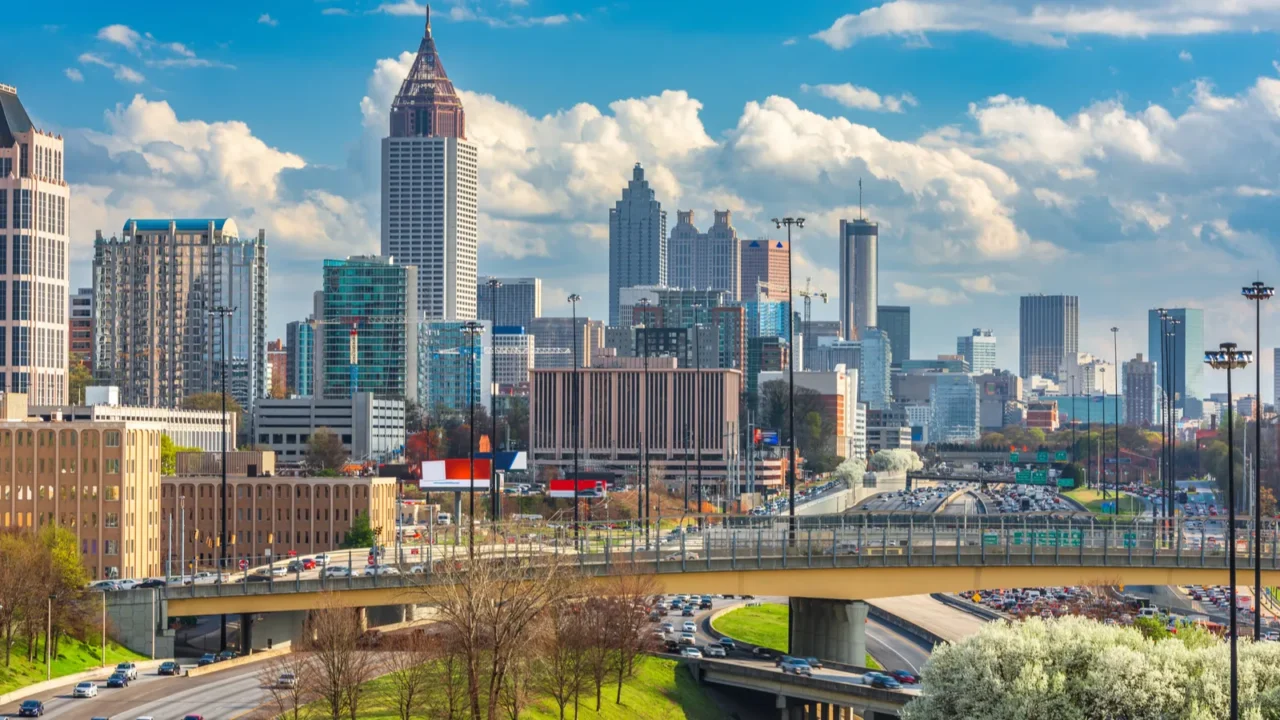
Georgia is not just a cheaper map point for Yamaha. The company already has a deep footprint there, including its Kennesaw operations and a 1.3 million-square-foot manufacturing plant in Newnan.
State officials say Yamaha already employs more than 2,300 Georgians, while Yamaha’s Newnan manufacturing site says its team there includes over 2,000 workers. That existing scale lowers the friction of moving headquarters functions into the state.
Little-known fact: Yamaha says its Newnan, Georgia, factory has produced more than 4 million vehicles.

California loses another recognizable name
Yamaha joins a longer list of big brands that have moved major functions out of California in recent years. Chevron announced in 2024 that it would relocate its headquarters to Houston, with the move taking effect on January 1, 2025, and Tesla said in 2021 that it was moving its headquarters from California to Austin, Texas.
That does not mean every company is fleeing, but it does reinforce a trend: when firms face margin pressure, California’s costs and regulations can become part of the relocation math. Yamaha’s move fits that larger pattern.
Little-known fact: Yamaha says it began selling products in the U.S. in 1960, nearly two decades before it established the Cypress office.
Orange County loses more than an office
For Cypress, the departure is symbolic as well as economic. Local reporting described Yamaha as one of the city’s most prominent employers, and the property itself takes up an entire block bounded by Katella Avenue, Holder Street, and Yamaha Way.
A headquarters exit can affect nearby restaurants, vendors, service companies, and commercial real estate momentum. Even when the employee count is modest, the local business ripple can last longer than the move itself.

The real estate piece could be valuable
Orange County Business Journal reported that industrial sites in Cypress generally sell for around $4 million an acre, implying the Yamaha campus could be worth about $100 million. That estimate is not official, but it shows why selling the site may help Yamaha unlock cash and cut overhead.
Yamaha itself has not announced a sale price, buyer, or final transaction timing. It said those details are still under review, which means the financial side of the story is not finished yet.
Even Meta CEO Mark Zuckerberg has had his eye on Miami for quite some time, and he has now reportedly bought a waterfront mansion in Miami’s exclusive Indian Creek enclave, often called “Billionaire Bunker,” for an estimated $150 million to $200 million.

The move is really about concentration
Yamaha’s spokesperson told local media that the company had become fragmented, with major business units already in Georgia. Bringing the remaining corporate and financial functions there is meant to reduce that split.
That may sound simple, but consolidation can matter a lot in a slower market. When teams, leadership, and operations sit closer together, companies often hope decisions get faster, and costs get easier to control.
Curious why so many companies are making big moves right now? Check out the real reasons businesses are fleeing California (and what it means for you).
Do you think moves like Yamaha’s are mainly about tariffs, or about the long-term cost of doing business in California? Share your thoughts and your view in the comments.
This slideshow was made with AI assistance and human editing.
Don’t forget to follow us for more exclusive content right here on MSN.
Read More From This Brand:
