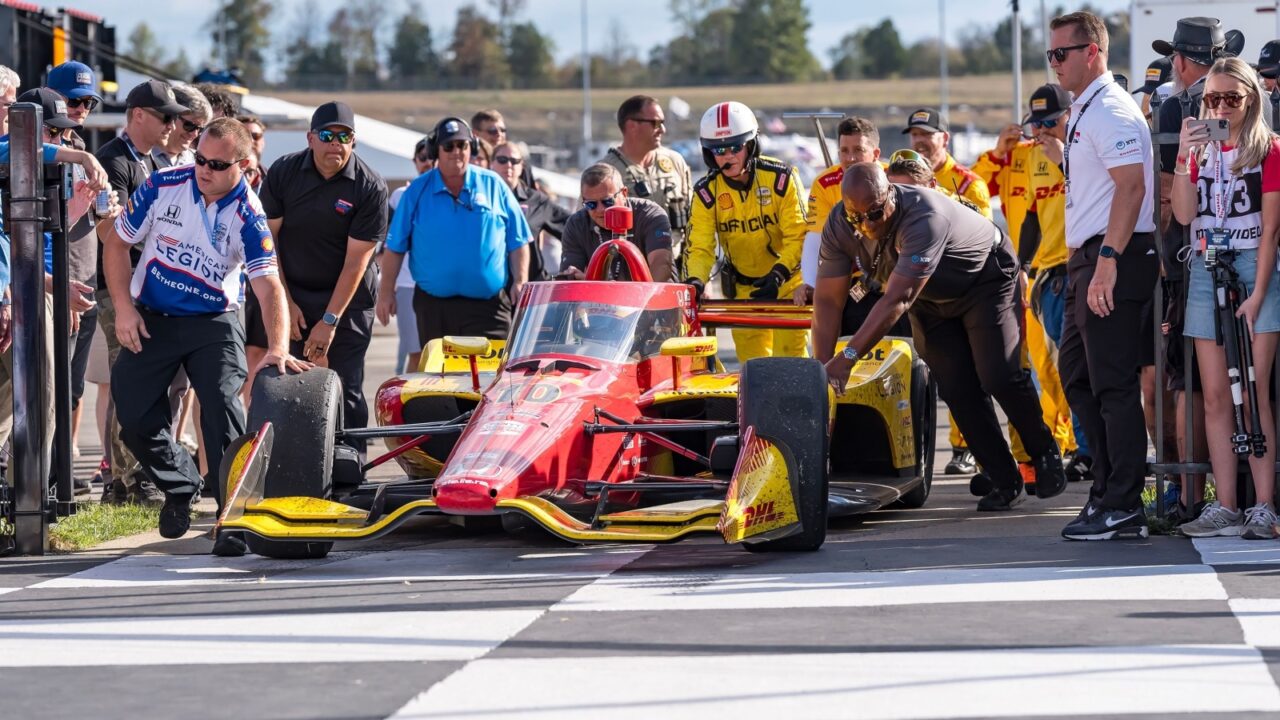
2026 sports travel surge begins
The 2026 sports travel boom is shaping up as one of the most active in recent U.S. history. Major events like the FIFA World Cup and the NTT INDYCAR Series in Washington DC are drawing thousands of fans from across the country and internationally. The influx of visitors is already affecting hotel bookings, flight demand, and local transport patterns. Let’s dive in!
Washington DC will host multiple IndyCar races alongside other sports exhibitions, highlighting the city’s growing reputation as a sports travel hub. Organizers are coordinating with airlines, hotels, and transit systems to accommodate the expected spike in visitors. This surge is forecasted to create significant revenue for local businesses while reshaping travel patterns in early 2026.
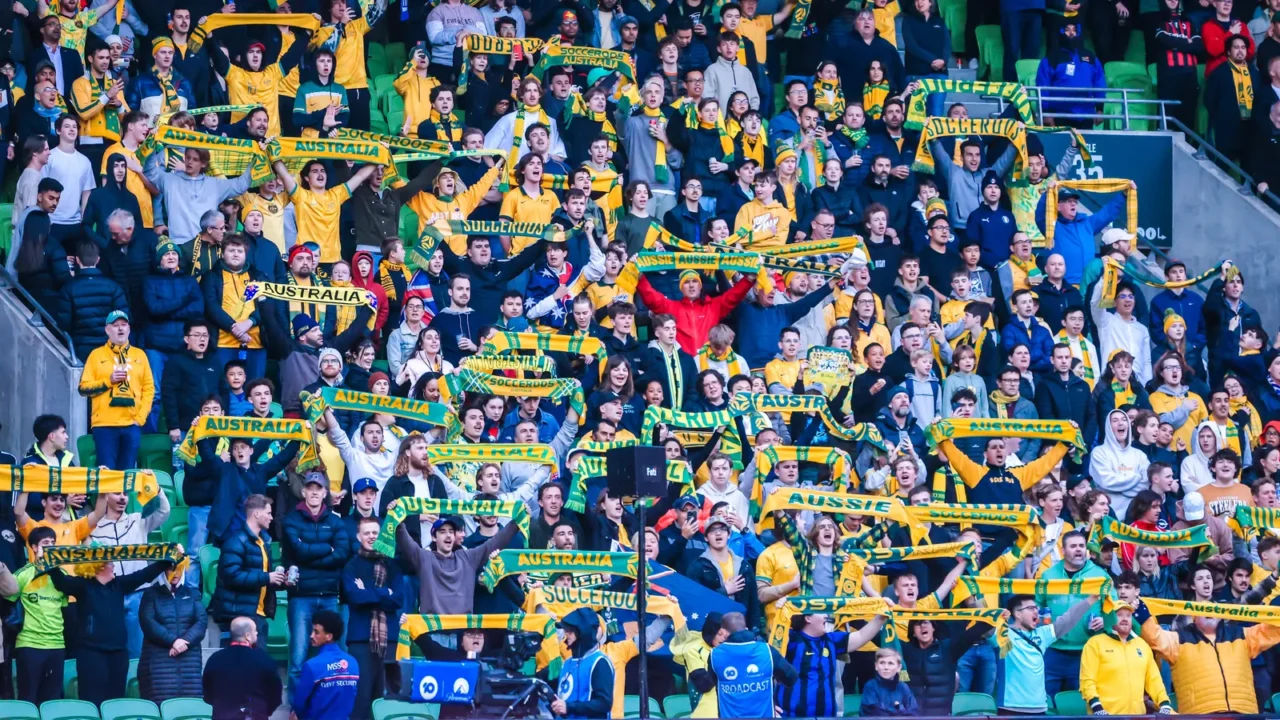
World Cup excitement reaches US
The 2026 FIFA World Cup will span cities across the U.S., including key matches in New York, Los Angeles, and Miami. Fans are traveling long distances to see high-profile games featuring international teams like Argentina, France, and Germany. Ticket sales and flight bookings have surged months in advance, signaling one of the busiest sports travel periods of the decade.
International and domestic travelers are arranging extended stays in host cities to experience both games and cultural events. Cities are implementing additional transport services, shuttle programs, and fan zones to manage large crowds efficiently. Hotels in major World Cup cities are reporting near-full bookings, pushing visitors to consider nearby towns for accommodation.
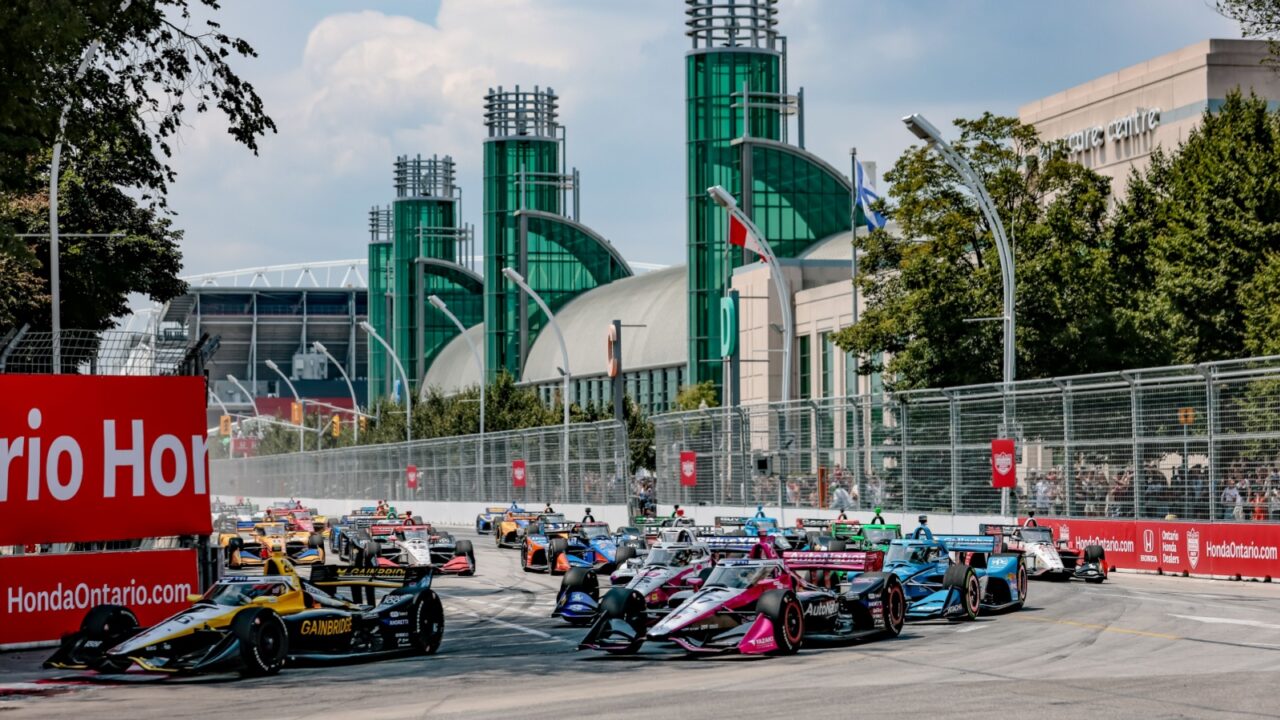
IndyCar returns to Washington DC
The NTT INDYCAR Series will stage the historic Freedom 250 Grand Prix on the National Mall in Washington, D.C., Aug. 21–23, 2026, an urban street race that is expected to draw motorsports fans from across the U.S. Local hotels and restaurants near the race route are preparing for high occupancy and increased dining traffic.
Organizers are coordinating with city authorities to ensure smooth traffic and spectator management during race days. Public transportation is adding extra service to accommodate fans arriving from nearby cities like Baltimore and Philadelphia. The D.C. street race is expected to boost late-summer tourism in the region, complementing World Cup demand in other host cities during June and July.
Travel costs on the rise
Major sporting events in 2026 are driving up travel costs for flights, hotels, and local transit. Travel costs are rising across many host cities: industry snapshots show hotel rates jumping after the World Cup draw (one analysis found an average post-draw hotel lift of about 14.8%), while airfare movements vary by route and market — some routes have seen noticeable increases while others remain flat or lower than last year. Visitors booking late may face limited availability and higher rates, particularly near urban centers and popular venues.
Hotel room rates in New York, Los Angeles, and Washington DC are trending higher due to the concentrated demand around event weekends. Some local lodging providers have introduced minimum stay requirements to maximize revenue. Vacation rentals are also commanding premium prices, reflecting the impact of concentrated sports tourism on accommodation markets.
Transportation planning is key
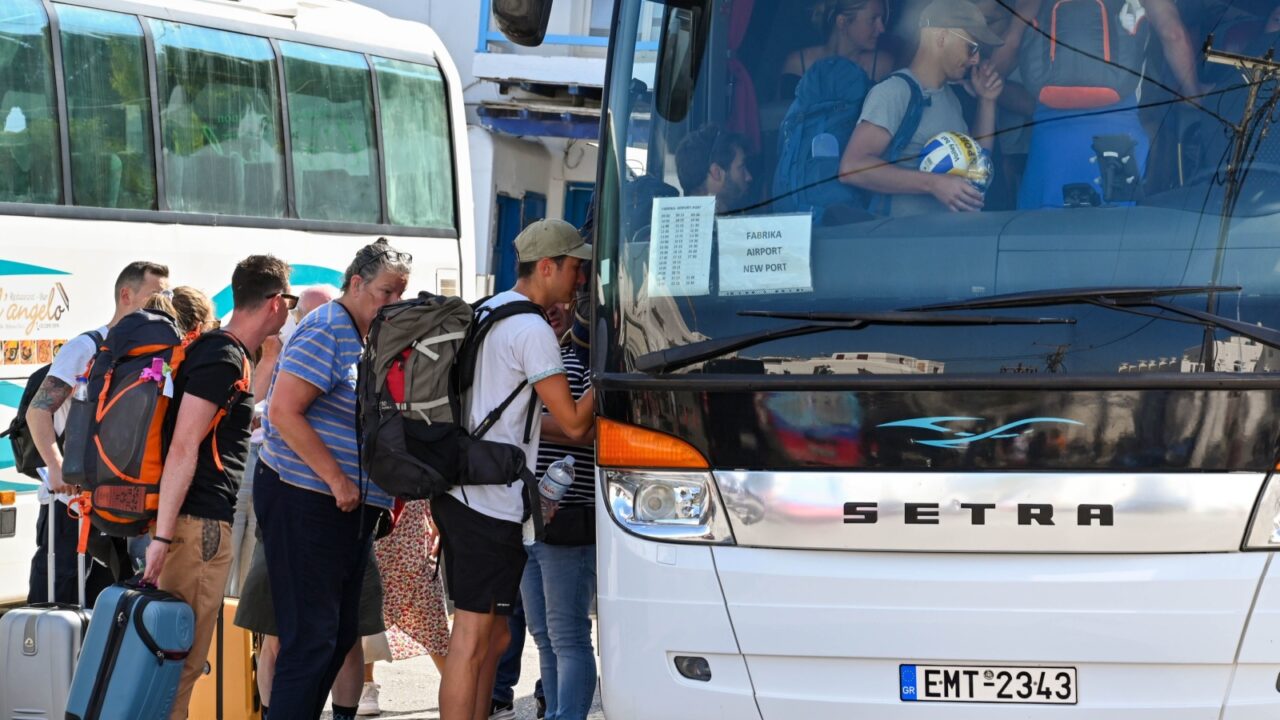
Cities hosting 2026 sports events are expanding transit schedules to manage high passenger volumes. Shuttle services, ride shares, and temporary bus routes are being coordinated near stadiums and fan zones. These measures aim to reduce congestion while accommodating international and domestic visitors.
Airlines are offering additional flights into major hubs like Washington DC, Miami, and Los Angeles. Train services, including Amtrak, are increasing seat availability for high-demand routes. Travelers relying on public transit or shared mobility options are advised to plan routes to avoid delays.
Fan zones enhance experiences
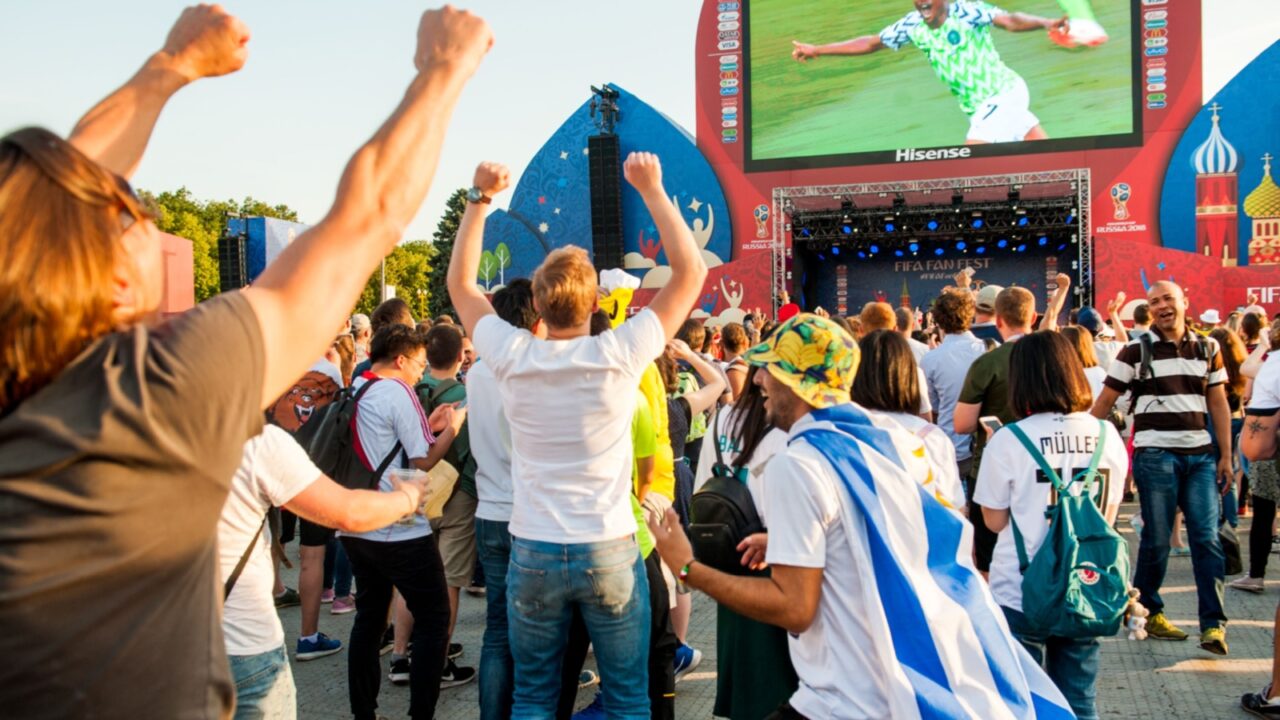
Cities hosting the World Cup and IndyCar races are creating fan zones to engage visitors with live screenings and entertainment. These zones are set up in downtown areas, parks, and stadium precincts. Fans can enjoy cultural performances, food stalls, and merchandise booths without entering the venues directly.
Fan zones also serve as a safe way to manage crowds and promote tourism spending. Local vendors benefit from increased foot traffic during events. Organizers hope these zones will create a festive atmosphere while supporting small businesses in host cities.
Hotels and accommodations filling
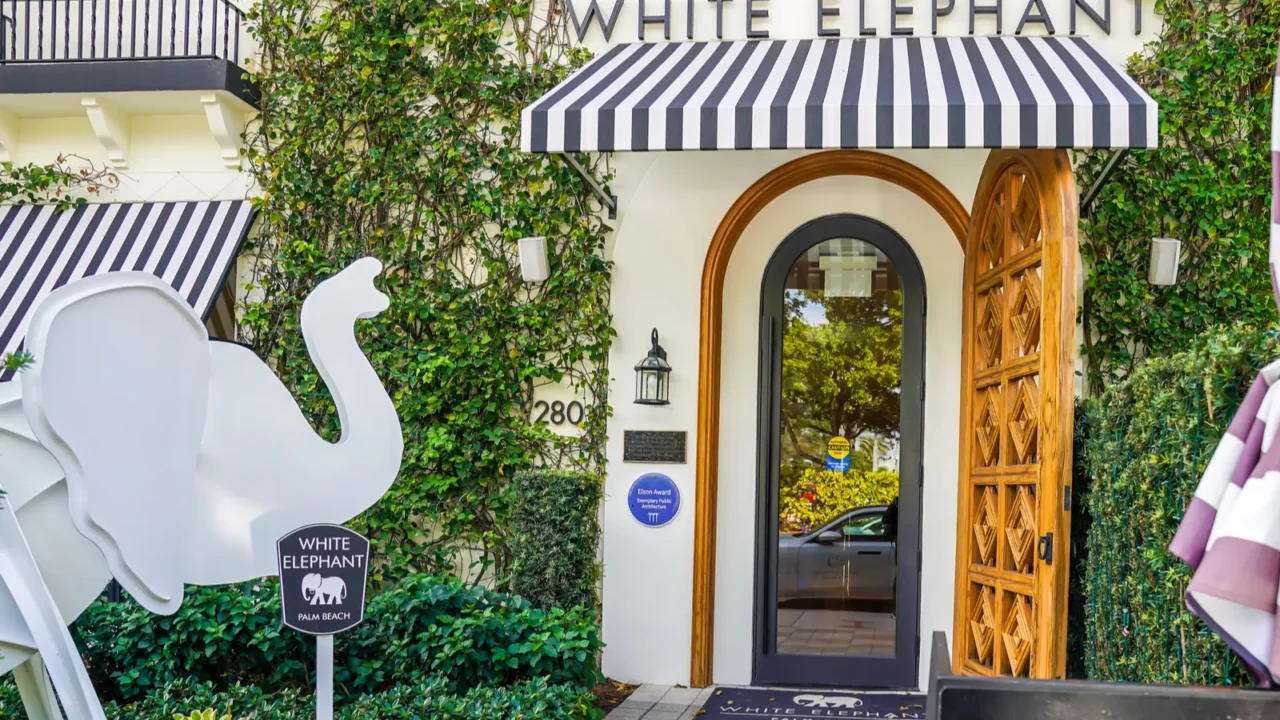
Hotels in host cities are seeing unprecedented bookings for event weekends, especially in downtown districts. Luxury, boutique, and chain hotels alike are reaching capacity months in advance. This has pushed visitors to consider nearby suburbs or alternative lodging options.
Short-term rentals have also surged, with some hosts raising rates by up to 40 percent. Visitors booking early can lock in better prices, while last-minute arrivals may face premium costs. Hotels near venues are offering bundled packages that include parking, shuttle access, and event perks.
Dining and entertainment trends
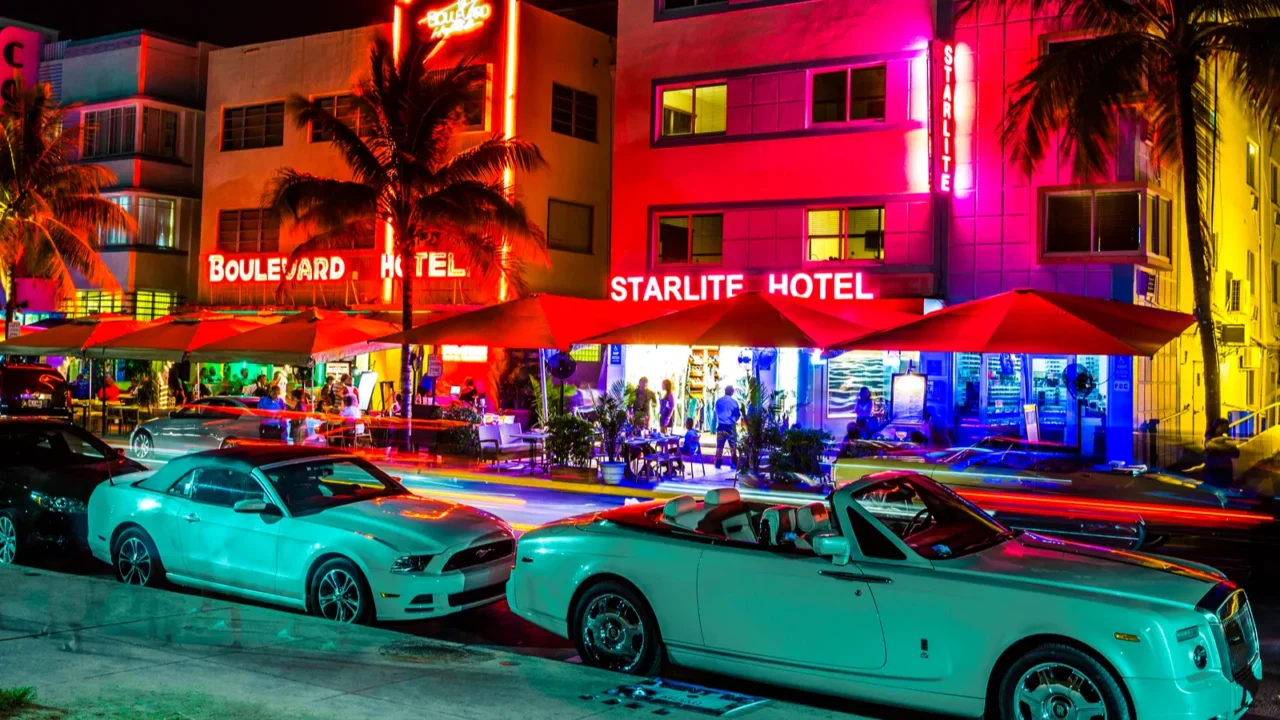
Restaurants near stadiums and fan zones are seeing high demand from early morning to late evening. Reservations are filling quickly, and pop-up eateries are appearing around event hubs. Travelers are expected to spend more on food, reflecting the economic boost from sports tourism.
Bars and nightlife venues in cities like Miami and Washington DC are preparing special promotions for visiting fans. Local entertainment districts are aligning schedules with event calendars to attract additional visitors. These trends are shaping the city’s hospitality revenue during the 2026 sports travel surge.
Merchandise and memorabilia spike
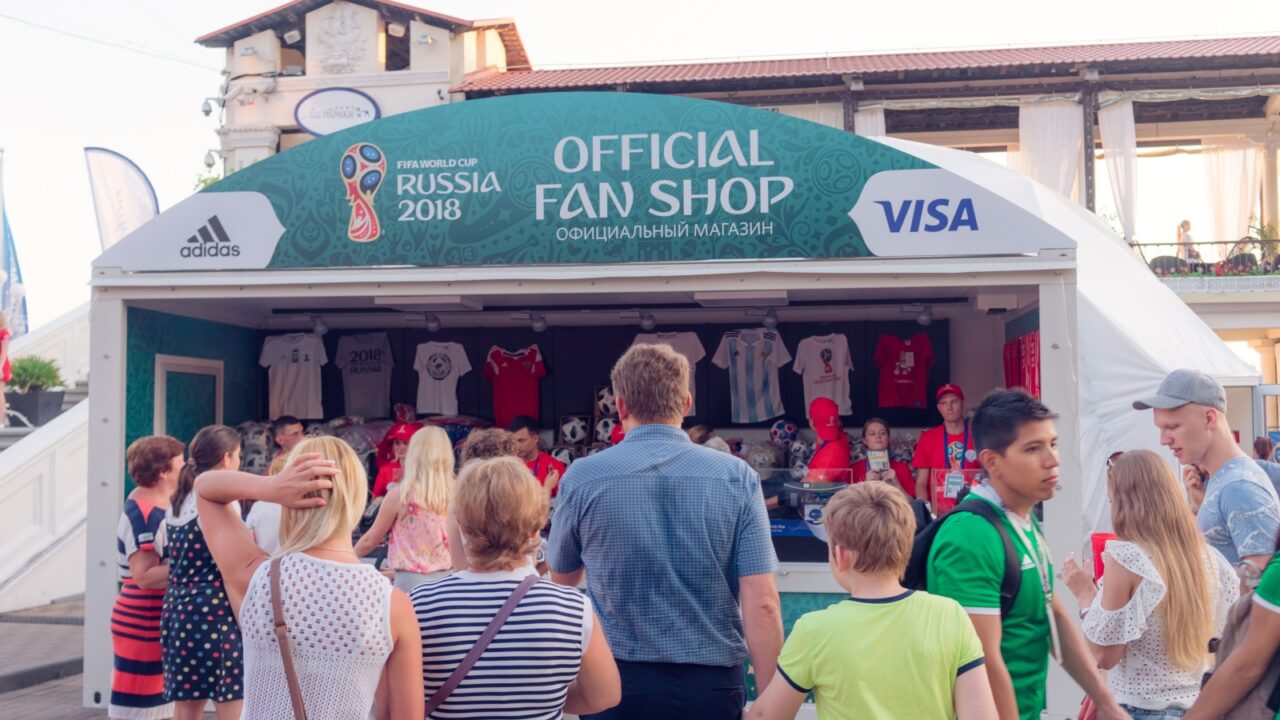
Sports merchandise sales are rising sharply during major 2026 events. Fans are purchasing jerseys, hats, and memorabilia associated with the World Cup and IndyCar teams. Retailers near venues are seeing multi-day traffic increases, boosting short-term sales.
Official event merchandise sales are contributing millions to local economies. Pop-up shops and licensed vendors are strategically located near high-traffic areas. This trend emphasizes the role of sports tourism in generating additional non-ticket revenue streams.
Visitor safety and logistics
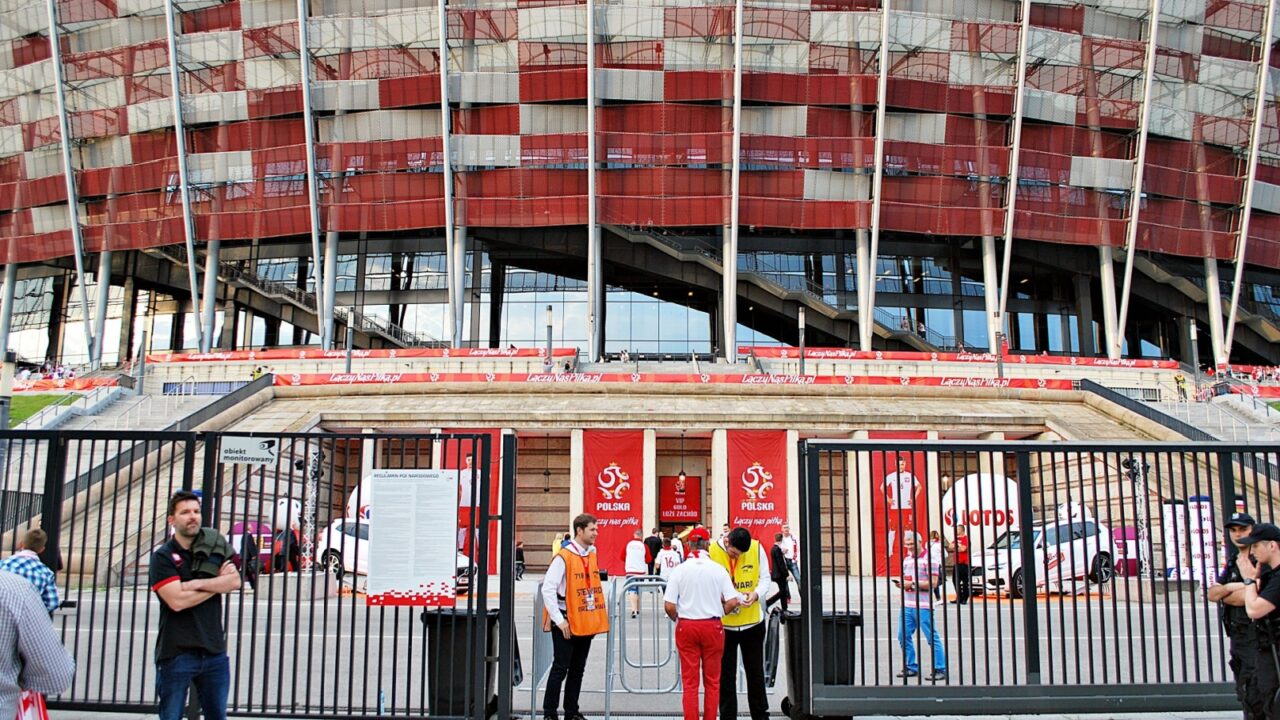
Event organizers are working with city authorities to ensure public safety during large-scale gatherings. Security, medical services, and crowd management are being enhanced near stadiums and fan zones. Travelers benefit from coordinated planning that minimizes potential disruptions.
Signage and real-time updates are deployed to guide fans to transit, parking, and amenities. Authorities are coordinating with hotels and event operators for emergency planning. These measures help maintain smooth operations and enjoyable experiences for domestic and international visitors.
Regional tourism impacts
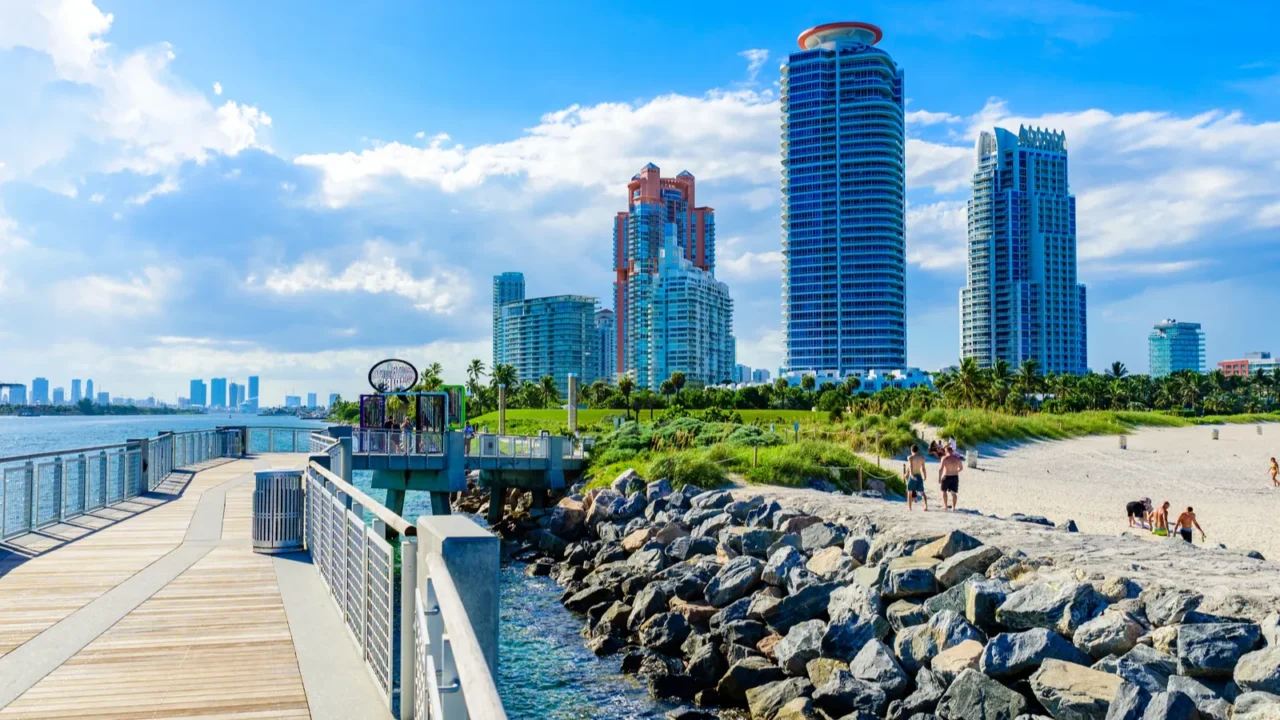
Cities hosting 2026 sports events are seeing extended stays from fans exploring local attractions. Washington DC visitors often combine races with museum visits, monuments, and cultural tours. Miami and Los Angeles are benefiting from beach tourism alongside World Cup-related travel.
The economic impact extends beyond venues to nearby restaurants, retailers, and entertainment districts. Cities are tracking visitor spending to assess the long-term benefits of sports tourism. Regional transport systems are experiencing higher ridership from fans connecting between events and city attractions.
International fan participation
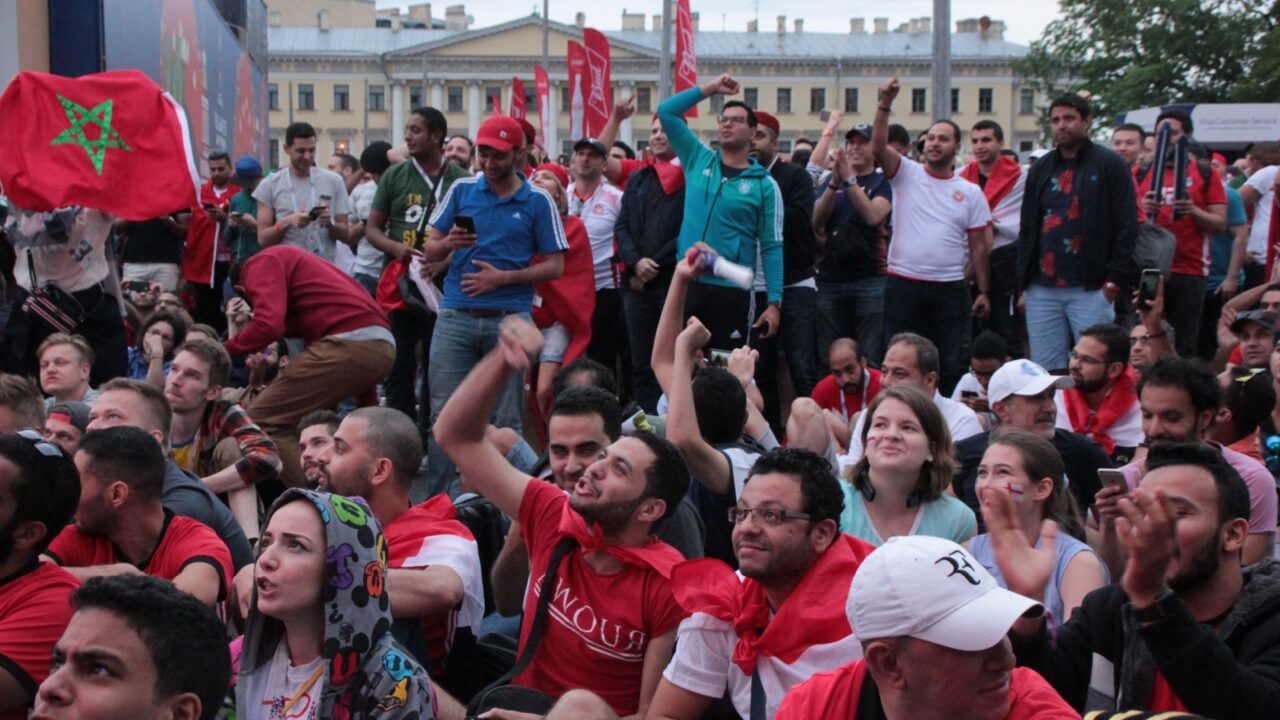
The 2026 FIFA World Cup is drawing international travelers from Europe, Asia, and Latin America. Visitors are combining flights, hotels, and local experiences into multi-city travel itineraries. Sports and cultural events that will shift travel patterns in 2026 are influencing how fans plan both timing and destinations.
Airlines are offering specialized packages for international fans, including city-to-city transfers and event tickets. Hotels are adapting with multilingual staff and services. These measures aim to provide smooth, enjoyable experiences for visitors traveling long distances to experience American sports events.
Travelers embrace sports boom
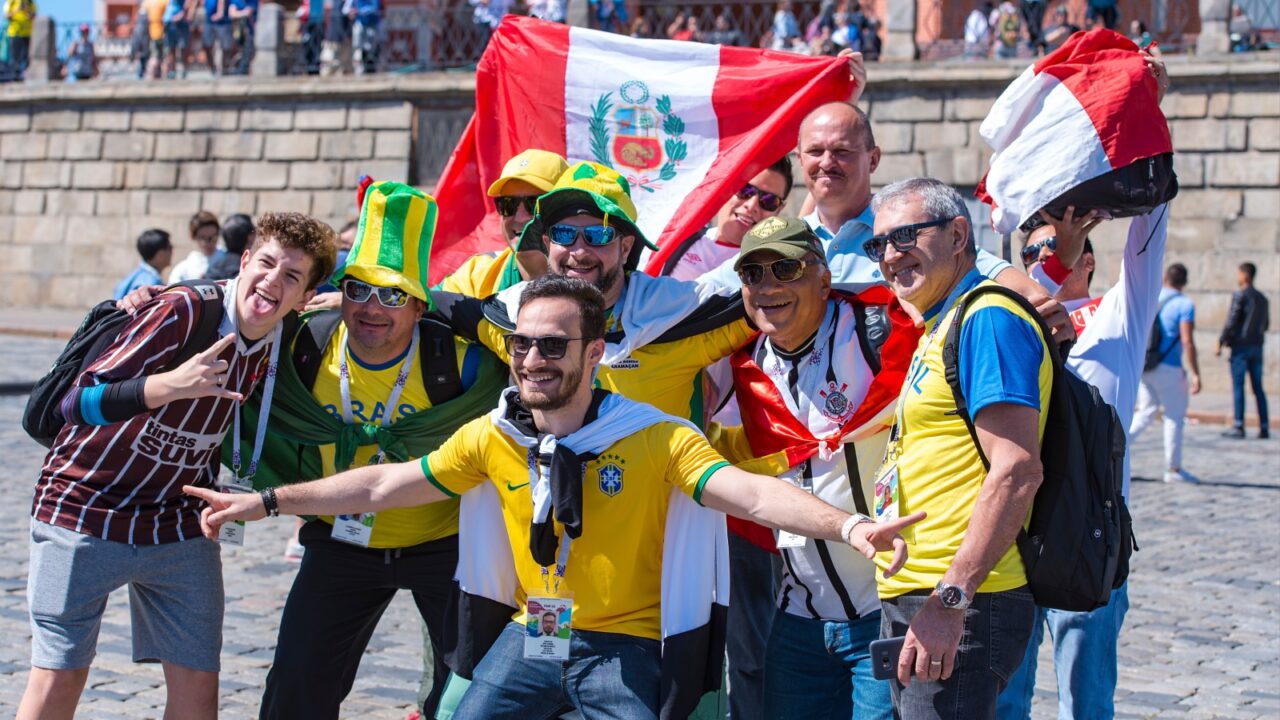
The 2026 sports travel surge highlights how major events shape American travel patterns. Fans and holidaymakers are exploring cities from Washington DC to Miami while attending World Cup and IndyCar events. The best trips are the ones that balance comfort and discovery.
Sports tourism in 2026 demonstrates the intersection of culture, travel, and entertainment. Cities benefit from increased revenue across lodging, dining, and retail sectors. Travelers play a central role in fueling both economic and cultural vibrancy during these events.
Which destination feels like the perfect escape for travelers right now? Share your thoughts below.
This slideshow was made with AI assistance and human editing.
Don’t forget to follow us for more exclusive content right here on MSN.
Disclaimer: The images used are for illustrative purposes only and do not depict the actual locations mentioned.
Read More From This Brand:
