A growing travel concern
Travelers are starting to feel uneasy as several U.S. airlines warn about operational strain caused by staffing shortages across key departments. These shortages have led to tighter schedules and stressed systems that are already dealing with winter traffic. The situation is raising real questions about what travelers can expect as the season picks up.
Airlines have explained that limited staffing affects everything from flight prep to turnaround times which can cause delays even on clear-weather days. This shift has made many travelers more alert as news of disruptions continues to spread. Let’s dive in and break down what this means for anyone planning to fly soon.
What the shortages mean
Staffing shortages can slow down essential processes that keep flights running smoothly, which makes delays more likely. The issue goes beyond flight attendants and can affect ground crew, maintenance teams, and support staff. When even one division is understaffed, the whole operation feels the pressure.
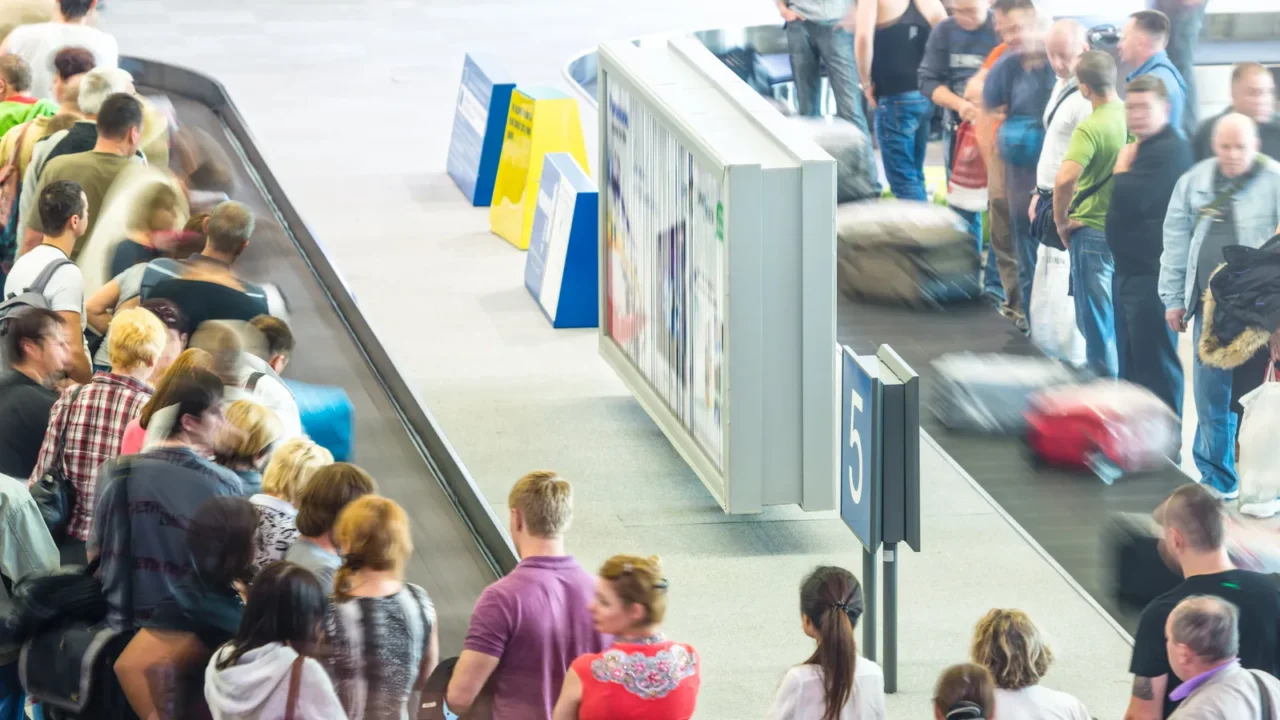
Travelers might notice longer lines or extended wait times because these roles play a big part in keeping airports organized. Airlines have mentioned that they’re trying to adjust schedules to stay realistic about what their teams can handle. This creates a ripple effect that travelers should understand before heading to the airport.

Why airlines are struggling
Many airlines have shared that hiring didn’t keep pace with the travel surge that returned after the pandemic. A large part of the workforce moved into new fields, and filling those roles hasn’t been easy. Seasonal jumps in demand make the gap even harder to manage during peak travel months.
Some positions also require training that takes time, which means airlines can’t fill the gaps instantly. These delays in staffing have placed more pressure on existing teams that are already stretched. All of this adds up to an environment where travelers may face unpredictable changes.

How schedules are being adjusted
Airlines are trimming or reshaping schedules to reduce last-minute disruptions and avoid operational strain. They’re focusing on running fewer flights more reliably instead of risking mass cancellations. This shift helps them protect travelers from chaotic changes, even though it limits available seat options.
Travelers may notice certain routes are offered less frequently because airlines prefer stability right now. These schedule adjustments are meant to give staff more breathing room to deliver safer and smoother flights. It’s a move that helps airlines stay realistic about their resources while preparing for future improvements.
Expect possible delays
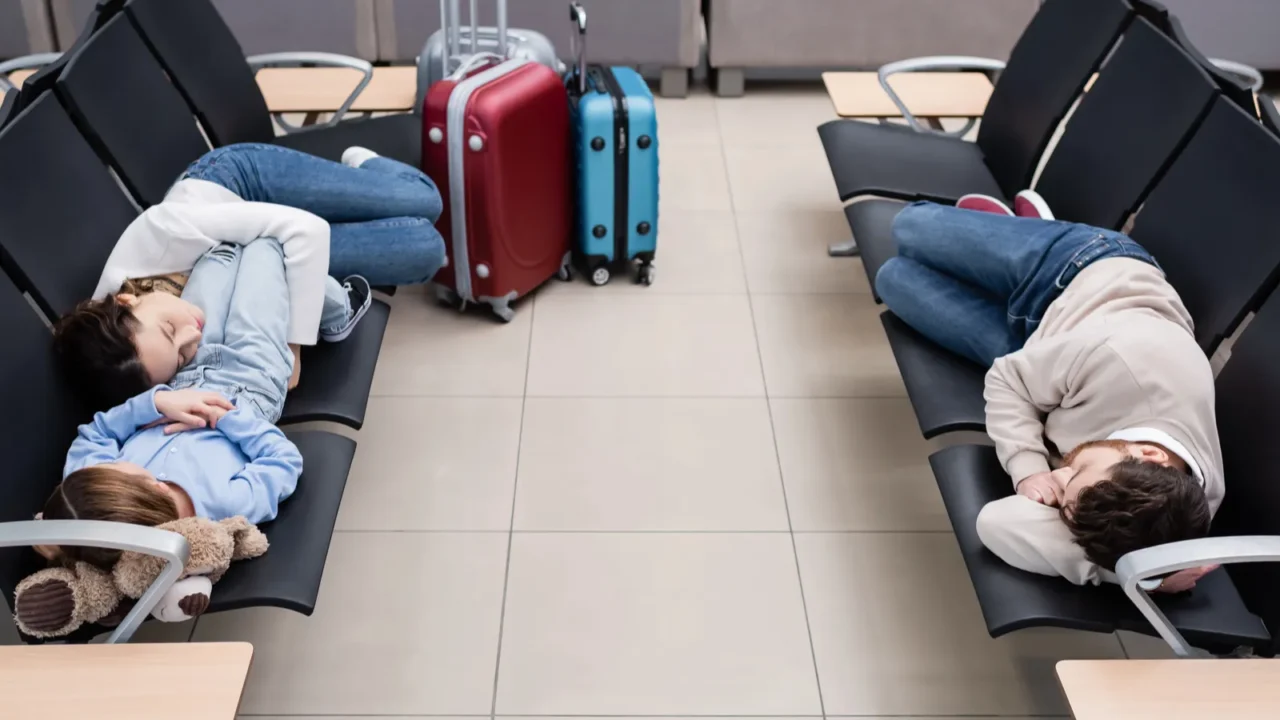
Because of the shortages, travelers may see more delays during check-in, boarding, or even after landing. These delays don’t always signal a problem—sometimes, they just reflect reduced staffing levels. Even a small slowdown in one area can create a chain reaction across the entire operation.
It’s helpful for travelers to arrive earlier than usual to avoid added stress when bottlenecks appear. Airlines recommend building extra time into travel plans because peak hours can magnify these delays. Staying prepared can make the experience smoother, even when crowds and timing work against travelers.
How maintenance teams factor in
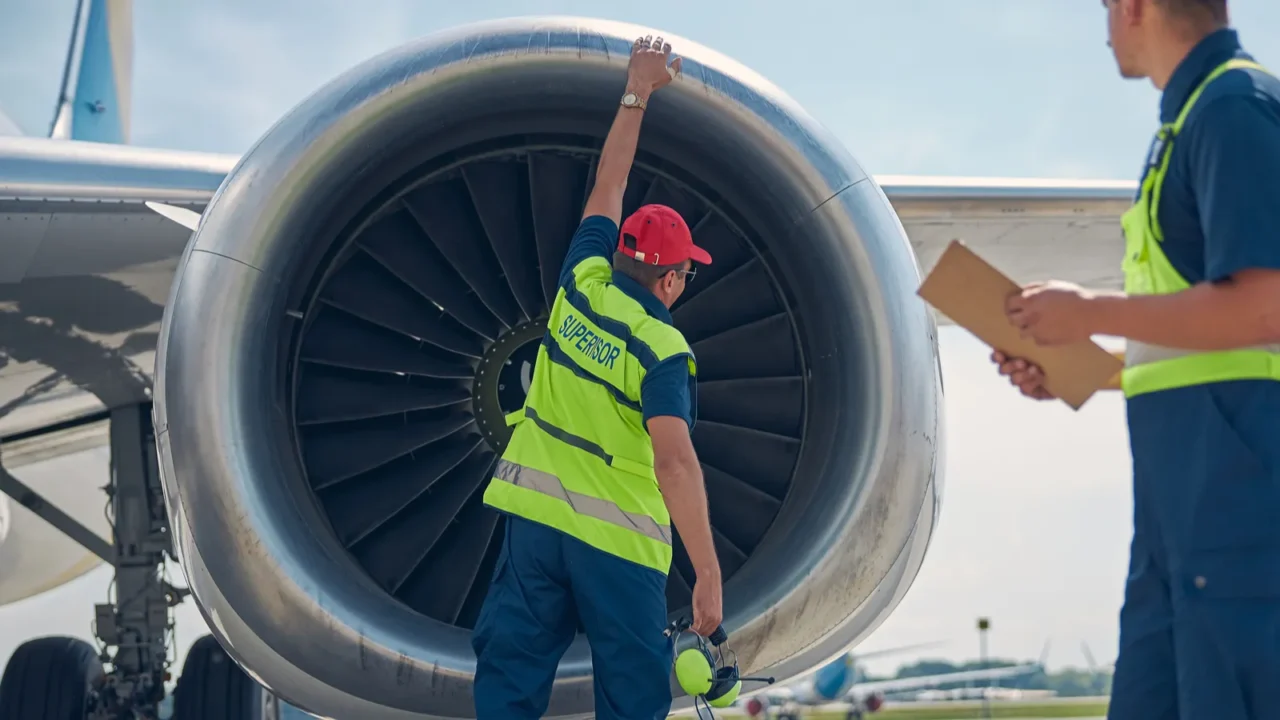
Maintenance crews play a crucial role in keeping aircraft ready, but staffing shortages have slowed this work in many places. When fewer technicians are available, it takes longer to complete routine checks and sign off on safe operation. Even small delays in maintenance can push flight times back.
Travelers might not see this behind the scenes, but it’s one of the most important parts of airline safety. Airlines prefer to delay a flight rather than rush these procedures because safety always comes first. Understanding this helps travelers see why sometimes a delay is actually a protective measure.
Gate and ground crew limits
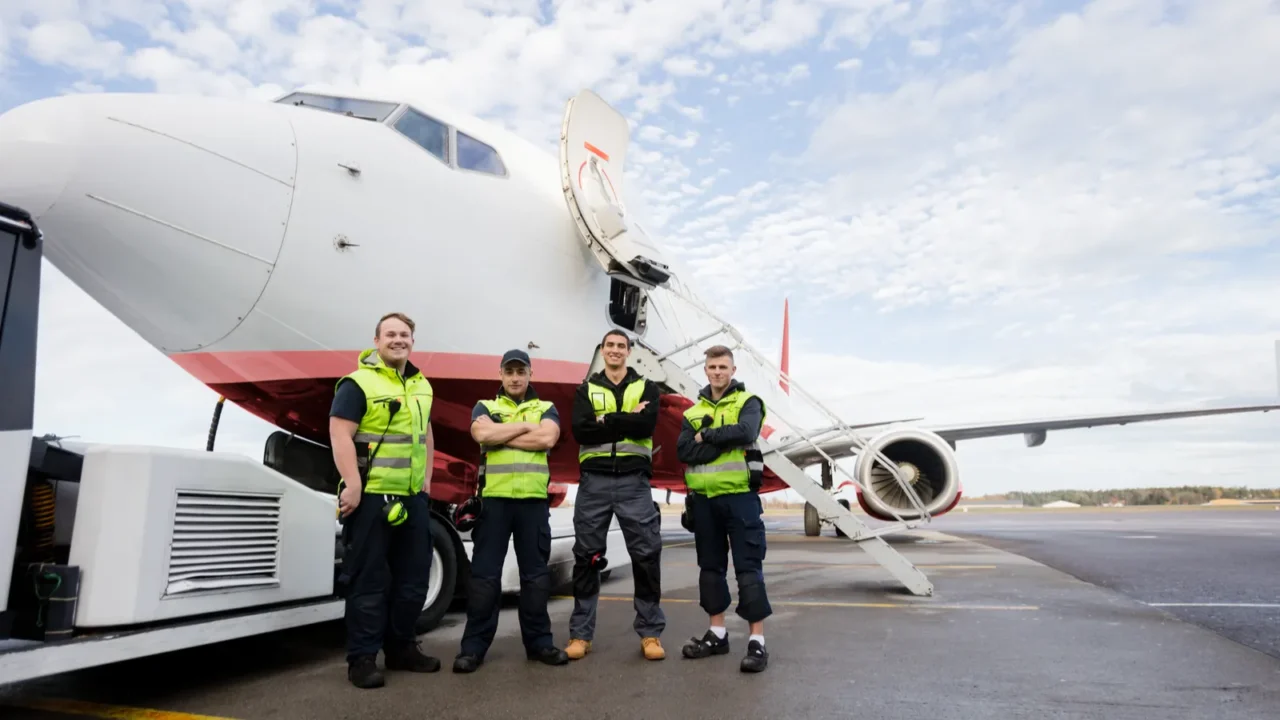
Ground crews handle everything from baggage to guiding planes, and they’ve also been affected by the shortages. When teams are smaller, it takes longer to unload or load bags, which slows the entire turnaround process. These moments add up, especially during busy periods when every minute counts.
Travelers may notice slower baggage claim or longer taxiing waits as teams juggle multiple tasks at once. Airports are working to support airlines with extra shifts where possible, but it’s still a tough balance. These challenges show how vital ground staff are to every smooth travel day.

How travelers can prepare
It helps to check flight updates often because last-minute schedule changes are more common during staffing shortages. Travelers who track updates through airline apps usually handle disruptions with less stress. Building flexibility into travel plans keeps expectations realistic and reduces frustration.
Packing light can also speed up airport experiences because it avoids baggage delays that sometimes grow during staff shortages. Choosing flights earlier in the day may also help because mornings generally run smoothly. These adjustments give travelers more control, even when airlines are under pressure.
Why early flights help
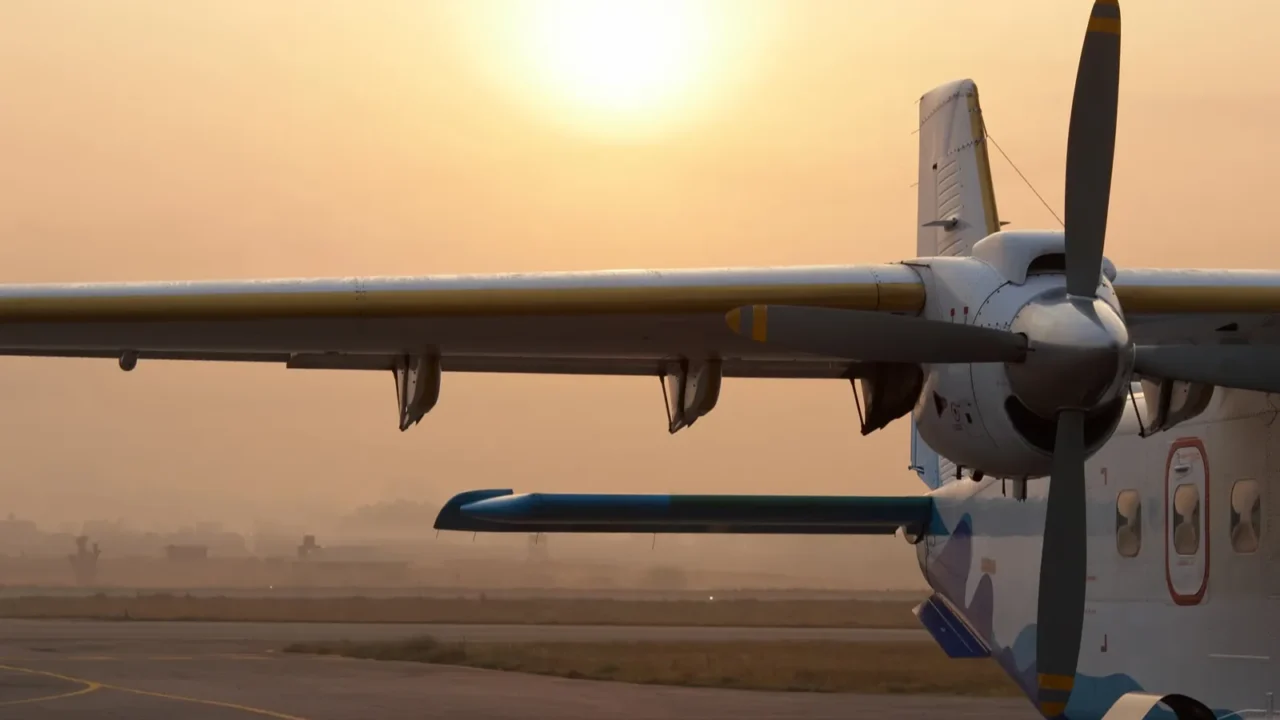
Morning flights tend to experience fewer delays because crews start the day fresh and operations haven’t backed up yet. Airlines recommend these early flights during staffing shortages because they’re far more predictable. Travelers who choose them usually enjoy smoother and more dependable schedules.
Later flights rely on previous flights, which means delays stack as the day moves on. When staffing is already tight, this chain reaction becomes harder to prevent. Picking flights before noon can be a small but powerful way to avoid stress.

Communication is essential
Airlines urge travelers to stay connected through official apps because these alerts arrive faster than gate announcements. The apps offer real-time updates that help travelers adjust quickly when disruptions happen. This saves time and helps travelers stay ahead of the situation.
Most airlines also allow messaging within the app, which lets travelers speak with support teams without waiting in line. These features matter more during shortages when staff may not be available in person. Using them ensures travelers never miss critical updates.
Off-peak travel advantages
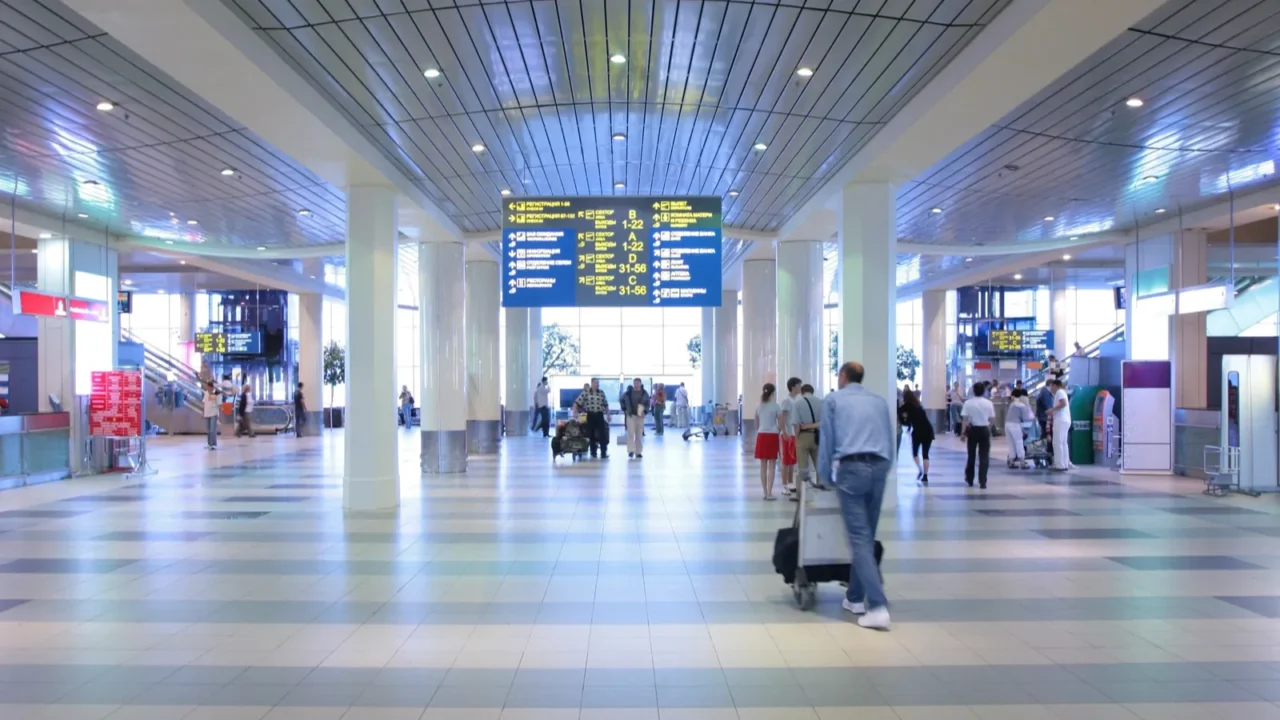
Travelers who book outside peak dates often enjoy quieter airports and fewer operational issues. Off-peak flights give staff more breathing room and reduce the chances of delays spreading. These windows offer a smoother experience when the system is under strain.
Planning trips during weekdays instead of weekends can also make flights less prone to disruptions. Airlines distribute staff more comfortably during these slower days, which makes a big difference. Using these patterns helps travelers move with fewer surprises.
The broader industry impact
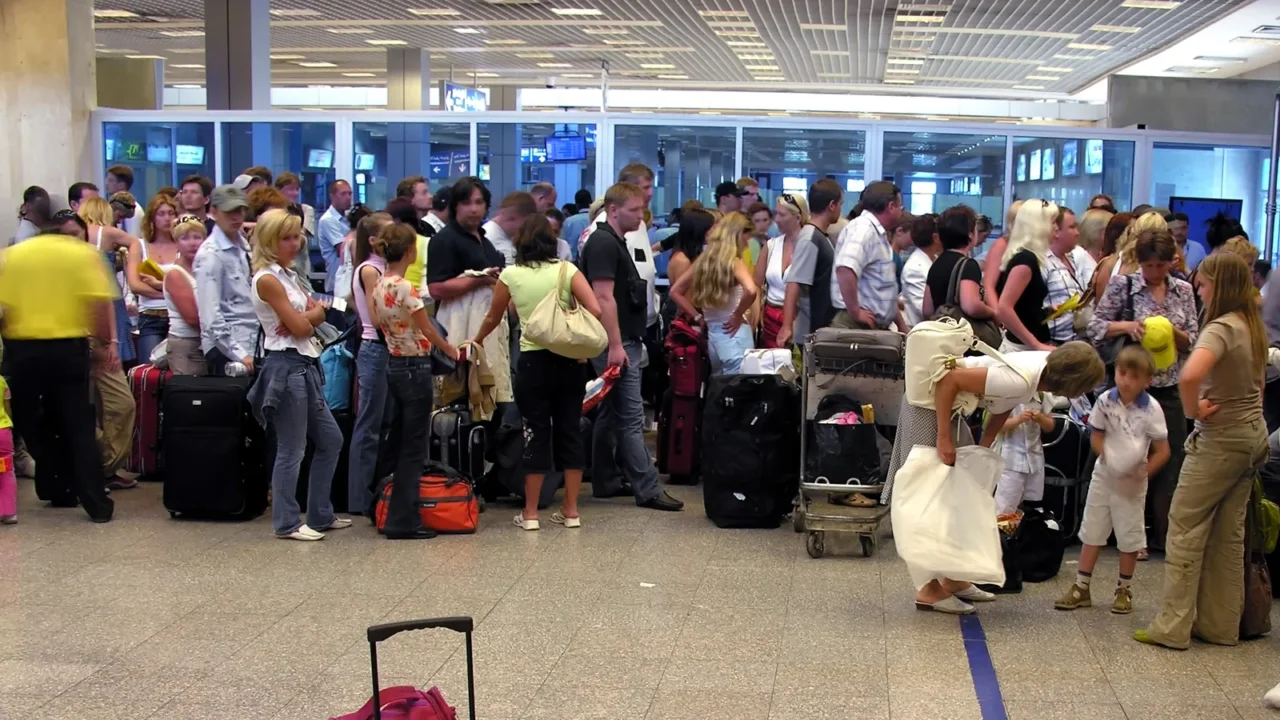
The staffing shortages show how fragile airline operations can become when multiple departments face pressure at once. The industry is pushing to hire more staff and expand training programs, but these changes take time to show results. Travelers may experience lingering effects before systems return to normal strength. How the government shutdown could change your Thanksgiving travel plans adds another layer of uncertainty, highlighting how external factors can further strain an already stretched system.
Airlines are also reviewing long-term strategies to prevent shortages from repeating during high-demand seasons. These adjustments could lead to more stable travel experiences in the future. Until then, travelers benefit by staying flexible and informed as the industry works through the challenges.

Moving forward wisely
Travelers who stay patient and plan can still navigate these disruptions with confidence, even as airlines manage their shortages. Small adjustments in timing, planning, and communication can turn stressful travel days into smoother ones. Understanding the situation helps travelers make smart choices instead of feeling caught off guard.
What’s the biggest challenge travelers are facing with these changes, and are they adapting their plans to stay ahead of the delays? Share what’s standing out or working best during this season.
Read More From This Brand:
- How Gen Z is redefining the new American wanderlust
- What Hurricane Melissa means for Jamaica’s travel season
- America’s hidden natural gems you’ve never heard of
Don’t forget to follow us for more exclusive content right here on MSN.
If you liked this story, you’ll LOVE our FREE emails. Join today and be the first to get stories like this one.
This slideshow was made with AI assistance and human editing.
