
A growing concern
The recent government shutdown has shown how fragile the national air traffic system can be under sudden pressure. Travelers have been watching delays rise as staffing problems become harder to ignore. This moment has raised new questions about how stable the skies really are.
The shutdown did not create this issue, but it made the gaps impossible to hide. Many experts say this is only the beginning of a bigger conversation about safety and workforce strength. Let’s get to it.
What sparked trouble
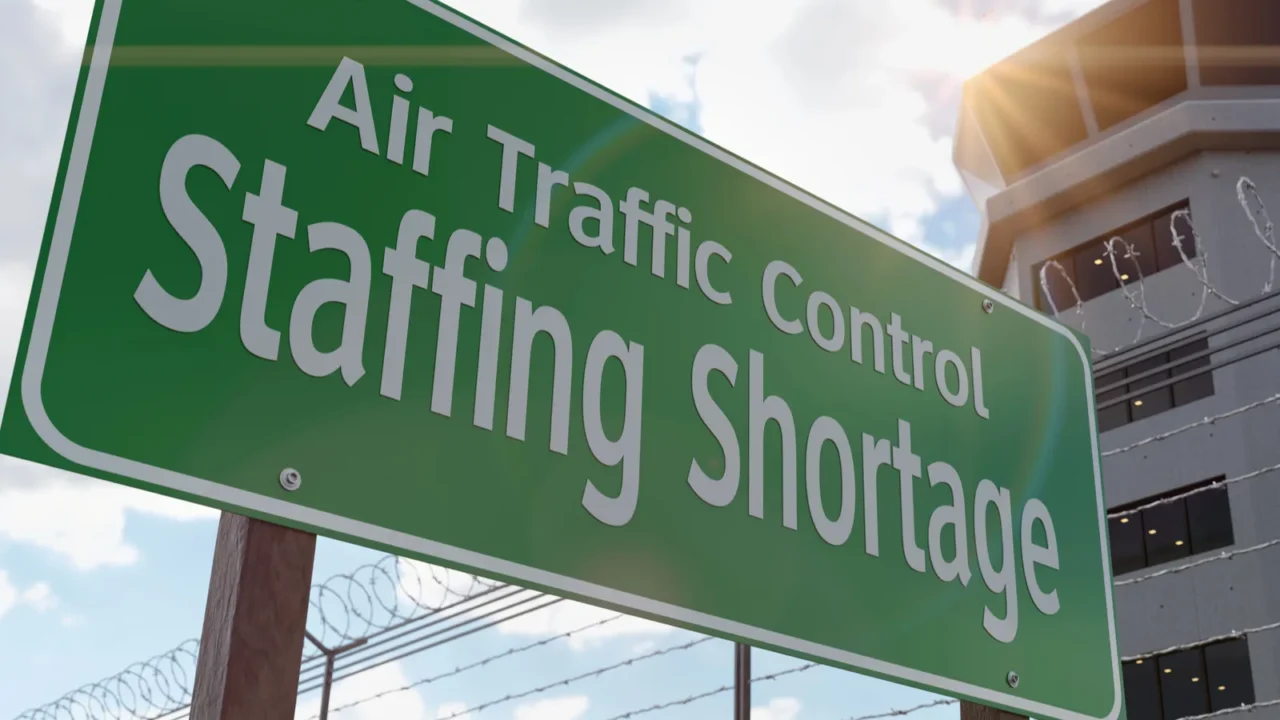
The staffing shortage existed long before the shutdown began to strain daily operations. Many departments were already stretched thin due to long training times and slow hiring. The shutdown added another level of stress to an already unstable system.
Controllers continued to work, but the pressure increased as support teams were paused. The environment became more demanding with fewer resources available. Travelers felt the impact through slower lines and unexpected changes.
Controllers under pressure
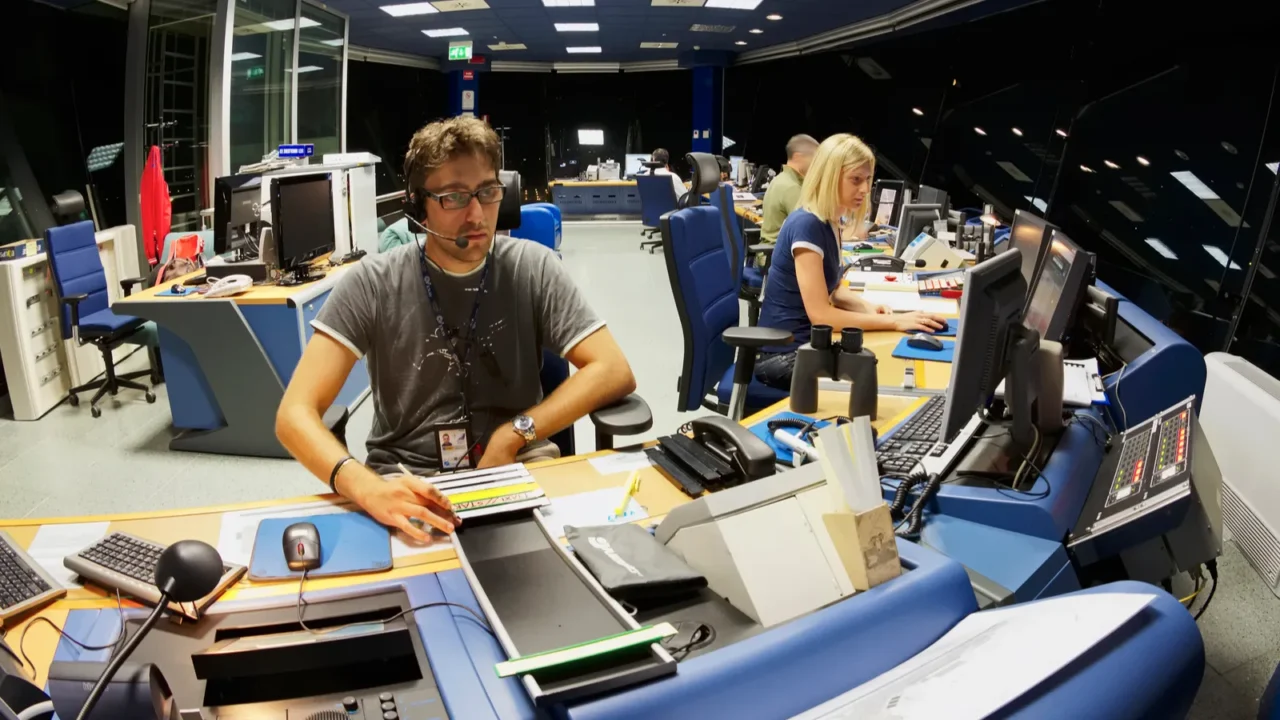
Air traffic controllers carry one of the most demanding roles in aviation. When staffing drops, the workload becomes heavier for the people who remain on duty. This leads to fatigue and slower overall performance.
The shutdown pushed many controllers into long days with limited relief. Stress levels increased as staffing numbers failed to keep up with traffic needs. The shortage became harder to ignore across major airports.

Training takes years
Becoming a skilled controller is not a quick process. Training can take several years, and many applicants never complete the full program. This creates a limited pool of qualified workers at any given time.
The shutdown placed training programs on pause and slowed the pipeline even more. Fewer trainees entered the system, and the delay widened the staffing gap. This setback will affect the industry long after the shutdown ends.
Airports feeling strain
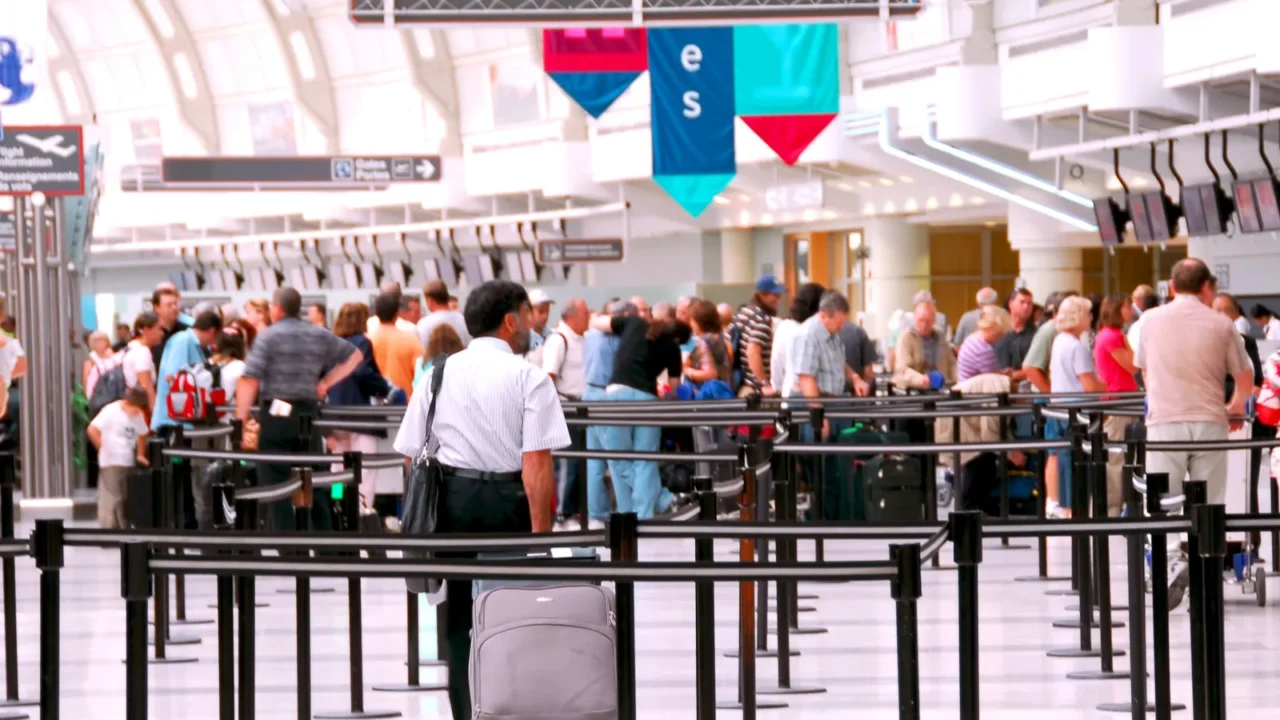
Major hubs are among the first to feel the pressure of low staffing. Delays rise quickly when demand increases and staffing cannot match it. Travelers see longer waits and slower movement across terminals.
Airports rely heavily on coordinated teams in every tower. When one group is stretched thin, the entire pattern slows down. This has caused ripple effects through regional and national flights.

Slow and cautious traffic
To maintain safe operations, controllers have been spacing aircraft farther apart. This reduces risk but slows the rate of departures and arrivals. Even a small gap can shift the schedule for many flights.
These protective measures are necessary during low staffing. They keep travelers safe but extend travel times for many routes. This balance between safety and speed is becoming harder to maintain.
Rising flight delays
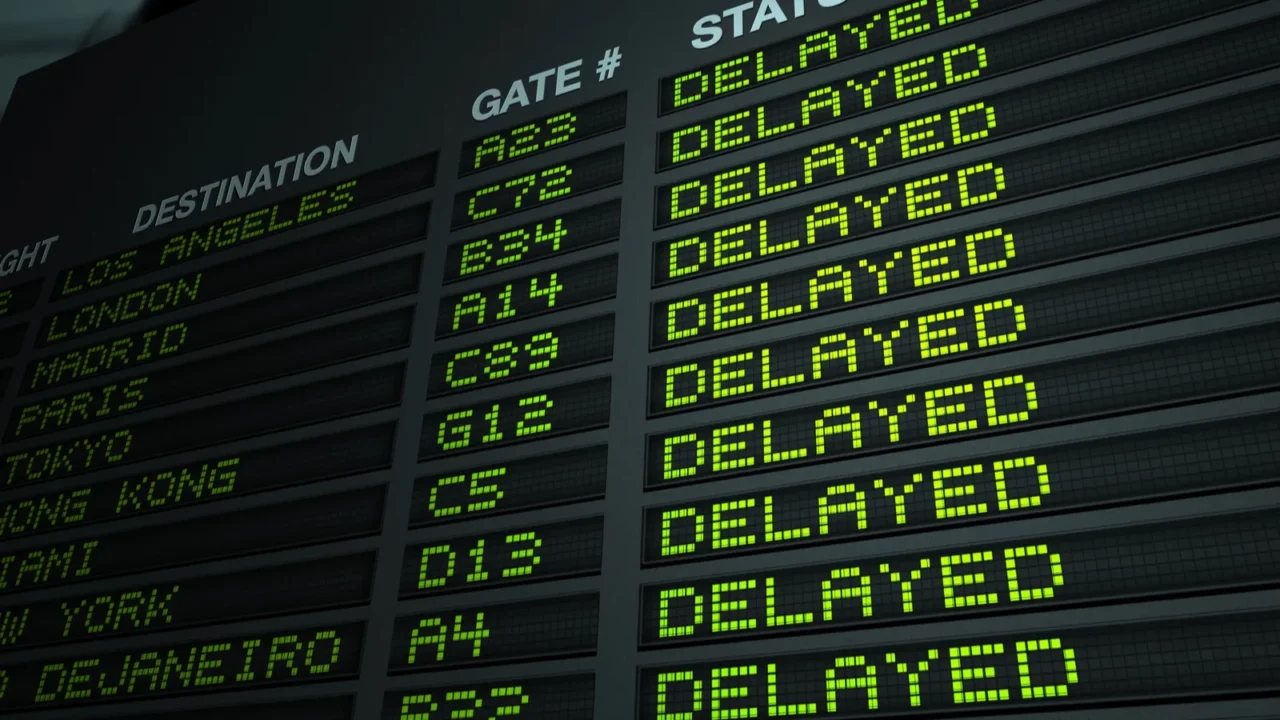
Delays have become more frequent as staffing shortages collide with busy travel periods. Weather adds more difficulty when there are fewer hands available to manage quick adjustments. The system becomes slower with every unexpected challenge.
Holidaymakers and regular travelers face unpredictable waiting times during peak seasons. Airlines attempt to adjust schedules but cannot fix the root issue. The shortage continues to shape overall performance.

Financial pressure grows
Controllers felt the impact of unpaid weeks during the shutdown. Many worked without compensation while balancing personal financial responsibilities. Stress rose as the situation stretched on.
Some controllers explored second jobs to manage basic costs. This added fatigue on top of an already demanding profession. The pressure affected both morale and long-term stability.

Old systems struggle
The national aviation network depends on equipment that is due for modernization. Outdated tools make the job harder and increase the workload for controllers. These systems slow progress during critical moments.
Modernization efforts have been discussed for years, but delays remain common. The shutdown pushed these projects further behind schedule. Technology has become another part of the larger staffing crisis.

Calls for solutions
Aviation groups are urging long-term action from lawmakers and industry leaders. Many believe the current shortage will not improve without major changes in hiring and training. Stability requires more than temporary fixes.
Discussions now include funding, updated technology, and expanded training centers. Industry voices emphasize that the system needs consistent support. The shutdown made this need impossible to ignore.

The shutdown’s lesson
The shutdown offered a clear view of how quickly the system weakens under pressure. Staffing gaps became visible across nearly every region. These challenges showed the importance of a strong workforce.
Travelers experienced delays that revealed deeper issues beyond the shutdown. The situation highlighted how delicate the flow of national air travel can be. This has sparked fresh urgency for reform.
What travelers face now
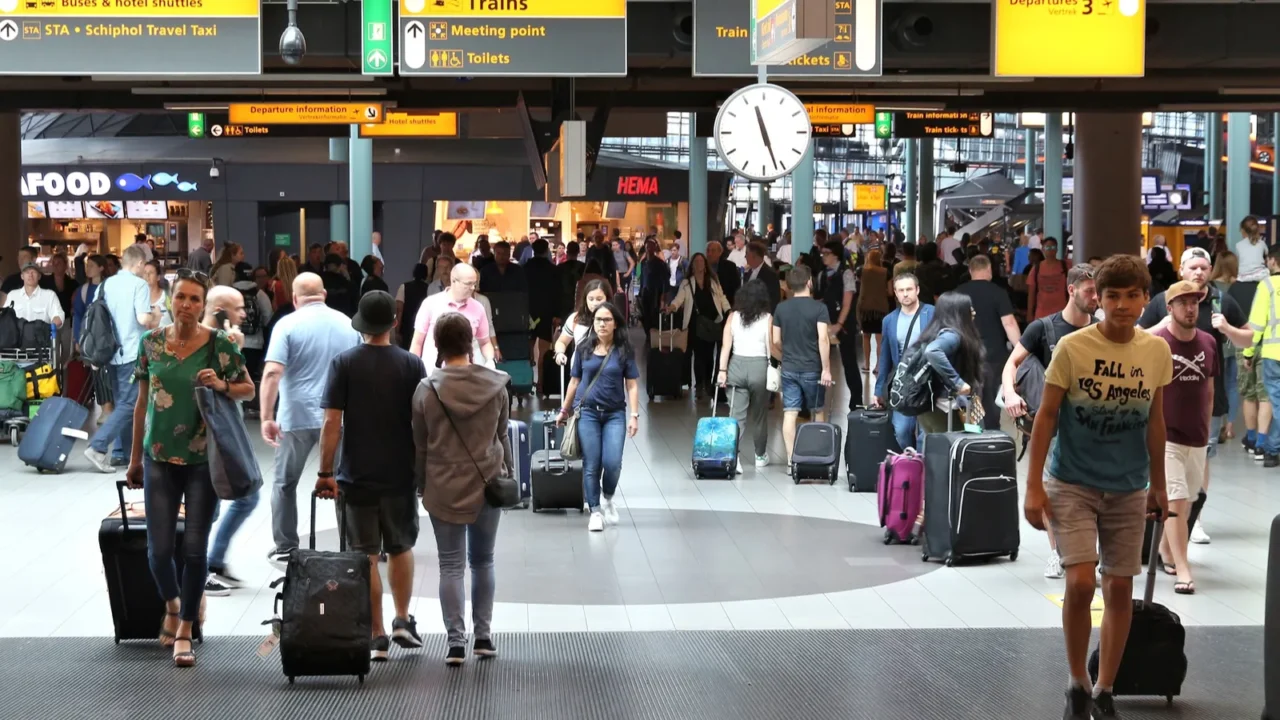
Travelers are likely to see lingering effects even after operations return to normal. Staffing levels cannot recover overnight, and flights will remain sensitive to disruptions. The system needs time to rebuild its strength.
More cautious scheduling and slightly slower traffic may continue for a while. Reliability will improve as training ramps up again.
Worried about how these cuts might affect your next trip? Find out which airports are most impacted as the U.S. plans to slash 10% of flights during the record shutdown.

Looking ahead together
The staffing shortage is a complex challenge, but the industry is working toward stability. Hiring efforts, training expansion, and long-term planning are slowly moving forward. Patience will be essential as these changes take shape.
Travelers, airlines, and aviation leaders all share a stake in this recovery. The skies will grow stronger as these efforts align over time. What are the biggest improvements travelers hope to see as the system rebuilds?
Read More From This Brand:
- 15 packing hacks flight attendants swear by
- New flight routes opening in 2025 that will transform your travel map
- U.S. to slash 10% of flights at major airports amid record shutdown
Don’t forget to follow us for more exclusive content right here on MSN.
This slideshow was made with AI assistance and human editing.
