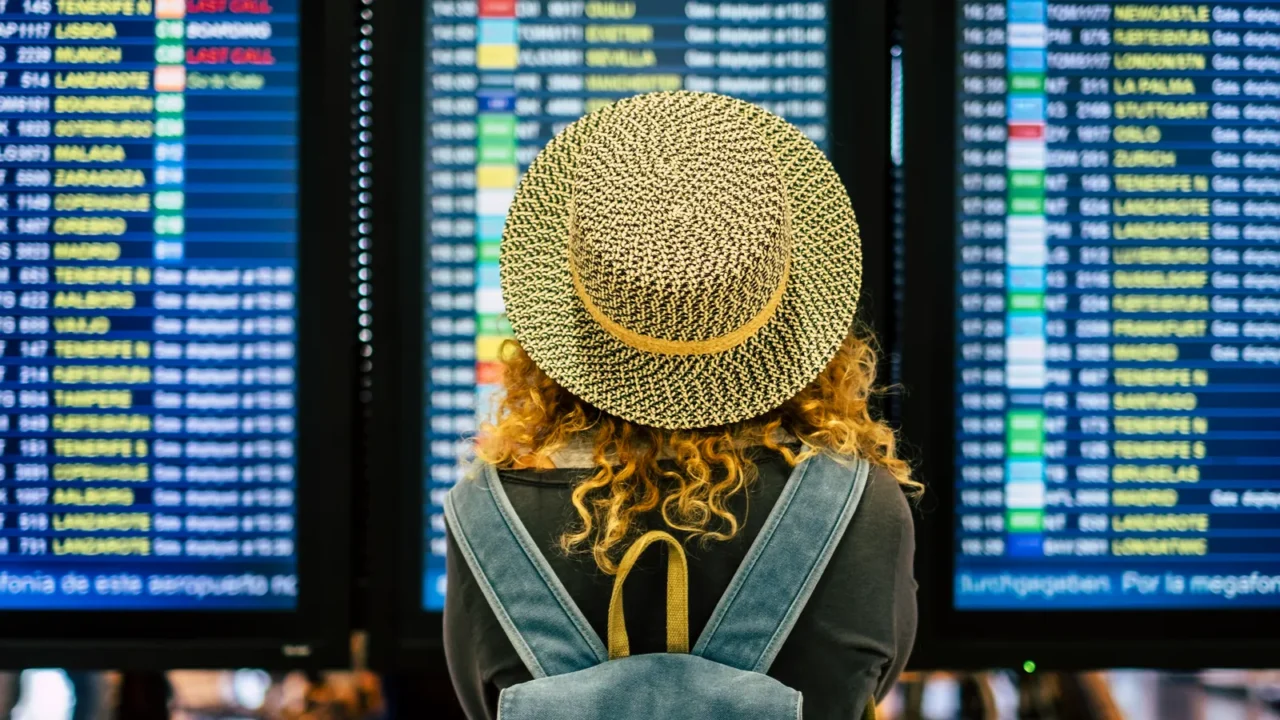
Ultra long haul revival
Long flights are making a comeback as global routes expand again. Airlines see renewed interest in city pairings that skip the usual stops. The idea of flying far without breaks feels exciting for many travelers.
These marathon trips are shaping new conversations across the travel world. They push travelers to rethink comfort and pace on long journeys. It is the start of a trend that brings both curiosity and challenge, so let’s dive in.
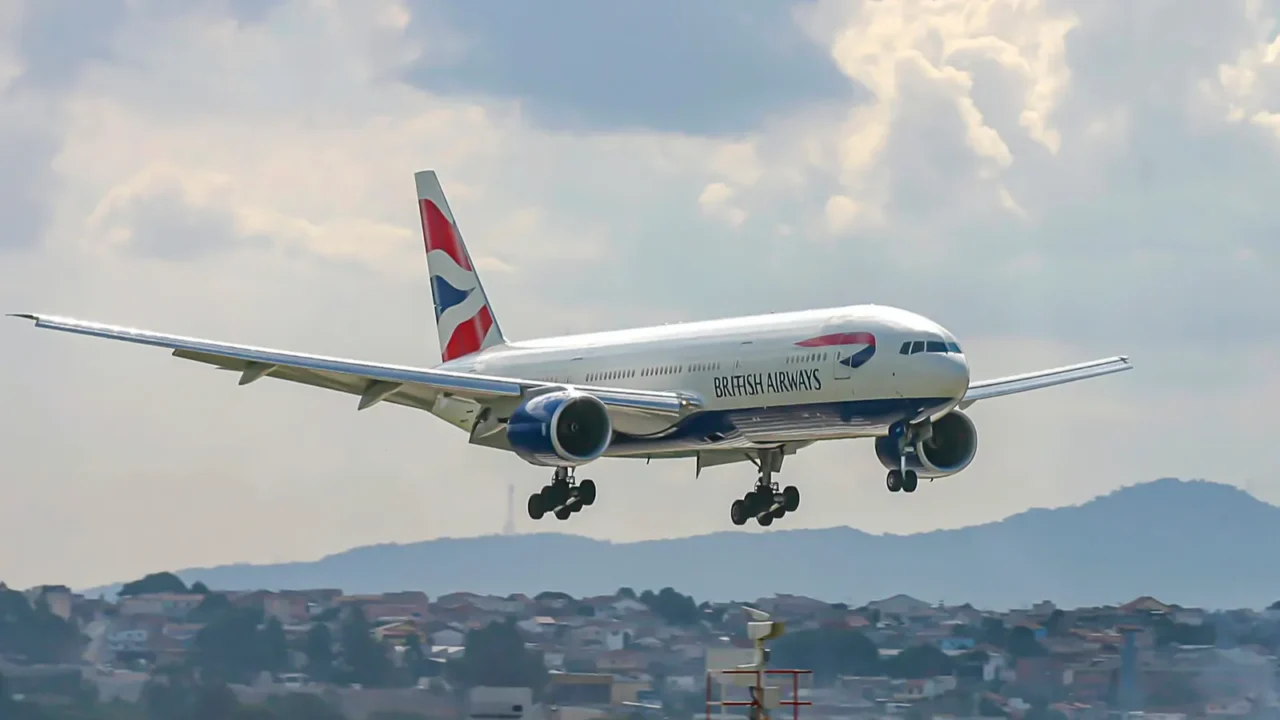
Why flights return
Airlines are reopening routes that were once paused during slow travel years. They believe long-distance demand is stronger than before. Travelers want simple travel with fewer delays and smoother timelines.
Some carriers are adding new nonstop options between distant regions. These routes save time for visitors who want a direct path. The shift shows how much confidence has grown in long-haul recovery.
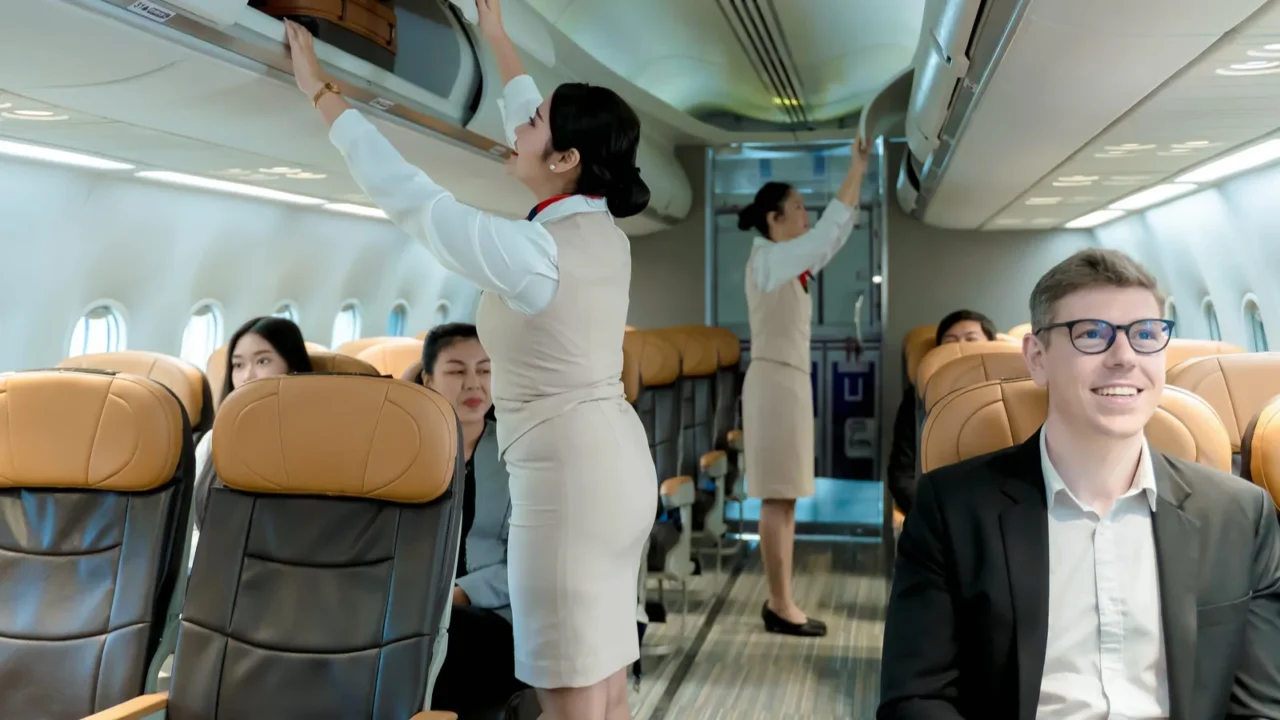
Demand pushing growth
Travelers are willing to stay in the air longer if it means fewer airport lines. They prefer reaching the final stop without changing terminals. This interest supports the expansion of very long routes.
Holidaymakers see value in steady travel without several interruptions. Airlines have noticed this change and are planning around it. The pattern is shaping the future of long-distance journeys.
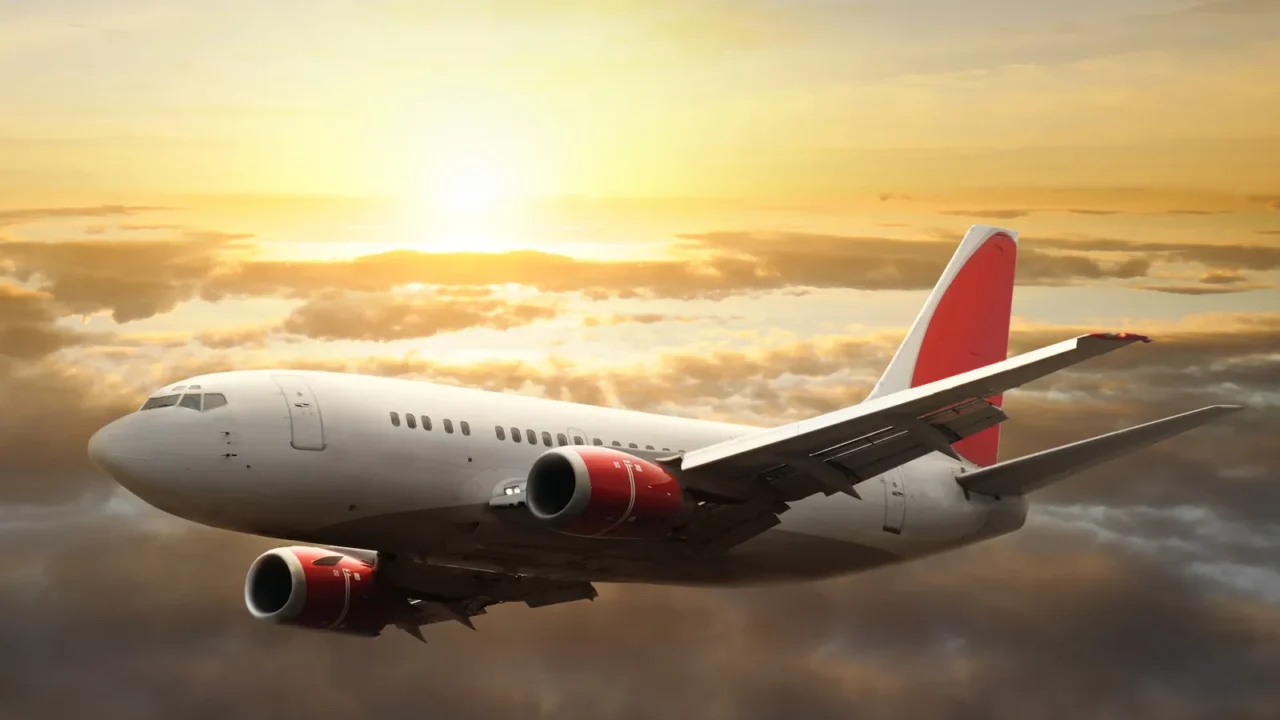
Aircraft built better
New aircraft designs make long flights easier to operate. They use less fuel and hold steady through long hours. These features allow flights to cross oceans without major strain.
Cabins are built to keep comfort steady over extended travel time. Lighting, pressure, and seating have improved across many fleets. These changes are part of why the routes are returning.
Routes stretching farther
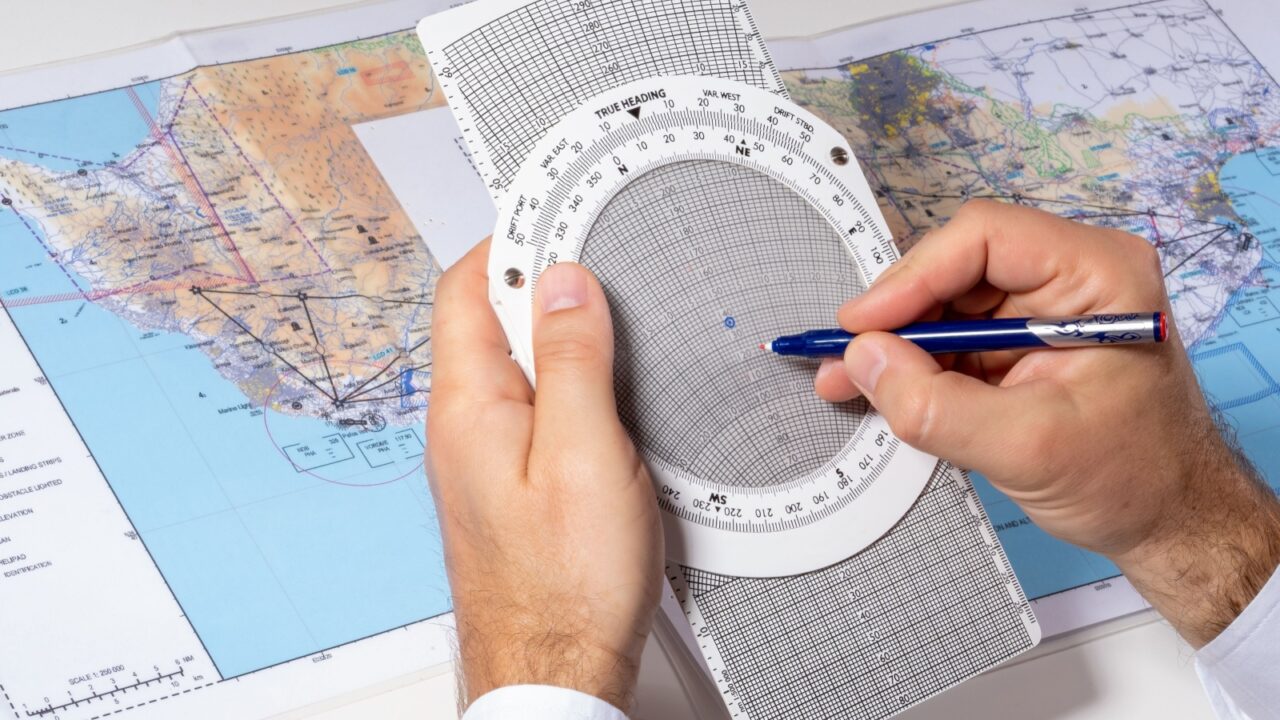
Some routes now connect cities that once needed long layovers. Airlines are seeing success with these nonstop options. The return of these flights shows a clear shift in global travel strategy.
Visitors want to move between regions that were once considered too far for a single ride. Carriers are answering that interest with new schedules. This helps rebuild long-distance travel confidence worldwide.
Travel planning impact
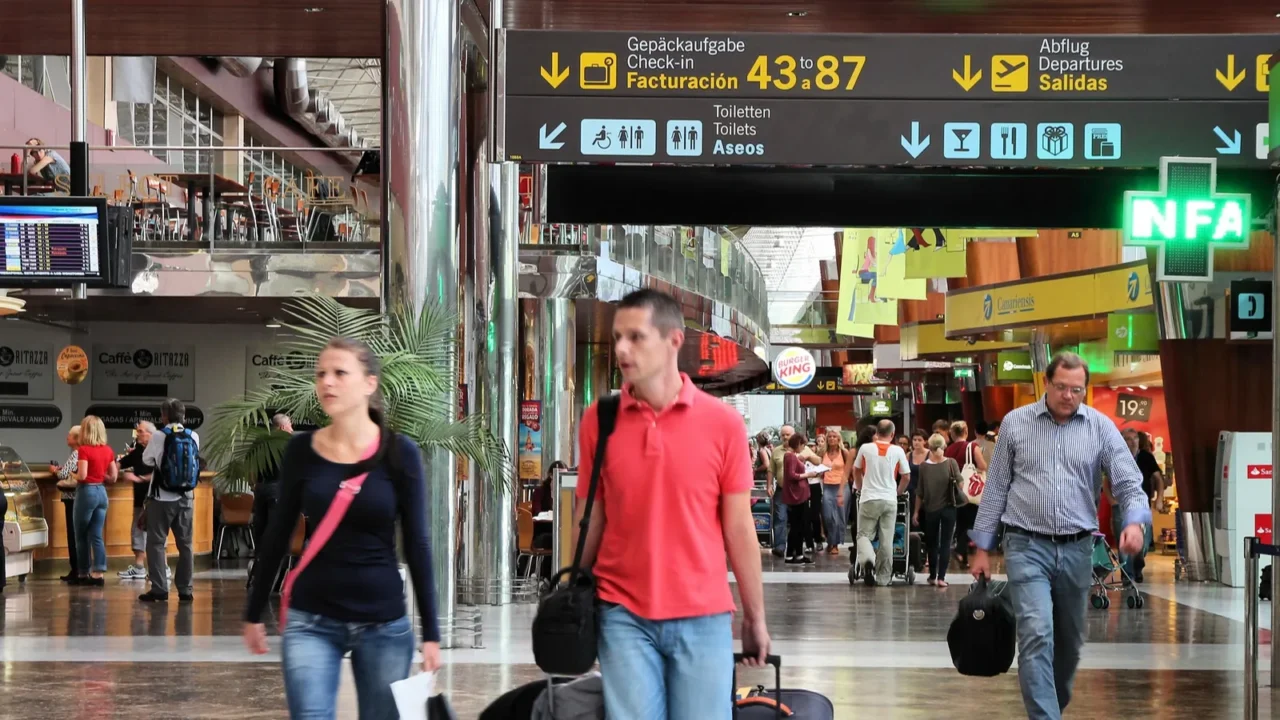
Longer flights change how travelers plan their days. Many want simple plans that match modern schedules. These routes help create a sense of flow and predictability.
Visitors often choose flights that skip the chaos of busy mid-flight stops. The appeal is strongest for those who value direct travel. This trend is shaping decisions across major markets.

Managing long hours
A twenty-hour trip can feel intimidating for many travelers. Long periods in one seat can be a real challenge. Planning small comforts makes the journey more bearable.
Travelers often prepare with snacks, books, and shows. These small choices improve the rhythm of a very long ride. Simple habits like stretching often add ease to the day.
Staying physically steady
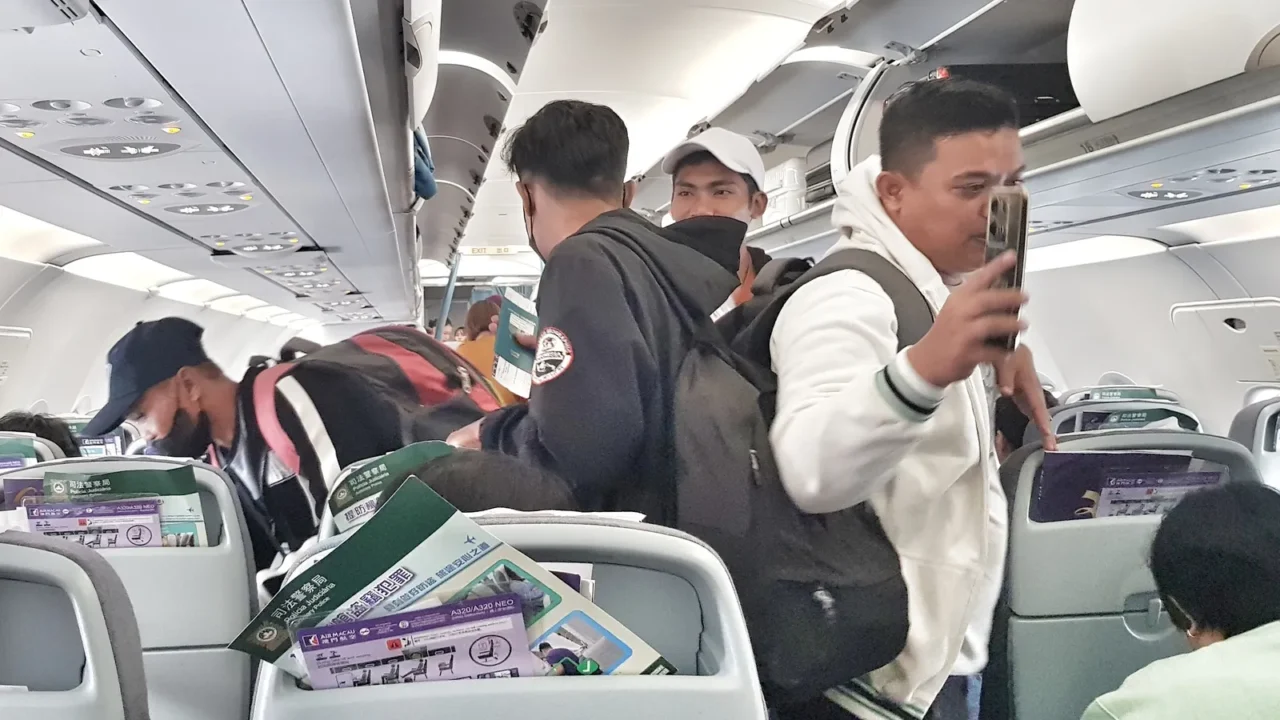
Movement plays a key role in long journeys. Keeping the body active helps reduce stiffness. Small steps can set the tone for steady comfort.
Visitors often take slow walks down the aisle when it feels safe. Gentle stretches also help maintain circulation. These actions make the travel experience smoother for many.
Sleep for the journey
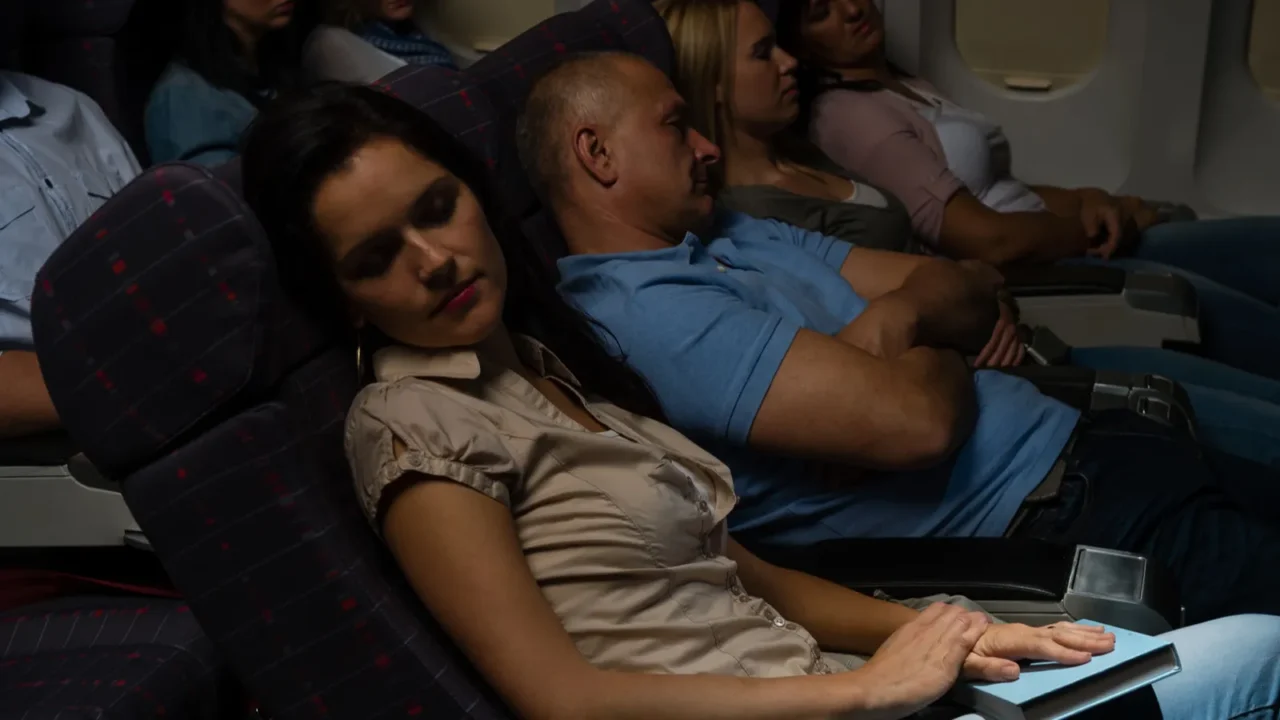
Sleep makes a long flight feel shorter. Travelers often bring small items that help them settle. Rest offers a reset that supports the mind and body.
A good sleep mask can block bright cabin lights. Soft neck pillows keep posture steady. These tools help travelers feel better before landing.

Food and hydration tips
Meals play a bigger role in comfort than many expect. Heavy meals can slow the body during long hours. Light snacks help keep energy balanced.
Hydration keeps travelers feeling clear and steady. Many visitors bring water to avoid long gaps between drink service. These choices help keep the journey manageable.
Entertainment that lasts
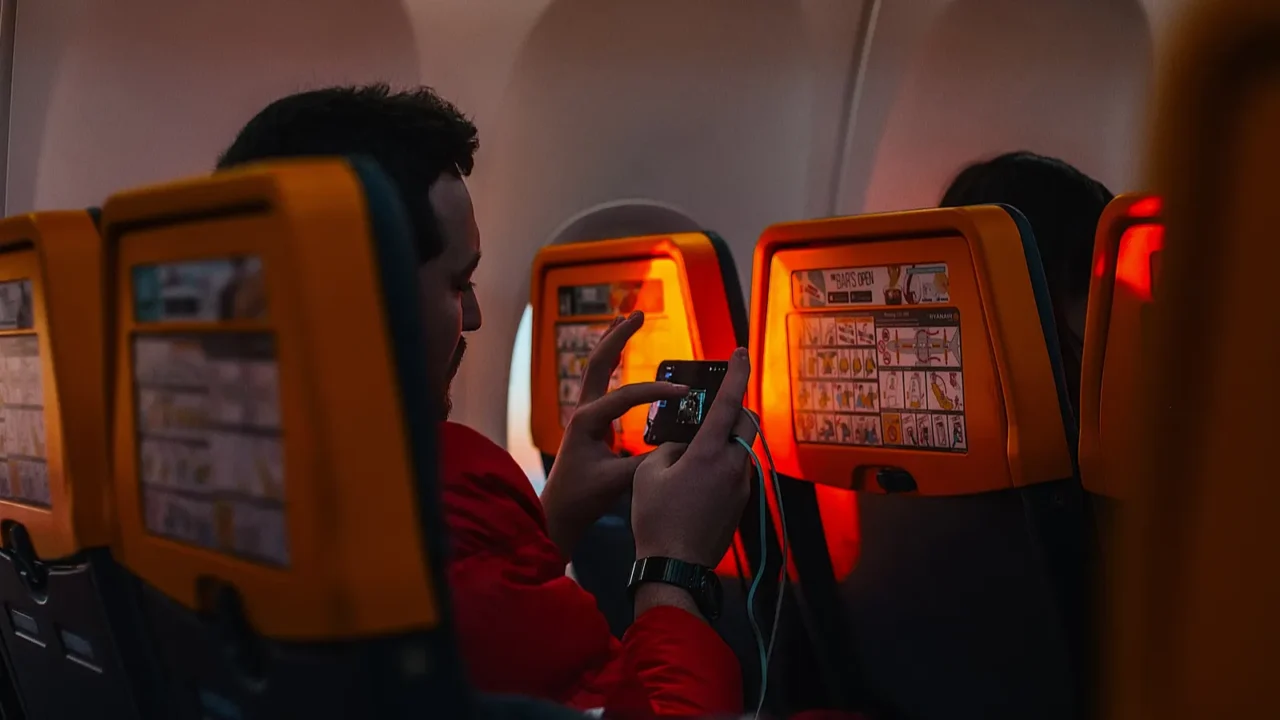
Entertainment is a key part of a long ride. Travelers often mix movies, shows, and music to stay engaged. A varied plan helps prevent boredom midway through the trip.
Many visitors download content before boarding. This ensures the playlist does not run out. These simple choices help the hours pass smoothly.

Mental approach matters
Long flights require a calm mindset. Travelers often remind themselves that the hours will pass naturally. This helps reduce stress as the trip stretches on.
Visitors may break the journey into small time segments. The structure keeps their focus steady. It turns a long ride into a manageable experience, and it also helps when travelers face situations like what to do if they ever miss a connecting flight.

Eyes on what’s next
Ultra-long-haul flights are creating new ways to cross the world. Travelers are discovering rhythms that make the hours feel lighter. These routes are slowly shaping the future of global travel.
Comfort and planning help make these journeys smoother. Simple habits turn long hours into something easier to handle. Which long-distance route feels the most exciting for your next big trip?
Read More From This Brand:
- Hollywood heads north as Canada’s frozen resorts become this winter’s new status symbol
- Inside Leonardo DiCaprio’s world of luxury eco islands
- Secret Scottish glens perfect for autumn hikes and cozy escapes
Don’t forget to follow us for more exclusive content right here on MSN.
If you liked this story, you’ll LOVE our FREE emails. Join today and be the first to get stories like this one.
This slideshow was made with AI assistance and human editing.
