Winter arrives early and heavy
Some areas across upstate New York and northern Michigan have reported up to 12 inches of snowfall, making travelers rethink Thanksgiving plans and adjust schedules accordingly. This early winter storm is forcing everyone to stay alert because conditions can change rapidly and require preparation.
Airports are reporting delays and roads are slick, making simple commutes tricky, and the unusual timing is challenging for families and commuters alike as cities are still in fall prep mode. For many, this is the earliest serious snow they’ve seen in years, requiring extra caution and planning.
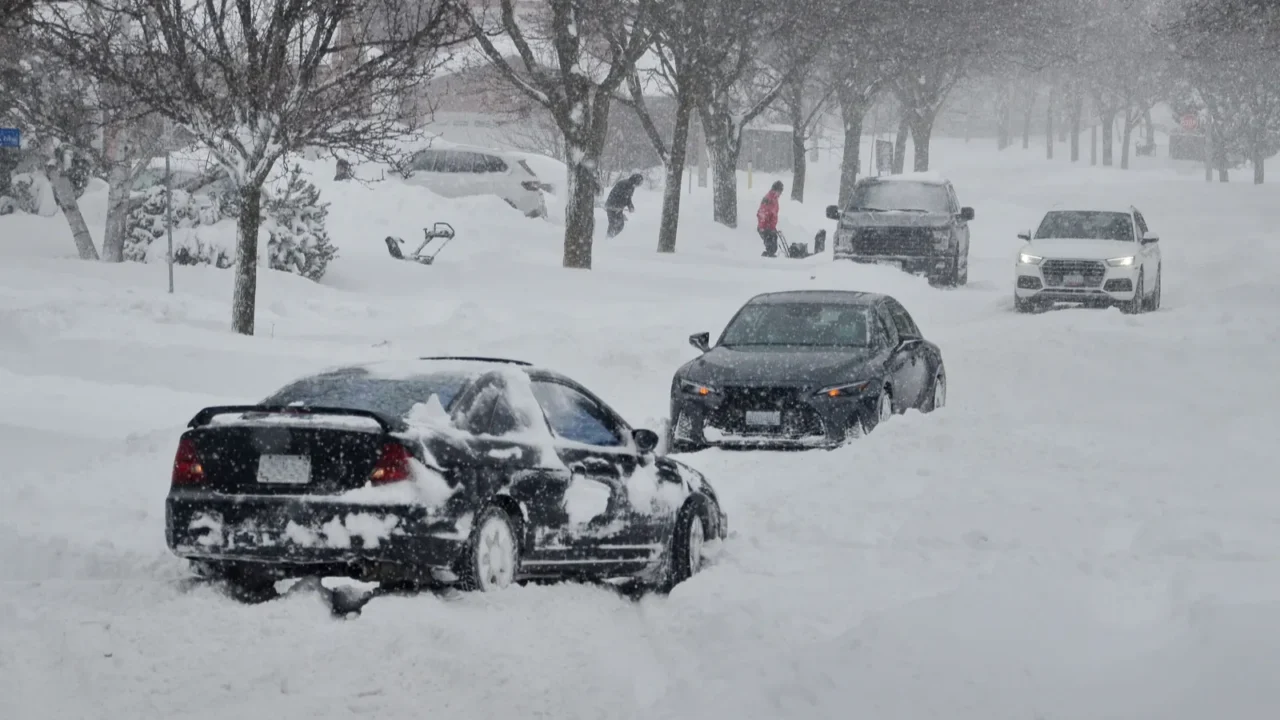
Roads turn hazardous fast
Highways and local roads are covered in snow and ice, creating dangerous driving conditions, and traffic accidents are spiking as authorities urge everyone to remain cautious while commuting. Even short trips are risky, especially for drivers unfamiliar with winter weather, which can escalate quickly.
Drivers should delay travel if possible, using extra time, winter tires, and emergency kits to stay safe, because these small precautions can prevent accidents and keep journeys manageable. Extra care is needed on bridges and shaded roads where ice forms faster, increasing the risk for both vehicles and pedestrians.
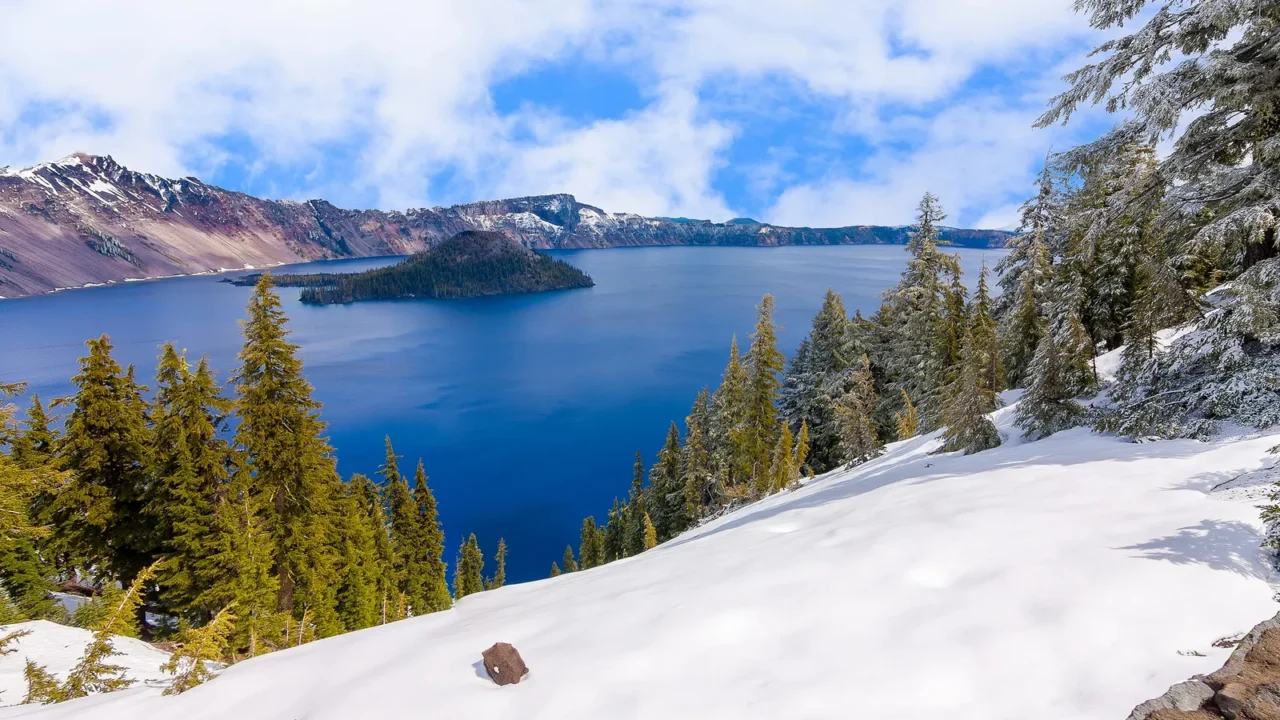
Lake-effect snow piles up
Areas near the Great Lakes, like Buffalo, could see heavy lake-effect snow adding inches quickly, making even short drives risky while requiring residents to be prepared with snow removal tools. This additional snow can accumulate fast, impacting roads, sidewalks, and daily activities throughout the community.
Some towns near the Great Lakes may exceed their early-season snowfall averages, based on current forecasts, requiring locals to clear roofs and sidewalks to prevent hazards. Staying proactive allows neighborhoods to remain safe and minimizes disruptions caused by rapidly accumulating snow.
Airports feel the snow impact
Major airports in the Northeast and Midwest are dealing with cancellations and delays as snow removal crews work nonstop to keep runways clear, and travelers are urged to remain patient due to unpredictable schedules. Travel plans are being disrupted significantly, especially for last-minute flyers.
Passengers should check flight statuses frequently and allow extra time for boarding since baggage and shuttle waits are longer than usual, requiring careful time management. Remaining flexible and monitoring updates is essential because schedules can change quickly in severe winter conditions.
Temperatures drop, ice forms
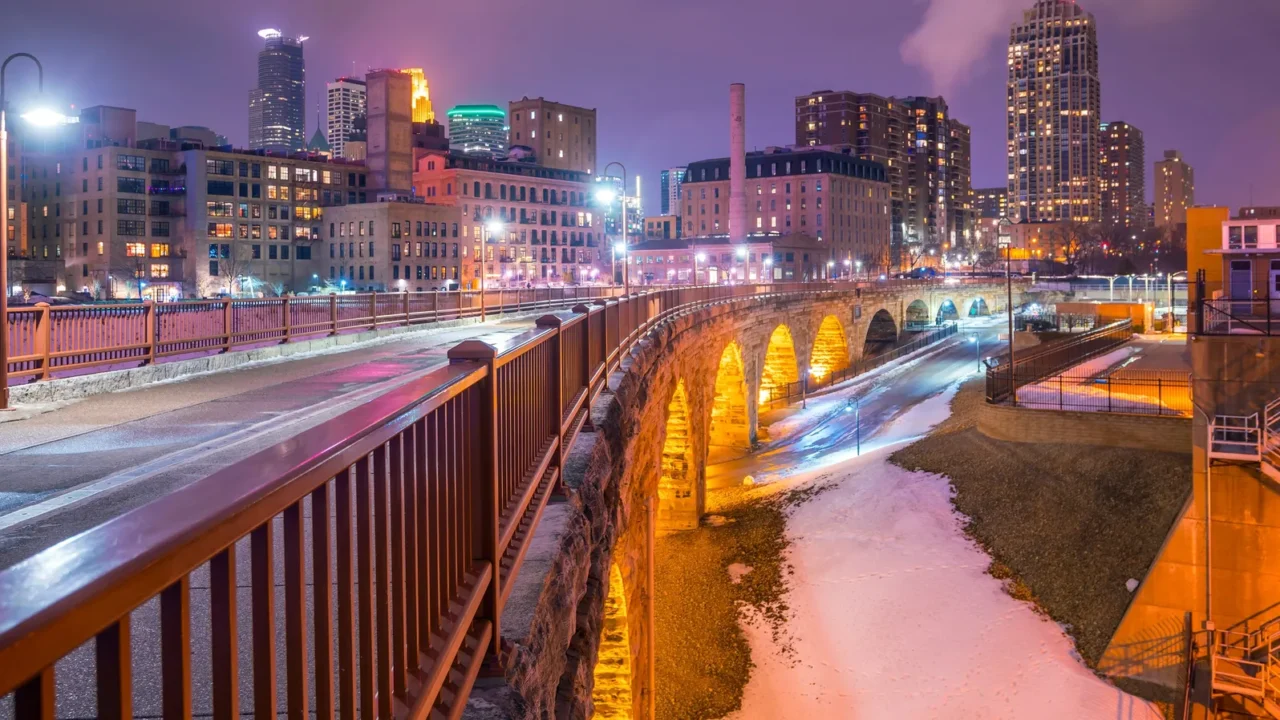
Below-average temperatures are making roads icy and increasing the storm’s danger, and black ice can be particularly hazardous on bridges and shaded areas. Even experienced drivers need to remain cautious, reduce speed, and maintain extra distance to avoid slipping or losing control.
Drivers should pay attention to changing conditions, and pedestrians also need to watch for slippery sidewalks and crosswalks, because cold weather increases the risk of frostbite or hypothermia if anyone is stranded outside for too long. Being prepared helps everyone navigate winter safely.
Holiday travel faces disruption
According to AAA, over 89% of Americans typically travel by car during the holiday season, and heavy snow is slowing traffic while creating road closures and limited visibility that can extend travel times. Families planning to gather for the December holidays may need to adjust their departure times or routes to stay safe and avoid accidents.
Even local trips can take longer than usual, so planning routes and keeping updated on road conditions is critical for a smooth journey, while adhering to official advisories ensures everyone stays safer. Travelers who prepare in advance are less likely to face unexpected delays or hazardous situations on snowy roads.
Rail and bus schedules affected
Trains and buses are also seeing delays, reroutes, and cancellations in storm-hit regions, which makes relying on public transit challenging for commuters and holiday travelers alike. Checking apps or local transit websites frequently can help travelers stay informed about changes that could impact their schedules.
Some regional providers are issuing alerts with modified timetables, so passengers should verify schedules before leaving home, and being aware of alternate routes may save time. Travelers who plan ahead reduce stress and ensure that trips proceed as smoothly as possible despite the storm.
Emergency services on alert
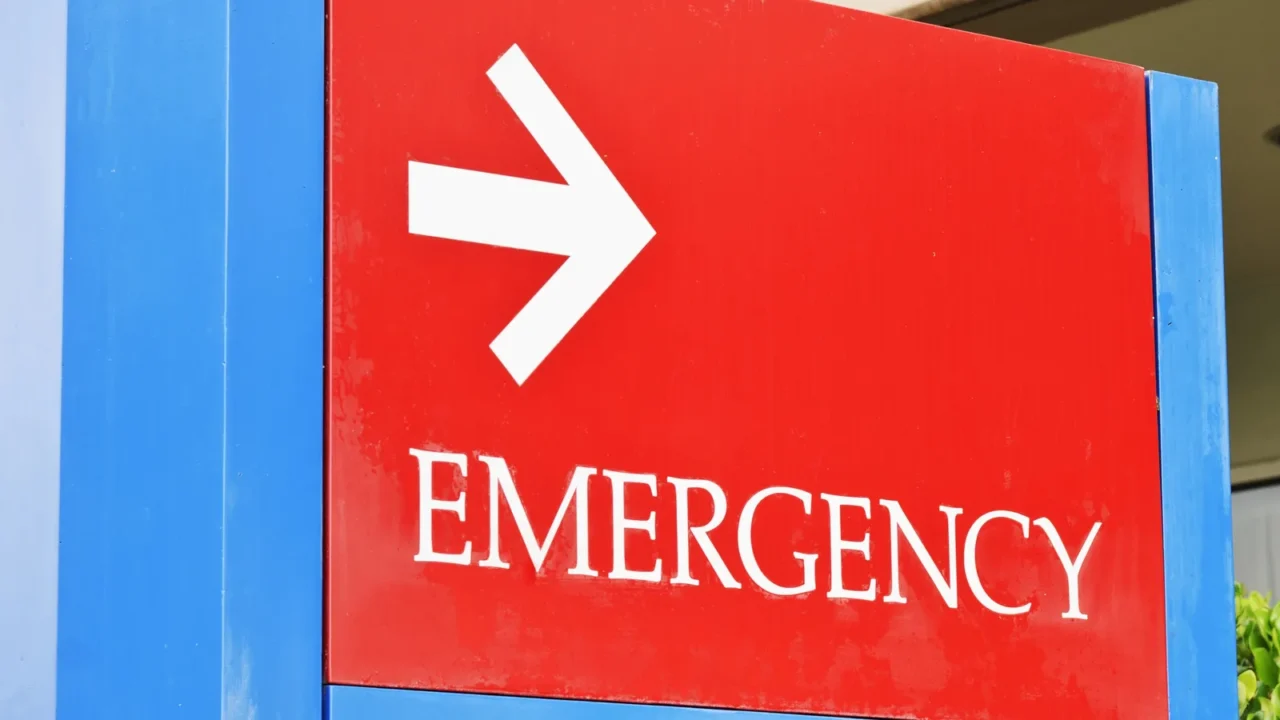
Police, fire, and road crews are working around the clock to respond to accidents, while communities open shelters and warming centers for those stranded or without power, ensuring public safety. Volunteers and neighbors are stepping in to assist vulnerable residents, helping prevent emergencies from escalating.
Having flashlights, food, water, and blankets in your car or home is highly recommended, and staying in touch with family and friends can provide additional safety. These steps ensure you’re ready for rapidly changing conditions while support systems remain accessible during the storm.
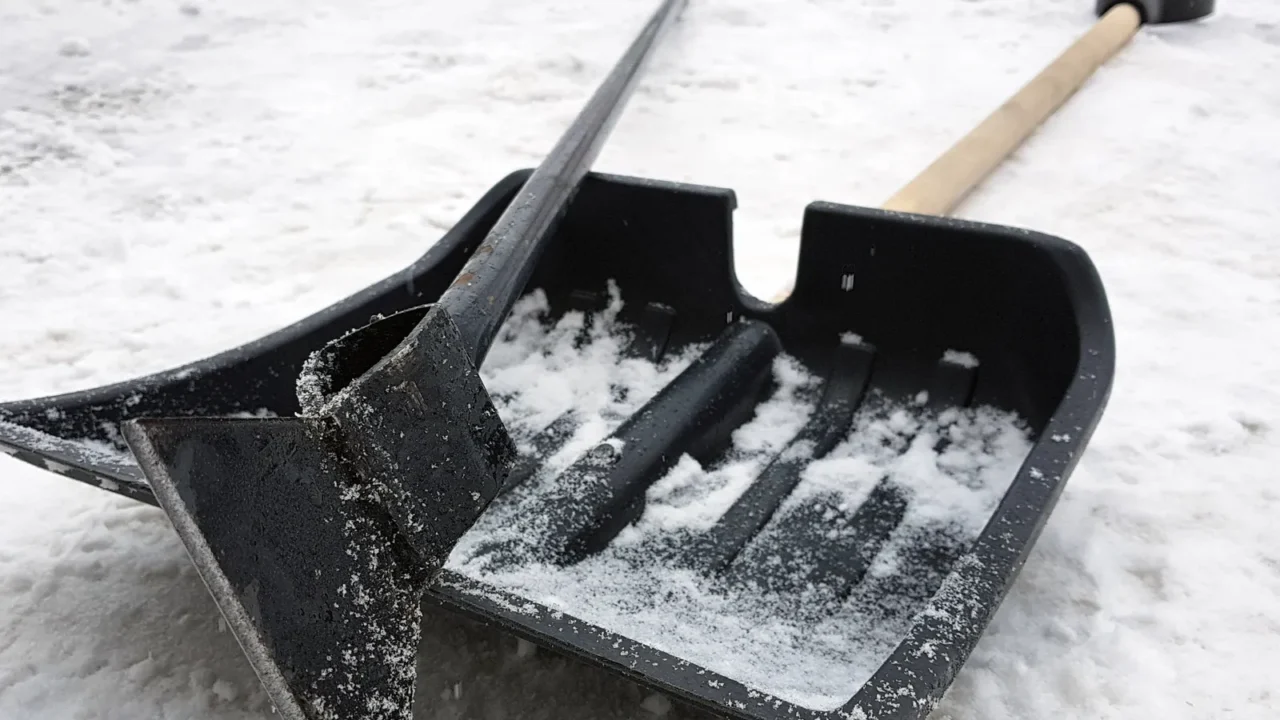
Winter gear and vehicle prep
Authorities suggest keeping snow shovels, ice scrapers, and salt or sand handy, while winter coats, boots, and gloves are now essential even for short errands. Extra layers, hats, and scarves are important to prevent cold-related injuries while outside, making preparation key.
Cars should have safety kits including jumper cables, blankets, and snacks, while checking tires, brakes, and wipers ensures smoother travel. These precautions help reduce risk on icy roads, making winter trips more manageable and less stressful for drivers.
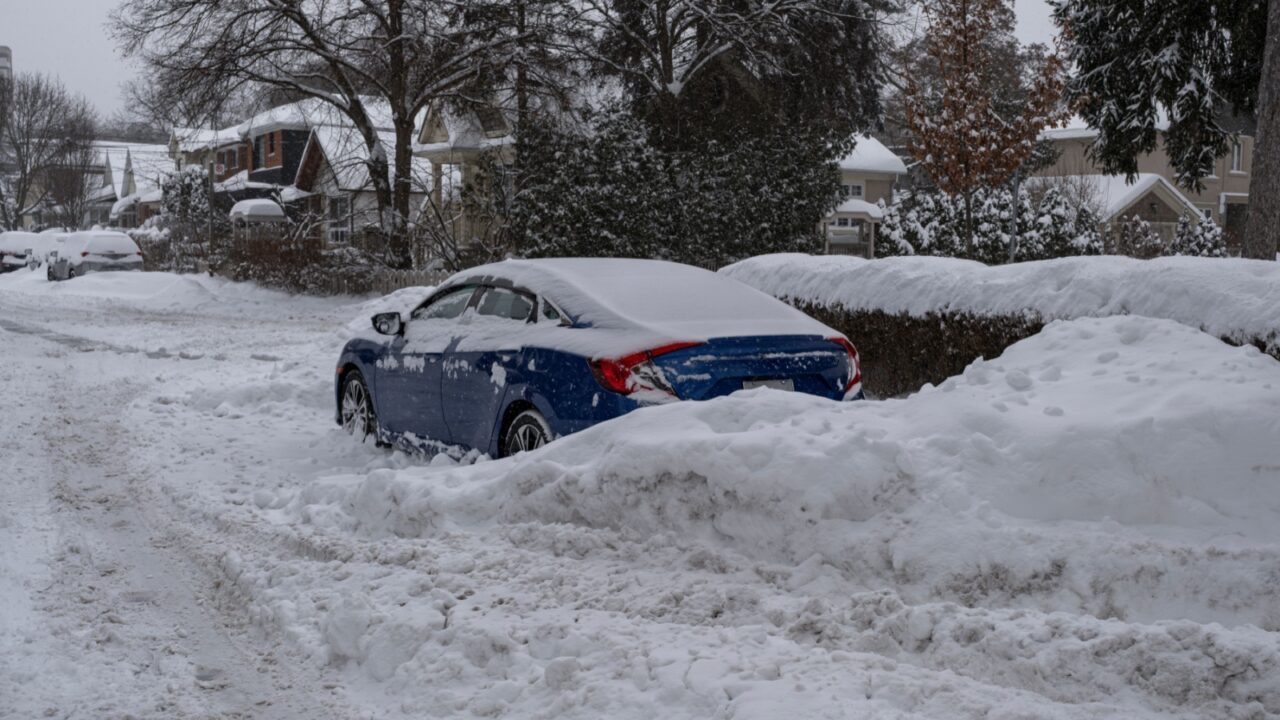
Forecast warns of more storms
Weather experts say early storms could signal a snowier winter ahead, with additional Arctic blasts and heavy snow events likely through early 2026. Communities and travelers should be prepared for ongoing winter challenges, not just this first significant storm, to stay safe and informed.
Ski resorts could see an early start, but towns and cities need vigilance as ongoing planning now reduces risk if more storms arrive. Understanding seasonal forecasts helps families, businesses, and travelers make informed decisions about travel and daily routines throughout winter.
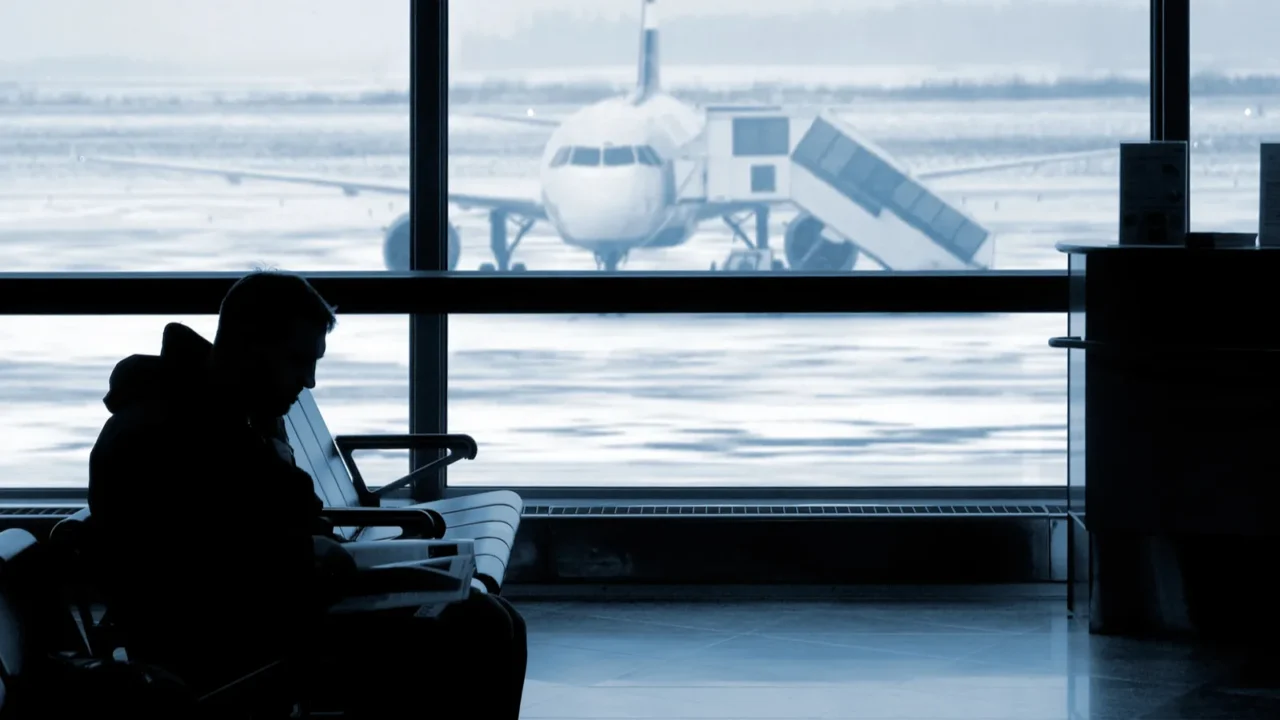
Safety tips for travelers
Check travel advisories, delay non-essential trips, and drive slowly if you must go out, keeping phones charged and sharing your location with friends or family to stay safe. Having backup plans for lodging or alternate routes is also important in case conditions worsen suddenly, helping travelers remain flexible.
Emergency supplies in vehicles and homes can save lives, even on short trips, as conditions can deteriorate quickly. Stocking extra food, water, and first-aid items ensures readiness for delays and emergencies, making travel less stressful and safer during the storm.
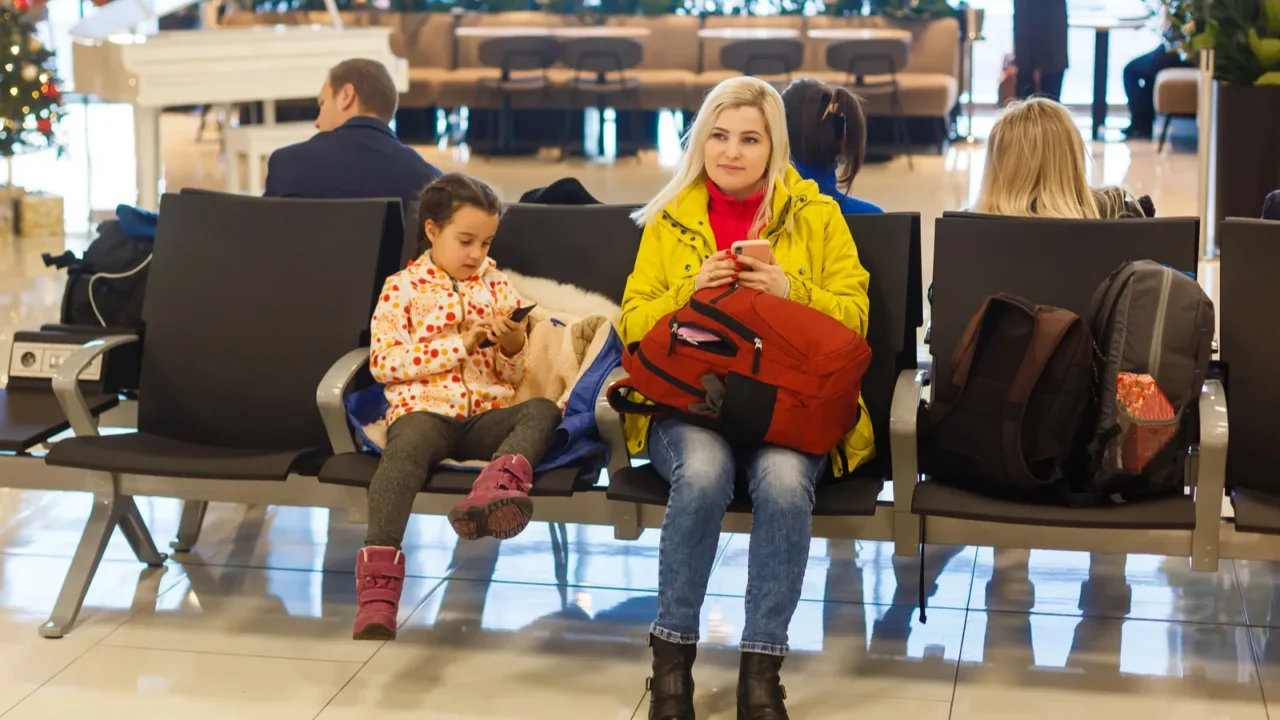
Preparing for holiday travel
If travel is unavoidable, allow extra time, monitor weather updates, and pack essentials to make journeys smoother and safer. Keeping kids, pets, or elderly travelers comfortable and secure during long trips is critical, especially in heavy snow or icy conditions.
Using alternate routes, public transit updates, and local advisories reduces delays and stress, while sharing your travel plans with someone at home provides extra security. Thoughtful preparation ensures a safer experience, even during unpredictable winter storms affecting schedules.
If you’re planning a holiday getaway, be aware that U.S. passport delays are back just in time for the season.
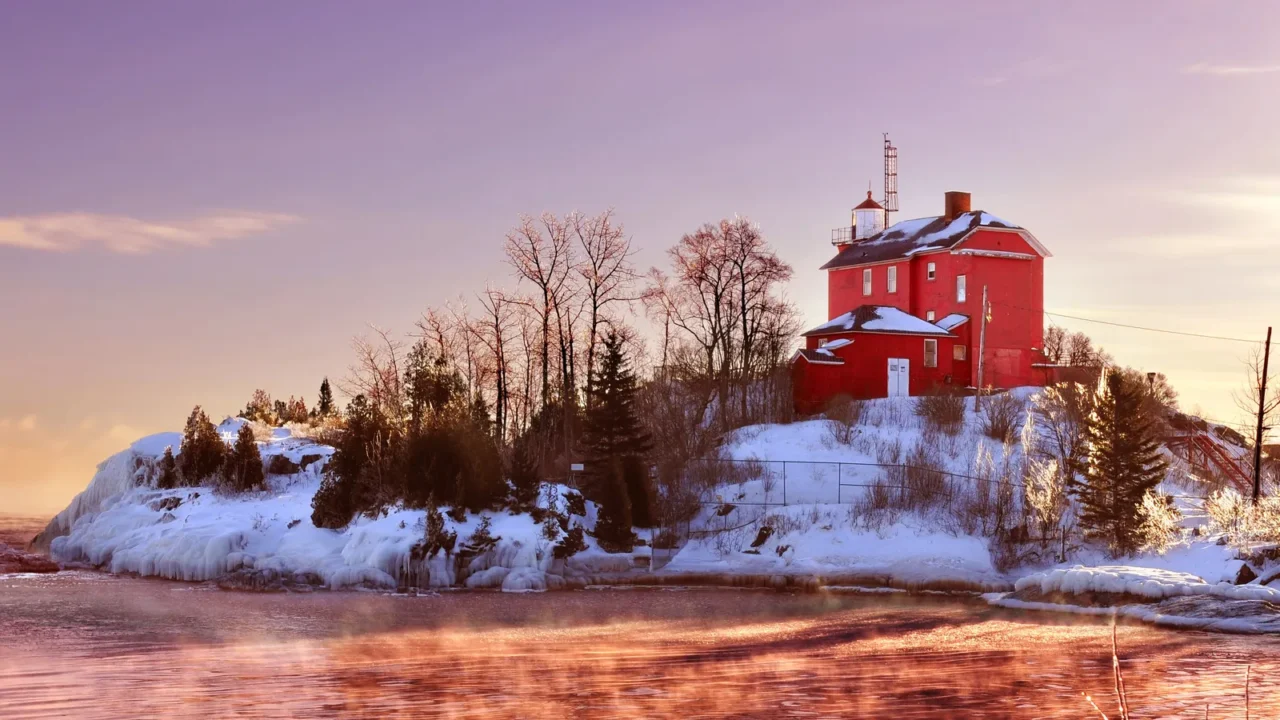
A storm to respect, not ignore
This significant snowstorm is a reminder of winter’s power and its impact on travel across the U.S., and planning now can prevent accidents, delays, and unnecessary stress. Being proactive ensures a safer, smoother holiday season while helping travelers protect themselves and their families.
Whether you stay home or travel, staying informed, cautious, and prepared will make a big difference, and sharing your experiences can help others navigate safely.
In the other news, the Caribbean is rebuilding and welcoming visitors again after the storm season.
What’s your plan to tackle this winter storm? Share your tips or travel experiences in the comments.
Read More From This Brand:
- Kyoto hikes tourist tax by 900% starting in 2026. Would you still visit?
- Las Vegas locals get big discounts as tourism declines
- Australia stays strong as a bright spot in U.S. tourism
Don’t forget to follow us for more exclusive content right here on MSN.
If you liked this story, you’ll LOVE our FREE emails. Join today and be the first to get stories like this one.
This slideshow was made with AI assistance and human editing.
