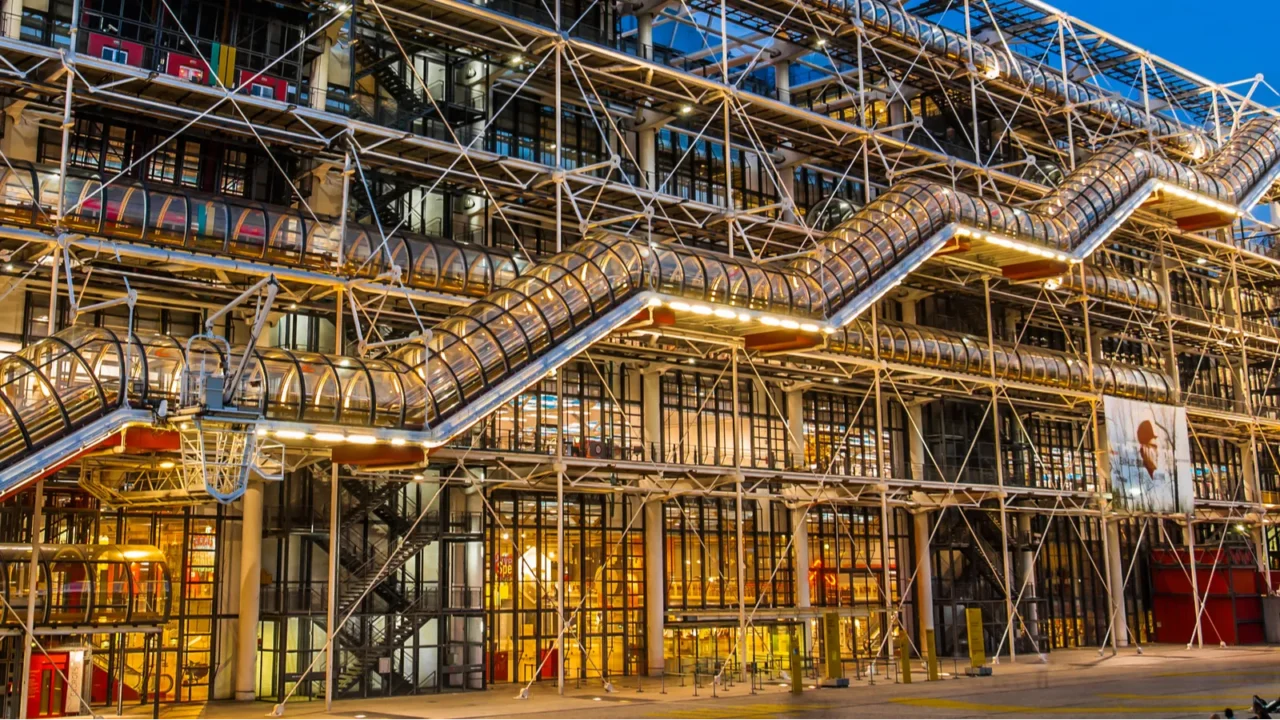
Paris’ bold architectural icon
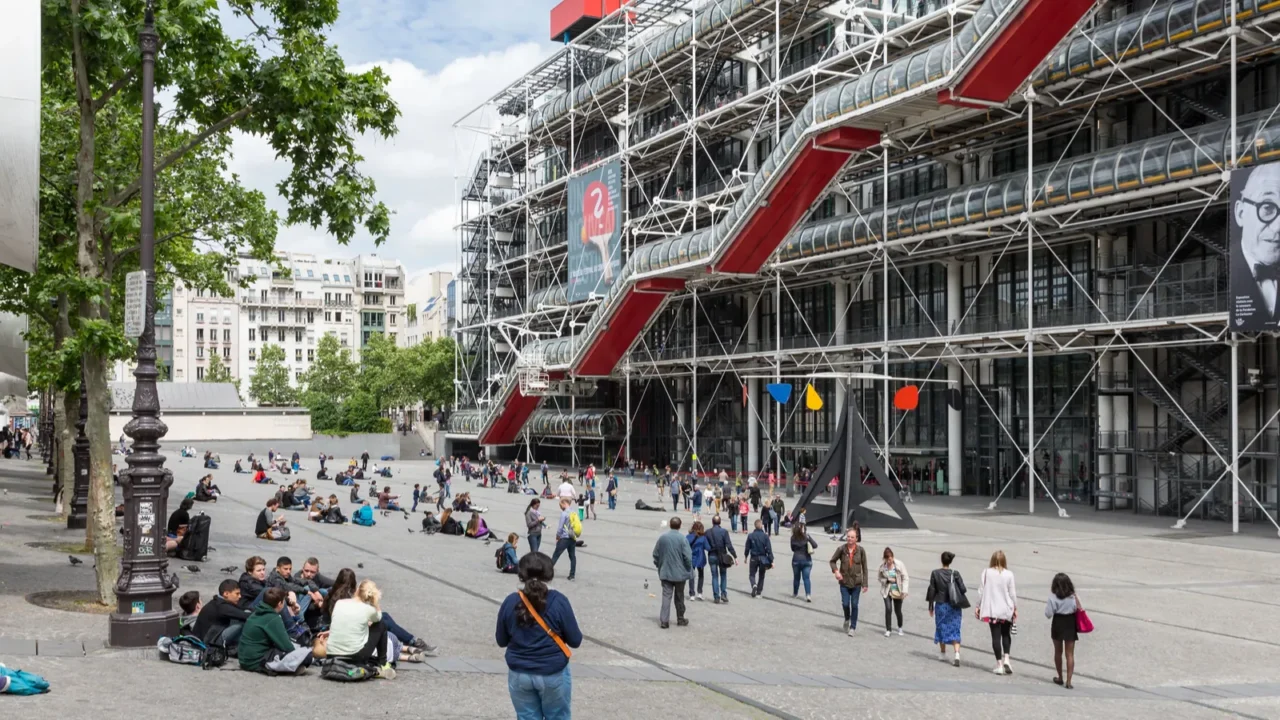
The Centre Pompidou bursts from the heart of Paris with its futuristic, inside-out design that shocks and excites visitors. Its exposed pipes and colorful framework make it one of the city’s most photographed and recognizable landmarks.
Originally built in 1977, the building challenged traditional Parisian architecture and stirred controversy. Today, it stands as a symbol of modernism and creativity, drawing millions from around the world who are curious to see its daring style in person.
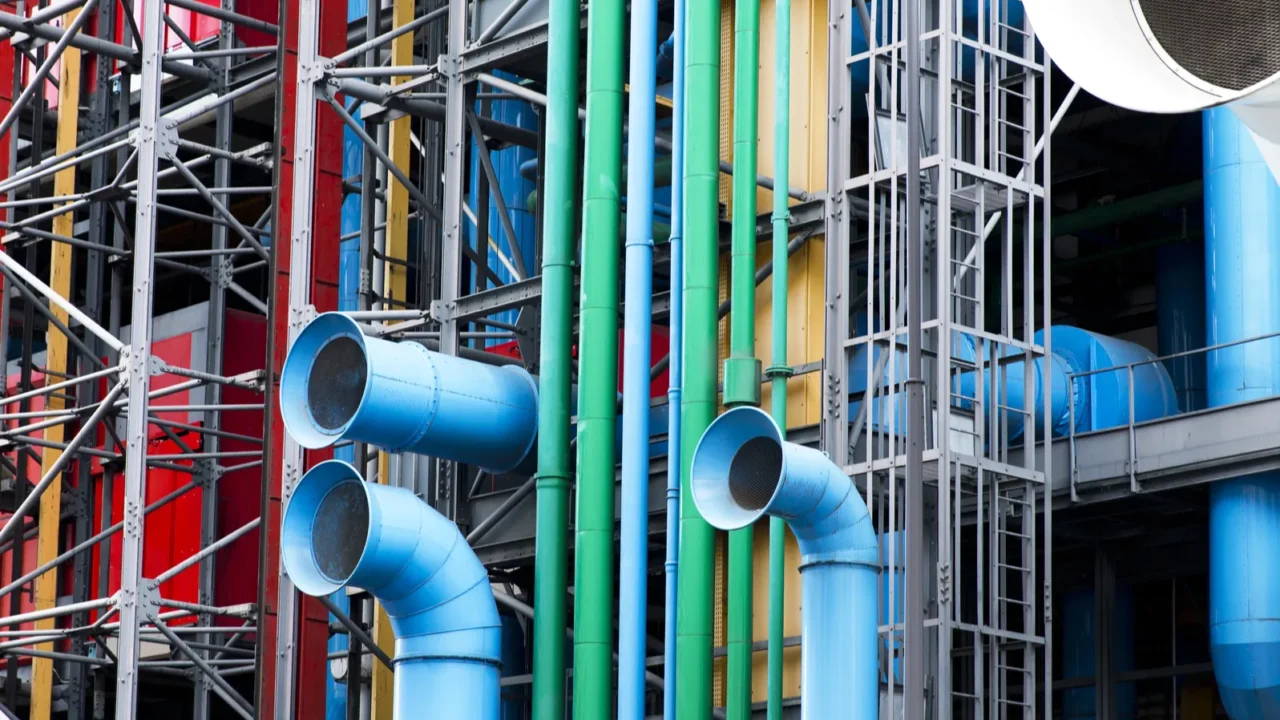
Designed by visionary architects
Italian designers Renzo Piano and Richard Rogers transformed a conventional museum into a high-tech masterpiece. Their design showcases bold structural elements as an artistic statement.
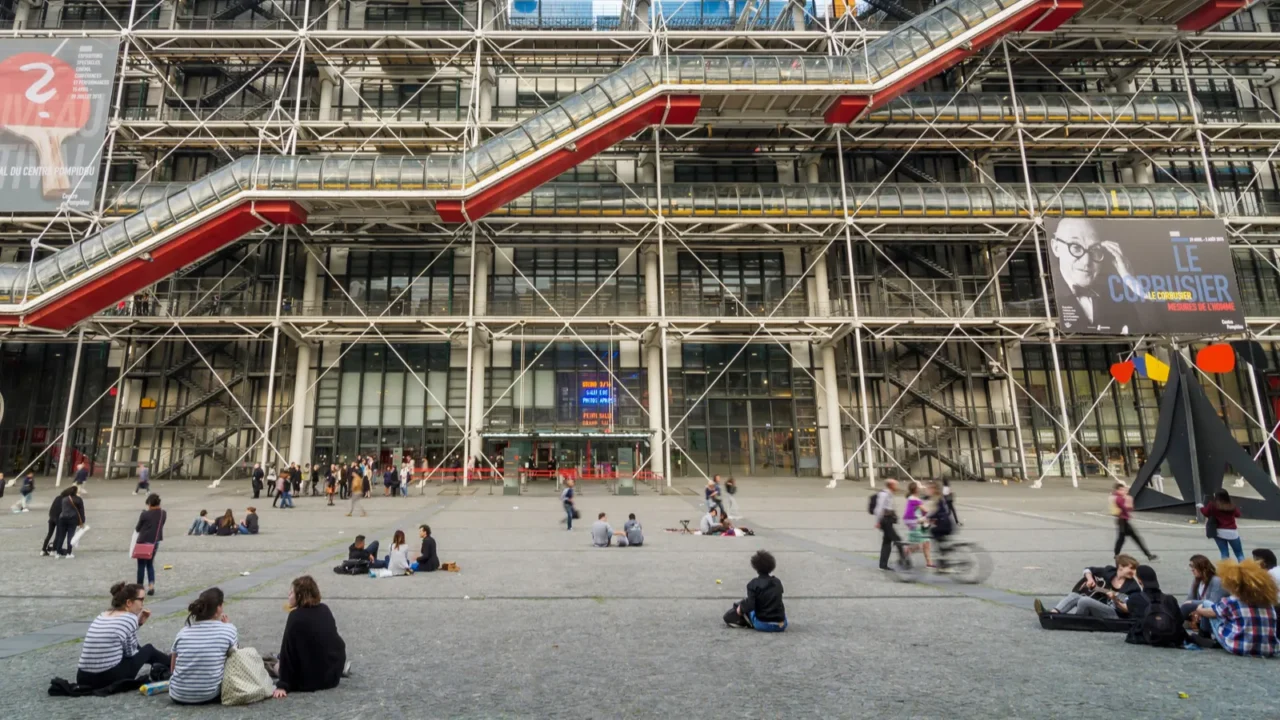
By exposing its elevators, ducts, and structural systems, the Pompidou redefined how buildings engage with urban space. Visitors walk among the structure itself, experiencing architecture as a living, functional art piece rather than just a backdrop.
The architects’ vision was to make the building approachable and interactive for all types of visitors.
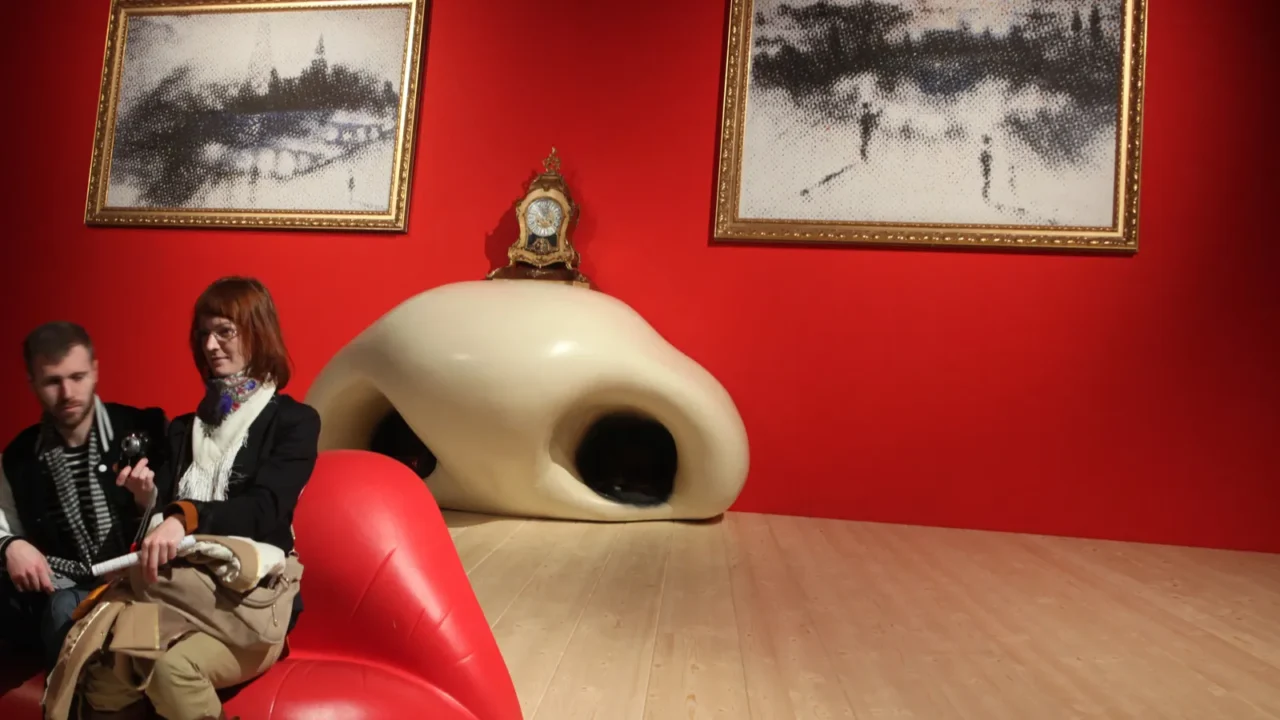
Cultural hub beyond art
The Pompidou is more than a museum; it houses a public library, performance spaces, and modern art galleries. Its large plaza becomes a stage for street performers and public gatherings.
This open-access concept invites everyone to participate, reflecting democratic ideals and community energy. It turns the building into a vibrant part of everyday Parisian life, not just a tourist stop. Families, students, and artists all mingle here, making it a hub of creativity and social interaction.
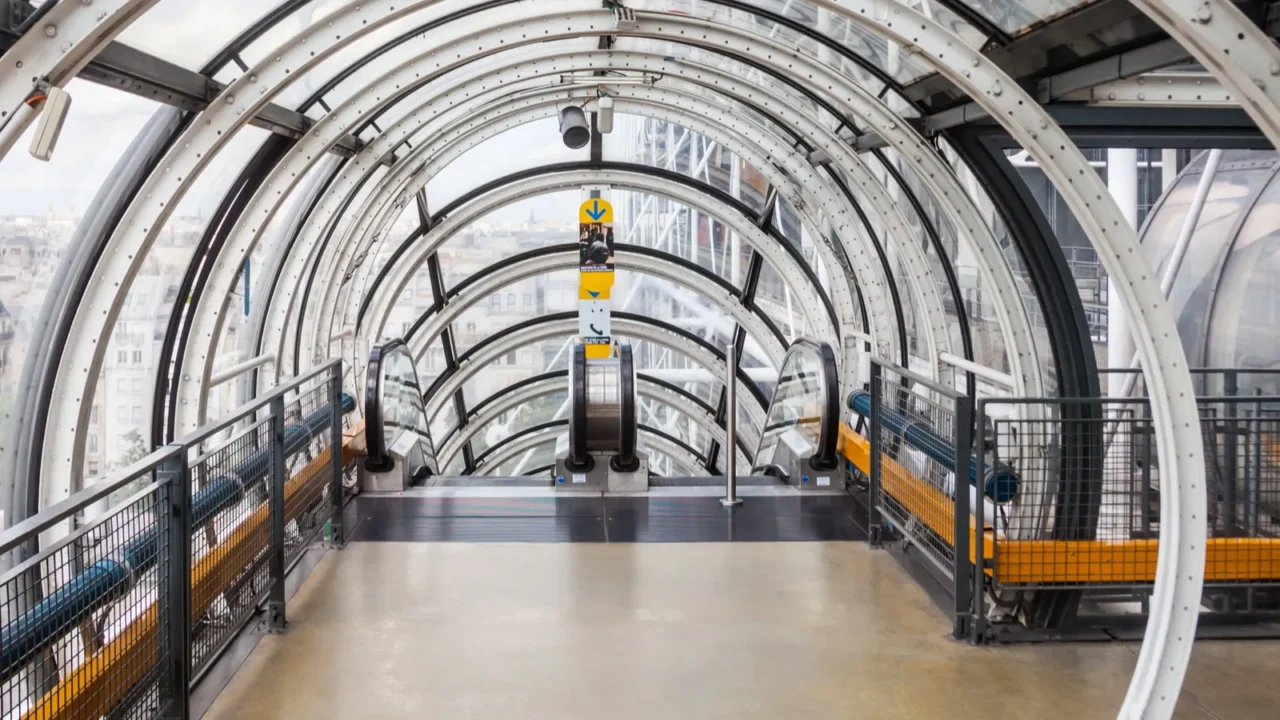
High-tech meets brutalism
Combining Brutalist style with high-tech innovation, the Pompidou shocked 1970s Paris. Its steel-and-glass structure represented the latest in construction techniques.
The exposed framework and industrial look were controversial at first, but today the style is celebrated for its boldness. It stands as a symbol of experimentation and creative risk-taking in architecture. Many architects and design students visit to study its unique fusion of form and function firsthand.
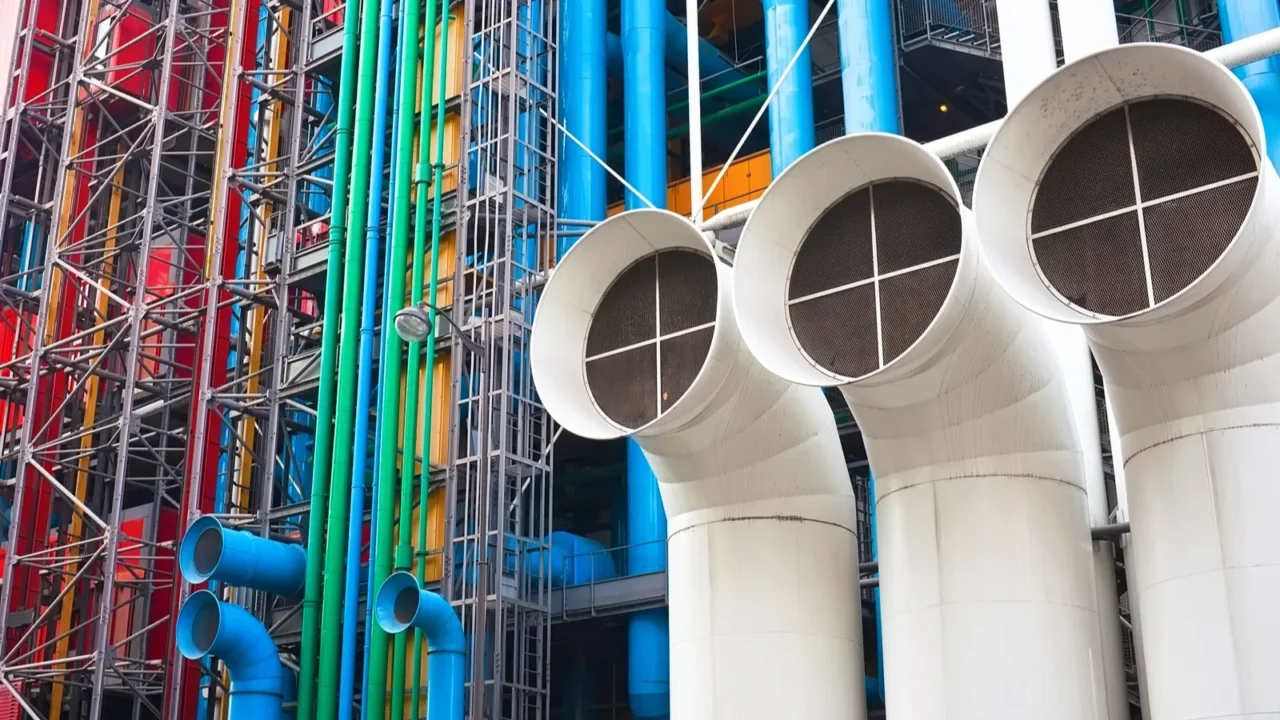
Inside-out innovation
The building’s color-coded exterior pipes aren’t just for show; they indicate different systems. Blue ducts carry air, red for elevators, green for water, and yellow for electricity.
This design turns engineering into art, creating a visual spectacle that sets the Pompidou apart from any other museum. Its industrial aesthetic defies conventional expectations while remaining functional.
Visitors often marvel at how the exposed infrastructure becomes a part of the artistic experience.
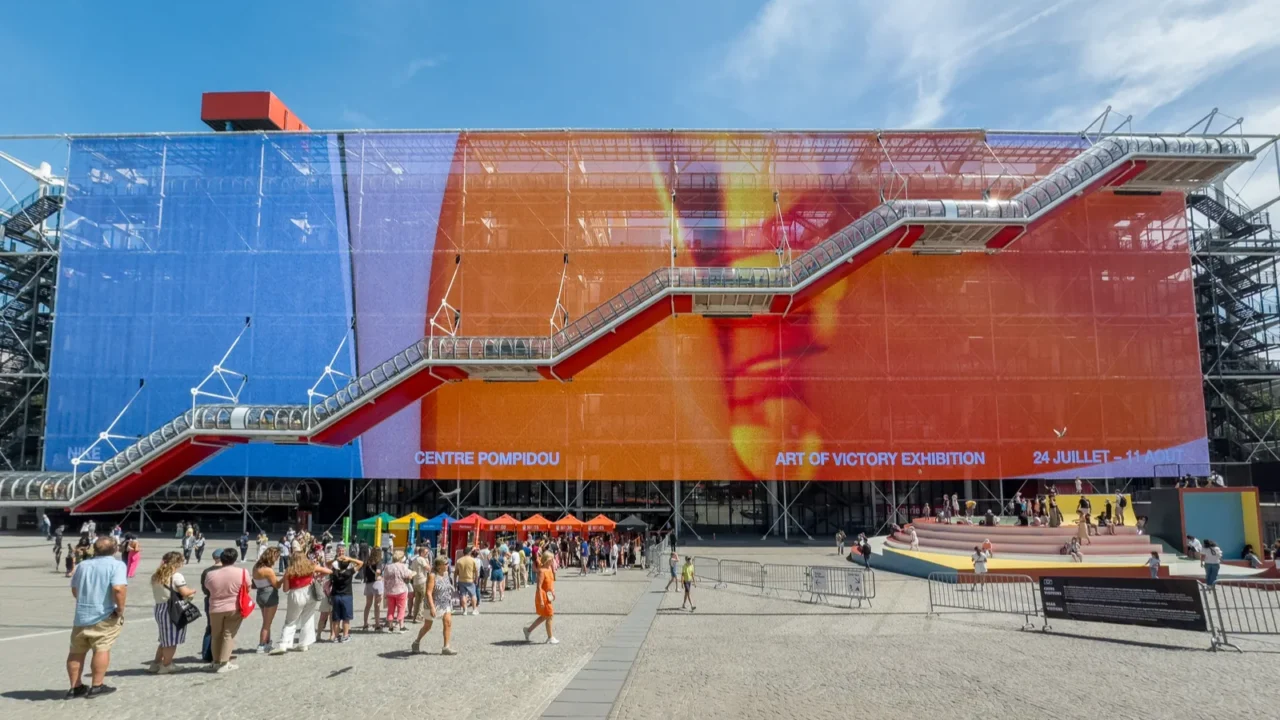
A top tourist attraction
he Centre Pompidou attracts over a million visitors annually, making it one of Paris’s most distinctive cultural landmarks. Its museum houses Europe’s largest collection of modern and contemporary art.
The public plaza adds a lively urban experience, blending locals and tourists. Street performers, markets, and open-air exhibitions make every visit dynamic and unforgettable.
Photography enthusiasts particularly enjoy capturing the contrast between the historic Marais district and the futuristic building.
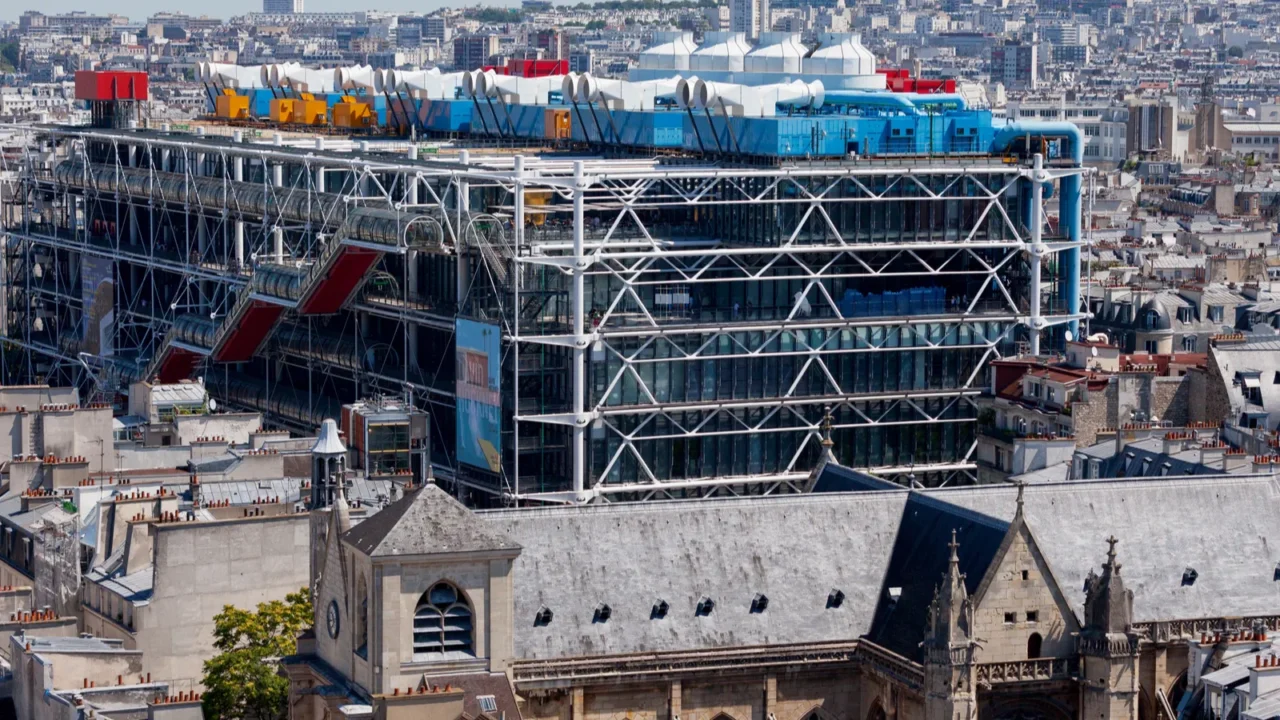
Located in vibrant Le Marais
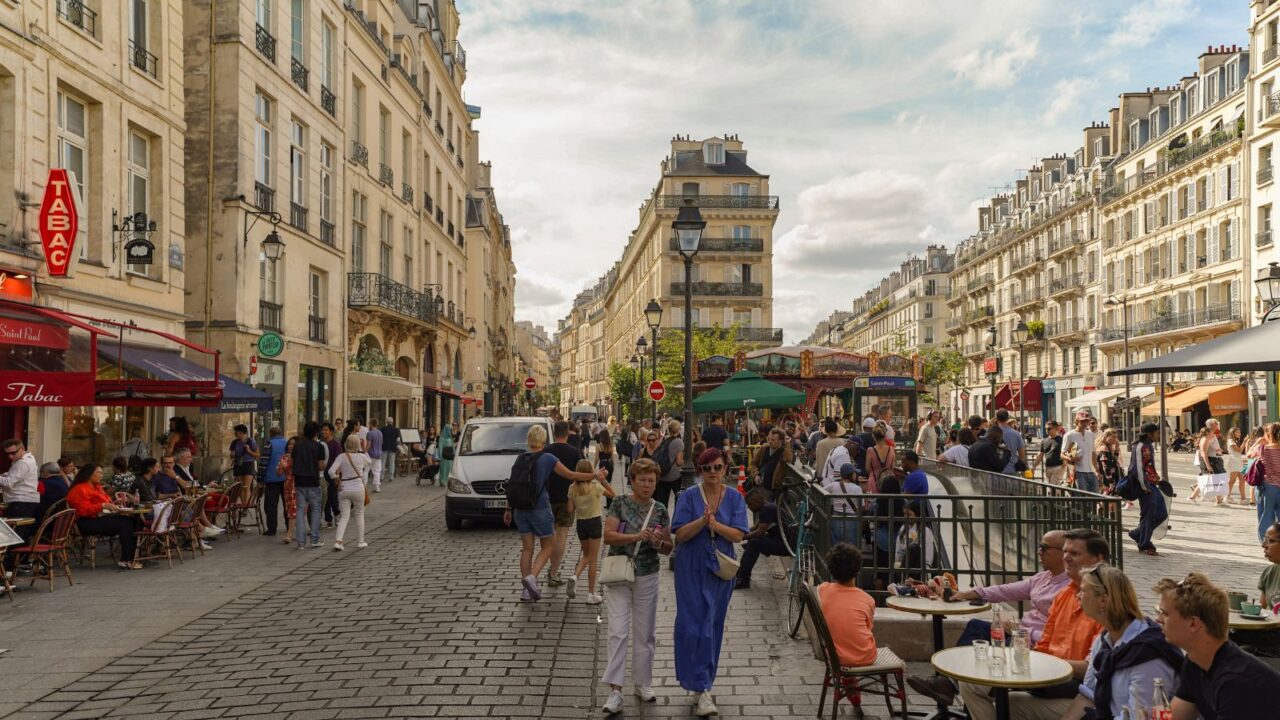
The Pompidou sits at Rue Beaubourg and Rue du Renard, right in the historic Marais district. The area is full of boutique shops, cafés, and charming streets to explore.
This central location makes it easy to combine a museum visit with nearby attractions. Visitors can wander to art galleries, designer stores, or historic sites within walking distance.
Exploring Le Marais adds a full cultural and sensory experience beyond just the museum walls.
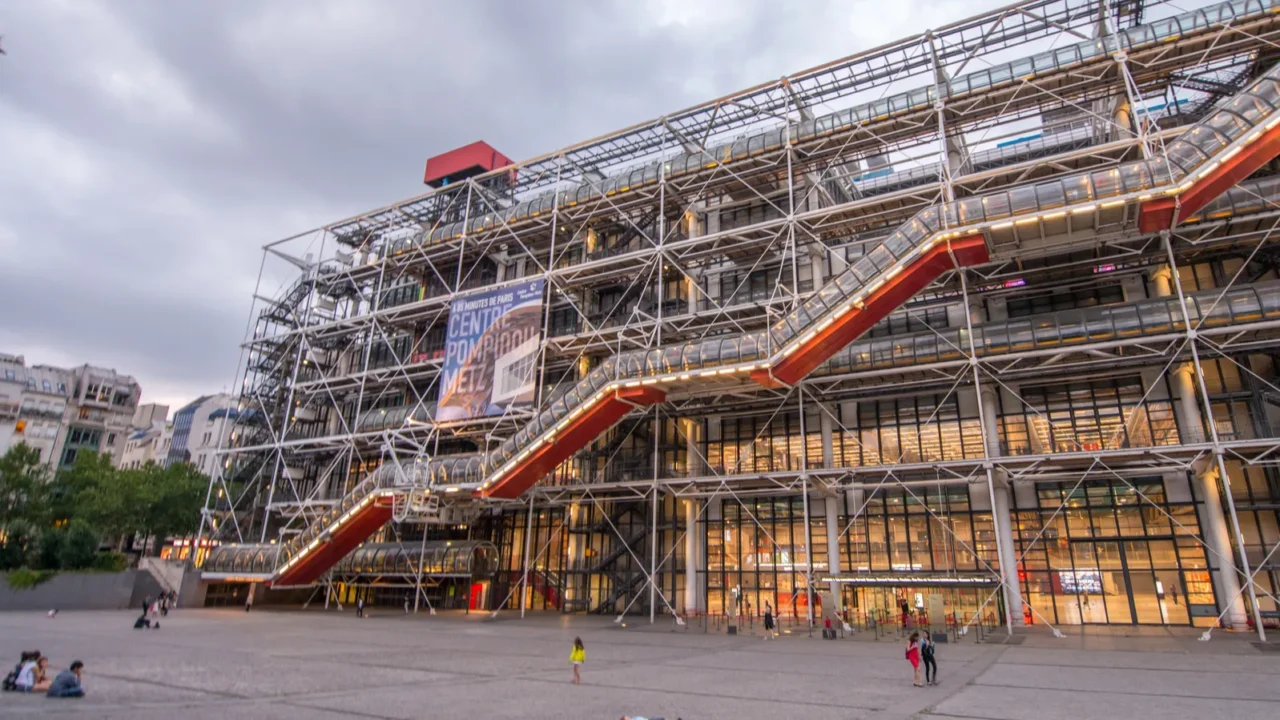
Art meets architecture
Inside the museum, contemporary works by Picasso, Kandinsky, and Duchamp await art lovers. The building itself becomes part of the exhibition, blending structure and content.
Exhibitions rotate frequently, keeping the experience fresh for repeat visitors. Its mix of permanent and temporary shows makes it a must-see for anyone interested in modern art.
Many visitors also enjoy the rooftop views, which offer a unique perspective of Paris’s skyline alongside the art.
Perfect for film fans
Movie buffs may recognize the Pompidou from various films and documentaries, where its futuristic structure provides a striking cinematic backdrop. Its unusual shape makes it a standout in cinematic scenes.
Fans often enjoy spotting real-world locations from films while exploring Paris. The building’s cinematic presence adds another layer of excitement to a visit. Some tours even highlight film locations, giving visitors a behind-the-scenes look at famous shoots.
Dining nearby
Le Marais offers plenty of dining options for visitors. From casual falafel sandwiches to Michelin-starred restaurants, there’s something for every taste and budget.
Cafés like Le Mary Celeste serve small plates and natural wines, perfect for a quick stop. Strolling the area, visitors can combine culture and cuisine in one afternoon.
Many tourists spend an entire day hopping between art, architecture, and food experiences here.
Where to stay
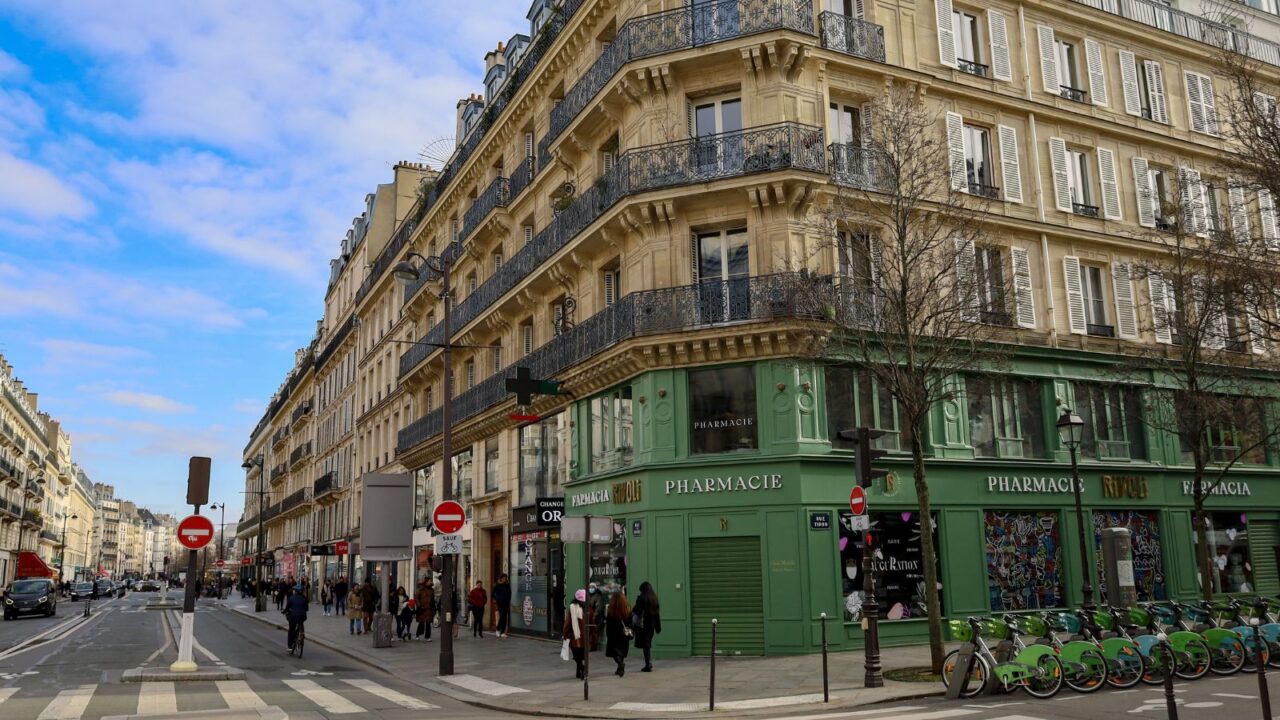
Luxury hotels such as Hôtel du Petit Moulin and Hôtel Jules & Jim put visitors close to the Pompidou. Budget travelers can find well-rated Airbnbs or boutique stays in Le Marais.
Staying nearby saves transit time and allows for evening strolls in the vibrant district. Staying just steps from the Pompidou enhances the authentic Parisian experience. Travelers also enjoy easy access to nearby metro lines for exploring other parts of the city.
Best travel tips
Visit early in the day to avoid the busiest crowds. Digital ticketing and multilingual guided tours enhance the experience.
Check for transit strikes, weather issues, or temporary exhibitions to make the most of your visit. Planning ahead ensures a smooth, stress-free day exploring this iconic landmark.
Many travelers also find it helpful to bring a map or use navigation apps to maximize their time. Want to know more about other hit filming sets? Check out where Netflix’s biggest shows were really filmed.
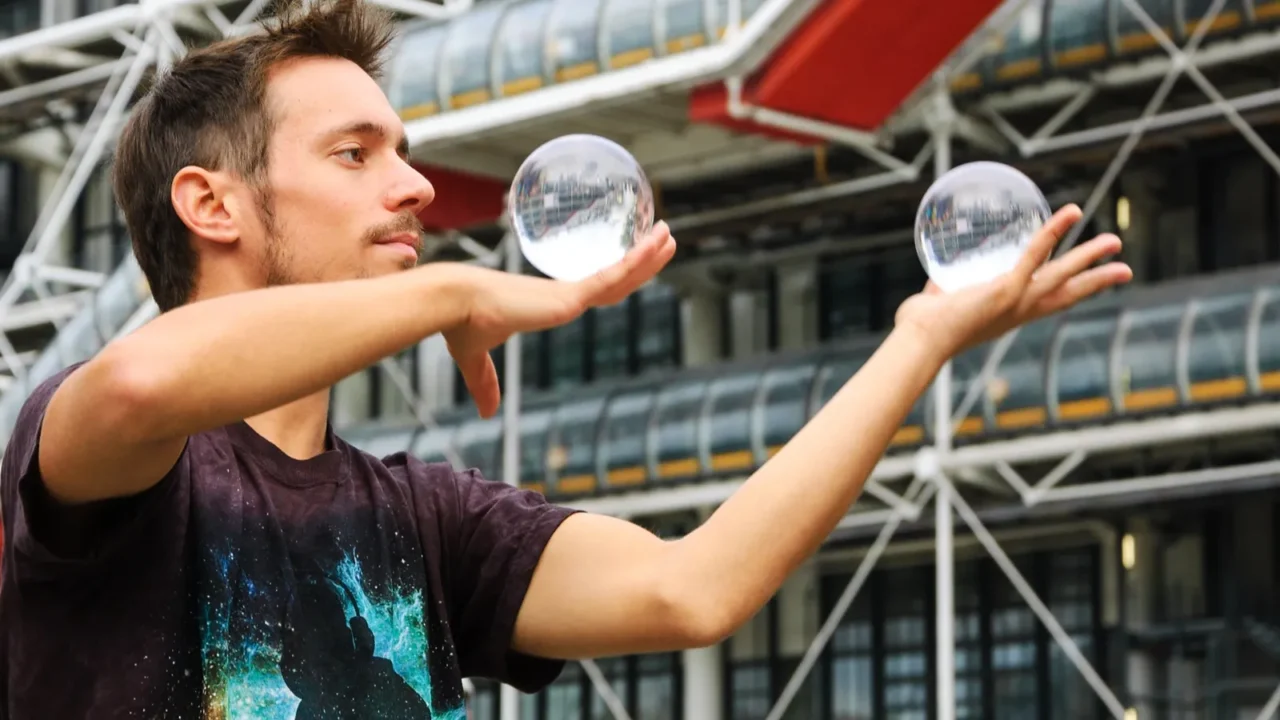
Outdoor plaza excitement
The Pompidou’s public square is alive with energy. Street performers, pop-up markets, and people-watching create a festive atmosphere.
The plaza’s openness reflects the building’s democratic vision, inviting everyone to enjoy art and culture. It’s a space where architecture, urban life, and creativity collide. Families, students, and tourists all gather here, making the plaza a social hub for the community. Check out the next filming locations from ‘The Rings of Power’ that double as hidden nature escapes.
Have you visited the Centre Pompidou or spotted it in a film? Share your thoughts and favorite experiences in the comments.
Read More From This Brand:
- You’re Not From Hawaii If You Mix Up the Maunas
- Australia stays strong as a bright spot in U.S. tourism
- Anti-Tourism is real, avoid these summer hotspots
Don’t forget to follow us for more exclusive content right here on MSN.
This slideshow was made with AI assistance and human editing.
