
A major shift in aviation
Europe has just begun a serious crackdown on private jets and luxury air travel, and it’s not subtle. New taxes and levies are hitting the wallets of elite flyers in ways many didn’t expect. These changes may reshape how wealthy people choose to fly in the near future. Let’s dig in!
The shift started in 2025 when France implemented steep new departure taxes on private jets, and Spain joined a broader coalition taxing premium flyers. These moves signal a shift in how European regulators view business aviation, not as elite privilege, but as a sector that must pay its environmental dues. What this could mean for the future of private aviation across Europe is huge.
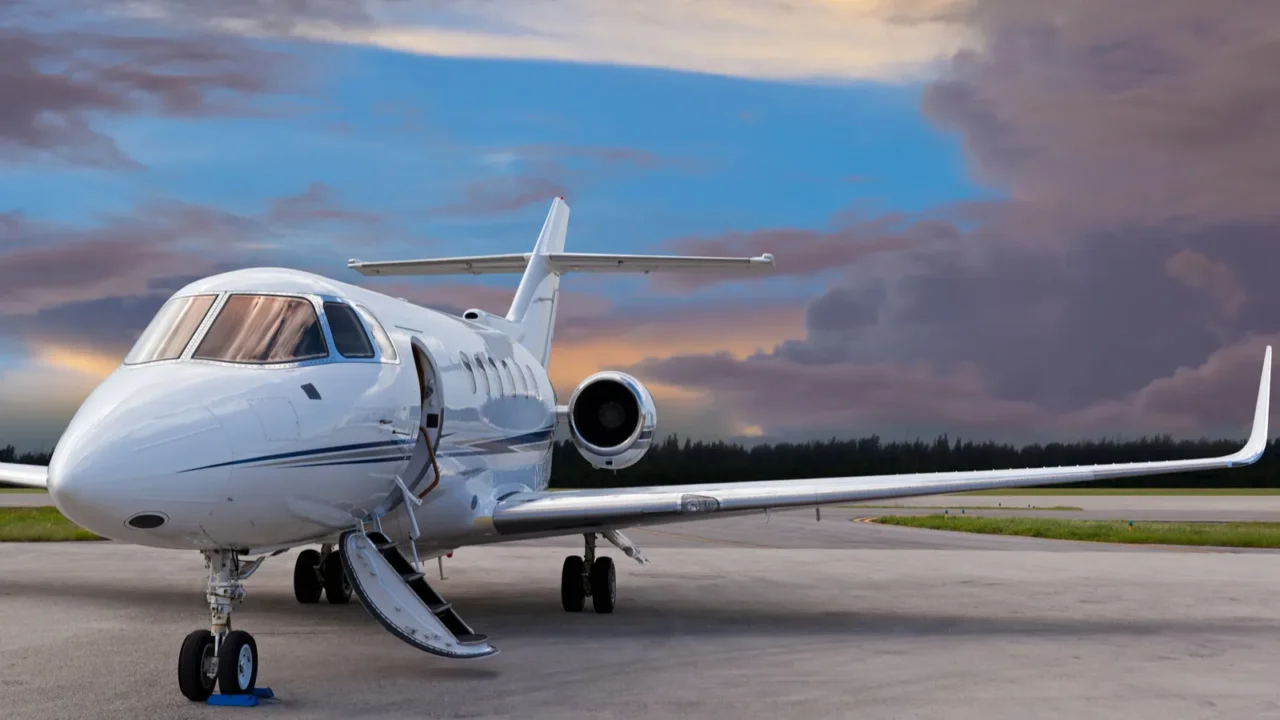
What the new taxes involve
France’s new private jet tax, effective March 1, 2025, charges between €210 and €2,100 per passenger depending on aircraft type and flight distance. That includes domestic flights, intra‑Europe routes, and long‑haul journeys, making many private charters far more expensive.
Beyond France, other European nations are backing a wider plan to tax luxury flyers and first‑class travelers under what’s being called a “solidarity levy.” If fully implemented, this could become the norm for business aviation across much of Europe. For wealthy travelers used to premium comfort, that means reevaluating whether the perks still outweigh the costs.
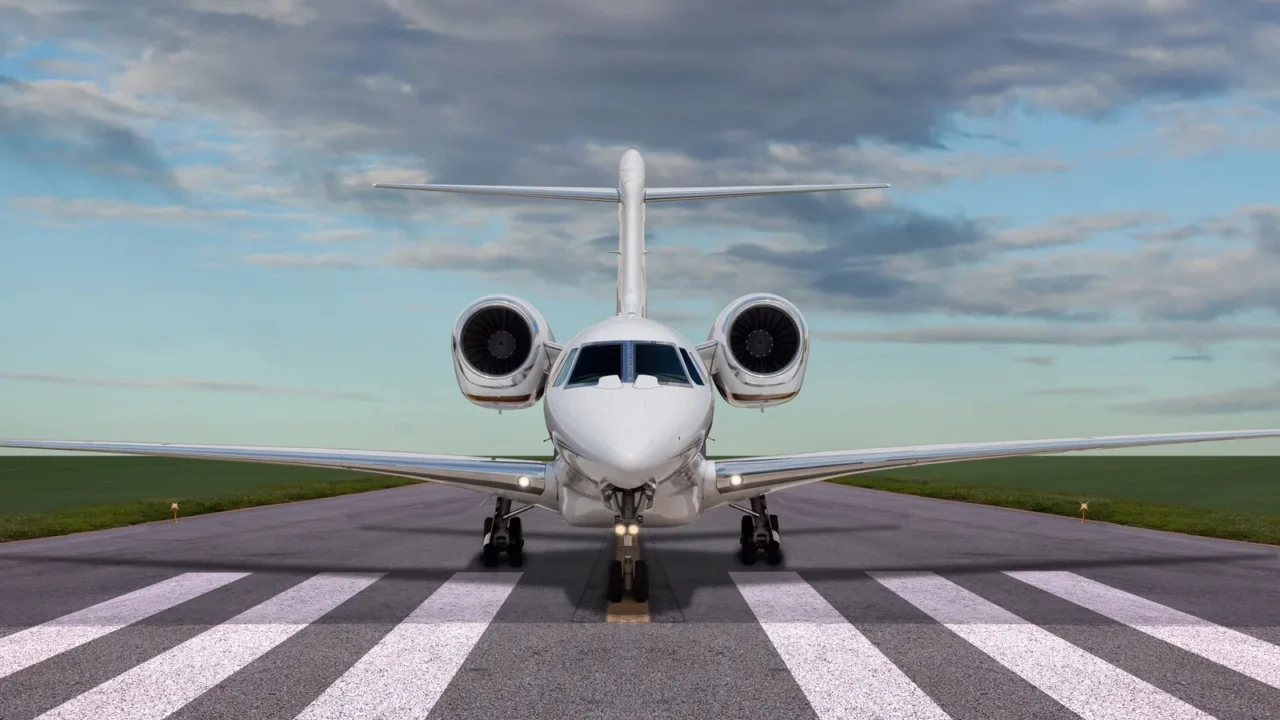
Why governments are pushing it
Part of the motivation for the new taxes is environmental pressure. Private jets and premium flights produce disproportionately high emissions per passenger, so regulators argue these travelers should pay more.
Another reason is revenue generation. Governments see this as a chance to raise funds from wealthy flyers, which can be redirected towards climate action and sustainable development. That dual aim of fairness and finance makes the new taxes politically appealing.
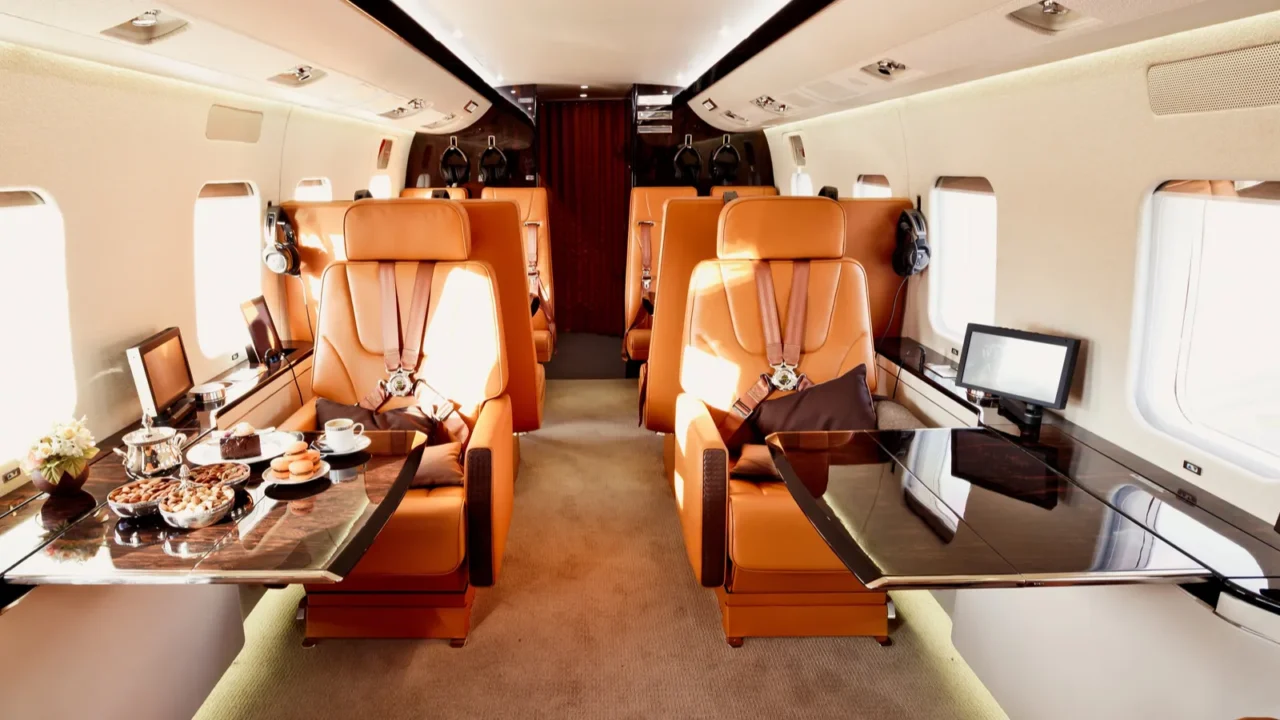
How much costs jump
For a charter flight within Europe on a small turboprop, the new tax adds €210 per passenger. For a longer international destination on a jet, the cost jumps to €2,100 per passenger.
If a group of 10 passengers charters a long-haul flight, the tax bill alone could exceed €21,000, effectively doubling or tripling total trip costs in some cases. Many charter operators warn that these costs are unsustainable for frequent users.
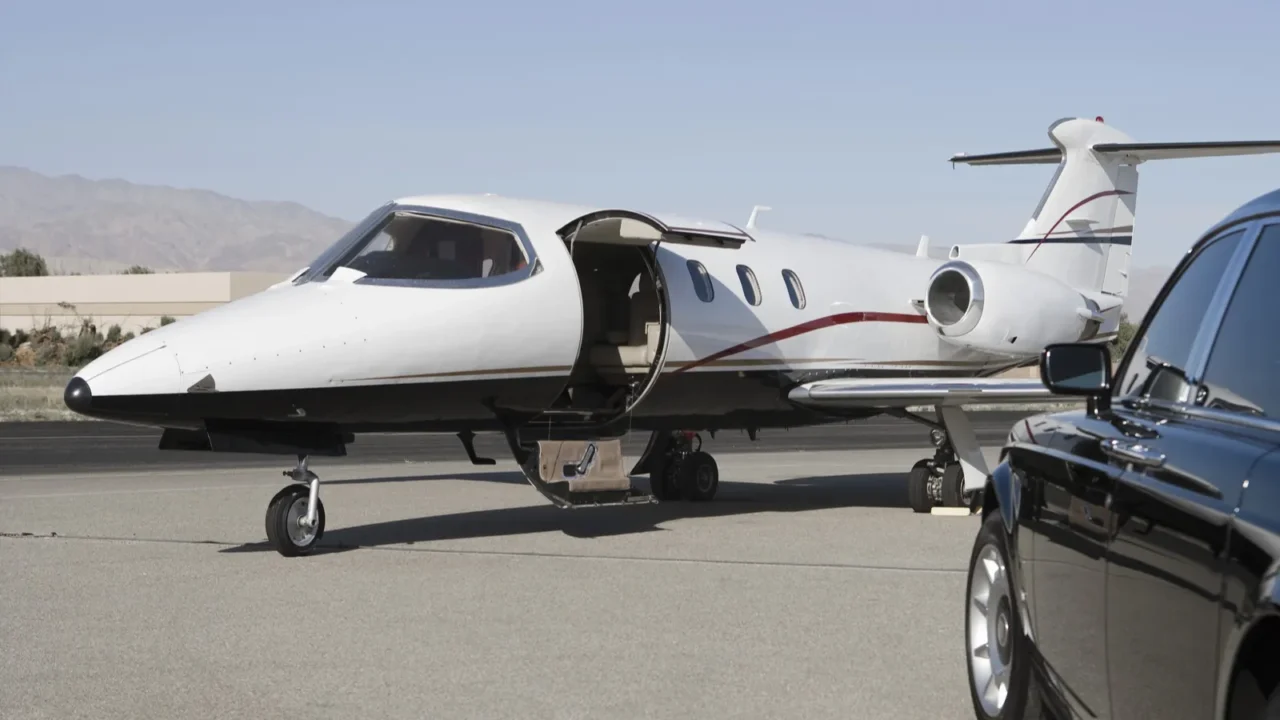
Reaction from aviation industry
Business aviation groups across Europe have voiced strong concern, they say the new levies could drive customers away or encourage informal charter operations. Some warn the policy could threaten jobs and investments tied to private aviation.
Others argue that higher costs may push demand down sharply, leading to fewer flights, less maintenance, and reduced aircraft orders, which could ripple into related industries, from fuel suppliers to ground services, shrinking the economic footprint of business aviation.

Will elites shift to commercial flights?
With private aviation suddenly so costly, some wealthy flyers might consider first‑class or business‑class seats on commercial airlines as an alternative. For many, that could still offer reasonable comfort at a lower cost per trip. The economic incentive is clearer now than ever before.
Some travelers may also turn to near‑luxury commercial travel instead of chartering jets, especially on popular business or holiday routes. If that trend catches on, demand for premium economy or business‑class commercial seats could see a boost. It’s a twist on luxury travel that regulators may have anticipated.
What this means for charter companies
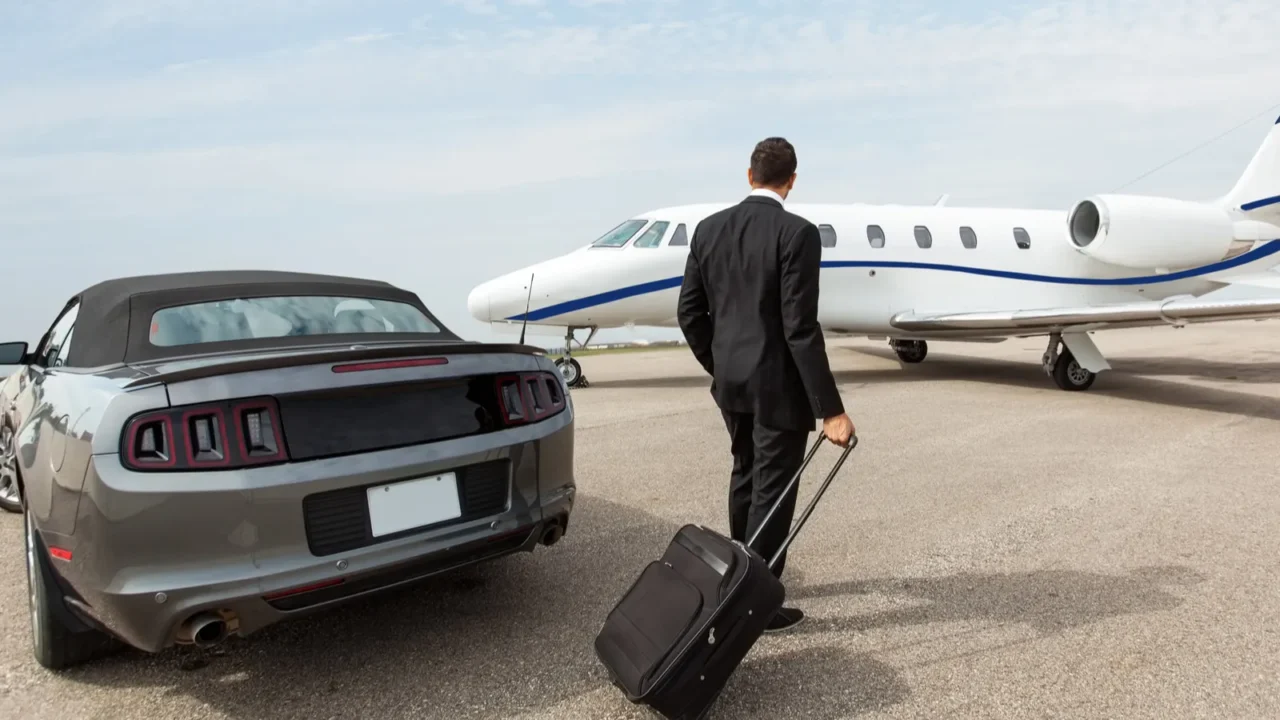
Charter operators may see a drop in private jet demand as customers re‑evaluate costs. Some operators within the EU are already warning of declining bookings.
In response, some companies might re‑register aircraft in lower‑tax jurisdictions outside high‑tax countries to remain competitive. Others could shift focus to non‑EU routes or offer mixed packages blending private and commercial flights. The business landscape is shifting fast under the new rules.

Ripple effect on luxury travel market
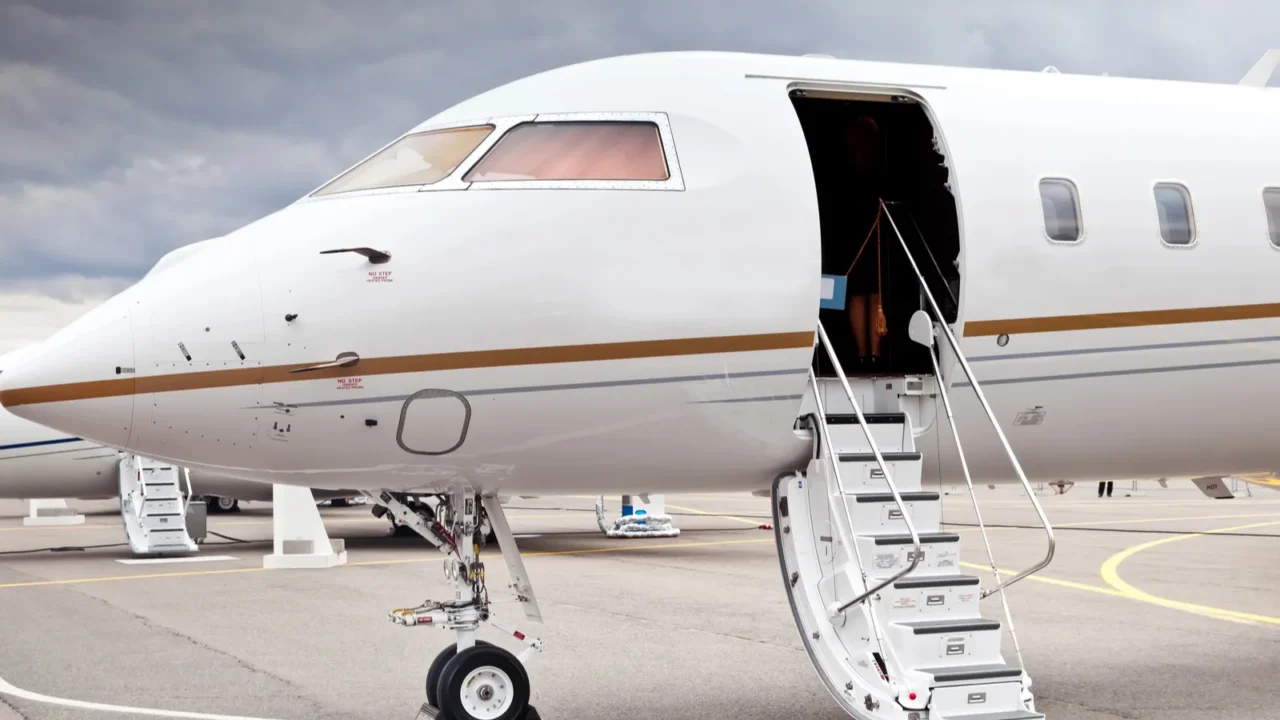
Luxury travel hubs that once depended on high‑spending jet travelers may feel the impact. Resorts, secluded islands, and upscale destinations could see fewer arrivals via private charters. Some local economies might need to adjust to a drop in elite tourism.
At the same time, luxury tourism might pivot to well‑connected destinations that combine high comfort with commercial‑flight access. Upscale hotels near major airports, city‑based luxury getaways, and exclusive “first‑class tourism” could become more attractive than remote estates reachable only by private jet.
Environmental goals behind the move
Policymakers argue that taxing private aviation helps internalize the environmental cost of carbon‑intensive travel. The aim is to discourage ultra‑luxury aviation and promote lower‑emission travel options more fairly.
The broader coalition supporting these taxes sees them as part of a global solidarity effort, one that taxes high‑emitters to fund sustainable development and climate adaptation worldwide. That moral framing gives regulators leverage and public support.

Public response and fairness debate
Public reaction has generally been supportive of the new taxes, with many seeing them as a fair way to hold high‑emission travelers accountable. A 2025 global survey found strong backing for extra levies on premium flights and private jets.
Critics, however, warn that heavy taxation could push flight operations underground or encourage unregulated charters. Smaller operators may struggle or even shut down if demand dwindles. It raises a question about whether taxation alone fixes goodwill or just shifts demand into less transparent channels.
Possible changes across Europe
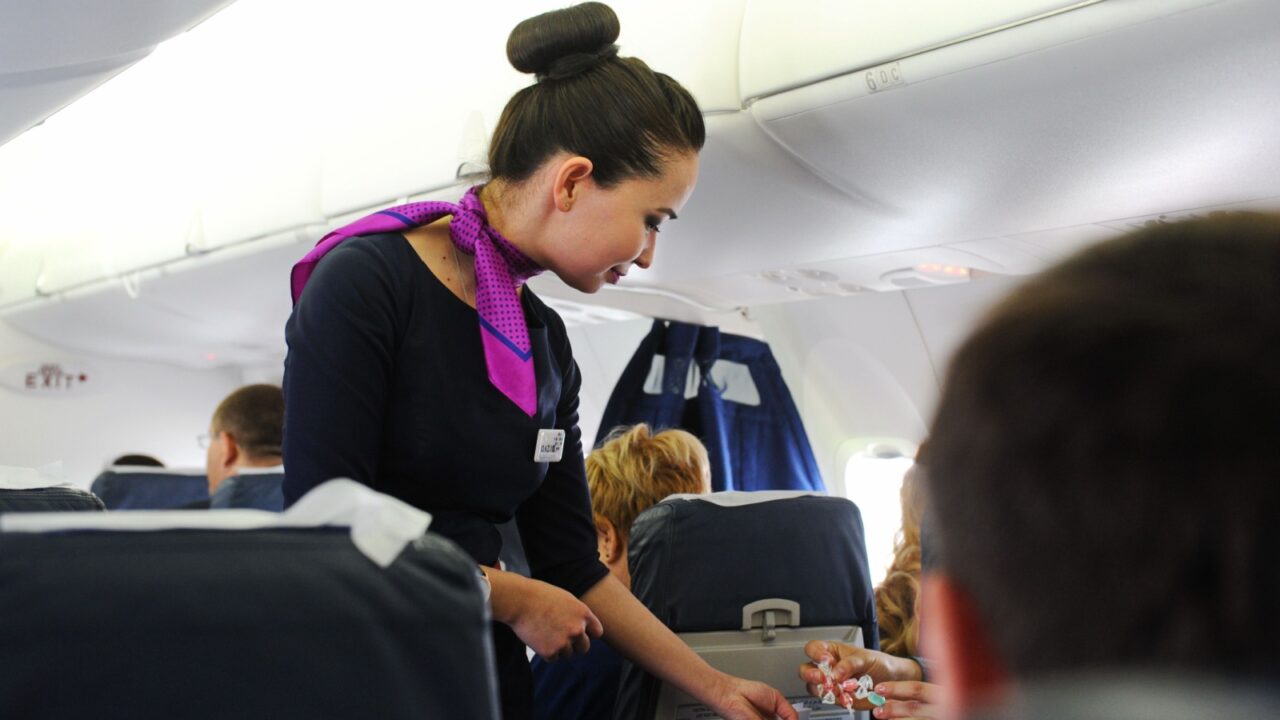
If France and Spain’s model proves sustainable, other European countries may soon follow with similar levies on private aviation. Some UK and Scandinavian tax proposals on business jets and frequent flyers hint at where this could go.
That could create a new norm for private travel: premium commercial flights become the default, while private jets turn into rare luxury reserved for only the wealthiest or those willing to pay heavily. The era of “private jet as lifestyle” may be drawing to a close.

What elites might choose instead
Faced with rising costs, some elite travelers may look to business-class commercial flights as a compromise between comfort and cost. That would mean more demand for premium seats and perhaps pressure on airlines to upgrade their services. Others may lean toward high-end ground travel or luxury trains if available, a shift becoming even more visible as the rise of pet-friendly flights in 2025 and the airlines excelling at it reshapes what premium travel looks like.
Yet some super-wealthy individuals may continue using private jets, willing to absorb taxes for privacy, convenience, or status. Operators may adjust prices or shift routes to avoid high tax jurisdictions, especially as that influences where demand flows. The private aviation industry may fragment between ultra luxury and leaner, more regulated services.

Thinking about travel future
The new luxury aviation taxes across Europe are more than a fiscal tweak, they could reshape who flies how. Jets may lose their shine for many, while premium commercial service could become the new standard. For travelers and industry alike, the next few years may redefine what “elite travel” really means.
Does this shift make sense to you, or does it feel like we’re losing a piece of travel freedom? Drop thoughts in the comments.
Read More From This Brand:
- Spirit Airlines cancels service to 11 U.S. airports in 2025
- Spirit Airlines files for Chapter 11 bankruptcy protection for the second time in a year
- Why don’t any US airlines fly to Fiji?
Don’t forget to follow us for more exclusive content right here on MSN.
This slideshow was made with AI assistance and human editing.
