
Red Sea shakes cruise maps
The Red Sea has always been one of the busiest maritime corridors, connecting Europe, the Middle East, and Asia through the Suez Canal. In 2025, rising tensions and security threats have turned this once‑reliable route into a hotspot of uncertainty for cruise operators. Ships that once sailed these waters freely are now reconsidering their entire itineraries, forcing global cruise routes to change.
Travelers are noticing the impact as classic cruises get rerouted or delayed, while new destinations gain attention. This sudden shift is shaking up the cruising industry and altering long‑planned vacations. Let’s dive in and explore how the Red Sea tensions are reshaping global cruise travel!
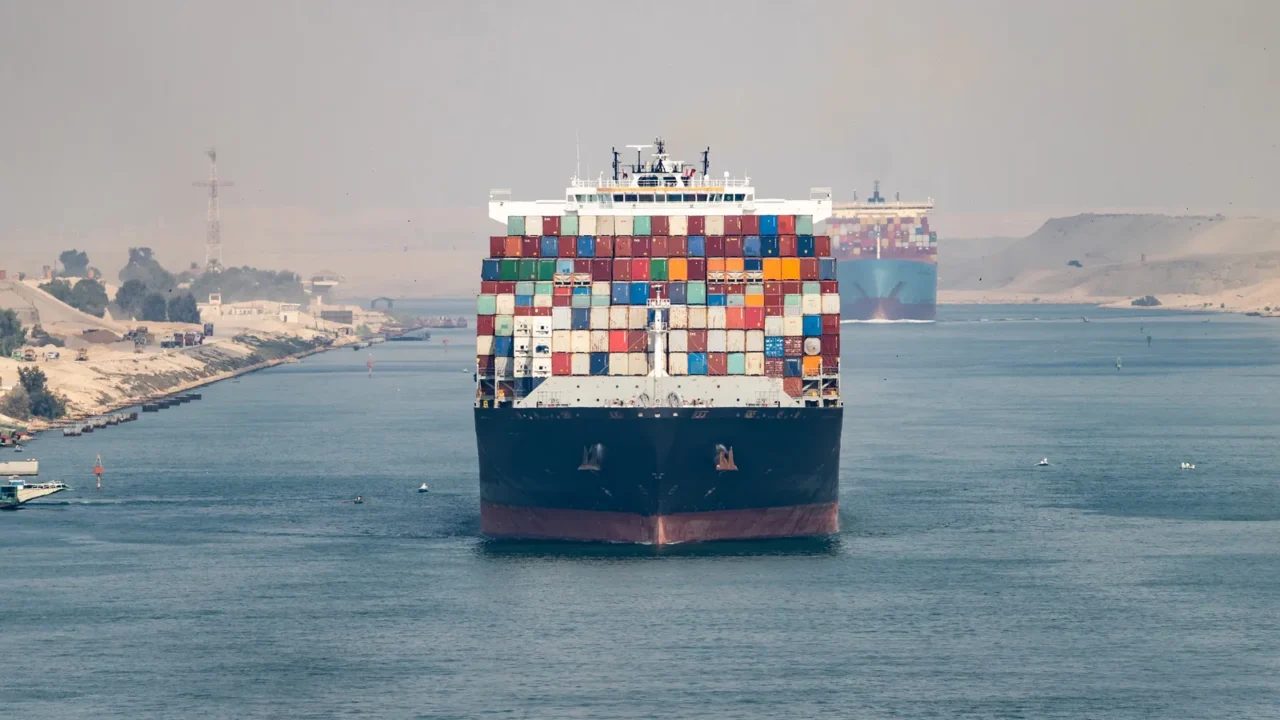
Why the Red Sea matters
The Red Sea once served as a key shortcut connecting Europe, the Middle East, and Asia via the Suez Canal. It made many cruise and shipping routes efficient and appealing for both travelers and operators. That changed when security threats surged, making the route far less safe.
Global maritime traffic dropped sharply in the region as hazards grew. Reports show many cruise lines stopped using the Red Sea passages entirely. The risk to passenger ships forced a rethink on traditional cruising corridors.
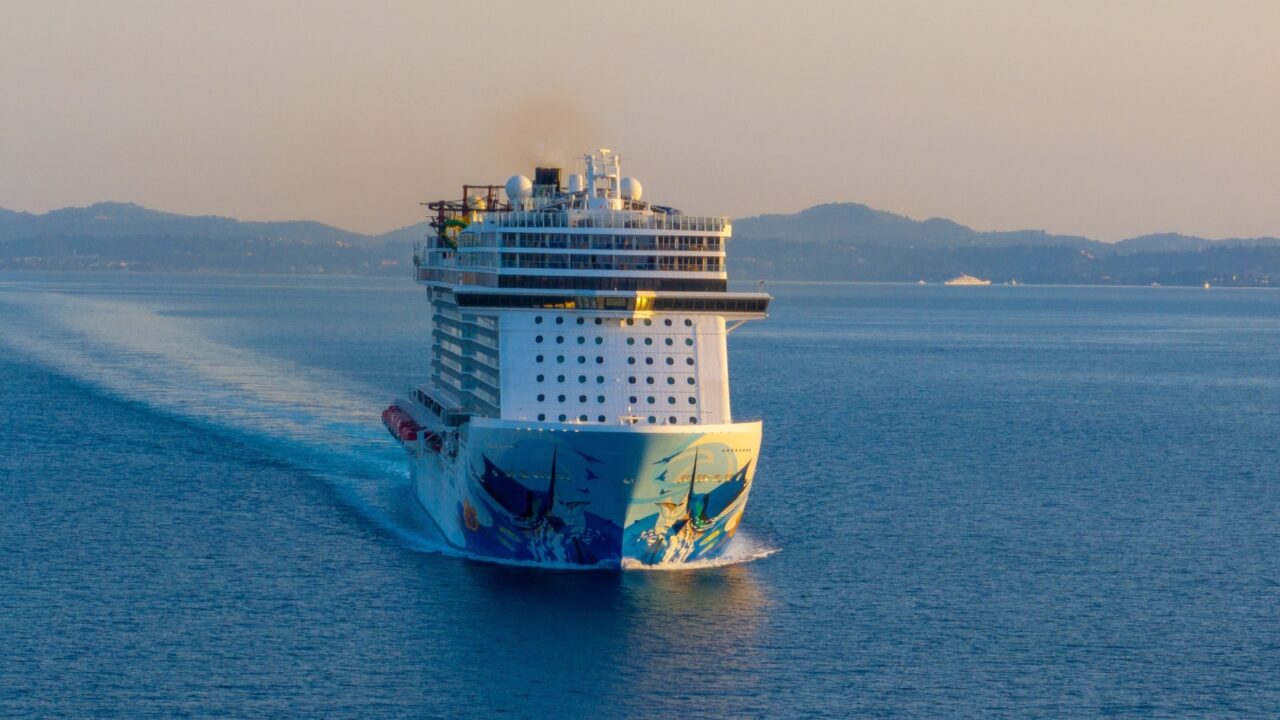
What triggered the reroutes
The growing number of attacks by militant groups in the region made the seas unsafe for commercial and leisure vessels. Cruise operators responded quickly after evaluating the threats, aiming to keep travelers and crews safe. The danger simply outweighed the convenience of the route.
With rising war‑risk insurance rates and repeated incidents, many lines decided it was smarter to reroute or cancel sailings. The instability has had a lasting effect on how cruise companies plan deployments.
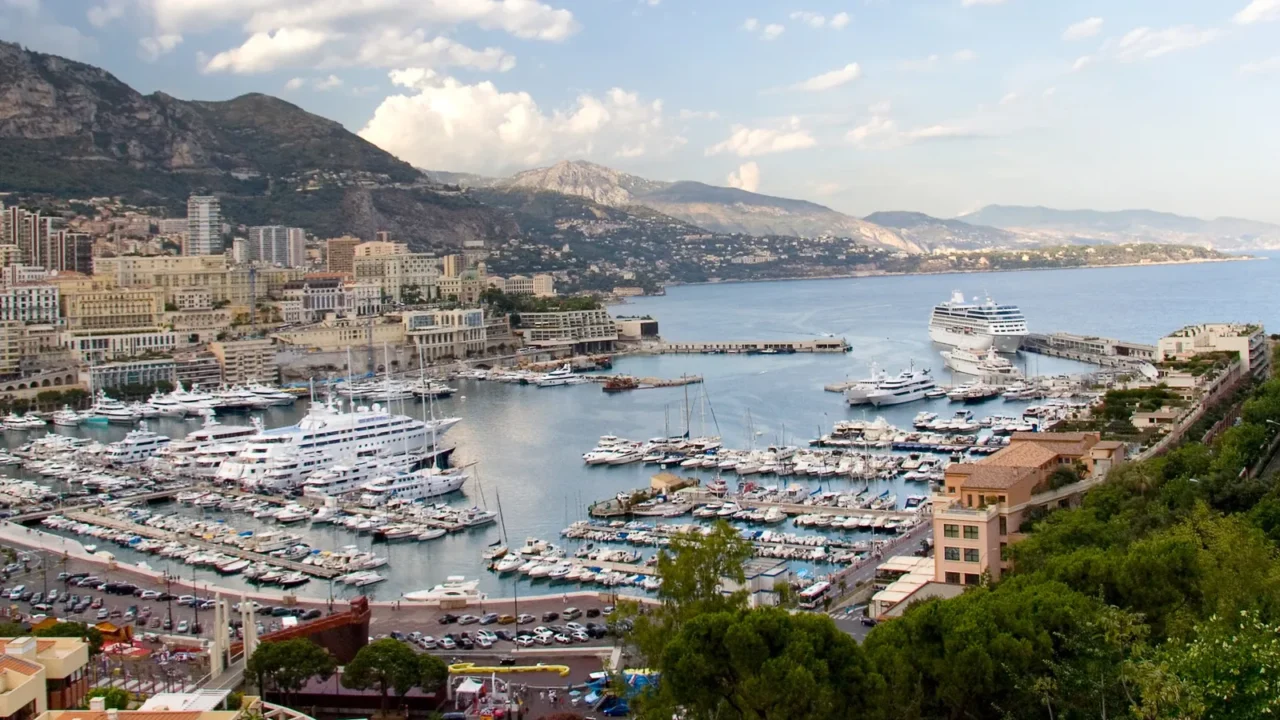
Cruise lines shift away from Red Sea
Major cruise companies have cancelled or altered their plans in 2024 and 2025 to avoid the region entirely. Some ships once meant to pass through the Red Sea are now sailing around Africa instead. This has become the new norm for many itineraries.
Even flagship voyages have been affected; ships that used to connect the Middle East and Asia now detour via longer, safer routes. Cruises from Dubai, Jeddah, or the Gulf ports are getting delayed or rerouted through alternate ports.
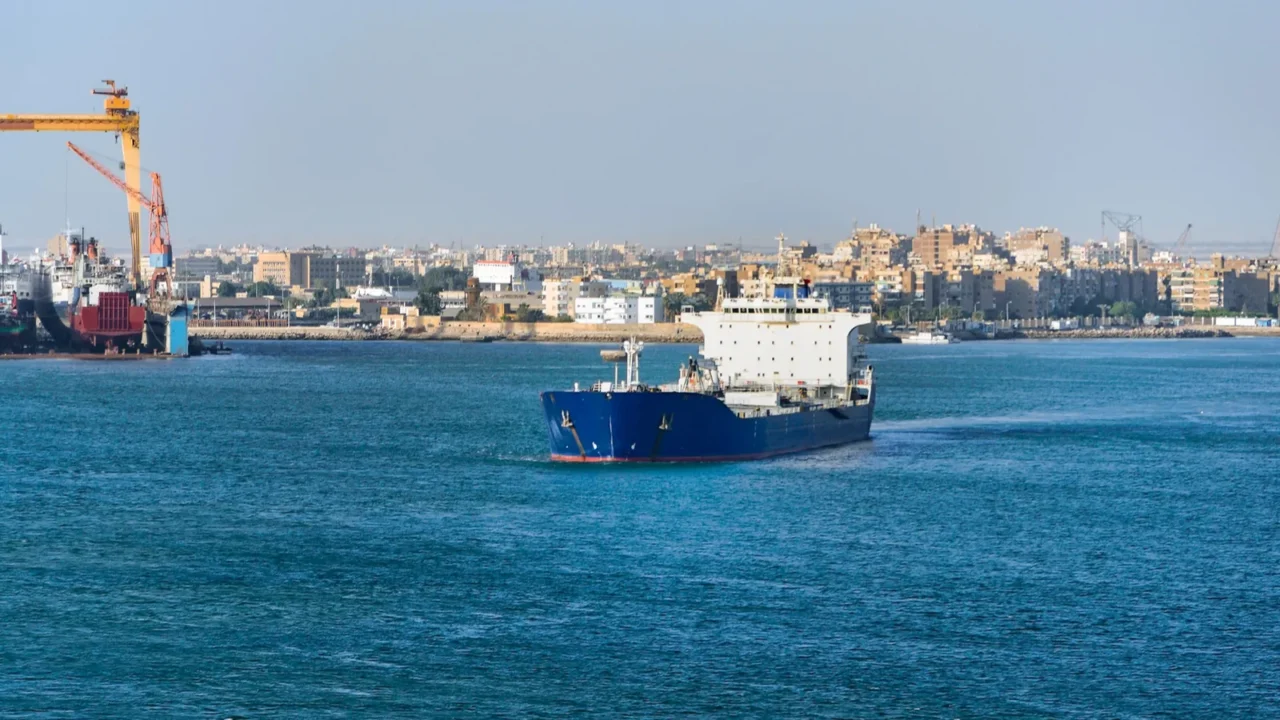
More time, bigger costs
Going around Africa instead of through the Red Sea adds many extra days to journeys. Cruise operators face higher fuel and operational costs as routes get longer and more complex. The cost burden has grown significantly for many lines.
For some ships, the detour means sailing without passengers, a financial loss in itself. That raises questions about whether the detour makes sense long-term for some cruise companies.
Rerouting in 2025 season
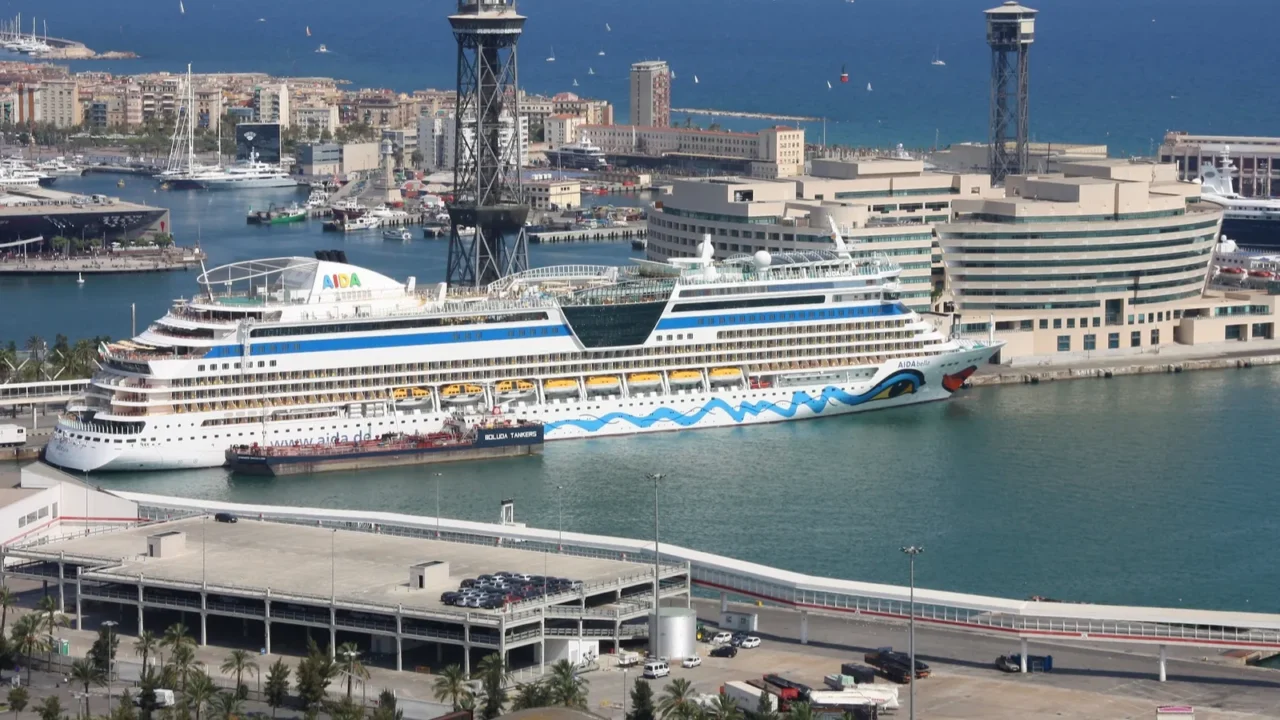
One big name, Carnival Corporation & plc, rerouted 12 ships across seven brands that had been scheduled to transit the Red Sea through 2025. Their decision was based on security consultations and current danger assessments.
Likewise, Princess Cruises announced that some of its ships will bypass the Red Sea entirely this season. Instead, they will sail via Africa and other safer seas.
Ripple effects on ports and regions
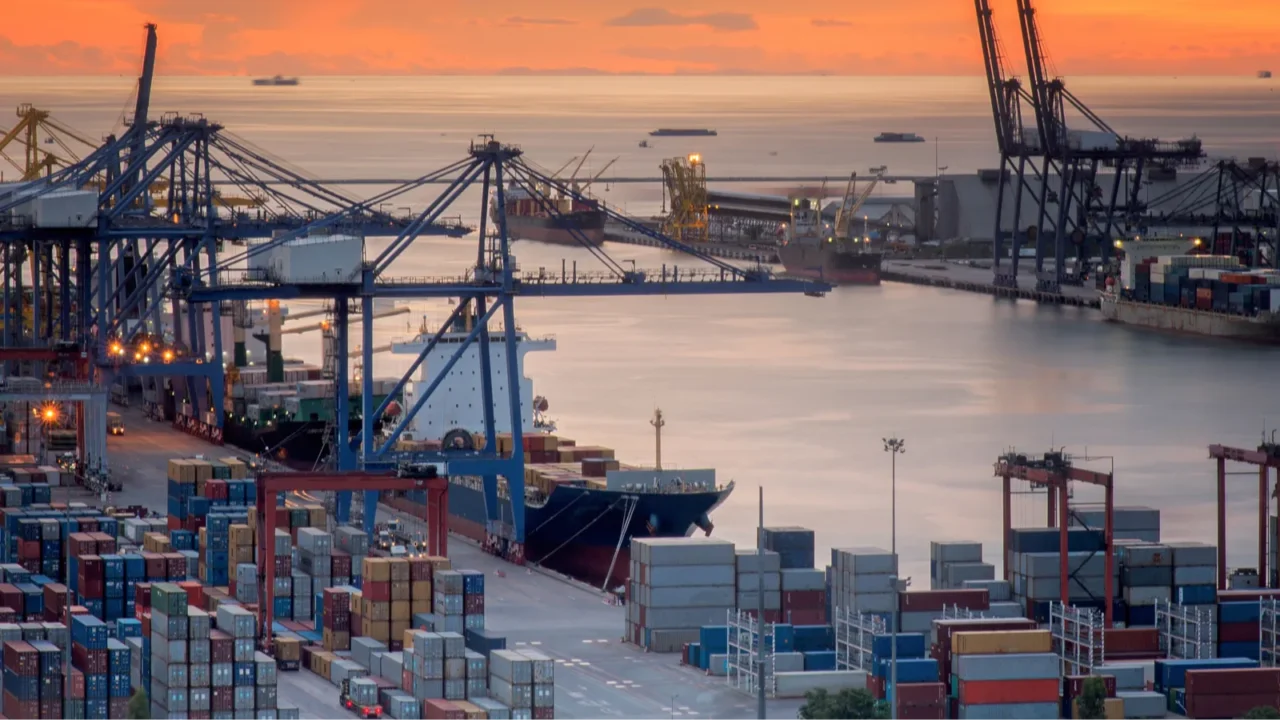
Ports along the Red Sea and Gulf region have seen dramatic drops in calls and cruise‑related traffic. That has hurt local economies dependent on tourism and port revenues. The ripple effects are hitting many businesses tied to cruise tourism.
As traffic shifts toward the Mediterranean, Indian Ocean, and African West Coast, new ports get more attention. Some regions may benefit from the detour, but infrastructure often lags the surge.
Industry long-term recalibration
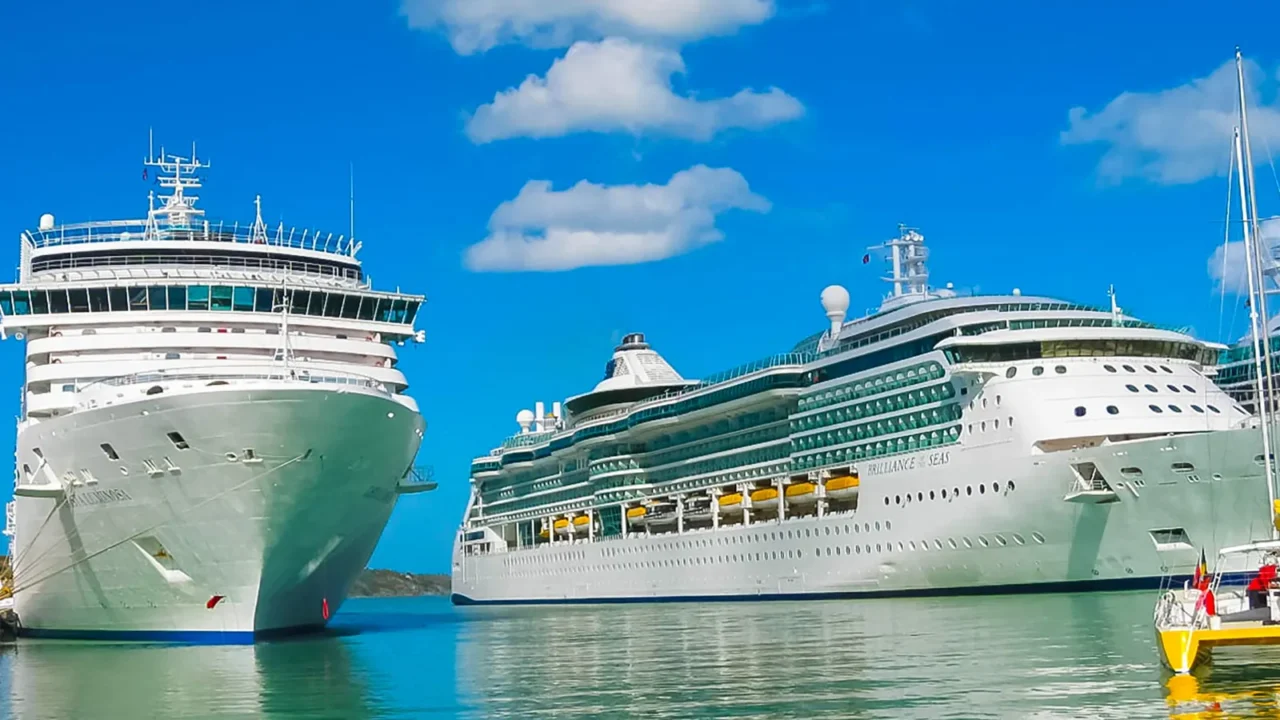
Because cruise itineraries are often planned years, the shift away from the Red Sea isn’t a short‑term blip. Some operators say they won’t resume regular deployments until 2027 or 2028.
That long lead time means the current 2025–2026 seasons will likely stick with altered, Africa‑centric, or Mediterranean routes. Cruise providers are treating current changes as part of a long‑term recalibration.
What travelers must expect now
Travelers looking to cruise the Middle East or Red Sea region may find fewer options or altered itineraries. Some classic cruises are gone, replaced with longer voyages via Africa or different sea zones. It’s a different cruising world now.
Schedules may be longer, fewer port stops in certain regions, and more time at sea, but operators are prioritizing safety. For many travelers, that means tradeoffs: longer travel time, but safer passage.
Environmental and trade ripple effects
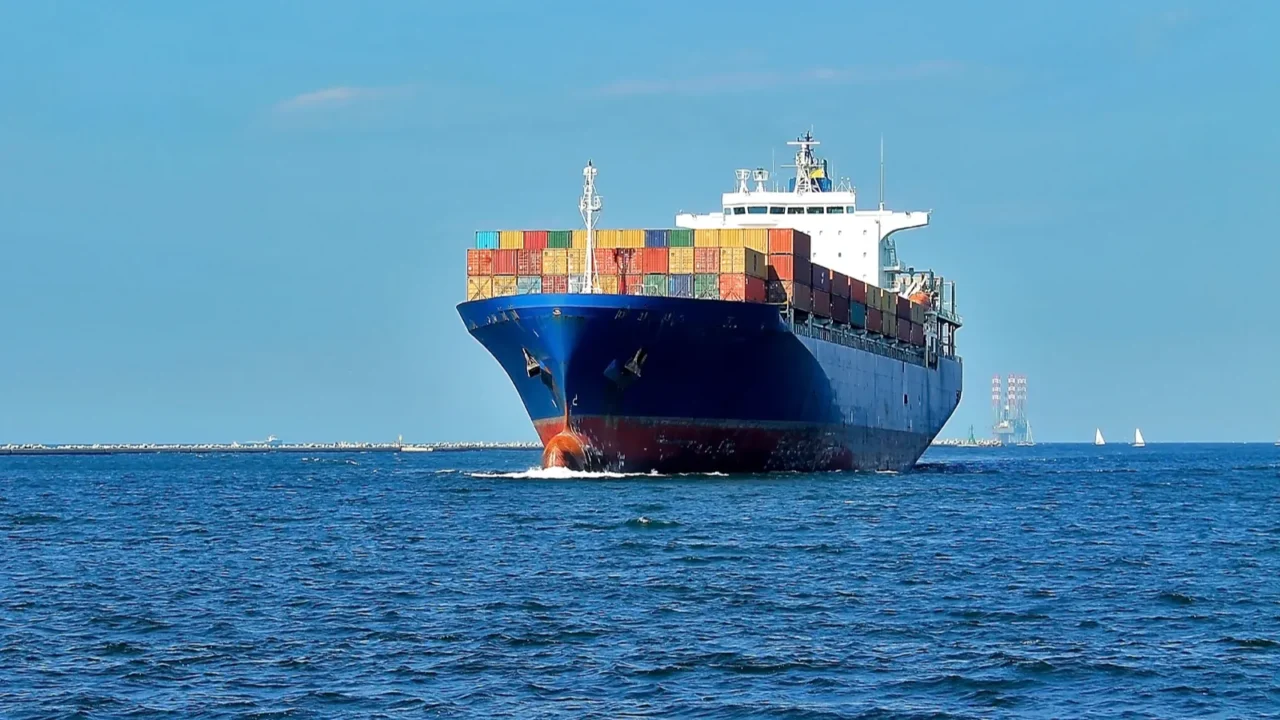
Rerouting ships around Africa increases fuel consumption, which raises demand for bunker fuel at alternate ports. That shift impacts fuel markets and global shipping emissions. The detours are not benign for the environment or global trade costs.
Global supply chains also feel pressure, shipping delays, longer transit times, and higher freight rates ripple through goods movement worldwide. Cruise changes reflect part of a broader maritime reshuffle.
Are alternate routes enough?
Some cruise operators are trying to fill the gap by focusing on Africa‑centric itineraries. But many African ports lack the infrastructure to support large cruise ships properly. That limits the appeal of rerouted cruises for high‑end travelers.
For now, these alternate routes help keep things moving, but lasting recovery depends on upgrades in port facilities and regional stability. It’s a work in progress, not a perfect fix.
What industry watchers say
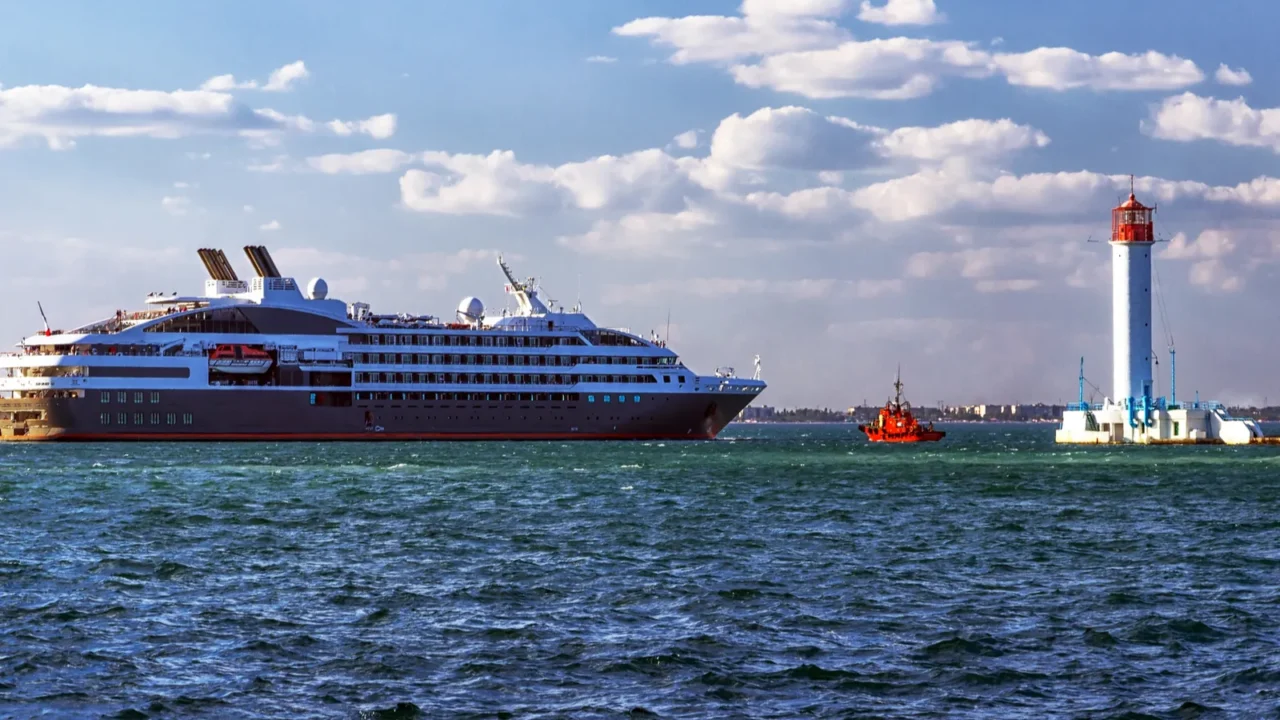
Leaders in the cruise business warn that the crisis could reshape global cruising patterns for years. They highlight that until security improves, the Red Sea will remain largely off-limits for major cruise traffic, even as multi-month cruises are becoming the new retirement trend, drawing older travelers toward longer, safer, and more predictable routes.
Some see a slow return only in 2027–2028, if peace holds and ports are ready. Until that happens, most cruise traffic will avoid the Red Sea entirely.

Travelers should stay flexible
Cruise fans who follow itineraries should expect changes, reroutes, and longer voyages for now. Booking a cruise may still be possible, but plans might shift with little notice. Travelers and cruise lovers should stay alert and open to alternatives.
What do you think? Are there alternate routes or destinations that seem promising now, or is the Red Sea region something travelers should skip for a while? Drop your thoughts in the comments.
Read More From This Brand:
- How the monsoon off-season is redefining luxury travel from Beverly Hills to Bali
- Seaside boardwalks in the USA that bring back endless summer energy
- How the Caribbean is rebuilding and welcoming visitors again after the storm season
Don’t forget to follow us for more exclusive content right here on MSN.
If you liked this story, you’ll LOVE our FREE emails. Join today and be the first to get stories like this one.
This slideshow was made with AI assistance and human editing.
Disclaimer: The images used are for illustrative purposes only and do not depict the actual locations mentioned.
