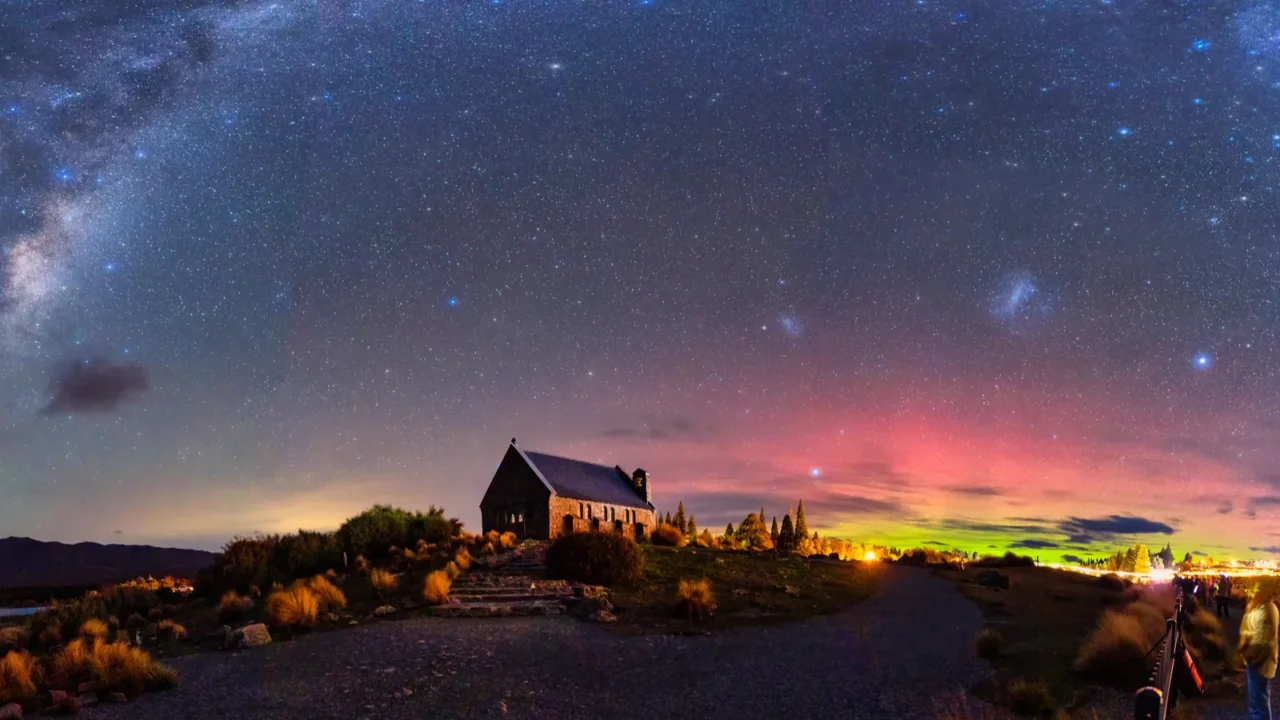
Southern lights surprise viewers
The Southern Lights have been appearing in places that usually never see them, which has created a sense of excitement across the Southern Hemisphere. These unexpected sightings happened after unusually strong solar activity lit up skies far from typical polar regions. Many travelers and locals described the moment as surreal because the bright colors arrived without warning and transformed ordinary nights into unforgettable scenes.
The growing interest around these sightings has encouraged more people to keep an eye on real-time space weather alerts to see if another show might appear. The idea that a calm night could suddenly turn into a glowing spectacle makes this phenomenon even more thrilling. With so much curiosity building, this is the perfect moment to explore why the lights are spreading and what travelers should know. Let’s dive in!
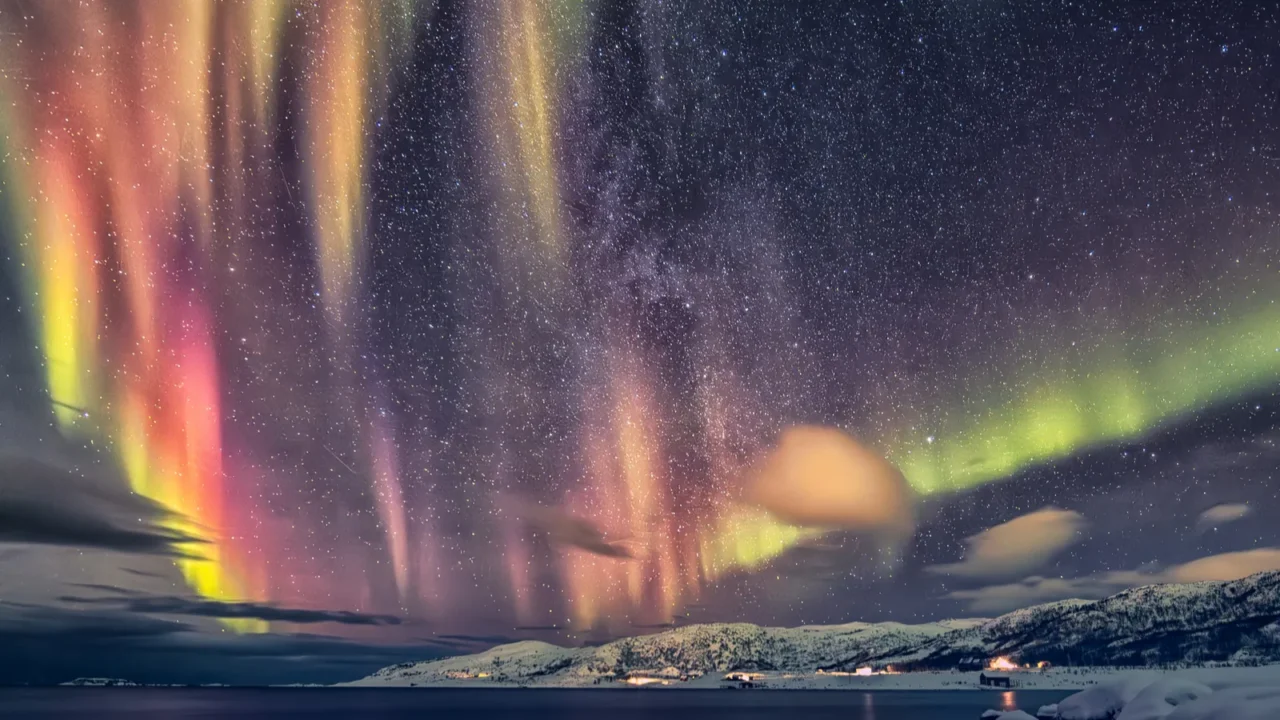
What causes the Aurora Australis
Auroras appear when energized solar particles reach Earth and collide with atmospheric gases, which produce glowing colors that stretch across the sky. These reactions create greens, purples, blues, and reds that shift in soft waves or bright streaks. During stronger solar events, these colors become much more vivid, making them easier to see even from regions farther north.
The current solar cycle is near its peak, which means the sun is sending out more intense bursts of energy than usual. Because of this peak activity, auroras have a better chance of spreading beyond typical latitudes and surprising travelers in new locations. This pattern explains why so many bright displays appeared throughout 2025.
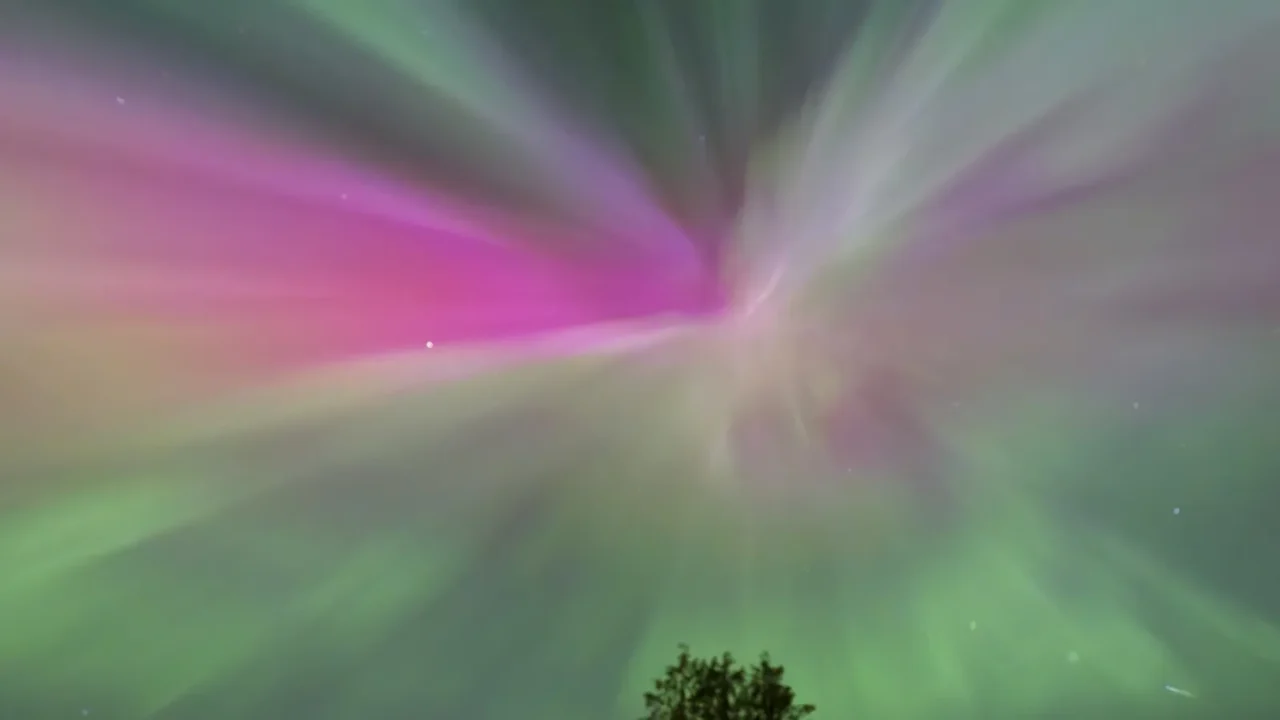
2025 saw big aurora events
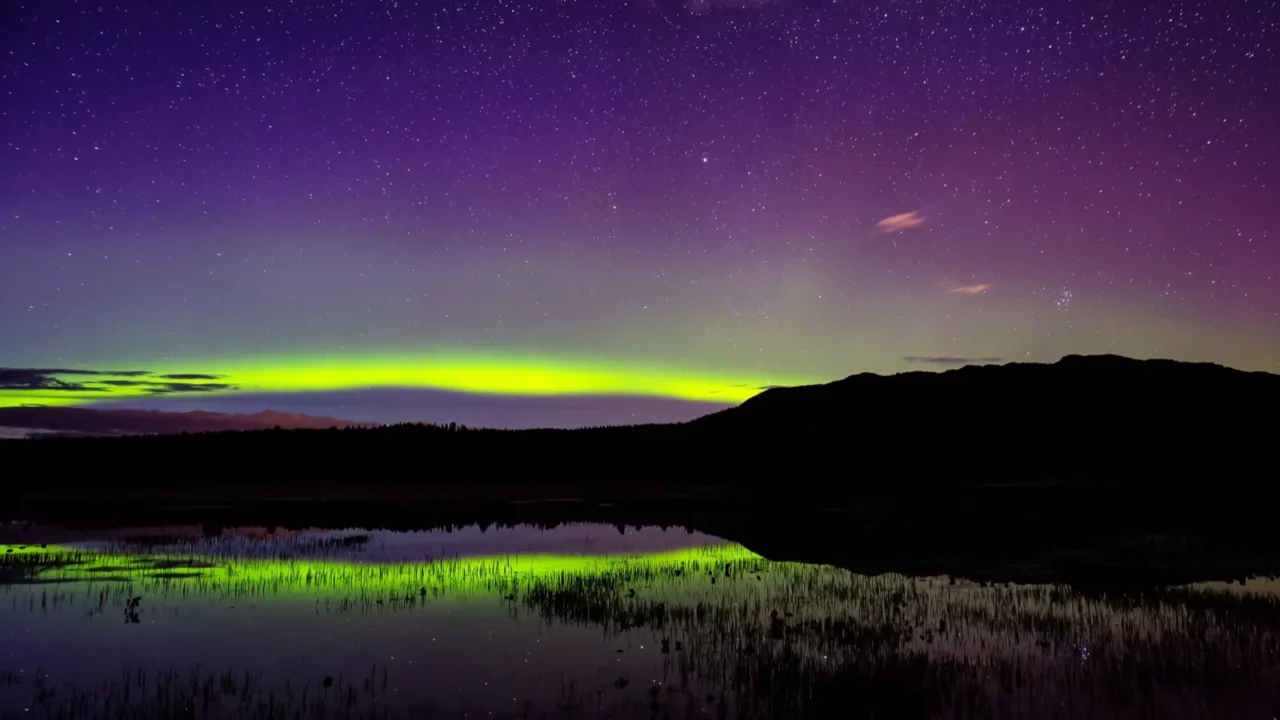
During the first half of 2025, the Southern Lights lit up skies across Tasmania and the southern parts of mainland Australia with remarkable intensity. Some displays were so bright that travelers saw them without using cameras or long exposure tools. Even communities near urban lighting reported colorful glows stretching over the horizon.
Astronomers linked these dazzling shows to a powerful geomagnetic storm that reached a G4 level, which is strong enough to shift the auroral oval significantly. These conditions allowed lights to appear in places that rarely experience such events. The storm helped create one of the most memorable Southern Lights seasons in recent years.
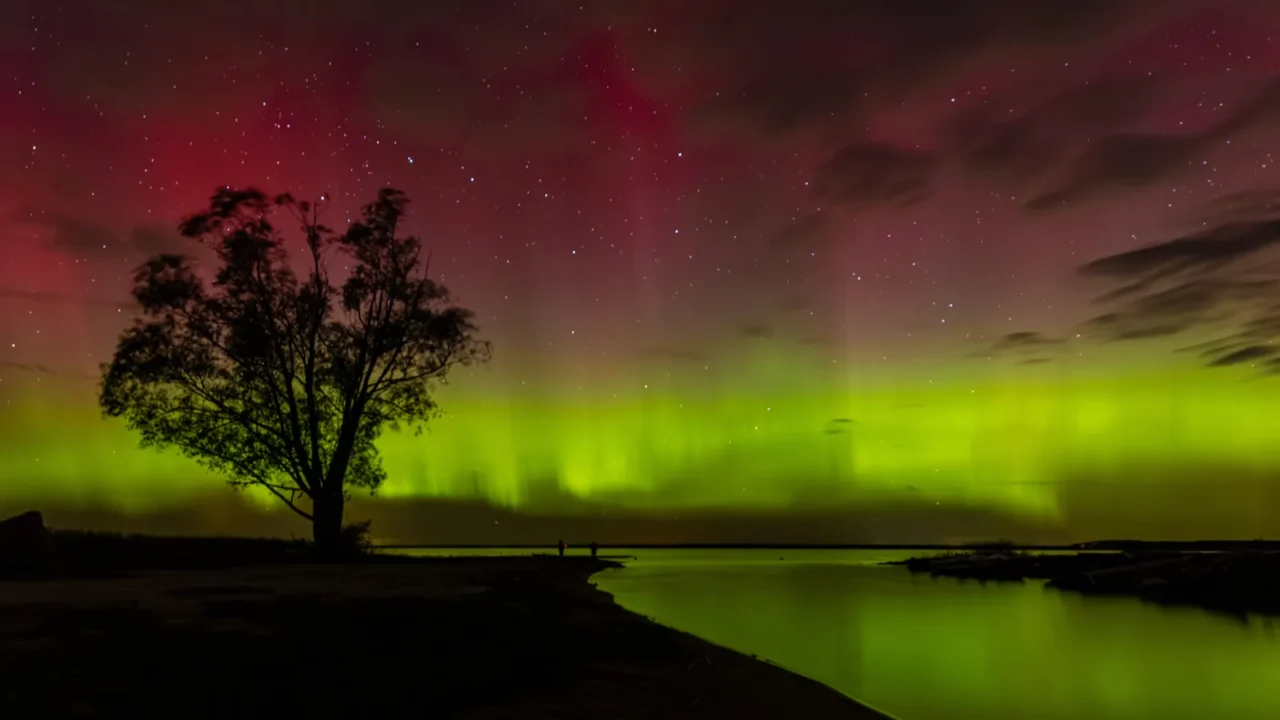
Where to look tonight
Travelers hoping to catch the lights have the best odds in Tasmania, Victoria, South Australia, and the southern areas of Western Australia. These regions sit closest to the active part of the auroral oval, which increases the chances of a visible display. Even on nights when activity seems low, these places often see faint glows that reward patient watchers.
When solar activity spikes, the lights can stretch farther north than expected, giving travelers in New South Wales and sometimes southern Queensland a surprising chance. Although these events are rare, they often become viral because locals do not usually expect to see auroras at those latitudes. Watching forecasts closely can make the difference between missing and catching a rare sight.
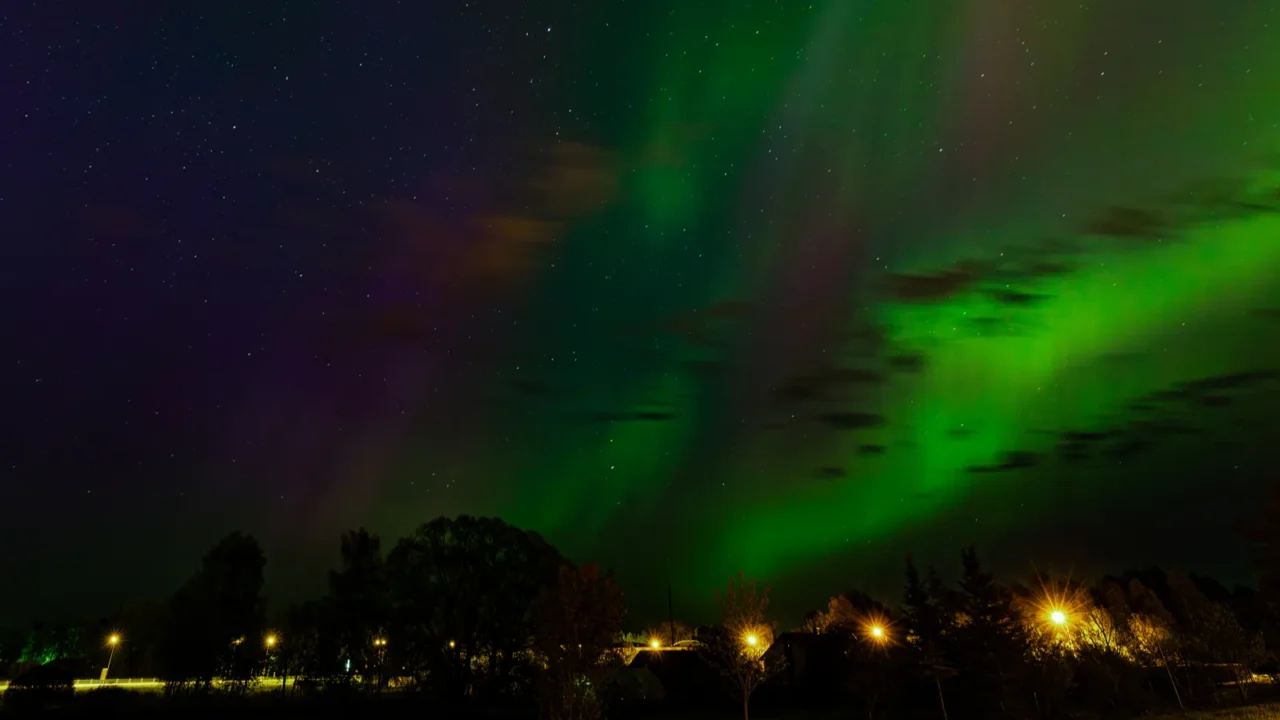
When to head outside
The best viewing hours fall between ten at night and two in the morning because those are the darkest times with the least interference from lingering sunlight. Many experienced watchers recommend staying out for at least an hour to let eyes adjust and increase the chances of spotting movement in the sky. Even faint activity can turn stronger if solar conditions shift suddenly.
The ideal months are winter and early spring, when nights are longer, and cloud cover can be lower in certain regions. Solar storms do not follow seasonal patterns, which means surprises can happen anytime during the year. Travelers who track forecasts often succeed even during months that are not traditionally popular for aurora hunting.
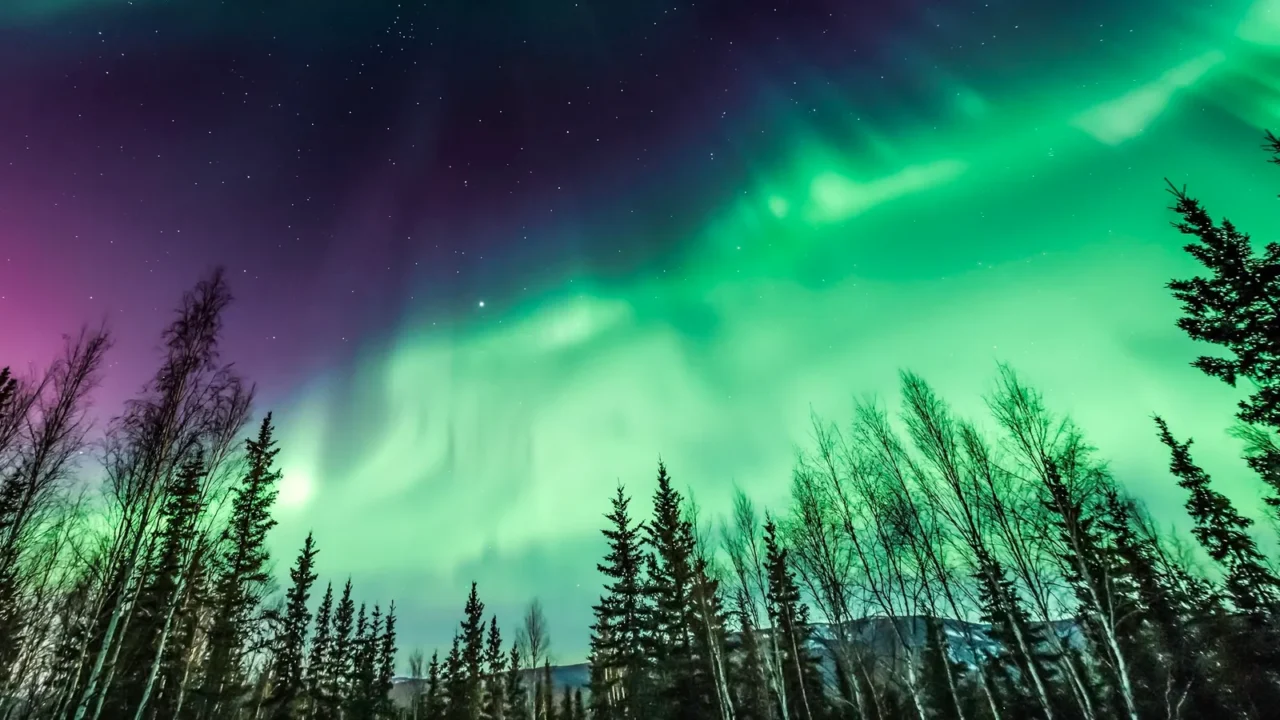
What it might look like
When displays reach full strength, the lights stretch across the horizon with bold greens mixed with purples and occasional bursts of red. These colors shift in slow motions that resemble curtains, waves, or ribbons spreading through the sky. Many travelers say the lights look even brighter in photos, because camera sensors pull out colors the eye struggles to process in real darkness.
On calmer nights, the aurora might appear as a soft glow without strong shape or movement, but these gentle displays are still beautiful for photography. Long exposure settings help reveal hidden purples and reds that are not immediately visible. As long as the skies stay clear, even mild activity creates memorable scenes.
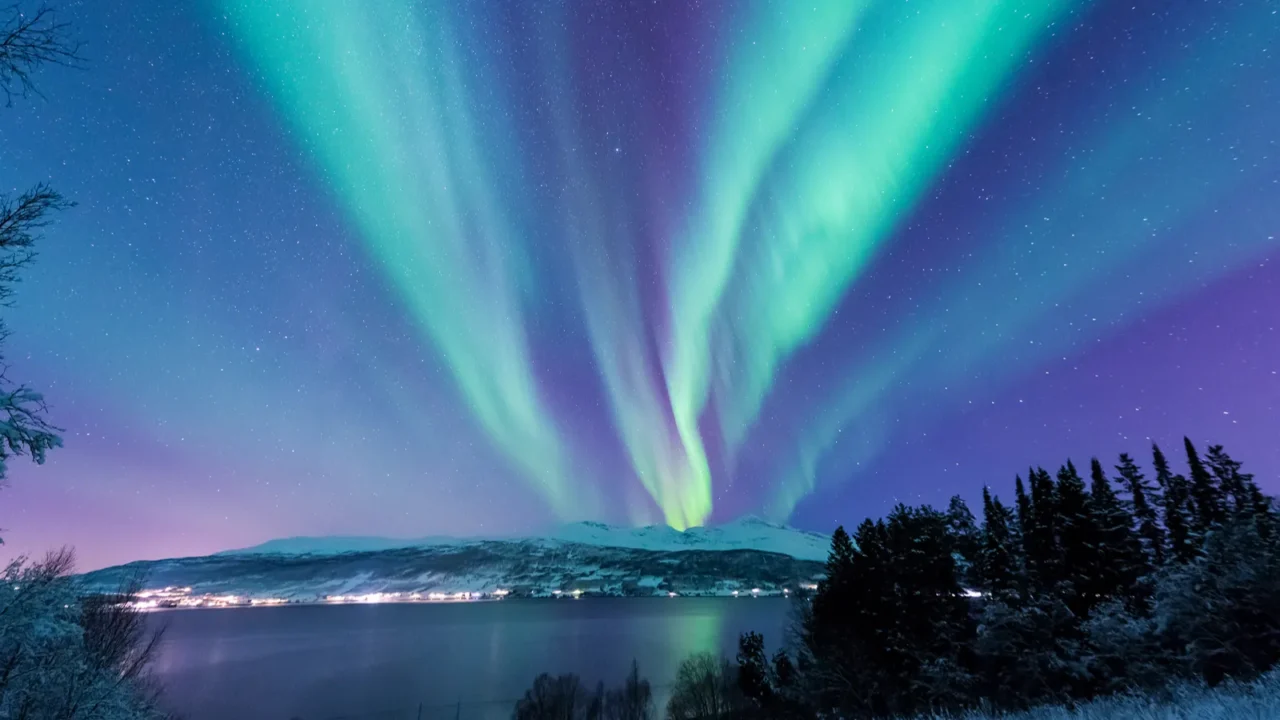
Why 2025 is a great year
The solar cycle has reached its most active point, which means the sun is sending out more charged particles toward Earth than it does during quieter years. This activity greatly expands the auroral oval and makes the lights visible across wider regions. Many experts believe this surge will continue producing strong displays throughout the year.
Researchers say this could be the brightest and most widely visible aurora season in two decades. With the solar peak expected to gradually decline after 2025, travelers might not experience displays of this intensity again for years. This has encouraged many to head out and make the most of the current window.
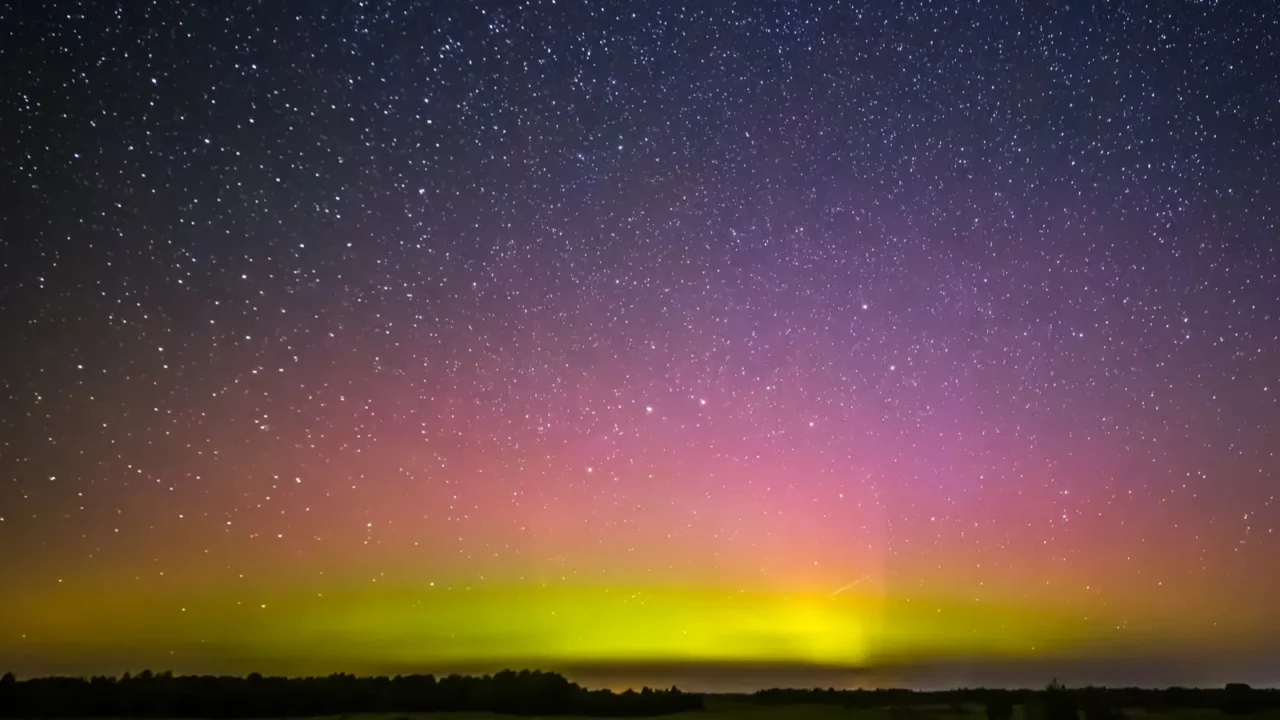
Rare sightings beyond the south
Several auroras this year stretched into regions that are normally too far north to see any color at all. Towns in New South Wales and southern Queensland reported faint but visible glows after strong geomagnetic storms pushed the oval far beyond its usual boundaries. These moments became major talking points because locals described them as once-in-a-lifetime.
While these events remain rare, they prove how powerful solar storms can temporarily reshape aurora visibility patterns. When conditions align perfectly, and cloud cover stays low, even regions with no history of auroras can experience short bursts of color. Space weather experts say this year’s storms created some of the most widespread aurora sightings in recent memory.
Tips to boost your chances
Travelers should look for open areas without streetlights, because light pollution makes faint auroras impossible to spot. Beaches, rural fields, and high viewpoints often work best because they offer a clear southern horizon. A location away from cities increases the chance of seeing both bright colors and subtle movements in the sky.
Keeping an eye on real-time geomagnetic alerts can make a noticeable difference, especially when storms appear suddenly. Websites and astronomy groups often share warnings when conditions reach levels that support visible auroras. The more prepared travelers are, the greater the chance of catching a rare display.
What to bring along
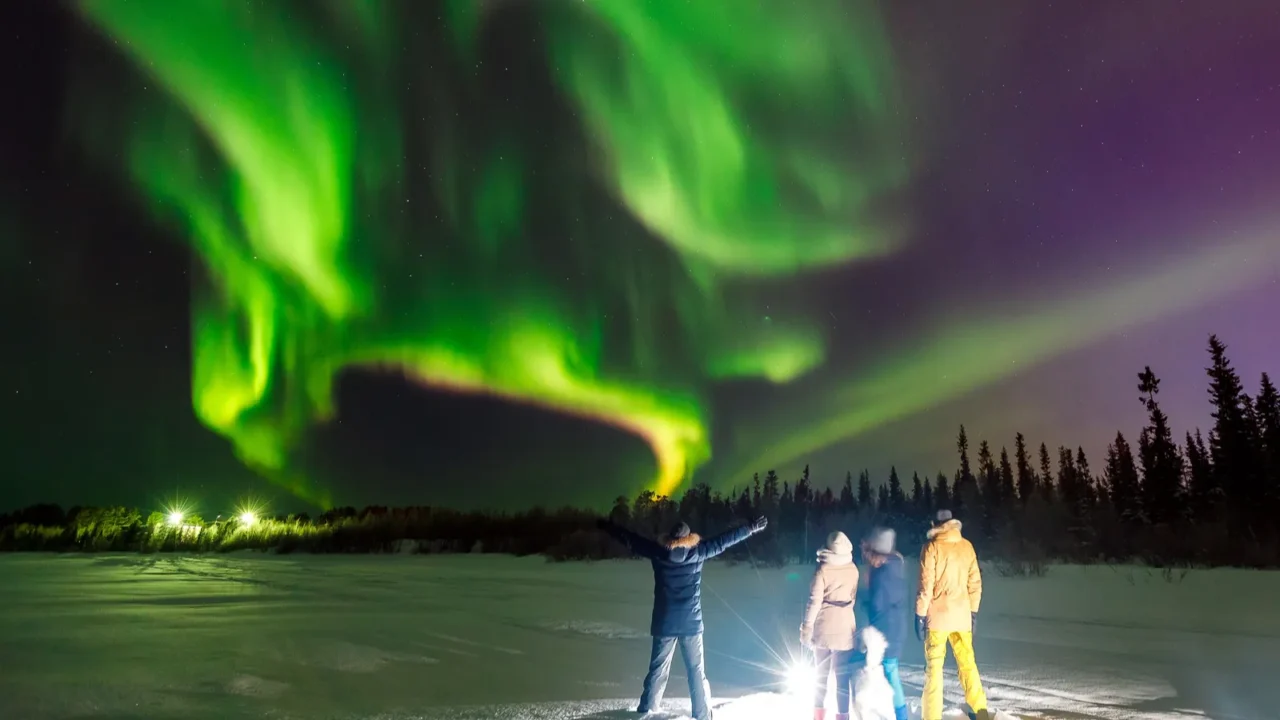
A tripod and a wide lens help stabilize long exposure shots, which bring out details that the eye might miss at night. Even basic cameras can capture strong colors if the settings are adjusted properly for low light. Those planning to stay out for long periods benefit from extra batteries because cold temperatures drain them quickly.
Warm layers and comfortable boots make the wait more enjoyable, especially on windy or chilly nights. A red light headlamp preserves night vision while helping travelers move around safely in the dark. Patience is key because auroras often appear in waves rather than one long show.
Respect the night sky
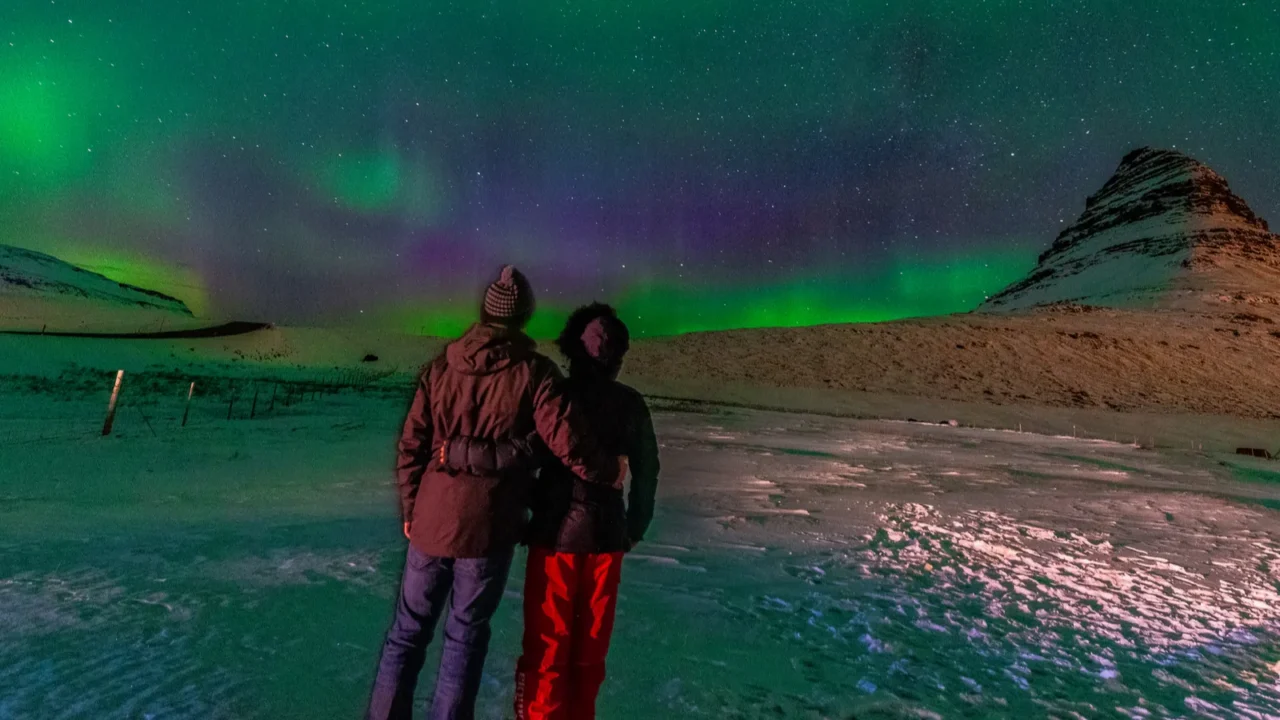
When travelers visit remote lookout points, it helps to stay mindful of native wildlife that may be sensitive to noise or bright light. Flashlights should be kept low or covered to avoid disrupting the environment. This respectful approach helps preserve these spaces for future skywatchers.
If the location is close to private property or small communities, travelers should avoid loud gatherings or unnecessary light. Staying thoughtful builds trust with locals who often share the best viewing spots. Keeping nature undisturbed ensures the experience remains peaceful and special for everyone.
What the lights remind us
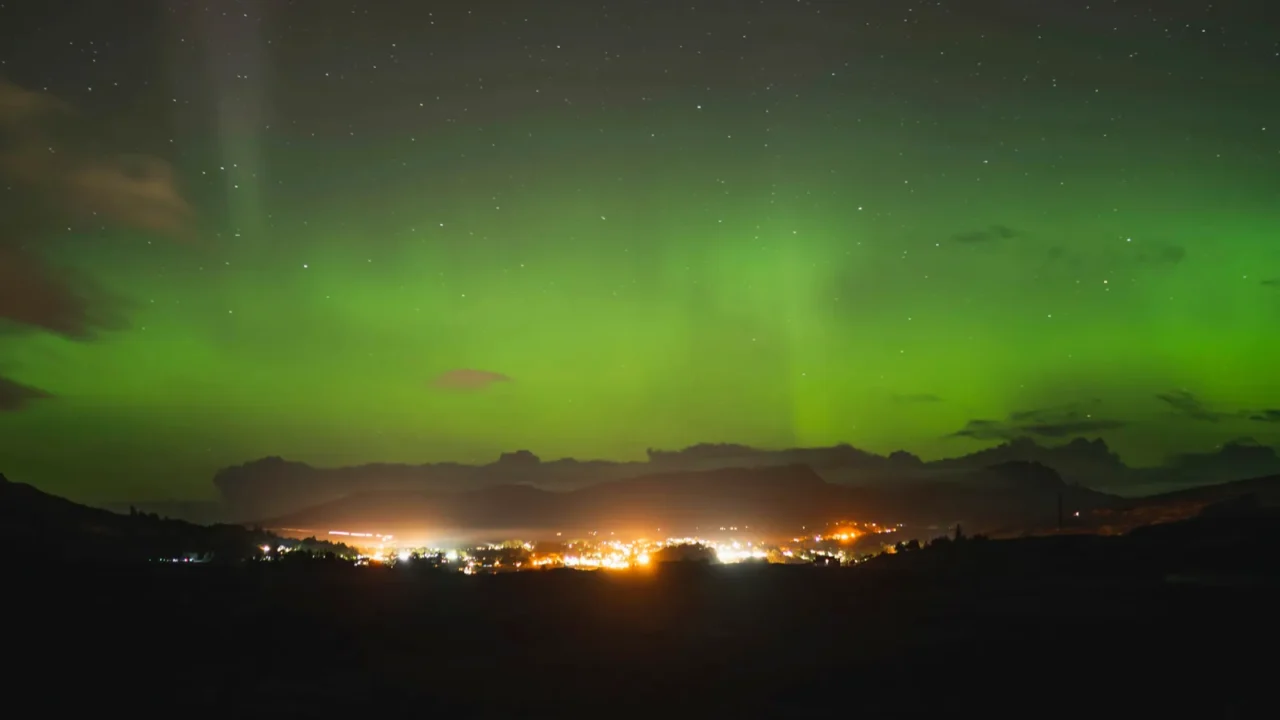
The Southern Lights show how closely Earth is connected to the sun and how quickly the sky can change when its energy reaches our atmosphere. These displays create moments of awe that help travelers feel more connected to the natural world. Many describe the lights as calming because they highlight beauty that cannot be controlled or predicted.
With solar activity still at its peak, more people across the Southern Hemisphere may experience these unexpected shows. This could be one of the most memorable years for skywatchers in Australia and New Zealand. It’s a rare opportunity to witness something that feels both mysterious and deeply grounding, much like the hidden Icelandic coastlines now drawing travelers seeking slow living and aurora photography.
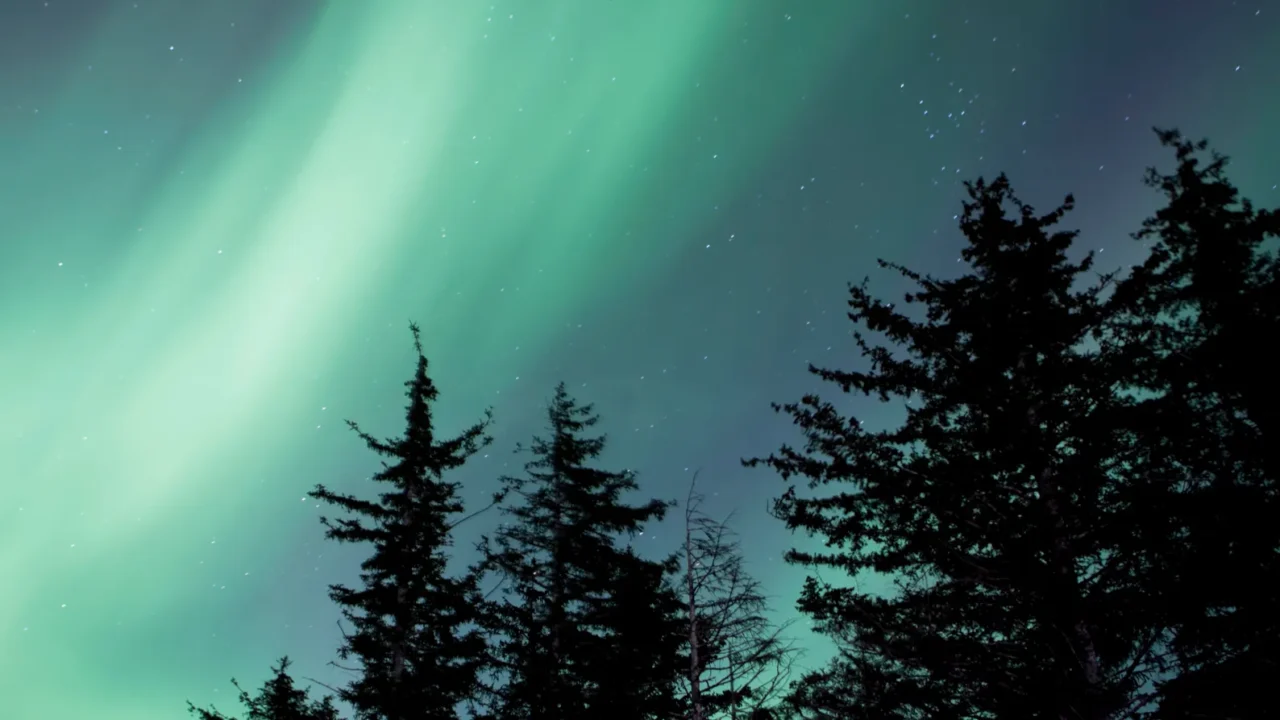
Is tonight your aurora night?
Solar storms continue to flare this season, which means the next surprise aurora could appear at any moment. Clear skies and strong geomagnetic conditions can turn an ordinary night into something extraordinary for travelers. With so many reports coming from unexpected areas, this may be the perfect time to stay alert.
Many skywatchers are asking whether this year will continue delivering rare sightings or fade as the solar peak eases.
Do these growing aurora moments make you want to plan a night out or chase the next big glow? Share your thoughts in the comments.
Read More From This Brand:
- Best surfing spots in Hawaii to catch before winter swells arrive
- Thousands cancel U.S. migration plans, report reveals major shift.
- Inside the filming locations of Gladiator II, now trending with fans
Don’t forget to follow us for more exclusive content right here on MSN.
This slideshow was made with AI assistance and human editing.
