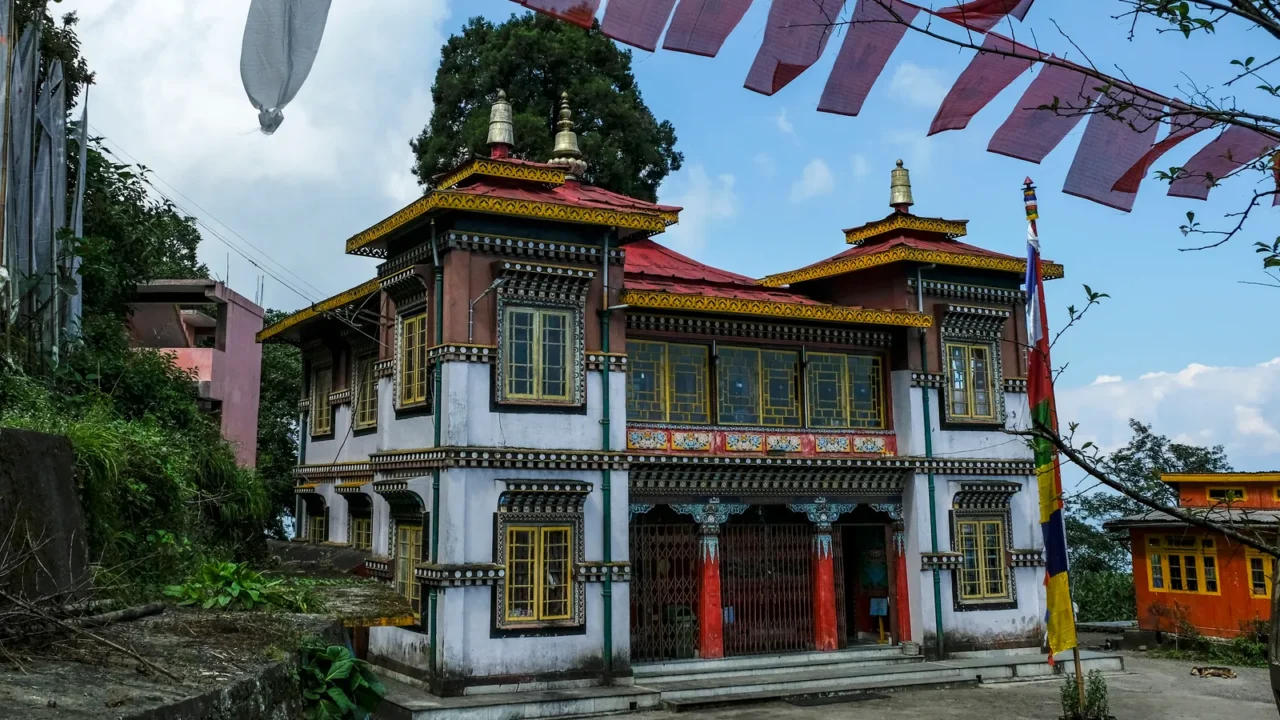
Spiritual calm awaits
Himalayan monasteries are drawing travelers who want quiet spaces and deeper reflection far from city noise. These retreats offer slow mornings, peaceful rituals, and calm views that settle the mind. It feels like a rare break from fast travel trends.
Visitors often describe the experience as grounding because the mountains create a sense of perspective. Monks guide simple routines that help travelers slow down and breathe. The blend of culture and nature builds a gentle curiosity for what the next two days may hold, so let’s dive in.
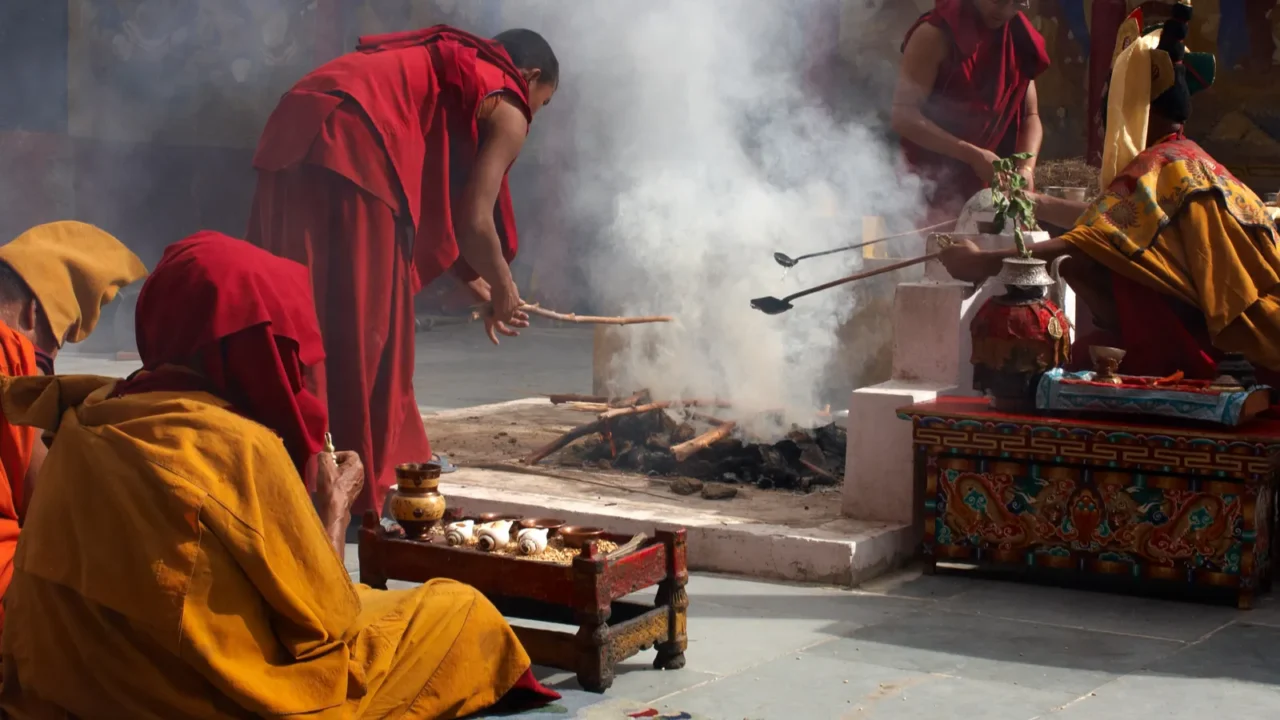
What monasteries offer
Many monasteries welcome travelers into peaceful spaces for meditation, prayer, and cultural learning. The routines are simple and based on everyday monastic life. Visitors join sessions that introduce them to calm breathing and mindful silence.
Meals are usually vegetarian and served in quiet dining halls with views of mountains and valleys. The atmosphere supports slow thinking and stillness. Each moment encourages visitors to settle into a softer rhythm.
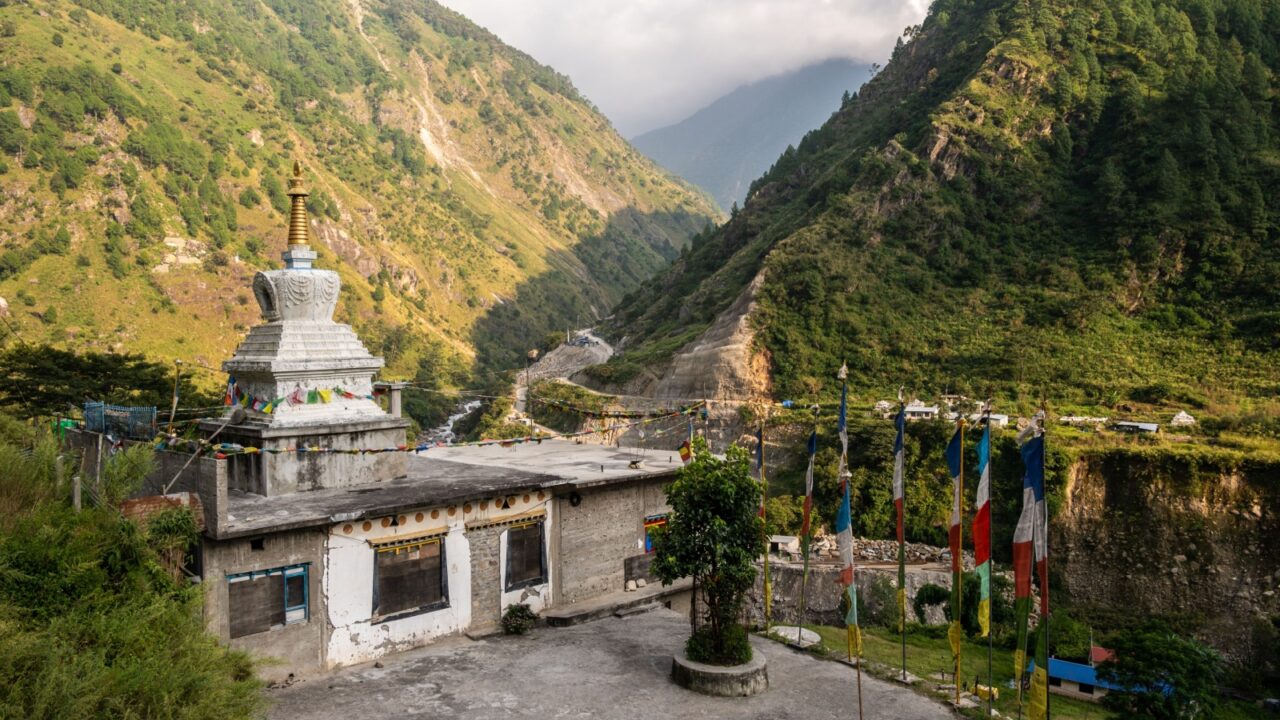
Long traditions continue
Monasteries in Nepal, Bhutan, and Northern India have honored spiritual learning for centuries. Their teachings focus on compassion, discipline, and gentle awareness. Travelers find comfort in traditions that have stayed steady through many generations.
Some monasteries follow Tibetan Buddhist practices with chanting, morning prayers, and symbolic rituals. Visitors can listen to monks share stories about history and community. The traditions often feel warm, even for those new to the experience.
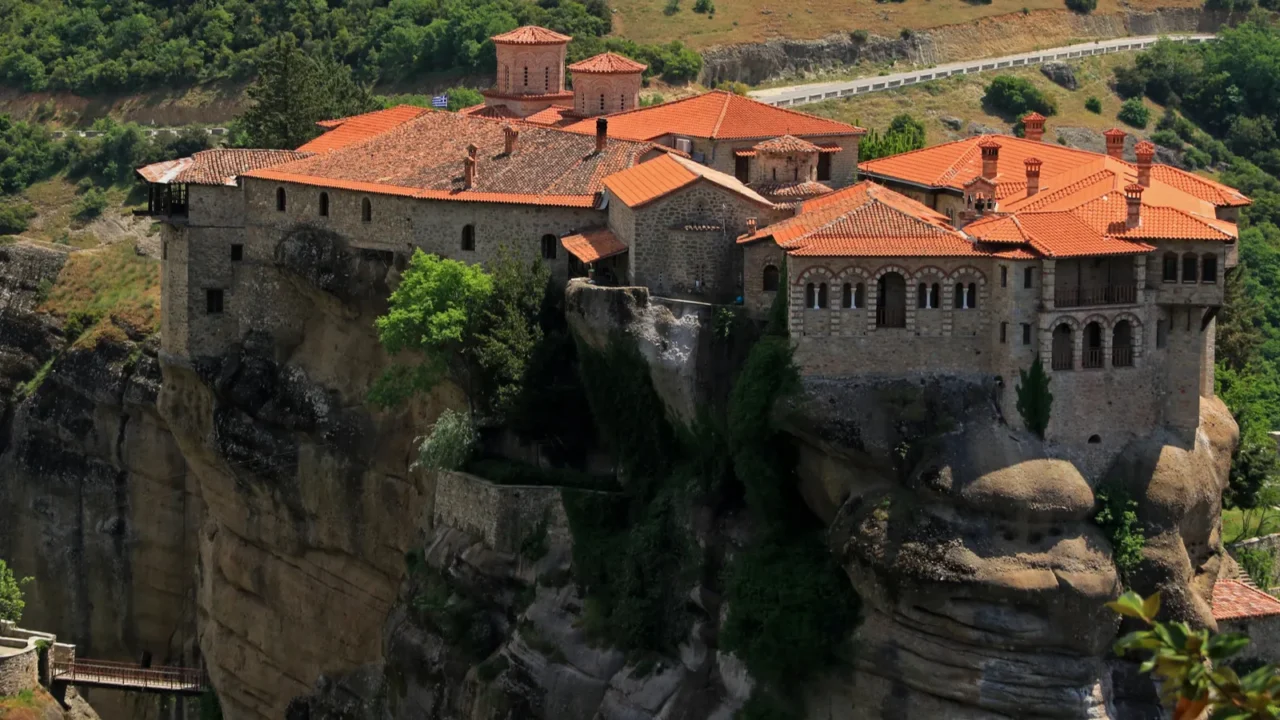
Spaces shaped by nature
These monasteries are built on ridges, valleys, and cliffs with sweeping views of the Himalayas. The natural setting shapes the entire retreat because travelers can watch clouds move slowly across the peaks. It creates a steady reminder of calm.
The architecture is simple and made to blend with the environment. Soft light fills the rooms throughout the day and creates a soothing backdrop. Many visitors say the scenery lifts the experience naturally.
Daily rhythms feel peaceful
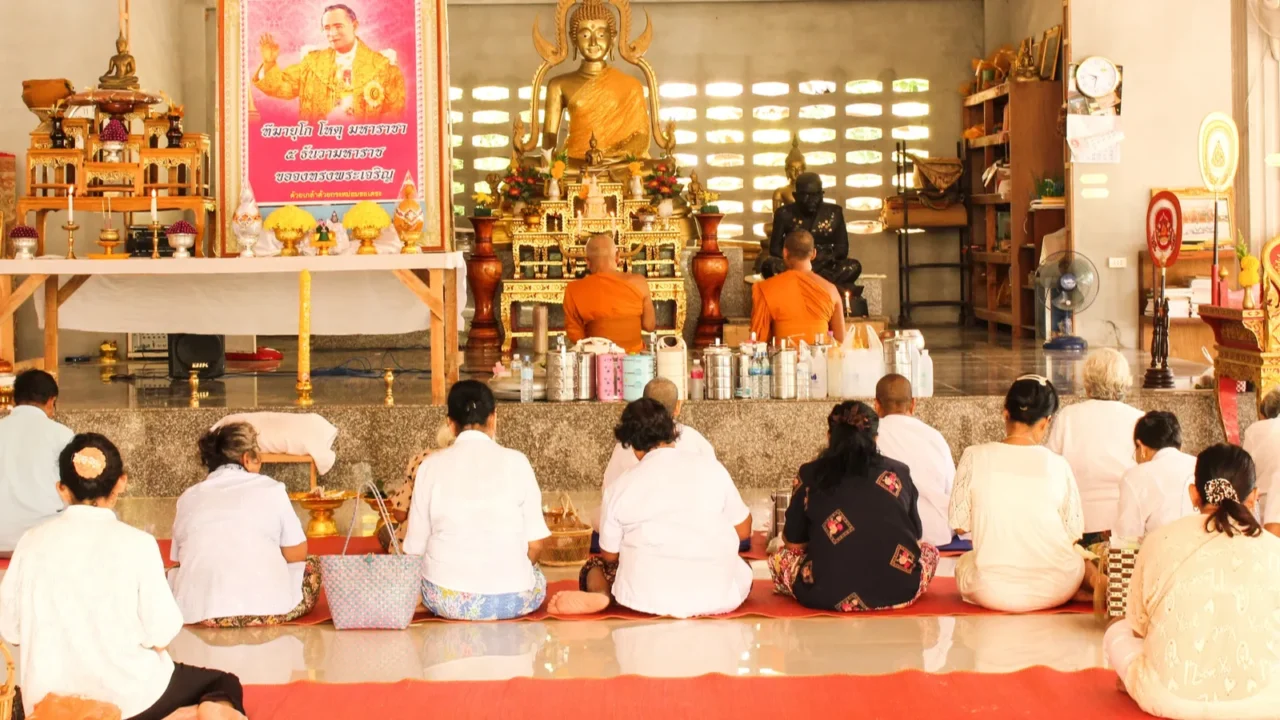
Monastic routines often begin before sunrise when the air is cool and quiet. Travelers join morning chants and slow breathing sessions that set the tone for the day. It becomes a steady invitation to be present.
The afternoons include walking paths, reading spaces, and time for personal reflection. Visitors move at a gentle pace without pressure or noise. The calm rhythm supports a deeper sense of rest.
Guided meditation sessions
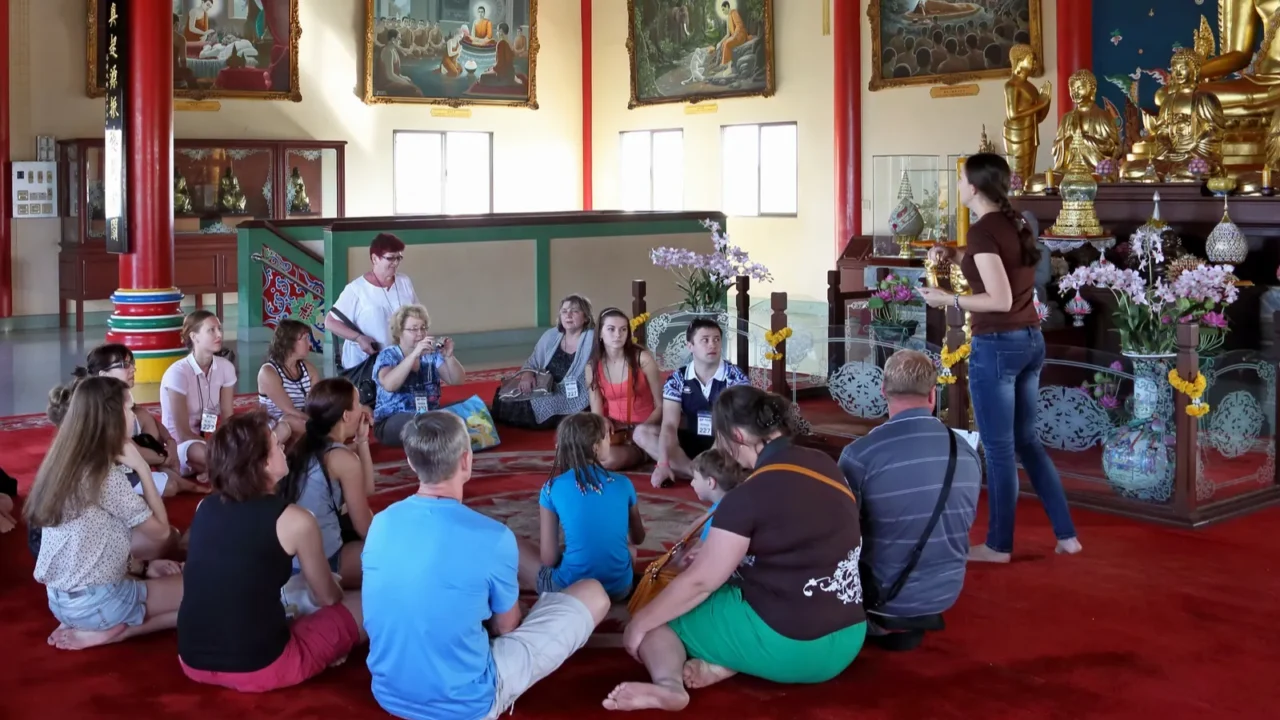
Monks lead meditation in small groups so travelers can learn simple techniques. The sessions help visitors notice their thoughts with calm attention. Each practice builds confidence in sitting still with intention.
The guidance is gentle rather than intense or demanding. Travelers appreciate the steady pace and clear explanations. Many say the sessions feel grounding even for first-timers.
Cultural learning included
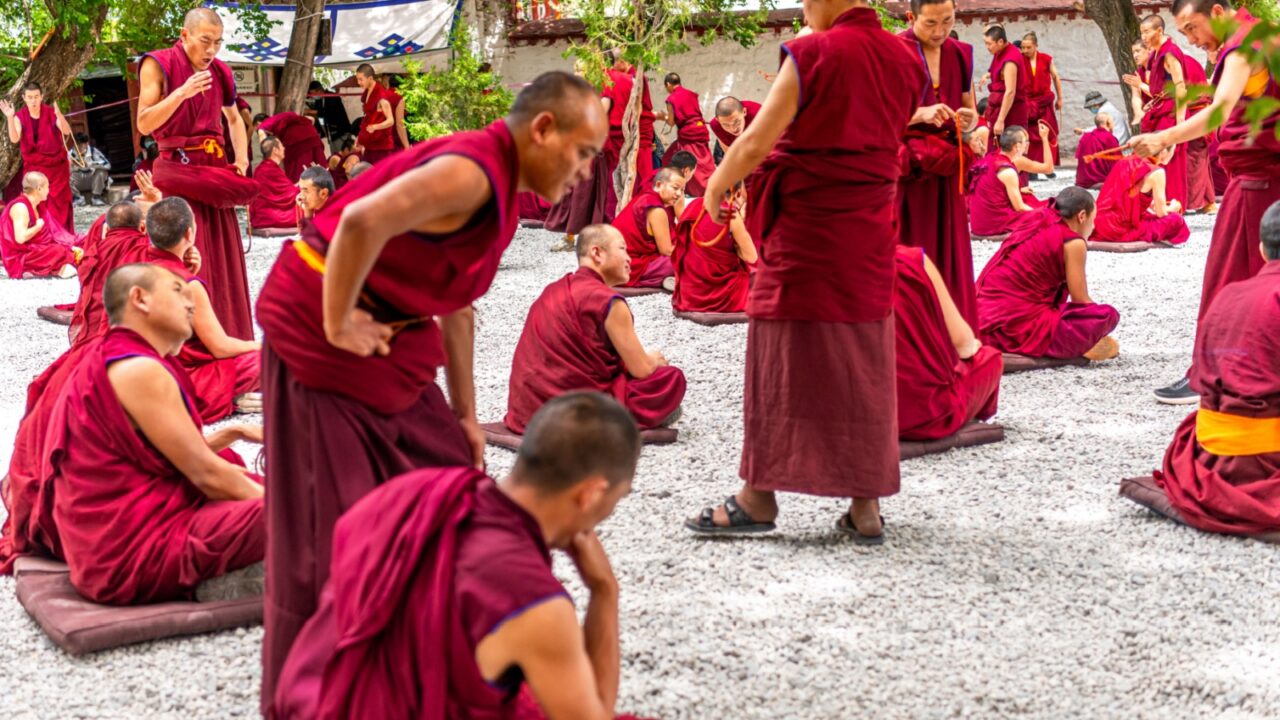
Retreats often include lessons on Buddhist philosophy and local traditions. Travelers hear about compassion, patience, and the meaning of rituals. The discussions feel welcoming and easy to follow.
Monks may share stories from the community or the history of the monastery. These moments help visitors understand the culture in a personal way. It makes the retreat richer and more memorable.

Food that nourishes
Meals are prepared with simple ingredients grown in nearby villages. The dishes are warm, fresh, and easy on the body. The quiet atmosphere during meals supports reflection, something many visitors deeply appreciate.
The food reflects the monastic lifestyle with balanced flavors and limited spice. Travelers find comfort in the steady routine of shared meals. It becomes a gentle pause in each day.
Rest in quiet rooms
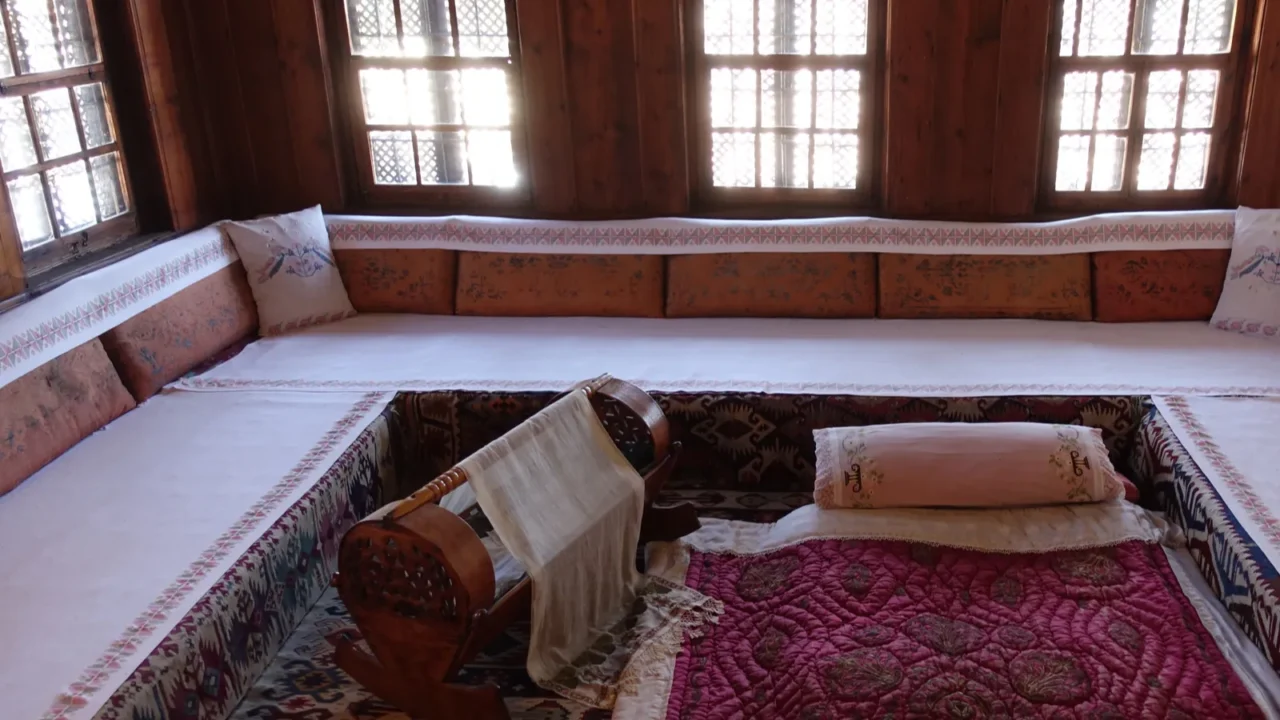
Monasteries offer basic and comfortable rooms with natural light and simple bedding. Travelers enjoy the sense of stillness because there are no loud distractions. The views often stretch across valleys or forests.
The rooms support early sleep so visitors can wake refreshed for morning routines. Many say the quiet nights feel deeply restorative. The overall setup encourages peace without excess.
Community moments matter
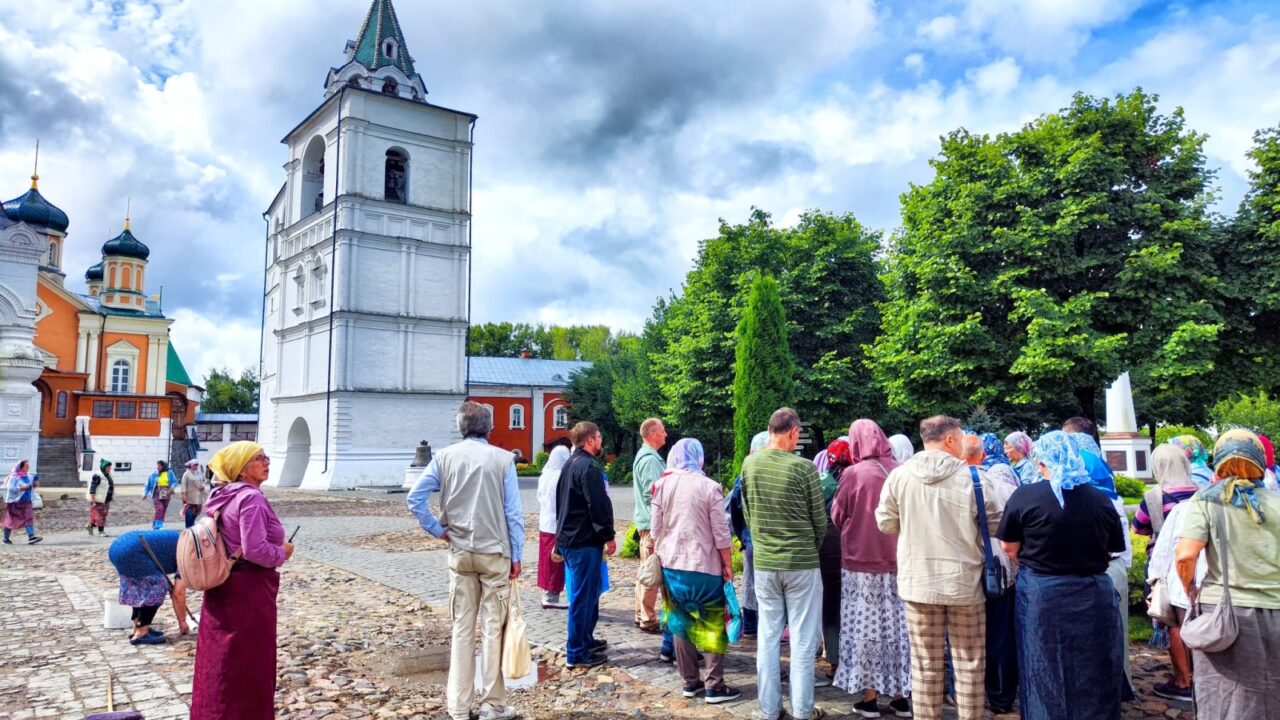
Travelers often meet monks and residents who support daily activities in the monastery. These conversations help visitors understand the rhythm of life in the Himalayas. The interactions feel warm and personal.
Shared tasks or group meditations help build connection. Visitors often appreciate how natural these moments feel. It brings a sense of belonging that grows throughout the stay.
Ideal destinations now
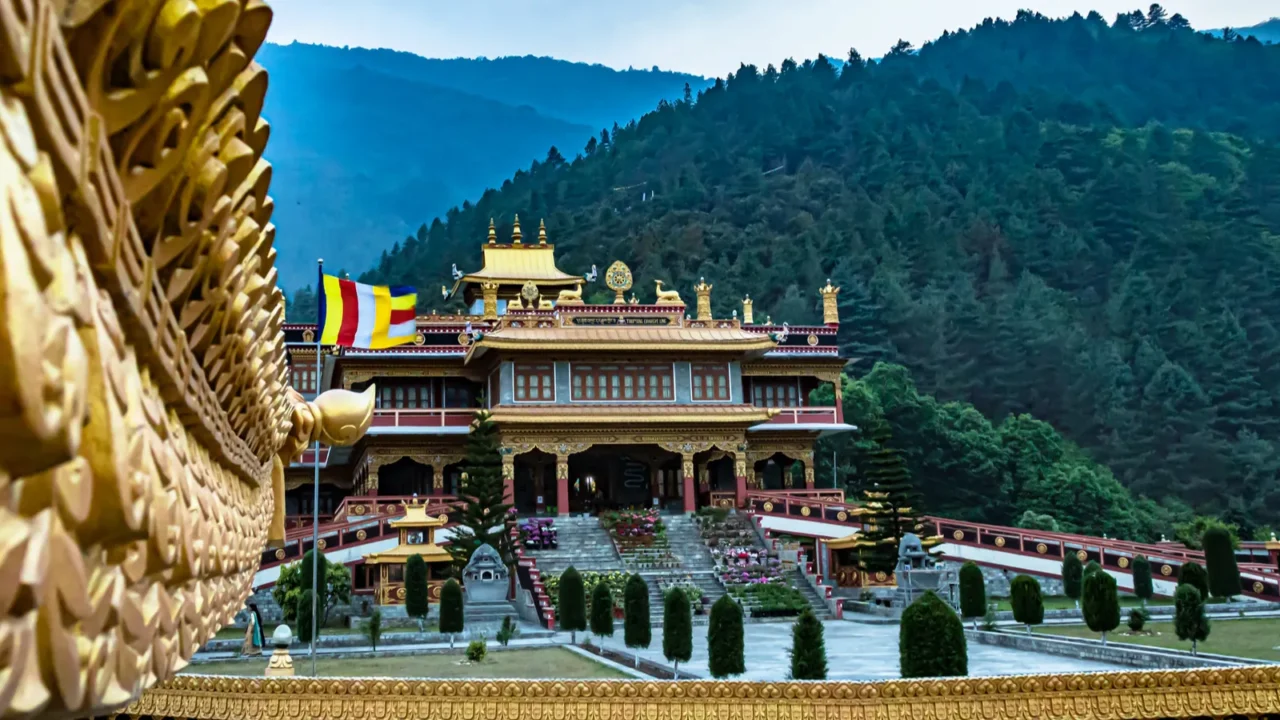
Popular retreat spots include monasteries in Nepal’s Kathmandu Valley, Bhutan’s highland regions, and India’s Ladakh. Each area offers unique landscapes and long-preserved traditions. Travelers often describe these settings as both peaceful and inspiring.
Local guides help visitors reach remote monasteries that are surrounded by open skies and quiet paths. The journeys to these places become part of the experience. The region’s natural beauty adds depth to every moment.
Preparing for the journey
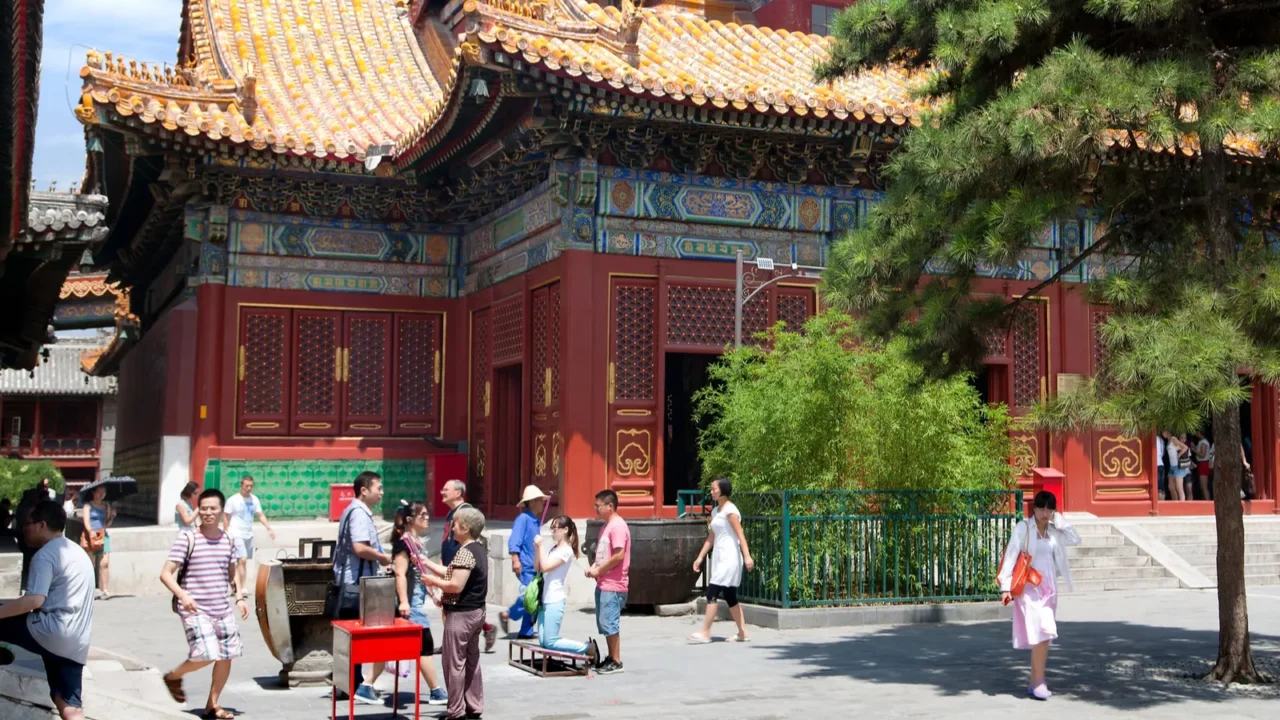
Travelers often pack warm layers, simple clothing, and comfortable footwear for long walking paths. Light bags help keep the experience easy and relaxed. Small notebooks are useful for reflection or quiet writing.
Many monasteries provide clear guidelines to help visitors feel prepared. Respect for traditions and local customs helps the stay feel smooth. A little preparation builds comfort for each day in the mountains. Himalayan villages shine in The Serpent’s Peak 2025, adding even more interest to travelers seeking calm and spiritual escape in these high-altitude retreats.
A peaceful mountain escape
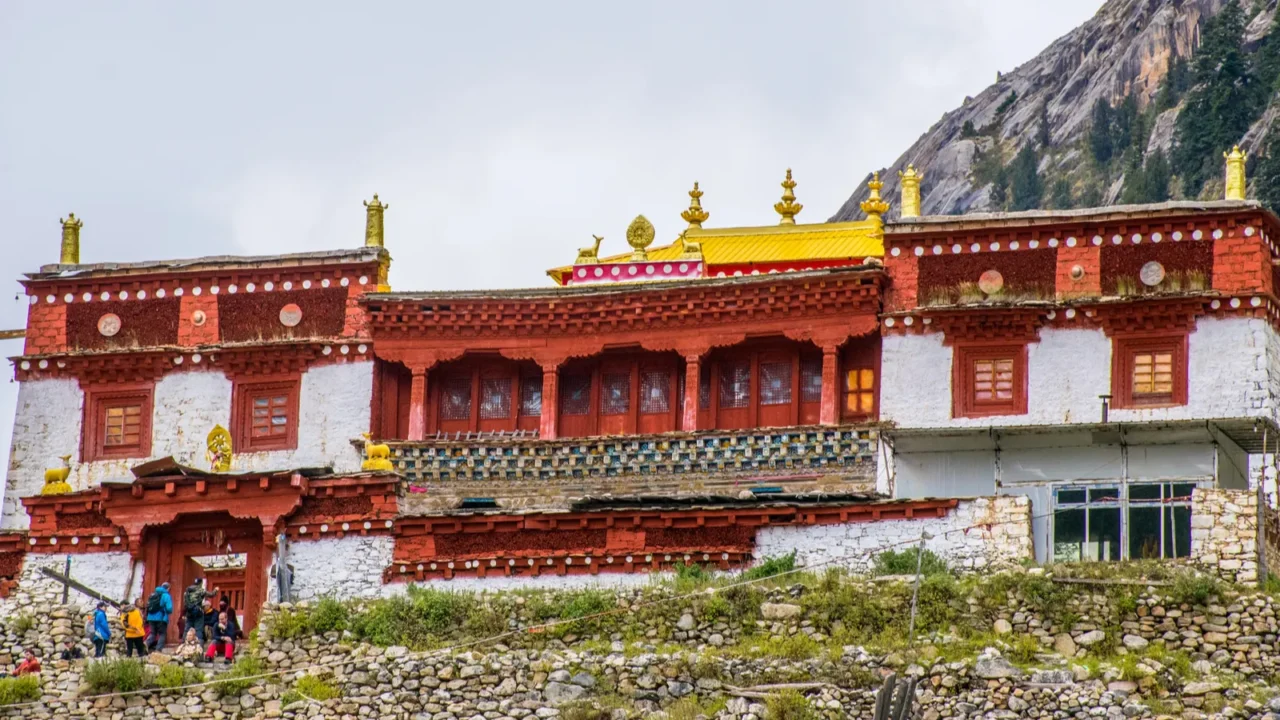
Himalayan monasteries offer travelers a calm space to step away from busy routines and reconnect with stillness. The blend of culture, nature, and gentle guidance makes the retreat feel quietly transformative. It leaves visitors with a softer outlook on daily life.
The best journeys balance reflection and discovery in equal measure. Which Himalayan region would make the perfect spiritual escape for curious travelers? Share thoughts below.
This slideshow was made with AI assistance and human editing.
Don’t forget to follow us for more exclusive content right here on MSN.
Read More From This Brand:
