
Why some trips feel less safe now
Travelers are paying more attention to safety, especially as certain U.S. cities face rising crime near busy attractions and public areas. Many visitors still enjoy these places, but staying aware of your surroundings matters more than ever.
Recent data shows how fast-changing neighborhoods can affect people visiting for food, culture, or events. These shifts help explain why some popular spots now appear on risk lists for 2025.
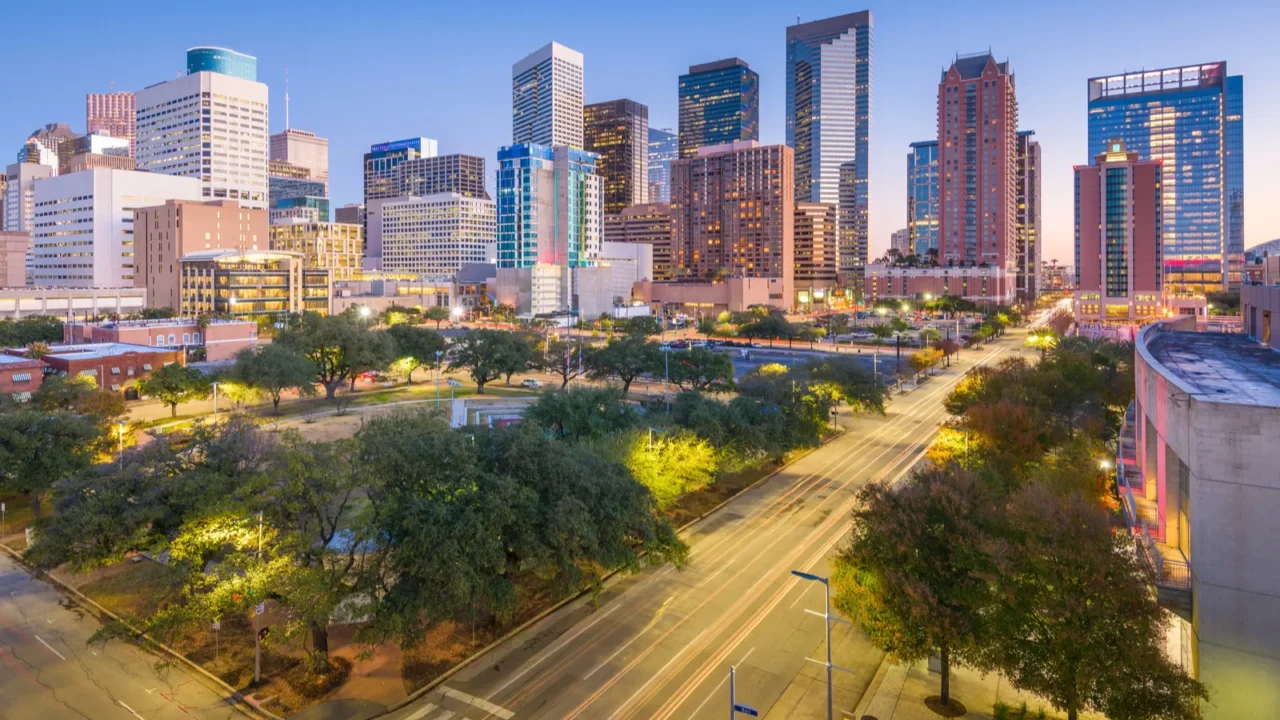
Houston tops the risk charts
Houston is generally safe for tourists in popular areas like Downtown and the Museum District, but like any large city, it has higher crime rates in certain neighborhoods (like parts of the 5th Ward or Sunnyside) with risks of car theft and robbery, requiring travelers to stay aware, avoid unfamiliar areas at night, and secure valuables, especially in cars.
Using rideshares (Uber/Lyft) and being cautious, particularly after dark, significantly enhances safety. This mix of popularity and risk puts Houston at the top for traveler caution.
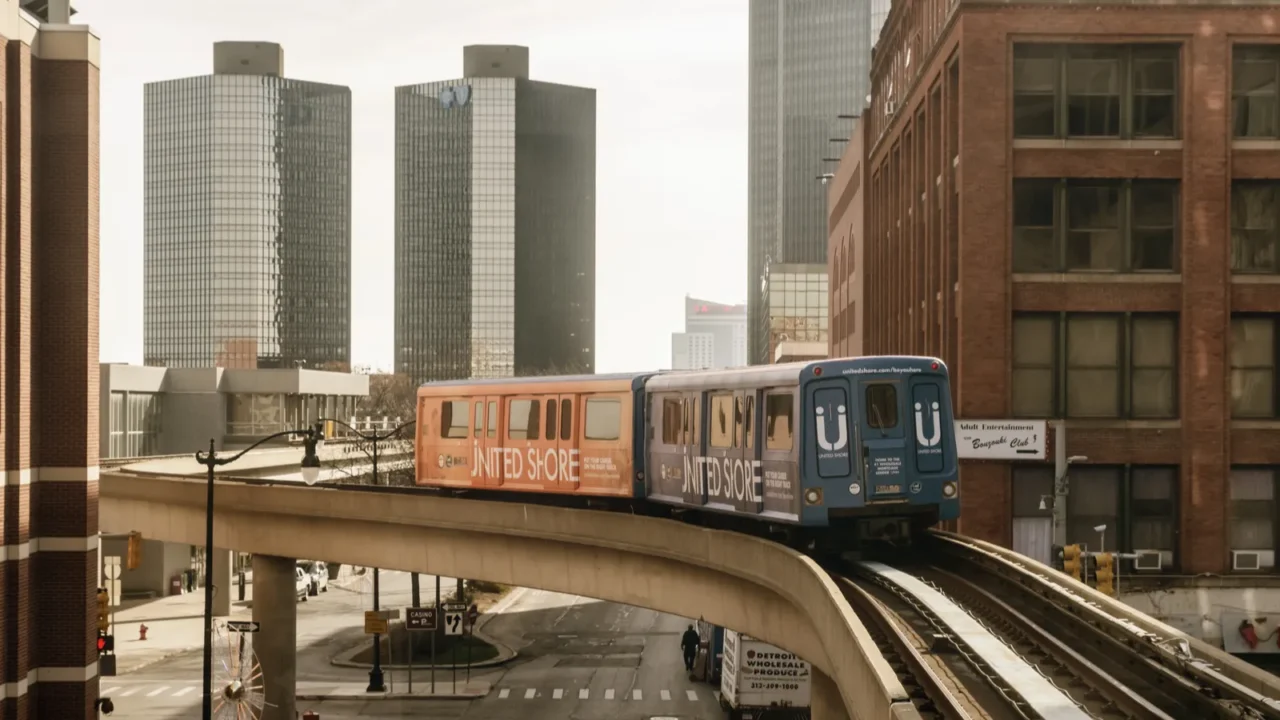
Detroit’s danger zones stand out
Detroit’s crime rates have shown improvement in recent years, but pockets of gang activity and assaults still affect popular routes to historic music attractions. Some visitors find sudden shifts between safe and unsafe blocks confusing.
Tourist traffic remains far lower than other major cities, which means fewer heavily patrolled areas. This adds to the sense of unpredictability for travelers exploring cultural spots.
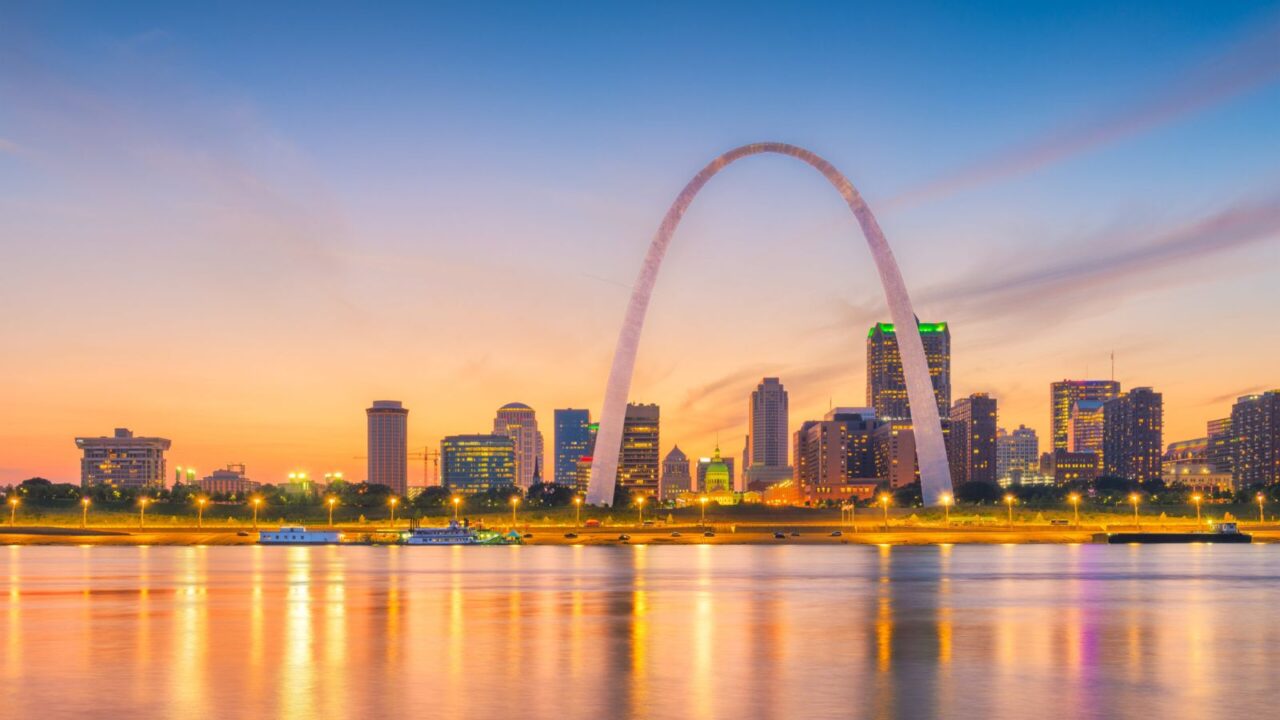
St. Louis struggles with safety gaps
St. Louis has a reputation for crime, particularly gun violence, but it’s a complex picture for travelers; while violent crime exists, especially in certain areas. Even visitors heading to the iconic Gateway Arch sometimes pass through zones with higher crime activity.
Authorities are working to improve safety downtown, and many tourist areas are relatively safe with precautions, meaning it’s a city where awareness and common sense are key, similar to many large American cities.

Memphis crime targets busy areas
Memphis sees frequent assaults and thefts in neighborhoods surrounding Beale Street and other major attractions. Visitors enjoying the music scene may encounter sudden crime spikes during late hours.
Break-ins and property crimes also affect tourists near hotels and parking areas. This ongoing pattern keeps Memphis listed among high-risk destinations for 2025. Staying close to crowded areas adds a helpful layer of safety.
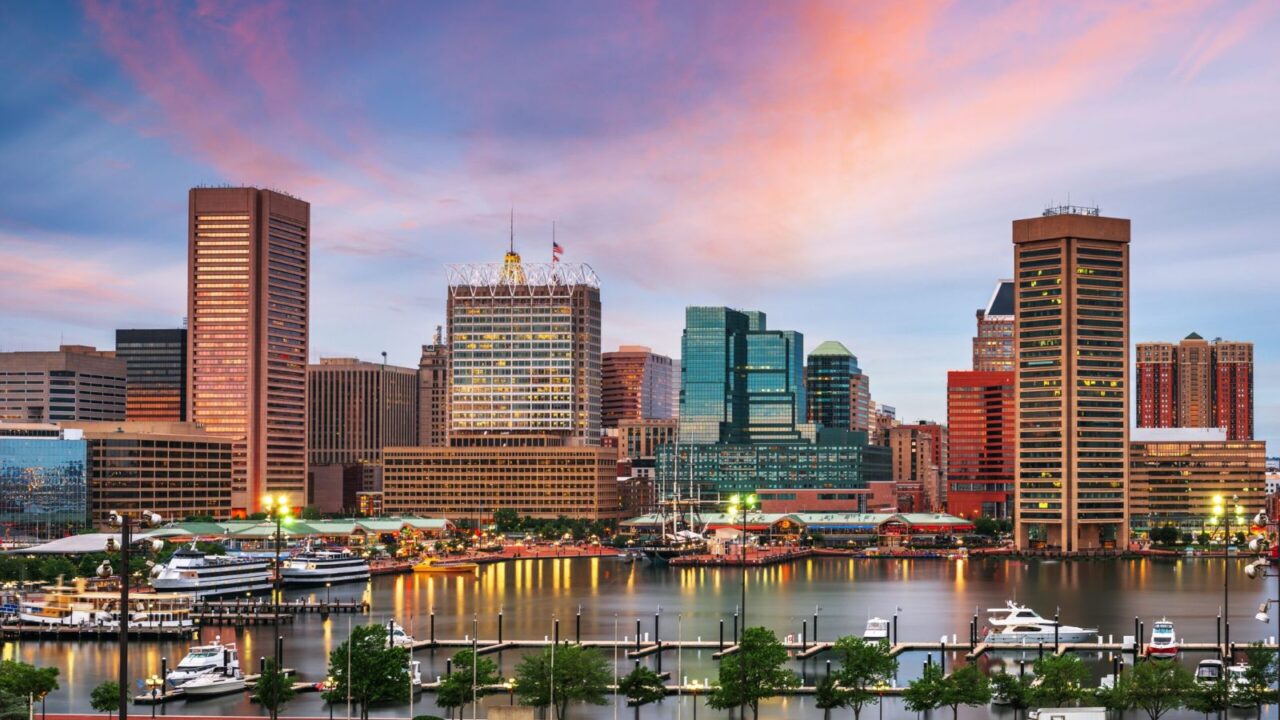
Baltimore has uneven safety pockets
Baltimore’s Inner Harbor draws steady crowds, but crime can increase quickly just a few blocks away. Gang activity and assaults around certain corridors heighten concerns for travelers.
Tourists sometimes rely heavily on well-patrolled zones because of sudden neighborhood shifts. This sharp contrast in safety levels keeps Baltimore on several high-risk travel lists. Checking local guidance helps visitors know which paths to avoid.
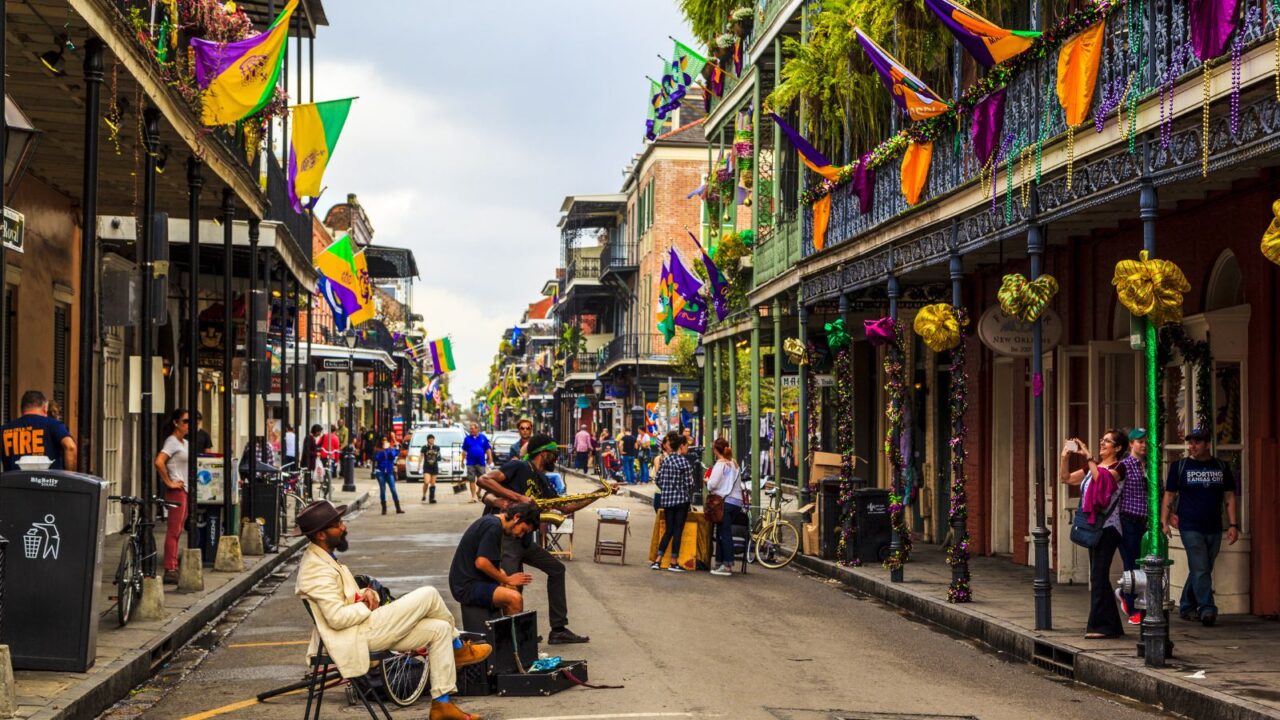
New Orleans hides danger behind the fun
New Orleans is famous for nonstop nightlife, but some areas near the French Quarter face rising assault numbers. Visitors leaving busy party streets after dark often run into less secure spots.
Homicide rates in several districts also influence how the city ranks for 2025 travel risks. Even festival season sees a few unpredictable safety challenges. Extra care after large events can make evenings smoother.
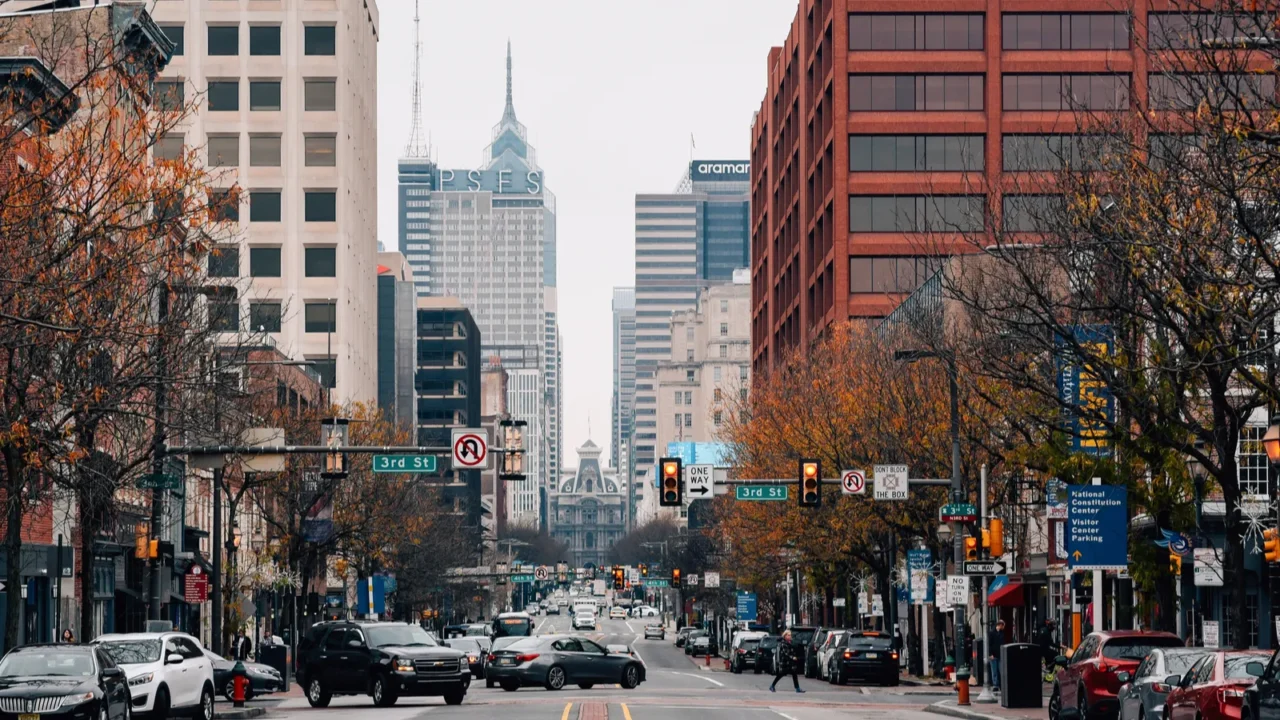
Philadelphia shows sharp contrasts
Philadelphia’s historic center is well-watched, but crime rises quickly outside of it, especially near transit stops and neighborhood edges. Tourists exploring food and art scenes may notice uneven safety conditions.
With a high crime rate and growing visitor numbers, risk levels can feel inconsistent across districts. These patterns keep Philadelphia on national watch lists. A bit of route planning can help avoid sudden shifts in safety.
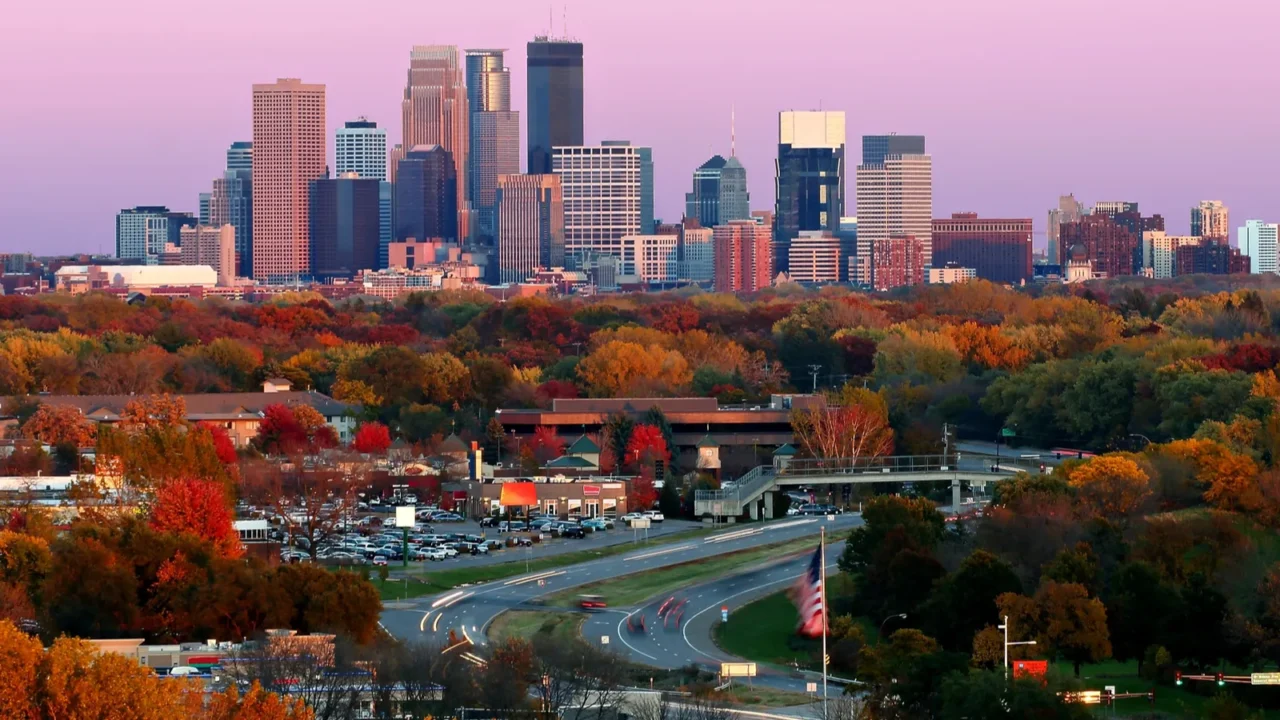
Minneapolis sees rising incident numbers
Minneapolis deals with ongoing issues involving assaults and property crimes around cultural venues and downtown areas. Even with smaller visitor numbers, certain blocks experience higher-than-usual crime rates.
Some tourists report feeling unsure when navigating routes that change in safety level within minutes. This adds to the city’s elevated risk rating for 2025. Using main streets and busy paths often helps reduce those concerns.
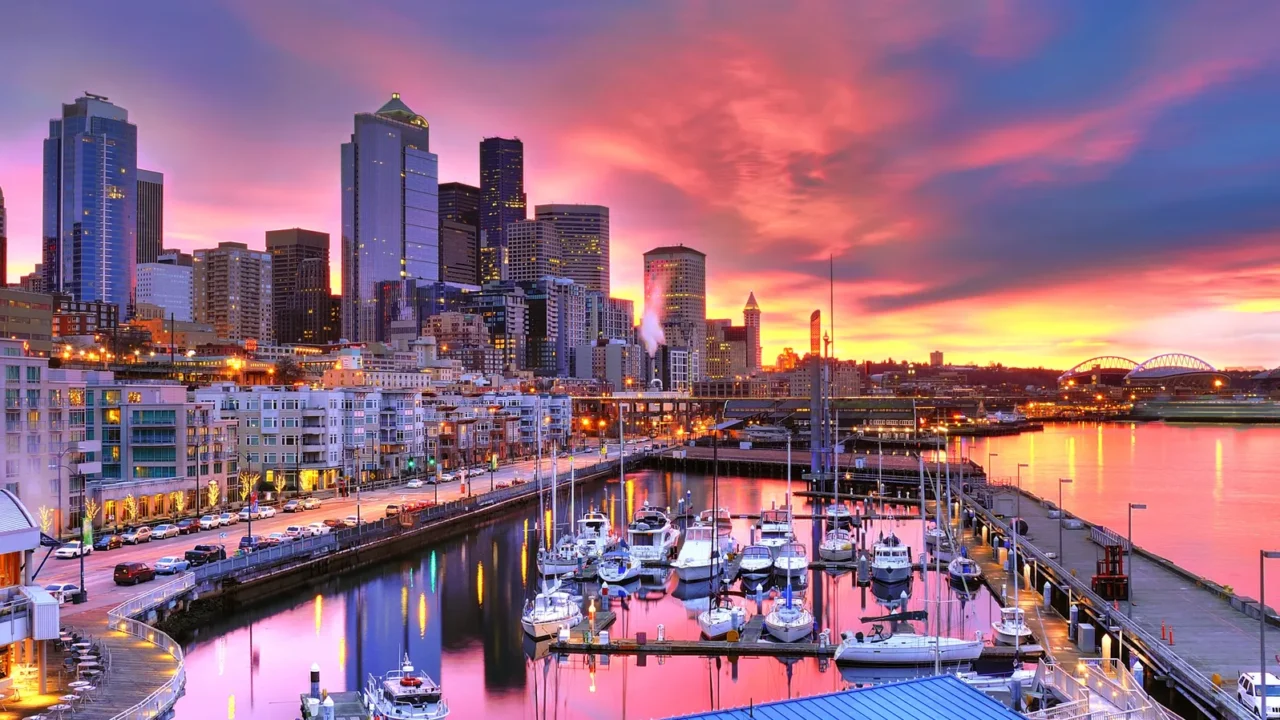
Seattle faces theft in tourist hotspots
Seattle stays popular year-round, but petty theft is a persistent problem around Pike Place Market and busy transit hubs. Visitors often deal with pickpocketing and car break-ins.
The city’s steady flow of tourists increases chances of opportunistic crimes near main attractions. These trends place Seattle high on the caution list. Staying mindful near crowded spaces makes a noticeable difference.
Portland faces challenges behind its charm
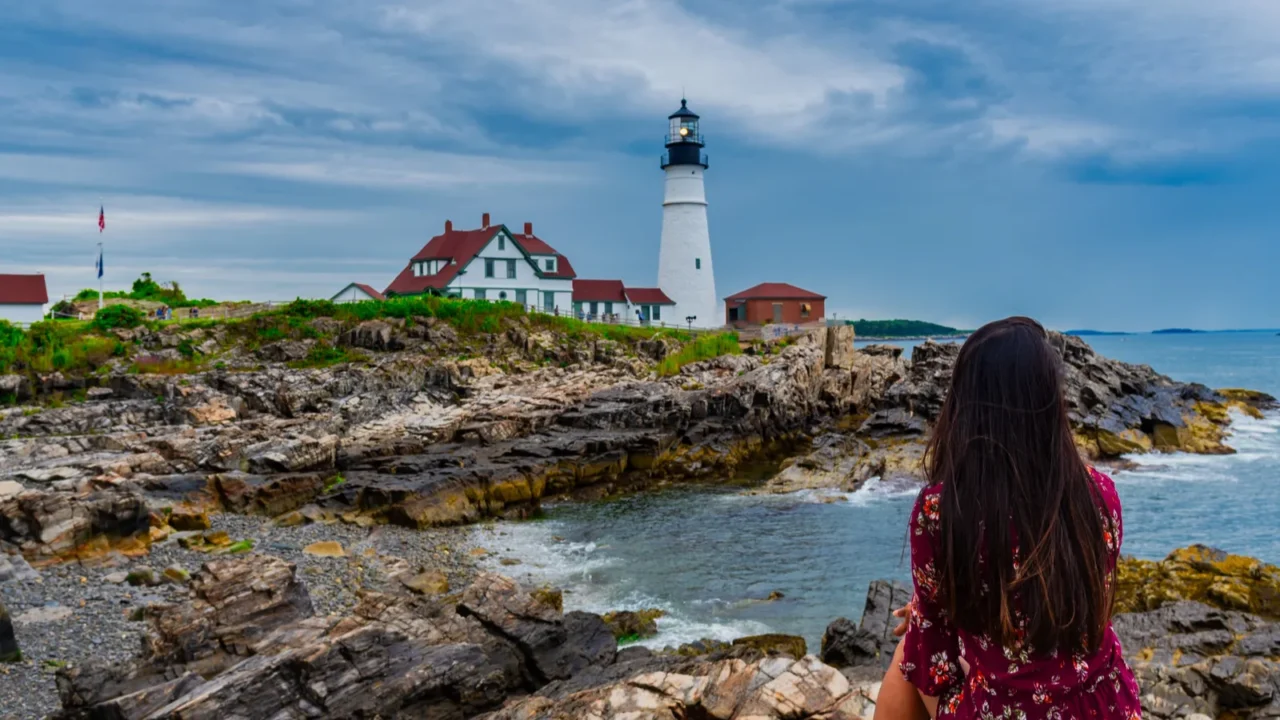
Portland’s creative neighborhoods attract food lovers and art fans, yet some areas struggle with vandalism and property crimes. Visitors walking between districts sometimes encounter unsafe pockets.
Crowded spots can still feel welcoming, but crime rates remain above national averages for several blocks. This mix keeps Portland marked as a higher-risk stop. Checking maps of safer paths helps visitors move more comfortably.
Washington, D.C. shifts quickly in safety
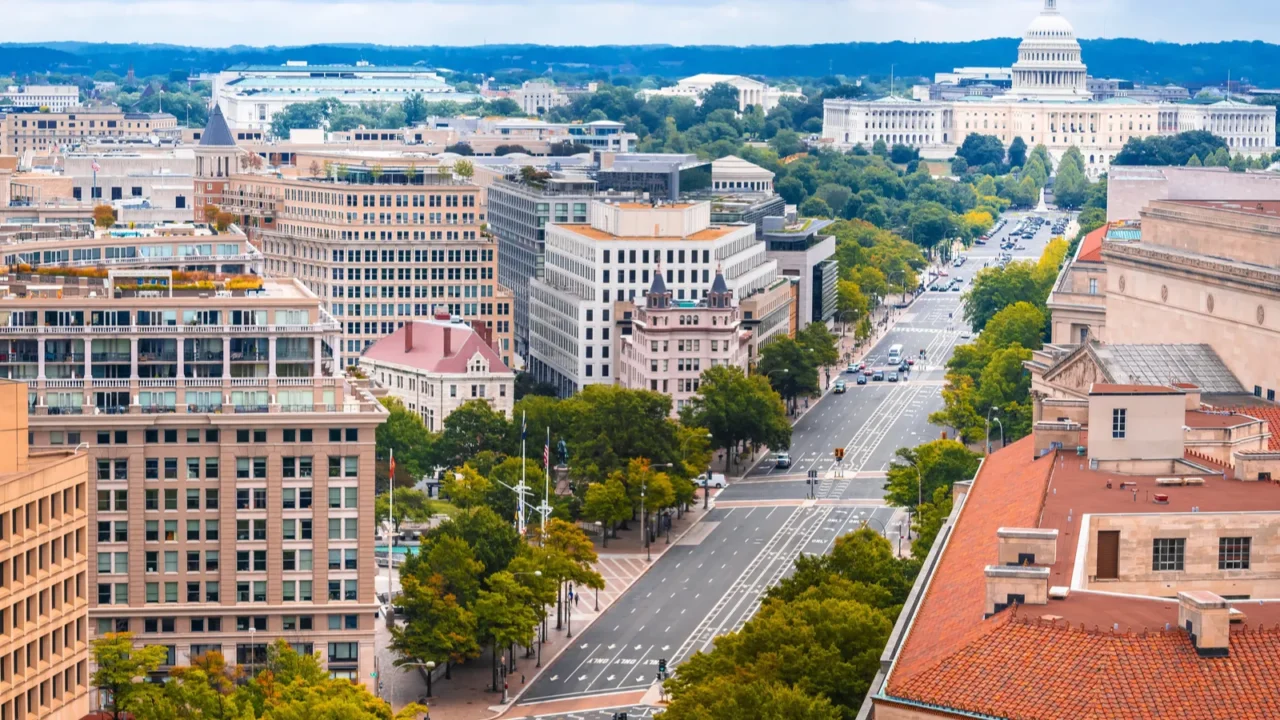
D.C. welcomes millions who visit museums and monuments, but crime can increase sharply just outside major tourist loops. Car break-ins and robberies remain common in several surrounding neighborhoods.
The city’s large visitor base makes tourists easy targets in certain areas. This contrast between safe federal zones and riskier outer streets raises D.C.’s caution score. Staying inside well-traveled areas helps minimize those risks.
Washington, D.C. isn’t the only place with charm—some small towns nearby also offer walkable downtowns and relaxing weekend getaways.

Why tourist density affects risk
Cities with high visitor numbers often experience more crimes of opportunity, especially around transit spots, nightlife, and crowded markets. These patterns make tourists more vulnerable than locals.
Large crowds can also make it harder for police to respond quickly. This combination pushes some popular destinations higher on risk lists. Knowing peak times helps avoid the most congested areas.
Planning a solo trip? Check out our guide to destinations that may pose extra challenges for solo female travelers and how to stay safe.
Tell us your thoughts, which of these cities surprised you, and have you ever felt unsafe while traveling? Share your experience in the comments.
Read More From This Brand:
- Easiest beginner-friendly hikes in USA with breathtaking views
- The ultimate summer road trip through New York’s Finger Lakes
- The real reasons businesses are fleeing California (and what it means for you)
Don’t forget to follow us for more exclusive content right here on MSN.
If you liked this story, you’ll LOVE our FREE emails. Join today and be the first to get stories like this one.
This slideshow was made with AI assistance and human editing.
