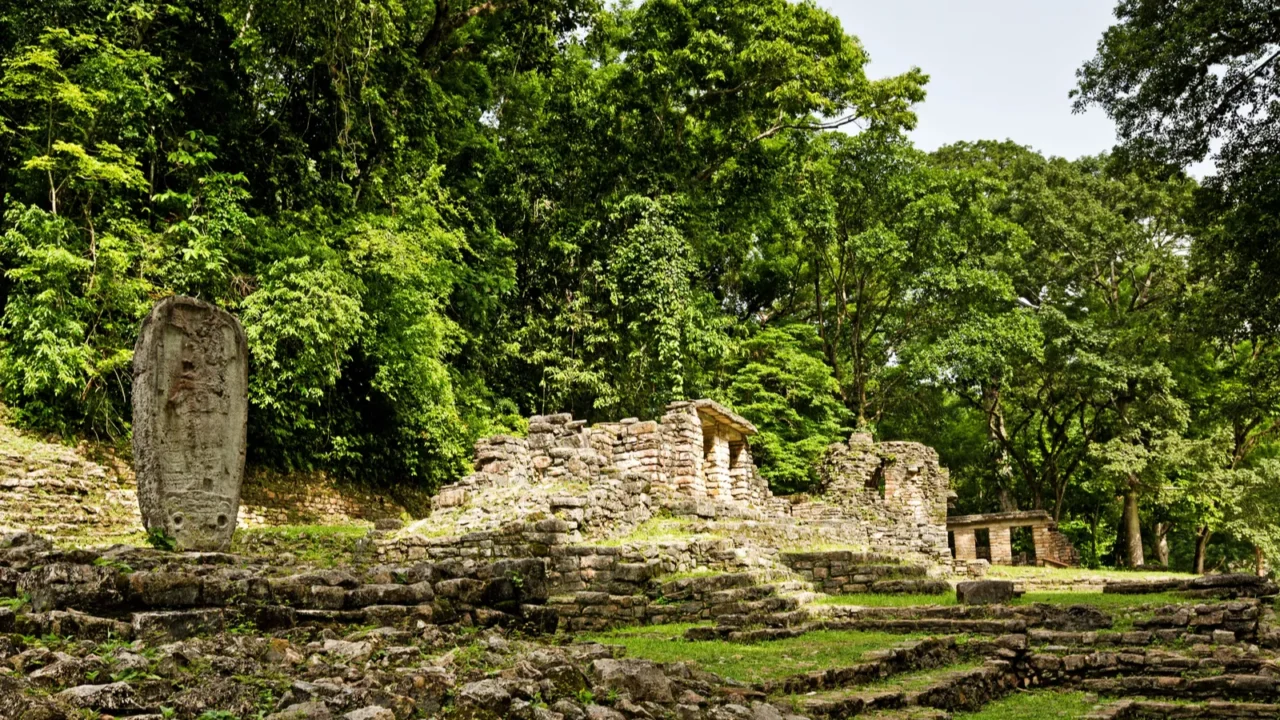
Ancient discoveries now public
Modern archaeology is revealing sites that stayed hidden for centuries and are now open for curious travelers. These discoveries invite visitors to step directly into spaces where entire cultures once lived and believed. They create a sense of wonder because each uncovered chamber carries a story waiting to be explored, so let’s dive in.
Travelers can now walk into tombs that were once sealed by sand and time and feel the weight of history shaping every corner. These restored sites give a rare chance to witness ancient art in the very environments it was created in. The experience keeps growing as more discoveries become accessible each year.
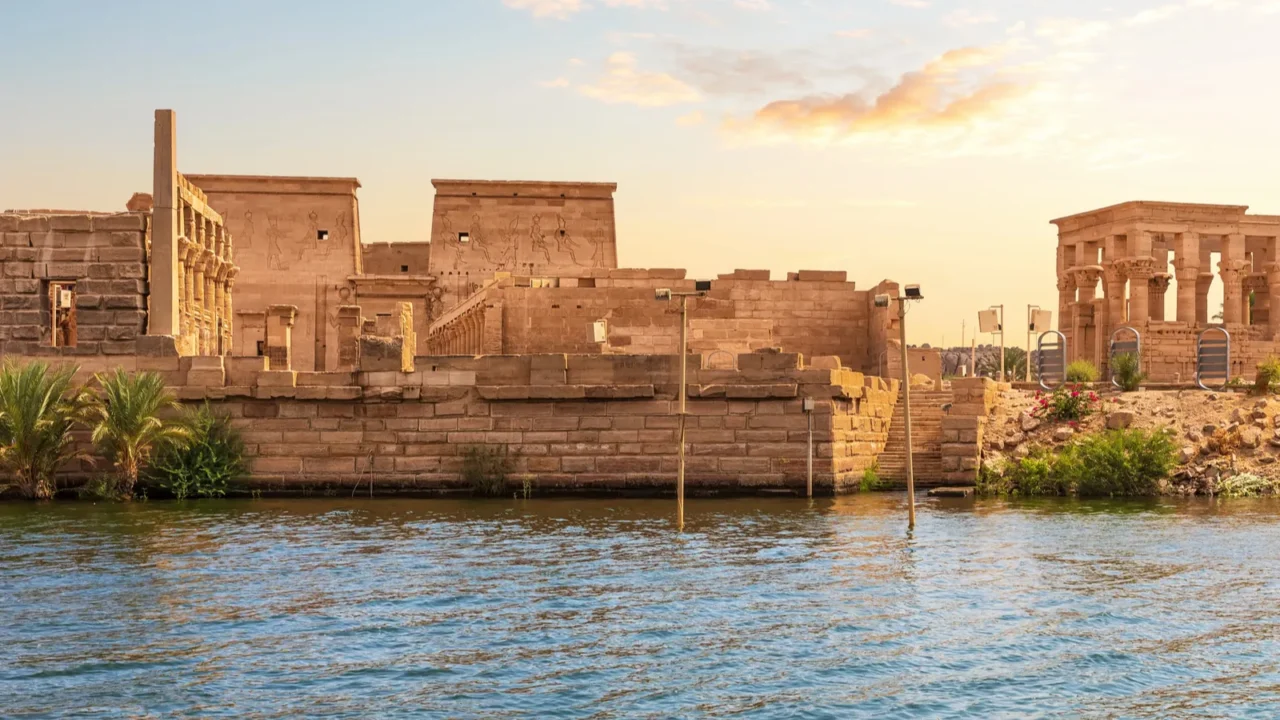
Aswan reveals massive necropolis
A vast necropolis in Aswan has been uncovered with hundreds of tombs stretching across the hillside. The site reveals traditions from different time periods that show how burial practices changed over thousands of years. Visitors now explore walkways that connect chambers once reserved for powerful families and respected leaders.
Archaeologists uncovered shafts and tunnels that reveal the depth of ancient Egyptian beliefs about life and death. Many tombs include pottery and artifacts that help researchers understand daily experiences in early communities. Travelers often describe the site as a quiet gateway into Egypt’s spiritual past.

Old Kingdom tombs at Qubbet el Hawa
Several Old Kingdom tombs at Qubbet el Hawa have reopened after a detailed restoration that brought hidden carvings back to life. These tombs belonged to rulers and officials, their stories carved into the stone designs. Visitors now walk through corridors that echo with a sense of authority from over four thousand years ago.
The discovery includes decorated burial chambers that reveal the social importance of families who governed this region. Researchers believe the tombs hold clues to early political networks and cultural growth along the Nile. Travelers admire the craftsmanship that survived long periods of wind and shifting sand.
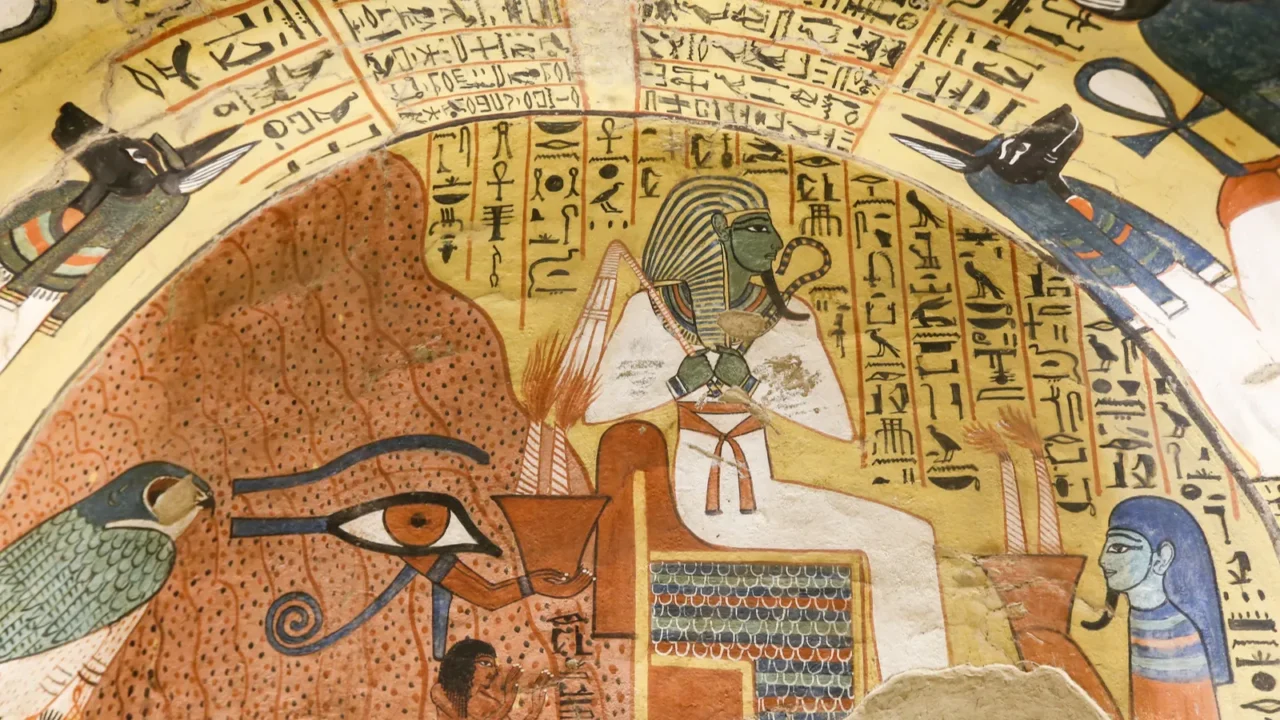
Sacred paintings in Valley of the Kings
One of the largest tombs in the Valley of the Kings has reopened with bright wall paintings preserved in remarkable detail. These paintings show scenes from ancient beliefs about the journey into the next world. Travelers often pause in silence because the symbols feel alive in their original setting.
The chambers feature ceilings and passageways covered in colorful art that still holds powerful meaning today. Archaeologists say the reopening helps protect the artwork through controlled visitor access. This effort allows travelers to witness history without losing the delicate beauty of the site.
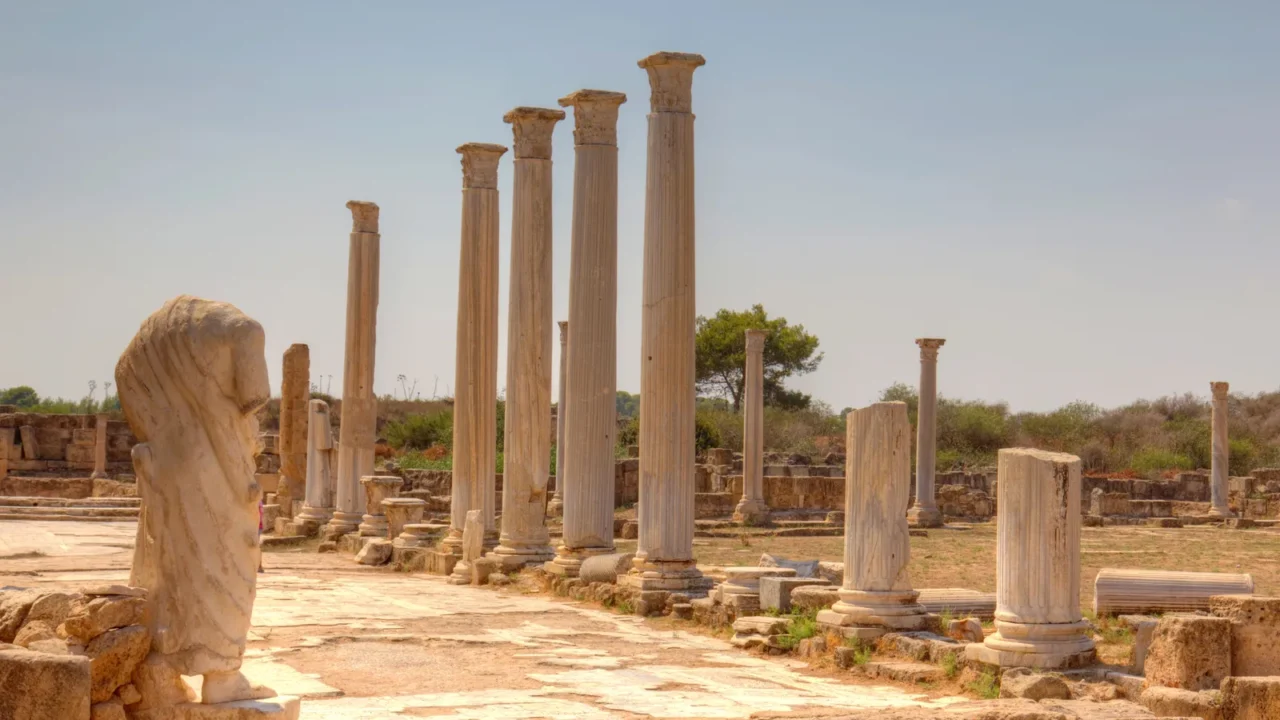
Olympos opens Roman tombs
The ancient city of Olympos in Türkiye has opened dramatic rock-cut Roman tombs that were hidden beneath vegetation. These tombs overlook a valley where nature and history meet strikingly. Travelers now walk paths that reveal how Romans honored their dead in carefully carved resting places.
Restoration teams cleared stone entrances and revived inscriptions that had faded under soil and plant growth. The rediscovered tombs give insight into life during the Roman era along this coastline. Visitors often describe the experience as stepping into a forgotten neighborhood built into stone.
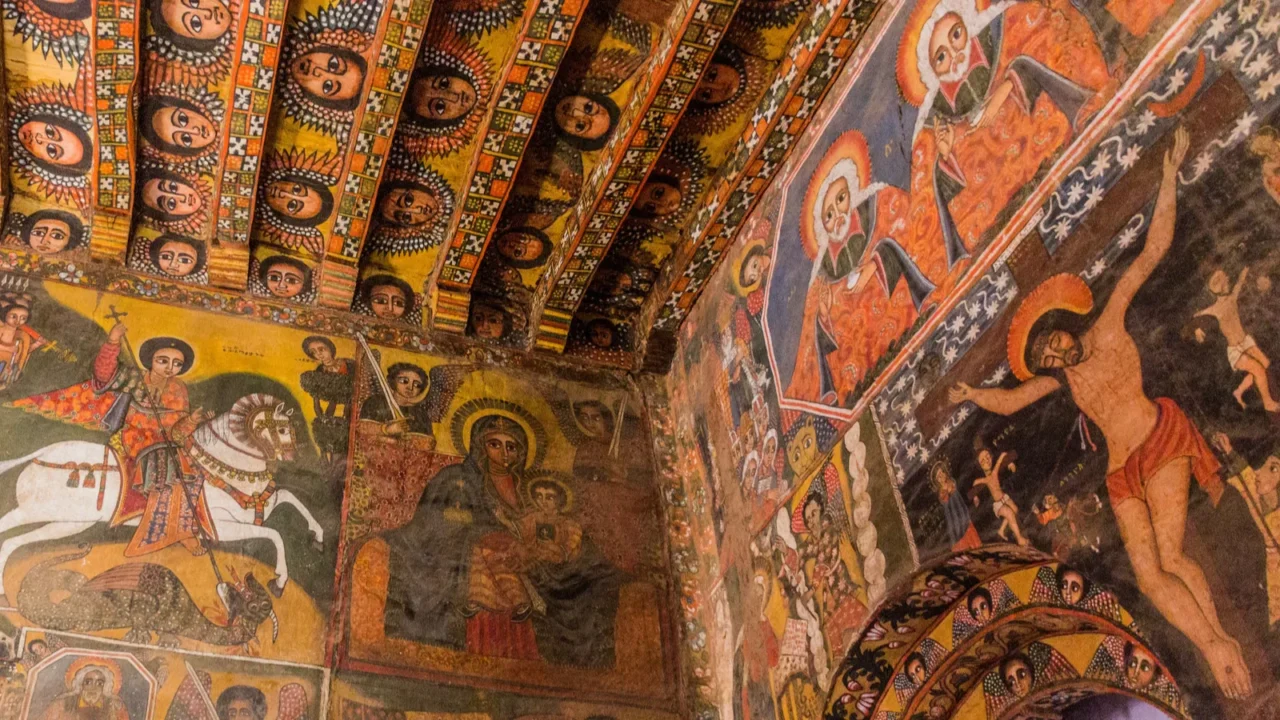
Churches and mosaics at Olympos
Excavations at Olympos also revealed mosaic floors that show detailed patterns from early Christian communities. These mosaics help researchers understand how faith shaped architecture in this region. Travelers can now walk across floors that once held gatherings of families and worshipers.
Fragments of church walls and decorated stones reveal how the area shifted from Roman traditions to Christian practices. Archaeologists continue to piece together stories from inscriptions found in hidden corners. Visitors often feel the layers of belief connecting ancient life to the present day.
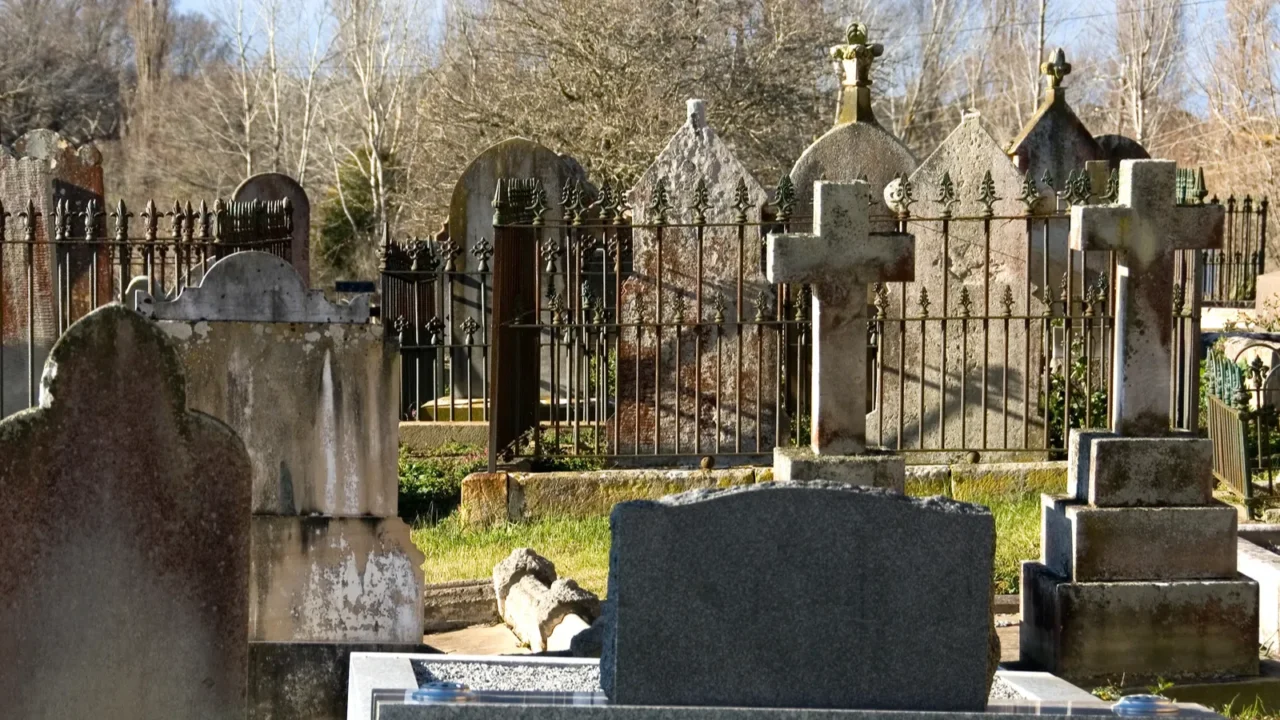
Overlapping homes and graves through eras
Some areas in Olympos reveal a mix of graves that were later transformed into living spaces during the Byzantine period. This overlapping history shows how communities reused land in creative and practical ways. Visitors can trace each era through materials that remain in the walls and floors.
Archaeologists discovered everyday objects that help explain how families adapted older structures into new homes. These finds reveal how people lived with the past while building their future. Travelers often describe the site as a place where time blends rather than separates.
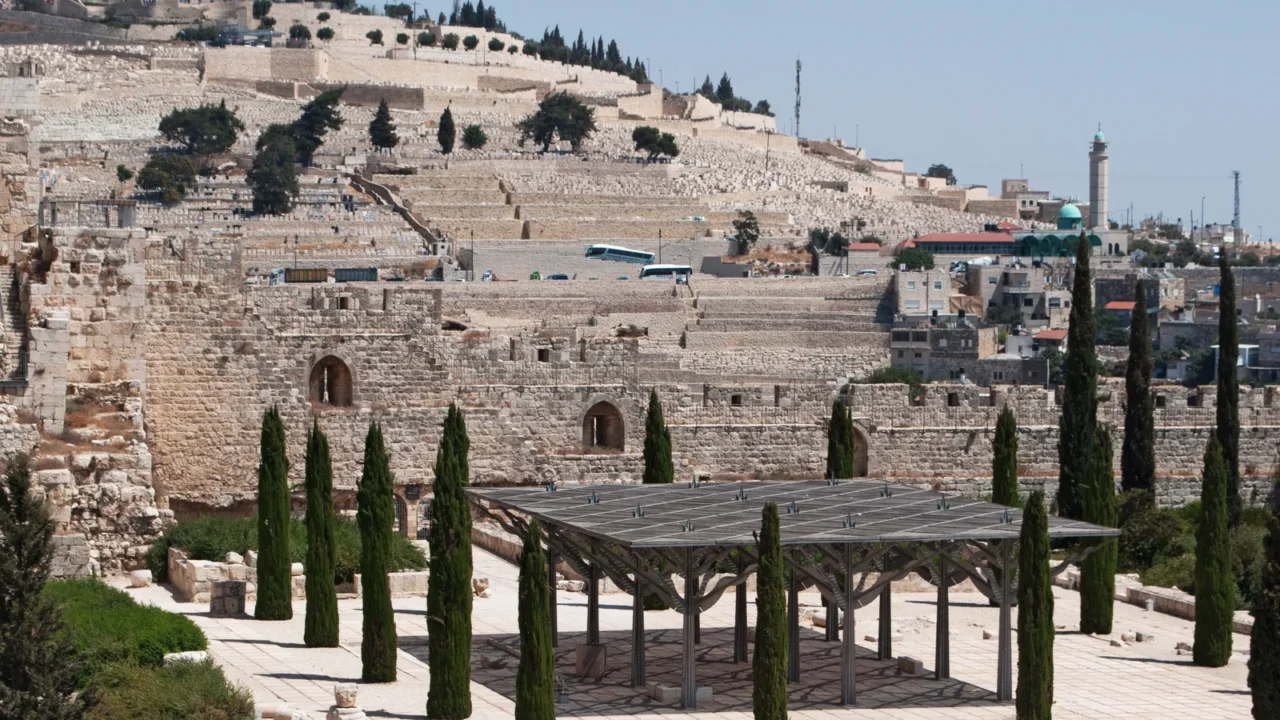
Encountering ancient daily life
Many archaeological finds now open to visitors include tools and objects that tell stories of ancient family life. These discoveries show what people valued and relied on in their daily routines. Travelers often feel surprised by how familiar some items look despite their great age.
The layout of burial chambers also reveals ranking and wealth among different social groups. Carved scenes show activities that shaped community identity and belief systems. Visitors walk through these spaces with a growing curiosity about the lives behind these objects.
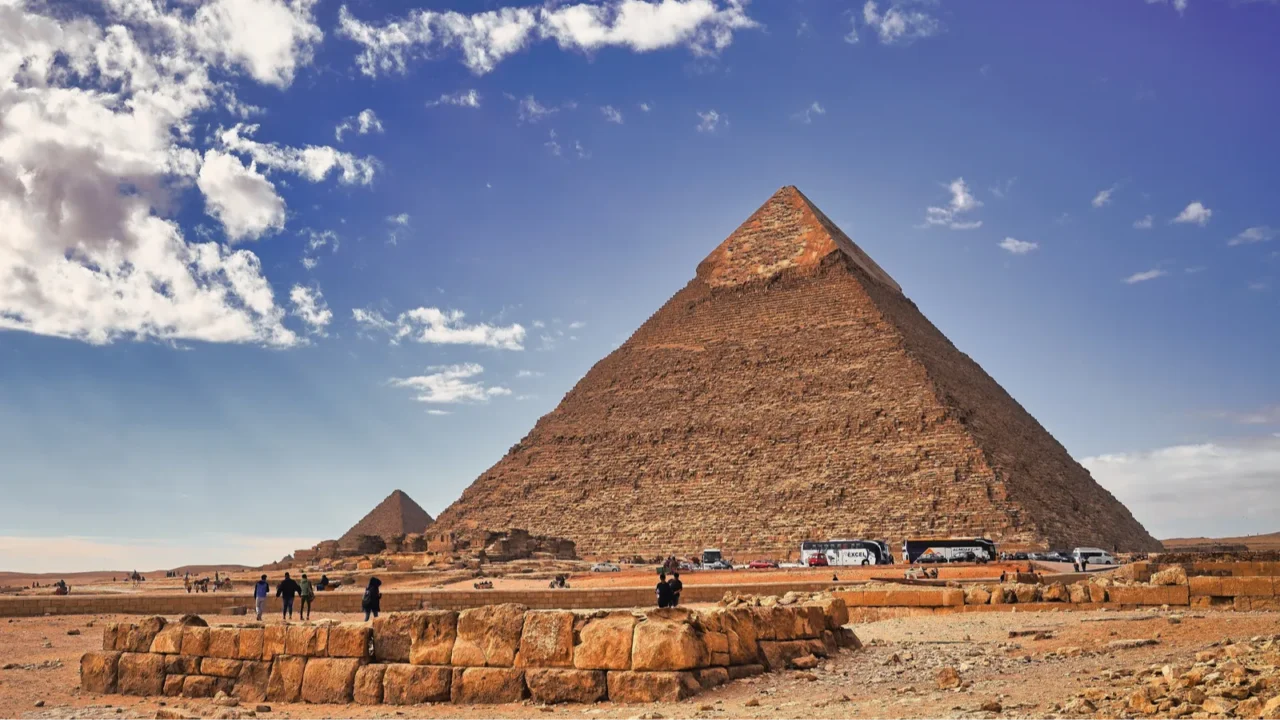
Time spanning many empires
These discoveries reveal periods stretching from the Egyptian Old Kingdom to the Greco-Roman and Byzantine eras. Travelers witness how architecture and beliefs shifted as different powers influenced each region. It creates a timeline that unfolds naturally as visitors move from site to site.
The variation in construction styles shows how each era left its mark through stone carving and decorative choices. Archaeologists use these contrasts to understand the cultural exchanges that shaped ancient societies. Travelers often describe the experience as walking through a living history book.
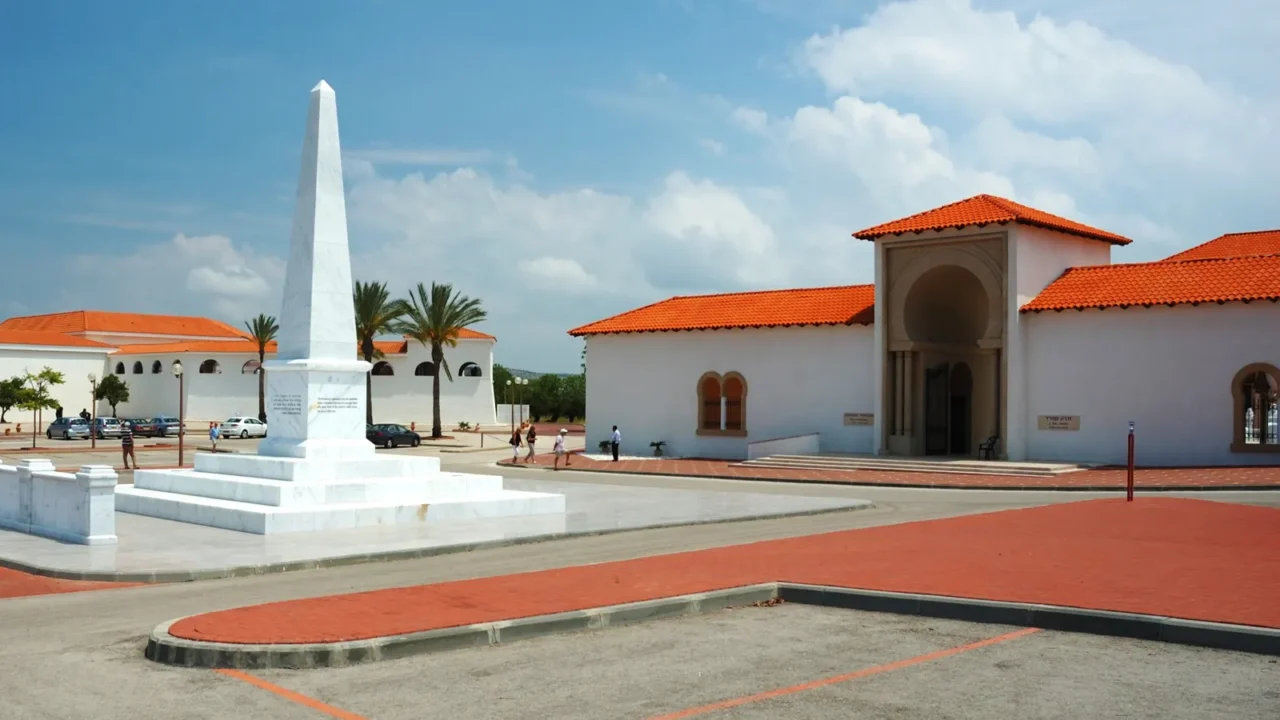
Living museums of heritage
Preservation teams have created safe paths so travelers can explore without harming fragile surfaces. This careful planning helps protect ancient artwork while keeping the sites accessible. Visitors appreciate how these spaces feel authentic without losing their integrity.
These open sites feel like living museums because they allow travelers to learn through direct experience. Experts continue monitoring the environment to maintain conditions that keep artifacts safe. This approach ensures that future generations can see these discoveries with the same sense of wonder.

Why these discoveries matter today
Archaeological finds help modern societies understand the origins of belief and community structures. Travelers gain a deeper sense of connection when they walk through spaces shaped by ancient families. These discoveries remind visitors that human curiosity has guided progress for thousands of years.
Seeing artifacts in their original locations adds context that museums cannot always provide. Researchers use these discoveries to build clearer pictures of cultural development. Travelers often leave these sites with a new appreciation for history that still influences life today.
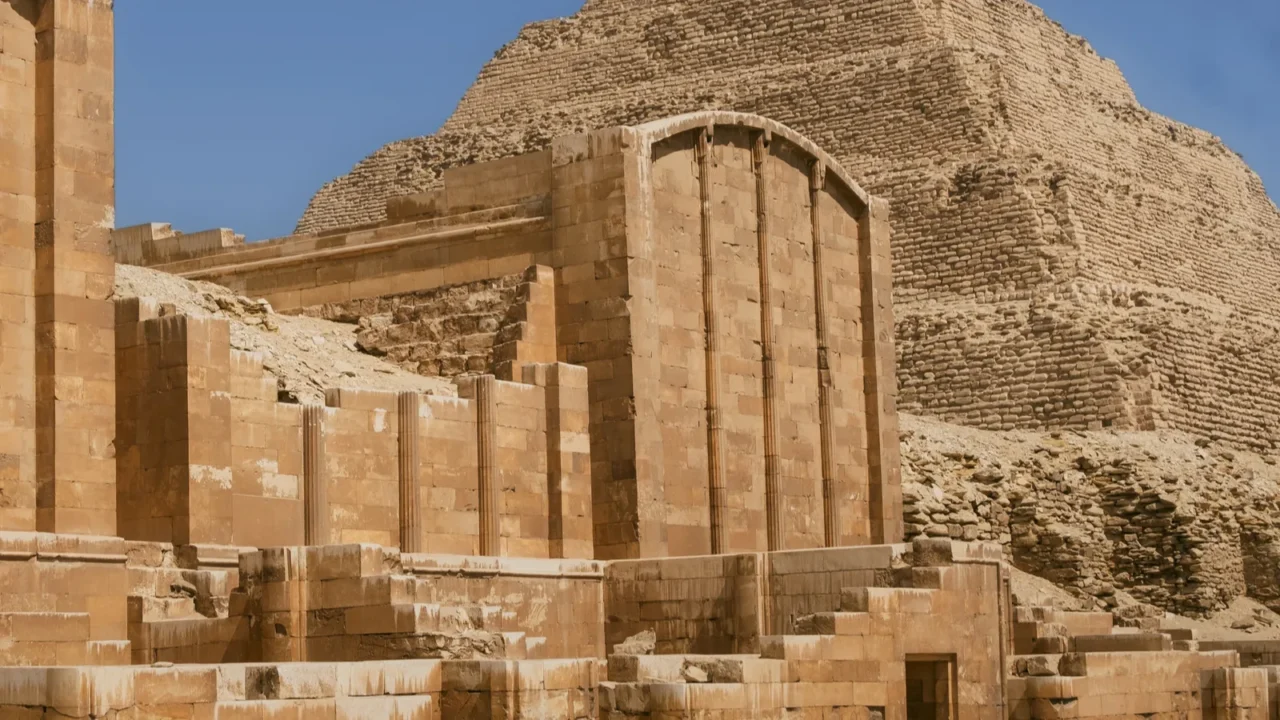
What the future might hold
Archaeologists continue to uncover hidden chambers and long-buried structures that may open to the public soon. These discoveries show how much of ancient history still remains beneath layers of earth. Travelers eagerly follow updates because each find adds something meaningful to the story of humanity, inspiring many to embark on a journey through the world’s most iconic and breathtaking UNESCO sites.
Future openings will bring more insights into trade routes, artistic traditions, and community life. Experts believe many regions still hold unexplored treasures waiting to be revealed. Visitors can look forward to discoveries that help the world understand its shared past.

Which ancient site inspires you
These archaeological finds allow travelers to stand inside worlds built by civilizations that shaped human knowledge. Each newly opened tomb or temple gives a rare chance to connect with the beliefs and stories that guided ancient life. Travelers find themselves wondering which discovery will change their understanding next.
These sites offer history that feels close enough to touch and learn from in real time. They invite visitors to reflect on how culture survives through stone, art, and memory.
Which of these remarkable ancient sites would you want to visit first? Let us know in the comments.
This slideshow was made with AI assistance and human editing.
Disclaimer: The images used are for illustrative purposes only and do not depict the actual locations mentioned.
Don’t forget to follow us for more exclusive content right here on MSN.
Read More From This Brand:
