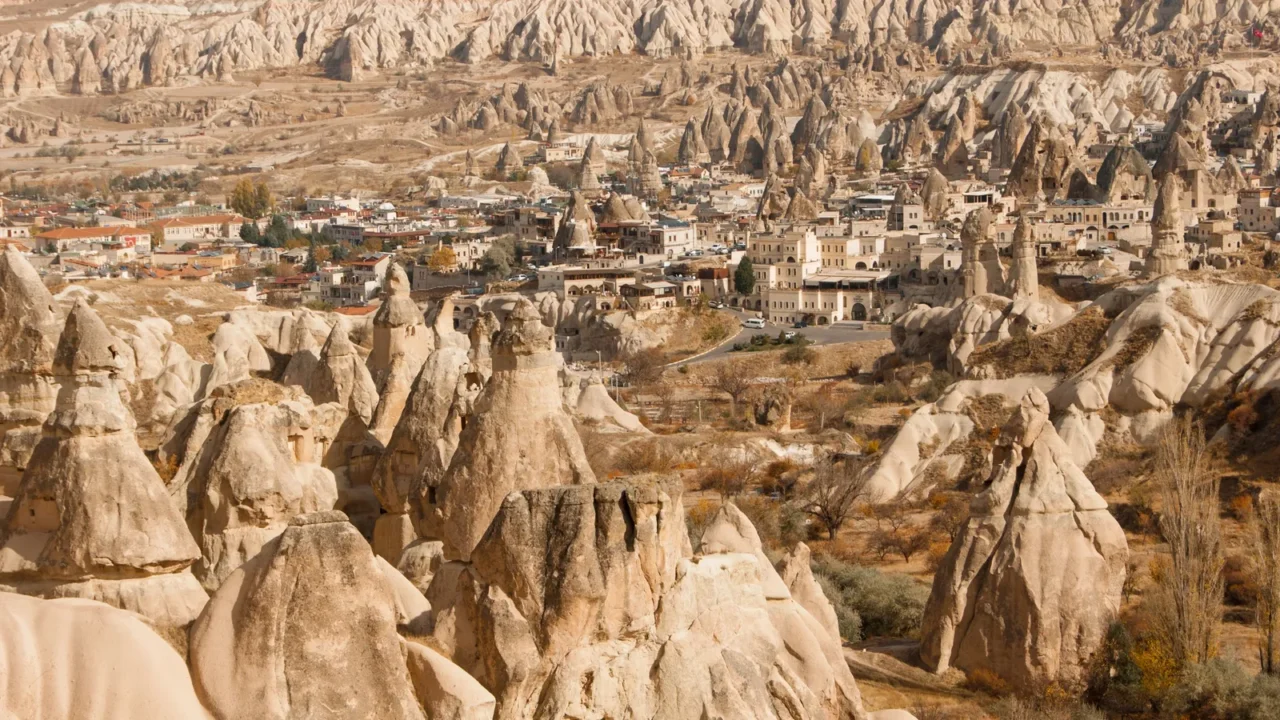
Lost cities still waiting
Ancient cities that once shaped entire regions remain hidden under oceans, deserts, and forests, creating a sense of mystery that keeps travelers curious. Many of these places hold clues about civilizations that rose and disappeared without leaving many written records. Every discovery hints at stories that still sit beneath the surface, waiting for someone to uncover them.
Travelers often find that these forgotten cities offer a glimpse into daily life from thousands of years ago, which makes them more fascinating than many well-studied ruins. Their untouched nature creates a deeper sense of wonder since so much of their layout and history has barely been explored. These cities resemble archaeological time capsules, with many of their secrets still buried and awaiting discovery.
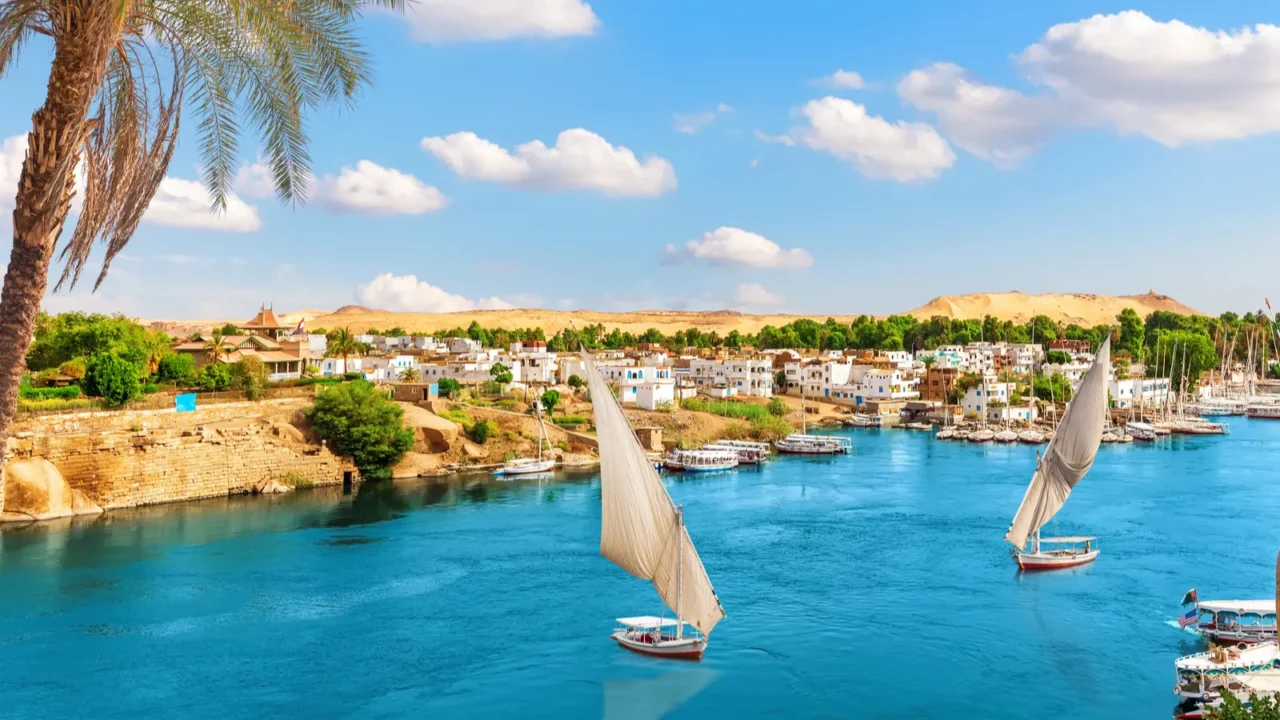
Submerged port of Egypt
The ancient Egyptian port once known as Thonis Heracleion served as a major gateway between the Nile region and the Mediterranean, according to National Geographic. The city slowly sank after natural shifts in the seabed, leaving temples, statues, and docks preserved underwater for centuries. Divers have explored only a portion of it, which means much of its story is still resting beneath the waves.
Researchers believe its hidden streets may reveal more about Egyptian trade systems that shaped connections across the ancient world. Massive statues and ritual buildings remain preserved on the sea floor, which suggests the city once played a powerful political role. Much of the remaining area still waits for detailed study and scientific mapping.
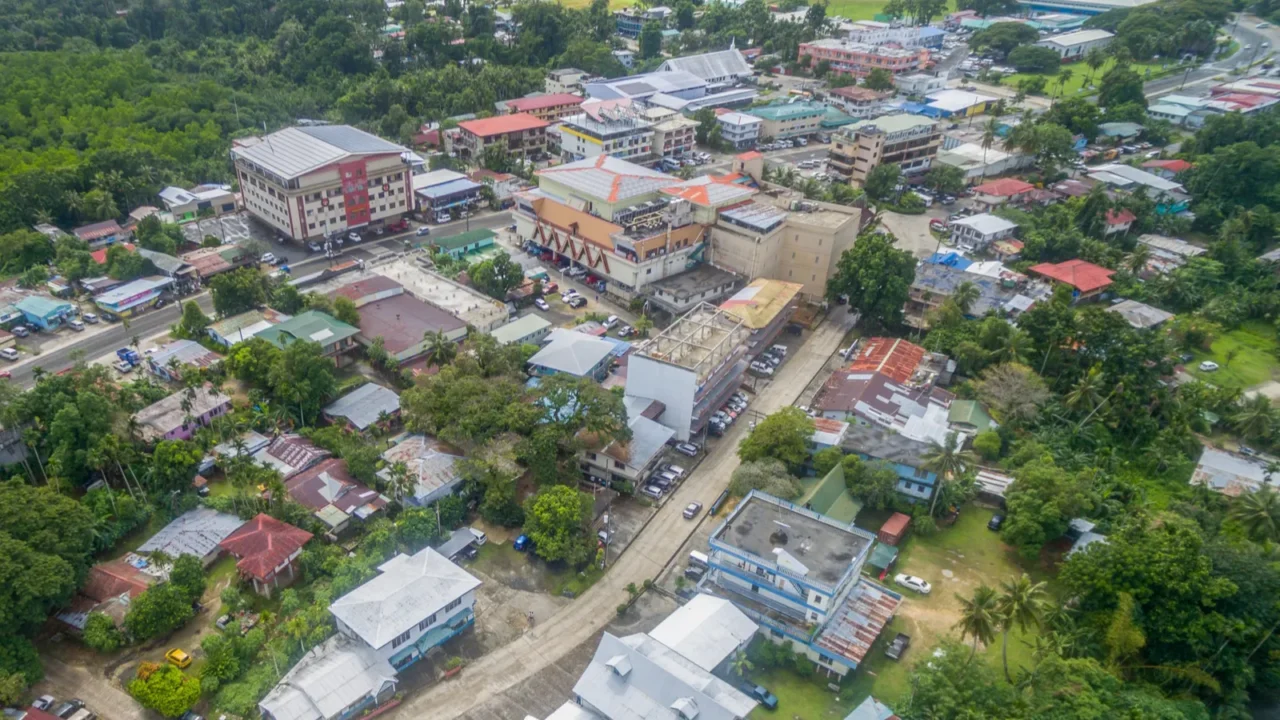
Coral city of Micronesia
Nan Madol sits off the coast of Pohnpei and was built entirely over a coral reef, as noted by UNESCO. Its network of tidal canals and artificial islets creates a layout unlike any other ancient city discovered so far. Even today, experts still debate how its builders transported huge stone columns across the water.
The city contains tombs, ceremonial areas, and grand structures that hint at a highly organized society. Many outer sections of Nan Madol remain unvisited because dense vegetation and water channels block access. According to Smithsonian Magazine, the site still holds questions about its construction techniques and its eventual abandonment.

Desert fortress of Inner Mongolia
Khara Khoto was once a thriving center of the Western Xia Kingdom, according to records studied by the British Museum. Its tall walls and wide streets have survived for centuries because the desert climate kept them protected. Much of the interior area remains unexcavated, which makes the city a rare, untouched stronghold.
Travelers who reach this remote site find that the ruins feel almost frozen in time because so few people have been able to study them. Researchers believe deeper layers may contain scrolls, pottery, and everyday items that could explain life along the ancient Silk Road. The city remains one of the least explored medieval capitals in the region.
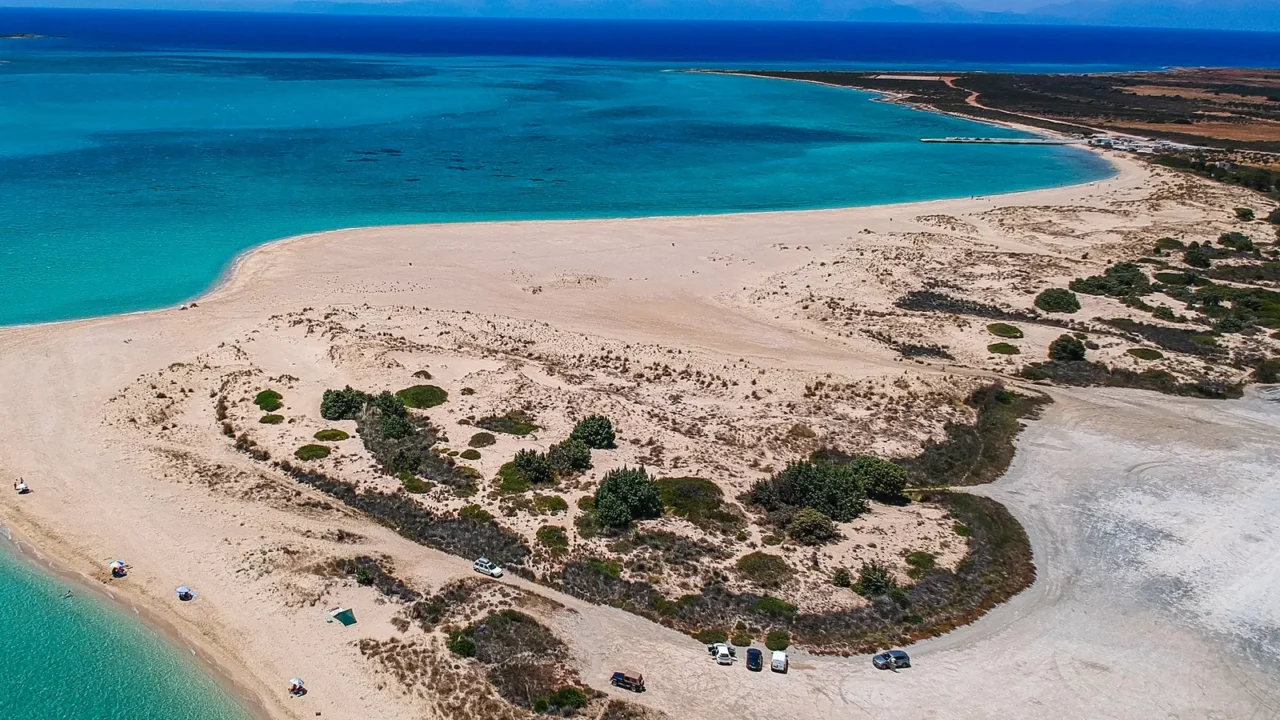
Underwater town of Greece
Pavlopetri sits off the coast of southern Greece and is considered one of the oldest submerged cities in the world, according to UNESCO. Its streets, courtyards, workshops, and tombs are still clearly visible beneath shallow water, which gives researchers a rare look at Bronze Age urban planning. The underwater conditions have protected its layout but also made proper excavation difficult.
Many sections remain buried under shifting sand, which means discoveries could appear with each scientific survey. Marine archaeologists believe the site may reveal trade patterns and cultural practices from nearly 5,000 years ago. The city remains an open chapter in Mediterranean history waiting for deeper study.
Why cities stay hidden
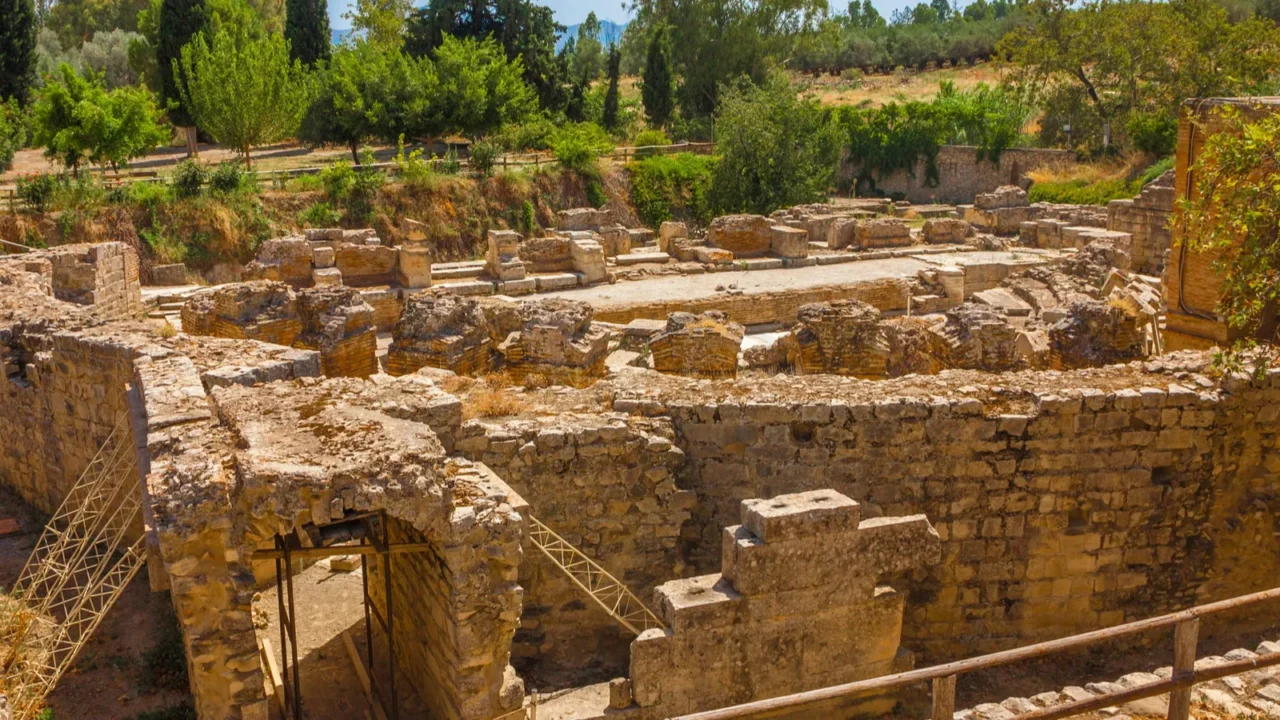
Many ancient cities disappeared because natural forces like flooding, earthquakes, and rising sea levels reshaped landscapes faster than people could respond. Some cities were built near water for trade, which later caused them to sink or erode into the sea. Others were covered by sand or vegetation that slowly erased them from sight.
Even cities that survived environmental change often became deserted for political or economic reasons. Once abandoned, they were quickly reclaimed by surrounding nature, which hid their walls and pathways. These layers of time make rediscovery both challenging and exciting for modern researchers.
Challenges in uncovering ruins
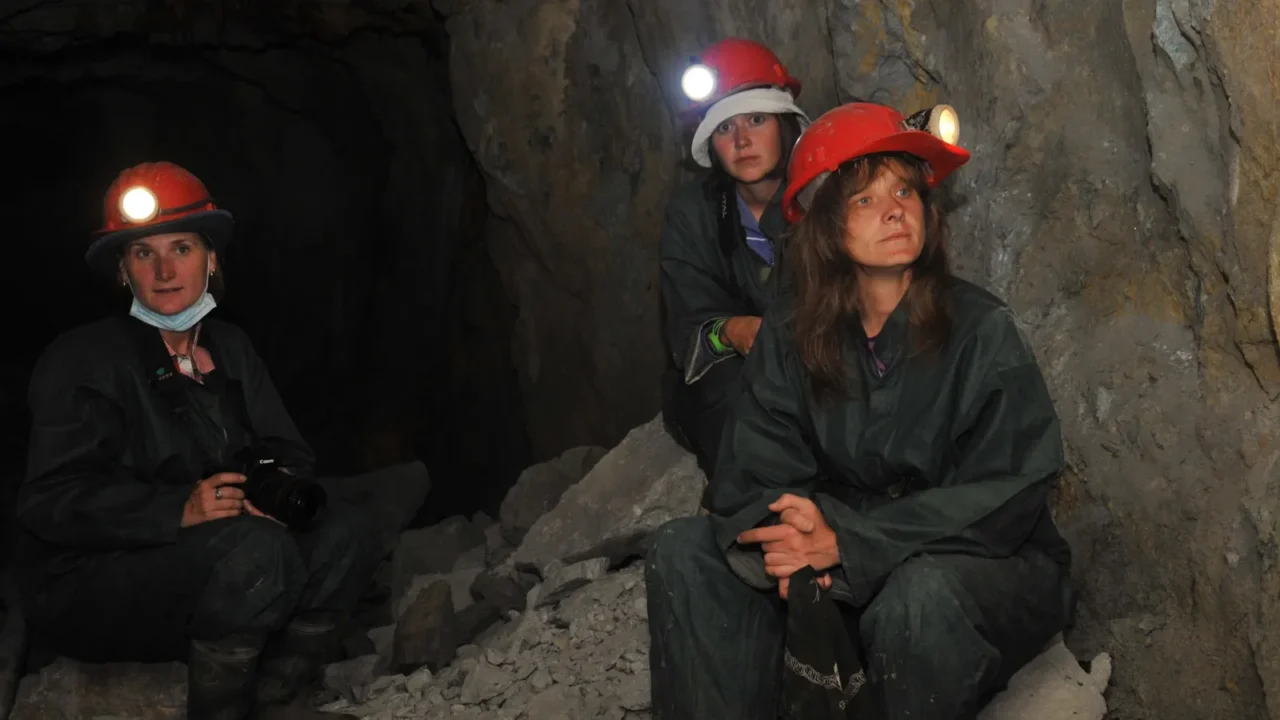
Exploring hidden cities requires specialized teams that can work underwater, in deserts, or in dense forests, which makes research expensive and slow. Many archaeologists must rely on advanced scanning tools instead of direct digging to avoid damaging fragile structures. These limits create gaps in what can be safely uncovered during any project.
Another challenge comes from the lack of written records that can explain why these cities were built and how they grew. Many civilizations used materials that decayed easily, which means stories must be reconstructed from objects alone. This careful approach takes time because every layer could hold important clues.

Why these ruins matter
Studying ancient cities helps travelers and researchers understand how early societies adapted to climate, trade, and migration. These hidden places often show advanced engineering that challenges old assumptions about ancient technology. Each discovery adds a missing piece to the global story of civilization.
These cities also carry cultural value for communities that trace their heritage back to them. Learning about them preserves traditions and reminds people of their historical roots. Their stories help connect modern societies to the achievements of long-forgotten ancestors.

Potential discoveries ahead
Future digs could reveal temples, city gates, workshops, and homes that have never been studied. These structures might explain daily life, social roles, or religious practices in ways that written records cannot. Ancient pottery and tools often reveal how far people traveled and traded.
Some cities may even contain carvings or tools preserved by arid or underwater conditions, though delicate materials like textiles are rarely found intact. These details can provide a closer look at design, craftsmanship, and community traditions. Each layer uncovered could rewrite parts of regional history.
Need for careful preservation
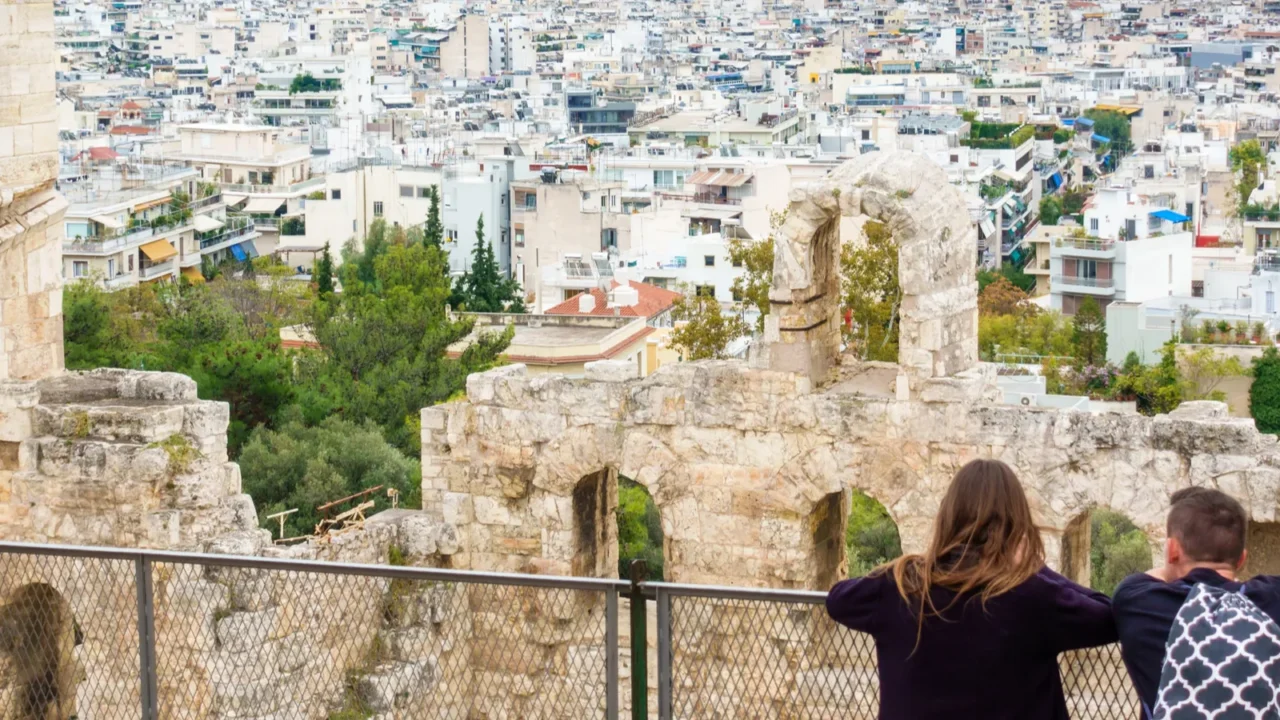
Many hidden cities are fragile because their materials have weathered centuries of erosion and shifting soil. Without careful protection, a single excavation could damage or erase important details. Conservation efforts are essential to preserve what little remains of these ancient places.
Experts recommend slow and steady exploration supported by local communities. This approach ensures that discoveries are properly studied and protected for future generations. Respect for the site helps maintain its cultural and historical value.
Mystery that excites travelers
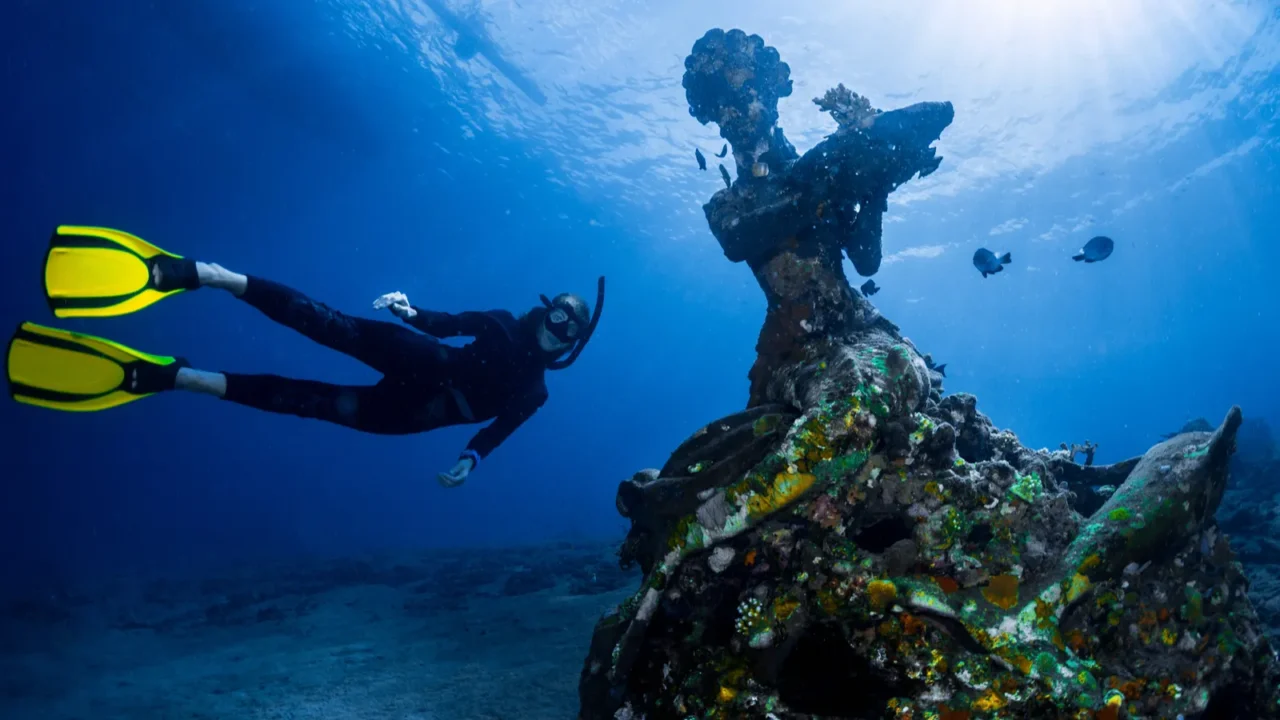
Travelers feel drawn to these cities because they are full of questions that still do not have clear answers. Every underwater statue or buried wall hints at stories waiting to be told. Discoveries constantly remind people that history is longer than what is already known.
This sense of mystery inspires explorers, historians, and everyday visitors alike. The idea that a lost city could reveal something remarkable keeps interest alive. These sites show that the past still has surprises to offer.

Future of exploration
Improved tools like satellite imaging, LIDAR, and underwater drones allow researchers to find hidden structures without disturbing them. These technologies open new possibilities for discovering entire cities that remain unknown, much like the forgotten ancient wonders around the world still shrouded in mystery. Teams across the globe continue developing safer ways to explore delicate ruins.
As global interest grows, more regions may support scientific missions to understand these forgotten cities. Collaboration with local groups ensures ethical and respectful research. The future may reveal many ancient cities that have waited patiently beneath earth and sea.
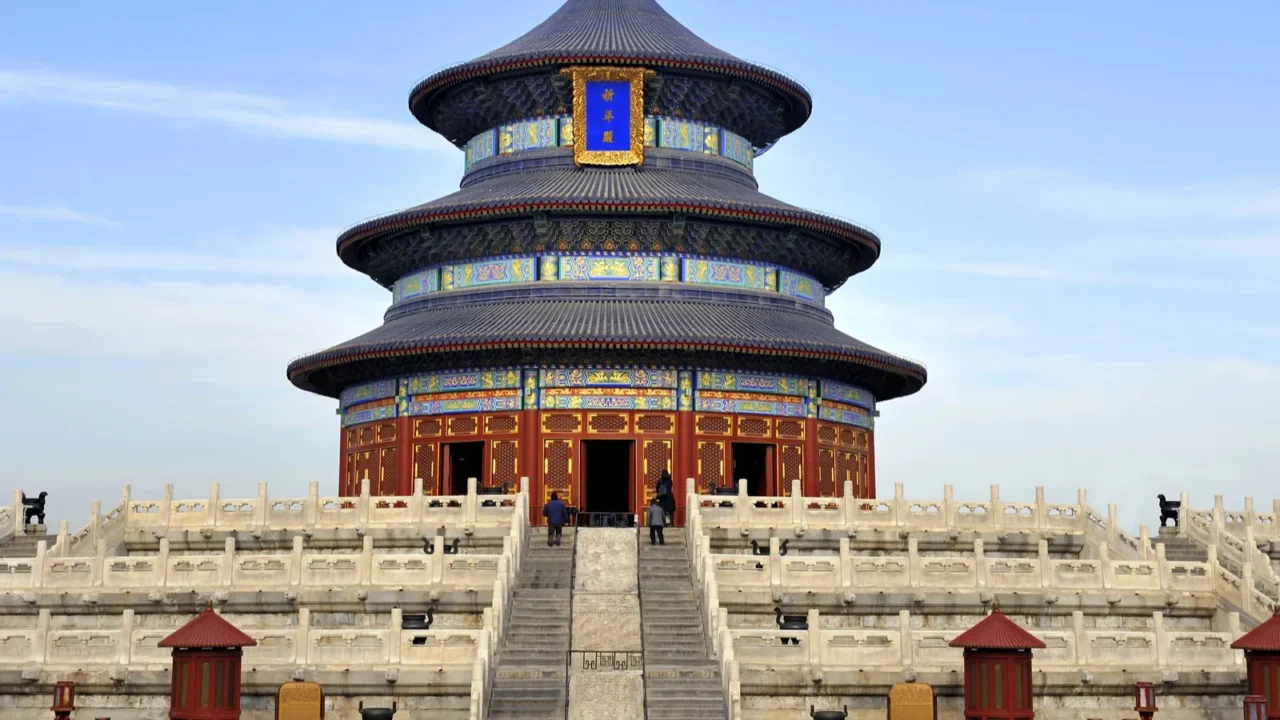
New stories waiting beneath
Many ancient cities still sit undiscovered, holding secrets from civilizations that shaped human history. Their walls, roads, and temples may reveal how people lived, built, and believed long before modern times. Every uncovered detail brings travelers closer to understanding these long-lost worlds.
These cities invite curiosity because they hold fragments of stories that are still unfolding. Their untouched beauty speaks to how much remains hidden in our world. Which ancient city would travelers be most excited to see uncovered someday?
This slideshow was made with AI assistance and human editing.
Don’t forget to follow us for more exclusive content right here on MSN.
Read More From This Brand:
