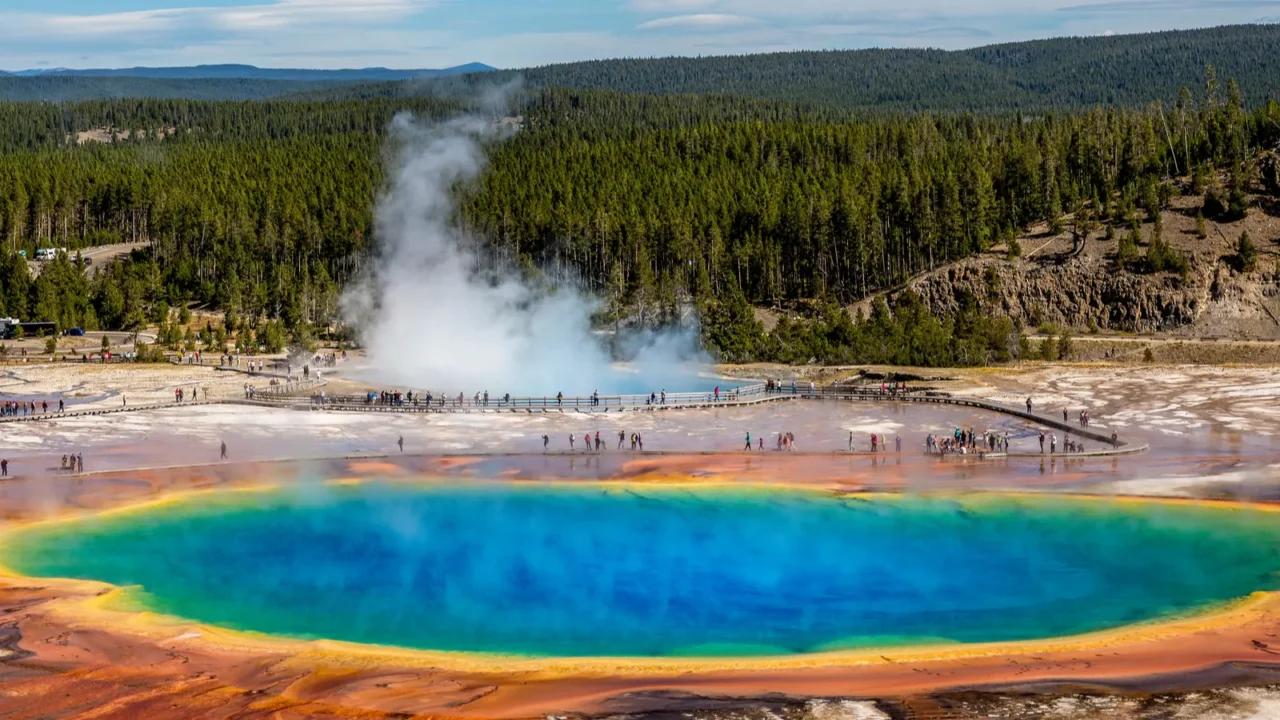
The rumor that shook the internet
Social media lit up this year with dramatic claims about Yellowstone “waking up,” sparking a wave of worry across the country. Clips of bison “running for their lives” and shaky videos of steam vents made the story spread fast even though most of it wasn’t real.
Scientists quickly stepped in to calm the noise by sharing updated monitoring data. Their reports show no unusual activity beneath the surface, and the park remains stable, with movements and steam bursts matching normal seasonal patterns rather than anything extreme.

What scientists are actually seeing
The truth is far less dramatic than the viral posts suggest. Monitoring stations around the park are showing steady, predictable background activity, which is exactly what scientists expect from a living volcanic system like Yellowstone.
Researchers rely on tools that measure earthquakes, temperature shifts, ground changes, and gas emissions. These instruments continue to report normal trends, giving experts full confidence that nothing points toward an eruption or any sudden change in Yellowstone’s volcanic behavior.

Why the alert level stays normal
The U.S. Geological Survey continues to keep Yellowstone at a GREEN alert level, which is the lowest status. This level tells the public that everything remains within long-term patterns, with no signs of rising magma or unusual pressure building below the park.
A GREEN status also means air travel is unaffected, since nothing is happening that could release large plumes of ash. This color code is reviewed constantly, and if anything shifted, scientists would adjust it quickly to make sure communities stay informed.
Earthquakes that sound scarier than they are
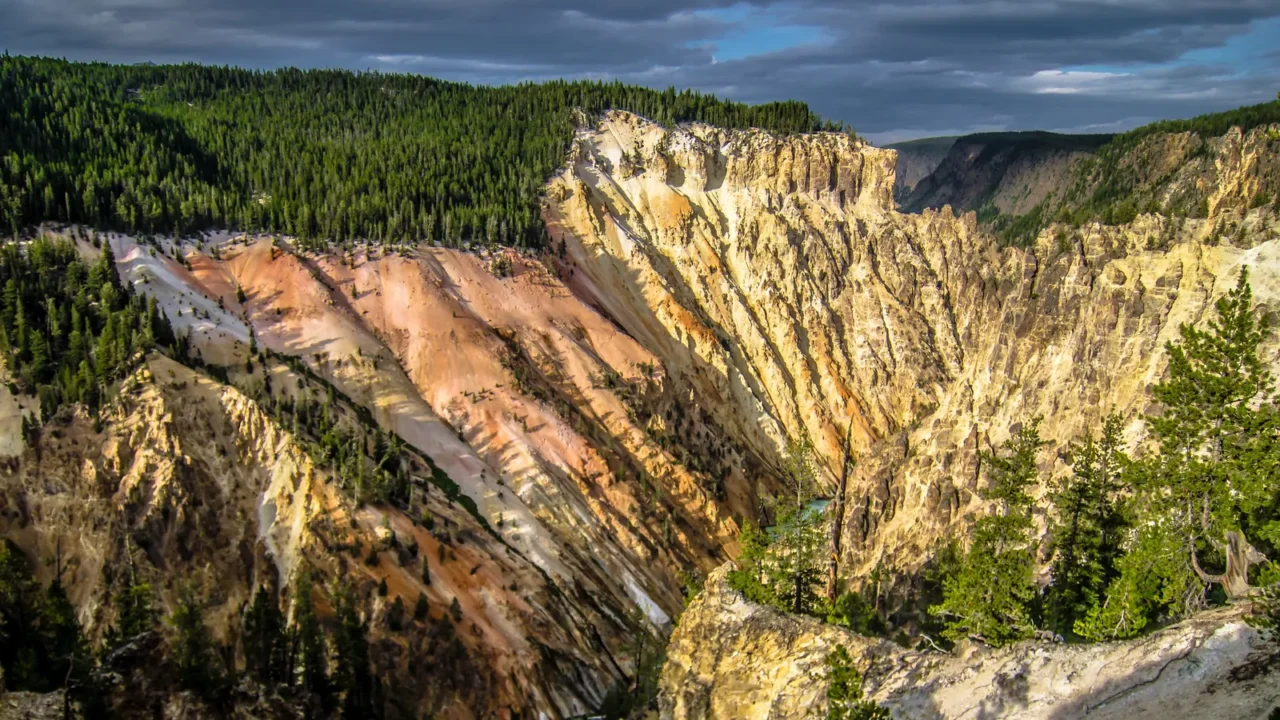
Yellowstone sits in one of the most seismically active regions in the country, so earthquakes are common and expected. In November 2025 alone, 251 small quakes were recorded, and the strongest was a magnitude 3.2, which is too weak to cause damage.
These tiny quakes come from shifting faults and underground fluids moving through cracks. Scientists say this number fits the usual range for Yellowstone, showing no pattern that would warn of a volcanic event or any major change beneath the caldera.
What ground movement tells us
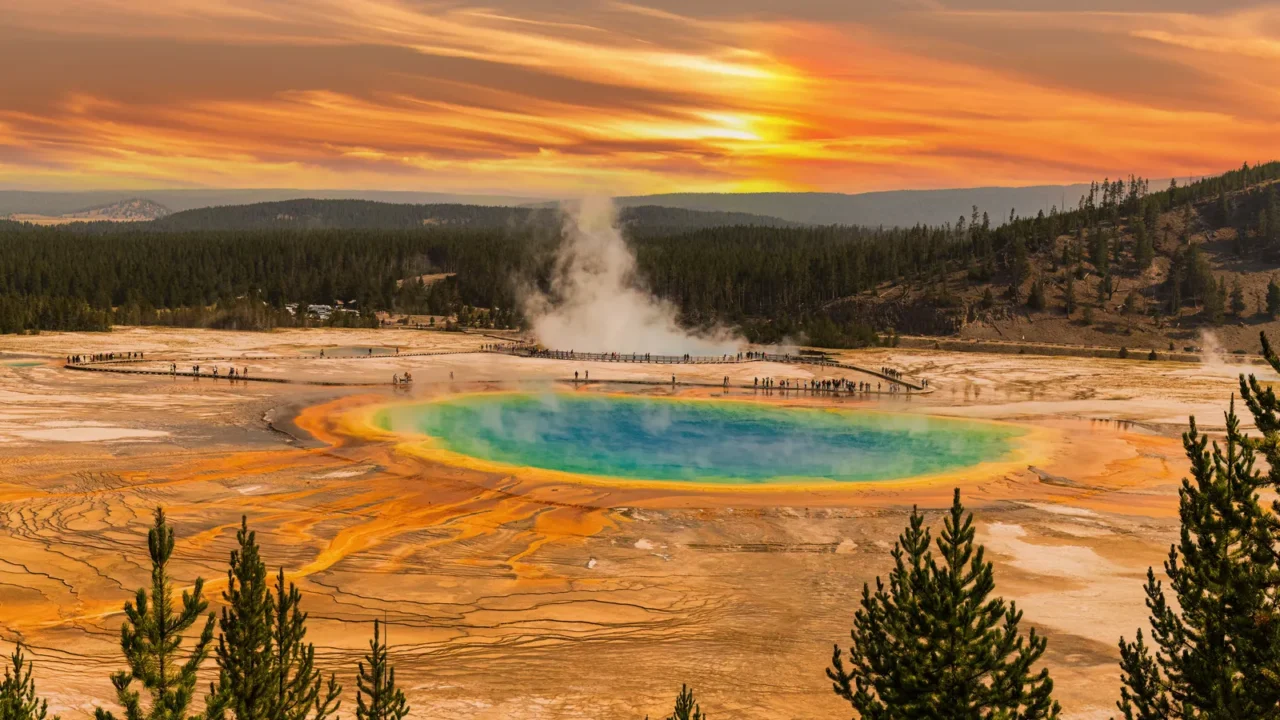
Sensitive GPS stations measure the rise and fall of Yellowstone with remarkable accuracy. These readings show that the caldera has been slowly sinking in recent years, which matches the long-term trend of natural subsidence across the region.
No sudden uplift or rapid shifting has been detected in 2025. Ground movement like this helps scientists understand how heat and fluids move underground, but none of the current patterns match those seen before major volcanic events in other parts of the world.
Why geysers don’t signal danger
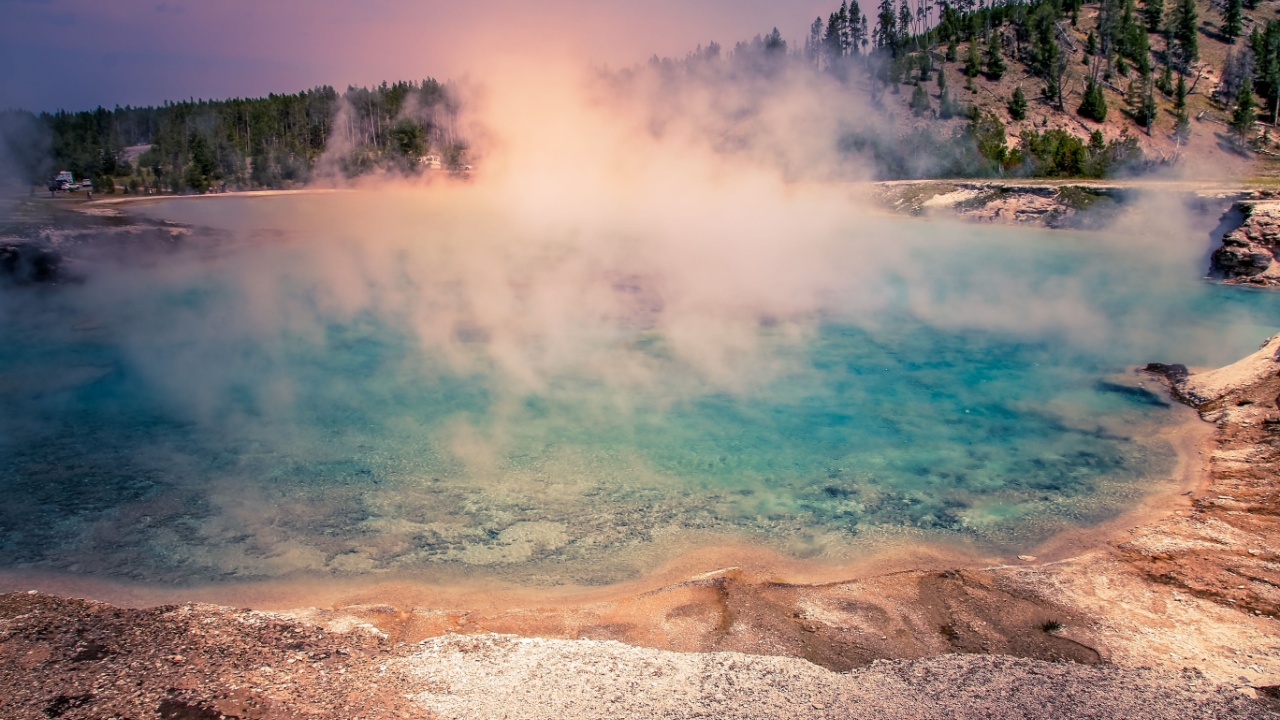
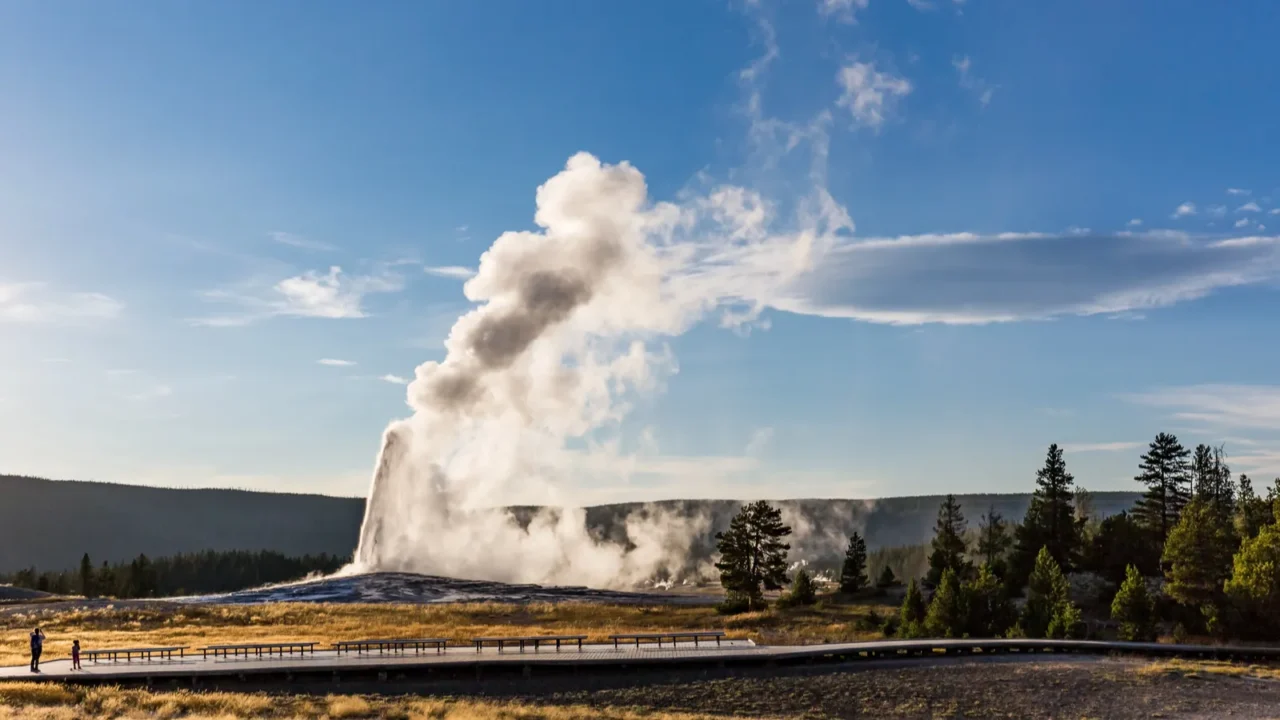
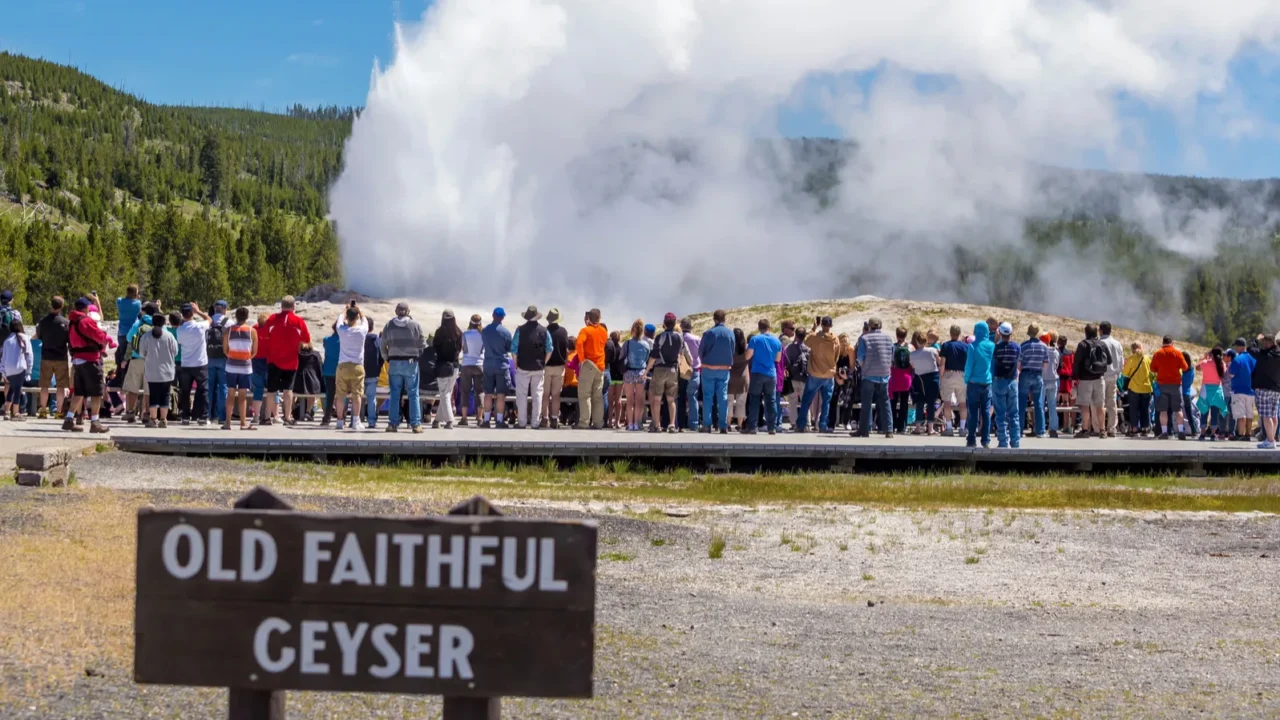
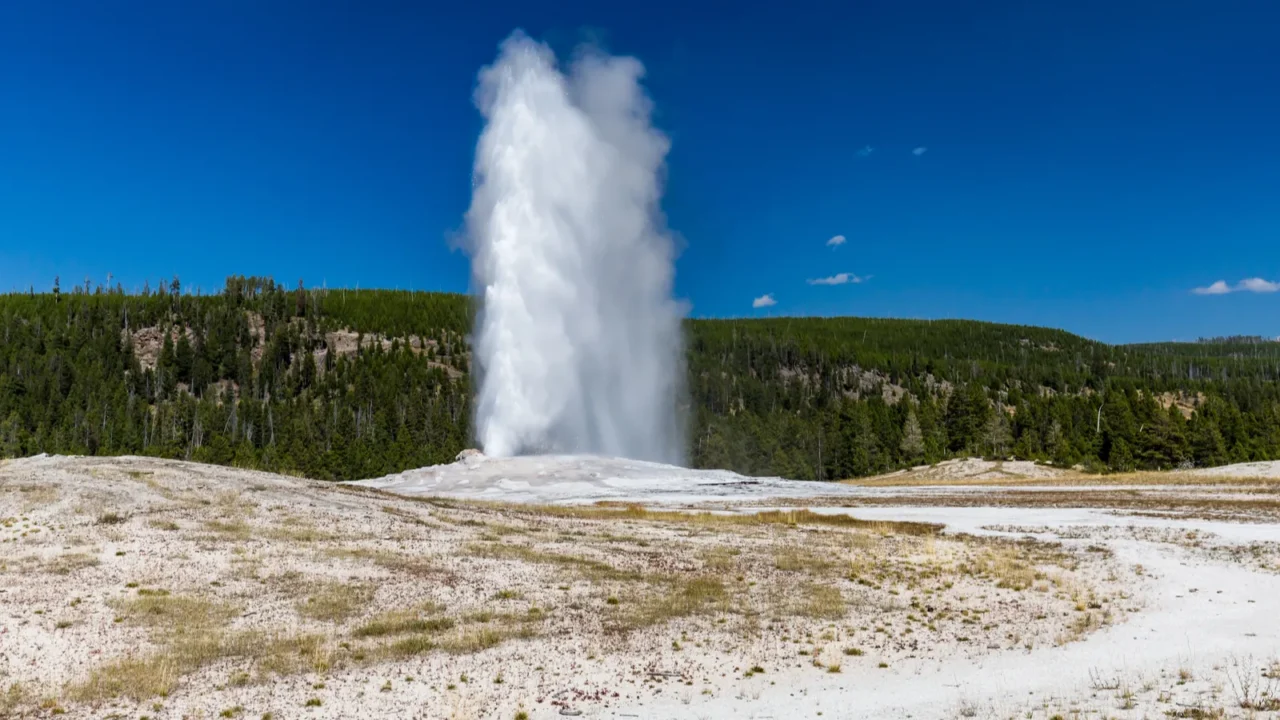
Geysers and hot springs can bubble, roar, or even erupt with a little extra energy, and it often looks dramatic on camera. In late November, two small hydrothermal blasts occurred at Biscuit Basin, and a steam vent that appeared in 2024 is still active.
While these moments get plenty of attention online, they’re not warnings of magma rising. Hydrothermal events happen when superheated water flashes into steam close to the surface, which is normal in a place as hot and active as Yellowstone.
Clearing up the fleeing animals myth
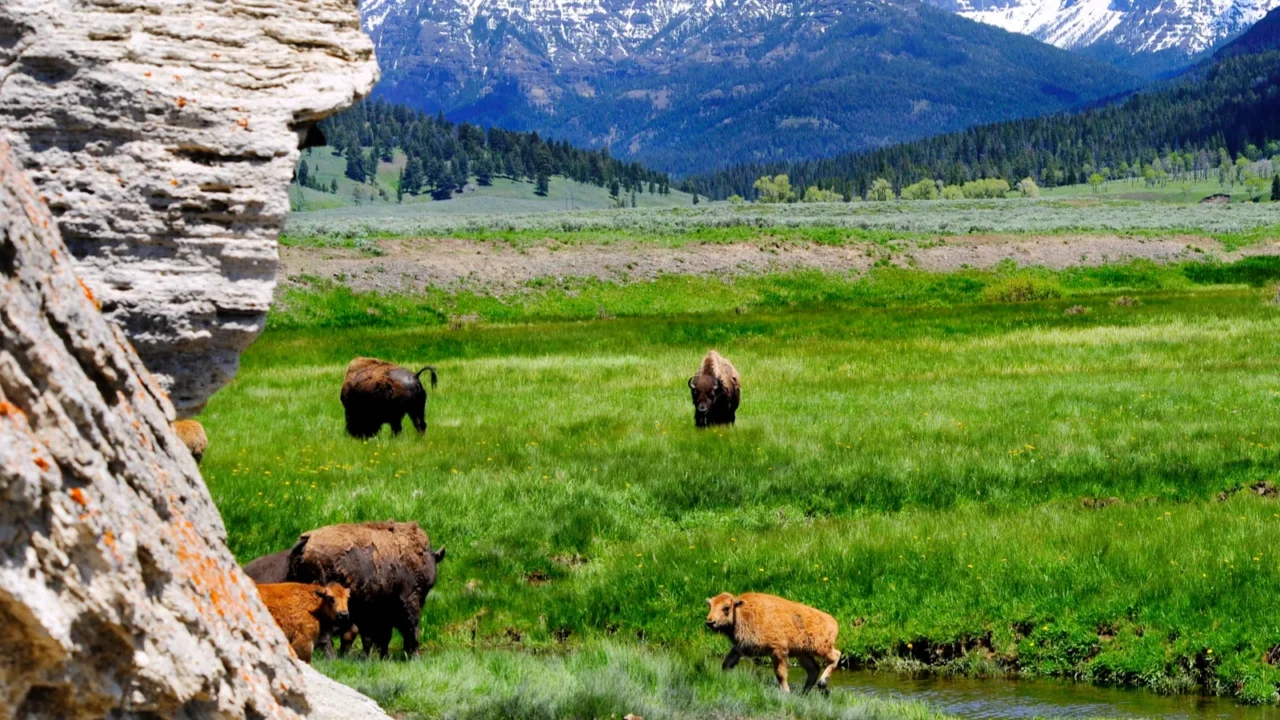
Videos claiming animals were running from Yellowstone added fuel to the rumors, but most of those clips weren’t even filmed in the park. Wildlife experts explained that bison, elk, and other animals follow regular winter migration routes every year.
Seasonal movement often looks dramatic, especially when captured at the right angle. None of the park’s monitoring teams reported unusual wildlife behavior in 2025, and nothing suggests animals sensed anything abnormal beneath the ground.
Understanding Yellowstone’s past
Yellowstone’s last major eruption happened about 640,000 years ago, long before humans lived in North America. It produced a massive caldera and spread ash across much of the continent, leaving behind the landscape people visit today.
Geologists also study two even older eruptions that occurred 1.2 million and 2.1 million years ago. When comparing these events, experts note that the gaps between them vary widely, proving Yellowstone doesn’t follow any predictable timetable or countdown.
Why “overdue” isn’t a real term
Many people think Yellowstone erupts on a strict schedule, but volcanoes don’t work like that. Geological averages help scientists understand general patterns, but they’re not clocks that count down toward disaster.
Based on the average spacing of past eruptions, Yellowstone would only be considered “overdue” roughly 90,000 to 100,000 years from now. This makes it clear that today’s activity doesn’t match the conditions seen before the previous massive events.
The magma under the surface
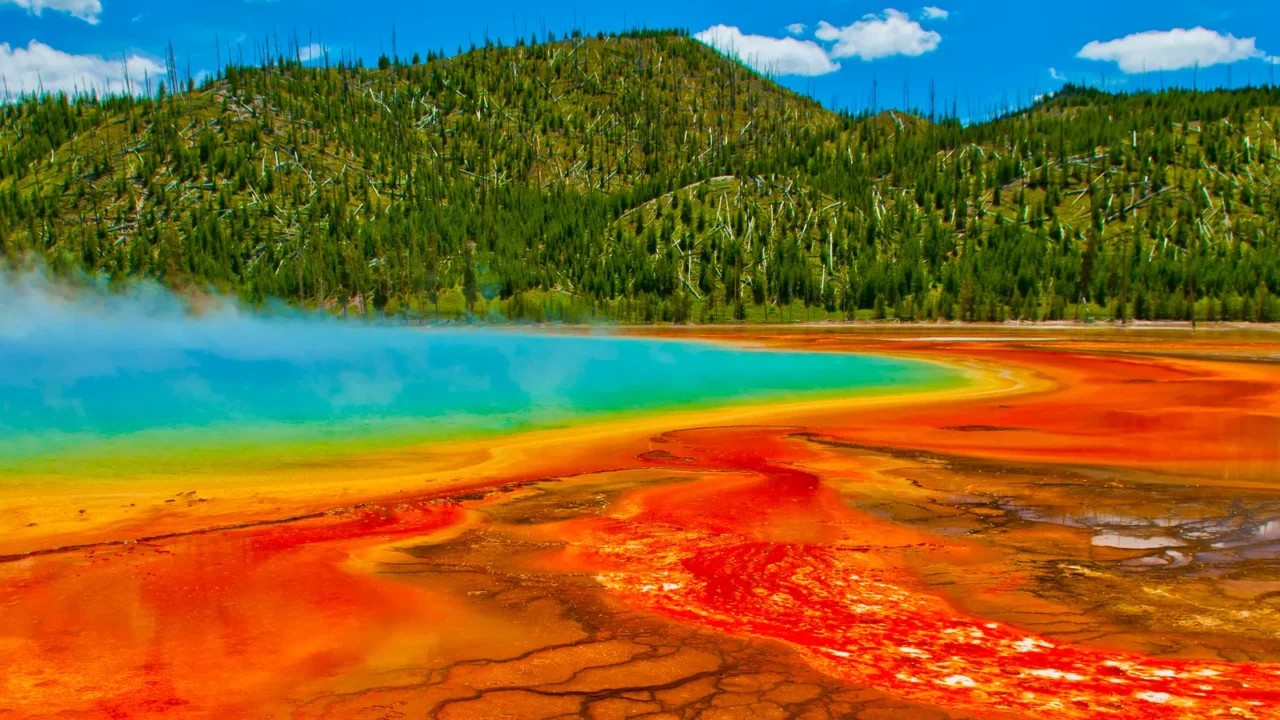
Recent imaging studies mapped several magma pockets beneath Yellowstone, showing they contain partially melted rock. This molten material fuels the park’s geysers and hot springs, but it’s not enough to drive a super-eruption.
The magma bodies also aren’t connected in a way that allows pressure to build quickly. Experts say the system is stable and in a natural recharge stage that unfolds over tens of thousands of years, not months or years like social media stories claim.
Imagining a true super-eruption
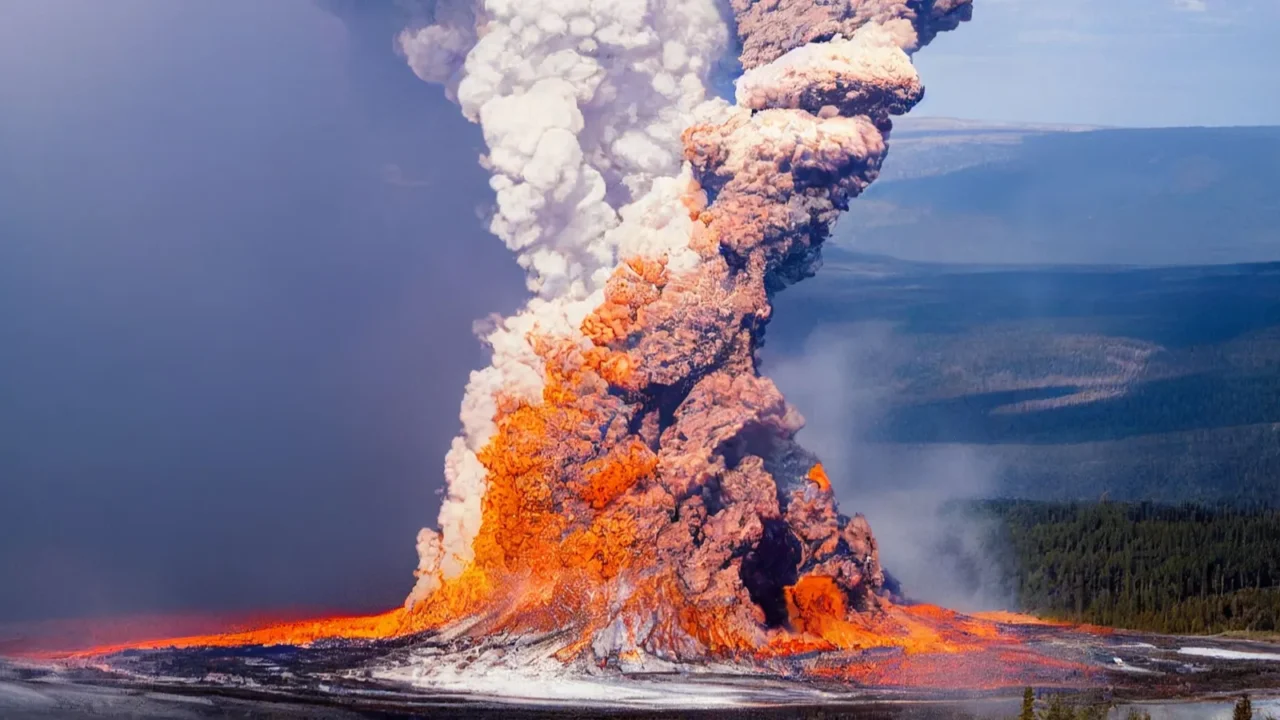
A real super-eruption would be a once-in-human-history event, releasing over 1,000 cubic kilometers of material. It would blast ash high into the atmosphere and spread it across huge areas, affecting travel, air quality, and global weather.
Scientists emphasize how rare these events are. Yellowstone’s system doesn’t hold the conditions needed for something that enormous today, and if activity ever changed, monitoring networks would offer early and reliable warnings long before an eruption could occur.
What a real warning would look like
If Yellowstone ever shifted toward an eruption, scientists would see clear signs long before anything serious happened. That includes rapid ground uplift, strong earthquake swarms, large changes in gas emissions, and major shifts in hydrothermal behavior.
None of these signs are present in 2025. The data shows slow, predictable patterns that match years of observations, giving researchers confidence that nothing dangerous is developing beneath the caldera right now.
Ever thought about riding down a volcano? New safety tech is making volcano surfing more accessible (and more thrilling) than ever before.

How USGS keeps watch every day
The Yellowstone Volcano Observatory uses 24-hour monitoring systems to track earthquakes, ground movement, and gas changes. This network includes seismometers, satellites, GPS stations, and on-site measurements taken throughout the year.
Updates are published monthly, allowing anyone to check the current data. This transparency helps keep the public informed and ensures rumors don’t overshadow the facts about what’s happening in the park.
Think Yellowstone is the only place for winter hot springs? Idaho quietly hides dozens of natural pools tucked into snowy canyons and pine forests.
Would you ever visit Yellowstone knowing the facts? Share your thoughts in the comments.
This slideshow was made with AI assistance and human editing.
Don’t forget to follow us for more exclusive content right here on MSN.
Read More From This Brand:
