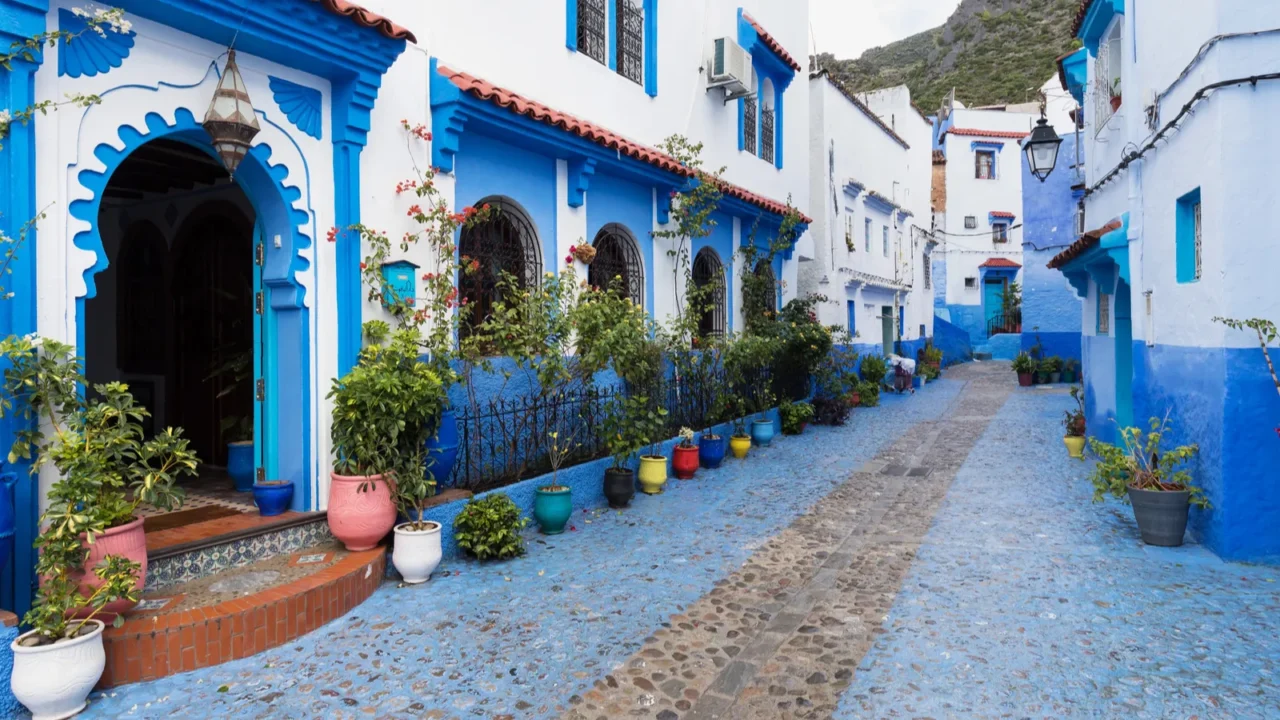
Blue city draws eyes
Few towns in the world wear a single color with such confidence and magic. Chefchaouen glows in dozens of shades of blue, turning narrow alleys into dreamy photo backdrops. Travelers seeking color and calm often find themselves spellbound by this mountain-town gem.
Heritage, climate, and community all shaped its signature blue hue over centuries. What started small grew into an identity that captures imaginations worldwide. The story behind it is as rich as the color itself. Let’s dive in!
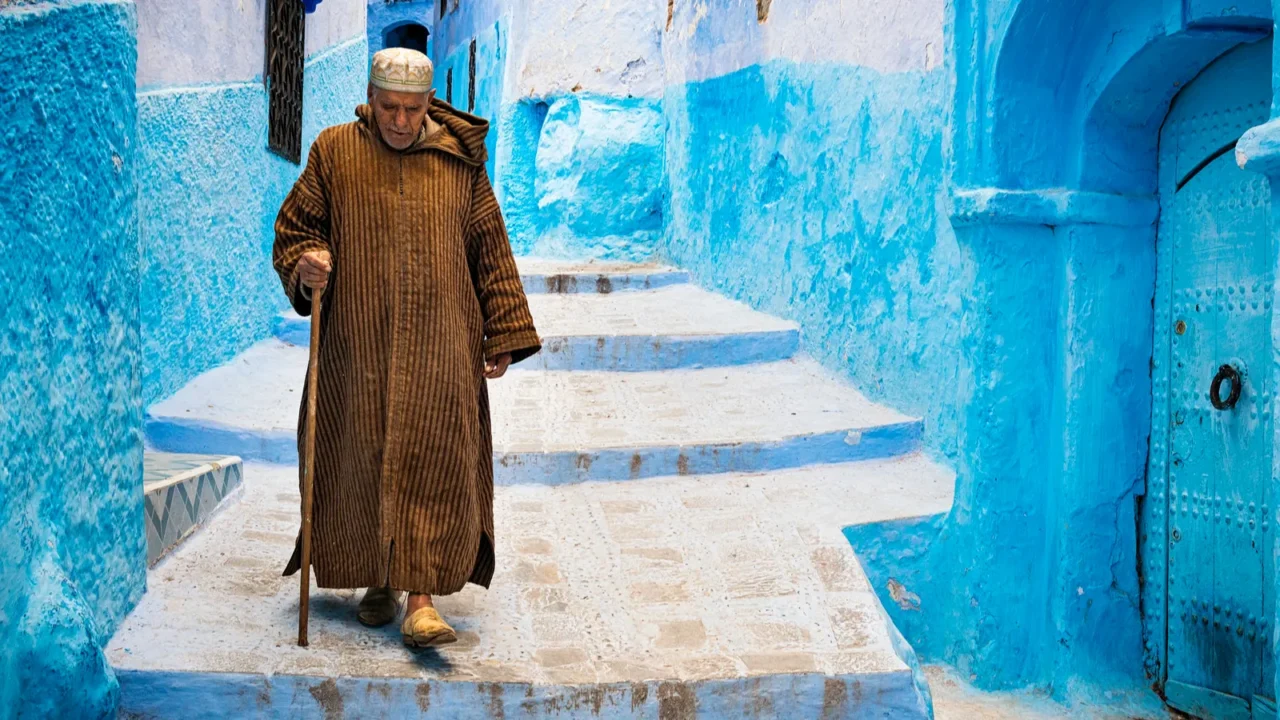
Jewish roots and sky lore
One strong theory links the blue painting tradition to Jewish refugees who settled in the town during the 1930s. In their tradition, blue symbolizes sky, heaven, and divine presence, a constant reminder of spiritual connection. Painting homes blue turned narrow lanes into meditative, sky-touched walkways.
Over time, the Jewish quarter’s blue aesthetic spread beyond its original bounds. Local Muslim and Berber residents embraced the hue for its calm charm and deep meaning. Gradually, the medina transformed into the unified blue city known today.
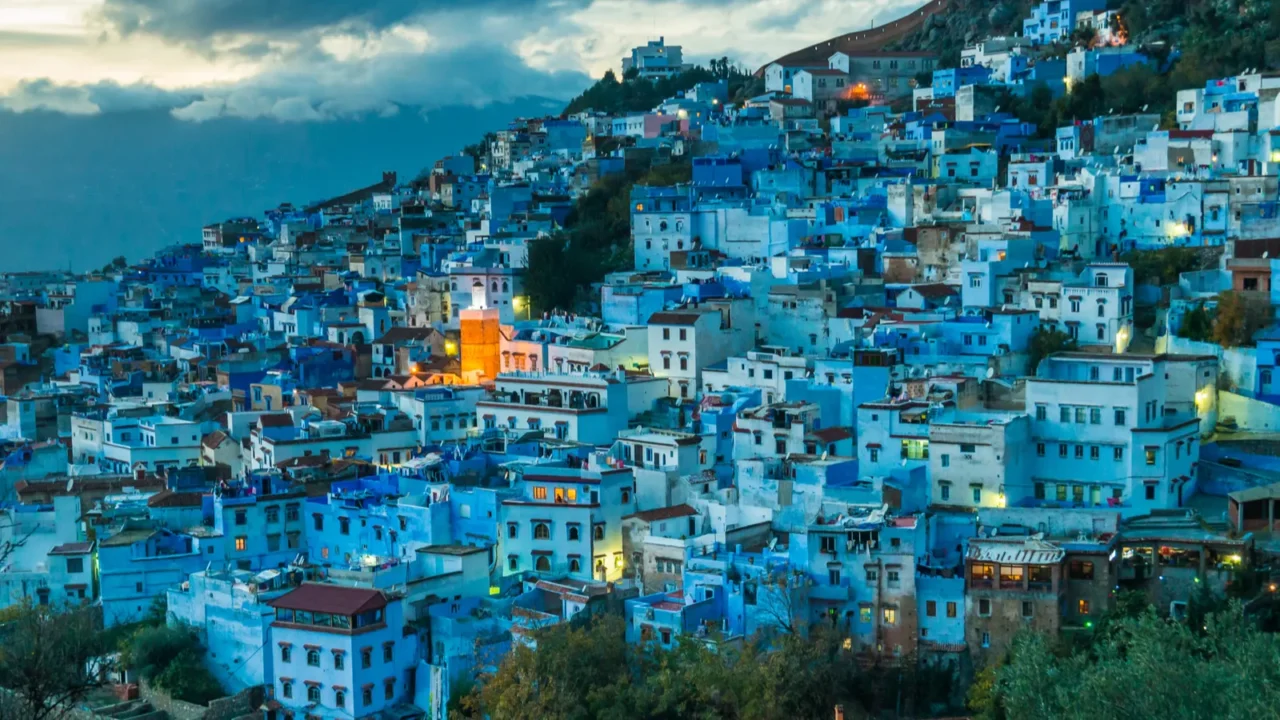
Blue for practical reasons too
Some locals believe the blue helps keep buildings cooler under Morocco’s warm sun. Lighter paints can reflect sunlight and ease summer heat inside homes in the Rif Mountains. That practical benefit likely helped the tradition stick beyond its spiritual origins.
Another old local belief says blue deters mosquitoes by mimicking water or creating a less inviting surface for bugs. Though unproven, this idea still circulates and adds a practical legend to the tale. Whether fact or lore, it underscores how color and daily life met in Chefchaouen.
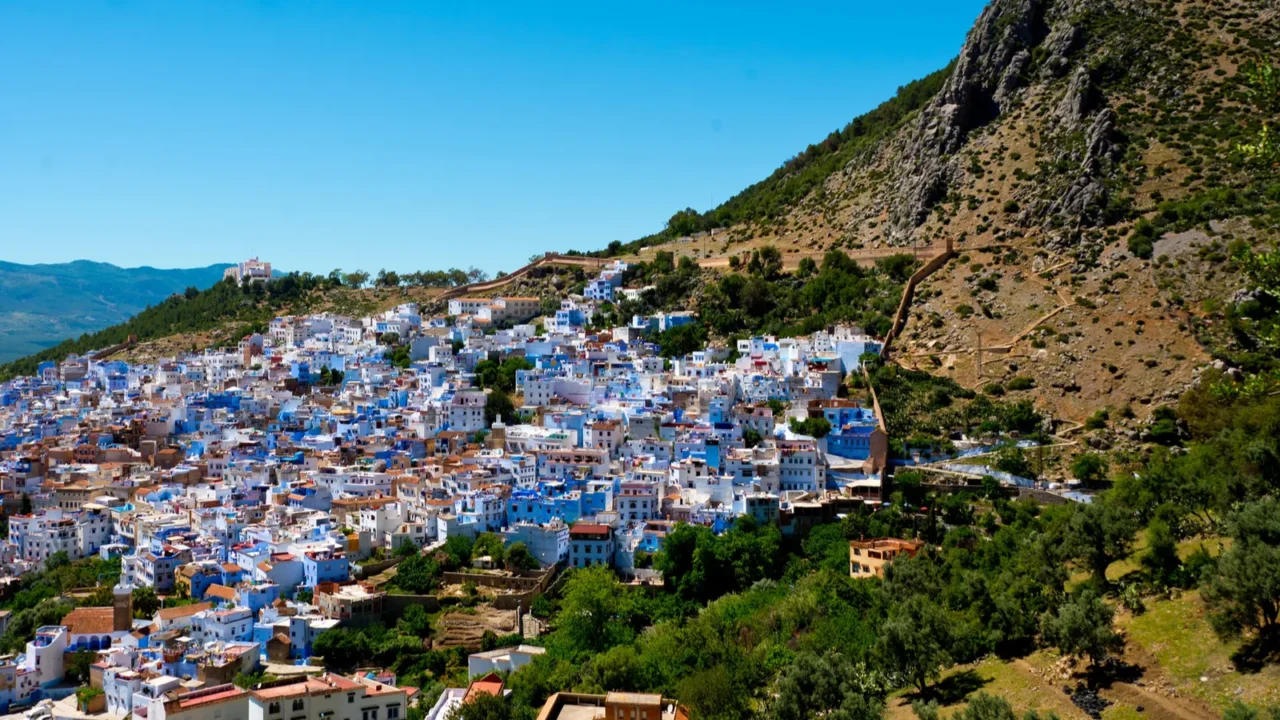
Water, mountains and inspiration
Chefchaouen sits near the Rif Mountains and continues to draw water from mountain springs and the nearby waterfall, essential sources for the community. Some residents say the blue evokes water itself, a symbol of life, purity, and survival in a mountainous region. That connection ties the city’s color directly to its natural surroundings.
The mix of cool mountain air and flowing water shaped daily rhythms, and the blue walls became part of that environment. Over time, the color turned from a practical use to an aesthetic signature. The mountains, water, and blue tones now feel inseparable.
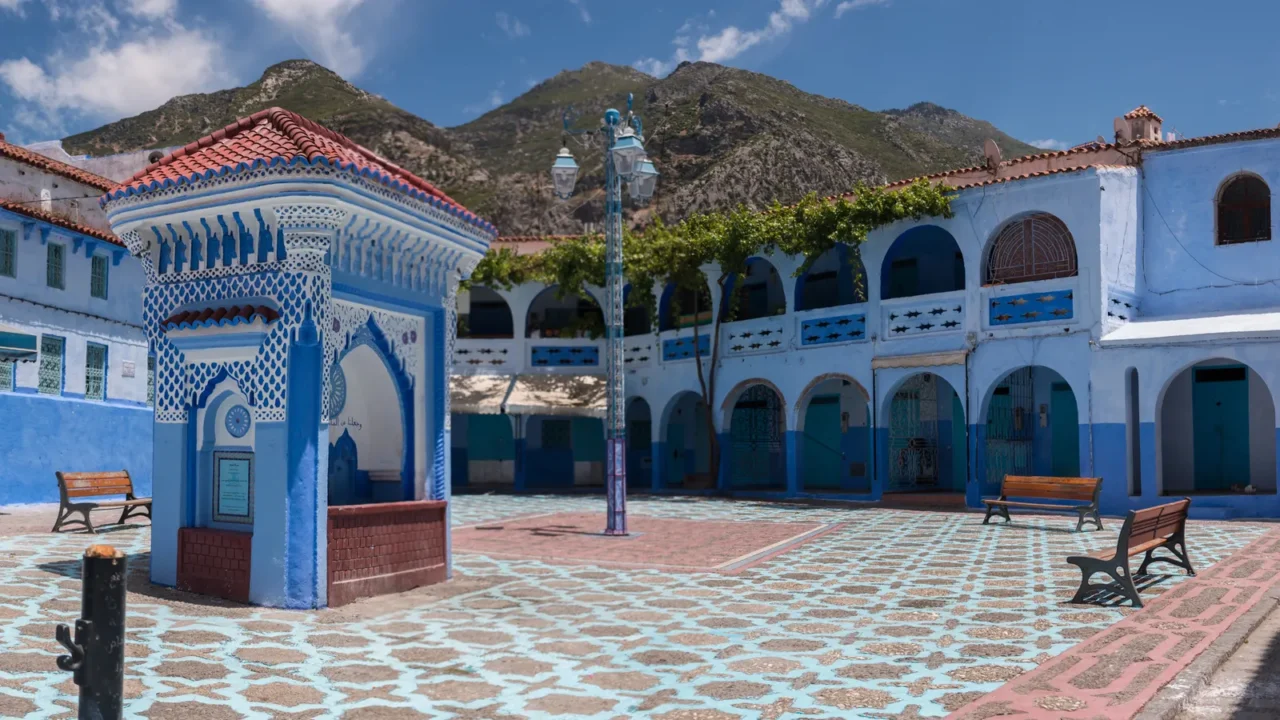
Architecture meets culture and color
Chefchaouen’s buildings reflect Andalusian, Berber, and Jewish influences, featuring stone and wood construction, narrow alleys, and simple homes built around courtyards. When painted blue, that traditional architecture transformed into something magical and unique. The effect turned every door, stairway, and wall into a piece of living art.
Walking those alleys feels like traveling through time, layered with color and culture. The blue hue softens stone and tile, creating an atmosphere of calm and charm. For many travelers, the architecture and paint combine into an unforgettable sensory experience.
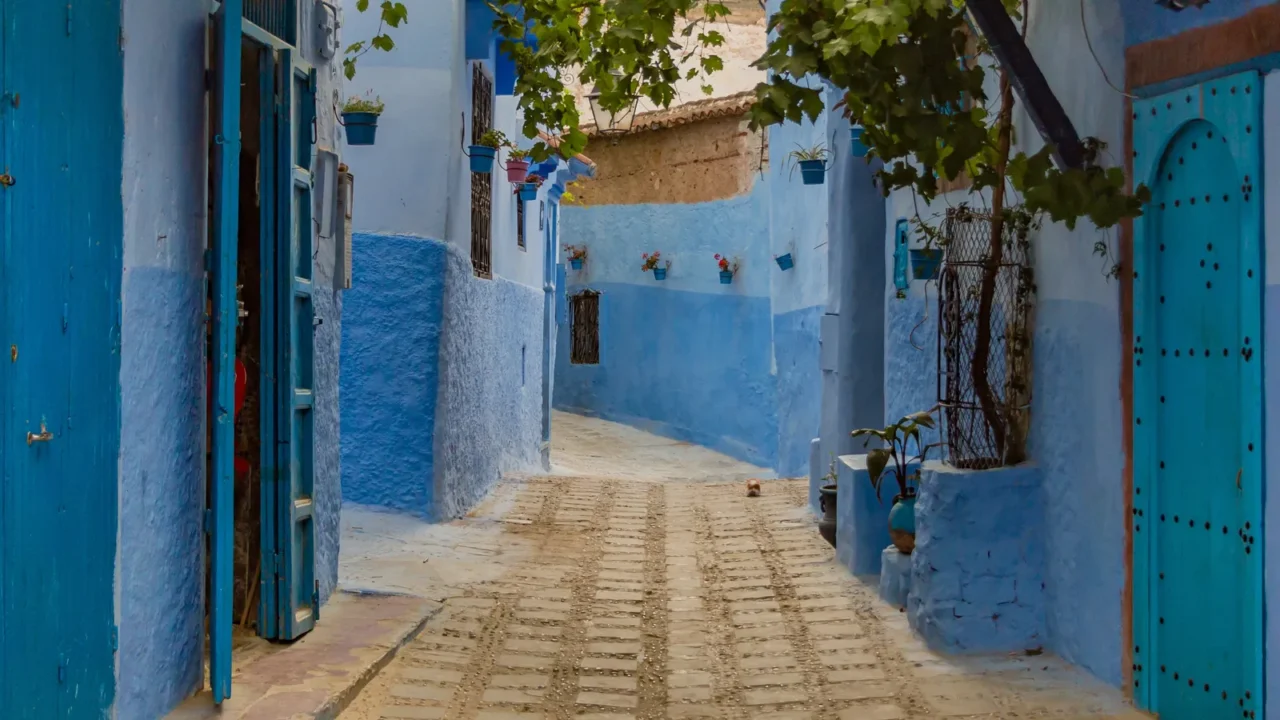
Medina lanes as a living canvas
As the blue tradition spread, the entire medina turned into a continuous canvas of soft blues and whites. Walls, doors, staircases, each surface contributes to the town’s dreamlike identity. Visitors wander through a flowing world of color rather than a standard city grid.
Residents repaint regularly to maintain the shade’s vibrancy and preserve the city’s unique look. That continuous upkeep keeps the color fresh for every season and every visitor. The result is a living, breathing, ever-present tone of blue that evolves with light, weather, and generations.
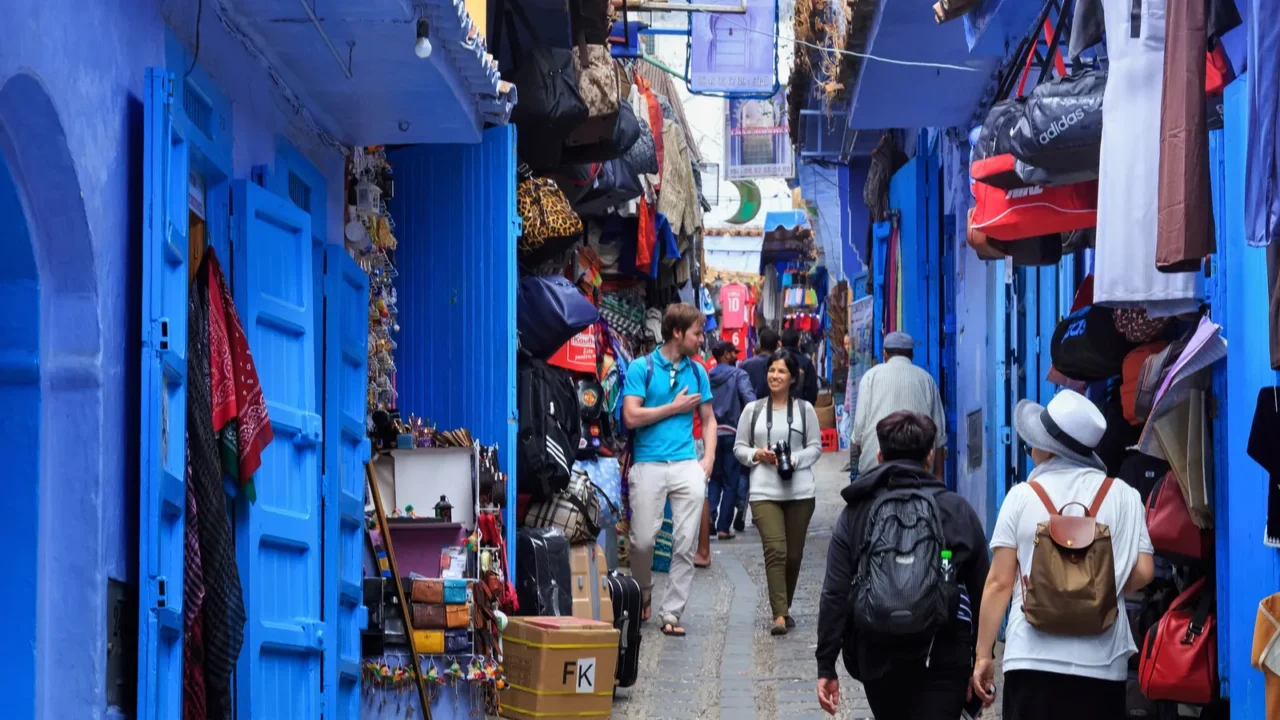
Calm tones for calm minds
Walking through blue alleys under soft light seems to quiet thoughts and slow steps. The city’s palette and slow pace offer a kind of visual meditation for anyone who visits. For holidaymakers seeking both beauty and stillness, Chefchaouen feels like a gentle retreat from busy life.
Shops, rugs, tea houses, and daily routines blend directly into blue backdrops that feel like watercolor scenes. The locals move through narrow streets with ease, and the blue gives even mundane moments a dreamy cast. That seamless merge of everyday life and blue magic gives Chefchaouen its enduring charm.
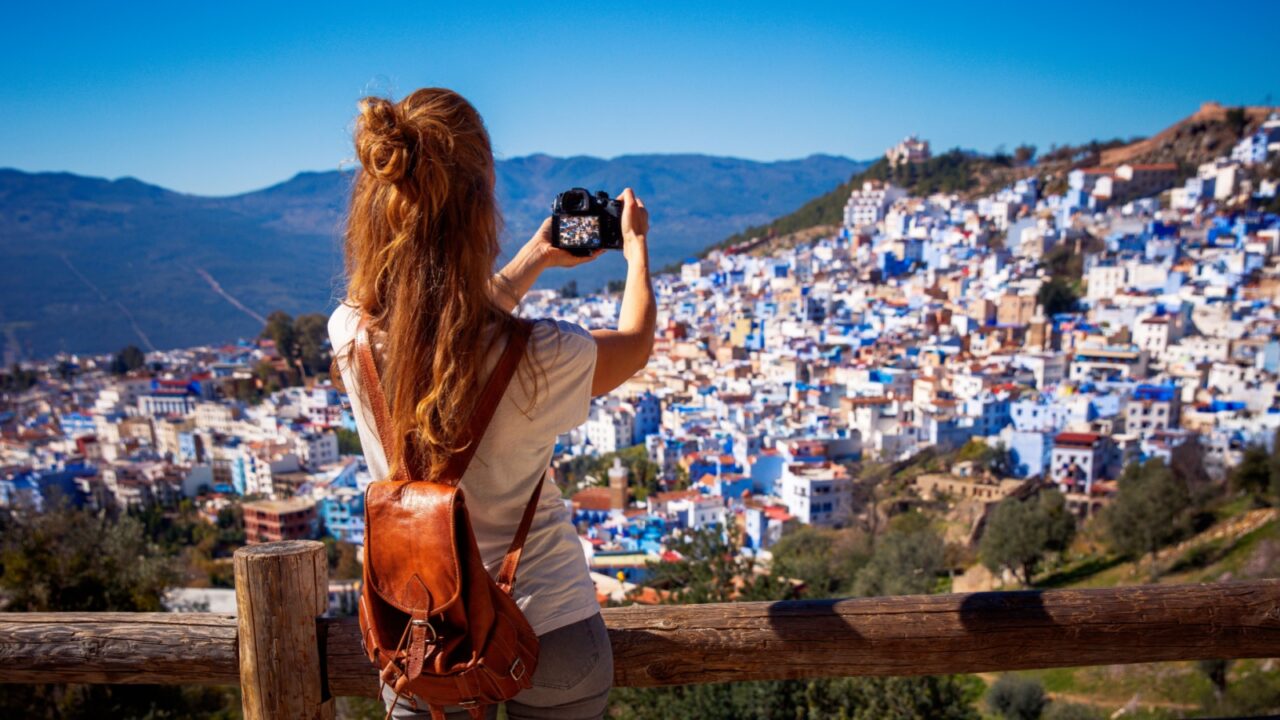
Photo lovers spread the word
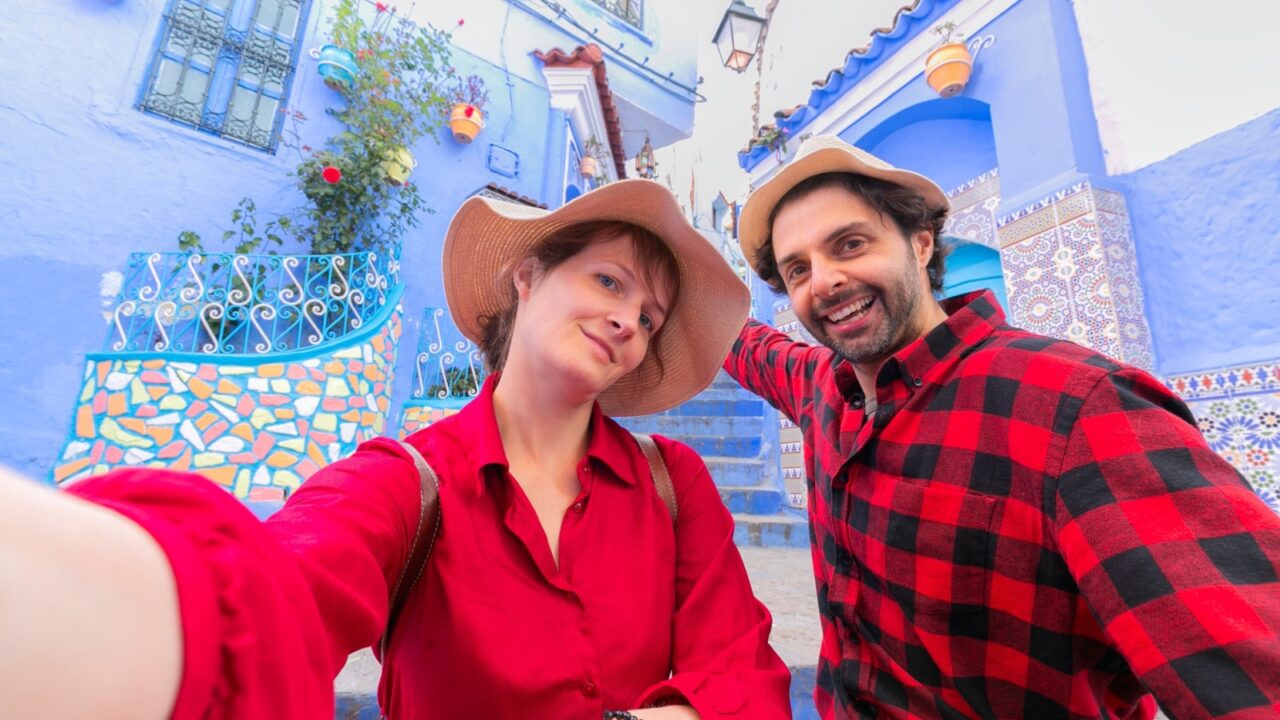
It did not take long before photographers and social media explorers discovered Chefchaouen’s unique palette. Images of cobalt stairs, azure doorways, and soft-blue alleyways flooded feeds worldwide. The global fascination turned Chefchaouen from a quiet mountain town into a bucket list must-visit.
Those photos heightened interest for travelers, artists, and dreamers seeking color and calm. The city’s visual identity became its strongest draw. What started as a local tradition turned into a global aesthetic obsession.
Traditions meet modern tourism
As tourism grew, locals and authorities took care to preserve the blue tradition while welcoming visitors. Homes and streets remain painted annually or more often to keep the signature hue alive. This care ensures Chefchaouen retains authenticity even as interest surges.
Tourism does more than bring cameras; it supports local artisans weaving traditional rugs, shops selling handmade goods, and mountain guides showing the surrounding nature. That blend of craft, culture, nature, and color creates a balanced visit far from mass tourism. It keeps heritage alive through new opportunities.
Rug shops, crafts and local soul
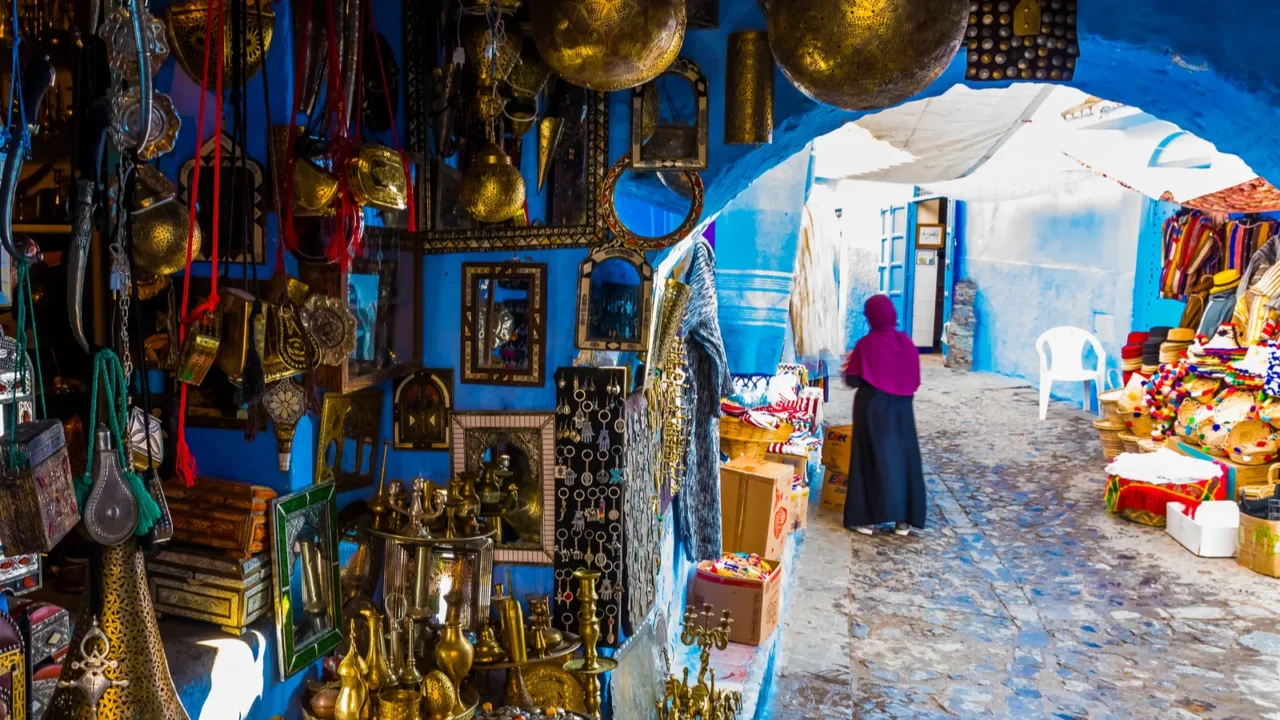
Local markets hum with colorful rugs, woven textiles, pottery, and crafts that reflect the area’s Berber heritage. The blue surroundings make those goods pop even more, highlighting handmade patterns and earthy tones against sky-colored walls. That contrast enchants visitors and helps local culture stand out.
Artisans often rely on traditions passed down through generations, weaving wool or camel-hair rugs dyed with natural pigments from the mountains. Their work keeps history alive and supports families in a changing world. For travelers, buying a rug or a handmade piece becomes a meaningful takeaway beyond photographs.
A full sensory escape
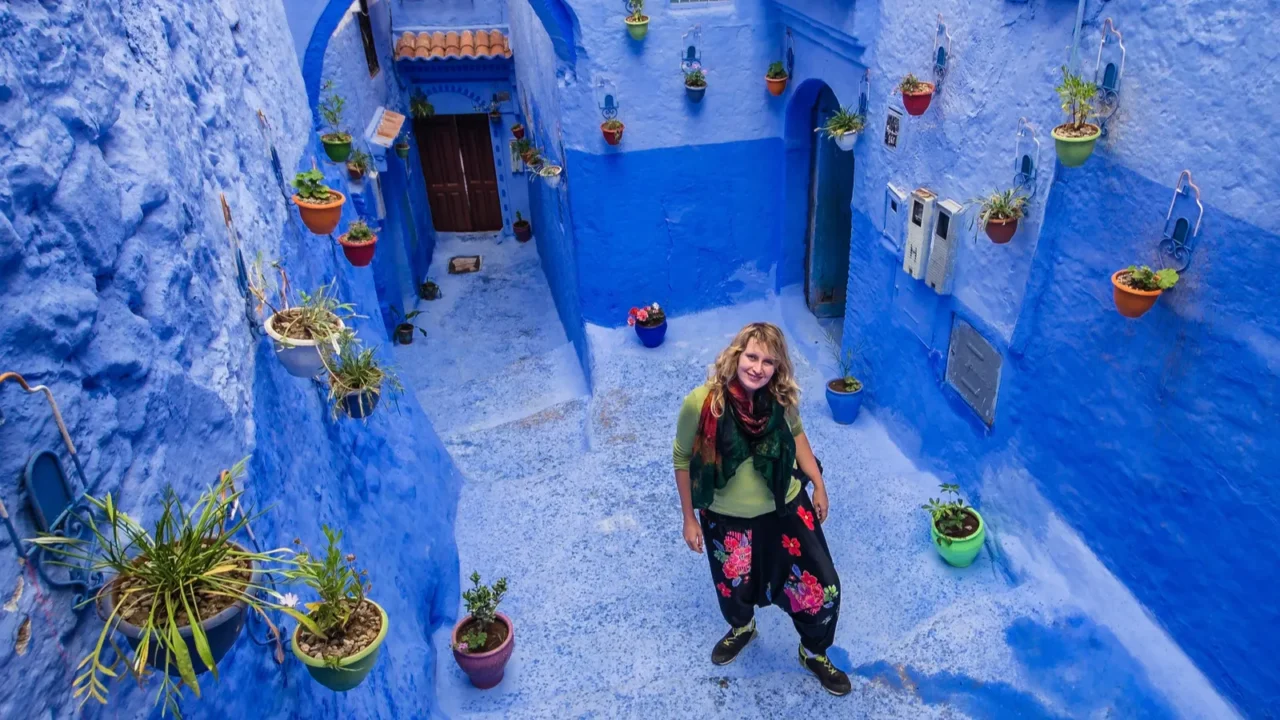
Wandering through soft blue alleys at dawn, sipping mint tea while the sun touches painted doors, or hearing distant calls to prayer, every moment feels layered and alive. The smells, sounds, and colors combine to create a vivid and peaceful experience unlike many tourist spots. Chefchaouen becomes more than a backdrop; it feels like stepping into a painting that moves.
Sunset over the rooftops, mountain silhouettes in the distance, and deep shadows in blue-washed lanes give a nearly magical atmosphere. Visiting Tangier Kasbah on a Morocco journey adds another layer of historic charm to explore nearby. Visitors often leave with calm hearts, full photo albums, and stories shaped by color and culture.
Which shade feels right now?
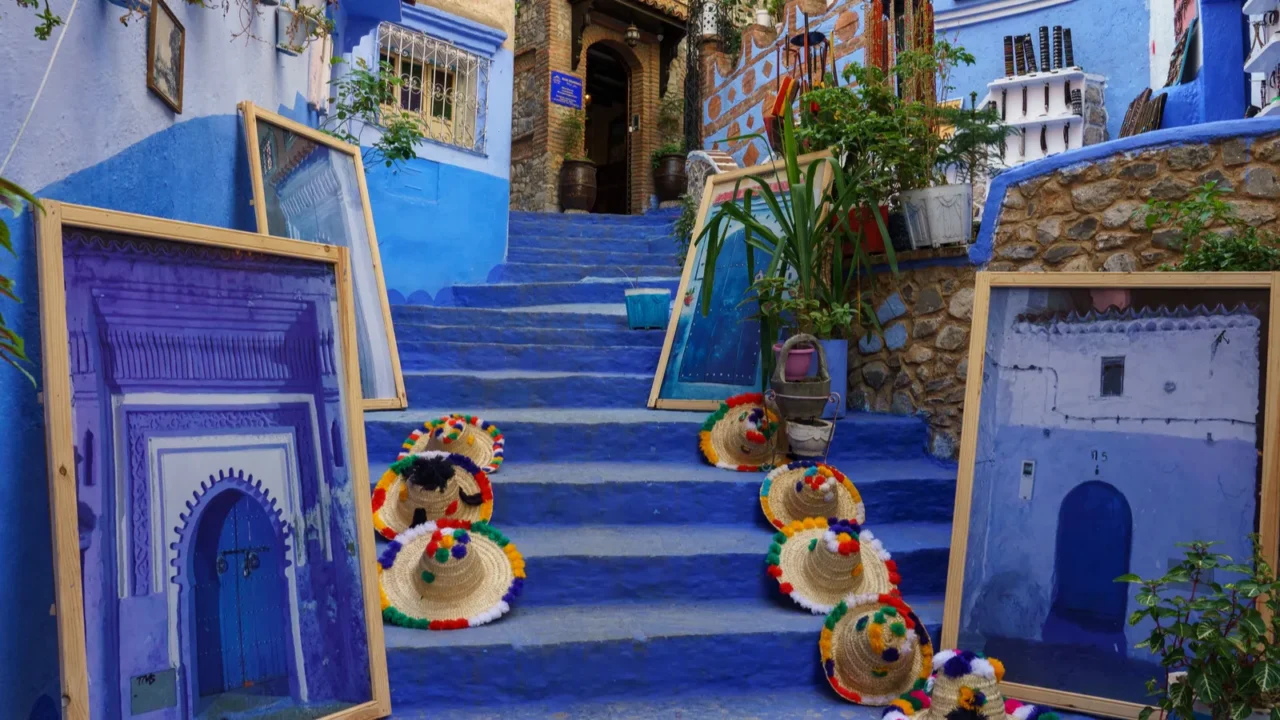
From soft turquoise alleys to deep cobalt doors, Chefchaouen offers a range of blues that mirror different moods. Some holidaymakers may fall in love with sunrise over mountain peaks painted blue, others with narrow medina steps glowing under late-afternoon light.
Which shade of Chefchaouen would match the kind of escape they dream about, serene dawns, cozy afternoons, or twilight magic? Share thoughts below!
This slideshow was made with AI assistance and human editing.
Don’t forget to follow us for more exclusive content right here on MSN.
Read More From This Brand:
