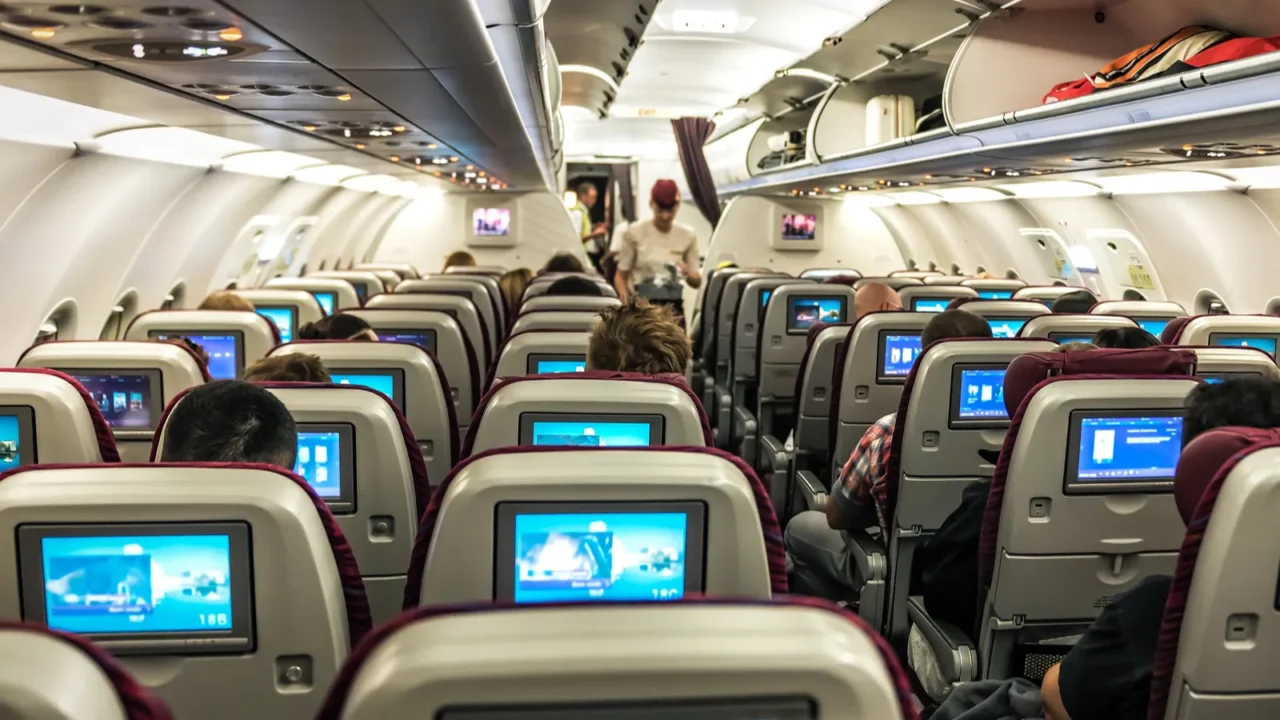
New skies ahead
Air travel enters a new phase as major airlines add advanced aircraft like the A350 and 787 to their fleets. These jets focus on efficiency and comfort through better design and materials, giving travelers a more polished experience from the moment they step inside.
Passengers notice subtle shifts in ride quality over time as these aircraft become more common on long-distance routes. Modern features cut noise and fuel use while smoothing flights in a way that feels effortless. Travelers settle in to find long journeys less taxing as these planes join routes worldwide.
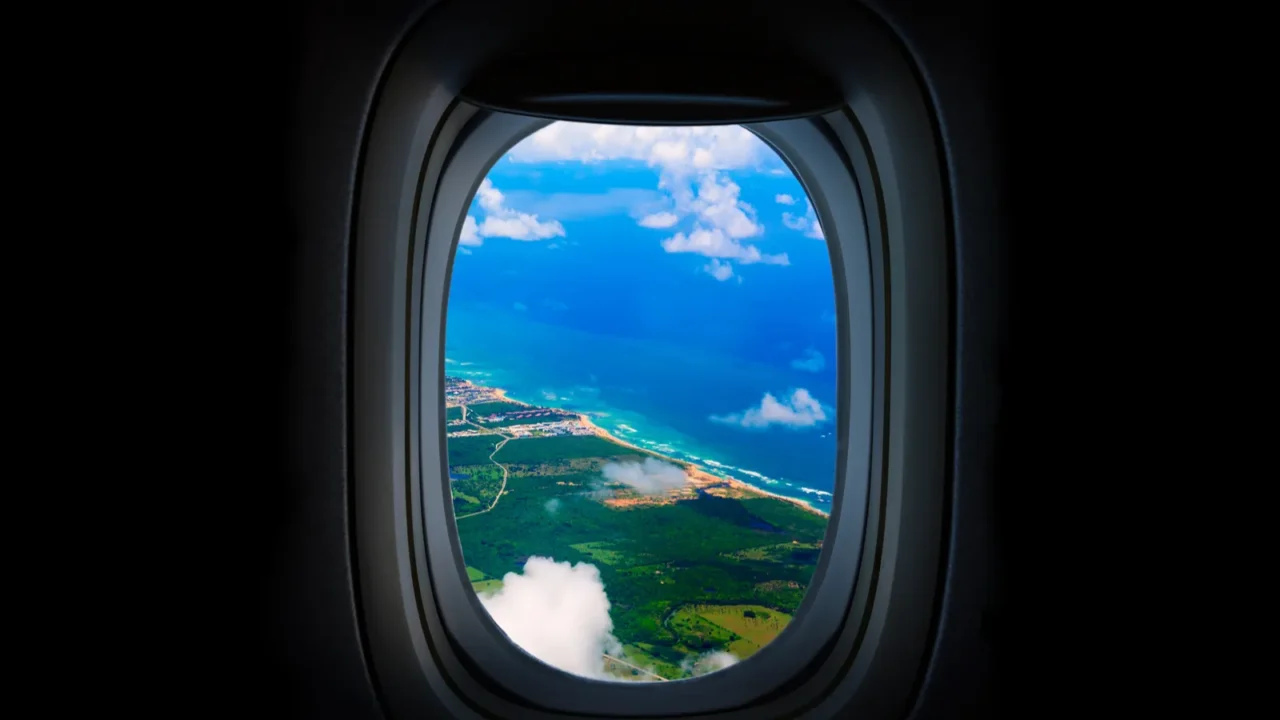
Quieter cabins arrive
A major shift passengers will notice is the calming silence inside the cabin. New generation aircraft like the Airbus A350 and Boeing 787 are designed to reduce interior noise, making conversations clearer and naps easier during long hours in the air. Even small sound reductions can change the overall mood of the cabin.
The quieter environment also lowers fatigue on longer flights, which helps travelers feel more grounded when they land. This focus on acoustic comfort marks a move toward a more restful flying experience that goes beyond basic amenities and traditional expectations.

Wider seats trend
Some airlines test wider economy seats on new aircraft like premium economy layouts. This adds shoulder room on select long-haul flights for better comfort, especially for travelers who value personal space during extended trips. These adjustments show how carriers are experimenting with small but meaningful upgrades.
Changes vary by carrier and route, and not every flight will include them. Still, these tweaks ease cramping without an overhaul. Business or leisure flyers on extended trips often appreciate the extra space to unwind, stretch more easily, and enjoy the journey without feeling confined.

Smoother ride tech
Select new aircraft use sensors to spot turbulence ahead and tweak controls for stability. Systems like those on Boeing jets help reduce turbulence in real time, decreasing the abrupt motions that many passengers find unsettling. While this technology is still evolving, early versions are already making a difference.
Not all fleets have it yet, but rides feel steadier on routes with rough air once these systems are active. Long ocean flights benefit most from calmer motion, giving travelers the chance to rest, read, or work without sudden jolts breaking their focus.
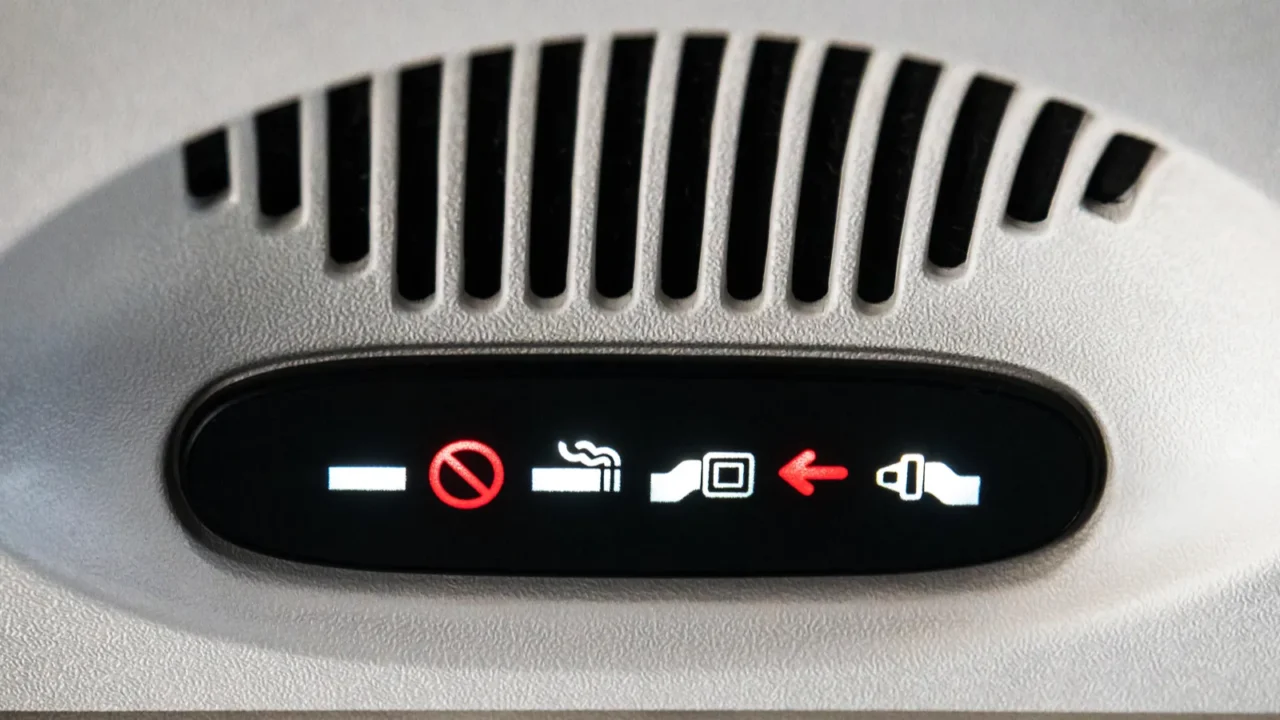
Cleaner cabin air
Passengers will recognize a difference in air quality thanks to high-efficiency filtration systems in new aircraft. These systems refresh the cabin every few minutes with outside air, reducing dryness and helping travelers feel less drained during long flights. The shift is subtle but noticeable as the hours pass.
Better humidity levels and cleaner circulation also lowers the discomfort associated with long hours of sitting. The refreshed atmosphere can make a noticeable difference, particularly on overnight routes where rest is essential. It helps passengers step off the plane feeling more alert and ready for their plans.
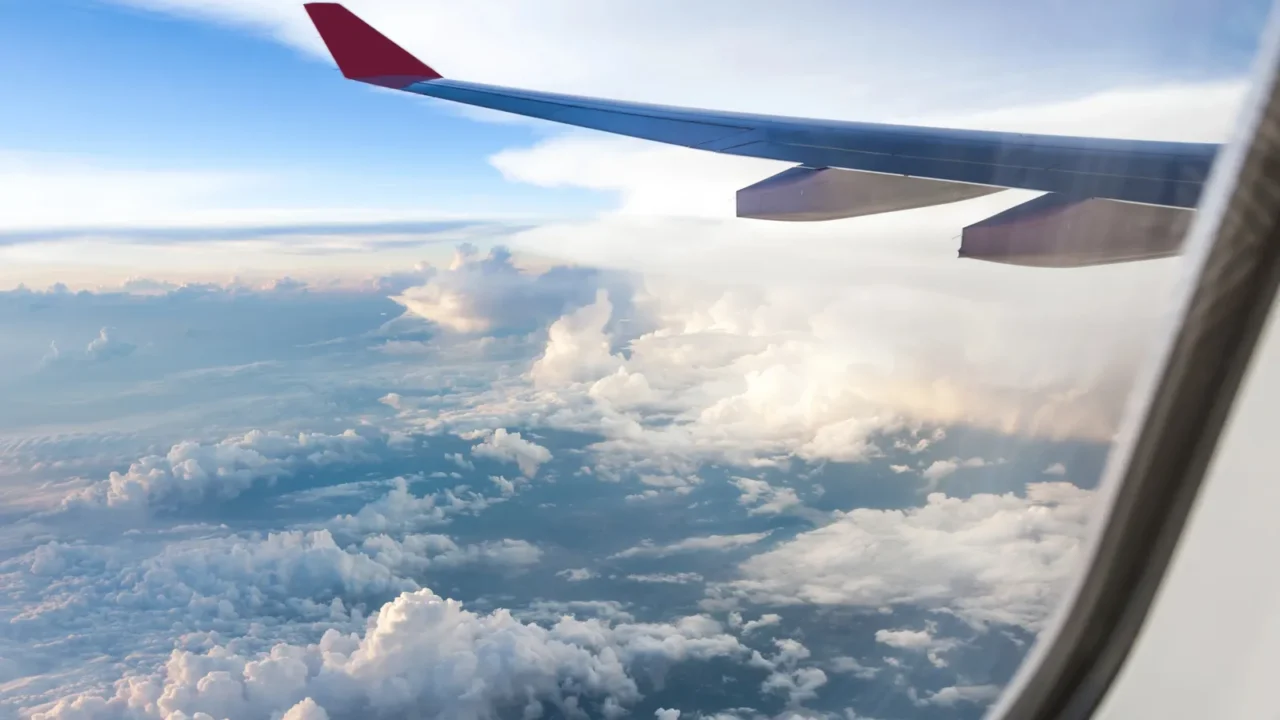
Larger windows everywhere
Boeing 787 and Airbus A220 aircraft showcase larger windows that offer wider views of the sky and landscape. These windows also come with electronic dimming, allowing passengers to control brightness without pulling plastic shades, which gives the cabin a sleek and modern look.
More natural light makes cabins feel open and reduces the boxed-in feeling that older aircraft often create. Flyers who love watching takeoff, landing, and cloud formations will find these windows unforgettable, especially on scenic routes where daylight enhances the entire travel experience.
Mood lighting magic
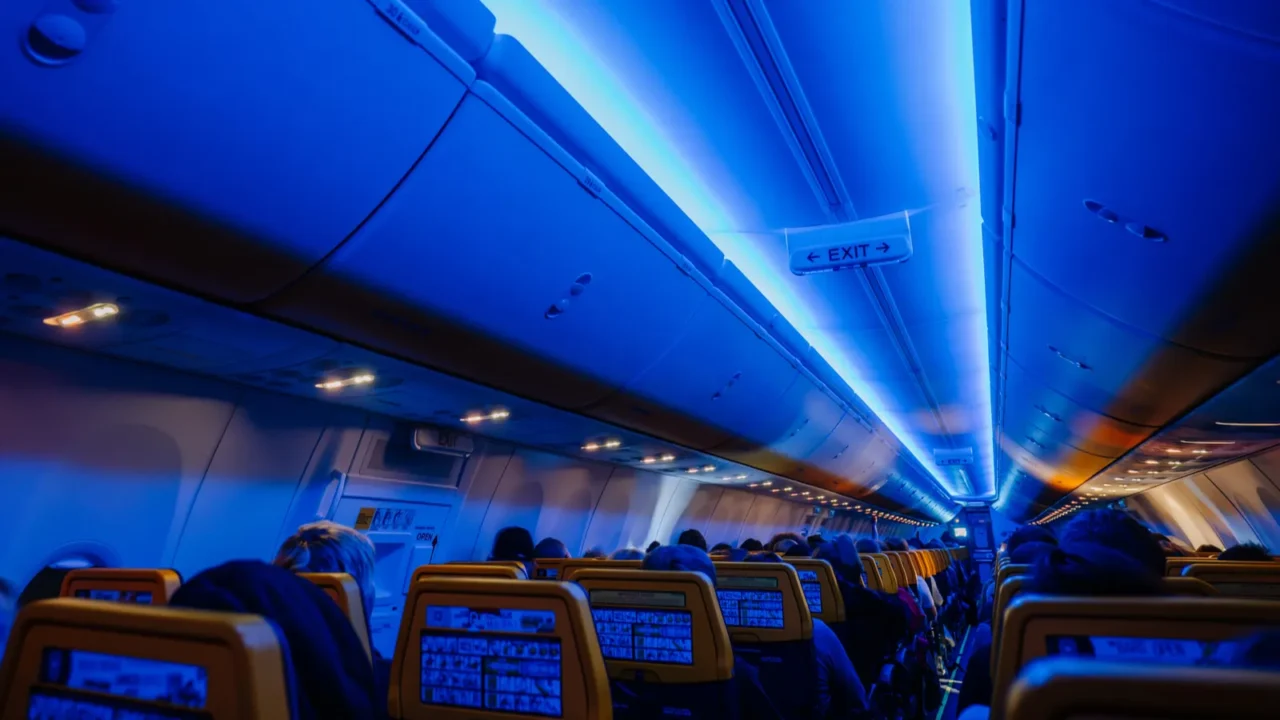
Upgraded fleets feature new lighting systems that shift colors to match the time of day. These programs help reset the body clock and reduce jet lag, especially on long international routes where passengers spend many hours crossing time zones. Gentle transitions also help signal when to rest or wake.
Soft morning tones and calm evening colors create a soothing environment that feels more like a lounge than a standard airplane cabin. Passengers often notice that these lighting transitions make red-eye flights a little easier to manage and support relaxation naturally.

Faster in-flight WIFI
Airlines upgrade WiFi with new satellites for better streaming and browsing on many routes. Speeds improve but depend on location and provider, since coverage varies across regions and oceans. Even so, the overall trend points toward more reliable access worldwide.
Trials expand access steadily and make it easier for passengers to stay connected. Travelers connect more easily for work or fun, including video calls, messages, and entertainment. Apps for food orders and gates work smoother mid-flight, turning the cabin into a more responsive space where digital tasks feel effortless.
Smarter entertainment screens
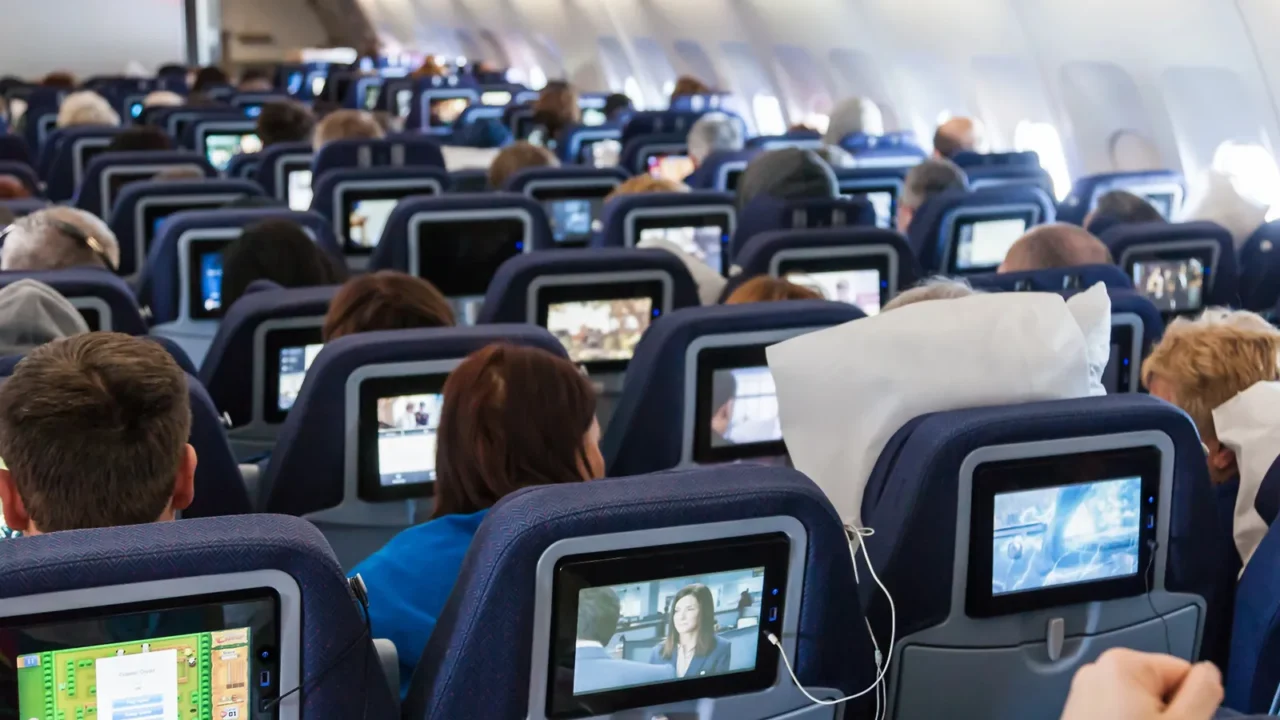
New aircraft feature entertainment screens with touch responsiveness similar to tablets. They load faster, offer clearer visuals, and come with a wider range of movies, shows, and interactive maps that feel modern and inviting. Navigation becomes quicker and more intuitive.
Passengers can also pair their phones to control the screen or transfer playlists. This makes the entertainment experience feel familiar and personal instead of limited to basic airline options, giving travelers more control over how they spend their time at cruising altitude.
Roomier overhead bins
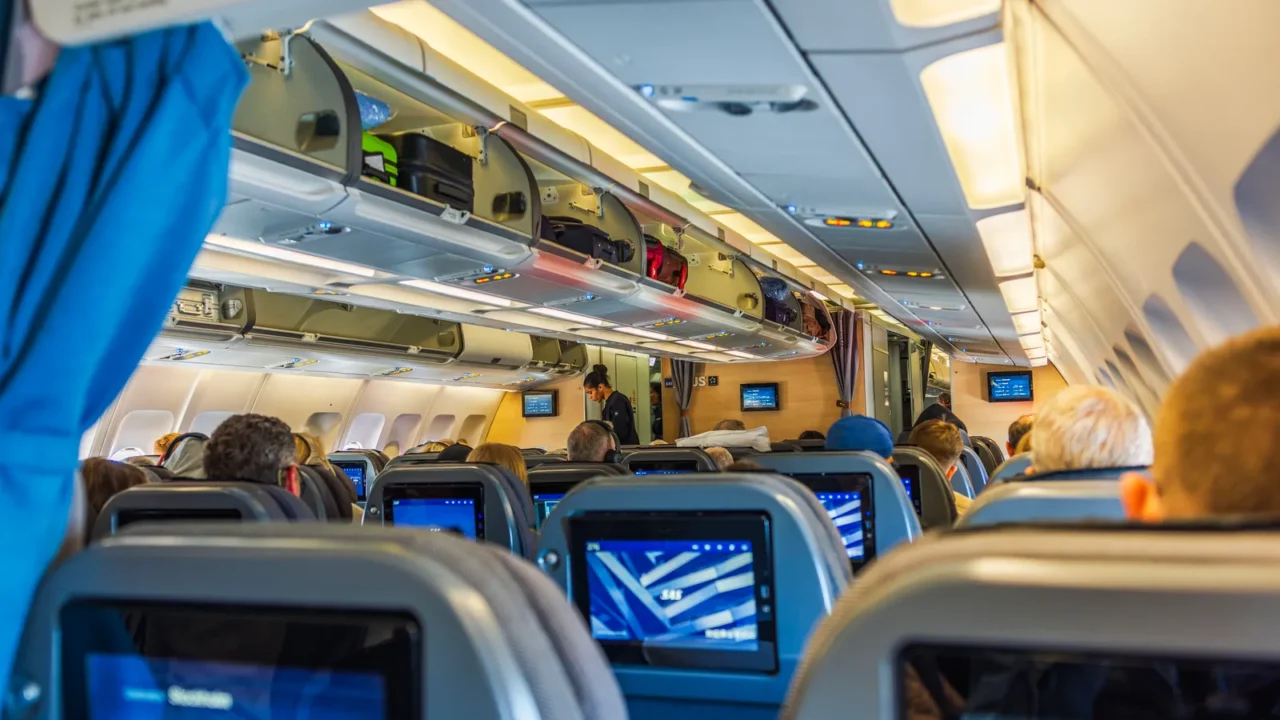
Airlines are introducing overhead bins that allow bags to be stored on their side, creating more room for everyone. These redesigned bins reduce the scramble for space and speed up boarding, especially during busy travel periods. The smoother flow makes the start of the journey feel less rushed.
Passengers who travel with carry-on bags will appreciate the simplicity of storing their items without pressure. This reduces stress and helps the cabin feel more organized as travelers settle into their seats, making takeoff calmer and more pleasant for the entire row.

Greener flight experience
Modern fleets are built with lighter materials and engines that burn less fuel. This reduces emissions and gives passengers a more responsible way to travel while airlines work toward long-term sustainability goals. These upgrades improve performance without sacrificing comfort.
Some airlines are also blending sustainable aviation fuel into their flights, showing a commitment to long-term environmental progress. For passengers, this means their travel choices can support cleaner skies even when journeying across continents, offering a small but meaningful step toward more mindful global exploration.

Calmer long haul travel
Quieter cabins, better air, and smart lighting all work together to make long flights feel easier and less tiring. Travelers notice the difference almost immediately, with less fatigue and better chances to rest on multi-hour journeys.
As these upgraded aircraft take over popular routes, trips become smoother from start to finish. Feel the difference yourself and enjoy a flight that leaves you refreshed instead of drained.
A new era onboard
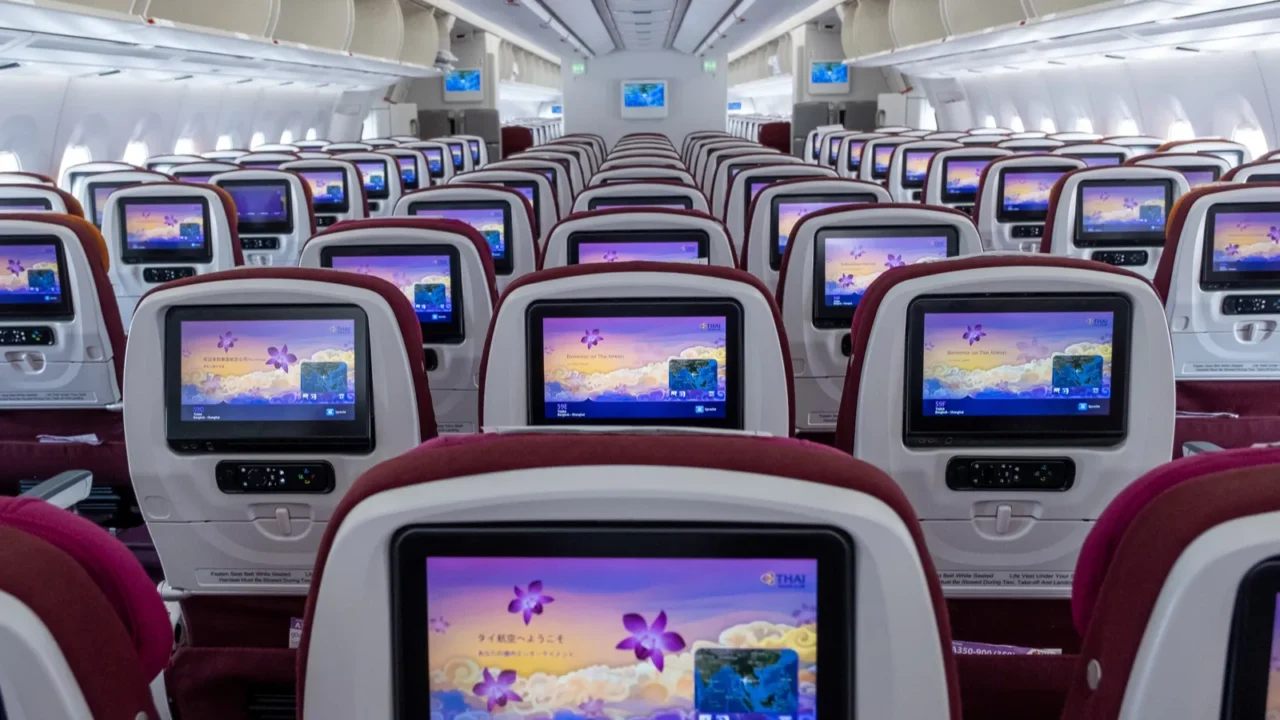
Modern fleets are designed with passengers in mind, combining comfort, technology, and thoughtful touches that make a real difference in the cabin. From the moment you sit down, the ride feels calmer, more connected, and just better.
Air travel is changing, and every journey is becoming part of the experience itself. Plan your next trip and discover how the latest aircraft upgrades can make travel feel effortless and enjoyable.
Have you noticed any changes on your recent flights? From quieter cabins to faster Wi-Fi, tell us which upgrade made your travel experience better—or what you’re still waiting for!
This slideshow was made with AI assistance and human editing.
Don’t forget to follow us for more exclusive content right here on MSN.
Read More From This Brand:
