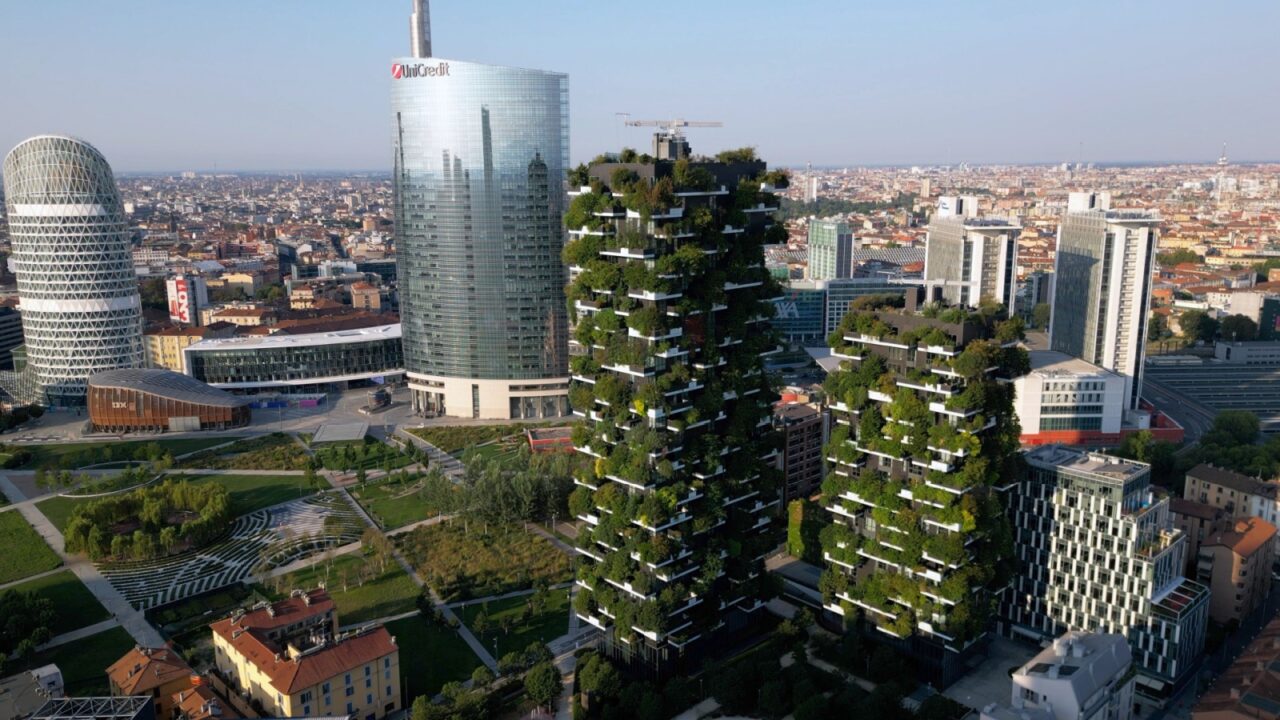
Milan’s green skyline surprise
Milan is famous for fashion and design, but something greener is changing its story in the world of travel. Two towers called Bosco Verticale bring forests up into the heart of the city in a way few places have tried before.
Bosco Verticale isn’t just a pretty sight; it’s a movement in how people think about cities and nature. It reminds visitors that even dense urban spaces can host thriving greenery, much like natural forests. The surprising blend of trees and high-rise living has made Milan stand out on the global travel map. Let’s dive into how this vertical forest helped make Italy a leader in green city travel!
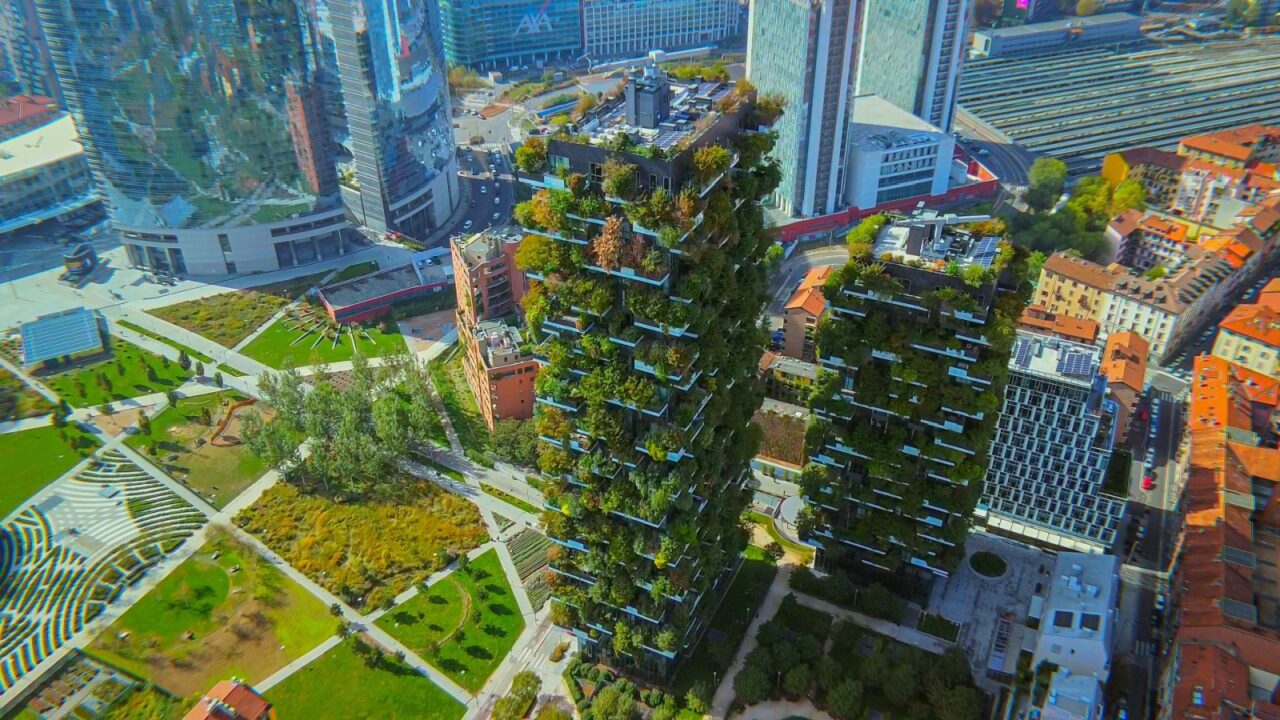
What Bosco Verticale really is
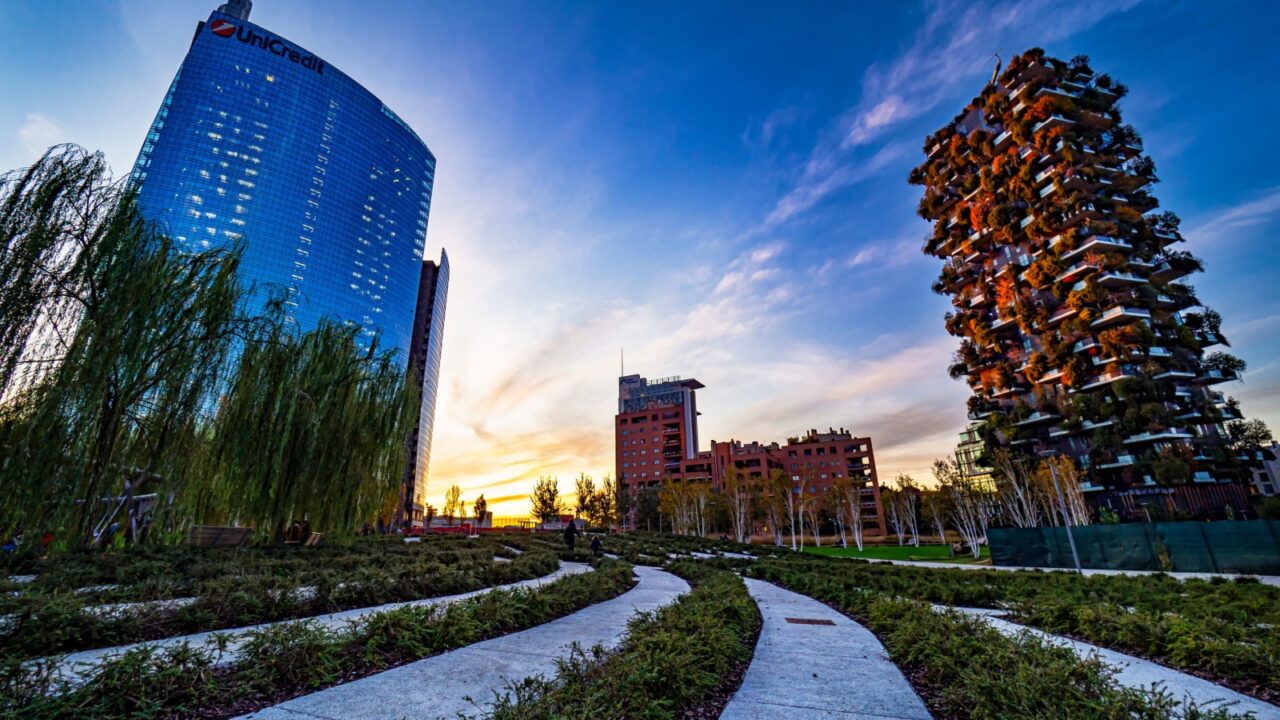
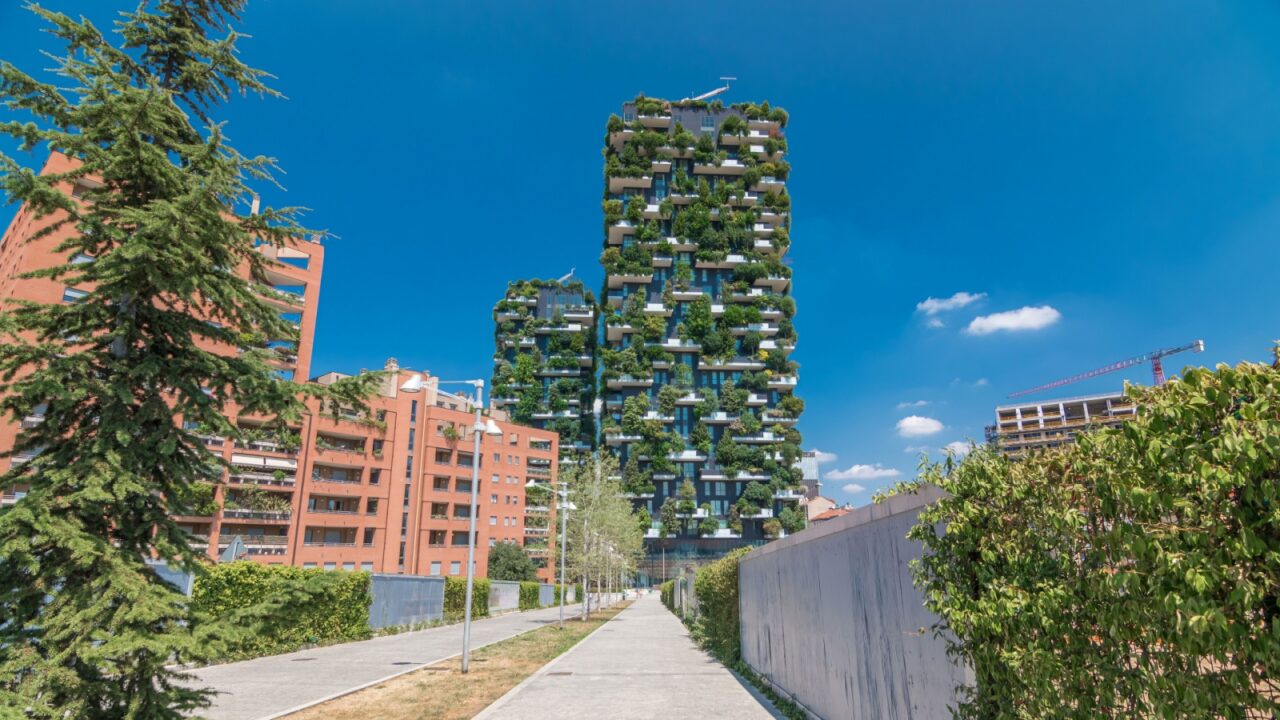
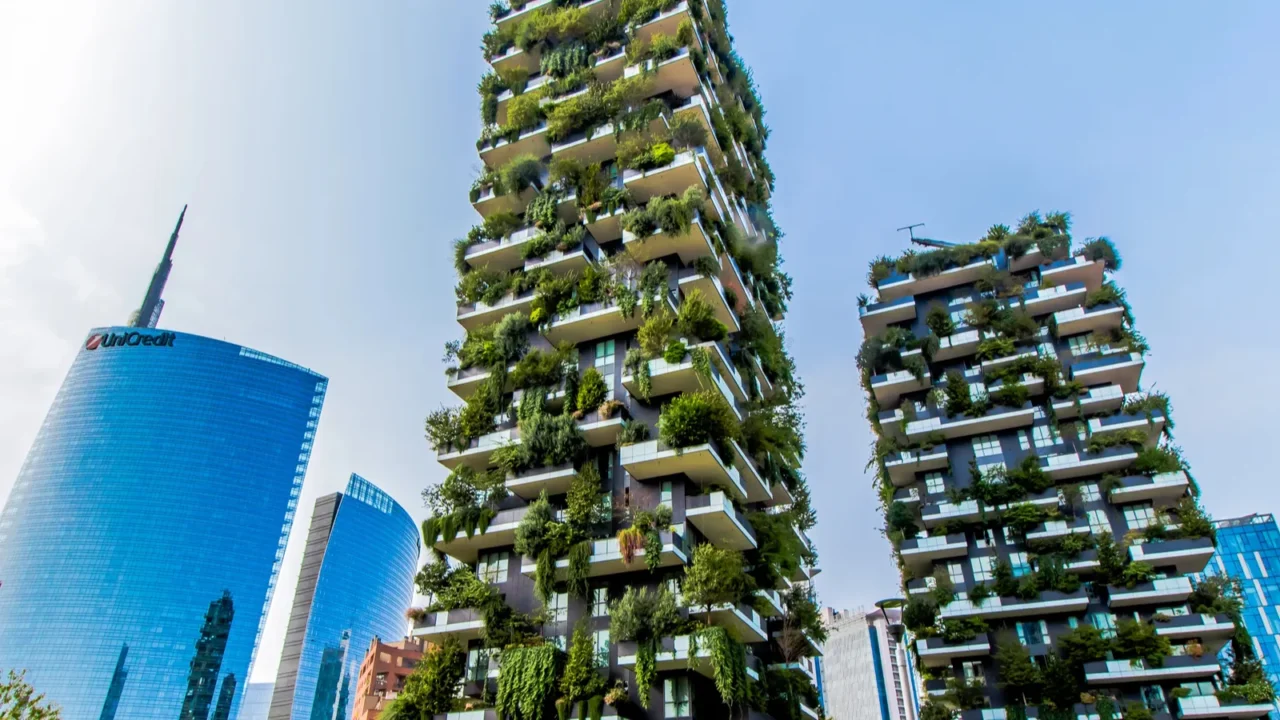
Bosco Verticale means vertical forest, and it’s a pair of residential skyscrapers in Milan. These towers are lined with hundreds of trees, thousands of shrubs, and numerous other plants along their façades. Instead of plain concrete and glass, visitors see layers of green reaching into the sky.
The taller building reaches about 112 meters, and the shorter one about 80 meters. Together, they bring more than two hectares of planted green space into a compact city footprint. That concentration of living plants makes Bosco Verticale feel like a forest in the sky.
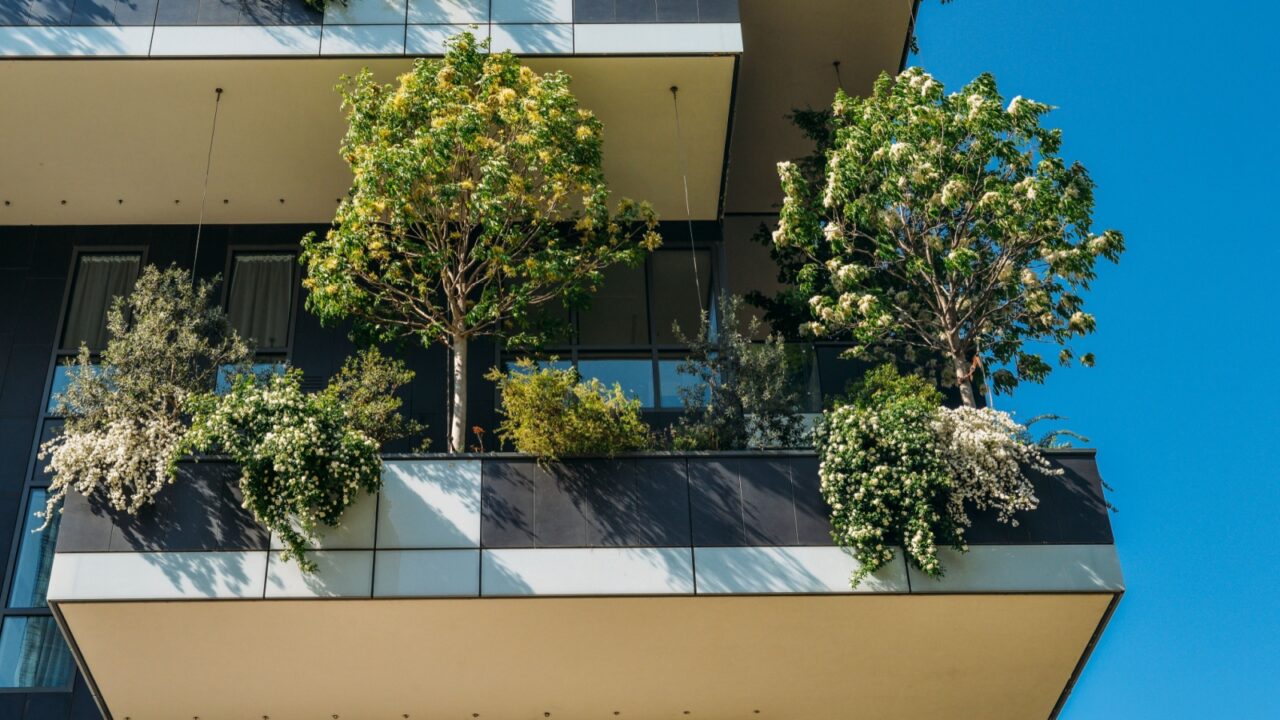
A living facade with real impact
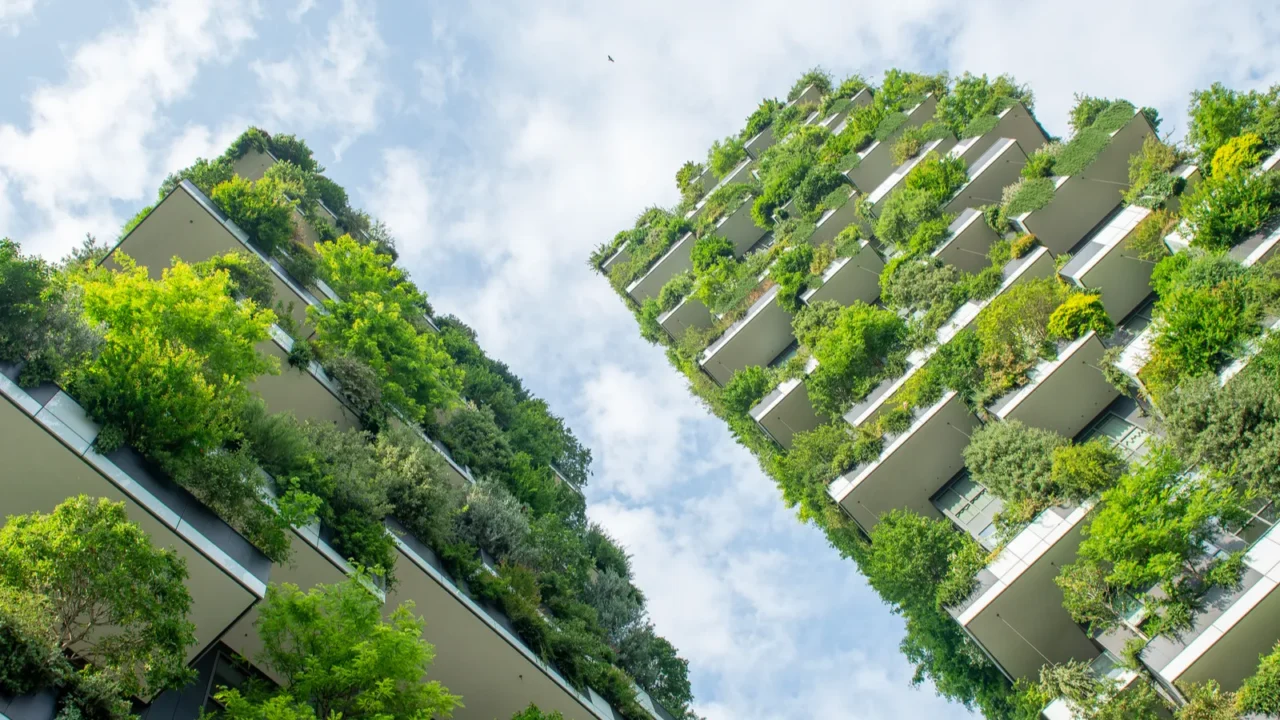
The plants on Bosco Verticale’s balconies do more than look beautiful; they clean the city’s air. The green “second skin” helps absorb carbon dioxide, release oxygen, and filter dust from traffic. That’s a big deal in a busy city like Milan, where pollution is always a concern.
Trees also help cool the air in summer and trap heat in winter, meaning the buildings need less energy for heating and cooling. Birds, butterflies, and insects also find homes in this vertical ecosystem, thereby boosting urban biodiversity. That makes the towers feel alive in more ways than one.

Urban regeneration sparks change
Bosco Verticale stands in the Porta Nuova district, once a forgotten industrial area of Milan. This green vision helped transform that part of the city into one of its most exciting modern neighbourhoods. Instead of expanding outwards, Milan brought nature upwards, making the city denser and greener at the same time.
The towers now sit among shops, parks, and cafés, creating a lively mix of life and design. Travelers often stop here not just to see the towers but to explore the rejuvenated district around them. What was once industrial wasteland now feels like a meeting point of innovation and nature.
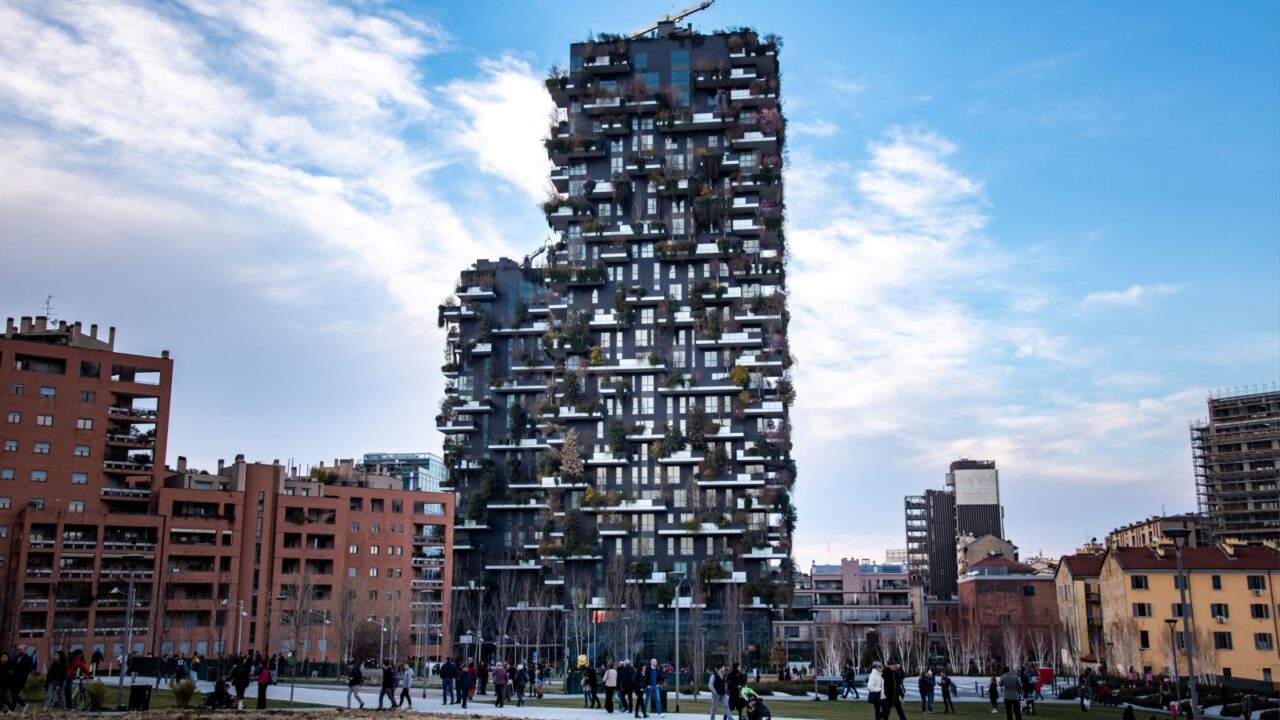
A prototype for global cities
When Bosco Verticale opened in 2014, it quickly caught the attention of architects and planners worldwide. It didn’t just win awards; it became a model for how cities can reimagine green space. Other cities have since started exploring similar ideas in different forms.
The design shows that buildings can be more than places to live or work. They can be part of the environment itself, contributing to cleaner air and healthier urban living. That’s a story that resonates with travelers who care about sustainability.
More than decoration
Some people might think the plants are just for looks, but that’s not true with Bosco Verticale. The vegetation acts as a natural climate control system, shading parts of the building in summer and letting light in during colder months. That reduces energy needs and makes the towers more efficient.
The trees also soften noise from traffic and help lower surface temperatures around the buildings. These benefits reach beyond the residents to neighbours and visitors walking past on the street. It’s urban architecture that works as part of an ecosystem, not apart from it.
Nature right in the city
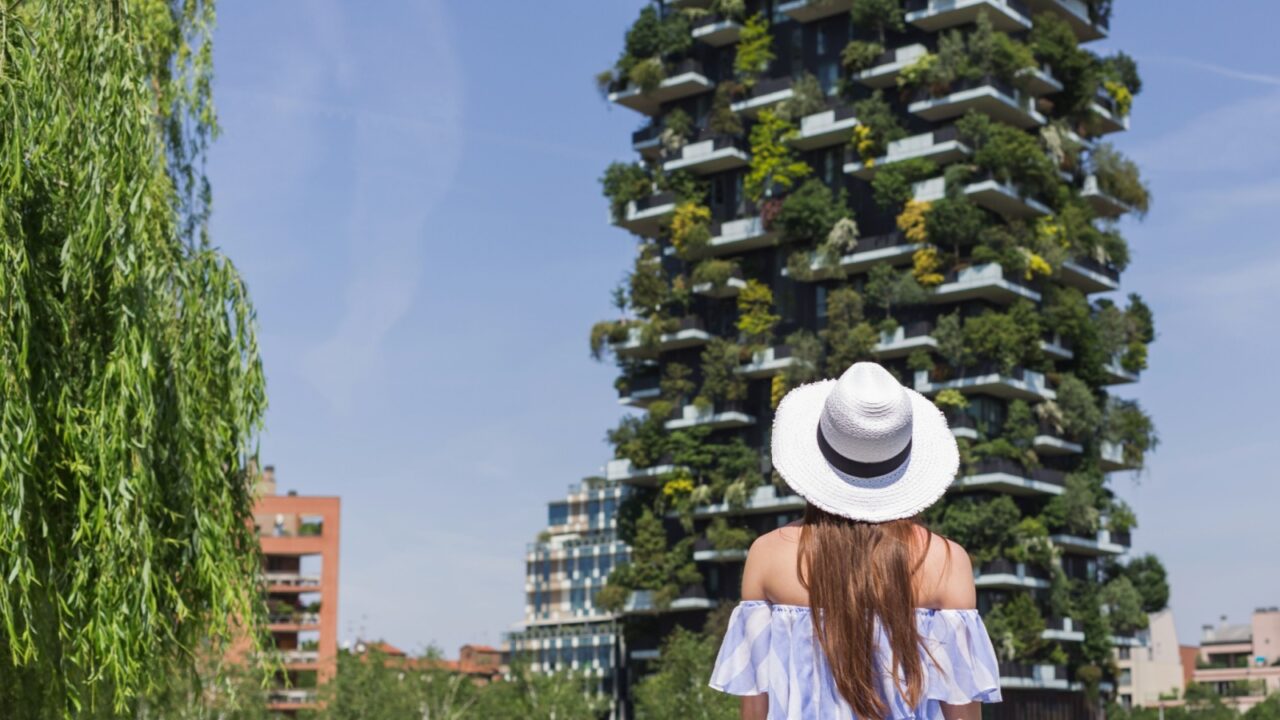
Visitors often talk about how striking it feels to see trees growing high above the ground on a city tower. It challenges the idea that nature belongs only in parks or forests outside town. Here, greenery is part of everyday life, visible from streets and from distant viewpoints across the city.
Seeing plants cling to towering balconies changes how people think about living spaces. It inspires a sense of possibility for cities that feel crowded or grey. And that inspiration draws travelers who want to witness innovation firsthand.
Boost to sustainable travel
Bosco Verticale plays a role in why many visitors now view Milan as a destination for sustainability and design. Instead of just historic art or fashion, travellers add environmental innovation to their reasons for visiting. That shift reflects a growing interest in how cities can be better for people and the planet alike.
Tour operators include Porta Nuova and Bosco Verticale in eco-focused walking tours and city explorations. Travelers who care about green design often share photos and stories online, which only further fuels the interest. This attention pushes Milan into conversations about future cities.
A microclimate in the sky
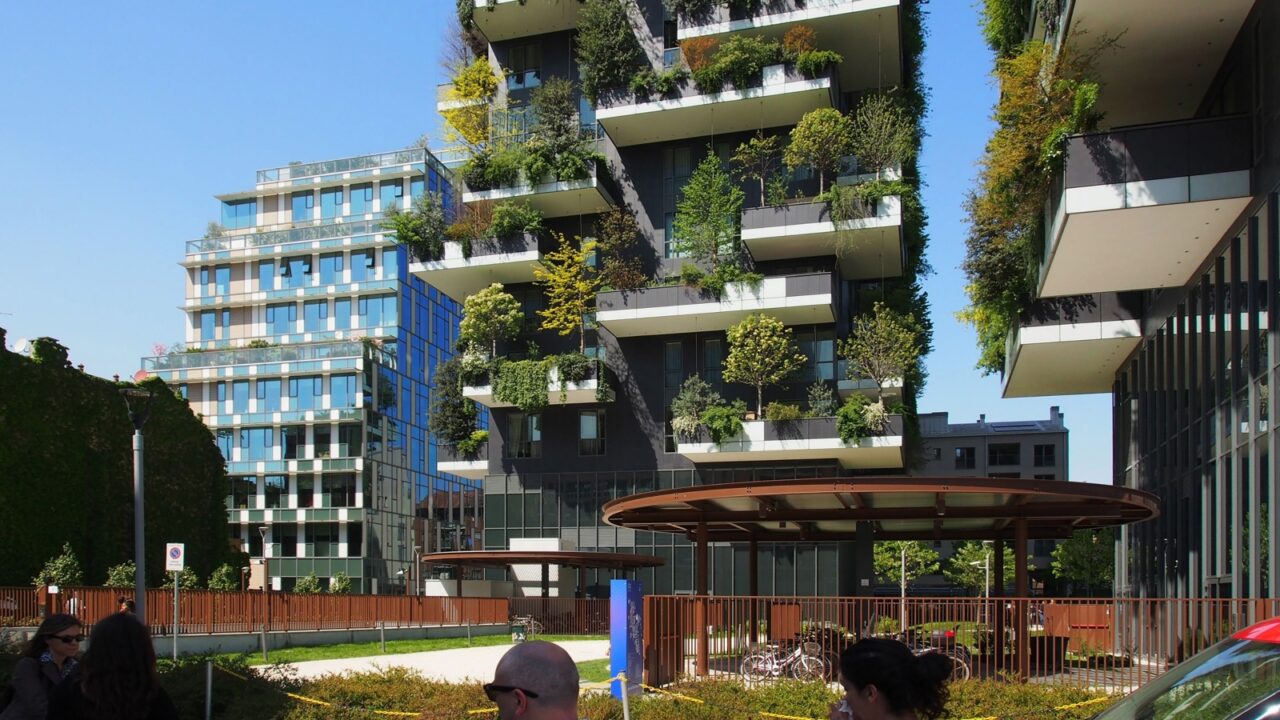
The vegetation around Bosco Verticale creates its own microclimate, helping regulate humidity and temperature around the building. That means a slightly cooler feel in summer and warmer comfort in winter without running machines all day. This natural effect reduces energy use and contributes to more sustainable living.
These temperature changes are subtle, but meaningful in an urban setting where heat can build up from concrete and asphalt. Trees and plants offer shade and airflow that hard surfaces simply can’t. Over time, visitors and residents both notice the difference.
Biodiversity above city life
One of the most fascinating parts of Bosco Verticale is how it supports wildlife in a dense city. Birds and insects find habitats among the leaves and branches that cling to the buildings. That creates a small but thriving urban ecosystem high above the street.
For travelers used to urban centres without green space, this feels like discovering a hidden world right in plain sight. It’s not just about the plants, it’s about what those plants bring with them. That living quality is part of what makes the visit memorable.
Challenges and real talk
While the towers look remarkable, they also require careful care and maintenance of all that plant life. Watering, pruning, and structural support take planning and effort behind the scenes. Some residents and critics have pointed out that these features also add cost and complexity to the buildings.
Despite that, the project’s environmental benefits and visual impact remain hard to ignore. It sparks conversation about how cities can work with nature rather than against it. That’s a discussion many green-minded visitors want to join when they visit Milan.
Why travel stories matter
People who visit Bosco Verticale often say it reshapes how they see city architecture and green design. They talk about it not just as a photo spot, but as a symbol of city innovation. That kind of word-of-mouth travel story spreads fast among eco-travel communities and design lovers alike, while Florence Pugh’s countryside reset signals the quiet rise of rural luxury stays in Italy.
Milan gains from that interest as travelers bring back stories of a city doing something bold with sustainability. In turn, other cities pay attention and start thinking about how they can follow suit. Bosco Verticale becomes part of a bigger conversation about urban futures.

Milan’s green travel legacy
Bosco Verticale has helped put Milan on the map for green city travel by proving that nature and big city life can thrive together. Travelers see it as more than a building; they see it as inspiration for cities everywhere.
Which green city innovation feels most exciting for holidaymakers looking ahead to future travel? Share thoughts below!
This slideshow was made with AI assistance and human editing.
Don’t forget to follow us for more exclusive content right here on MSN.
Read More From This Brand:
