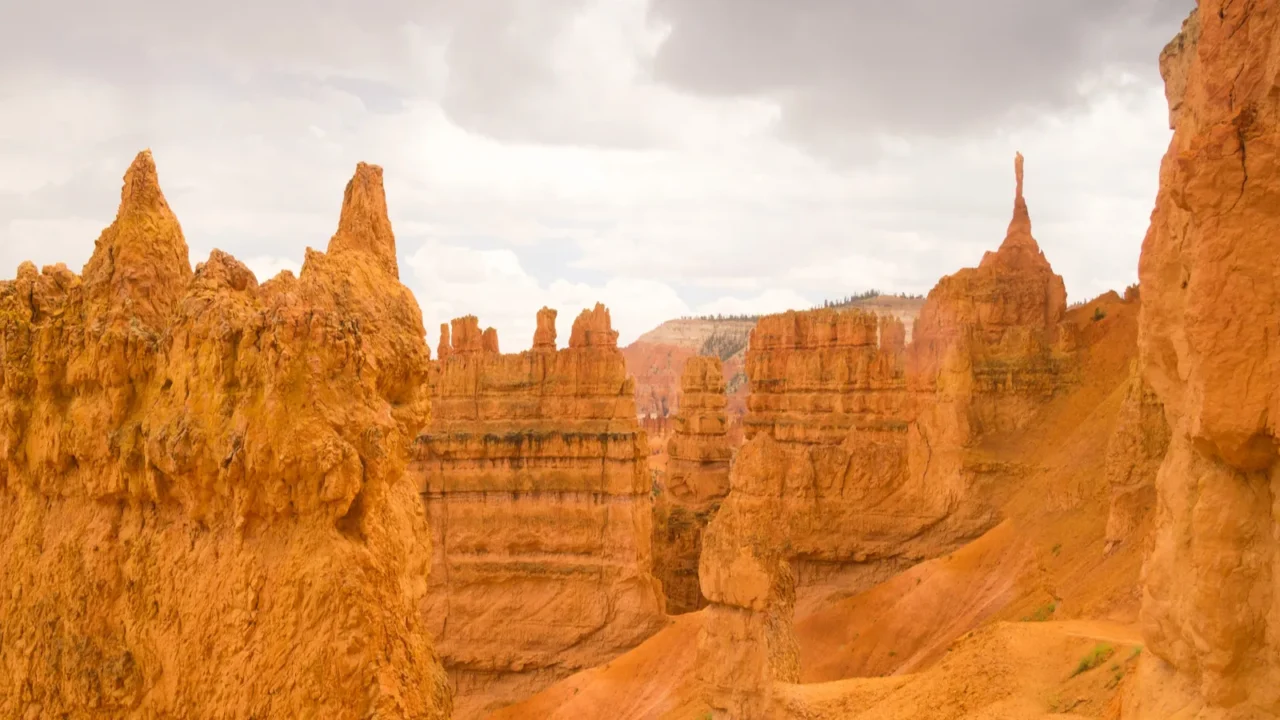
Stunning rocks form like art
Stepping into the world of Utah’s hoodoos feels like walking through a gallery where silent stone figures stand tall and quiet under big open skies. These spires and pinnacles rise from the desert like ancient sculptures carved in slow motion by forces unseen. Their strange and graceful forms hold visitors’ attention with a kind of wonder that few landscapes can match.
Hoodoos seem to reach for the sky as if they were shaped by some careful artist with infinite patience and time. They draw visitors from around the world who come to see how nature can shape rock into such dramatic silhouettes. Let’s dive into what makes these rock formations look like time’s own artwork and why they feel so special.
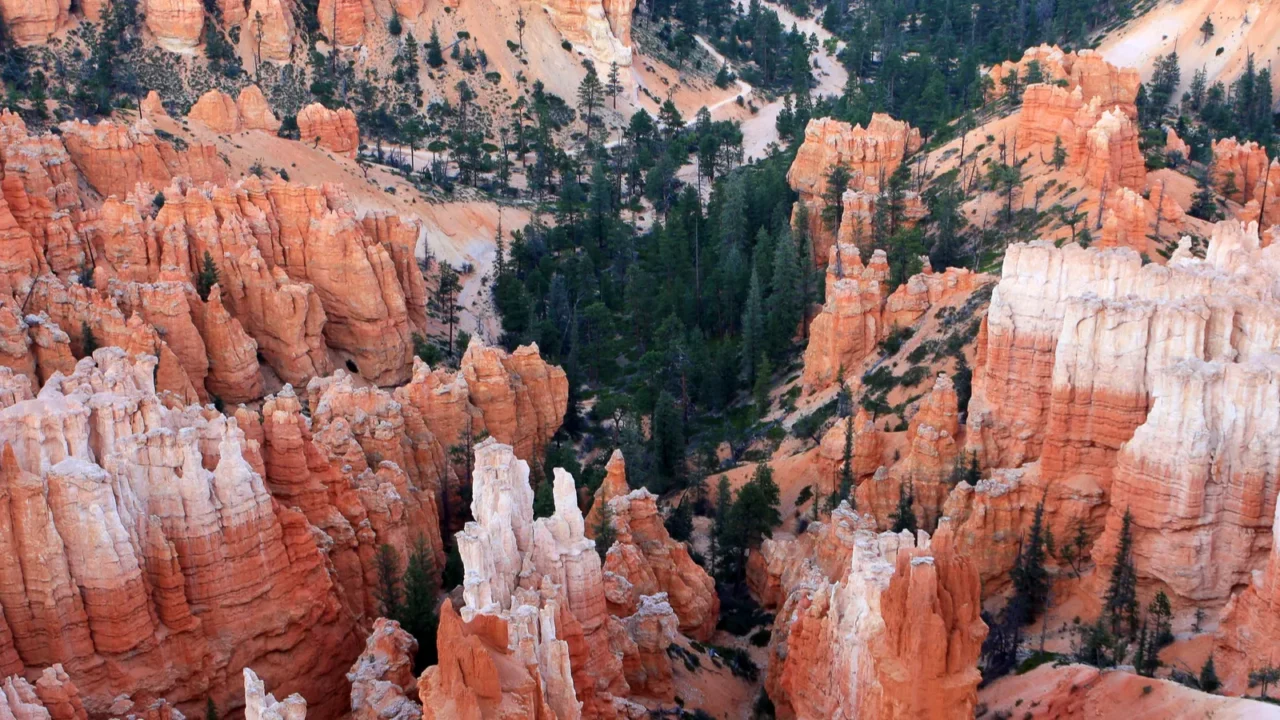
What hoodoos actually are
Hoodoos are tall pillars of rock that stick up from the ground and catch everyone’s eye with their odd and quirky shapes. These narrow columns of sandstone vary widely in size and shape, yet all seem sculpted with purpose and rhythm. Travelers often describe them as whimsical towers that seem almost impossible for nature to make.
The formations stand in clusters like a crowd of silent figures frozen in time, each unique yet connected to the larger landscape. They exist mainly in Utah, and a few other places, but Utah’s hoodoos are among the most dramatic examples anywhere. Their unusual silhouettes and textures make even seasoned visitors pause in awe.
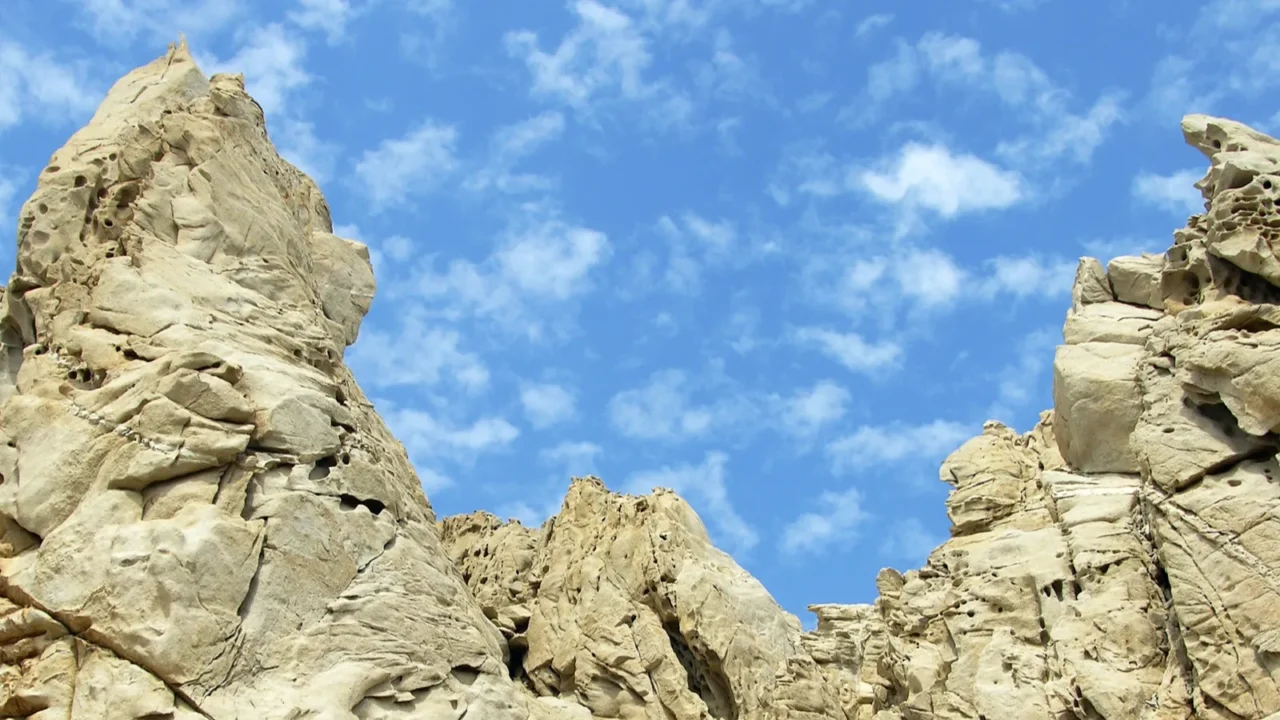
Old rocks from ancient seas
The story of these sculpted rocks begins deep in Utah’s distant past, when this area was covered by inland seas, floodplains, and shallow lakes. Over millions of years, sediments of sand, silt, and mud built up and compressed under their own weight until they became solid rock layers. These old sedimentary layers now serve as the raw material for hoodoo creation.
Later, geological uplift raised these rock layers high above sea level, exposing them to wind and weather that could begin shaping them. Once uncovered, the rock was left open to natural forces that slowly began chiseling it into new forms. This long history of burial and exposure set the stage for the sculptural wonders seen today.
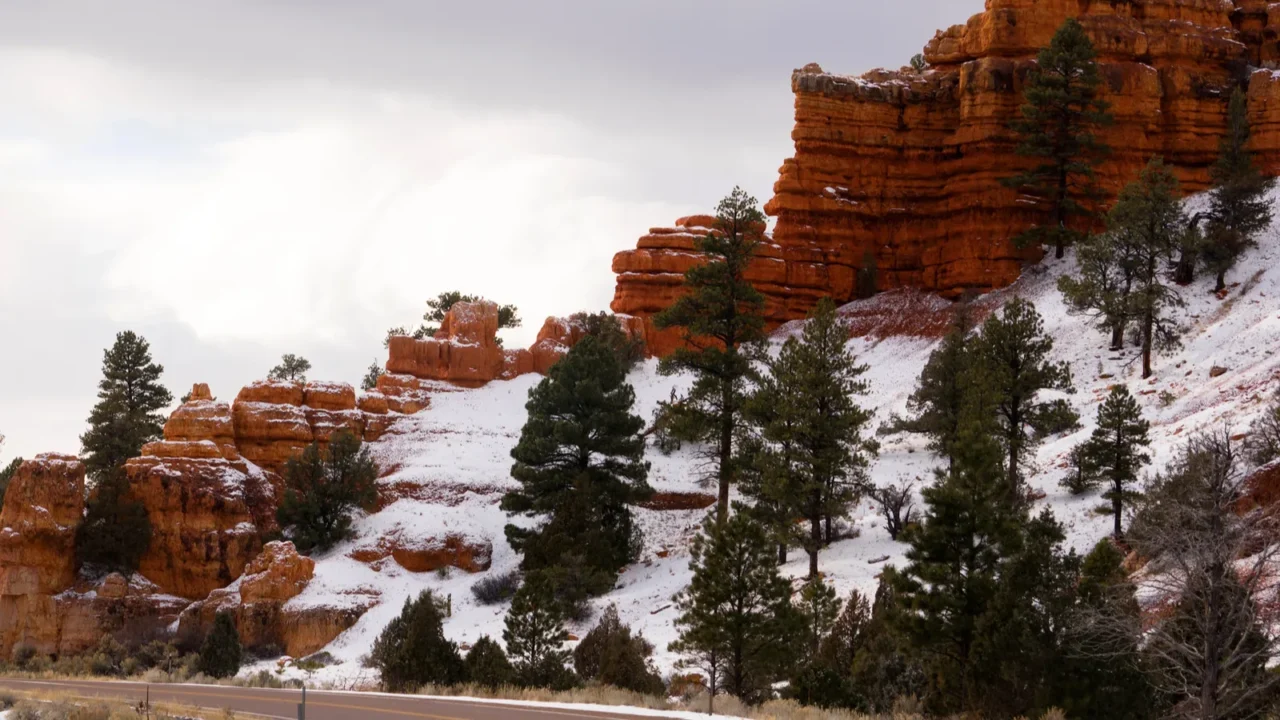
Ice and water shape stone
One of the most powerful tools nature uses to sculpt hoodoos is water, especially through a process called frost wedging. Water seeps into tiny cracks in the rock and freezes at night, expanding as it turns to ice and pushing those cracks wider. Over time, this repeated freezing and thawing breaks rock apart and creates dramatic shapes.
In places where temperatures fluctuate above and below freezing often, this process is especially strong and continuous. The rock slowly separates into slabs and blocks that then take on intricate contours. This patient work of ice and water makes the hoodoos feel like sculptures carved by time itself.
Layers that erode at different rates
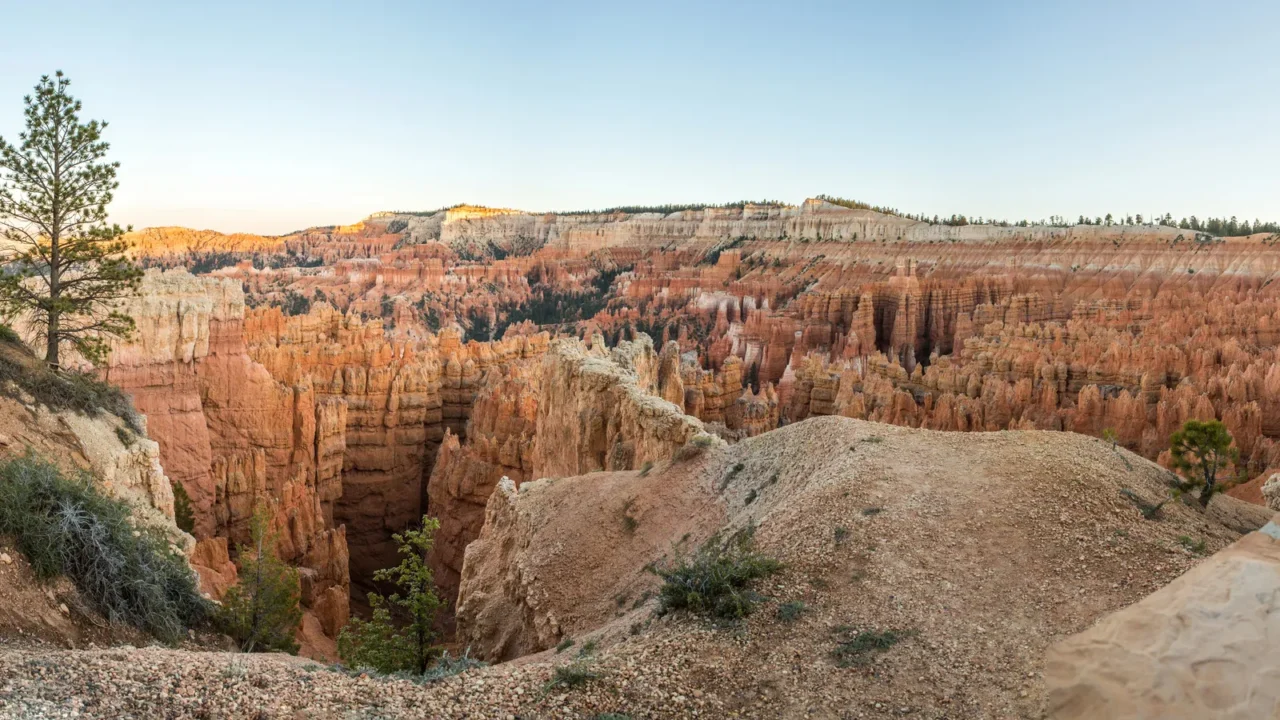
Another reason hoodoos look so sculpted is that the rock layers they’re made from don’t all wear away equally. Some parts of the rock are harder and more resistant, while others are softer and erode faster when rain or wind hits them. This difference creates small ledges and overhangs that make the pillars take on unique forms as the softer parts disappear.
The stronger, tougher layers can sit like protective caps, slowing erosion below them and allowing narrow columns to rise beneath. This contrast in strength is what gives many hoodoos their unusual shapes that look deliberate and artistic. Over time, nature creates shapes that feel both balanced and oddly expressive.
Wind smooths and refines shapes
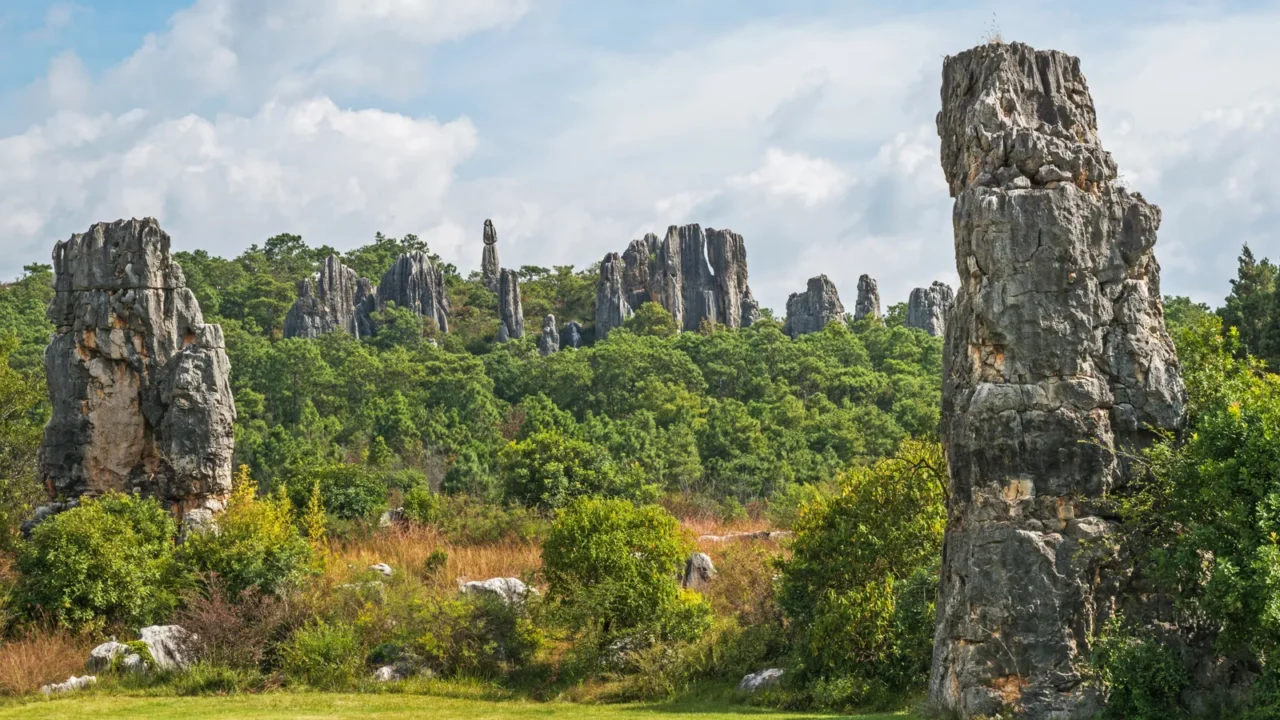
Once the basic hoodoo forms appear, wind becomes another sculptor in the long process of shaping these rock pillars. Gentle breezes carry tiny grains of sand that rub against the stone surfaces and slowly polish them like natural sandpaper. Over many years, this smoothing adds subtle curves and textures that enhance their artistic appearance.
Wind works together with water and ice to refine every spire into a form that feels intentional and unique. Some hoodoos end up with smooth, rounded tops and rougher bases that tell a story in texture. The persistent motion of wind ensures that no two hoodoos look exactly alike, making each feel like its own work of art.
Bryce Canyon’s famous sculptures
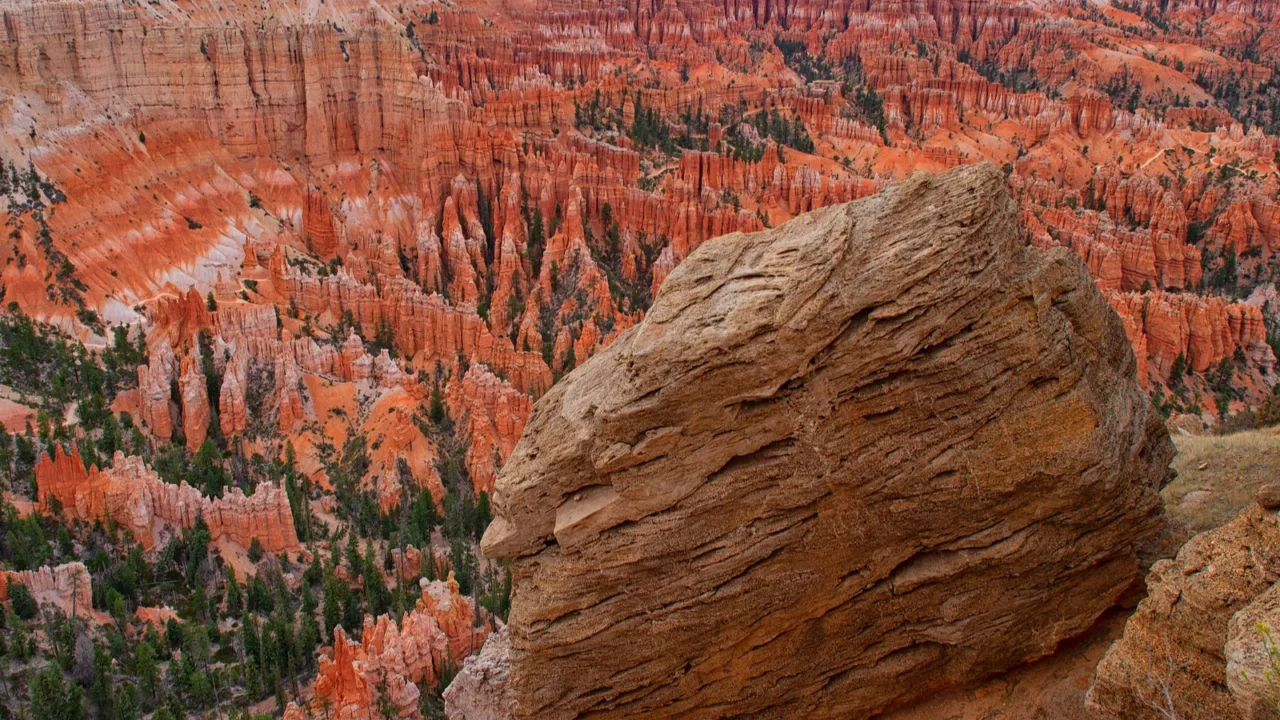
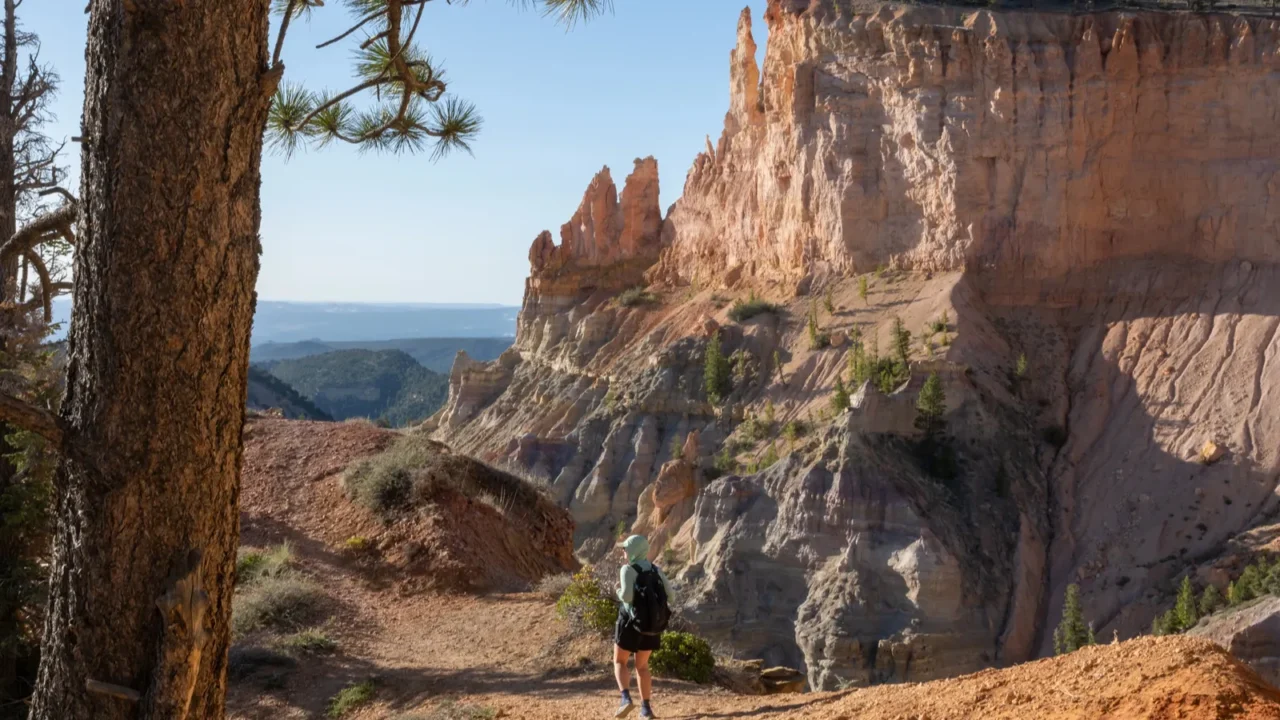
Bryce Canyon National Park is one of the most famous places to see hoodoos standing together in huge numbers and striking shapes. The amphitheater-like landscape is full of towering stone pillars that glow in shades of orange and pink under sunlight. Visitors say the sight feels like walking through an open museum of natural sculptures carved by the ages of weather and time.
As morning light hits the hoodoos, they come alive with color and contrast that change with every hour of the day. Trails wind through narrow paths between pillars that make travelers feel immersed in a world shaped by slow and powerful forces. Bryce Canyon’s dramatic formations are a highlight for anyone curious about landscapes shaped by Earth’s long history.
Goblin Valley’s quirky forms
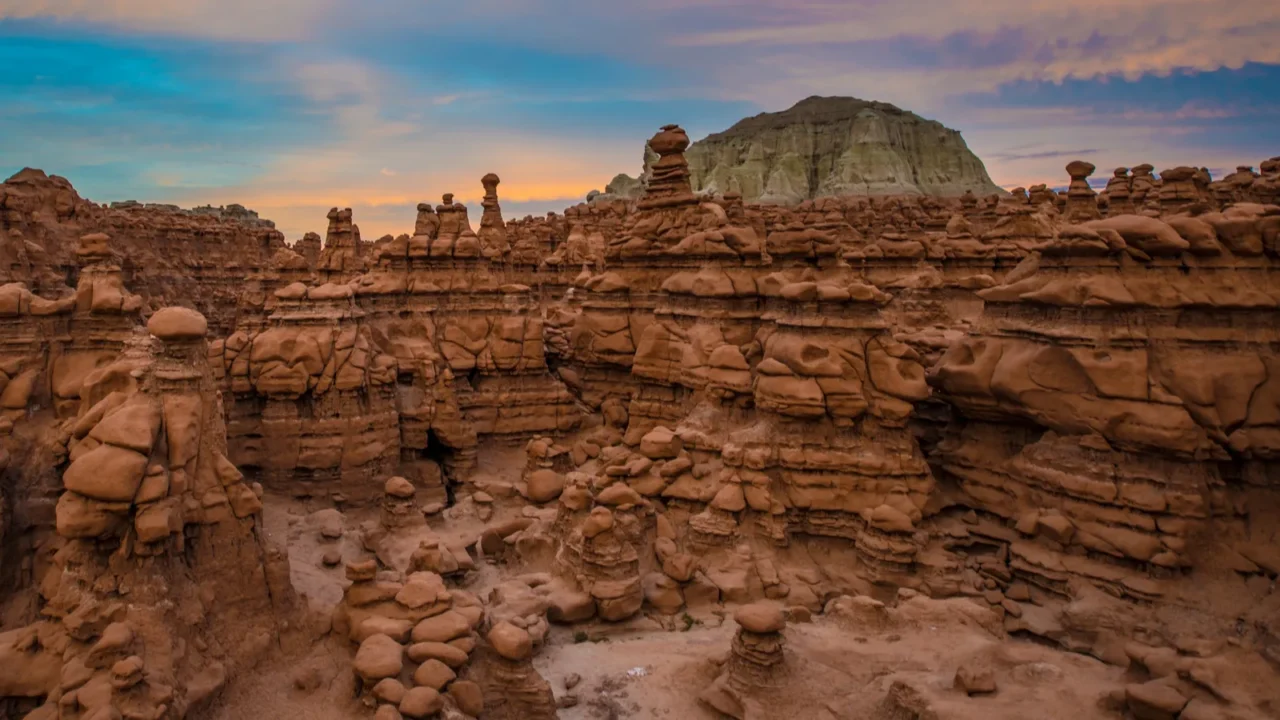
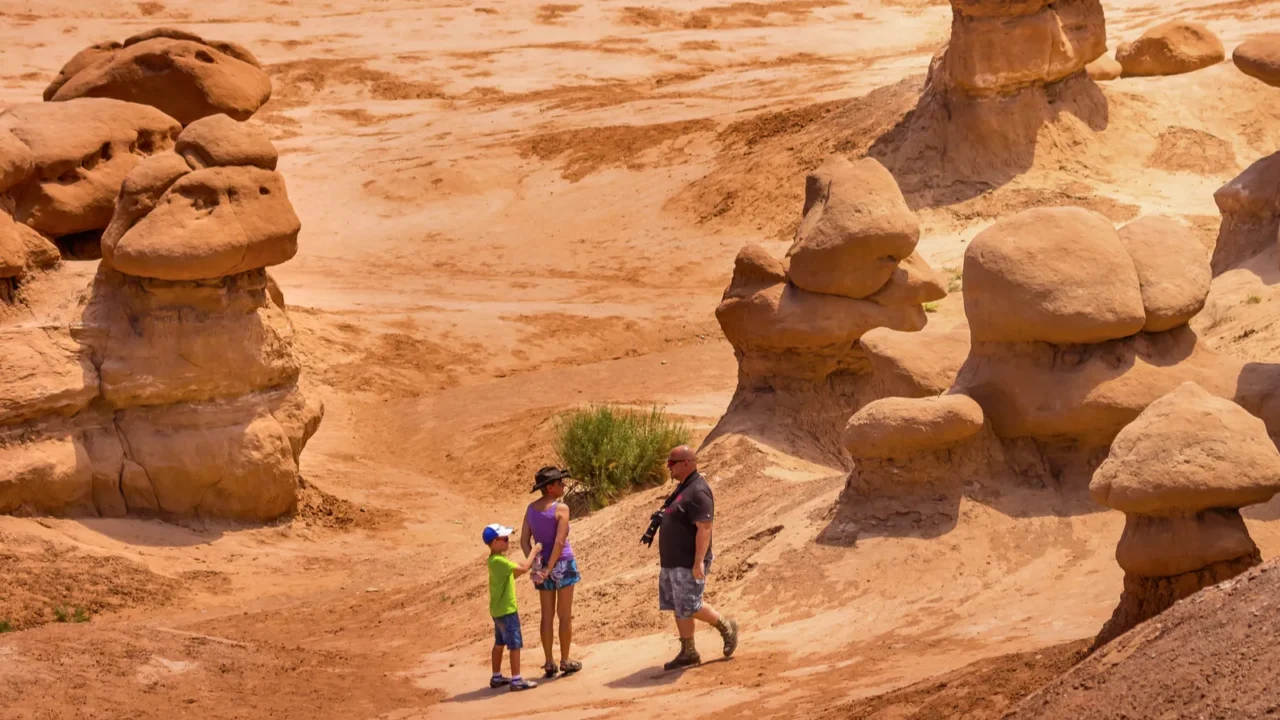
Another Utah gem filled with hoodoo-like forms is Goblin Valley State Park, where the rock shapes twist and turn into whimsical designs that spark imagination. Here, the rock might resemble characters or figures standing close together, each one different from the next. Their odd shapes make visitors smile and wonder at their origins.
These quirky formations are part of a sandstone layer that erodes into soft, rounded shapes, unlike some taller spires seen elsewhere. Water and wind work here too, carving the rock into forms that almost seem playful or alive. Goblin Valley’s landscape feels like nature’s own sculpture garden with endless surprises.

Patterns hidden in geology
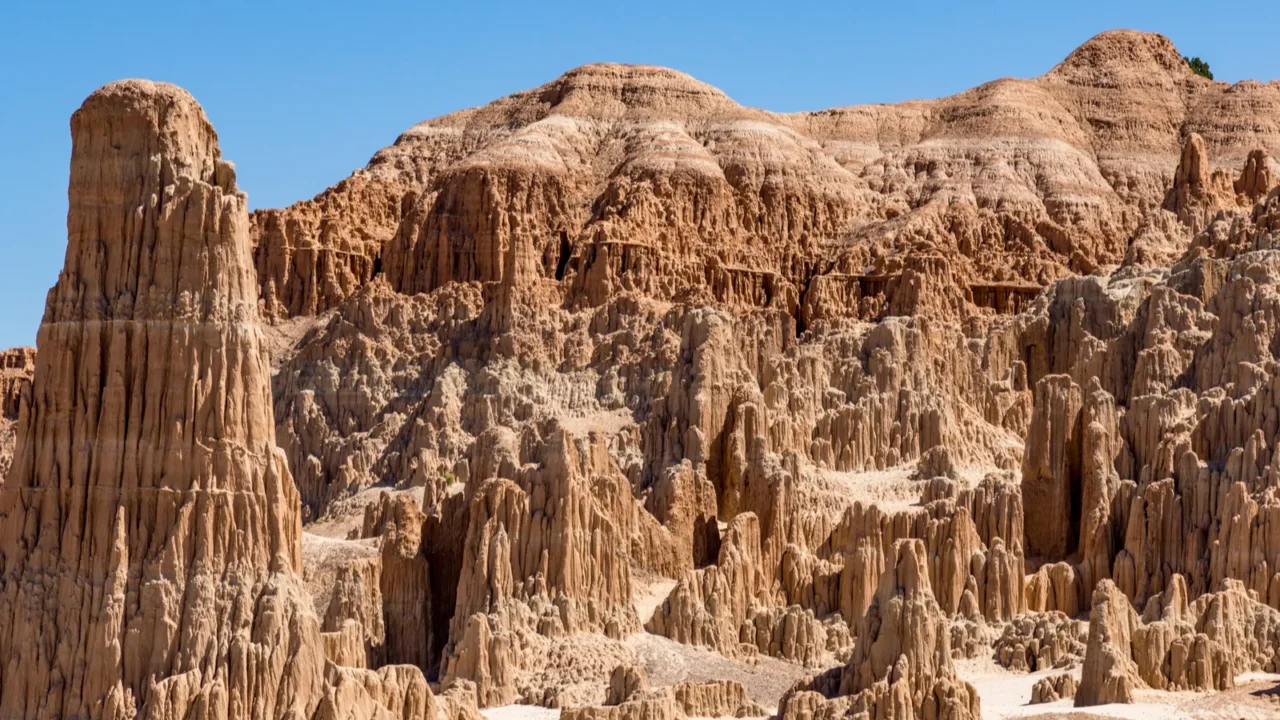
Digging deeper into the science shows that hoodoos form where rock layers contain fractures and joints that guide how they break apart. These internal lines of weakness allow water and wind to press in and widen openings, eventually separating blocks of rock. Over eons, this slow process can turn broad rock expanses into towering stone columns.
The colors and bands seen on hoodoos reflect the mix of minerals in the ancient sediments that formed them. Some layers contain iron that weathers into deep reds, while others contain minerals that erode into softer tones like gray, cream, or pink.
The slow pace of change
The sculpting of hoodoos happens at a pace that feels almost unimaginable to human lifetimes, unfolding over millions of years. Large hoodoos might stand for thousands of years before slowly eroding into new shapes or collapsing back into the ground. This slow interplay of creation and destruction is a constant part of the landscape’s evolution.
Travelers often feel humbled when they realize these pillars represent such long spans of time and change. It’s easy to look at them and think they’ve always been here, yet they continue to transform with each season. That sense of deep time makes the experience of seeing them feel even more profound.
Colors paint the story
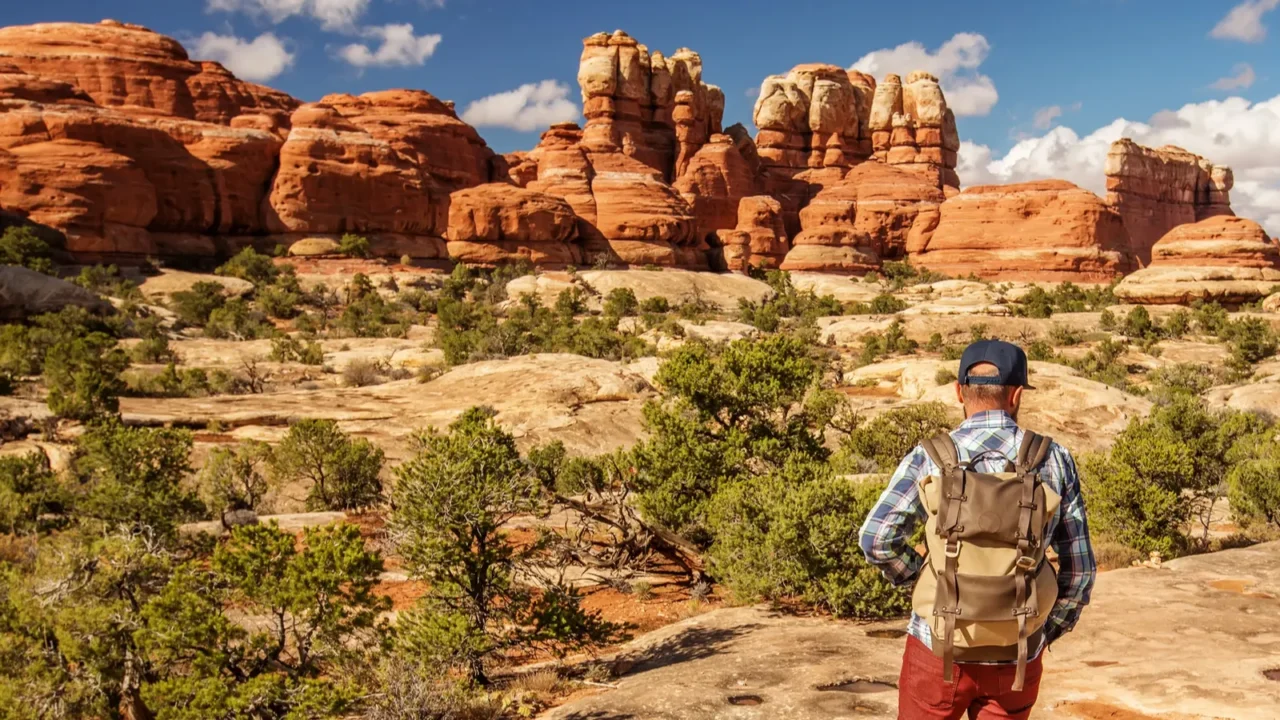
One of the most unforgettable things about Utah’s hoodoos is their rich, glowing colors that shift with the light throughout the day. Shades of orange, red, tan, and cream blend together and come alive, especially at sunrise and sunset. These vibrant hues make the sandstone feel like it was painted by nature’s own palette.
When sunlight bends around the hoodoos, shadows and highlights give depth to every twist and curve in the rock. Travelers often pause just to watch how the colors change with shifting light and weather. This dynamic visual experience makes each visit feel fresh and alive.
Why they feel alive
It’s this combination of shape, color, texture, and timeless transformation that makes Utah’s hoodoos feel almost alive or intentional, like crafted art. These jaw-dropping rock formations that make Utah a geological wonderland do not simply stand as silent stones; they carry stories of ancient environments and the immense forces that shaped them over millions of years. Travelers often say these rock forms seem to speak to something deep and timeless within them.
Seeing these formations up close gives a sense of nature working in slow motion, sculpting beauty without hurry or end. That lingering sense of wonder is what keeps visitors returning and telling others about their experience. It feels like stepping into a place where time is both real and beautifully mysterious.
Thoughts on these wonders
Utah’s hoodoos inspire curiosity because they feel like nature’s own sculptures carved by time and weather with infinite patience. Their tall spires and quirky shapes invite storytelling, imagination, and quiet reflection in visitors who stand among them. They remind travelers that the Earth’s slow movements can create some of the most extraordinary art on the planet.
What part of these sculpted rock forms feels most amazing to travelers who love natural beauty and geological wonders? Drop thoughts in the comments about which hoodoo shapes capture the imagination and make this landscape feel like time’s masterpiece.
This slideshow was made with AI assistance and human editing.
Don’t forget to follow us for more exclusive content right here on MSN.
Read More From This Brand:
