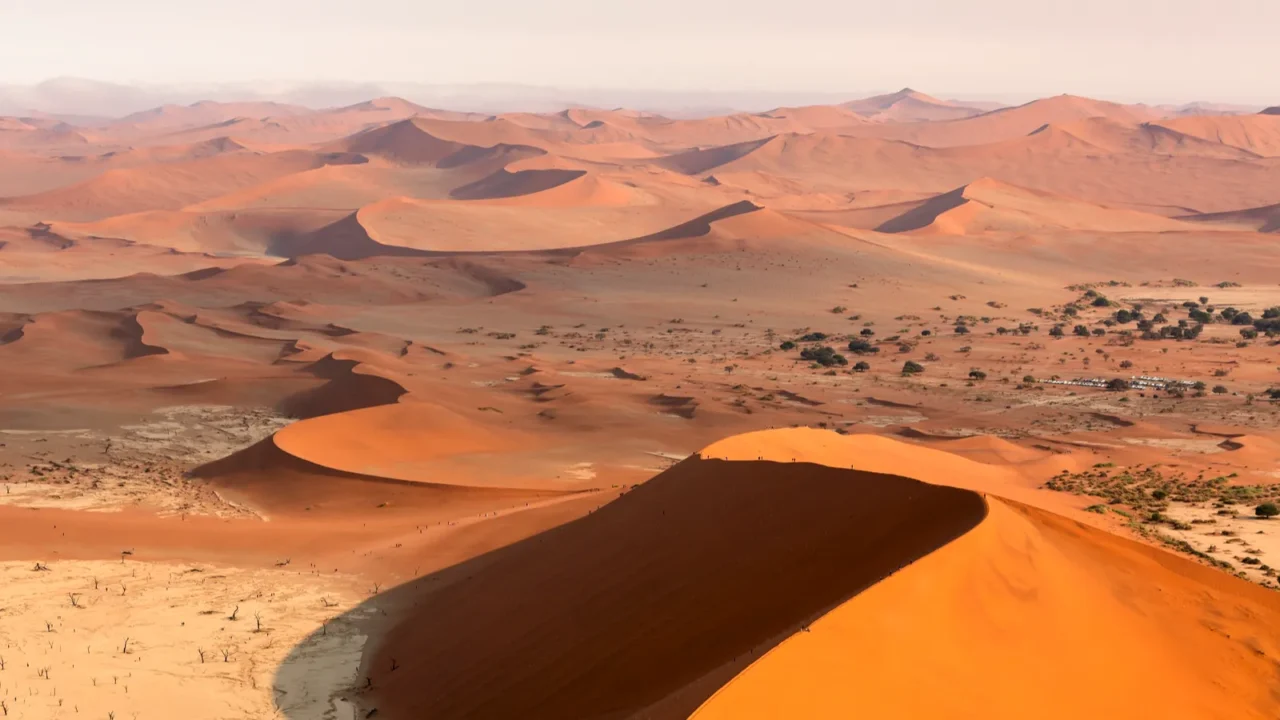
Ancient dunes spark wonder
Namibia’s red dunes rise suddenly from the desert floor, creating a scene that feels almost unreal. Their scale and deep color instantly spark curiosity about how nature shaped something so dramatic. Travelers often find themselves staring in silence, trying to grasp the sheer size of the structure.
These dunes are situated in one of the oldest deserts on Earth, where time moves slowly and landscapes evolve patiently. Every ridge and curve hints at a long natural story written by wind and sand. That story is what makes this place impossible to forget. Let’s explore more.

Located in the Namib Desert
The towering dunes are found in the Namib Desert of southwestern Namibia, a region known for extreme age and beauty. The most famous dunes rise around Sossusvlei, a clay pan surrounded by some of the tallest dunes in Namib-Naukluft National Park.
This location plays a major role in why the dunes grow so tall over time. Constant wind patterns and an open landscape allow sand to gather instead of dispersing. The desert becomes a natural stage for these giants to form.
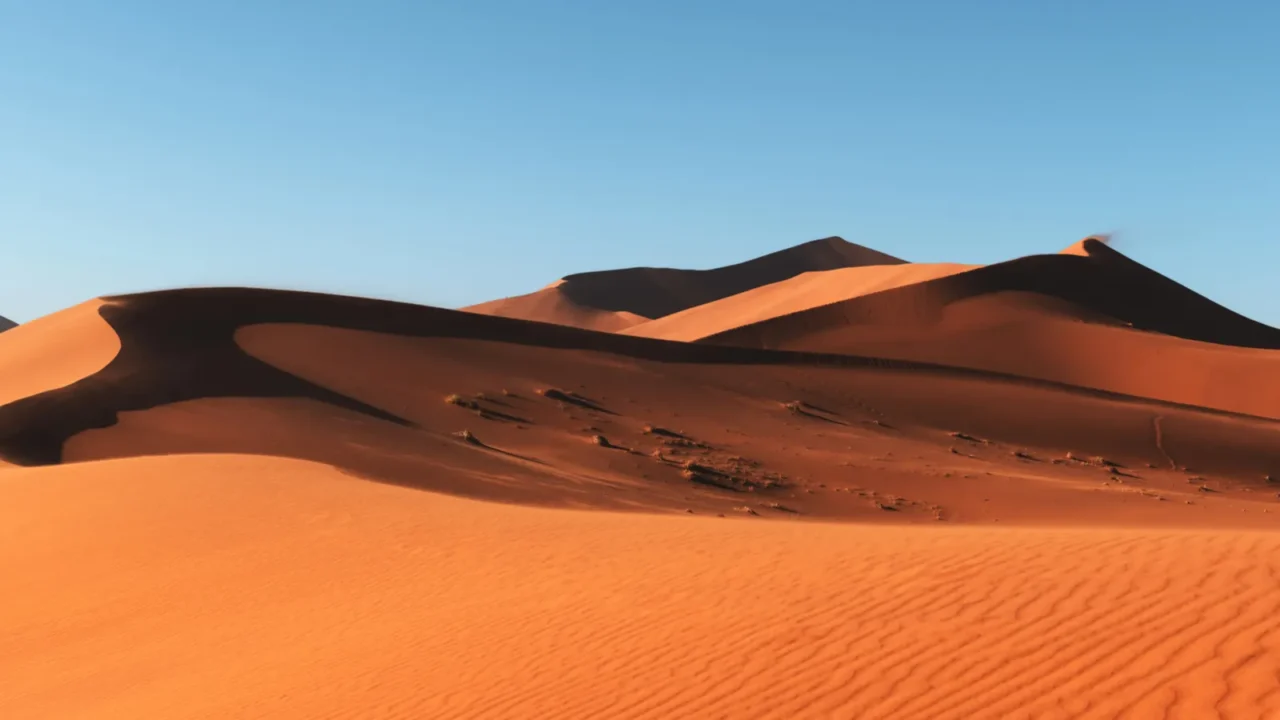
Why the sand looks red
The dunes owe their red color to iron particles that coat each grain of sand. Over millions of years, exposure to oxygen slowly deepened the color from pale orange to rich red. Older sand appears darker, which is why the tallest dunes often look the most vivid.
Light transforms this color throughout the day, making the dunes glow at sunrise and deepen by sunset. Travelers often notice how the same dune looks completely different within hours. That color shift adds to the dunes’ visual power.

Wind builds towering shapes
Powerful winds push sand inland from coastal areas and ancient river deposits. These winds come from multiple directions, allowing sand to stack upward instead of spreading out. Over time, this creates dunes that grow taller rather than wider.
The process never truly stops, which means the dunes are always changing shape slightly. Despite that movement, their height remains impressive and stable. Wind becomes both the sculptor and the builder.
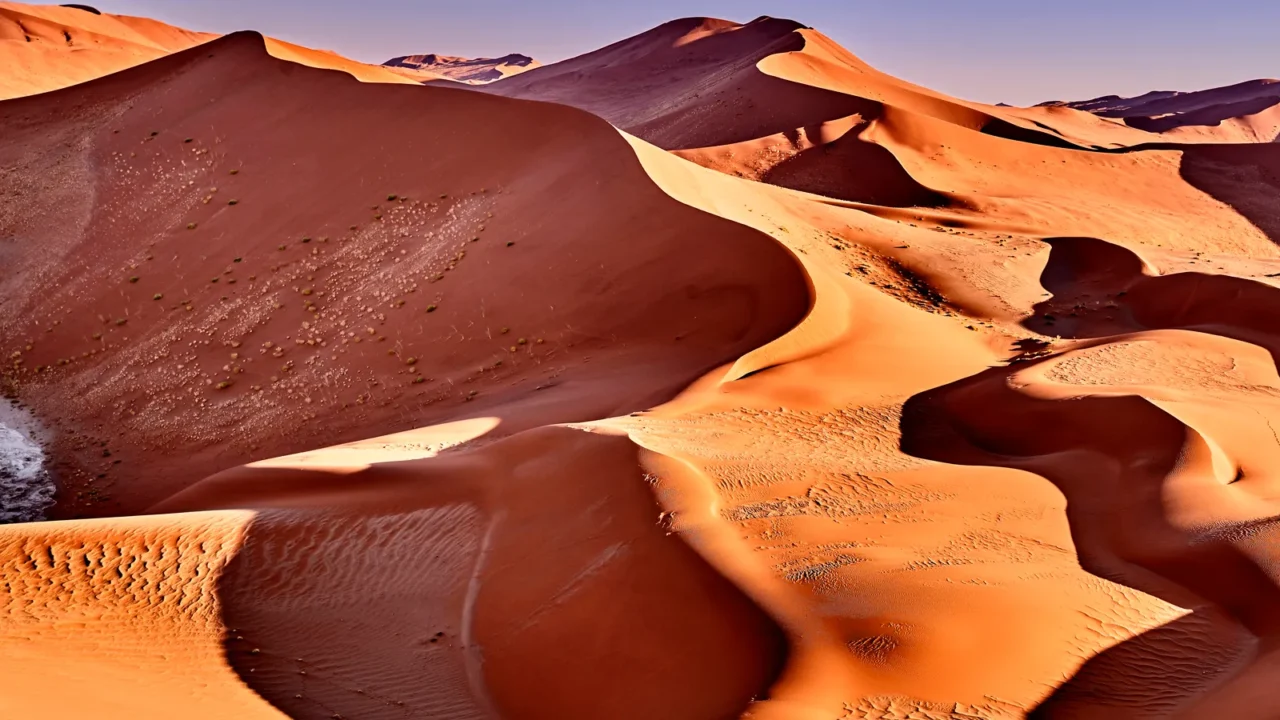
Just how tall they rise
Some dunes in Namibia rise over 300 meters above the desert floor. A few reach heights that place them among the tallest dunes anywhere on Earth. Standing beside them makes people feel remarkably small.
Climbing these dunes can take hours due to their steep slopes and soft sand. From the top, the view stretches endlessly in every direction. That height explains why these dunes are often described as giants.
Millions of years in the making
The sand forming these dunes has traveled vast distances over millions of years. Carried by rivers and coastal winds, it slowly settled into the desert interior. Layer by layer, the dunes grew taller with time.
Because this process happened so slowly, the dunes became incredibly stable. Their age allows them to reach heights that younger deserts cannot match. Time is one of their greatest architects.
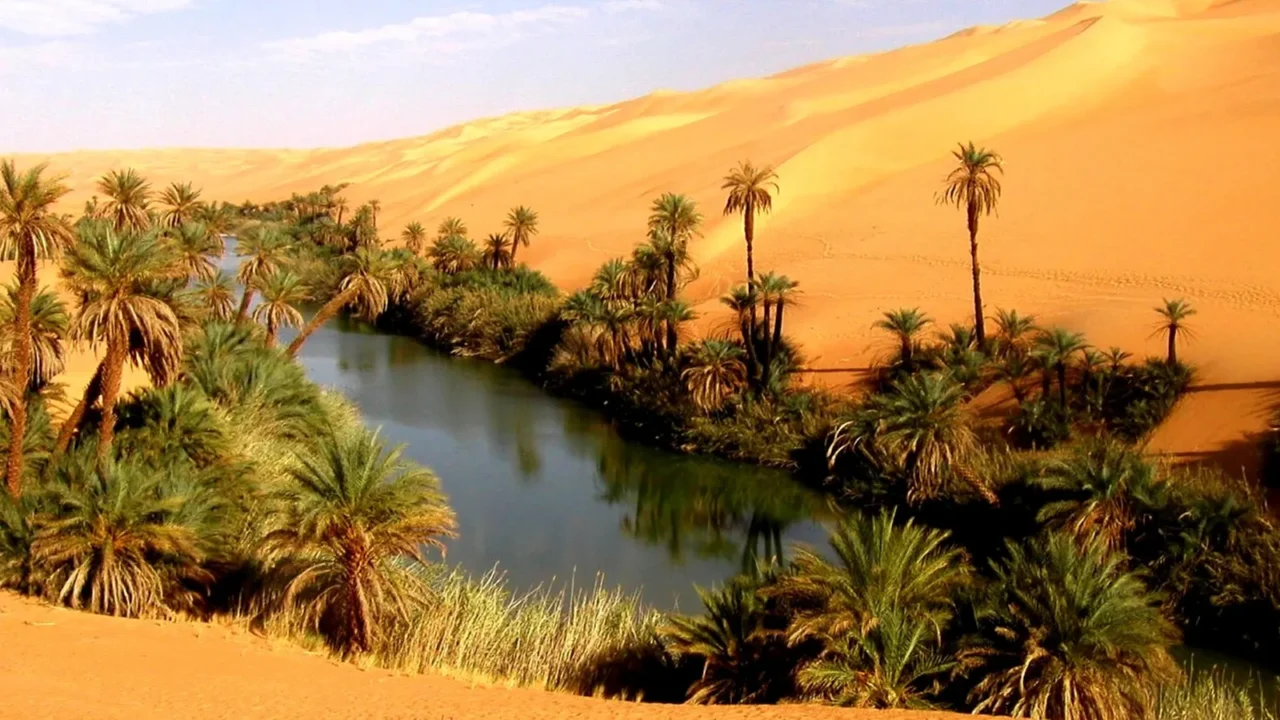
The world’s oldest desert
The Namib Desert is widely considered the oldest desert on Earth. Its extreme age gave natural forces more time to shape dramatic features. Few places have experienced uninterrupted desert conditions for so long.
This ancient setting allowed dunes to grow without being destroyed by frequent rain or vegetation. The result is a landscape that feels untouched and timeless. It explains why the dunes appear so monumental.
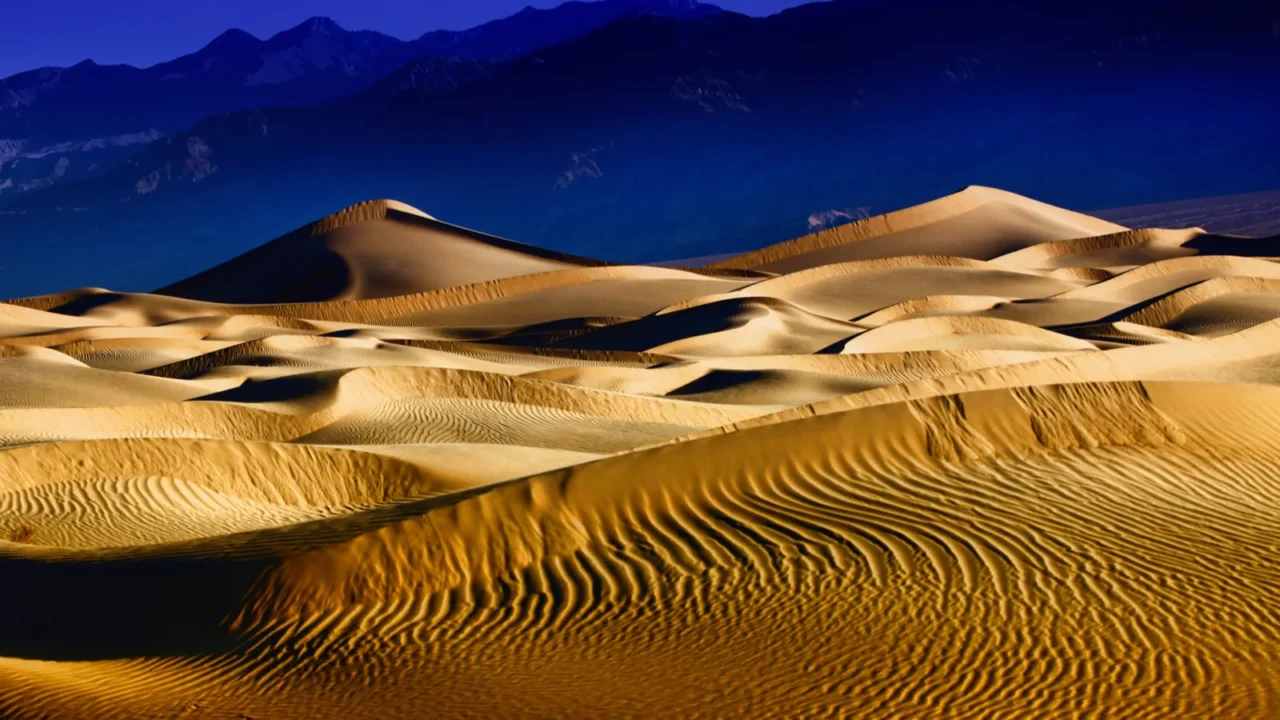
Little rain means less erosion
Rainfall in this region is extremely rare, which helps preserve dune height. Without water washing sand away, the dunes remain tall and sharply defined. Dry conditions allow wind to dominate the landscape.
This balance between wind movement and limited erosion keeps the dunes intact. The desert protects its own creations through dryness. That stability helps the dunes endure for ages.
Unique star dune formations
Many dunes here are shaped like stars rather than simple ridges. This happens because winds blow from several directions throughout the year. The result is a tall central peak with arms stretching outward.
These star dunes grow upward more easily than other dune types. Their complex structure adds to their impressive height. It is one more reason Namibia’s dunes stand apart.
Light enhances their height
Shadows cast by the sun exaggerate the dunes’ height and curves. Early morning and late afternoon light make them appear even taller. This visual effect leaves a strong impression on visitors.
The play of light and shadow adds depth and drama to the landscape. Photographers often return just to capture these moments. The dunes seem to change personality with the sun.
Dramatic desert contrasts
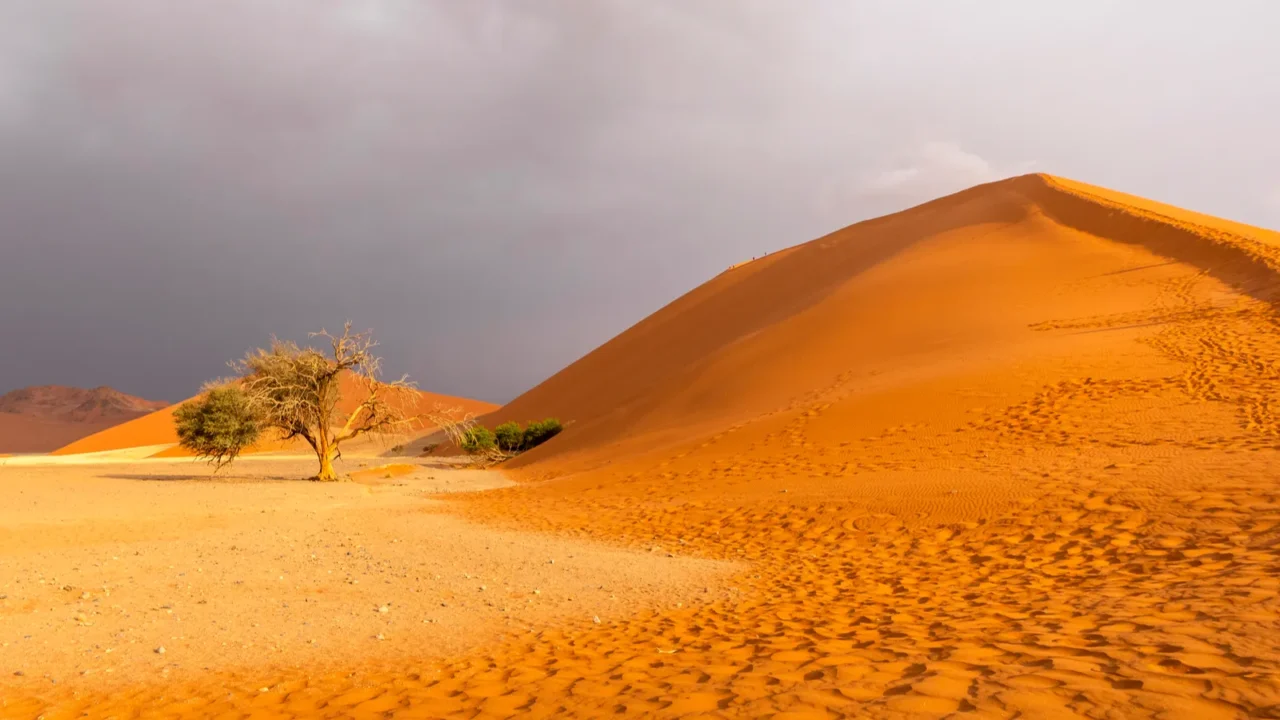
White clay pans sit at the base of many towering dunes, creating a striking visual contrast. In places like Deadvlei, dark skeletal trees stand against bright sand and pale ground. The scene feels surreal and powerful.
These contrasts emphasize the dunes’ height even more. Flat surfaces make the rising walls of sand feel enormous. Nature uses simplicity to amplify scale.
A lasting impression on travelers
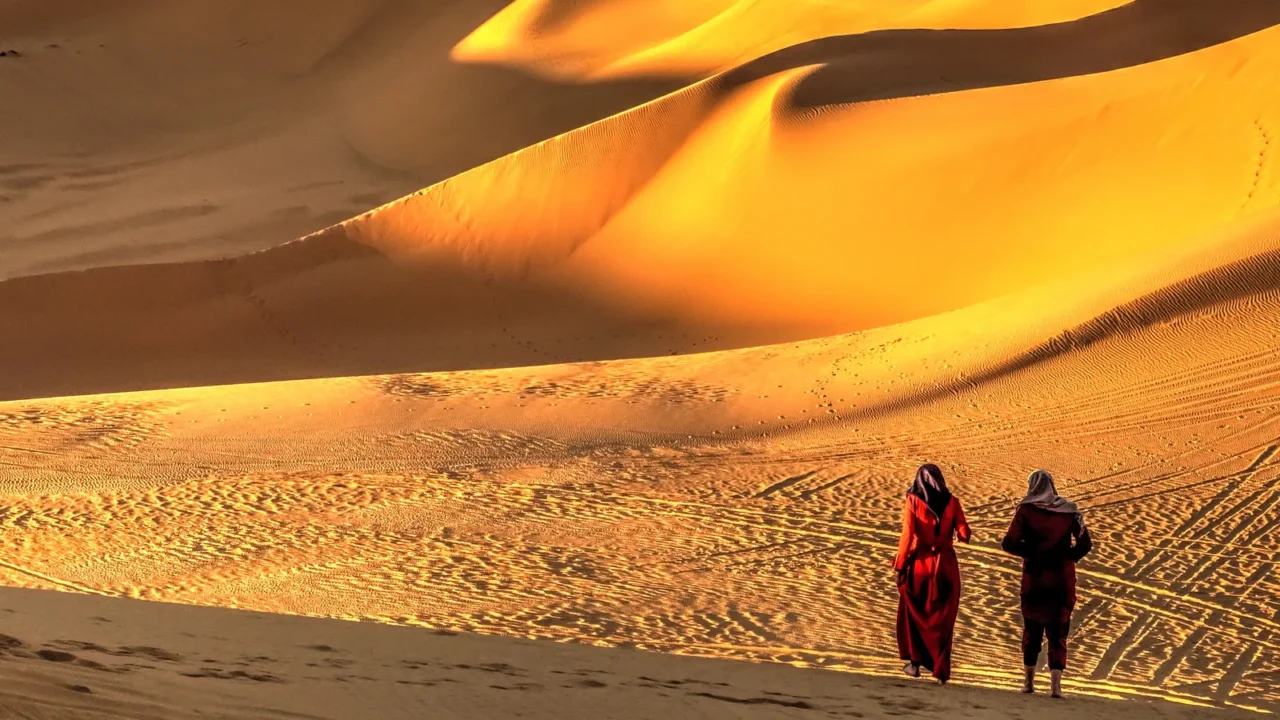
Many visitors describe the dunes as overwhelming in the best way possible, a feeling heightened at influencer-approved desert glamping spots in Jordan’s Wadi Rum. The silence, space, and scale create a rare sense of calm and wonder. It feels less like sightseeing and more like experiencing something ancient.
This emotional impact is why people travel great distances to see them. The dunes leave memories that linger long after the journey ends. Their height becomes part of that lasting impression.
Would you explore them
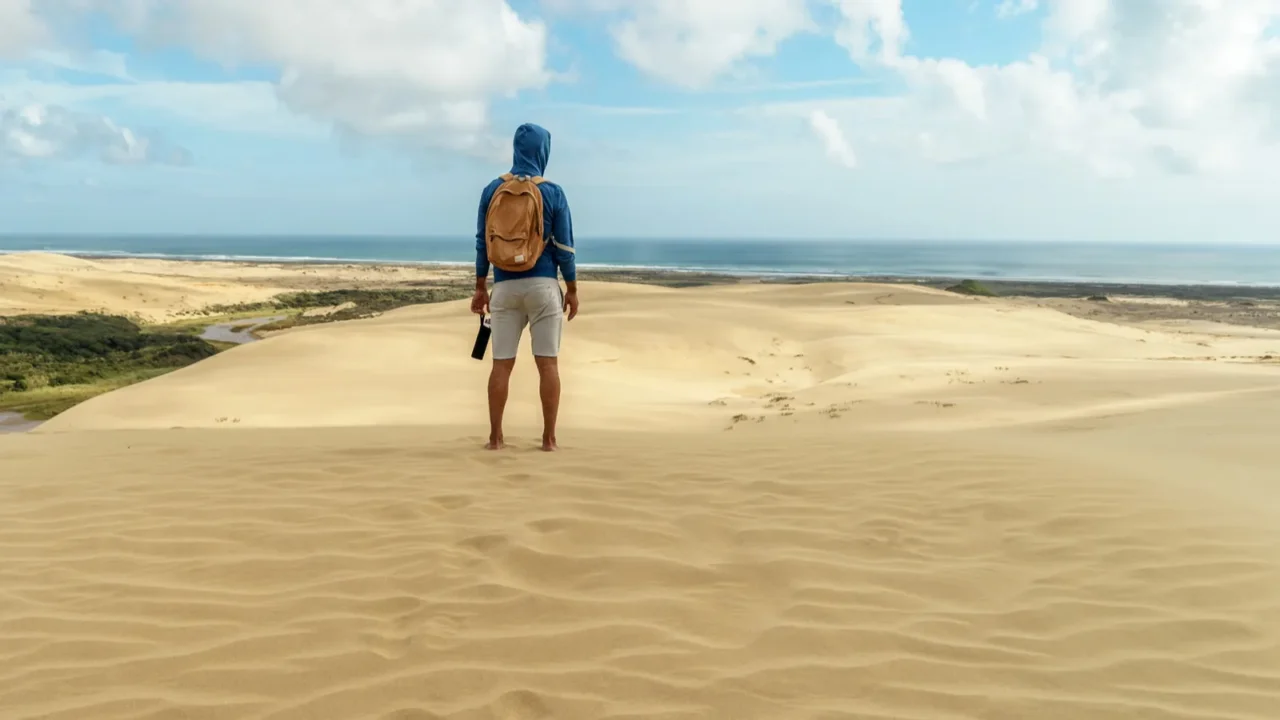
Standing atop one of the tallest dunes in the world is an experience many travelers dream about. The vast views and shifting colors make the climb feel worthwhile. It is a moment that stays etched in memory.
Do these towering red dunes feel like a place worth adding to a future journey? Share your thoughts and tell us if Namibia’s desert giants caught your eye.
This slideshow was made with AI assistance and human editing.
Don’t forget to follow us for more exclusive content right here on MSN.
Read More From This Brand:
